

Singapore squeezes an unusual amount into a little over 730 square kilometres. Before lunch you can stand barefoot in a Hindu temple on Serangoon Road, then eat a plate of Hainanese chicken rice that costs about the same as a bubble tea, and finish the day in an open-air gondola over Sentosa as the container cranes at Pasir Panjang turn orange in the sunset. Very few cities let you switch moods that quickly on a single train ticket.
The catch is that Singapore rewards a little planning. The big attractions run on fixed hours, the best free light shows happen at set times, and the weather can change from hard glare to a tropical downpour in twenty minutes. What follows sorts the city's top attractions by the kind of experience they give you, with opening hours, typical gate prices, travel tips and the small practical details that decide whether a day feels easy or exhausting.
Choosing your Singapore experiences: a quick comparison
It helps to think of Singapore as a handful of clusters rather than one long list of sights. Marina Bay and the Civic District give you the skyline, the waterfront and most of the night-time shows. Chinatown, Kampong Glam and Little India are the heritage quarters, full of temples, shophouses and food. The Botanic Gardens sit at the top of Orchard Road and offer the city's best green escape. Sentosa, just off the southern coast, is the island of theme parks, beaches and rides. Out in the north, Mandai holds the zoo and the other wildlife parks, while Changi in the east has the airport's Jewel complex and some sobering Second World War history.
Most of these clusters are 15 to 40 minutes apart by MRT, so you can comfortably mix two of them in one day. Trying to do three or four usually means you spend the afternoon underground instead of outdoors. A good rhythm for first-timers is one big ticketed attraction per day, balanced with a free neighbourhood walk and a hawker meal. If you only have a long weekend, our 3-day Singapore itinerary turns this into a day-by-day plan.
| Attraction | Area | Typical hours | Adult price | Time to allow |
|---|---|---|---|---|
| Flower Dome and Cloud Forest | Gardens by the Bay | 9am to 9pm daily | Roughly S$46 to S$48 for both domes (gate) | 2 to 3 hours |
| SkyPark Observation Deck | Marina Bay Sands | 11am to 9pm | About S$35 before 5pm, S$39 after (gate) | 45 to 60 minutes |
| Buddha Tooth Relic Temple | Chinatown | Temple 7am to 7pm, museum 9am to 6pm | Free | About 1 hour |
| National Orchid Garden | Singapore Botanic Gardens | 8.30am to 7pm, last entry 6pm | S$15 standard, under-12s free | 1 to 1.5 hours |
| Universal Studios Singapore | Sentosa | Usually 10am to 7pm, later on some days | Low to mid S$80s (gate) | A full day |
| Singapore Cable Car | Mount Faber to Sentosa | 8.45am to 10pm, last boarding 9.30pm | From S$31.50 with HolidaySG | About 1 hour |
| Singapore Zoo | Mandai | 8.30am to 6pm | S$49 adult, S$34 child (gate) | Half a day |
| Canopy Park | Jewel Changi Airport | 10am to 9pm, 10pm Friday to Sunday | From S$6.85 with HolidaySG | 1 to 2 hours |
Gate prices above are standard non-resident rates published in 2026. Residents often pay less, and attractions adjust prices without much warning, so treat them as a guide.
Marina Bay and the Civic District: the skyline by day and night
Marina Bay is the postcard Singapore, and it is worth more than a quick photo stop. The trick is timing. Most of what makes the bay special happens after 7pm, while the midday hours are hot, bright and better spent indoors.
Gardens by the Bay
The outdoor gardens and the Supertree Grove are free to wander, so you only pay for the extras. The two big glass conservatories, the Flower Dome and the Cloud Forest, open from 9am to 9pm every day. The Flower Dome holds a cool, dry, Mediterranean-style climate full of olive trees, succulents and rotating floral displays, while the Cloud Forest wraps a man-made mountain in ferns and orchids, with a tall waterfall that greets you as you walk in. In 2026 the Cloud Forest hosts a Jurassic World themed experience, and the Flower Dome's sunflower show runs from 9 October to 9 November. The domes close for occasional maintenance days, so check the calendar first.
Here is the plan that works best for most travellers: do the conservatories between 2pm and 5pm, when the heat outside is at its worst and the domes are air-conditioned. Then walk out to the Supertree Grove for sunset. The OCBC Skyway, the walkway strung between the supertrees, runs from 9am to 9pm with last admission at 8.30pm. The free Garden Rhapsody light and sound show starts at 7.45pm and again at 8.45pm. Lie back on the ground under the trees if you can find a spot, because that is how locals tend to watch it.
To get there, take the Circle or Downtown Line to Bayfront and use Exit B, then follow the signs through the underpass. The newer Thomson-East Coast Line also has its own Gardens by the Bay station, which is handy if you are staying near Orchard Road.
Marina Bay Sands and the free water show
The SkyPark Observation Deck on top of Marina Bay Sands is open from 11am to 9pm. Standard tickets cost about S$35 before 5pm and about S$39 after, and entry after 5pm is by timed slot. Is it worth the premium for sunset? Usually, yes, but book a slot about 45 minutes before the sun goes down so you see both daylight and the city lighting up.
You do not need a ticket for Spectra, the light and water show on the waterfront promenade in front of the mall. It runs nightly at 8pm and 9pm, with an extra 10pm show on Fridays and Saturdays, and lasts around 15 minutes. Inside The Shoppes, the sampan rides at Marina Bay Sands (from S$10.86) take you on a gentle ten-minute float along the indoor canal, circling the huge acrylic bowl that pours rainwater down into the mall. It sounds gimmicky, but it is a nice way for small children to rest their legs.
A first-day orientation on wheels and water
If you have just landed and want the lie of the land, the Singapore DUCKtours amphibious ride is a fun shortcut. The 60-minute tour leaves from Suntec City in a refurbished Second World War era amphibious vehicle, spends roughly half the time rolling through the Civic District past the colonial buildings, then drives straight into Marina Bay for a loop past the Merlion and the Esplanade. Tickets start from S$18.24. Kids love the splash moment and adults get a decent overview without walking in the heat.
Save the Merlion for early morning or after dark, when the crowds thin; our Merlion Park guide covers the best viewing angles. Nearby, the National Gallery Singapore fills the old Supreme Court and City Hall buildings, and Fort Canning Park is cooler and greener than you would expect.
| Free night show | Where | Show times | Tip |
|---|---|---|---|
| Garden Rhapsody | Supertree Grove, Gardens by the Bay | 7.45pm and 8.45pm daily | Arrive 20 minutes early and sit near the centre of the grove |
| Spectra | Waterfront promenade, Marina Bay Sands | 8pm and 9pm, plus 10pm Friday and Saturday | Catch the 8pm Spectra, then walk to the Supertrees for 8.45pm |
| Rain Vortex light and music | Jewel Changi Airport | 8pm and 9pm Monday to Thursday, plus 10pm Friday to Sunday and eves of public holidays | Watch from the lowest level for the full drop of the waterfall |
Chinatown: temples, shophouses and the city's oldest streets
Chinatown is where Singapore's history feels closest to the surface. Many visitors step out of Chinatown MRT into the souvenir-stall lanes and decide that is all there is. Walk two or three blocks in any direction and the neighbourhood changes completely.
Three places of worship within ten minutes of each other
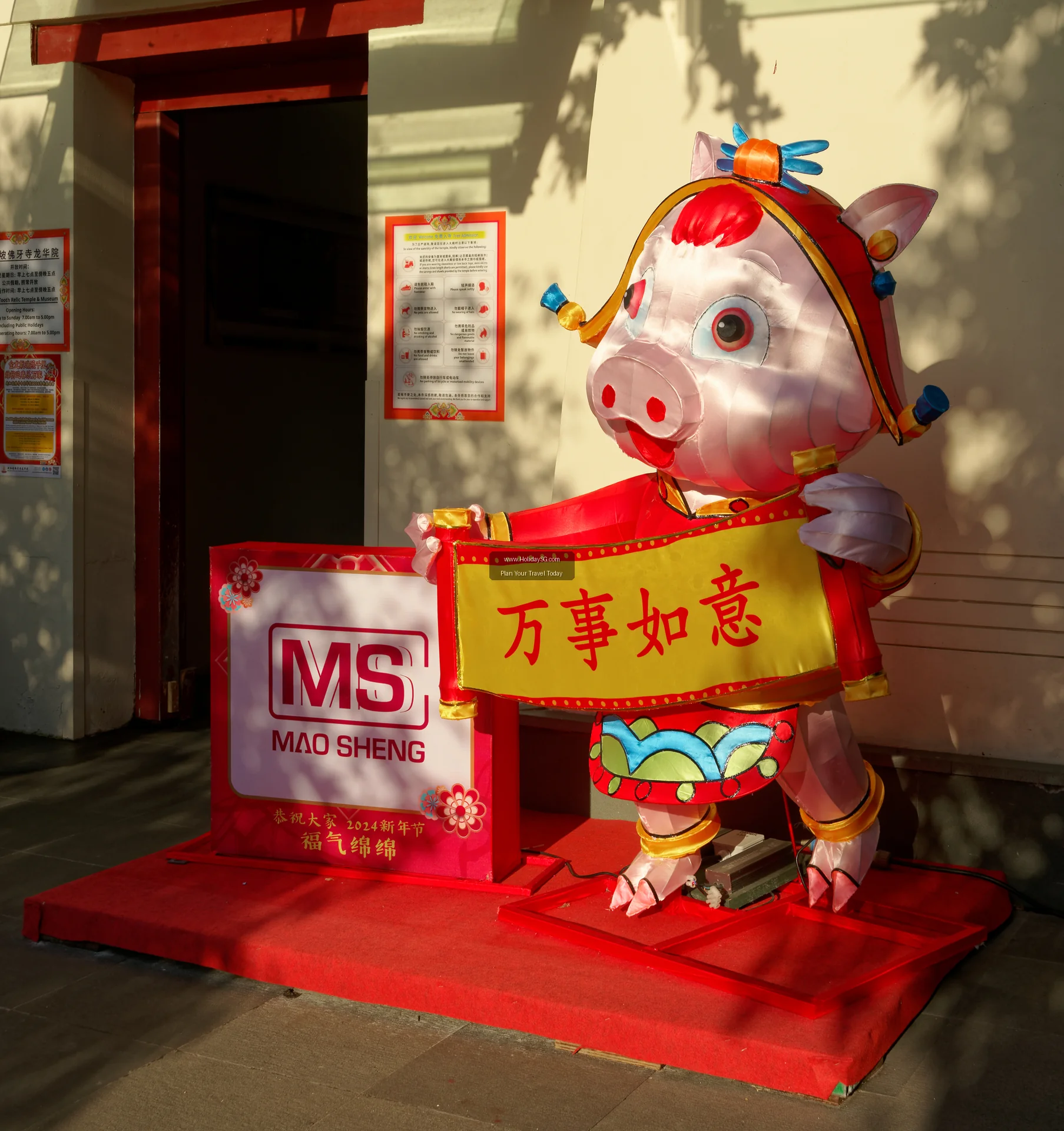
The Buddha Tooth Relic Temple at 288 South Bridge Road is the big draw. It is a modern building, styled on Tang dynasty architecture, and the relic is kept on an upper floor in an elaborate golden chamber. The temple is open from 7am to 7pm and its museum from 9am to 6pm, and there is no admission charge. Shoulders and knees must be covered; wraps are lent free at the entrance, and you remove your shoes in the main prayer hall. Visit early in the morning if you can, when chanting fills the hall and tour groups have not yet arrived.
A few doors down South Bridge Road, the Sri Mariamman Temple is Singapore's oldest Hindu temple, founded in 1827, and its tower of painted deities is one of the most photographed facades in the city. Shoes come off at the gate here too. Then walk east to Telok Ayer Street and the Thian Hock Keng Temple, the oldest Hokkien temple in Singapore, dedicated to Mazu, the goddess of the sea. It now sits several streets inland, but when it was built the shoreline ran almost to its door, and sailors came straight from their boats to give thanks for a safe voyage. That one fact explains a lot about how much land Singapore has reclaimed since.
Streets worth wandering
Beyond the temples, the rewarding part of Chinatown is simply walking. Club Street and Ann Siang Hill have restored shophouses, small bars and a slope that catches the evening breeze. Keong Saik Road, once a red-light street, is now lined with restaurants and boutique hotels. Smith Street and Trengganu Street are busier, good for souvenirs and bak kwa (sweet barbecued pork slices).
Chinatown MRT on the North East and Downtown Lines drops you in the middle of everything, while Maxwell station on the Thomson-East Coast Line is closer to the food centre and the southern temples. A sensible loop is Telok Ayer in the morning, an early lunch at Maxwell, then the Buddha Tooth Relic Temple and Sri Mariamman before the afternoon heat peaks.
Hawker centres: how to eat well for under S$10
If you only remember one thing about eating in Singapore, make it this: the best-value meals are not in restaurants. They are in hawker centres, the open-sided food courts run under government oversight, where a plate of something excellent usually costs somewhere between S$4 and S$8. In December 2020 UNESCO added Singapore's hawker culture to its list of the intangible cultural heritage of humanity, recognising not just the food but the shared tables and the way recipes pass down through families.
How a hawker centre works
The routine confuses first-timers, so here it is step by step. First, find a seat. If you see a packet of tissues on a chair or table, that seat is taken; locals call this "choping" and it is perfectly normal to do the same with your own packet. Then queue at the stall you want, order, and pay. Many stalls take cards or QR payments, but some remain cash only, so carry a few small notes.
When you finish, return your tray and crockery to the marked return points. Since September 2021 this has been mandatory at hawker centres and coffee shops. First-time offenders get a written warning, but repeat offenders can be fined, and you will notice that locals almost always do it.
What to order
Start with the classics. Hainanese chicken rice is poached chicken with fragrant rice cooked in stock, served with chilli and ginger sauce. Laksa is a spicy coconut noodle soup, char kway teow is smoky wok-fried flat noodles, and satay comes as skewers with peanut sauce, best eaten in the evening. Look for nasi lemak (coconut rice with sambal, egg and fried anchovies) at breakfast, and roti prata with curry from the Indian Muslim stalls. Wash it down with fresh sugarcane juice or a kopi, the local coffee, which arrives sweetened with condensed milk unless you ask otherwise.
Which hawker centres to try
Maxwell Food Centre in Chinatown is the easiest introduction. Its most famous stall, Tian Tian Hainanese Chicken Rice, usually charges around S$5 to S$8 a plate and is closed on Mondays; the queue moves faster than it looks. Chinatown Complex, a short walk away, is larger and more local, with the food centre on the upper floor above a wet market. In the business district, Lau Pa Sat sits inside a Victorian cast-iron market hall, and in the evening a side street next to it fills with satay grills. Up in Little India, Tekka Centre is the place for biryani and Indian breakfasts.
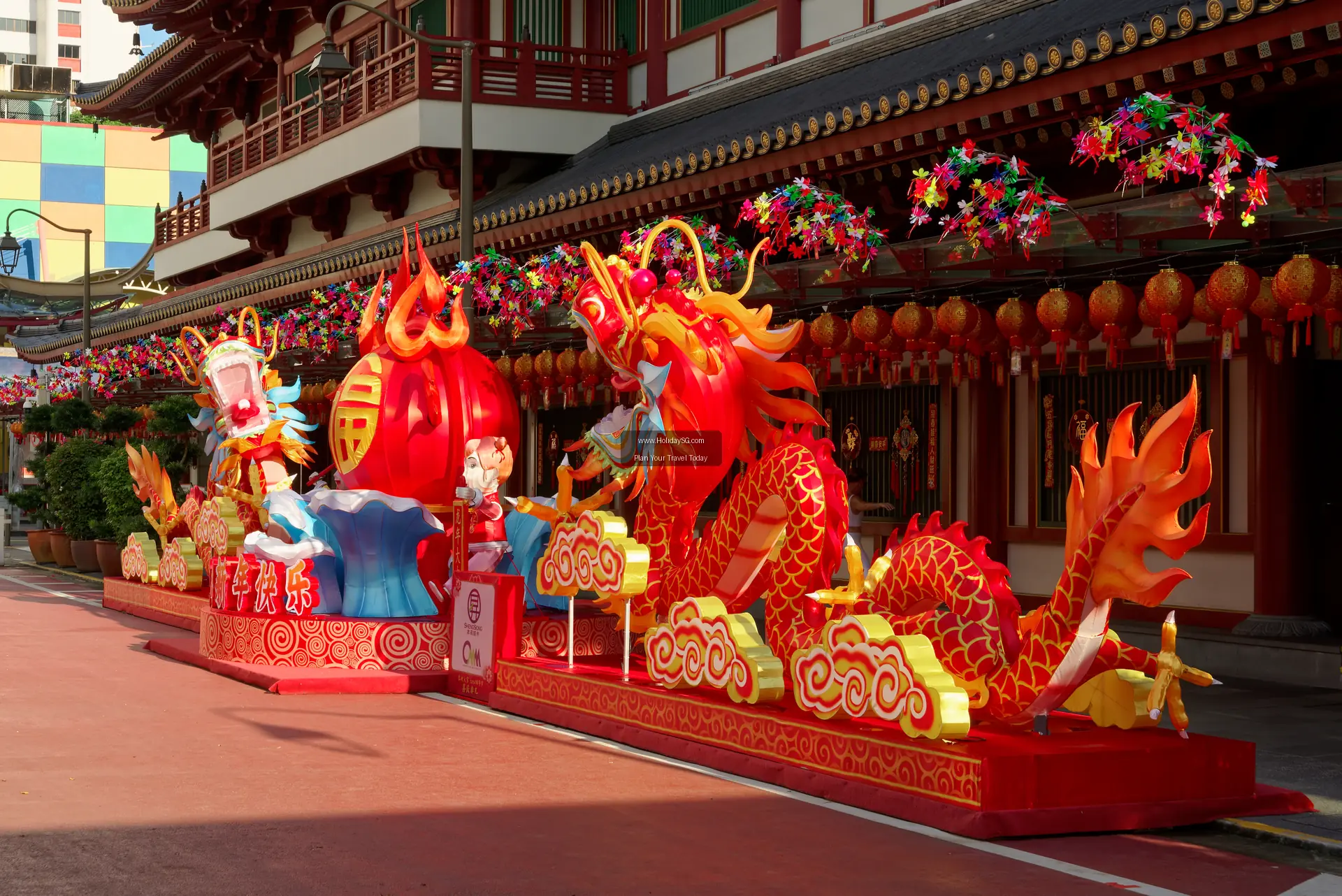
Kampong Glam and Little India on foot
These neighbourhoods sit about 20 minutes' walk apart and make a superb half-day together. Kampong Glam is the historic Malay and Arab quarter; Little India is the heart of the Tamil community.
Kampong Glam
Get off at Bugis MRT and walk towards the golden dome of the Sultan Mosque, one of the most important mosques in Singapore, whose current building dates from the late 1920s. Non-Muslim visitors are welcome outside prayer times, generally from 10am to noon and 2pm to 4pm from Saturday to Thursday, and only from 2.30pm on Fridays. Entry is free. Arms and legs must be covered, women should cover their hair, and robes are provided at the door. Bussorah Street, the palm-lined pedestrian street that frames the mosque, is the classic photo spot.
Around the corner, Haji Lane is a narrow strip of independent boutiques, wall murals and small bars, and Arab Street is still the place to buy textiles, rattan and Persian carpets. For a guided way in, the #INSTAWALK photo walk through Bugis, Waterloo and Kampong Glam (from S$45.32) pairs the neighbourhood's stories with tips on where to get the best shots.
Little India
Little India MRT puts you next to Tekka Centre, with its wet market, food centre and sari shops upstairs. Walk up Serangoon Road, the main spine of the district, past flower-garland stalls and gold shops to the Sri Veeramakaliamman Temple at number 141. Dedicated to the goddess Kali and dating from the mid-1800s, it opens from 5.30am to noon and 4pm to 9pm, and you leave your shoes outside. Evening prayers, with bells and lamps, are worth timing your visit around.
Around Deepavali, usually in October or November, Serangoon Road is strung with lights for weeks. Go on a weekday evening if you prefer a calmer walk; Sunday evenings are especially crowded.
Singapore Botanic Gardens: the UNESCO site most visitors under-plan
Founded in 1859, the Singapore Botanic Gardens became the country's first and only UNESCO World Heritage Site in 2015. Many travellers squeeze it into an hour between shopping trips on Orchard Road. That is a shame, because the gardens are big enough for a whole morning and they are free.
Opening hours and getting in
The gardens open from 5am until midnight every day. Botanic Gardens MRT, on the Circle and Downtown Lines, brings you to the northern end near the Bukit Timah entrance, and Napier station on the Thomson-East Coast Line is close to Tanglin Gate at the southern end, nearer Orchard Road. If you want to walk the length of the gardens, start at one station and finish at the other. Bring water and a hat; the paths are long and some sections are fully exposed.
The National Orchid Garden
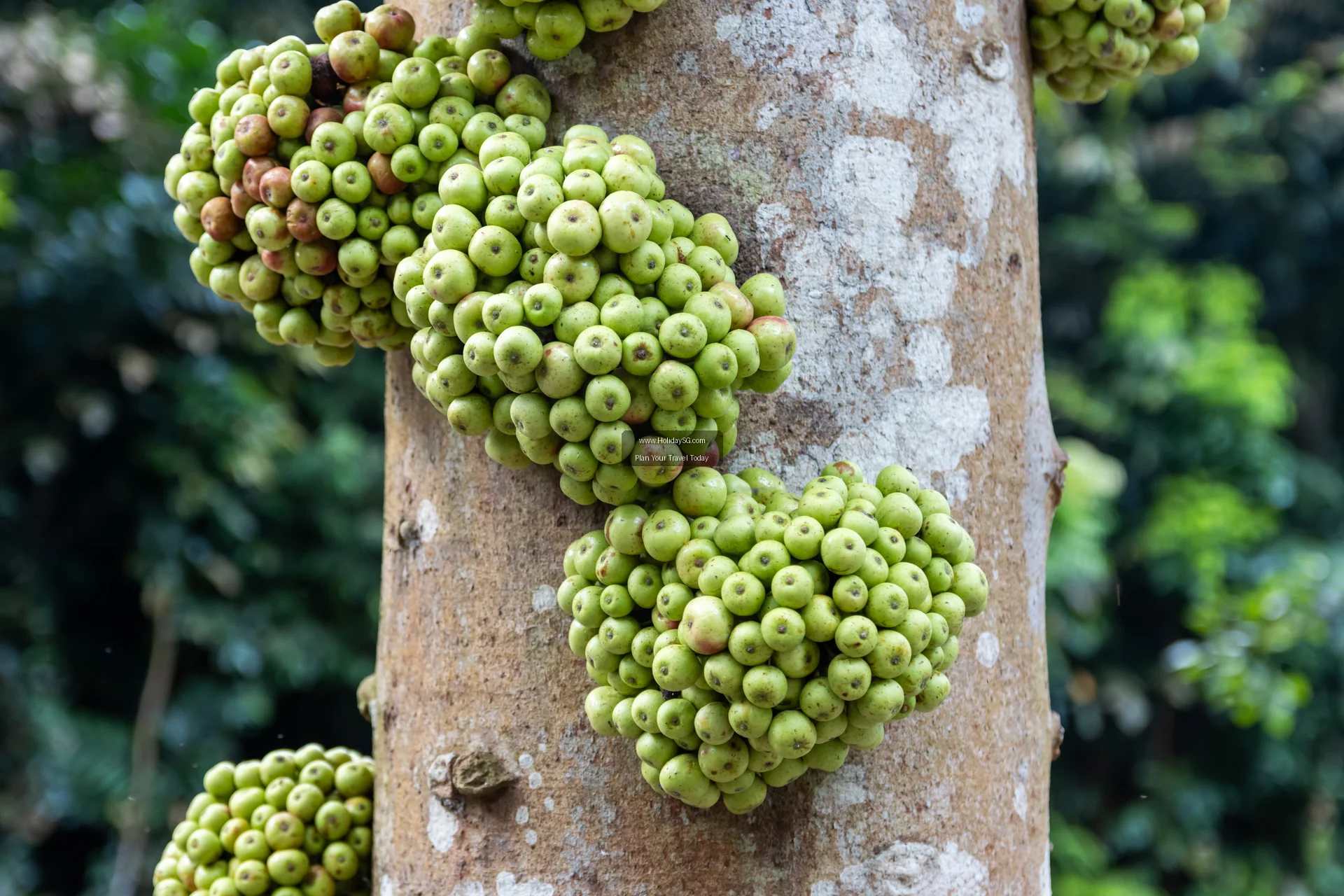
The one paid section is the National Orchid Garden, open from 8.30am to 7pm with last entry at 6pm. Standard admission is S$15 for adults and S$3 for seniors and students, and children under 12 go in free. Inside you will find more than a thousand species and hybrids, a cool house that recreates the misty climate of highland forests, and the VIP Orchid Garden, where hybrids are named after visiting heads of state and celebrities. It is one of the best-value tickets in the city, and it is at its best in the first hour after opening, before the sun is directly overhead.
Beyond the orchids
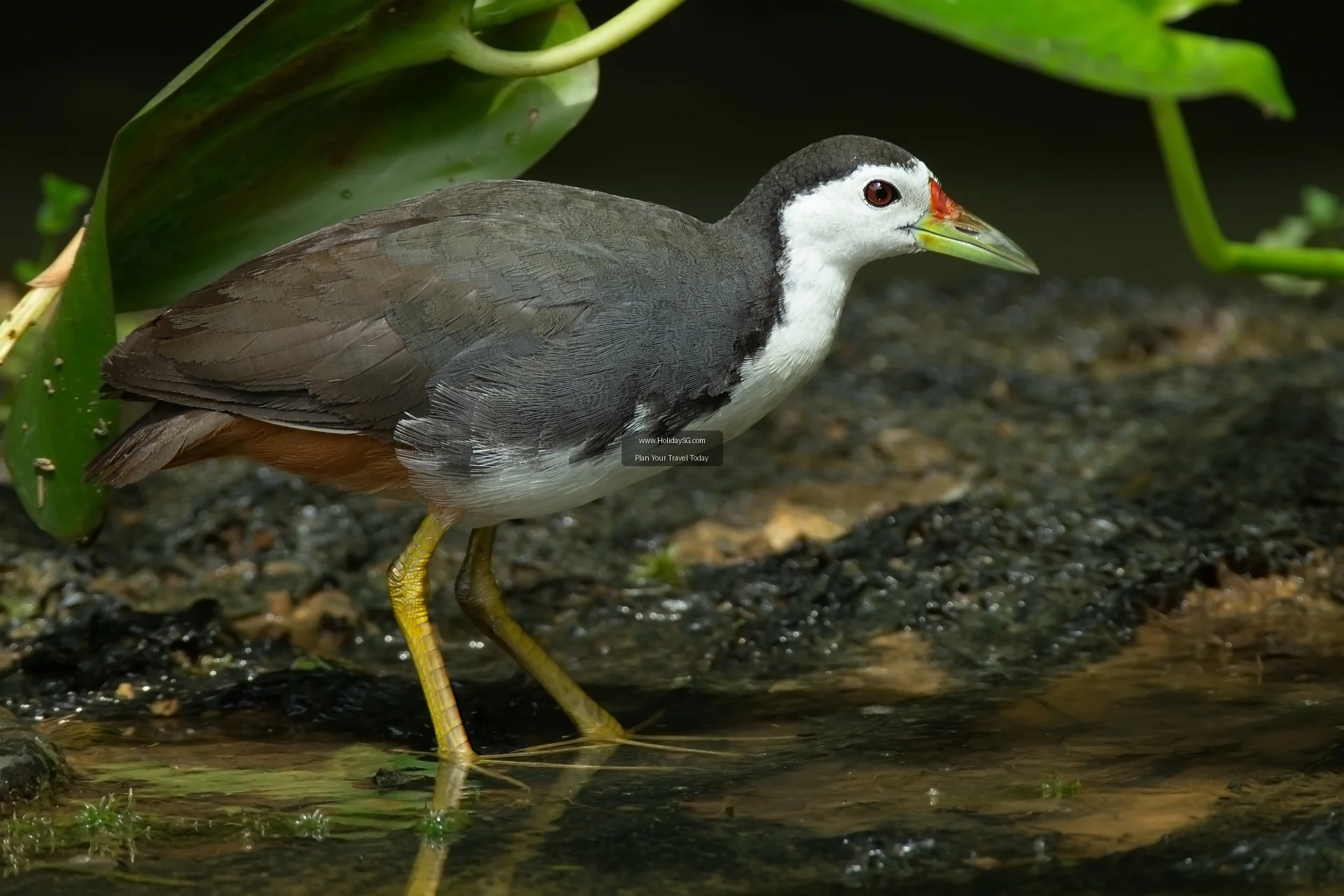
Swan Lake and Symphony Lake are the classic picnic spots, and there is a small patch of original rainforest older than the gardens themselves. Families should head for the Jacob Ballas Children's Garden, open from 8am to 7pm (last entry 6.30pm) and closed on Mondays unless it is a public holiday. A few rules are worth knowing: drones, cycling and skateboarding are not allowed, and feeding the wildlife is banned, which includes the monitor lizards and the bold long-tailed macaques.
A good half-day plan is to arrive around 7.30am, walk through the gardens while joggers and tai chi groups are out, see the Orchid Garden when it opens, and then go for brunch at nearby Dempsey Hill or head down to Orchard Road once the shops open.
Sentosa beyond the beach: Universal Studios, cable cars and rides
Sentosa is Singapore's playground island, and it is very easy to reach. You can walk across the Sentosa Boardwalk from VivoCity, next to HarbourFront MRT, for free in about 10 to 15 minutes, with travelators for much of the way. The Sentosa Express monorail from VivoCity costs S$4, which covers your island admission, and rides between stations on the island are free. The third option, and the most scenic, is the cable car.
Universal Studios Singapore
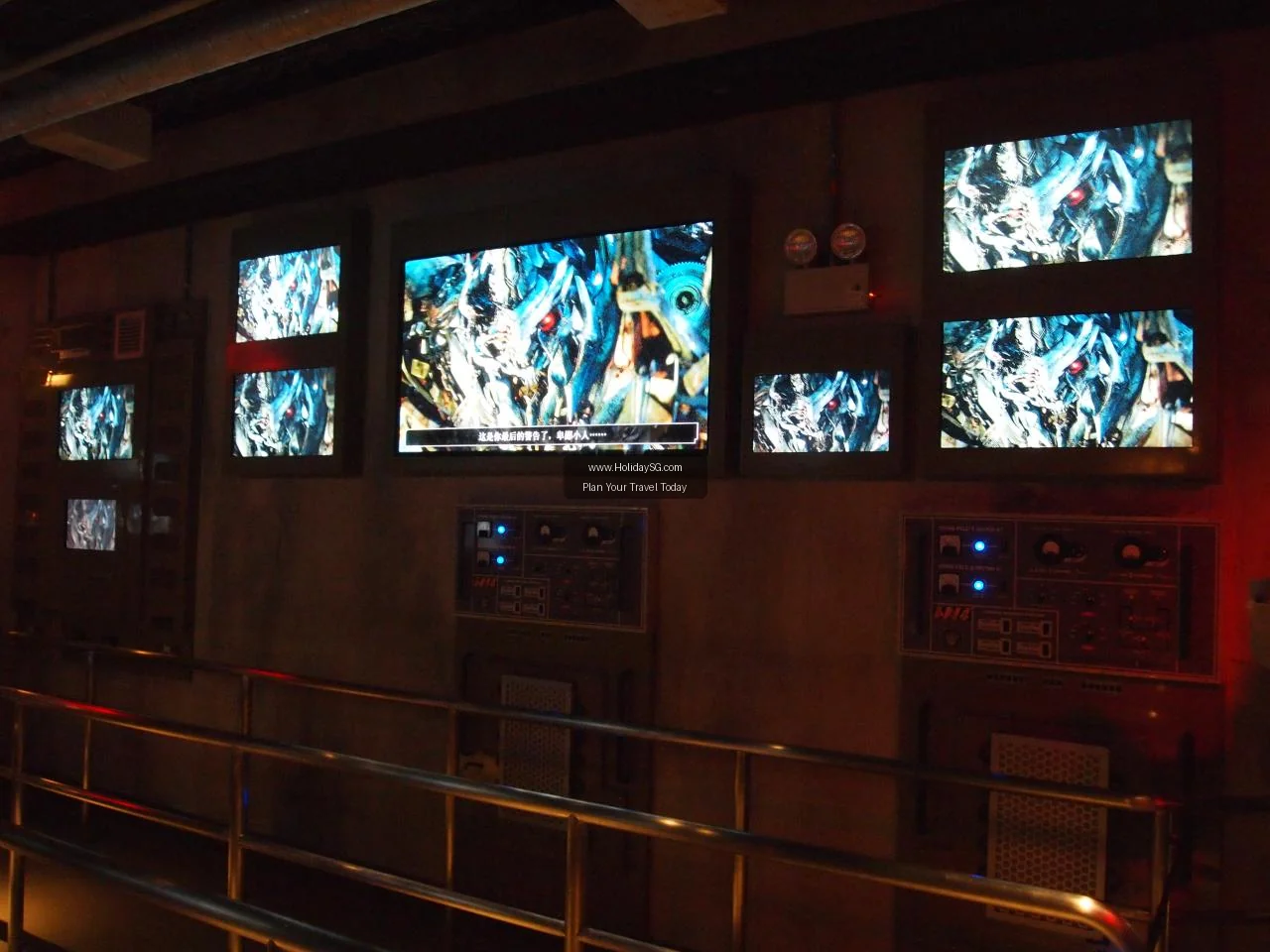
Universal Studios Singapore, inside Resorts World Sentosa, is the island's headline attraction. The park now has seven zones: Hollywood, New York, Sci-Fi City, Ancient Egypt, The Lost World, Far Far Away and the newest, Minion Land, which opened on 14 February 2025 with the Despicable Me Minion Mayhem simulator and two gentler rides, Buggie Boogie and Silly Swirly. Thrill seekers head straight for Sci-Fi City, where the two Battlestar Galactica roller coasters race side by side, and for TRANSFORMERS The Ride, still one of the most popular attractions in the park.
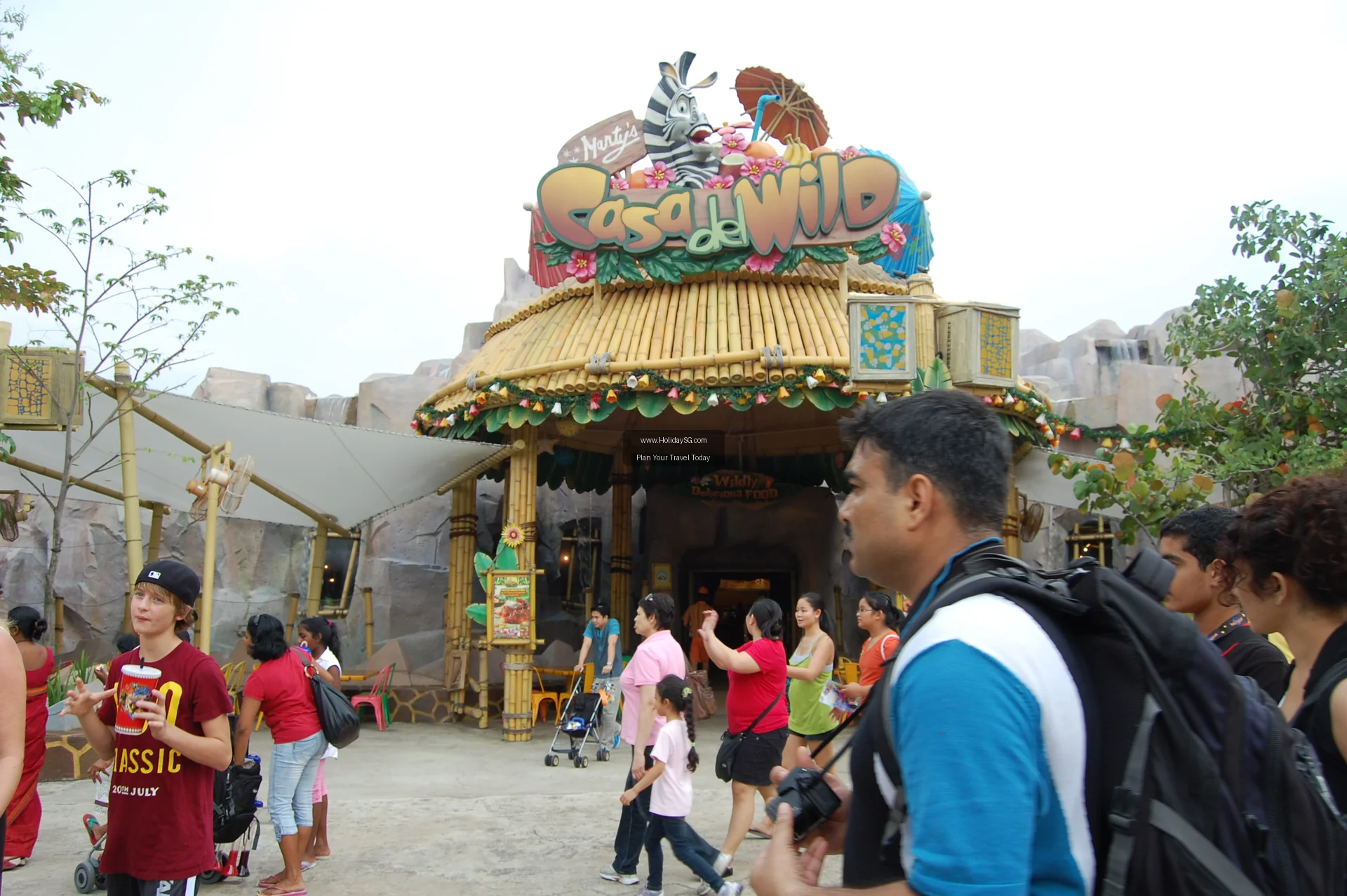
Gates usually open at 10am and close around 7pm, with later hours on some weekends, public holidays and event nights. Adult day tickets at the gate typically sit in the low to mid S$80s, a little more on peak days, and the Express Pass adds a one-time queue skip on each major ride for a considerably higher price. On a weekday outside school holidays most people manage without it, but during the June holidays or from late November through December it can save hours.
Arrive 30 minutes before opening, walk to the far side of the park first, and save the shows for the hot early afternoon.
Harry Potter: Visions of Magic
Also inside Resorts World Sentosa, in the WEAVE area on level B1, Harry Potter: Visions of Magic is an immersive walk-through of ten themed environments, from the Ministry of Magic to Newt's creatures. Two of the rooms, the Chamber of Secrets and the Trap Door, were created only for Singapore. It runs from 11am to 10pm with last entry at 8pm and makes a good evening plan after a beach afternoon. Tickets start from S$41.79.
Cable cars and SkyHelix
The Singapore Cable Car (from S$31.50) has two lines. The Mount Faber Line swings from Mount Faber over HarbourFront to Sentosa, with the cruise terminal and the port spread out below, and the Sentosa Line links stations within the island. The network runs from 8.45am to 10pm, with last boarding at 9.30pm. Ride it towards sunset and you get the best light over the harbour.
For a shorter hit of height, SkyHelix Sentosa lifts you in an open-air gondola to about 35 metres above the ground, or 79 metres above sea level, and slowly rotates for around ten minutes at the top. The whole ride takes about 12 minutes, includes a soft drink or a souvenir, and starts from S$12.92. Riders need to be at least 1.05 metres tall. Late afternoon, between about 5pm and 7pm, is the most popular slot for good reason.
Beaches
Siloso is the busiest beach, with bars and activities; Palawan suits families and has a suspension bridge to an islet billed as the southernmost point of continental Asia; Tanjong is the quietest. They are pleasant for a swim and a sundowner, but the water faces a busy shipping lane, so do not expect Maldivian blue.
Mandai, Changi and the edges of the island
These sights sit away from the centre, so plan them as dedicated half-days rather than add-ons.
The Mandai wildlife parks
Mandai, in the north of the island next to a large nature reserve, is home to five parks: Singapore Zoo, Night Safari, River Wonders, Bird Paradise and the newer Rainforest Wild park. The zoo opens from 8.30am to 6pm, and standard tickets cost S$49 for adults and S$34 for children aged 3 to 12. The animals live in open, landscaped enclosures, and the park is famous for its orangutans. Bird Paradise runs from 9am to 6pm, and the Night Safari opens from 7.15pm to midnight with timed entry slots at 7.15pm, 8.15pm, 9.15pm and 10.15pm. Admission to the zoo, the Night Safari and Bird Paradise includes the tram or shuttle that runs around each park.
A popular combination is the zoo in the morning and the Night Safari in the evening, with an early slot so you are not heading back to the city at midnight. Flash photography is not allowed at the Night Safari. Most visitors arrive by shuttle bus from Khatib MRT or by taxi. Our Singapore Zoo tickets and timings guide goes deeper into the zoo itself.
Jewel Changi Airport
Jewel sits on the public side of Changi Airport, so you can visit without a flight. At its centre is the Rain Vortex, an indoor waterfall that falls several storeys through a hole in the glass roof into a forest of terraced planting. In the evenings it becomes the screen for a free light and music show at 8pm and 9pm from Monday to Thursday, with an extra 10pm show from Friday to Sunday and on the eve of public holidays.
On the top level, Canopy Park at Jewel (from S$6.85) covers the Discovery Slides, the Foggy Bowls, the Petal Garden and the Topiary Walk. The Hedge Maze, Mirror Maze, Canopy Bridge and the two sky nets are ticketed separately, so check what is included before you go. Many travellers fit Jewel into their arrival or departure day, which turns airport time into part of the trip.
Changi Chapel and Museum
A short ride from the airport, the Changi Chapel and Museum tells the story of the civilians and prisoners of war held at Changi during the Japanese occupation from 1942 to 1945. It is moving and thoughtfully done, with a replica of the open-air chapel the prisoners built. It opens from 9.30am to 5.30pm from Tuesday to Sunday, with last admission at 5pm, and is closed on Mondays unless it is a public holiday. Tickets start from S$8.00. Pair it with nasi lemak at Changi Village Hawker Centre, or a bumboat from Changi Point Ferry Terminal to Pulau Ubin for a bike ride past old kampong houses.
Getting in, getting around and what things cost
Before you land: the SG Arrival Card
Most travellers entering Singapore must submit the SG Arrival Card online within three days before arrival, counting the day of arrival itself. If you land on 15 October, for example, you can submit from 13 October. It is free on the official ICA e-Service or the MyICA app and includes a short health declaration. Ignore websites that charge a fee to submit it for you; they are not affiliated with the immigration authority.
The MRT and buses
Singapore's MRT is clean, frequent and air-conditioned, and it reaches almost every place in this guide. Adult fares are based on distance and currently run from about S$1.28 to S$2.57 per journey, with a small increase scheduled for late December 2026. You do not need to buy a special card: tap a contactless Visa, Mastercard, American Express or NETS card, or your phone wallet, at the gate and you pay the same fare as with a local stored-value card. Buses work the same way.
One mistake catches visitors all the time: tap in and out with exactly the same card or phone. A phone and the physical card linked to it count as two different cards, and you can be charged twice.
What a day in Singapore costs
Singapore has a reputation for being expensive, and hotels in particular are pricey. Day-to-day costs can be modest, though. A hawker lunch is S$4 to S$8, MRT rides are a couple of dollars, and many top experiences, including the Botanic Gardens, the outdoor areas of Gardens by the Bay, the temples and all three light shows, are free. Paid attractions mostly fall between S$15 and S$50, with the theme parks and the zoo at the top. Restaurant bills usually add a 10 per cent service charge and 9 per cent GST (shown as "++" on menus), while tipping is not expected anywhere. Tap water is safe to drink, so carry a refillable bottle. Our breakdown of what S$100 gets you in Singapore shows how far a modest budget stretches.
Rules worth knowing
Most of Singapore's famous rules are simple courtesy. No eating or drinking on the MRT, no durians on trains, and heavy fines for littering. Chewing gum is not sold in shops, smoking is only allowed in marked areas, and vapes are illegal.
When to visit Singapore: weather month by month
Singapore is warm and humid all year. Expect night-time temperatures of around 25°C and afternoon highs of around 31°C to 33°C in every month, so the real question is rain, not heat. The island receives a little over 2,100mm of rain a year, spread across roughly 170 rainy days, according to the Meteorological Service's long-term averages. That sounds like a lot, but most of it falls in short, intense bursts rather than all-day drizzle.
| Season | Months | What to expect | How to plan |
|---|---|---|---|
| Northeast monsoon (wet phase) | December to mid-January | December is usually the wettest month, with rain spells that can last several days | Keep indoor options ready: Gardens by the Bay domes, museums, Jewel |
| Northeast monsoon (dry phase) | Late January to early March | Breezier and often drier; February is frequently one of the driest months | Good for walking tours, but watch for Chinese New Year closures and crowds |
| Inter-monsoon | April to May | Hot, still mornings and thunderstorms in the afternoon or evening | Do outdoor sights early and plan indoor time after 2pm |
| Southwest monsoon | June to September | Generally drier, with occasional squalls before dawn or in the morning; haze is possible in some years | June school holidays mean busy theme parks; book Sentosa days on weekdays |
| Inter-monsoon | October to November | Afternoon thunderstorms return and the weather gets steadily wetter | Deepavali lights in Little India; mornings stay the best time outdoors |
Crowds matter as much as weather. Hotel prices jump around the Formula 1 night race, usually in late September or early October, and Chinese New Year, while school holidays make Sentosa and Mandai busier. If cost is your main concern, our guide to the cheapest month to visit Singapore compares the options.
Whatever the month, carry a small umbrella for both sun and rain. When a storm hits, duck into a mall, order a drink and wait twenty minutes; the sky usually clears before you finish it.
Frequently asked questions
How many days do you need to see Singapore's top attractions?
Three full days cover the highlights comfortably: one for Marina Bay and the heritage quarters, one for Sentosa or Universal Studios, and one for the Botanic Gardens plus Mandai or Jewel. With four or five days you can slow down, add the Night Safari, Pulau Ubin or a museum day, and leave room for the inevitable afternoon storm. A two-day stopover works too if you focus on Marina Bay, Chinatown and a single paid attraction.
Can I use my credit card on the MRT in Singapore?
Yes. Contactless Visa, Mastercard, American Express and NETS cards work at MRT gates and on public buses, as do phone wallets. You pay the same distance-based fare as locals with stored-value cards, roughly S$1.28 to S$2.57 a ride. Always tap in and out with the same card or device, because mixing a phone and a physical card counts as two separate journeys, and each traveller needs their own card.
What should I wear to temples and mosques in Singapore?
Cover your shoulders and knees at temples, and your arms and legs at the Sultan Mosque, where women should also cover their hair. The Buddha Tooth Relic Temple and the Sultan Mosque both lend wraps or robes free at the entrance. Expect to remove your shoes at Hindu temples and in the main hall of most Buddhist ones, so slip-on shoes make life easier. Visitors are welcome, but keep quiet during prayers.
Do I have to pay to get onto Sentosa?
Walking across the Sentosa Boardwalk from VivoCity is free and takes about 10 to 15 minutes. The Sentosa Express monorail costs S$4 from VivoCity, which covers island admission, and rides between stations on the island are free. The cable car is the scenic and pricier way in. Once you are on Sentosa, the beaches are free, while attractions such as Universal Studios, SkyHelix and Harry Potter: Visions of Magic need their own tickets.
Which Singapore attractions are free?
Quite a lot. The Singapore Botanic Gardens (except the Orchid Garden), the outdoor gardens and Supertree Grove at Gardens by the Bay, the Merlion, the Buddha Tooth Relic Temple, Sri Mariamman and the Sultan Mosque are all free. So are the three evening shows: Garden Rhapsody at the Supertrees, Spectra at Marina Bay Sands and the Rain Vortex show at Jewel. Wandering Chinatown, Kampong Glam and Little India costs nothing but the food.
Is Universal Studios Singapore worth a full day?
For families and ride fans, yes. With seven zones including the newer Minion Land, you need most of a day to see everything without rushing. Arrive before opening, ride the Battlestar Galactica coasters and TRANSFORMERS early, and save shows for the afternoon heat. If you only like a couple of big rides and dislike crowds, a half day elsewhere on Sentosa, with the cable car and SkyHelix, may suit you better.
When is the best time of year to visit Singapore?
There is no bad month, because temperatures barely change. February and the June to September stretch tend to be drier, while December is usually the wettest month. Rain mostly comes as short afternoon storms, so plan outdoor sights for the morning. Check event calendars too: the Formula 1 weekend and Chinese New Year push hotel prices up, and school holidays make theme parks busier.