10-Day Turkey Itinerary: Best Highlights & Travel Tips
Discover Turkey’s top highlights in 10 days—from Istanbul’s bazaars to Cappadocia’s balloons and Ephesus’s ruins. Perfec...
HolidaySG Travel Team
July 27, 2026
30 min read40 views
Discover Turkey’s top highlights in 10 days—from Istanbul’s bazaars to Cappadocia’s balloons and Ephesus’s ruins. Perfect itinerary & tips!
In this guide.
Explore the best highlights of turkey in 10 days is exactly what this guide covers.
Turkey is a land where continents collide, empires rise and fall, and landscapes shift from bustling metropolises to surreal fairy-tale valleys. A 10-day journey through this captivating country offers the perfect way to explore the best highlights of Turkey, blending history, culture, adventure, and relaxation. Whether you’re wandering through Istanbul’s grand bazaars, floating above Cappadocia’s otherworldly rock formations, or exploring the ancient ruins of Ephesus, Turkey promises an unforgettable adventure. This itinerary is designed to help you experience the best of Turkey in 10 days, balancing iconic sights with hidden gems and practical travel tips.
TL;DR: This 10-day Turkey itinerary covers Istanbul’s iconic landmarks, Cappadocia’s surreal landscapes, Ephesus’s ancient ruins, and Antalya’s coastal beauty. Expect a mix of history, adventure, and relaxation, with practical tips on transport, visas, and cultural etiquette to make your trip smooth and memorable.
Introduction: Your Perfect 10-Day Turkish Adventure
Turkey is a country that defies expectations. Straddling Europe and Asia, it’s a melting pot of civilizations—Byzantine, Ottoman, Roman, and Hittite—each leaving behind layers of history waiting to be uncovered. From the grandeur of Istanbul’s skyline to the lunar landscapes of Cappadocia and the turquoise waters of the Mediterranean, Turkey offers a diversity of experiences that few destinations can match. Whether you’re a history buff, a foodie, an adventurer, or simply someone looking to relax, Turkey has something for everyone.
The Logic of a 10-Day Itinerary: The “Classic Turkey” Route
This 10-day itinerary follows the “Classic Turkey” route, a well-trodden path that balances iconic sights with efficient travel logistics. Starting in Istanbul, you’ll fly to Cappadocia for a taste of its surreal landscapes, then head to the Aegean coast to explore the ancient ruins of Ephesus and the travertine terraces of Pamukkale. The journey concludes in Antalya, where you can unwind on the Turquoise Coast. This route minimizes long travel times while maximizing your exposure to Turkey’s most unforgettable experiences.
Your Turkish adventure begins in Istanbul, a city where East meets West in a dazzling display of history and modernity. Start your first day at the Hagia Sophia, a masterpiece of Byzantine architecture that has served as a church, mosque, and now a museum. Its massive dome and intricate mosaics are a testament to the city’s layered past. Just a short walk away, the Blue Mosque (Sultanahmet Mosque) dazzles with its six minarets and stunning Iznik tilework. Remember to dress modestly—shoulders and knees covered—for entry.
After soaking in the grandeur of these landmarks, head to the Basilica Cistern, an underground wonder of ancient engineering. The dimly lit chambers, supported by 336 columns, create an eerie yet mesmerizing atmosphere. End your day with a stroll through the Grand Bazaar, one of the world’s oldest and largest covered markets. Here, you can haggle for spices, textiles, and souvenirs while sipping on a cup of strong Turkish coffee.
Day 2: Palaces, Cisterns, and a Cruise on the Bosphorus
Dedicate your second day to exploring the opulence of the Ottoman Empire. Start at the Topkapi Palace, the former residence of sultans, where you can marvel at the Imperial Treasury, the Harem, and panoramic views of the Bosphorus. Nearby, the Archaeological Museums house an impressive collection of artifacts, including the Treaty of Kadesh, one of the oldest peace treaties in the world.
In the afternoon, embark on a Bosphorus cruise, a must-do experience that offers a unique perspective of Istanbul’s skyline. As you glide between Europe and Asia, you’ll pass landmarks like the Dolmabahçe Palace and the Rumeli Fortress. For a bird’s-eye view of the city, head to the Galata Tower at sunset, where the golden light casts a magical glow over the minarets and domes.
Day 3: Markets, Panoramas, and Culinary Adventures
On your final day in Istanbul, dive deeper into the city’s vibrant culture. Start at the Spice Bazaar, where the air is filled with the scent of saffron, sumac, and dried fruits. This is the perfect place to pick up edible souvenirs like Turkish delight or lokum. From there, cross the Golden Horn to the trendy Karaköy neighborhood, where street art, boutique cafes, and historic architecture blend seamlessly. Don’t miss the chance to try balık ekmek (fish sandwich) from a street vendor—it’s a local favorite.
For a taste of modern Istanbul, visit Istiklal Avenue, a bustling pedestrian street lined with shops, cafes, and historic buildings. End your day with a traditional Turkish meal at a meyhane (tavern), where you can sample meze platters and raki, Turkey’s anise-flavored spirit. If you’re looking to stay connected during your travels, consider picking up a Turkey eSIM with free roaming mobile data to avoid hefty roaming charges.
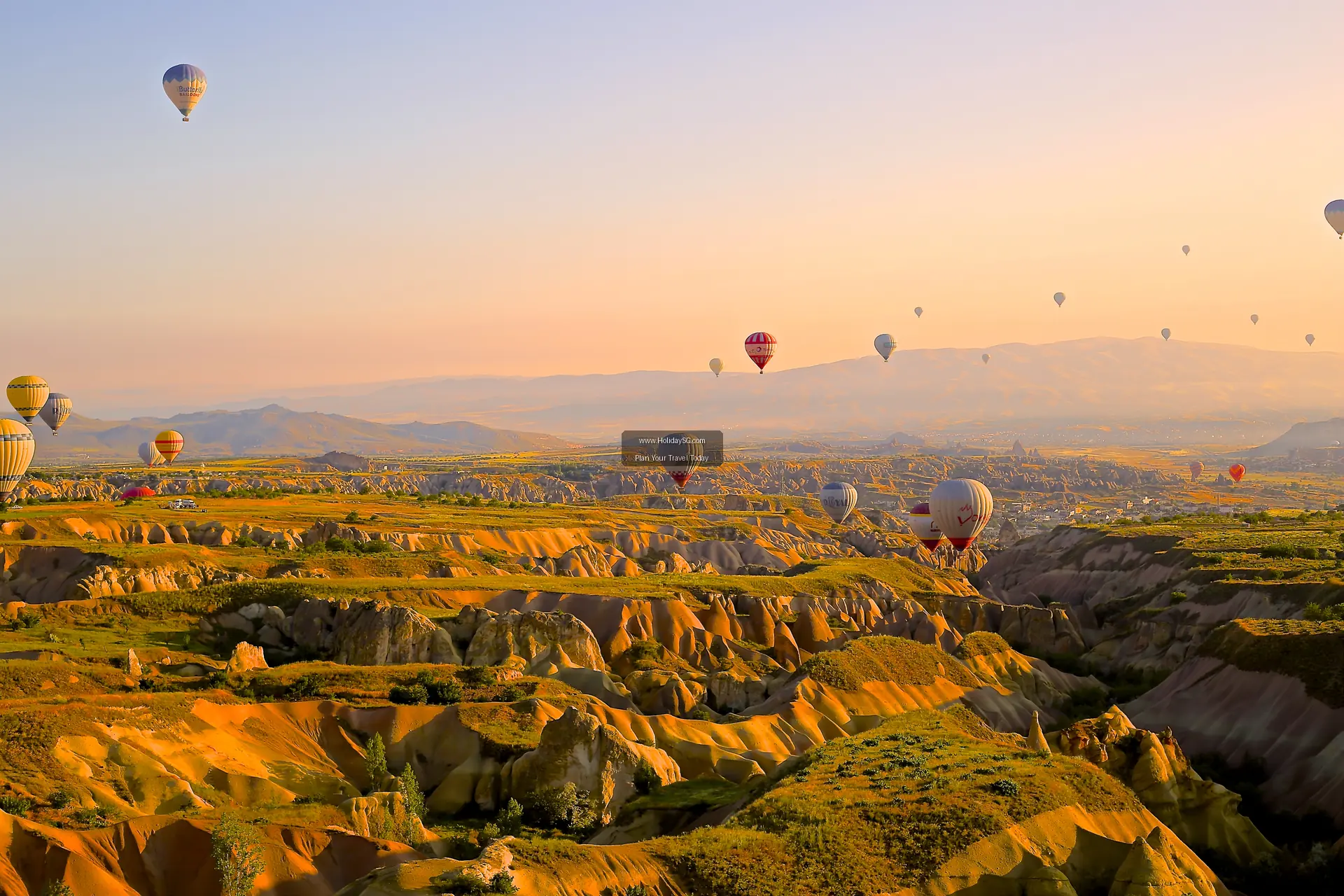
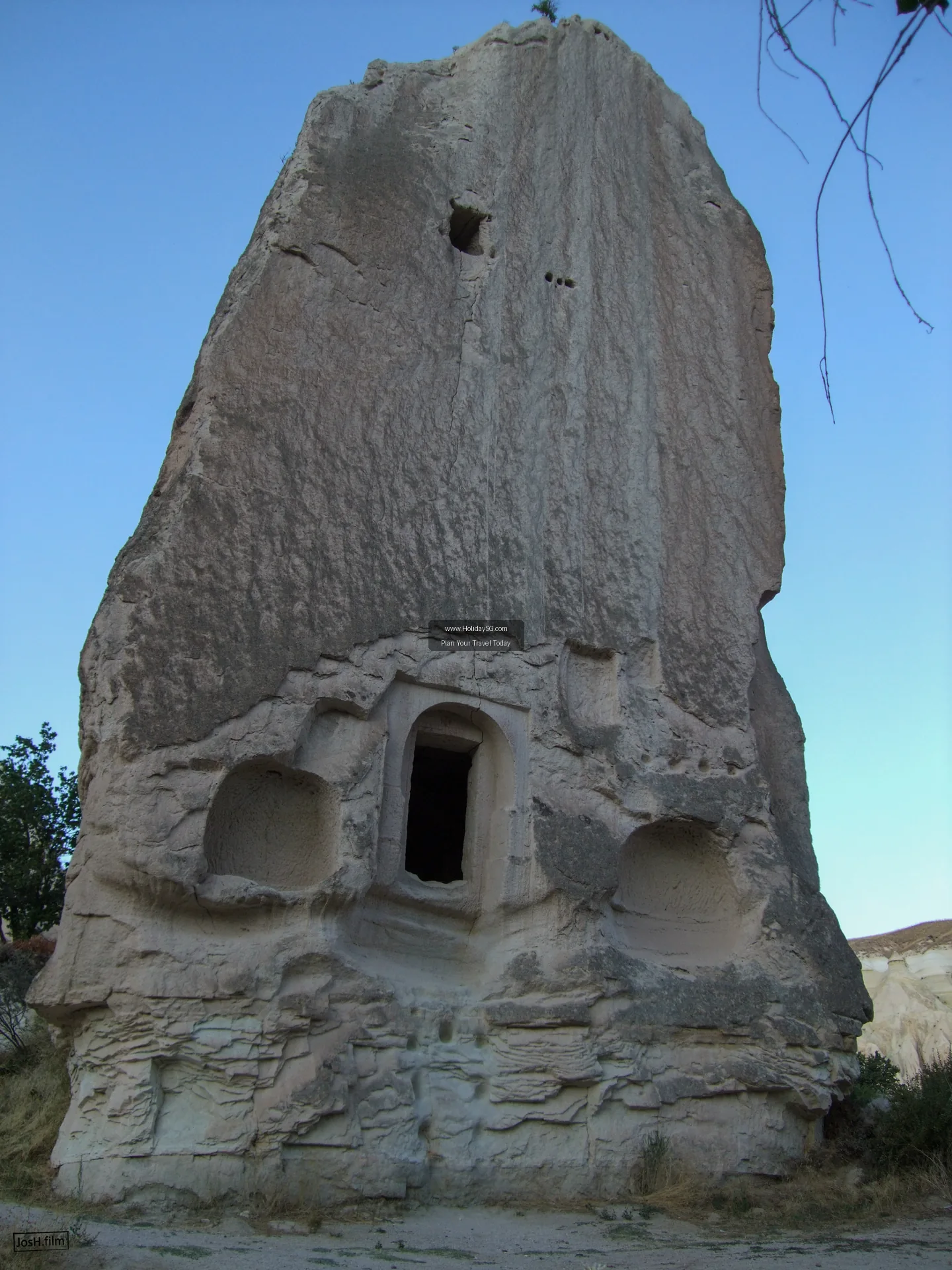
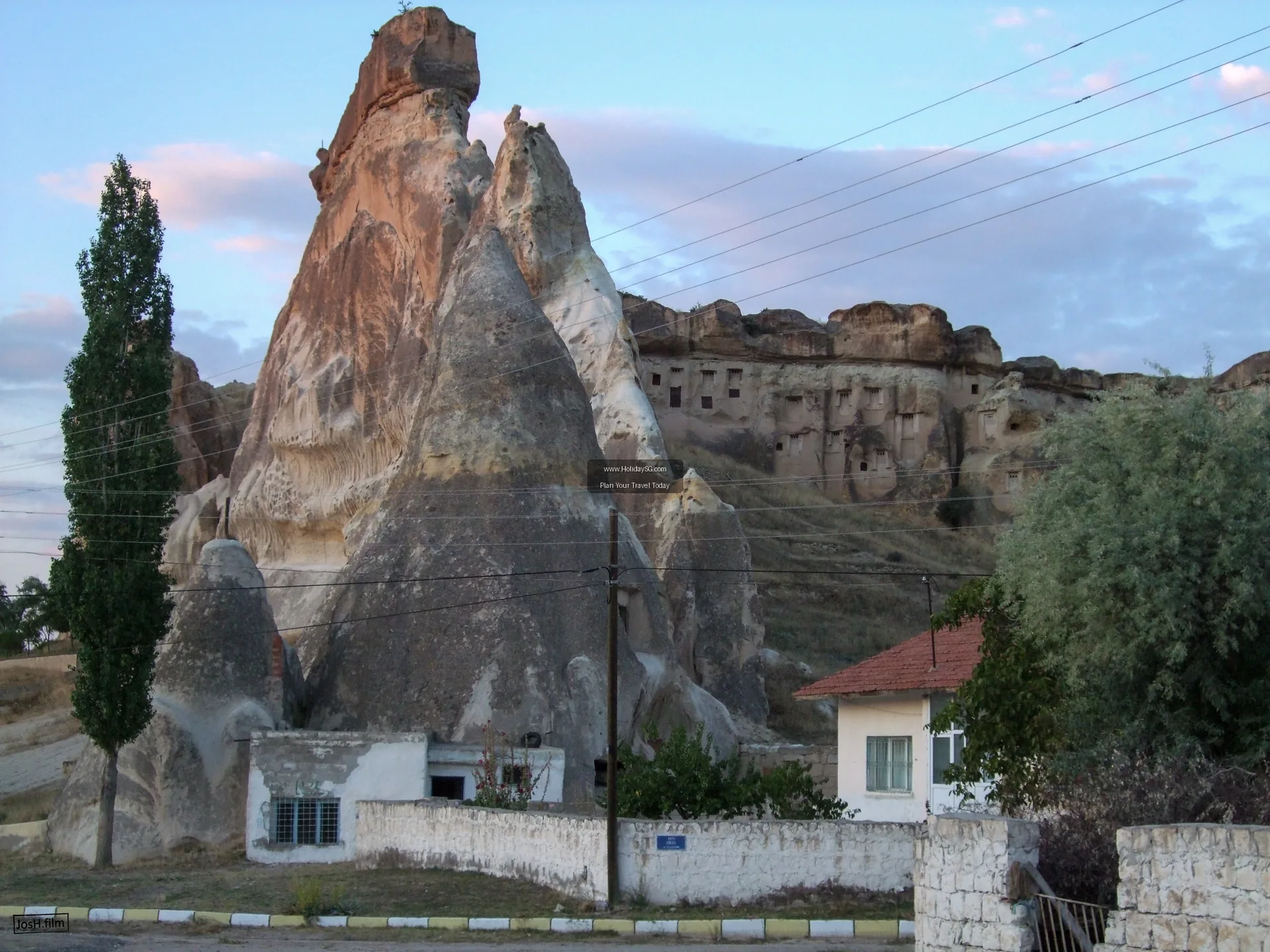
From Istanbul, take a short flight to Kayseri or Nevşehir, the gateways to Cappadocia. The moment you step off the plane, you’ll notice the landscape shift dramatically—rolling hills give way to towering rock formations known as “fairy chimneys.” These surreal geological wonders were formed by volcanic eruptions and erosion over millions of years, creating a landscape that feels like another planet.
To make the most of your time, arrange a private transfer or rent a car to explore the region at your own pace. Alternatively, many hotels offer shuttle services from the airport, so check with your accommodation in advance.
An Unforgettable Sunrise: Hot Air Balloon Magic
No trip to Cappadocia is complete without a hot air balloon ride at sunrise. As the first light of dawn breaks over the horizon, hundreds of balloons dot the sky, casting long shadows over the fairy chimneys below. The experience is nothing short of magical, offering a bird’s-eye view of the valleys, vineyards, and cave dwellings that make this region so unique. Flights typically last about an hour, and many operators include a champagne toast upon landing—a perfect way to start your day.
If you’re not a fan of heights, don’t worry—Cappadocia’s beauty is just as breathtaking from the ground. Consider booking a Turkish Night at a cave restaurant with dinner and drinks to experience the region’s culture and cuisine in a unique setting.
Exploring Göreme and Valleys on the Ground
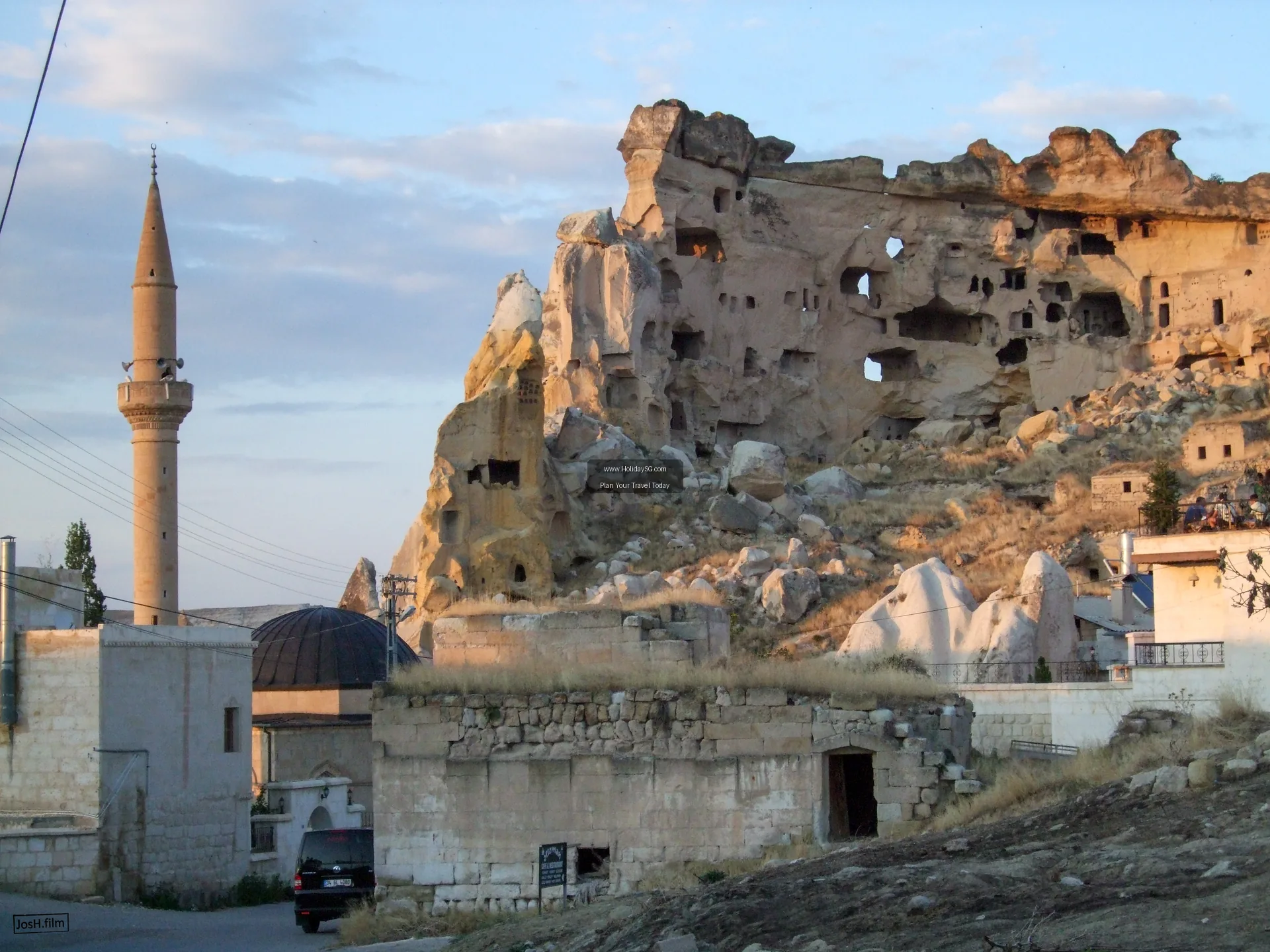
After your balloon adventure, spend the rest of the day exploring Göreme Open-Air Museum, a UNESCO World Heritage site filled with rock-cut churches and monasteries dating back to the 10th century. The vibrant frescoes inside these cave chapels tell stories of early Christianity and Byzantine art.
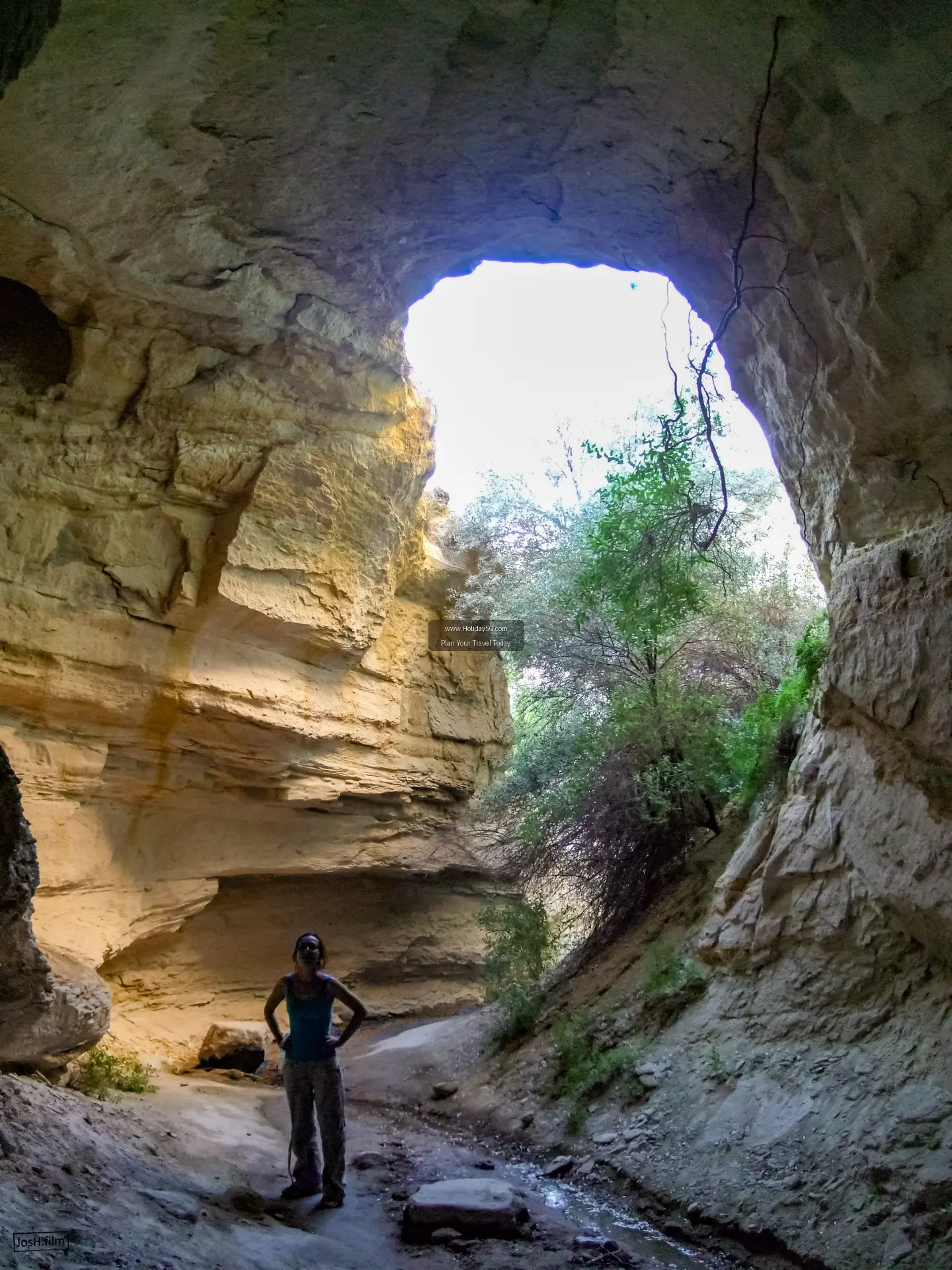
For a more active experience, hike through Rose Valley or Love Valley, where you’ll encounter hidden caves, pigeon houses, and stunning viewpoints. The trails are well-marked, and the scenery is so surreal that you’ll feel like you’ve stepped into a painting. If you prefer a guided experience, many local operators offer horseback riding or ATV tours through the valleys.
Sleeping in a Cave: Unique Cappadocia Accommodation
One of the highlights of visiting Cappadocia is the chance to stay in a cave hotel. These unique accommodations are carved into the soft tuff rock, offering a blend of modern comfort and ancient charm. Many cave hotels feature terraces with panoramic views, where you can enjoy a glass of local wine as the sun sets over the valleys. Some even have underground spas and pools, adding to the sense of luxury.
Days 6-7: Ancient Wonders of the Aegean Coast (Ephesus & Pamukkale)
From Cappadocia, take a domestic flight to Izmir or a bus to Kusadasi, the gateway to the ancient city of Ephesus. The journey takes about an hour by flight or 6-7 hours by bus, so choose the option that best fits your schedule. Kusadasi itself is a charming coastal town with a lively waterfront, perfect for a quick stroll or seafood dinner.
Walking Through Time at the Ancient City of Ephesus
Ephesus is one of the best-preserved Roman cities in the world and a must-visit for history lovers. As you walk through its marble streets, you’ll encounter iconic landmarks like the Library of Celsus, the Great Theatre (which could seat 25,000 people), and the Temple of Artemis, one of the Seven Wonders of the Ancient World. The site is vast, so wear comfortable shoes and bring plenty of water, especially in the summer months when temperatures can soar.
Nearby, the House of the Virgin Mary is a pilgrimage site believed to be where Mary spent her final years. The small stone house is nestled in a peaceful forest, offering a serene contrast to the bustling ruins of Ephesus.
Optional Side-Trip: The Travertine Terraces of Pamukkale & Hierapolis
If time allows, take a day trip to Pamukkale, a natural wonder known for its white travertine terraces and thermal waters. The terraces, formed by calcium-rich mineral springs, cascade down the hillside like a frozen waterfall. You can walk barefoot on the terraces (the water is warm and therapeutic) or swim in the ancient Cleopatra’s Pool, where marble columns from the Roman era lie submerged beneath the surface.
Above the terraces, the ruins of Hierapolis offer a glimpse into the city’s past as a Roman spa town. Don’t miss the Necropolis, one of the largest ancient cemeteries in the world, and the Antique Theatre, which offers stunning views of the surrounding landscape.
From Kusadasi, take a domestic flight to Antalya, the jewel of the Turkish Riviera. Known for its turquoise waters, golden beaches, and historic old town, Antalya is the perfect place to unwind after days of sightseeing. The city’s Kaleiçi (Old Town) district is a maze of narrow streets lined with Ottoman-era houses, boutique hotels, and charming cafes. Spend your first afternoon exploring its hidden corners and soaking in the atmosphere.
Exploring Antalya’s Historic Kaleiçi (Old Town)
Start your exploration at the Hadrian’s Gate, a triumphal arch built in honor of the Roman emperor’s visit in 130 AD. From there, wander through the cobbled streets to the Kaleiçi Marina, where you can watch fishing boats bob in the harbor. The Antalya Museum is another must-visit, housing an impressive collection of artifacts from the region’s rich history, including statues, mosaics, and sarcophagi.
For a unique experience, consider booking an adventure tour like the Super Combo Rafting, Jeep Safari, Quad Buggy, and Zipline from Antalya. This action-packed day trip combines adrenaline-pumping activities with stunning natural scenery, perfect for travelers looking to add a bit of excitement to their coastal stay.
Beach Time and Coastal Beauty
No trip to Antalya would be complete without spending time at the beach. Konyaaltı Beach and Lara Beach are two of the most popular spots, offering soft sand, clear waters, and plenty of amenities. If you prefer a more secluded experience, head to Phaselis, an ancient Lycian city with a stunning beach surrounded by pine forests. The ruins here are less crowded than Ephesus, making it a peaceful place to explore.
For a taste of local life, visit the Antalya Bazaar, where you can shop for spices, textiles, and handmade crafts. Be sure to try piyaz (white bean salad) and tandır kebap (slow-cooked lamb), two of the region’s signature dishes.
Departure: Reflecting on an Epic Journey
As your 10-day Turkish adventure comes to an end, take a moment to reflect on the incredible experiences you’ve had. From the bustling streets of Istanbul to the surreal landscapes of Cappadocia, the ancient ruins of Ephesus, and the sun-drenched beaches of Antalya, this itinerary has helped you explore the best highlights of Turkey in 10 days. Whether you’re flying home from Antalya or extending your trip to explore more of the country, you’ll leave with memories that will last a lifetime.
Getting Around: Domestic Flights, Buses, and Local Transport
Turkey’s domestic transport network is efficient and affordable, making it easy to get from one destination to another. For long distances, domestic flights are the quickest option—companies like Turkish Airlines, Pegasus, and AnadoluJet offer frequent flights between major cities. If you prefer to travel by land, intercity buses (such as those operated by Ötобüs or Metro Turizm) are comfortable and reliable, with amenities like Wi-Fi and snacks on board.
Within cities, taxis are widely available, but always insist on using the meter or agree on a price beforehand. For a more convenient option, use ride-hailing apps like BiTaksi or Uber. Public transport, including trams and ferries, is also a great way to get around in Istanbul and Antalya.
The e-Visa: A Simple Requirement
Before you travel, make sure to apply for a Turkish e-Visa, which is required for most nationalities, including Singaporeans. The process is straightforward and can be completed online in just a few minutes. The e-Visa is valid for multiple entries and allows you to stay in Turkey for up to 90 days within a 180-day period. Be sure to print a copy of your e-Visa or save it on your phone, as you may be asked to present it upon arrival.
Best Times to Visit and What to Expect Weather-Wise
Turkey’s diverse geography means that weather conditions can vary significantly depending on the region and time of year. For the most pleasant experience, plan your trip during spring (April-May) or autumn (September-October), when temperatures are mild and crowds are smaller. These seasons are ideal for exploring cities, hiking in Cappadocia, and relaxing on the coast.
Summer (June-August) is peak tourist season, with hot temperatures and crowded resorts, especially along the Mediterranean and Aegean coasts. If you visit during this time, be prepared for high humidity and book accommodations in advance. Winter (November-March) is cold in most parts of the country, but it offers a unique charm, particularly in Cappadocia, where you can see the fairy chimneys dusted with snow. Coastal areas like Antalya remain mild, making them a great winter escape.
Savoring the Flavors of Turkey: A Culinary Journey
Beyond Kebabs: Must-Try Dishes and Local Delights
Turkish cuisine is a feast for the senses, blending flavors from the Middle East, Mediterranean, and Central Asia. While kebabs are a staple, there’s so much more to discover. Start your day with a Turkish breakfast, a lavish spread of cheeses, olives, tomatoes, cucumbers, eggs, honey, and freshly baked bread. For lunch or dinner, try pide (Turkish pizza), mantı (Turkish dumplings served with garlic yogurt and chili butter), or lahmacun (thin crust topped with spiced minced meat).
No meal is complete without dessert. Baklava is the most famous Turkish sweet, but don’t miss künefe (a warm, cheesy pastry soaked in syrup) or lokma (deep-fried dough balls drizzled with honey). And of course, no visit to Turkey would be complete without sipping on Turkish tea or coffee, both of which are deeply ingrained in the country’s culture.
The Ritual of Turkish Breakfast and Tea Culture
Turkish breakfast, or kahvaltı, is more than just a meal—it’s a social event. A typical spread includes a variety of small dishes like menemen (scrambled eggs with tomatoes and peppers), sucuk (spicy sausage), simit (sesame bread rings), and an assortment of jams, cheeses, and fresh vegetables. Pair it with a glass of çay (Turkish tea), served in tulip-shaped glasses, and you’ll understand why this meal is a beloved tradition.
Tea is an integral part of Turkish hospitality, and you’ll often be offered a cup as a gesture of welcome. Whether you’re visiting a shop, a home, or a historic site, accepting a cup of tea is a sign of respect and a great way to connect with locals.
Turkey’s main tourist regions, including Istanbul, Cappadocia, Ephesus, and Antalya, are generally safe for travelers. Petty theft, like pickpocketing, can occur in busy markets or public transport, so keep your valuables secure. For the latest travel advisories, check your government’s official website before your trip.
Dress Codes and Cultural Etiquette
Turkey is a predominantly Muslim country, and while it’s relatively liberal compared to some of its neighbors, modest dress is appreciated, especially in religious sites. When visiting mosques, women should cover their shoulders and knees, and both men and women should remove their shoes before entering. In coastal areas and resorts, swimwear is acceptable at beaches and pools, but cover up when leaving these areas.
Turks are known for their hospitality, and accepting an offer of tea or coffee is a great way to engage with locals. Bargaining is expected in bazaars and markets, but do so politely and with a smile. Tipping is also customary—around 10% in restaurants and a few lira for hotel staff or drivers.
Budgeting for a Mid-Range Adventure
Turkey offers excellent value for money, and you can enjoy a comfortable mid-range trip for approximately USD $100-$150 per day per person. This budget typically covers:
For budget travelers, costs can be significantly lower by staying in hostels, eating street food, and using public transport. On the other end of the spectrum, luxury travelers can splurge on five-star hotels, private tours, and fine dining experiences.
Recommended HolidaySG Tours
To make the most of your Turkish adventure, consider booking one of these curated experiences:
Turkey is a destination that captivates the heart and soul, offering a perfect blend of history, culture, adventure, and relaxation. This 10-day itinerary is designed to help you explore the best highlights of Turkey, from the iconic landmarks of Istanbul to the surreal landscapes of Cappadocia, the ancient ruins of Ephesus, and the sun-drenched beaches of Antalya. Along the way, you’ll savor delicious cuisine, connect with locals, and create memories that will last a lifetime.
As you plan your trip, remember that flexibility is key. While this itinerary provides a well-paced route, don’t be afraid to linger in a place that captures your heart or skip an activity that doesn’t interest you. Turkey is a country meant to be explored at your own pace, with room for spontaneity and discovery. If you’re looking for more inspiration, consider exploring our guide to hidden gems in Istanbul or off-the-beaten-path destinations in Turkey for ideas beyond the classic route.
Do foreigners (non-citizens) need a different ticket, price, or visa for Turkey?
Most attractions in Turkey charge the same entry fees for foreigners as they do for Turkish citizens, though some sites may offer discounts for students or seniors with valid ID. As for visas, Turkey has an e-Visa system for many nationalities, allowing you to apply online before arrival. Visa requirements and fees vary by nationality, so it’s best to check the official Turkish Ministry of Foreign Affairs website for the most up-to-date information. Always verify current rules before traveling, as policies can change.
What is the best time to visit Turkey for this 10-day highlights tour?
The best time to explore Turkey’s highlights is during the shoulder seasons: **April to early June** and **September to October**. During these months, the weather is pleasant (15–25°C), crowds are thinner, and prices are more reasonable. If you prefer warmer weather, July and August are ideal for coastal areas like Antalya, but inland cities like Cappadocia and Istanbul can get very hot. For winter travel (November–March), expect colder temperatures, especially in Cappadocia, but fewer tourists and potential snow for a magical experience. For activities like the Super Combo Adventure in Antalya, aim for late spring or early autumn to avoid extreme heat.
How many days do I need to cover Turkey’s highlights properly?
A 10-day itinerary is ideal for covering Turkey’s top highlights without feeling too rushed. This allows time for Istanbul (3–4 days), Cappadocia (2–3 days), Pamukkale and Ephesus (1–2 days), and Antalya or the Turquoise Coast (2–3 days). If you have less time, you can focus on Istanbul and Cappadocia, but you’ll miss out on coastal beauty and ancient ruins. For a deeper dive, consider 14 days to include lesser-known gems like Bodrum or Gaziantep.
What is the average cost for a 10-day trip to Turkey?
Costs vary depending on travel style, but here’s a rough estimate for a mid-range traveler (per person):
– **Flights (from Singapore):** S$800–S$1,500 (round-trip)
– **Accommodation:** S$60–S$150 per night (3–4 star hotels)
– **Food:** S$15–S$40 per meal (mix of street food and restaurants)
– **Transport (domestic flights, buses, taxis):** S$200–S$400
– **Attractions/activities:** S$150–S$300 (entry fees, tours, experiences like cave restaurant dinners)
– **SIM card/data:** S$10–S$30 (e.g., Esim Turkey Big Data Global or Airalo Turkey E-SIM)
**Total for 10 days:** S$2,000–S$4,000 per person, excluding shopping and souvenirs.
Do I need a visa to enter Turkey, and how do I apply?
Many nationalities, including Singaporeans, can apply for a **Turkish e-Visa** online before arrival. The e-Visa typically costs **US$50–US$60** and is valid for 90 days within a 180-day period. Apply at least **48 hours before departure** via the official e-Visa website. Some nationalities may qualify for visa-free entry or visas on arrival, but check the latest requirements for your passport. Overstaying your visa can result in fines or entry bans, so plan accordingly.
What should I pack for a 10-day trip to Turkey?
Pack for a mix of urban exploration, outdoor adventures, and cultural sites:
– **Clothing:** Lightweight, breathable layers (Turkey can be hot in summer, cool in evenings), a scarf or shawl for mosques, comfortable walking shoes, and a light jacket for cooler regions like Cappadocia.
– **Essentials:** Sunscreen, sunglasses, hat, reusable water bottle, power adapter (Type F, 220V), and a portable charger.
– **For activities:** Swimwear (for Antalya or Pamukkale), quick-dry clothes for adventure tours, and a small backpack for day trips.
– **Tech:** A local SIM or e-SIM (e.g., Turkey Esim Free Roaming Mobile Data) for navigation and translations.
– **Cultural:** Modest clothing for religious sites (cover shoulders and knees).
Is Turkey safe for solo travelers or female travelers?
Turkey is generally safe for solo and female travelers, but like any destination, it’s important to stay aware of your surroundings. Petty theft (e.g., pickpocketing) can occur in crowded areas like Istanbul’s Grand Bazaar or public transport, so keep valuables secure. In tourist-heavy areas, you may encounter friendly but persistent vendors or guides—politely decline if uninterested. For nightlife, stick to well-lit, populated areas. Solo female travelers report feeling safe but may receive occasional attention; dressing modestly can help minimize this. Avoid political demonstrations and remote areas near the Syrian or Iraqi borders. Overall, Turkey is welcoming, but common-sense precautions apply.
What is the best way to get around Turkey during a 10-day trip?
Turkey has a well-connected transport network:
– **Domestic flights:** Fastest for long distances (e.g., Istanbul to Cappadocia or Antalya). Airlines like Turkish Airlines and Pegasus offer frequent flights.
– **Buses:** Comfortable and affordable for medium distances (e.g., Istanbul to Pamukkale). Companies like Metro Turizm or Kamil Koç provide reliable service.
– **Trains:** Scenic but slower (e.g., Istanbul to Ankara or Konya). The high-speed YHT train is efficient for some routes.
– **Car rental:** Ideal for exploring rural areas like Cappadocia or the Turquoise Coast, but driving in Istanbul is chaotic. International driving permits are required.
– **Taxis/Uber:** Useful for short distances in cities. Insist on meters or use apps like BiTaksi to avoid overcharging.
– **Tours:** Convenient for day trips (e.g., Ephesus or Pamukkale) or multi-day packages.
Are there any cultural etiquette tips I should know before visiting Turkey?
Turks are warm and hospitable, but observing local customs will enhance your experience:
– **Greetings:** A handshake is common, but wait for a woman to extend her hand first. Close friends may kiss on both cheeks.
– **Mosques:** Remove shoes before entering, dress modestly (cover shoulders and knees), and avoid visiting during prayer times (especially Friday midday).
– **Dining:** Wait for the host to invite you to start eating. Compliment the food—it’s polite! Leave a small amount of food on your plate to signal you’re full.
– **Gestures:** Avoid showing the soles of your feet or using the “OK” hand sign (considered rude).
– **Bargaining:** Expected in bazaars (e.g., Grand Bazaar) but not in shops with fixed prices. Be friendly and good-humored.
– **Tipping:** Round up taxi fares, tip 10% in restaurants, and leave small change for hotel staff.
What are the must-try foods in Turkey?
Turkish cuisine is a highlight of any trip! Don’t miss:
– **Breakfast:** A lavish spread of cheeses, olives, tomatoes, cucumbers, eggs (menemen), honey, and kaymak (clotted cream).
– **Street food:** Simit (sesame bread rings), dürüm (wraps), midye dolma (stuffed mussels), and balık ekmek (fish sandwiches).
– **Main dishes:** Kebabs (try Adana or şiş kebab), pide (Turkish pizza), lahmacun (thin flatbread with minced meat), and testi kebabı (clay-pot stew).
– **Desserts:** Baklava (flaky pastry with nuts and syrup), künefe (cheese pastry soaked in syrup), and dondurma (Turkish ice cream).
– **Drinks:** Turkish tea (çay), strong Turkish coffee, ayran (yogurt drink), and rakı (anise-flavored spirit).
For a unique experience, book a Turkish Night at a Cave Restaurant in Cappadocia for live music and traditional food.
How do I stay connected to the internet in Turkey?
Staying connected is easy with local SIM cards or e-SIMs. Options include:
– **Local SIM:** Buy from providers like Turkcell, Vodafone, or Türk Telekom at airports or official stores. Requires passport registration.
– **e-SIM:** Convenient for travelers who don’t want to swap SIMs. Check out Esim Turkey Big Data Global or Airalo Turkey E-SIM Package for instant activation.
– **Wi-Fi:** Available in hotels, cafes, and restaurants, but speeds vary. Avoid public Wi-Fi for sensitive transactions.
Data packages are affordable, with 10–20GB costing around S$10–S$20.
What are the top 3 historical sites to visit in Turkey?
Turkey is a treasure trove of history. Don’t miss:
1. **Hagia Sophia (Istanbul):** A UNESCO-listed marvel that was a church, mosque, and now a museum. Its massive dome and Byzantine mosaics are breathtaking.
2. **Ephesus (Near Selçuk):** One of the best-preserved ancient cities in the Mediterranean, featuring the Library of Celsus and the Great Theatre.
3. **Göreme Open-Air Museum (Cappadocia):** A surreal landscape of rock-cut churches and frescoes from the Byzantine era, carved into fairy chimneys.
Honorable mentions: Topkapı Palace (Istanbul), Pamukkale’s Hierapolis, and Mount Nemrut’s giant statues.
Is Turkey family-friendly? What are the best activities for kids?
Turkey is very family-friendly, with activities to entertain kids of all ages:
– **Istanbul:** Visit Miniatürk (miniature park), Istanbul Aquarium, or take a Bosphorus cruise.
– **Cappadocia:** Hot air balloon rides (for older kids), underground cities, and horseback riding.
– **Antalya:** Beaches, water parks (like The Land of Legends), and the Super Combo Adventure (rafting and ziplining for older kids).
– **Pamukkale:** Let kids splash in the warm thermal pools.
– **Cultural:** Turkish puppet shows (Karagöz and Hacivat) or whirling dervish performances.
Turkish people adore children, and many restaurants and hotels are kid-friendly.
What are the best day trips from Istanbul?
Istanbul’s location makes it perfect for day trips. Top picks:
1. **Princes’ Islands (Büyükada):** A car-free island with Ottoman-era mansions, pine forests, and seafood restaurants. Accessible by ferry.
2. **Bursa:** Turkey’s first Ottoman capital, home to the Grand Mosque, Green Tomb, and Uludağ Mountain (great for skiing in winter).
3. **Gallipoli and Troy:** A historical pilgrimage to WWI battlefields and the legendary city of Troy (best for history buffs).
4. **Sapanca and Masukiye:** Scenic lakes, waterfalls, and nature walks, ideal for a relaxing escape.
5. **Edirne:** Near the Bulgarian border, famous for the Selimiye Mosque and oil-wrestling festivals.
Book tours in advance for convenience, especially for Gallipoli or Troy.
What is the currency in Turkey, and how should I handle money?
Turkey’s currency is the **Turkish Lira (TRY)**. Here’s how to manage money:
– **Cash vs. Card:** Credit/debit cards (Visa/Mastercard) are widely accepted in cities, but carry cash for bazaars, small shops, and rural areas. American Express is less common.
– **ATMs:** Withdraw lira from ATMs (avoid Euronet ATMs, which charge high fees). Notify your bank before traveling to avoid card blocks.
– **Exchange:** Exchange money at official bureaus (like those in Istanbul’s Grand Bazaar) or banks. Avoid airport exchanges (poor rates).
– **Tipping:** Small tips (5–10%) are appreciated in restaurants, for guides, and hotel staff.
– **Bargaining:** Common in bazaars but not in shops with fixed prices. Start at 50% of the asking price and negotiate with a smile.
**Note:** Turkey has experienced high inflation, so check exchange rates before your trip.
What are the best souvenirs to buy in Turkey?
Turkey offers unique souvenirs to remember your trip:
– **Textiles:** Turkish towels (peshtemal), carpets (from Cappadocia or Istanbul’s Grand Bazaar), and leather goods.
– **Ceramics:** Hand-painted plates, bowls, or tiles from Iznik or Avanos (Cappadocia).
– **Spices and food:** Saffron, sumac, Turkish delight (lokum), olive oil, and dried fruits/nuts from the Spice Bazaar.
– **Jewelry:** Evil eye (nazar boncuğu) bracelets, gold, or silver pieces (bargain for a great selection of).
– **Coffee and tea:** Turkish coffee sets, apple tea, or high-quality Turkish coffee.
– **Handicrafts:** Copperware, meerschaum pipes (from Eskişehir), or wooden backgammon sets.
**Tip:** Shop at the Grand Bazaar or local markets for variety, but compare prices before buying.
What are the best beaches in Turkey for a relaxing day?
Turkey’s coastline is stunning, with beaches for every taste:
– **Ölüdeniz (Fethiye):** Famous for its turquoise waters and the Blue Lagoon, perfect for swimming and paragliding.
– **Patara Beach:** A long, sandy beach with ancient ruins and loggerhead turtle nesting sites (protected area).
– **Kaputaş Beach (Kaş):** A secluded cove with dramatic cliffs and crystal-clear water.
– **Cleopatra Beach (Alanya):** Soft sand and shallow waters, great for families.
– **Iztuzu Beach (Dalyan):** A protected beach where endangered loggerhead turtles lay eggs.
– **Bodrum Peninsula:** Upscale beaches like Bitez or Gümbet, with beach clubs and water sports.
For a mix of relaxation and adventure, combine beach time with the Super Combo Adventure in Antalya.
Are there any health or vaccination requirements for traveling to Turkey?
No specific vaccinations are required for Turkey, but the following are recommended:
– **Routine vaccines:** Ensure you’re up to date on MMR, diphtheria-tetanus-pertussis, polio, and influenza.
– **Hepatitis A and B:** Recommended for most travelers, especially if you plan to eat street food or have close contact with locals.
– **Typhoid:** Consider if you’re visiting rural areas or eating/drinking in places with poor sanitation.
– **Rabies:** Recommended for travelers planning outdoor activities (e.g., hiking, caving) or working with animals.
**Health tips:**
– Drink bottled water (avoid tap water).
– Pack a basic medical kit (band-aids, antidiarrheal meds, pain relievers).
– Sun protection is essential—Turkey’s sun can be intense.
– Travel insurance is highly recommended for medical emergencies or trip cancellations.
What are the best Instagram-worthy spots in Turkey?
Turkey is a photographer’s paradise! Top Instagram spots:
– **Hot air balloons over Cappadocia:** Sunrise flights offer surreal views of fairy chimneys.
– **Pamukkale’s travertines:** The white calcium pools against the blue sky are magical.
– **Hagia Sophia’s interior:** The domed ceiling and Byzantine mosaics are iconic.
– **Istanbul’s Galata Tower:** Panoramic city views, especially at sunset.
– **Ephesus’ Library of Celsus:** A grand ancient facade perfect for history lovers.
– **Ölüdeniz’s Blue Lagoon:** Turquoise waters framed by mountains.
– **Sultan Ahmed Mosque (Blue Mosque):** Its six minarets and intricate tilework are stunning.
– **Cappadocia’s Love Valley:** Unique rock formations ideal for sunrise/sunset shots.
– **Antalya’s Düden Waterfalls:** A dramatic cascade into the Mediterranean.
– **Istanbul’s Balat:** Colorful houses and cobblestone streets for vibrant photos.
**Pro tip:** Visit popular spots early in the morning or late afternoon to avoid crowds.
Can I use my Singaporean driver’s license to rent a car in Turkey?
Yes, you can rent a car in Turkey with a **valid Singaporean driver’s license**, but you’ll also need:
– An **International Driving Permit (IDP)**, which translates your license into multiple languages. Apply for one through the Automobile Association of Singapore (AAS) before your trip.
– A **credit card** in the driver’s name for the rental deposit.
– **Minimum age:** Most rental companies require drivers to be at least 21 (some may charge extra for drivers under 25).
**Driving tips:**
– Turkey drives on the **right-hand side** of the road.
– Roads in cities like Istanbul are chaotic—consider renting a car only for rural areas (e.g., Cappadocia or the Turquoise Coast).
– Watch for **aggressive drivers** and **poor road conditions** in some areas.
– **Tolls:** Some highways (e.g., Istanbul to Ankara) require electronic tolls (HGS). Rentals may include a transponder.
– **Parking:** Use paid parking lots in cities to avoid fines or towing.
“`
What things cost in Turkey
Live HolidaySG prices for the experiences in this guide, so you can sanity-check a budget before you commit.
Important: Some of the links recommended here are paid placements or have sponsored our stay in one way. We have paid for these accommodations ourselves. If you book through any of our links, we make a small commission at no extra cost to you. This helps keep our site running – so thank you in advance for your support!
Written by
HolidaySG Travel Team
Singapore-based travel specialists covering attractions, tours and travel experiences across Asia-Pacific and beyond. Licensed travel agency (TA04014).
This conversation was resolved. Reply below to continue, or
We use cookies
We use cookies to enhance your browsing experience, serve personalised content, and analyse our traffic. By clicking "Accept All", you consent to our use of cookies.
Read our Cookie Policy