

Family-friendly attractions in boracay is exactly what this guide covers.
Boracay, a tropical paradise located off the northwest coast of Palawan, Philippines, is a dream destination for families seeking sun, sand, and adventure. With its crystal-clear waters, pristine beaches, and vibrant culture, Boracay offers numerous attractions that are perfect for kids and parents alike. Whether you’re looking to soak up the sun on one of the island’s famous white beaches or explore the rich history at the Boracay Museum, there is something for every member of your family.
Introduction to Boracay
Boracay Island is a 26-square-kilometer strip of land that has become synonymous with tropical bliss. The island features a diverse range of landscapes, from white-sand beaches to lush green forests and even an underwater museum. Its popularity as a tourist destination stems from its perfect climate, which typically ranges between 27°C and 30°C year-round.
The best time to visit Boracay is during the dry season, which runs from December to May. This period offers warm and sunny weather, making it ideal for beach activities and water sports. Water temperatures are also at their peak, making it safe and enjoyable for swimming. Families can expect average costs of SGD 100 to SGD 200 per person per night for mid-range accommodations, with prices varying depending on the season.
Beaches and Sunbathing
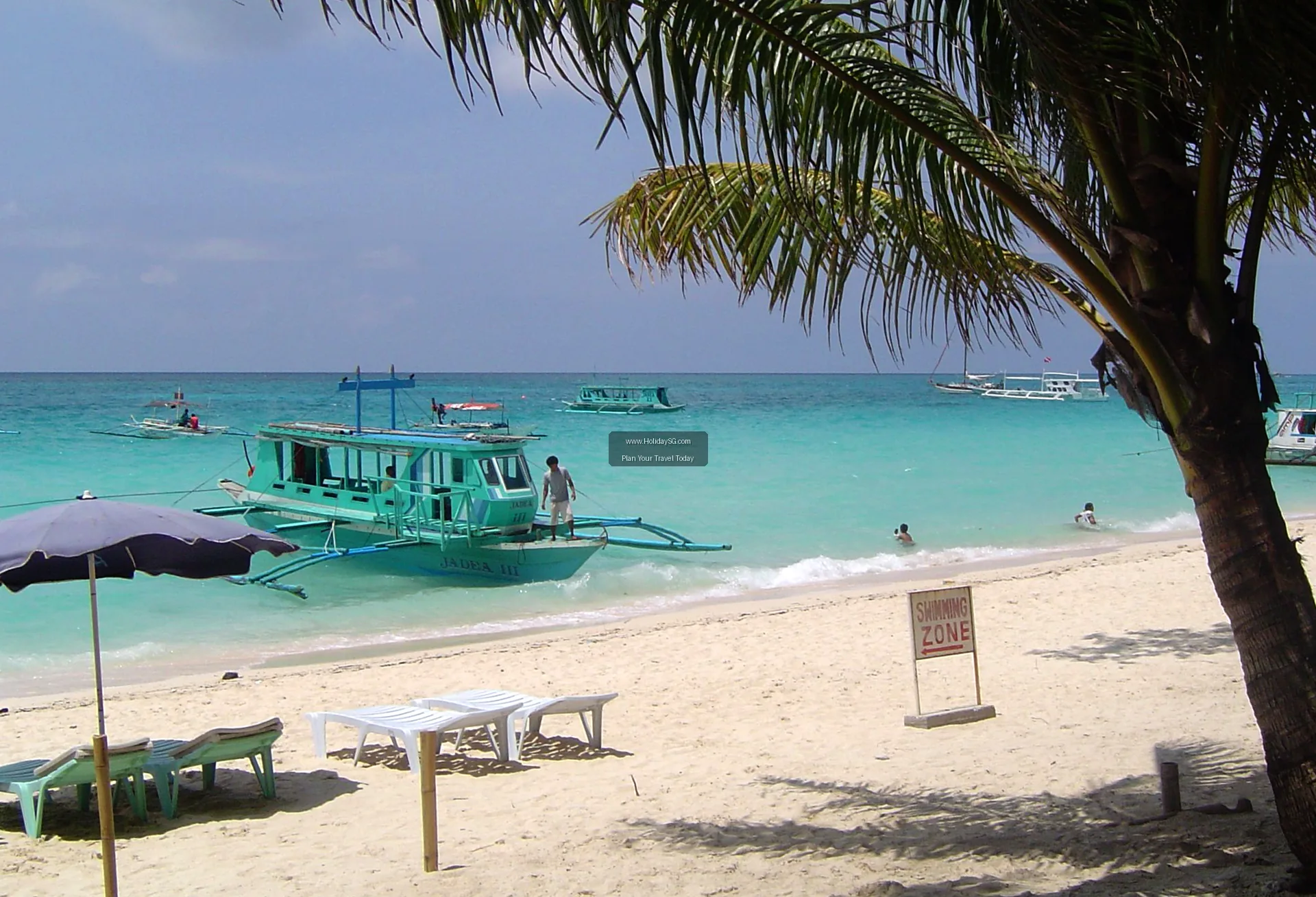
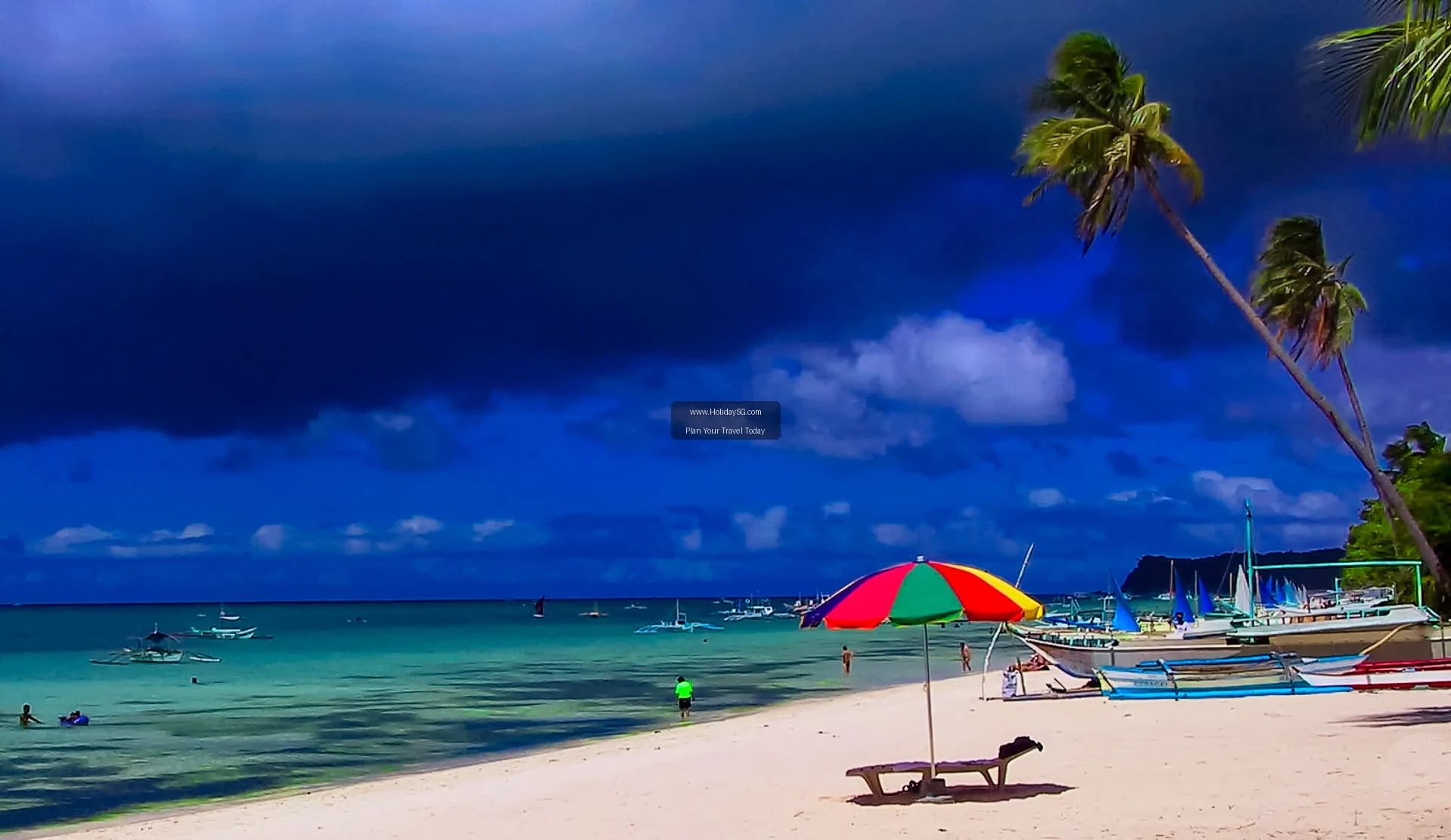
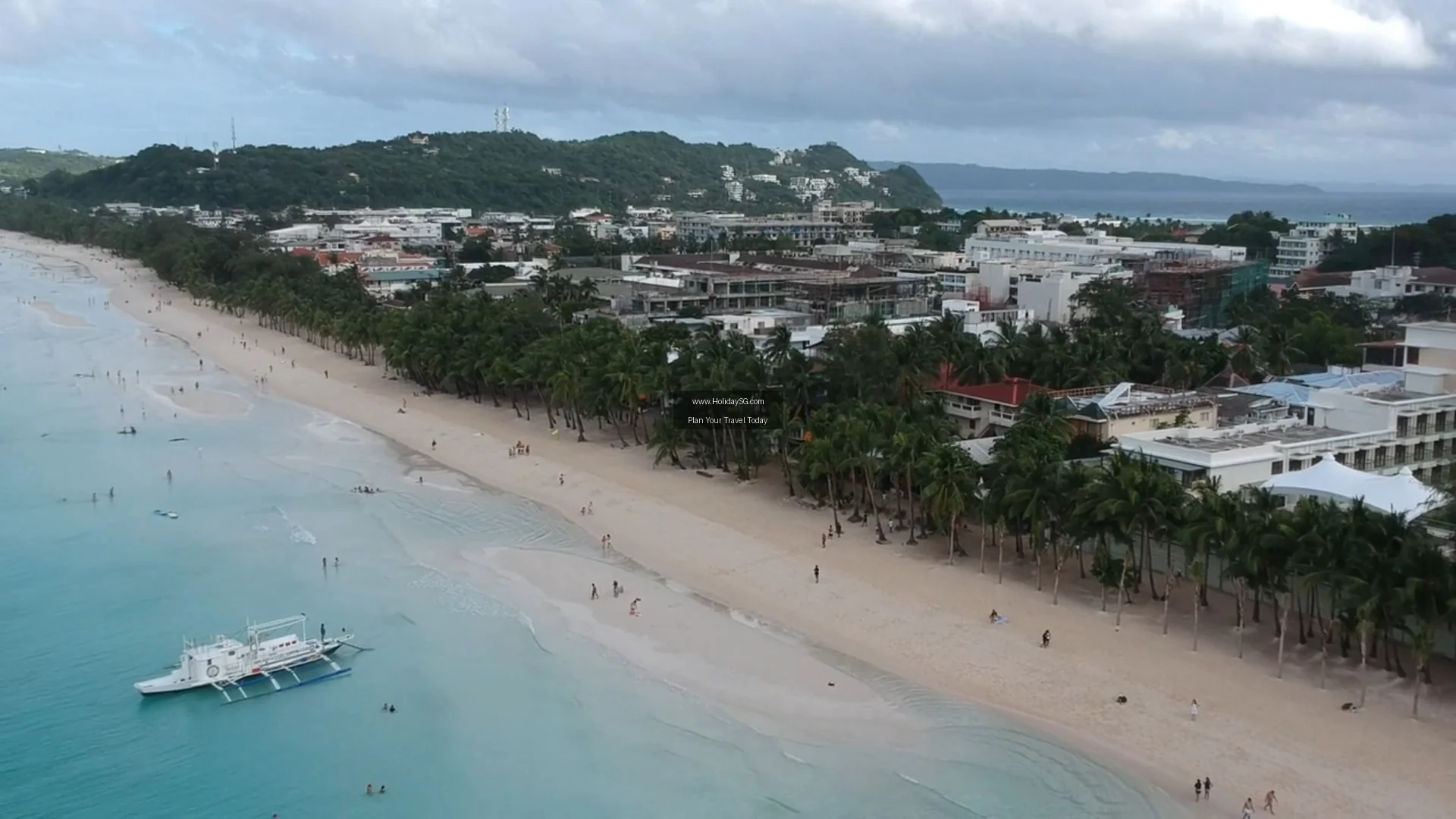
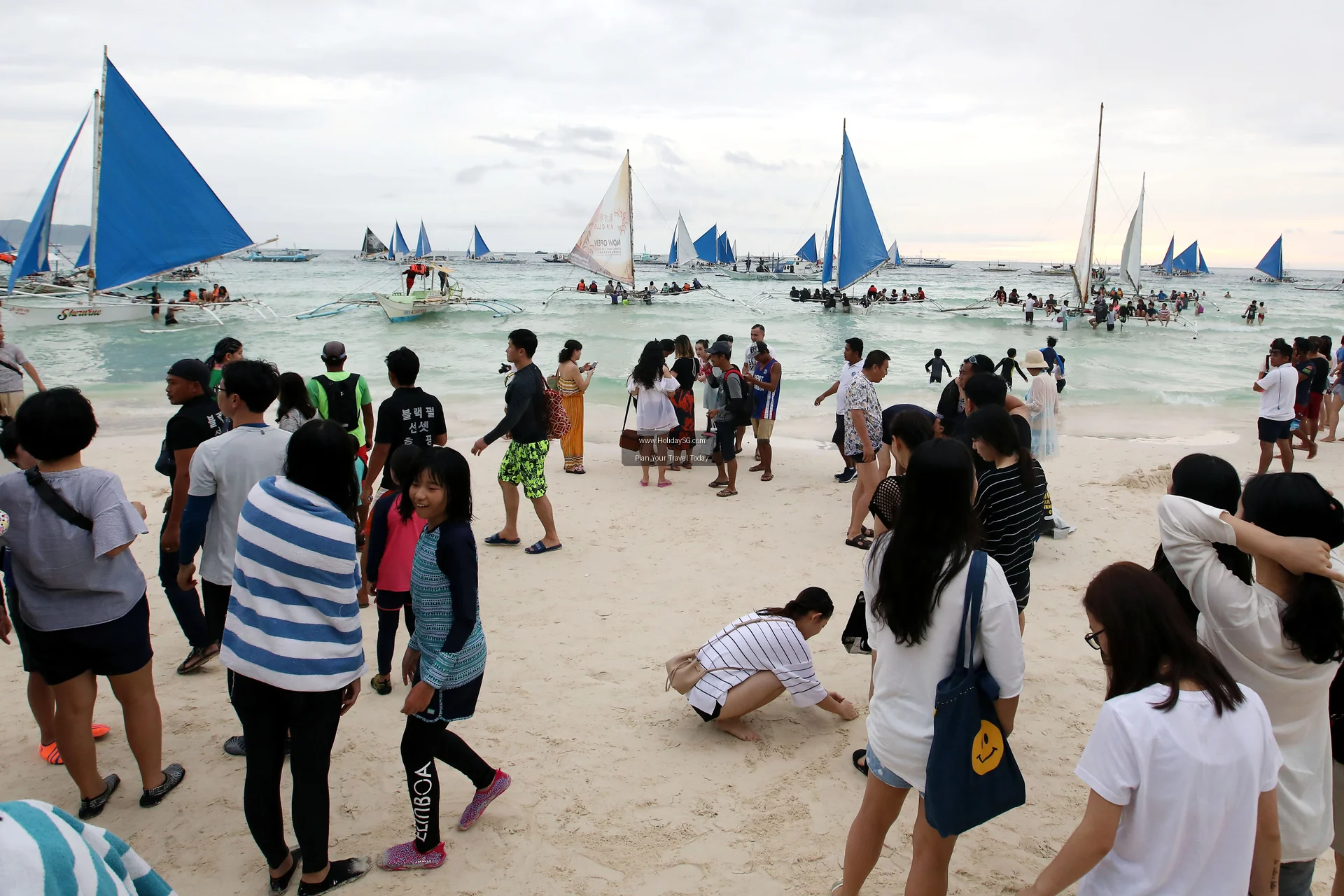
One of the main draws of Boracay is its stunning beaches. White Beach, one of the island’s most popular spots, is known for its pristine white sand and crystal-clear waters. Families can enjoy long stretches of beach, perfect for building sandcastles and frolicking in the waves. To ensure a more relaxed experience, Puka Beach offers a softer sand environment that’s gentler on little feet.
Exploring Nature
Boracay is not just about beaches; it also boasts lush greenery and diverse wildlife. The island has several nature trails where you can take leisurely walks or more adventurous hikes, depending on your family’s interests. These trails offer stunning views of the coastline and opportunities to spot local flora and fauna.
Indulging in Cultural Activities
Cultural exploration is another highlight of a Boracay trip. The island has several museums and art galleries that showcase its rich history and heritage. Visiting these places can provide valuable insights into the local culture and traditions, making your stay more educational and enriching.
Thrilling Water Sports
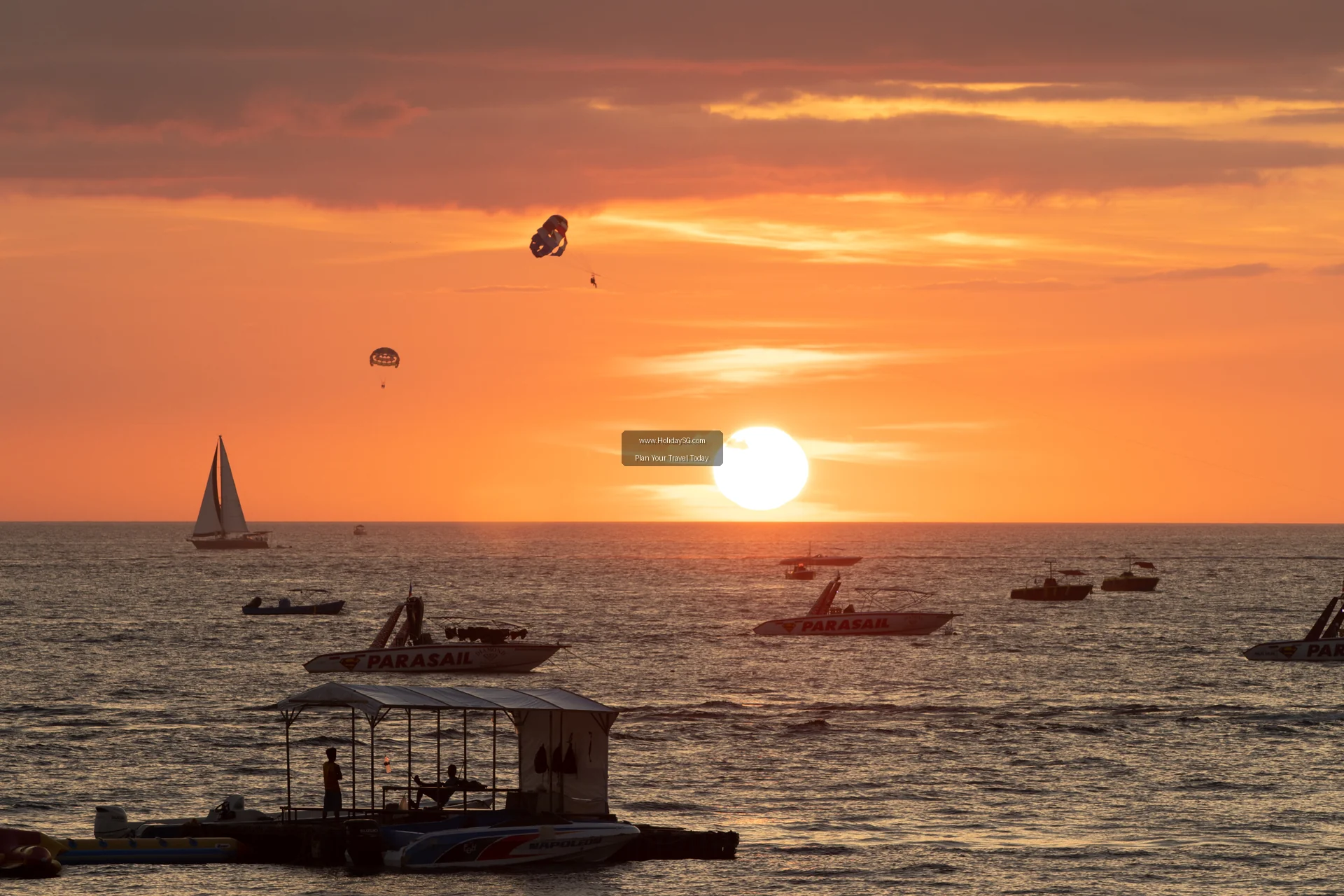
Boracay is a water sports enthusiast’s paradise. From snorkeling and scuba diving to jet skiing and parasailing, there are plenty of activities that can keep the adrenaline pumping. These experiences offer thrilling adventures and unforgettable memories for the whole family.
Conclusion
Boracay is the perfect destination for families seeking an idyllic tropical getaway. Whether you’re lounging on the beach, exploring nature, or indulging in cultural activities, there’s plenty for everyone to enjoy. With its warm weather, beautiful beaches, and a range of attractions, Boracay promises a memorable vacation that will create lasting memories for all ages.
Ready to explore? Check out our Boracay Sunset Sailing Experience Shared Boatprivate Charter Romantic Sailing Boat →
Book these with HolidaySG:
- Boracay Jetski
- Boracay Island Helicopter Flight Experience Feel The Charm Of The Island From Above
- Malay Mph Airport Transfer 1 Way To Boracay
Book with HolidaySG online for Boracay Sunset Sailing Experience Shared Boatprivate Charter Romantic Sailing Boat, Boracay Jetski, Boracay Island Helicopter Flight Experience Feel The Charm Of The Island From Above.
Frequently Asked Questions
Where can I book this / what’s the link?
Do foreigners (non-citizens) need a different ticket, price, or visa for Philippines?
Visa requirements for the Philippines depend on your nationality. Many tourists can enter visa‑free for stays up to 30 days, while others need to obtain a visa in advance. Ticket prices are the same for all travelers regardless of citizenship. Because entry rules can change, it’s best to verify the latest requirements on the official Philippine Bureau of Immigration website or with your nearest Philippine embassy.
What is the best time (season, or time of day for the site/activity) to go?
The ideal season for visiting Boracay with kids is the dry season, from November to April, when sunshine is abundant and rain is minimal. For specific activities, aim for early mornings (7 am–10 am) for water sports and beach play to avoid the midday heat, and plan to be on the beach around sunset (around 5 pm–6 pm) for the iconic Boracay sunset view.
How many days should a family allocate to enjoy Boracay’s kid‑friendly attractions?
A comfortable family itinerary is 4–5 days. This allows two full days for beach activities, sandcastle building, and safe swimming; one day for a boat island‑hopping tour (e.g., Crystal Cove and Crocodile Island); another day for a visit to the Boracay Butterfly Garden or the D’Mall playground; and a final half‑day for a relaxed lunch and souvenir shopping before departure.
What should we pack for a family trip to Boracay?
Bring lightweight, breathable clothing, swimwear, and plenty of sunscreen (SPF 30+). Pack a wide‑brimmed hat, sunglasses, and reusable water bottles to stay hydrated. For kids, include water shoes, a snorkel set, and a small first‑aid kit. Don’t forget waterproof bags for electronics, a lightweight rain jacket (just in case), and a few snacks for island tours.
What things cost in Philippines
Live HolidaySG prices for the experiences in this guide, so you can sanity-check a budget before you commit.
| Experience | Where | From price |
|---|---|---|
| A Lounge (T1) Ninoy Aquino International Airport | Manila | From S$30.88 |
| A Lounge (T3) Ninoy Aquino International Airport | Manila | From S$30.88 |
| Boracay sunset sailing experience | shared boat/private charte... | Manila | From S$28.89 |
| Ocean Adventure, Subic Bay | Manila | From S$14.14 |
| 4-Wheeler (ATV) Adventure in Rizal/Manila | Manila | From S$81.02 |
| Clark Safari and Adventure Park | Manila | From S$11.00 |
| Avilon Zoo | Manila | From S$47.52 |
| Boracay Island travel photography[Global Philippines Boracay I... | Manila | From S$167.00 |
Quick Answers
How many days do families need in Boracay? Most families find four to five days strikes the right balance between exploring kid-friendly attractions, recovering from travel fatigue, and not overstaying when children's attention spans wane. Three days works if your group is older and energetic; a week lets you repeat favorite activities and take unscheduled downtime without rushing.
When should we visit Boracay with kids? November through February offers the driest weather and calmest seas, ideal for young swimmers. March to May gets hot and crowded. June to October brings rain and occasional rough waters, though prices drop and fewer tourists crowd the attractions. Avoid Holy Week and summer school breaks if you prefer smaller crowds.
Do we need travel insurance for Boracay? Travel insurance covering medical evacuation makes sense since the island has only one main hospital; comprehensive plans typically cost thirty to fifty dollars for a week-long family trip. Check what your policy covers regarding water-related activities, which some insurers restrict.
How much should we budget daily for a family? Families typically spend between eighty and one hundred fifty dollars per day on meals, activities, and transport once accommodation is covered, depending on whether you eat at beachfront restaurants or local spots and which paid attractions you choose.
Family-Friendly Dining: Food Your Kids Will Actually Eat
Most families arrive assuming their picky eaters will starve, but Boracay has enough international restaurants alongside local spots that you'll find acceptable compromises. The trap many parents fall into is eating only at beachfront establishments where a plate of grilled fish costs triple what you'd pay elsewhere, draining your budget within days.
Station One and Station Two host numerous casual cafes where children recognize the food. Pancakes, pasta, burgers, and fried chicken are common, though prepare yourself for the fact that milk quality differs and dairy products are pricier than home. Cereal, bread, and peanut butter exist but cost more. Fresh fruit like mango and papaya is abundant and affordable; watermelon and grapes appear seasonally. Most restaurants allow you to request mild seasoning or simpler preparations without fuss.
Introduce children to inexpensive local dishes like lumpia (spring rolls), fish balls, and pandesal (soft bread rolls) from street vendors and small eateries. These cost under two dollars per serving and are safe when bought from busy, popular stands. Walking away from the main beach strips into Barangay Manoc-Manoc reveals neighborhood restaurants where Filipino families eat; portions are generous and prices drop by half compared to tourist zones.
- Halo-halo (shaved ice with beans, fruit, and evaporated milk) makes an affordable, refreshing dessert kids enjoy.
- Boracay Plaza and other commercial areas have supermarkets stocking imported snacks and familiar brands at marked-up prices.
- Ask your accommodation to recommend nearby carenderias (small local eateries) frequented by island residents rather than tourists.
Practical tip: Pack a small container of your child's favorite snack or vitamin supplements from home; finding specific brands is time-consuming and expensive on the island.
Getting Around: Transportation with Children in Boracay
Parents arriving by plane land at Godofredo P. Ramos Airport on Panay Island, then face a twenty-minute drive to the ferry port at Caticlan or Aklan ferry terminals. The ferry crossing itself takes ten to fifteen minutes, but queues on weekends and holidays stretch the entire process to three hours. With young children, this can feel grueling; arriving on a weekday morning significantly reduces wait times.
Once on Boracay itself, the island is small enough that walking covers most family attractions. Main beach areas (White Beach stations) are roughly four kilometers long, manageable on foot with breaks but tiring for toddlers. Tricycles are the primary transport and cost one to two dollars for short journeys. Unlike mainland cities, Boracay has no metered taxis; negotiate fares before boarding. For longer trips to Puka Beach or Yapak area, hiring a tricycle for the hour costs around fifteen dollars total, splitting the cost among families makes sense.
Renting a motorbike or scooter is common but not recommended with young children; traffic is chaotic, roads are narrow, and helmet enforcement is inconsistent. The island's terrain is hilly and sandy; pushing a stroller works on paved beach areas but becomes frustrating off main paths. Babywearing using a carrier keeps infants close during water activities.
- Book ferry tickets in advance during peak seasons to avoid extended delays.
- Arrange hotel pickup from the ferry dock in advance; drivers waiting at the terminal often overcharge and may not have car seats for young children.
- Ask your accommodation about shuttle services; many offer complimentary or low-cost transport to beaches and dining areas.
Practical tip: Wear comfortable walking shoes with good grip; sandy paths and wet surfaces combine into slipping hazards, especially when carrying a child.
Accommodations Suited to Family Needs in Boracay
Finding the right place to sleep makes or breaks a family trip; a noisy nightlife-focused resort ruins young children's sleep schedules, while an isolated location forces you to rely entirely on transportation. Station Two offers quieter beaches than Station One, which thrums with music and crowds until midnight. Barangay Manoc-Manoc, the quieter northern section, suits families with toddlers despite being farther from main attractions.
Resorts with kitchenettes or attached restaurants let families eat on their own schedule rather than hunting for food at odd hours. Many mid-range properties offer connecting rooms or family suites, valuable when traveling with multiple children. Air conditioning that works reliably matters more than luxury; Philippine humidity is relentless, and air quality issues can trigger allergies in sensitive kids. Check whether your property provides mosquito nets, fans, and whether you need to arrange car seats or high chairs in advance.
Beach proximity sounds ideal but becomes a liability when toddlers attempt unsupervised dashes to the water. Properties one or two blocks inland often cost significantly less, offer quieter environments, and require a short walk to reach attractions. Swimming pools at accommodations provide controlled environments for young swimmers to practice skills before ocean swimming. Ask whether pools have shallow ends and lifeguards on duty.
- Confirm cancellation policies in writing; Philippine weather changes rapidly and accommodations sometimes modify terms during monsoon season.
- Request ground-floor rooms or confirmed elevator access if traveling with strollers or mobility challenges.
- Ask about laundry facilities; extended stays with young children require frequent washing of sandy, salt-covered clothing.
Practical tip: Many accommodations require deposits to hold reservations; clarify whether this is refundable and what triggers forfeiture before committing.
Staying Safe and Healthy: Medical Care and Environment
Boracay's main medical facility is Boracay Doctors Hospital, adequate for routine issues but limited for serious emergencies; evacuations to Panay Island or Manila sometimes occur for complex cases. This reality makes travel medical insurance with evacuation coverage genuinely important, not optional. Pharmacies stock common medications including antibiotics and digestive aids, though prices run double or triple home prices and your familiar brands may not exist.
Water quality varies by source. Tap water in established resorts is generally treated and safe, but loose-stool issues afflict many visitors simply due to different bacteria, mineral content, and cooking practices. Pack oral rehydration salts and stomach remedies; replacing fluids matters more than stopping diarrhea entirely in children. Bottled water is essential for toddlers; boil tap water or buy sealed bottles for drinking and teeth-brushing. Sunburn happens aggressively near the equator; apply sunscreen every two hours and reapply after water activities, using SPF thirty or higher.
Dengue fever and other mosquito-borne illnesses occur year-round. Mosquitoes peak during and after the rainy season (June through October). Encourage children to wear lightweight long sleeves and pants at dawn and dusk when mosquitoes are active. Mosquito repellent containing DEET works but reapply frequently, especially after water exposure. Sleep under mosquito nets if available, and ensure your accommodation has screens on windows.
- Visit a clinic before travel to confirm your children's routine vaccinations are current; consult your doctor regarding typhoid and hepatitis A vaccines.
- Bring prescription medications in original labeled containers; recreating prescriptions on the island is bureaucratically complex.
- Sea urchins and sharp coral live in shallow waters; wear water shoes and teach children to shuffle rather than lift feet when entering the ocean.
Practical tip: Take a photo of your children's faces and any identifying marks before travel; if separation occurs, this helps authorities more than descriptions.
Understanding Boracay's Entry Requirements and Documentation
Entry rules to the Philippines for foreign nationals change periodically based on bilateral agreements and current government policies. Requirements vary significantly by nationality; check your country's official diplomatic resources or the Bureau of Immigration website for current regulations specific to your situation. Visa-free entry periods and required documentation differ for children versus adults, and some nationalities require advance visas while others receive exemptions.
Children traveling internationally require their own valid passports; birth certificates or parent-child documentation satisfies some bilateral agreements but not others. If only one parent or guardian is traveling with children, some countries recommend documentation showing the other parent has consented to travel. Boracay itself has no separate immigration requirements; you clear entry at the airport on Panay Island.
Travel insurance documents, flight confirmations, and accommodation proofs sometimes assist in demonstrating your intent to return to your home country, though they are not universally required. Extensions beyond visa-free periods are possible through the Bureau of Immigration but require advance application and payment. Never overstay; penalties include fines, airport delays, and potential future entry problems. Visit the official Bureau of Immigration Philippines website or contact your nearest Philippine embassy to confirm current requirements for your specific nationality and situation before purchasing flights.
- Passport validity should extend six months beyond your intended departure date; many countries' airlines enforce this even if technically not required.
- Photocopy all travel documents and store copies separately from originals.
- Register your travel plans with your embassy or consulate if traveling during the typhoon season (June through November).
Practical tip: Contact your airline directly regarding car seat policies for international flights; some allow familiar car seats while others require advance approval or have specific specifications.
Packing Essentials: What You Actually Need for Boracay's Climate
Most families pack far too much for Boracay's humid, simple lifestyle. The climate is hot and damp year-round; heavyweight winter clothing sits unused in resort safes. A week's worth of lightweight cotton clothing suffices; laundry services cost two to three dollars and return items within twenty-four hours, allowing you to reuse items repeatedly. Multiple swimsuits matter more than shirts; children playing in water need clean suits daily, and air-drying takes hours in high humidity.
Sunscreen is essential and frustratingly expensive locally. Bring several large bottles from home; reef-safe formulas without oxybenzone or octinoxate protect marine life while protecting your family. Hat brims, lightweight rash guards, and cover-ups are more effective than sunscreen alone for sensitive skin. Flip-flops deteriorate quickly on sand and rocks; bring sturdy water shoes and sandals. Mosquito repellent from home works better than local varieties; bring your preferred brand and strength.
Electronics require protection from salt and humidity. Waterproof cases for phones and cameras cost little and save expensive devices. Medications, prescription eyeglasses, and hearing aids should travel in your carry-on with backup supplies. Lightweight rain jackets compressed into backpacks handle unexpected tropical downpours. Stomach remedies, antihistamines, and pain relievers are cheaper sourced from home than purchasing on the island.
- Pack snacks and comfort items children recognize; familiar flavors provide psychological comfort during adjustment to new environments.
- Bring lightweight sleepwear or pajamas; air conditioning sometimes runs cold at night or fails unexpectedly.
- Pack more underwear than clothing; laundry happens frequently and daily underwear changes matter in humid climates.
Practical tip: Wear moisture-wicking clothing made from synthetic fabrics; cotton absorbs sweat and stays damp all day in Philippine humidity.
Cost Breakdown: Daily Budget Guide for Families
Pricing in Boracay divides sharply between tourist-facing establishments and local-oriented businesses. A meal at beachfront restaurants costs fifteen to twenty-five dollars per person, while neighborhood eateries charge three to six dollars. Activities range from free (beach time, walking) to expensive (island-hopping tours at sixty dollars per person). Understanding where to spend and where to economize stretches your budget meaningfully.
Accommodation typically represents your largest daily expense; resorts range from thirty dollars per night for basic rooms in quiet areas to one hundred fifty dollars for beachfront properties with multiple stars. Mid-range family-suitable properties run forty to eighty dollars. Food for a family of four breaks down as breakfast (four to eight dollars if self-catering at your room or nearby cafes, ten to fifteen at sit-down restaurants), lunch (eight to twelve dollars at casual spots, twenty-five at beachfront venues), and dinner (twelve to eighteen dollars at local restaurants, thirty-plus at tourist areas). Water-based activities cost zero for beach time, five to ten dollars for basic snorkeling equipment rental, and twenty to forty dollars for organized tours.
Transportation within Boracay rarely exceeds three dollars per trip via tricycle. Inter-island ferry costs approximately two dollars per adult, one dollar for children. Daily totals for a family of four budget-consciously eating local food, staying in mid-range accommodations, and doing simple activities land between one hundred and one hundred twenty dollars. Adding paid activities, nicer restaurants, or premium accommodations raises this to one hundred fifty to two hundred dollars daily. Shopping for souvenirs, massages, or premium experiences adds substantially.
More quick Answers
How many days should families spend in Boracay?
Most families find four to five days ideal. This gives you time for two full beach days, a water sports or island-hopping excursion, a cultural activity, and a buffer day for rest or weather changes. Shorter trips (two to three days) work if you're combining Boracay with other Philippine destinations, but you'll feel rushed.
When is the best time to visit Boracay with children?
November through April offers calm seas, clear skies, and water temperatures around 27–28 degrees Celsius—perfect for young swimmers. June to October brings monsoon rains and stronger currents, making beach time unpredictable and water sports less reliable.
What do foreigners need to enter the Philippines?
Requirements vary by citizenship and change frequently. Check your country's embassy website and the official Philippine Bureau of Immigration site before booking. Most visitors receive a 30-day tourist visa on arrival, but some nationalities qualify for visa-free entry. Children need their own travel documents.
How much does a family trip to Boracay cost per day?
Budget roughly 3,000–6,000 Philippine pesos daily per person for mid-range family travel (meals, activities, transport, but not accommodation). This covers casual dining, modest activities, and local transport. Beach days are free; water sports and island tours add 1,500–3,000 pesos per person.
Child-Friendly Itinerary Planning: Structuring Your Boracay Days
A common mistake families make is trying to cram too much into one day. Kids lose energy fast in heat and saltwater, and overtired children make for miserable evenings. Instead, anchor each day around one main activity and let other moments unfold naturally. Your first day should be gentle—arrive, settle into your accommodation, eat lunch somewhere familiar (many resorts have international menus), and spend the afternoon on Puka Beach or White Beach near your hotel, getting accustomed to the sand and water.
Day two works well for a half-day island-hopping tour to Crocodile Island or Angol Island. These trips depart in the morning, return by early afternoon, and give kids the excitement of a boat ride and snorkeling without exhausting younger children. Book through your resort concierge or a local operator in Boracay town; prices and departure times vary seasonally, so confirm the day before.
Day three suits cultural activities or quieter exploration. Visit the Boracay Museum in Boracay town (small but absorbing for children aged six and up), or take a gentle hike to Bat Caves near Ilig Iligan if your kids are older and physically able. Day four can be unscheduled—many families rediscover their favorite beach spot, visit a water park if one is operating, or simply rest at the resort pool.
Should families do water sports on Boracay?
Parasailing, banana boats, and jet skis are heavily marketed but not necessary for family enjoyment. Many kids under eight prefer paddleboarding or kayaking, which are calmer and cheaper. Always check operator safety records, helmet availability, and whether guides have experience with children.
Is Boracay crowded during family-friendly seasons?
November through December sees significant tourist volume, especially during school holidays. January through March remains busy but slightly less hectic. Weekdays are noticeably quieter than weekends. If crowds stress your family, consider visiting Puka Beach (quieter than White Beach) or booking accommodation in the quieter northern tip of the island.
Navigating Boracay's Beach Sections as a Family
White Beach stretches roughly four kilometers and has three distinct zones, each with a different vibe. Station 1 (north end) caters to tourists and water sports operators—louder, busier, and better for families wanting activities and dining nearby. Station 2 is the midpoint, offering a balance between activity and calm. Station 3 (south end) attracts young backpackers and is generally noisier and less family-oriented, especially in evenings.
Quick Answers (part 3)
How long should we stay in Boracay with kids?
Four to five days gives families time to explore beaches, try one water activity, enjoy a cultural afternoon, and recover from travel fatigue. Three days works if you're island-hopping, but feels rushed with young children.
What's the ideal season for families visiting Boracay?
November through May offers the calmest seas and driest weather—critical for swimming safety with kids. December and January peak with crowds; March through May delivers warmer water and fewer tourists.
What paperwork do foreign families need?
Non-Philippine citizens need a valid passport. Visa requirements vary by nationality—check your country's embassy website before booking flights. Children traveling need their own passport or travel documents.
What's a realistic daily budget for a family?
Budget varies widely based on accommodation choice. Mid-range family hotels run 2,500–4,000 PHP per night; meals at casual restaurants cost 300–600 PHP per person; activities range from free (beach time) to 1,500–3,000 PHP per person.
Family-Friendly Attractions in Boracay: Which Areas Have Calm Water for Toddlers?
Many parents arrive assuming all of Boracay's beaches are equally safe for small children—they're not. White Beach's northern end near D'Mall has decent shade and gentle water, but it gets crowded by mid-morning. Puka Beach on the island's northern tip offers fewer tourists, a softer slope into the water, and often calmer conditions because it faces away from the main channel.
Balinghai Beach, tucked behind a headland northwest of White Beach, stays protected from larger swells. You'll need to walk through a small resort or ask a boatman for directions, but families with children under five find it worth the effort. The sand stays shaded by palms until early afternoon, and water temperature remains warm year-round.
Avoid Bulabog Beach entirely with young kids—that's the windsurfing and kitesurfing zone with strong currents. Practical tip: hire a local guide for a half day (around 800–1,200 PHP) to scout the beach conditions on your arrival day and identify which section suits your children's swimming level.
Should Families Actually Do Water Sports in Boracay?
Are water sports safe for children under eight?
Parasailing and jet skiing typically accept kids from age five or six with parental supervision, but sea conditions vary. Banana boat rides work well for children who aren't afraid of speed; they're gentler than they look. Always ask operators for their safety record and ask to see life jackets before committing.
Which water activities are genuinely kid-friendly?
Snorkeling at nearby Coral Garden or Island Hopping excursions suit most ages four and up. Glass-bottom boat tours from White Beach let nervous swimmers see marine life without entering the water. Paddleboarding rentals work for older children with coordination; toddlers sit on the board while a parent paddles.
Plan the rest of your trip
- Philippines visa requirements - Check who needs a visa, the documents and the processing time.
- Hotels in Philippines - Compare hotels and check room rates for your dates.
