
Hong kong travel tips: local advice for your first visit is exactly what this guide covers.
Hong Kong First-Timer’s Guide: Essential Local Advice
Stepping into Hong Kong for the first time can feel like entering a hyper-efficient, vertical metropolis where ancient temples share skylines with glittering skyscrapers. It’s a city of incredible contrasts – serene harbours, bustling markets, and serene peaks all packed into a compact area. To navigate it like a pro and skip the tourist pitfalls, a little local knowledge goes a long way. This guide is packed with essential Hong Kong travel tips and local advice for your first visit, ensuring a smooth, enjoyable experience.
TL;DR: For your first Hong Kong trip, get an Octopus Card immediately for easy transport and payments, plan your visit between October and December for the best weather, and be prepared for lots of walking on hilly terrain. Keep cash for local markets and eateries, and don’t miss the iconic dim sum and neon-lit streets.
Planning Your Trip: Timing and Entry
Ready to go? Book Hong Kong Private Personalized Full Day Tour With A Local Guide Day Tours with HolidaySG.
When to Visit: Weather and Seasons
Hong Kong’s climate is subtropical. The golden period for first-timers is from October to December, offering comfortable temperatures (around 20-25°C), lower humidity, and clear skies perfect for exploring. March and April can also be pleasant but are often foggy, which can obscure the views from Victoria Peak. You should avoid the summer months (June-August) when heat and humidity soar, and be aware that the official typhoon season runs from May to November, with a peak in August and September. Checking the forecast before you go is always wise.
Visa and Entry Requirements
Many nationalities, including Singaporeans, do not require a visa for tourist stays of up to 90 days. However, regulations can change. Always double-check the latest requirements on the official Hong Kong Immigration Department website before booking your flight to ensure a hassle-free entry.
Getting Oriented: Navigation and Transport
Master the Octopus Card: Your Key to the City
The single most important tip for Hong Kong is to buy an Octopus Card the moment you arrive at the airport or any MTR station. This rechargeable smart card is your golden ticket for seamless travel. Use it to tap-and-go on the MTR (subway), buses, ferries, minibuses, and even the Peak Tram. Beyond transport, it’s accepted at convenience stores (like 7-Eleven and Circle K), many fast-food chains, supermarkets, and some restaurants, eliminating the need to fumble for coins constantly. It’s an indispensable part of any Hong Kong itinerary.
Navigating the City: The MTR and Beyond
The MTR is the backbone of Hong Kong’s transport network. It’s clean, incredibly efficient, fast, and covers virtually all major tourist areas. Signage is in both Chinese and English, and announcements are often bilingual. For most of your sightseeing, the MTR will be your go-to. For journeys not covered by the subway, the extensive bus network is a great, affordable option that also gives you a street-level view of the city.
Crossing the Harbour: Star Ferry and Other Options
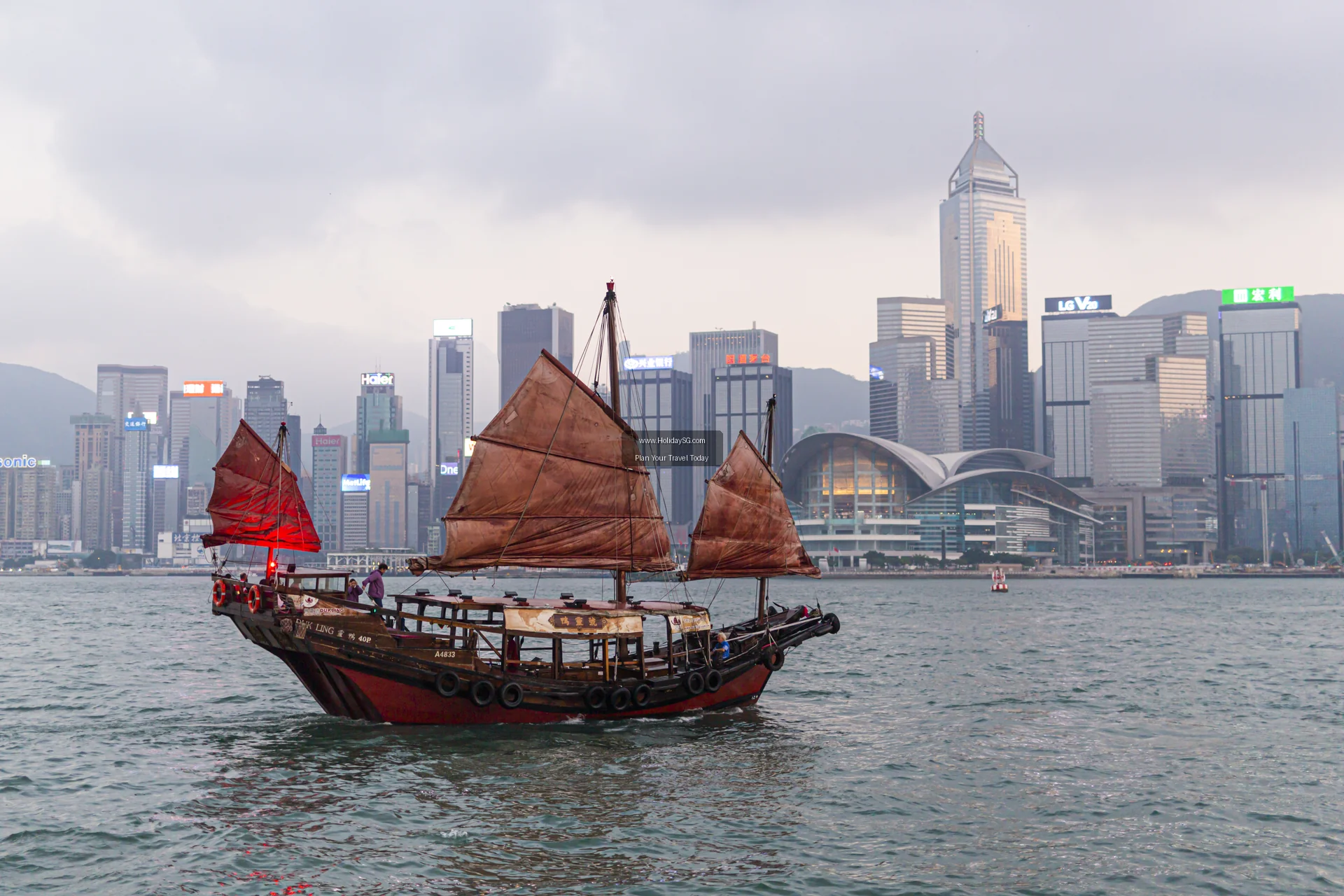
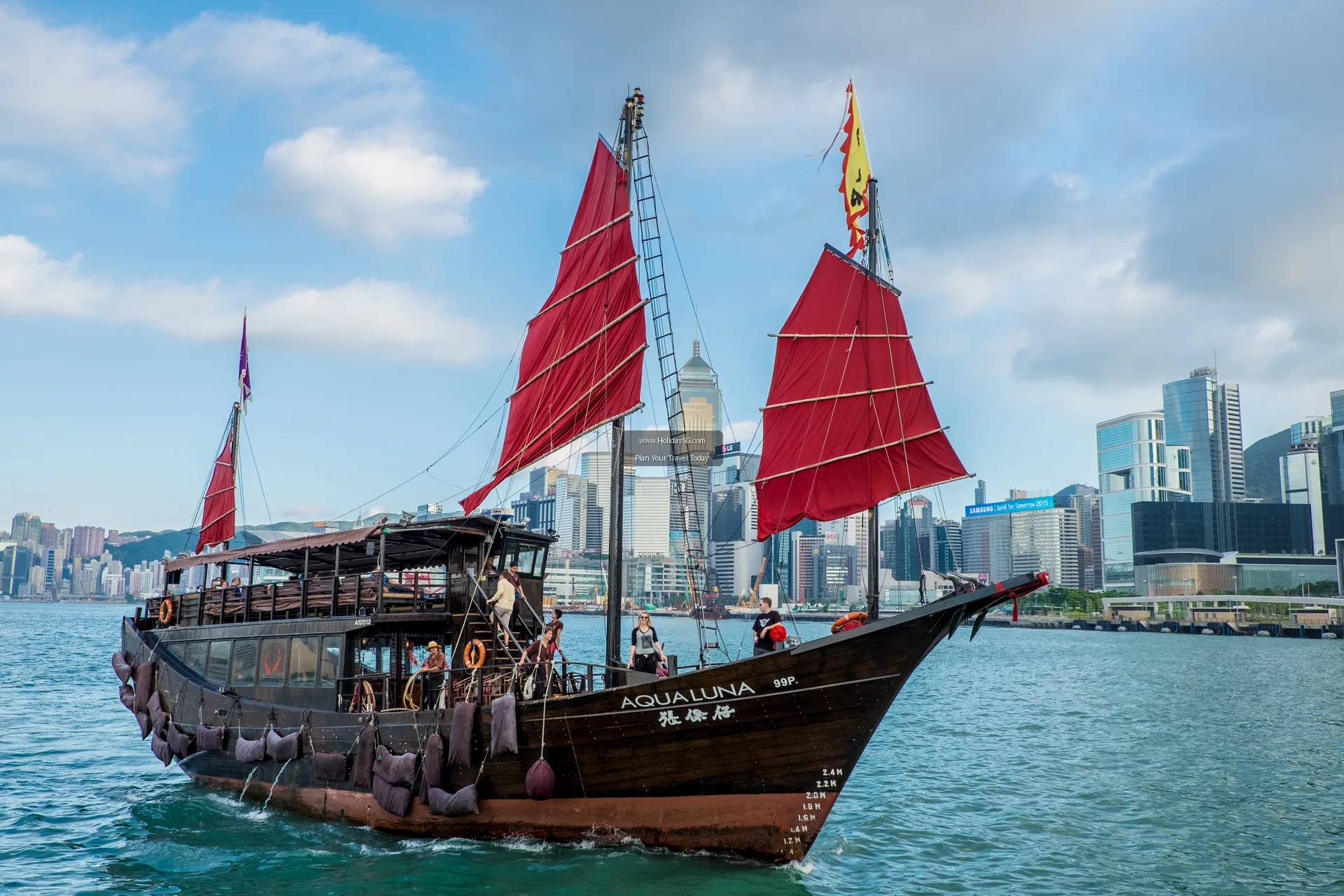
Traversing Victoria Harbour is an experience in itself. The iconic Star Ferry offers a classic, picturesque, and incredibly cheap (a few HKD) way to cross, with stunning views of the skyline from both sides. Alternatively, the MTR’s cross-harbour lines (like the Tsuen Wan Line) connect Hong Kong Island and Kowloon in minutes. Consider taking the ferry one way and the MTR back for a varied experience.
Taxis, Buses, and Hilly Terrain
Hong Kong is a city built on hills. Be prepared for a lot of walking, often on steep inclines. The good news is the city is equipped with numerous outdoor escalators and moving walkways, like the famous Central-Mid-Levels Escalator system, which makes navigating hilly neighbourhoods much easier. Taxis are plentiful and useful for reaching areas not easily accessible by MTR, but they can be pricey during peak hours or in heavy traffic. Always ensure the taxi is red (urban) or green (New Territories) and uses the meter.
Money Matters: Budgeting and Payments
Ready to go? Book Hong Kong Private Personalized Full Day Tour With A Local Guide Day Tours with HolidaySG.
Understanding Daily Costs
Hong Kong can cater to all budgets, but a mid-range daily spend is reasonable to plan for. Expect to spend around HKD 500-800 (approx. SGD 85-135) per person for a day including budget meals, public transport, and entry to one or two attractions. Street food is a fantastic and cheap option (HKD 30-60 per meal), while a sit-down meal in a mid-range restaurant typically costs HKD 150-300.
Cash vs. Cards: When to Use Each
Hong Kong is largely a cashless society for larger purchases. Credit cards are widely accepted in hotels, shopping malls, and higher-end restaurants. However, cash is still essential for many local experiences. Small local eateries (known as cha chaan tengs), market stalls, street vendors, and many neighbourhood shops are cash-only or strongly prefer it. Withdraw Hong Kong Dollars (HKD) from an ATM upon arrival to avoid any awkward situations.
Tipping Culture (or Lack Thereof)
A useful tip to know is that tipping is not customary in Hong Kong. A 10% service charge is almost always automatically added to the bill at restaurants. You do not need to leave anything extra. The same applies to hotels; porters are accustomed to not receiving tips.
Must-See Experiences for Your First Visit
Iconic Sights: From The Peak to the Big Buddha
No first visit is complete without taking in the panoramic view from Victoria Peak (The Peak). To truly understand the city’s layout and history, a guided perspective can be invaluable. Consider a Private Tour Of Hong Kong For First Timers to hit the highlights efficiently with expert commentary. Other must-sees include the monumental Tian Tan Big Buddha and Po Lin Monastery on Lantau Island (accessible via the scenic Ngong Ping 360 cable car), and the serene Wong Tai Sin Temple, where you can witness local religious practices.
Bustling Markets and Neon Nights
Experience the city’s vibrant street life after dark. Wander through the energetic Temple Street Night Market in Yau Ma Tei for fortune tellers, street food, and trinkets. Head to Mong Kok to immerse yourself in the dazzling canopy of neon signs and explore the various specialty markets, like the Ladies’ Market or the Goldfish Market. This sensory overload is pure Hong Kong.
A Taste of Macau: A Possible Day Trip
If you have extra time, the former Portuguese colony of Macau makes for an easy day trip. You can reach it via a 1-hour ferry from Hong Kong Island (or the newer Hong Kong-Zhuhai-Macau Bridge bus). Remember, it’s a separate territory with its own unique culture and history, so plan it as a distinct day out rather than trying to squeeze it into a Hong Kong schedule.
Eating Like a Local: Food Tips and Must-Tries
Ready to go? Book Hong Kong Private Personalized Full Day Tour With A Local Guide Day Tours with HolidaySG.
Beyond Dim Sum: Essential Hong Kong Eats
While dim sum (especially for brunch or lunch) is an absolute must-try, Hong Kong’s food scene is incredibly diverse. For a truly local meal, step into a cha chaan teng (a Hong Kong-style tea restaurant) and order a set meal – think macaroni in tomato soup with spam, toasted buns with condensed milk, and Hong Kong-style milk tea. Don’t miss street snacks like crispy egg waffles and world-class roast goose from specialist shops.
Finding Affordable and Delicious Meals
The best value and most authentic eats are often in the most unassuming places. Explore the side streets of Sheung Wan, Mong Kok, or Kowloon City for local gems. Food courts in shopping malls are also a great, clean, and affordable option for a variety of quick bites. For those wanting a deeper dive, a Hong Kong Food Tour With A Local can be a fantastic way to discover hidden stalls and learn about the dishes you’re eating, similar to the culinary insights we explore in our guide to Singapore’s hawker centres.
Dining Etiquette and Payment
Service in local eateries is efficient and sometimes brisk – it’s not considered rude. It’s common to share tables during busy periods. When ready to pay, take your bill to the cashier near the exit; you typically don’t wait for the server to bring it to your table. As mentioned, have cash ready for these establishments.
Practical Tips for a Smooth Stay
Language and Communication
Cantonese is the official language. However, English is widely understood in the tourism ecosystem – hotels, major attractions, the MTR, and most upscale shops and restaurants have English-speaking staff and bilingual signage. For venturing off the beaten path, a translation app can be helpful, but you’ll generally be fine with English.
Pace of Life and Navigating Crowds
Hong Kong moves at a fast pace. Be mindful of the flow of pedestrian traffic, especially on narrow sidewalks and in the MTR during rush hours. The city is generally very safe, but like any major metropolis, stay aware of your surroundings, keep your belongings secure, and be wary of petty theft in crowded tourist spots.
Recommended HolidaySG Tours
Ready to go? Book Hong Kong Private Personalized Full Day Tour With A Local Guide Day Tours with HolidaySG.
If you’d prefer to have logistics handled by experts or want a curated introduction to the city, these highly-rated tours from HolidaySG are perfect for first-timers:
- Hong Kong Private Personalized Full Day Tour With A Local Guide Day Tours
- Hong Kong Private Sightseeing Tour With Local Driver Guide Day Tours
- Hong Kong Food Tour With A Local A Feast For Foodies 100 Personalized Day Tours
- Private Tour Of Hong Kong First Timers
- Hong Kong Local Transfer
Ready to explore Hong Kong with expert guidance? Check out our Hong Kong Private Personalized Full Day Tour With A Local Guide Day Tours to make the most of your first visit.
Book with HolidaySG online for Hong Kong Private Personalized Full Day Tour With A Local Guide Day Tours, Hong Kong Private Sightseeing Tour With Local Driver Guide Day Tours, Hong Kong Local.
Frequently Asked Questions
Where can I book this tour in Hong Kong?
You can book a variety of guided tours directly through HolidaySG. Here are some popular options:
– Hong Kong Private Personalized Full Day Tour With A Local Guide
– Hong Kong Private Sightseeing Tour With Local Driver Guide
– Hong Kong Food Tour With A Local – A Feast For Foodies
– Private Tour Of Hong Kong For First Timers
For local transfers, you can also check out Hong Kong Local Transfer services.
Do foreigners need a different ticket, price, or visa for Hong Kong?
Generally, tourists do not need a separate ticket for attractions; prices are usually the same for all visitors. However, visa requirements vary by nationality. Many visitors, including citizens from Singapore, the US, the UK, and most EU countries, can enter Hong Kong visa-free for tourism for a limited period (often 7 to 180 days). It is crucial to verify the latest entry requirements for your specific passport before travel by checking the official Hong Kong Immigration Department website or your country’s foreign affairs travel advisory.
What is the best time to visit Hong Kong?
The most pleasant weather is typically in autumn (October to December), with comfortable temperatures, low humidity, and clear skies. Spring (March to April) is also good but can be foggy. Summers are hot, humid, and prone to typhoons. For a specific activity like a tram ride on The Peak, aim for late afternoon to sunset for stunning day-to-night city views. For food tours, evenings are ideal as many vendors and restaurants come alive after work hours.
How many days do I need to see Hong Kong’s highlights?
For a first visit, 3 to 4 full days are recommended to comfortably explore major areas like Hong Kong Island (Central, Victoria Peak), Kowloon (Tsim Sha Tsui), and a brief visit to a outlying island like Lamma or Cheung Chau. This allows for sightseeing, food exploration, and some relaxation.
What is the typical daily cost for a tourist in Hong Kong?
Hong Kong can be expensive. A mid-range daily budget (excluding hotel) might be around HKD 800-1200 (approx. SGD 140-210). This covers local meals (HKD 50-100 per meal), transport (HKD 20-50 per trip), entry to one or two attractions, and some shopping. Budget travelers can spend less by eating at local cha chaan tengs (diners) and using public transport, while luxury spending has no limit.
Is Hong Kong family-friendly?
Absolutely. Hong Kong is very family-friendly with attractions like Hong Kong Disneyland, Ocean Park, the Star Ferry, and many interactive museums (like the Space Museum). The public transport system is also excellent for strollers. The main challenge might be navigating very crowded areas.
What’s the easiest way to get from the airport to the city?
The Airport Express train is the fastest and most convenient way, taking about 24 minutes to Hong Kong Station in Central. It runs frequently and offers free shuttle buses to major hotels. The S1 or S56 bus is a cheaper but slower alternative. Taxis are readily available but more expensive, especially for the urban areas.
Do I need to carry cash? Is it cashless?
While credit cards and contactless payments (like Octopus cards) are widely accepted in malls, large shops, and many restaurants, cash is still essential. You will need it for street food stalls, small local eateries, traditional markets, minibus fare, and some taxis. It’s wise to carry a mix of cash and cards.
What should I pack for Hong Kong?
Pack comfortable walking shoes (you’ll walk a lot!), lightweight and breathable clothing, a light jacket or sweater for strong air conditioning and cooler evenings, a compact umbrella or raincoat, and a universal power adapter. In winter (Dec-Feb), bring warmer layers. Always carry a reusable water bottle.
Is Hong Kong safe for tourists?
Yes, Hong Kong is generally very safe with low rates of violent crime. As in any major city, be aware of your surroundings in crowded areas to prevent pickpocketing. Exercise normal precautions with your belongings and be cautious with unlicensed money changers.
What is the local etiquette I should know?
Queuing is strictly followed. When handing money or a business card to someone, use both hands or your right hand. It’s polite to try a small amount of food when offered. Avoid pointing with one finger; use an open hand. In temples, dress modestly and speak softly. Public transport etiquette is important: give up seats to those in need and avoid eating or drinking on the MTR.
What are the must-try local foods?
Do not miss: Dim Sum (try har gow, siu mai), Roast Goose or Duck, Wonton Noodles, Curry Fish Balls, Egg Waffles (gai daan jai), Milk Tea, Pineapple Buns (bo lo bao), and Claypot Rice. Exploring local food is best done on a food tour.
How do I use the Octopus card?
The Octopus card is a rechargeable smart card for easy payment on all public transport (MTR, buses, ferries) and at many convenience stores, supermarkets, and restaurants. You can buy one and add value at MTR stations, 7-Eleven stores, or customer service centers. It’s highly recommended for its convenience and small discounts on transport.
Is the public transport system easy to navigate?
Yes, it’s one of the world’s best. The MTR (subway) is clean, efficient, and has clear signage in English and Chinese. Buses are extensive but can be more complex for first-timers. Trams (on Hong Kong Island) and the iconic Star Ferry are both scenic and practical. The “MTR Mobile” app is excellent for journey planning.
What are the best neighborhoods to stay in?
For first-timers, Tsim Sha Tsui (Kowloon) offers great views, shopping, and easy transport. Central or Causeway Bay (Hong Kong Island) puts you in the heart of business and nightlife. For a more local vibe, try Sheung Wan. Mong Kok is vibrant, crowded, and budget-friendly.
Can I use my phone for internet in Hong Kong?
Yes. You can easily buy a local prepaid SIM card at the airport or convenience stores. Alternatively, ensure your home phone plan includes roaming in Hong Kong, or rent a portable Wi-Fi device in advance. Many cafes and malls also offer free Wi-Fi.
Are there good day trips from Hong Kong?
Yes. Popular day trips include visiting Macau (via high-speed ferry or bridge), hiking the Dragon’s Back trail, exploring the Big Buddha and Po Lin Monastery on Lantau Island, or taking a trip to the New Territories to visit the Ping Shan Heritage Trail and wetlands park.
What are the shopping highlights?
Shop for bargains at street markets like Temple Street Night Market (Kowloon) or the Ladies’ Market (Mong Kok). For luxury brands, head to IFC Mall or Harbour City. Don’t forget to shop for electronics in Sham Shui Po or Mong Kok, and for dried seafood and Chinese medicine in Sheung Wan.
How accessible is Hong Kong for travelers with disabilities?
Major MTR stations and newer attractions have good accessibility features (elevators, tactile paving). Many buses are wheelchair-accessible. However, Hong Kong Island’s older neighborhoods and steep streets can be challenging. The Star Ferry has accessible ramps. It’s advisable to check specific venue accessibility in advance.
What’s the weather like during typhoon season?
Typhoon season runs from May to November. If a typhoon signal No. 8 or above is raised, most businesses and public transport will shut down. Stay indoors away from windows. Check the Hong Kong Observatory’s updates closely. Flights may be delayed or cancelled. Travel insurance is strongly recommended during this period.
What things cost in Hong Kong
Live HolidaySG prices for the experiences in this guide, so you can sanity-check a budget before you commit.
| Experience | Where | From price |
|---|---|---|
| Open-top bus: Hong Kong open-top sightseeing night tour double... | All Cities | From S$25.09 |
| Hong Kong Skyline Tour Victoria Harbour Cruise Transport Passe... | Hong Kong | From S$17.00 |
| [Hong Kong Glamping] Long Coast Seasports | Camping, Caravanni... | Hong Kong | From S$40.84 |
| Hong Kong Special Sightseeing Victoria Harbour Night Cruise (9... | Hong Kong | From S$16.02 |
| [Official Ticket] Cotai Water Jet one-way Boat Ticket (Macau T... | Hong Kong | From S$36.93 |
| Hong Kong Ngong Ping 360 cable car ticket - standard cabin/Cry... | Hong Kong | From S$19.50 |
| LEGOLAND Discovery Centre Hong Kong | Hong Kong | From S$33.44 |
| Airport Private Transfer - Hong Kong International Airport to... | Hong Kong | From S$78.12 |