
Introduction
Vietnam has rapidly become one of Asia's most loved travel destinations, attracting millions of international visitors every year. From the emerald waters of Ha Long Bay and the lantern-lit streets of Hoi An to the bustling energy of Ho Chi Minh City and the breathtaking rice terraces of Sapa, Vietnam offers unforgettable experiences for every type of traveller. Families enjoy its kid-friendly attractions, couples appreciate its romantic beaches and luxury resorts, backpackers love its affordability, and solo travellers are drawn to its welcoming atmosphere and vibrant culture.
Despite its popularity, one question continues to appear in travel forums and search engines: Is Vietnam safe for tourists?
The short answer is yes. Vietnam is widely regarded as one of the safest countries to visit in Southeast Asia. Serious crime involving tourists is uncommon, and most visitors complete their holidays without experiencing any major problems. The country's tourism industry is well developed, public transport continues to improve, and locals are generally known for their hospitality and friendliness toward visitors.
Book with HolidaySG — Tickets, tours and activities online. E-tickets emailed after our team confirms your booking. Browse all activities →
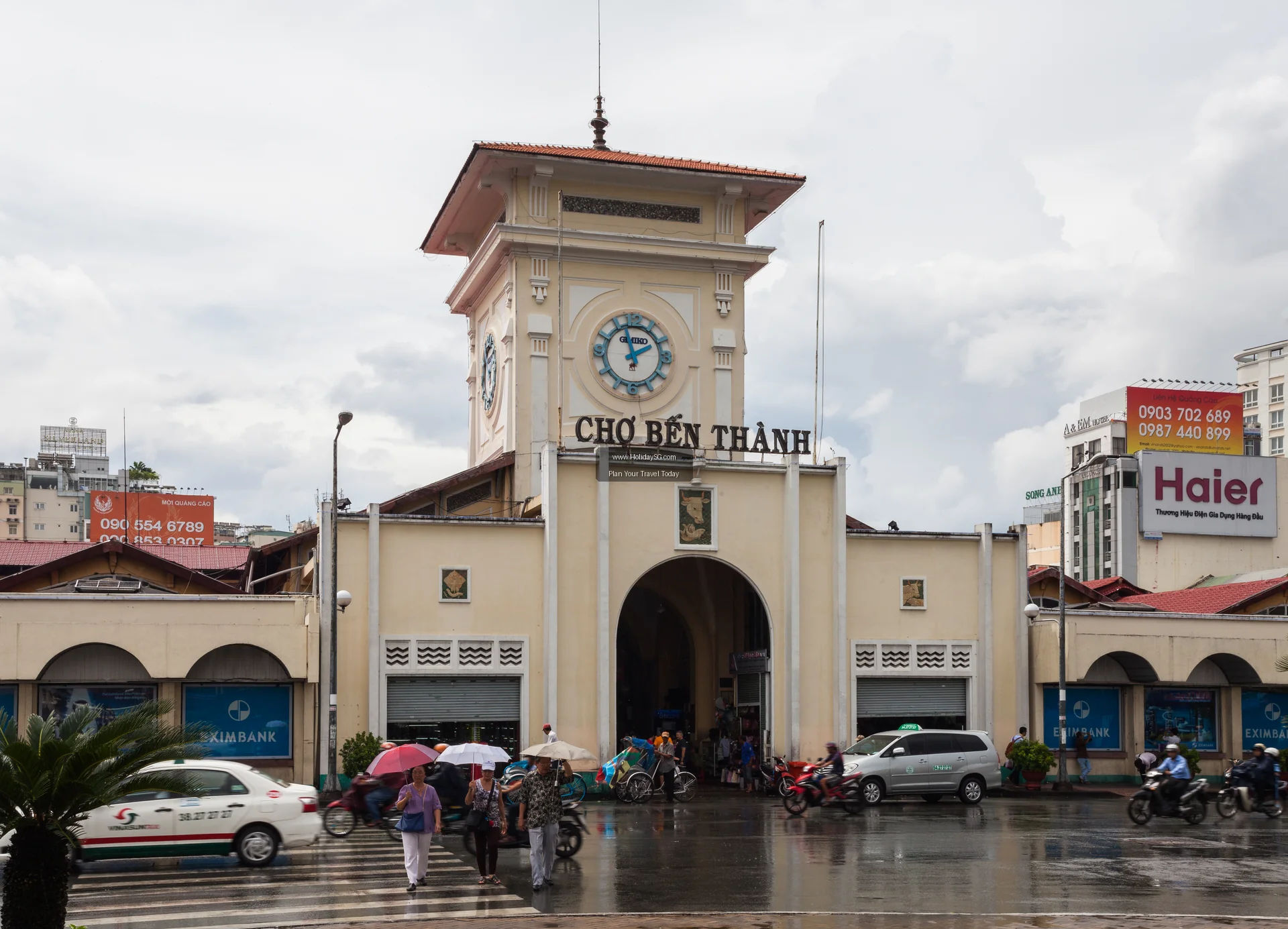
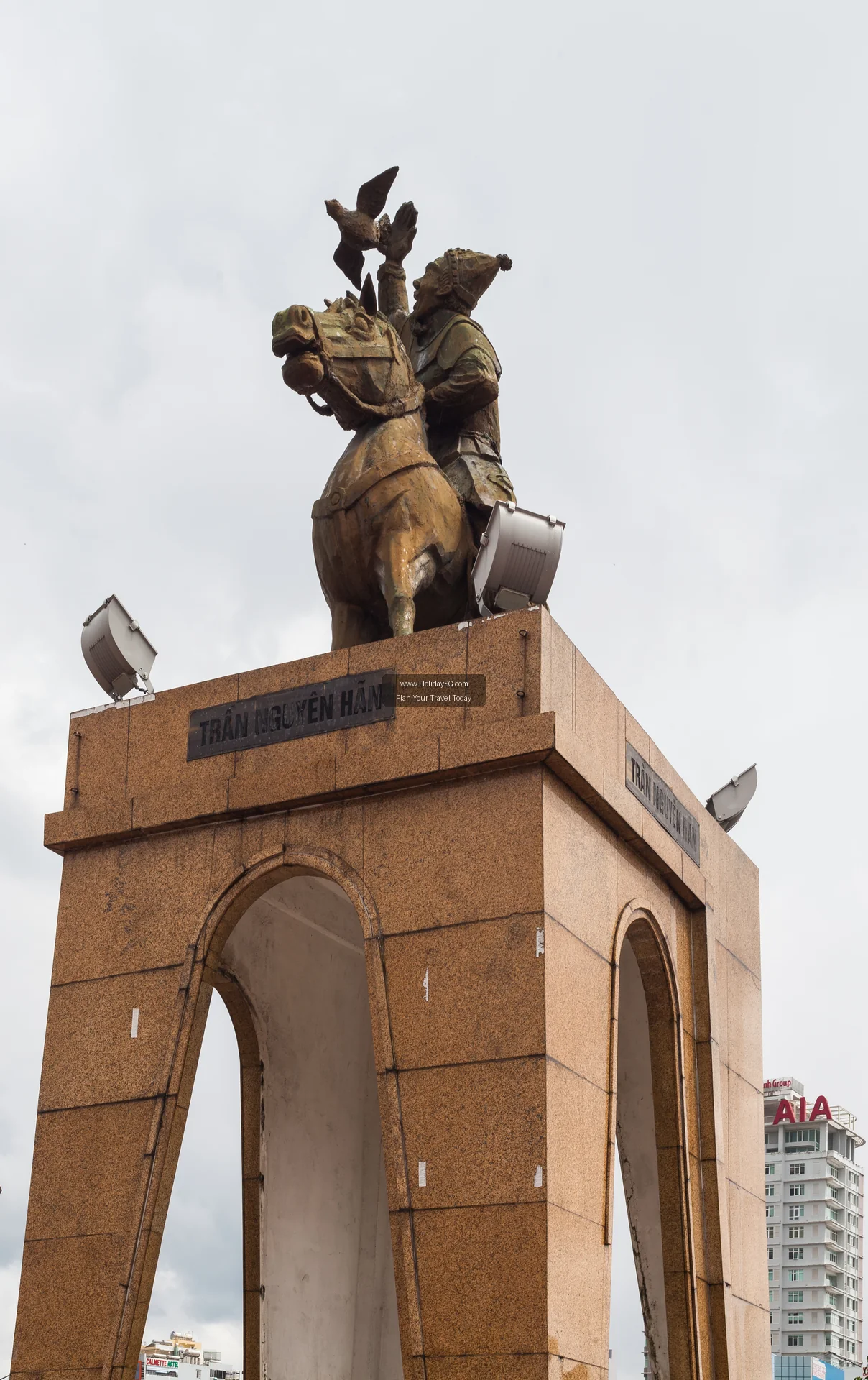
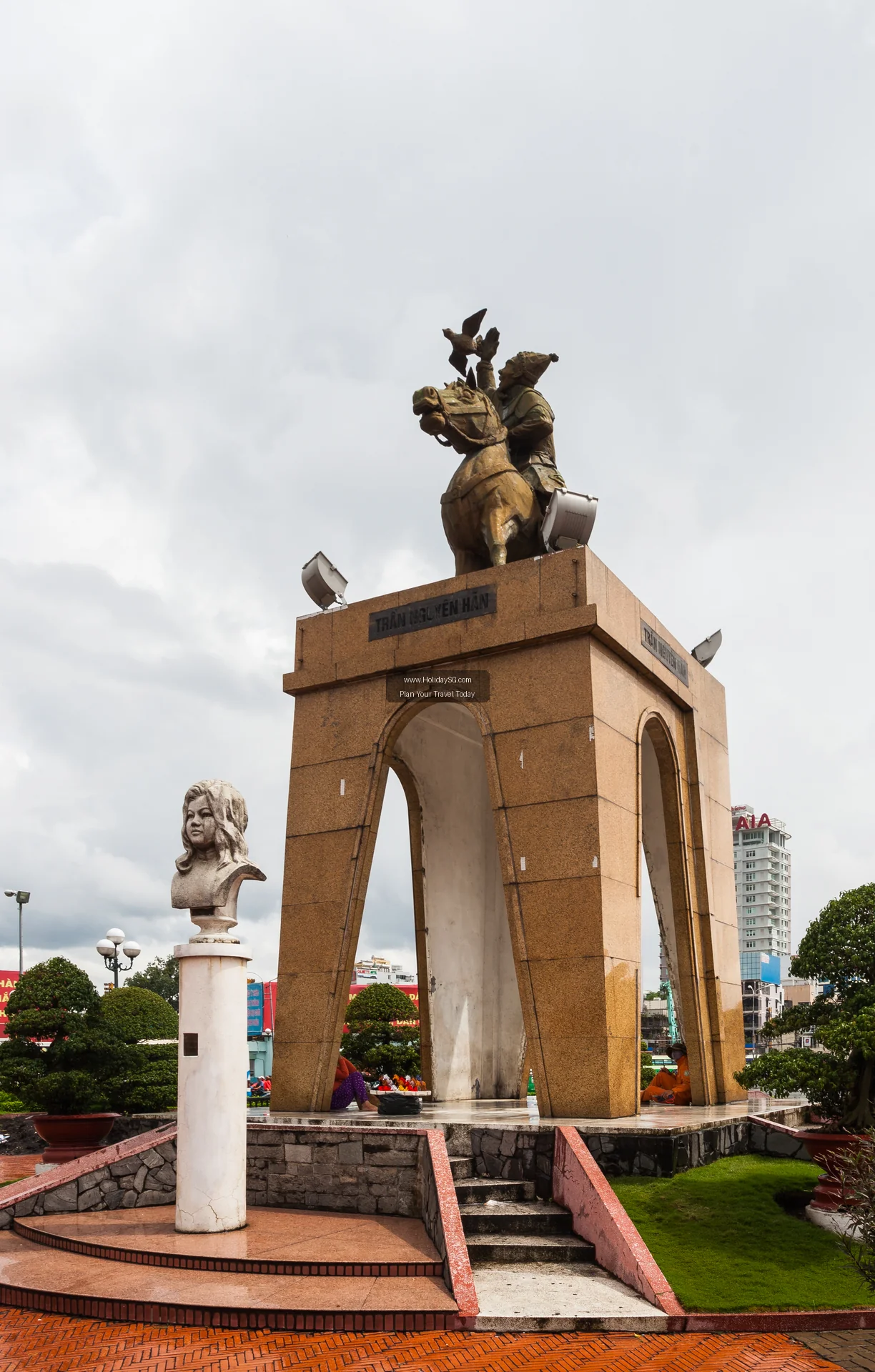
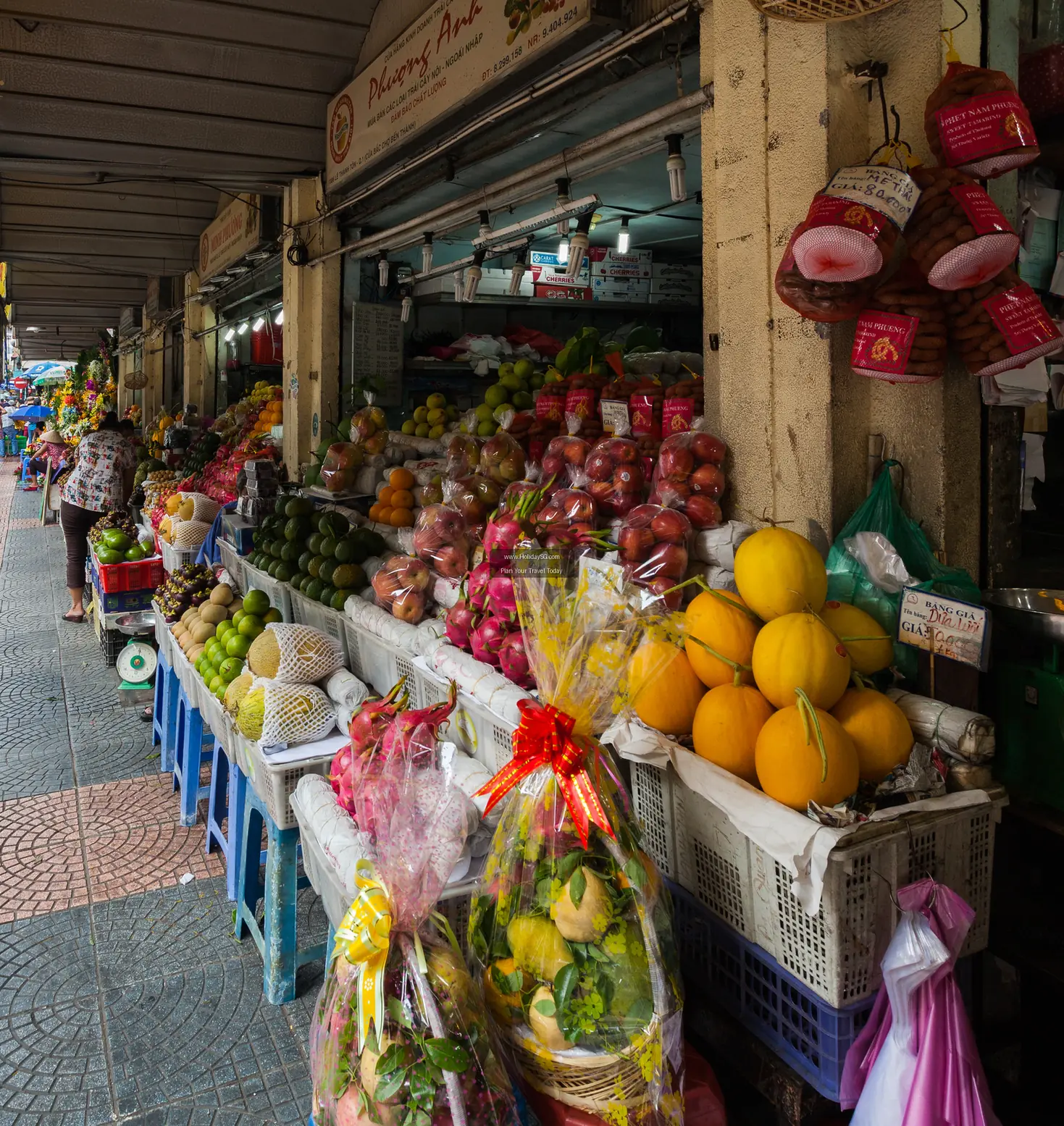
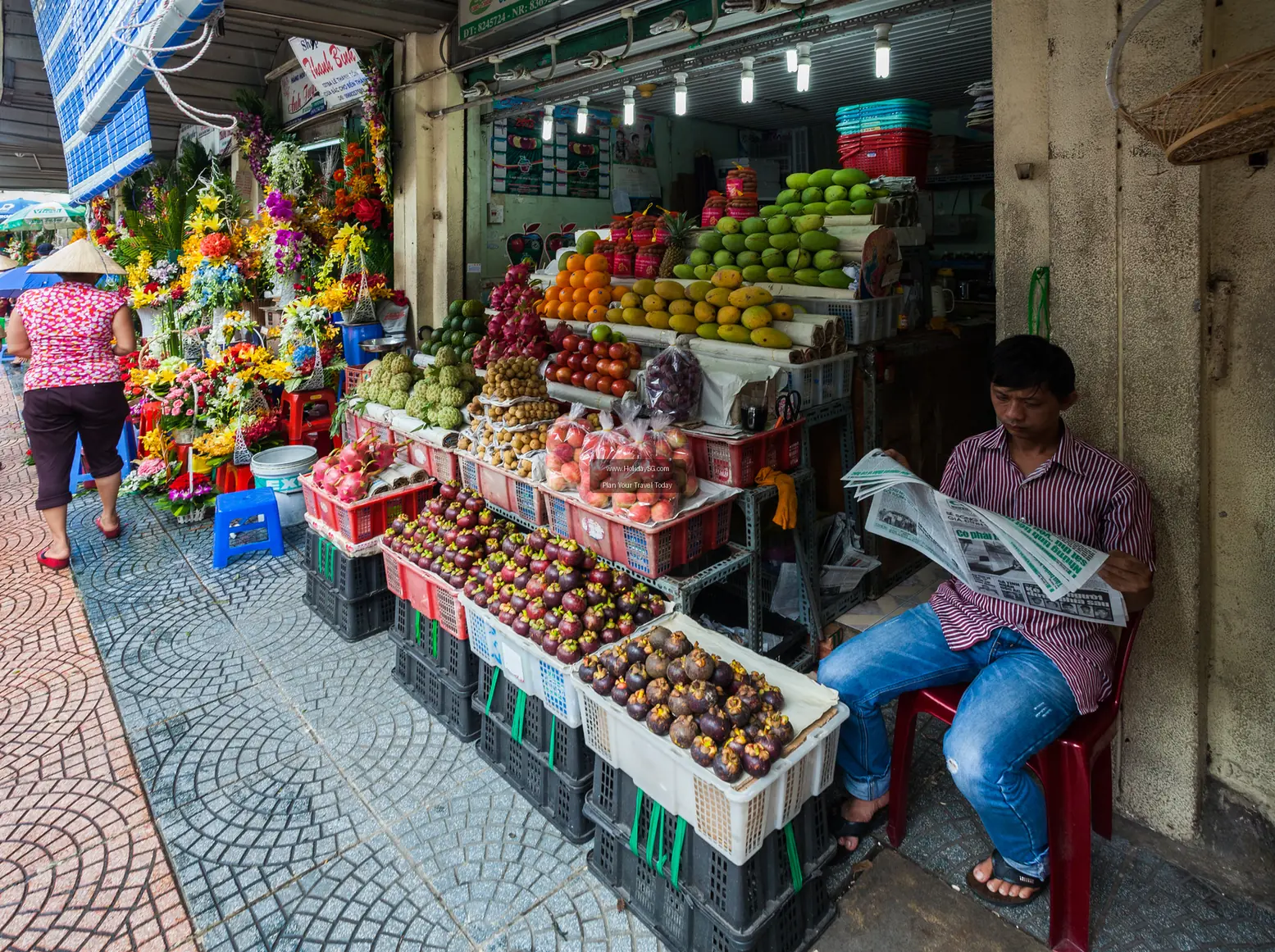
However, like travelling anywhere in the world, being informed is the best way to stay safe. Petty theft, traffic congestion, tourist scams, and seasonal weather events can affect your trip if you're unprepared. Understanding local customs, using trusted transportation, keeping your belongings secure, and following basic travel precautions can greatly reduce risks and help you enjoy a stress-free holiday.
This comprehensive guide covers everything you need to know about travelling safely in Vietnam. You'll learn about crime levels, common scams, food and water safety, health precautions, transportation, solo travel, family travel, women's safety, emergency contacts, and practical advice for different destinations. Whether you're visiting for a weekend or planning a month-long adventure, this guide will help you travel with confidence.
Vietnam Safety at a Glance
| Category | Rating |
|---|---|
| Overall Tourist Safety | ⭐⭐⭐⭐⭐ Excellent |
| Violent Crime | Very Low |
| Petty Theft | Moderate |
| Solo Traveller Safety | Excellent |
| Family Friendly | Excellent |
| Female Traveller Safety | Very Good |
| Public Transport | Good |
| Healthcare in Major Cities | Good |
| Food Safety | Good |
| Nightlife Safety | Good with Precautions |
Quick Tip: Most incidents involving tourists are minor and preventable. Awareness is your best safety tool.
Is Vietnam Safe for Tourists?
Yes. Vietnam consistently ranks among the safest destinations in Southeast Asia for international visitors. While no destination is completely risk-free, violent crime against tourists is rare. Most issues involve opportunistic crimes such as pickpocketing, bag snatching, taxi overcharging, or online booking scams rather than physical violence.
Popular tourist destinations including Hanoi, Ho Chi Minh City, Da Nang, Hoi An, Nha Trang, Phu Quoc, and Ha Long Bay receive millions of visitors annually and have established tourism infrastructure. Hotels, attractions, airports, and transport services are accustomed to serving international travellers.
Visitors who exercise normal travel precautions—similar to those they would use in any major city—generally have a safe and enjoyable experience.
Why Vietnam Is Considered Safe
Several factors contribute to Vietnam's reputation as a safe travel destination.
1. Low Violent Crime
Incidents involving violence against tourists are uncommon. Most visitors report friendly interactions with locals throughout their journey.
2. Strong Tourism Industry
Tourism is an important contributor to Vietnam's economy. As a result, many businesses, hotels, restaurants, and attractions prioritize visitor safety and customer service.
3. Friendly Local Culture
Vietnamese people are often praised for being welcoming, respectful, and willing to help visitors. In many areas, locals happily assist tourists with directions or recommendations.
4. Growing Infrastructure
Modern airports, improved highways, better public transport, and increasing English signage have made travelling around Vietnam easier and safer than ever before.
5. Affordable Healthcare in Major Cities
Large cities such as Hanoi and Ho Chi Minh City have international hospitals and clinics capable of treating most common medical issues. Comprehensive travel insurance is still recommended to cover unexpected expenses.
Common Safety Risks Tourists Should Know
Although Vietnam is generally safe, understanding the most common travel risks can help you avoid unnecessary problems.
Pickpocketing
The most frequently reported issue is pickpocketing, particularly in crowded tourist areas.
Places where you should be extra cautious include:
Night markets
Walking streets
Bus terminals
Train stations
Festivals
Busy shopping districts
Popular attractions
How to Prevent Pickpocketing
Use a zippered cross-body bag.
Keep valuables in front of your body.
Avoid placing your phone or wallet in back pockets.
Carry only the cash you need for the day.
Store passports and spare cards in your hotel safe whenever practical.
Bag Snatching
Bag snatching is more common in busy cities where thieves on motorbikes may target distracted pedestrians.
Safety Tips
Walk on the side of the pavement away from traffic.
Hold your bag securely with the strap across your body.
Avoid texting while walking near busy roads.
Keep cameras attached with secure straps.
Taxi Scams
Most taxi rides are straightforward, but occasional overcharging can occur with unofficial drivers.
Stay Safe by:
Using reputable taxi companies.
Booking rides through trusted ride-hailing apps.
Confirming the destination before departure.
Watching that the meter is running if using a metered taxi.
Fake Tours
Some unofficial operators advertise tours at unusually low prices but may fail to deliver the promised experience.
Protect Yourself
Book through reputable travel agencies.
Read recent customer reviews.
Avoid paying large deposits in cash to unverified sellers.
Request written confirmation of inclusions.
Traffic Safety in Vietnam
Traffic is often the biggest challenge for first-time visitors. The large number of motorbikes can make roads appear intimidating, particularly in Hanoi and Ho Chi Minh City.
Tips for Crossing Roads
Walk at a steady, predictable pace.
Avoid sudden changes in direction.
Make eye contact with approaching drivers when possible.
Use pedestrian crossings where available, even though vehicles may not always stop completely.
Be patient and avoid rushing.
Many travellers find that traffic looks chaotic at first but becomes easier to navigate after a day or two of observation.
Is It Safe to Rent a Motorbike?
Renting a motorbike is a popular way to explore Vietnam, especially in destinations such as Ha Giang, Da Nang, and Phu Quoc.
However, it's important to consider:
Your riding experience.
Local traffic conditions.
Weather.
Licensing requirements.
Insurance coverage.
If you're not confident riding in busy traffic, consider joining a guided tour or hiring a local driver instead.
Is Public Transport Safe?
Vietnam offers a variety of transport options suitable for different budgets.
Domestic Flights
Major airlines connect popular destinations efficiently. Flying is generally the fastest option for long distances.
Trains
The railway network offers scenic journeys between major cities. Overnight sleeper trains are popular with both locals and tourists.
Sleeper Buses
Modern sleeper buses provide affordable transport between cities, although travellers should book with reputable operators.
Ride-Hailing Apps
Ride-hailing services offer transparent pricing and convenient cashless payment options in many cities.
Food Safety
Trying local cuisine is one of the highlights of visiting Vietnam. Most travellers enjoy street food without problems by following a few simple precautions.
Choose Busy Food Stalls
High customer turnover often means ingredients are fresher and food is prepared regularly.
Eat Freshly Cooked Meals
Hot food served immediately after cooking generally reduces food safety risks.
Drink Safe Water
Choose bottled or properly filtered water instead of tap water.
Wash Fruits
If purchasing fresh fruit, wash it with clean water before eating whenever possible.
Healthcare and Medical Advice
Vietnam's healthcare facilities vary by location. Large cities generally have better-equipped hospitals and clinics than rural areas.
Before Your Trip
Purchase comprehensive travel insurance.
Carry prescription medication in original packaging.
Pack a small first-aid kit.
Bring insect repellent.
Pack sunscreen with high SPF.
Keep digital copies of important medical documents.
If you have allergies or chronic health conditions, carry a written summary of your medical information.
Emergency Numbers
| Service | Number |
|---|---|
| Police | 113 |
| Fire | 114 |
| Ambulance | 115 |
Also save:
Your country's embassy or consulate.
Your travel insurance emergency hotline.
Your hotel's reception number.
Emergency contacts at home.
20 Essential Safety Tips
Carry a photocopy of your passport.
Store the original passport securely.
Avoid carrying large amounts of cash.
Use ATMs attached to banks.
Keep emergency numbers saved.
Stay aware in crowded places.
Book accommodation with strong reviews.
Lock luggage when travelling.
Use licensed taxis or trusted ride-hailing services.
Keep valuables out of sight.
Avoid isolated streets late at night.
Wear a helmet if riding a motorbike.
Stay hydrated in hot weather.
Respect local customs and traditions.
Learn a few basic Vietnamese phrases.
Check weather forecasts before travelling.
Monitor your belongings during bus or train journeys.
Purchase travel insurance.
Inform family of your itinerary.
Trust your instincts if a situation feels uncomfortable.
End of Part 1 (Approx. 1,600 words).
The next part will cover:
Safety for solo travellers
Women's safety
LGBTQ+ travellers
Family travel safety
Senior travellers
Food hygiene in detail
Nightlife safety
Beach safety
Natural disasters
25 more expert safety tips
Vietnam has rapidly become one of Asia's most loved travel destinations, attracting millions of international visitors every year. From the emerald waters of Ha Long Bay and the lantern-lit streets of Hoi An to the bustling energy of Ho Chi Minh City and the breathtaking rice terraces of Sapa, Vietnam offers unforgettable experiences for every type of traveller. Families enjoy its kid-friendly attractions, couples appreciate its romantic beaches and luxury resorts, backpackers love its affordability, and solo travellers are drawn to its welcoming atmosphere and vibrant culture.
Despite its popularity, one question continues to appear in travel forums and search engines: Is Vietnam safe for tourists?
The short answer is yes. Vietnam is widely regarded as one of the safest countries to visit in Southeast Asia. Serious crime involving tourists is uncommon, and most visitors complete their holidays without experiencing any major problems. The country's tourism industry is well developed, public transport continues to improve, and locals are generally known for their hospitality and friendliness toward visitors.
However, like travelling anywhere in the world, being informed is the best way to stay safe. Petty theft, traffic congestion, tourist scams, and seasonal weather events can affect your trip if you're unprepared. Understanding local customs, using trusted transportation, keeping your belongings secure, and following basic travel precautions can greatly reduce risks and help you enjoy a stress-free holiday.
This comprehensive guide covers everything you need to know about travelling safely in Vietnam. You'll learn about crime levels, common scams, food and water safety, health precautions, transportation, solo travel, family travel, women's safety, emergency contacts, and practical advice for different destinations. Whether you're visiting for a weekend or planning a month-long adventure, this guide will help you travel with confidence.
Vietnam Safety at a Glance
| Category | Rating |
|---|---|
| Overall Tourist Safety | ⭐⭐⭐⭐⭐ Excellent |
| Violent Crime | Very Low |
| Petty Theft | Moderate |
| Solo Traveller Safety | Excellent |
| Family Friendly | Excellent |
| Female Traveller Safety | Very Good |
| Public Transport | Good |
| Healthcare in Major Cities | Good |
| Food Safety | Good |
| Nightlife Safety | Good with Precautions |
Quick Tip: Most incidents involving tourists are minor and preventable. Awareness is your best safety tool.
Is Vietnam Safe for Tourists?
Yes. Vietnam consistently ranks among the safest destinations in Southeast Asia for international visitors. While no destination is completely risk-free, violent crime against tourists is rare. Most issues involve opportunistic crimes such as pickpocketing, bag snatching, taxi overcharging, or online booking scams rather than physical violence.
Popular tourist destinations including Hanoi, Ho Chi Minh City, Da Nang, Hoi An, Nha Trang, Phu Quoc, and Ha Long Bay receive millions of visitors annually and have established tourism infrastructure. Hotels, attractions, airports, and transport services are accustomed to serving international travellers.
Visitors who exercise normal travel precautions—similar to those they would use in any major city—generally have a safe and enjoyable experience.
Why Vietnam Is Considered Safe
Several factors contribute to Vietnam's reputation as a safe travel destination.
1. Low Violent Crime
Incidents involving violence against tourists are uncommon. Most visitors report friendly interactions with locals throughout their journey.
2. Strong Tourism Industry
Tourism is an important contributor to Vietnam's economy. As a result, many businesses, hotels, restaurants, and attractions prioritize visitor safety and customer service.
3. Friendly Local Culture
Vietnamese people are often praised for being welcoming, respectful, and willing to help visitors. In many areas, locals happily assist tourists with directions or recommendations.
4. Growing Infrastructure
Modern airports, improved highways, better public transport, and increasing English signage have made travelling around Vietnam easier and safer than ever before.
5. Affordable Healthcare in Major Cities
Large cities such as Hanoi and Ho Chi Minh City have international hospitals and clinics capable of treating most common medical issues. Comprehensive travel insurance is still recommended to cover unexpected expenses.
Common Safety Risks Tourists Should Know
Although Vietnam is generally safe, understanding the most common travel risks can help you avoid unnecessary problems.
Pickpocketing
The most frequently reported issue is pickpocketing, particularly in crowded tourist areas.
Places where you should be extra cautious include:
Night markets
Walking streets
Bus terminals
Train stations
Festivals
Busy shopping districts
Popular attractions
How to Prevent Pickpocketing
Use a zippered cross-body bag.
Keep valuables in front of your body.
Avoid placing your phone or wallet in back pockets.
Carry only the cash you need for the day.
Store passports and spare cards in your hotel safe whenever practical.
Bag Snatching
Bag snatching is more common in busy cities where thieves on motorbikes may target distracted pedestrians.
Safety Tips
Walk on the side of the pavement away from traffic.
Hold your bag securely with the strap across your body.
Avoid texting while walking near busy roads.
Keep cameras attached with secure straps.
Taxi Scams
Most taxi rides are straightforward, but occasional overcharging can occur with unofficial drivers.
Stay Safe by:
Using reputable taxi companies.
Booking rides through trusted ride-hailing apps.
Confirming the destination before departure.
Watching that the meter is running if using a metered taxi.
Fake Tours
Some unofficial operators advertise tours at unusually low prices but may fail to deliver the promised experience.
Protect Yourself
Book through reputable travel agencies.
Read recent customer reviews.
Avoid paying large deposits in cash to unverified sellers.
Request written confirmation of inclusions.
Traffic Safety in Vietnam
Traffic is often the biggest challenge for first-time visitors. The large number of motorbikes can make roads appear intimidating, particularly in Hanoi and Ho Chi Minh City.
Tips for Crossing Roads
Walk at a steady, predictable pace.
Avoid sudden changes in direction.
Make eye contact with approaching drivers when possible.
Use pedestrian crossings where available, even though vehicles may not always stop completely.
Be patient and avoid rushing.
Many travellers find that traffic looks chaotic at first but becomes easier to navigate after a day or two of observation.
Is It Safe to Rent a Motorbike?
Renting a motorbike is a popular way to explore Vietnam, especially in destinations such as Ha Giang, Da Nang, and Phu Quoc.
However, it's important to consider:
Your riding experience.
Local traffic conditions.
Weather.
Licensing requirements.
Insurance coverage.
If you're not confident riding in busy traffic, consider joining a guided tour or hiring a local driver instead.
Is Public Transport Safe?
Vietnam offers a variety of transport options suitable for different budgets.
Domestic Flights
Major airlines connect popular destinations efficiently. Flying is generally the fastest option for long distances.
Trains
The railway network offers scenic journeys between major cities. Overnight sleeper trains are popular with both locals and tourists.
Sleeper Buses
Modern sleeper buses provide affordable transport between cities, although travellers should book with reputable operators.
Ride-Hailing Apps
Ride-hailing services offer transparent pricing and convenient cashless payment options in many cities.
Food Safety
Trying local cuisine is one of the highlights of visiting Vietnam. Most travellers enjoy street food without problems by following a few simple precautions.
Choose Busy Food Stalls
High customer turnover often means ingredients are fresher and food is prepared regularly.
Eat Freshly Cooked Meals
Hot food served immediately after cooking generally reduces food safety risks.
Drink Safe Water
Choose bottled or properly filtered water instead of tap water.
Wash Fruits
If purchasing fresh fruit, wash it with clean water before eating whenever possible.
Healthcare and Medical Advice
Vietnam's healthcare facilities vary by location. Large cities generally have better-equipped hospitals and clinics than rural areas.
Before Your Trip
Purchase comprehensive travel insurance.
Carry prescription medication in original packaging.
Pack a small first-aid kit.
Bring insect repellent.
Pack sunscreen with high SPF.
Keep digital copies of important medical documents.
If you have allergies or chronic health conditions, carry a written summary of your medical information.
Emergency Numbers
| Service | Number |
|---|---|
| Police | 113 |
| Fire | 114 |
| Ambulance | 115 |
Also save:
Your country's embassy or consulate.
Your travel insurance emergency hotline.
Your hotel's reception number.
Emergency contacts at home.
20 Essential Safety Tips
Carry a photocopy of your passport.
Store the original passport securely.
Avoid carrying large amounts of cash.
Use ATMs attached to banks.
Keep emergency numbers saved.
Stay aware in crowded places.
Book accommodation with strong reviews.
Lock luggage when travelling.
Use licensed taxis or trusted ride-hailing services.
Keep valuables out of sight.
Avoid isolated streets late at night.
Wear a helmet if riding a motorbike.
Stay hydrated in hot weather.
Respect local customs and traditions.
Learn a few basic Vietnamese phrases.
Check weather forecasts before travelling.
Monitor your belongings during bus or train journeys.
Purchase travel insurance.
Inform family of your itinerary.
Trust your instincts if a situation feels uncomfortable.
Is Vietnam Safe for Solo Travellers?
Vietnam is one of the best destinations in Southeast Asia for solo travellers. Every year, thousands of backpackers, digital nomads, and independent travellers explore the country safely. The well-established tourist infrastructure, affordable accommodation, and friendly locals make it easy to travel independently.
Popular destinations such as Hanoi, Ho Chi Minh City, Hoi An, Da Nang, and Sapa have vibrant backpacker communities where it's easy to meet fellow travellers.
Why Solo Travellers Love Vietnam
- Affordable hostels with social spaces
- Reliable public transportation
- Easy-to-book day tours
- Friendly local people
- Plenty of English-speaking tour operators
- Safe tourist districts
- Diverse attractions from beaches to mountains
Solo Travel Safety Tips
- Book accommodation with verified reviews.
- Share your itinerary with family or friends.
- Avoid walking alone in isolated areas after midnight.
- Carry a power bank for your phone.
- Save offline maps before exploring.
- Keep emergency cash separate from your wallet.
- Avoid revealing personal travel plans to strangers.
- Join group tours if visiting remote areas.
- Use secure Wi-Fi or a VPN for online banking.
- Stay alert in crowded tourist areas.
Is Vietnam Safe for Female Travellers?
Many women travel alone in Vietnam without experiencing major issues. While unwanted attention is generally less common than in some other destinations, it's still important to take sensible precautions.
Vietnamese culture is generally respectful, and tourist areas are accustomed to welcoming international visitors.
Tips for Female Travellers
- Dress modestly when visiting temples and pagodas.
- Use trusted taxis or ride-hailing apps at night.
- Avoid accepting drinks from strangers.
- Stay in well-reviewed accommodation.
- Trust your instincts if a situation feels uncomfortable.
- Inform someone of your travel plans when visiting remote areas.
- Keep emergency contacts easily accessible.
Many female travellers report feeling comfortable walking around busy areas during the day and evening, especially in popular tourist destinations.
Safety for Families
Vietnam is an excellent destination for family holidays. Many attractions cater to children, and locals are often welcoming toward families with young kids.
Family-Friendly Destinations
Hanoi
Families can enjoy:
- Hoan Kiem Lake
- Water Puppet Theatre
- Parks
- Museums
- Weekend walking streets
Da Nang
Known for:
- Clean beaches
- Family resorts
- Theme parks
- Safe promenades
- Kid-friendly restaurants
Hoi An
A relaxed town featuring:
- Lantern festivals
- Riverside cafés
- Bicycle rides
- Tailor shops
- Cultural workshops
Phu Quoc
Ideal for families seeking:
- Calm beaches
- Water parks
- Resorts
- Snorkelling
- Nature experiences
Family Safety Tips
- Carry snacks and drinking water for children.
- Use child seats where available during transfers.
- Keep young children close in crowded markets.
- Apply sunscreen frequently.
- Plan indoor activities during the hottest part of the day.
- Choose accommodation with family-friendly facilities.
Safety for Senior Travellers
Vietnam is increasingly popular with senior travellers due to its cultural attractions, cruises, and comfortable resorts.
Recommendations
- Book accommodation with lifts if mobility is a concern.
- Wear supportive walking shoes.
- Stay hydrated in warm weather.
- Avoid excessive walking during midday heat.
- Carry a list of medications.
- Purchase travel insurance covering pre-existing medical conditions if applicable.
Many organised tours provide slower-paced itineraries that are well suited to older travellers.
Is Vietnam Safe for LGBTQ+ Travellers?
Vietnam is generally considered one of the more welcoming destinations in Southeast Asia for LGBTQ+ travellers. Major cities such as Hanoi and Ho Chi Minh City have inclusive cafés, bars, and events, although public displays of affection—regardless of orientation—are generally modest due to local cultural norms.
Tips
- Respect local customs in religious and rural areas.
- Choose reputable accommodation.
- Connect with local LGBTQ+ communities if seeking nightlife recommendations.
- Exercise the same personal safety precautions as any traveller.
Food Safety in Vietnam
Vietnamese cuisine is one of the highlights of any trip, and street food is an essential part of the experience.
Safe Street Food Tips
Choose vendors that:
- Have long queues of local customers.
- Prepare food fresh to order.
- Maintain clean cooking areas.
- Store ingredients properly.
Avoid food that has been sitting uncovered for long periods.
Foods Worth Trying
- Pho
- Banh Mi
- Bun Cha
- Goi Cuon
- Com Tam
- Cao Lau
- Bun Bo Hue
- Banh Xeo
- Fresh seafood
- Vietnamese coffee
Trying local dishes from busy restaurants and recommended vendors is generally the safest approach.
Water Safety
Tap water is not recommended for drinking.
Instead choose:
- Bottled water
- Filtered water
- Sealed beverages
When ordering drinks, ice served in established restaurants and cafés is usually commercially produced, but if you're uncertain, request drinks without ice.
Health Precautions
Before You Travel
- Buy comprehensive travel insurance.
- Pack prescription medication.
- Bring insect repellent.
- Carry sunscreen.
- Pack basic first-aid supplies.
- Keep digital copies of important documents.
During Your Trip
- Wash hands regularly.
- Stay hydrated.
- Rest if travelling during extremely hot weather.
- Eat balanced meals.
- Wear breathable clothing.
Mosquito Protection
Mosquitoes are common, particularly during the rainy season.
Reduce your risk by:
- Wearing long sleeves during evenings.
- Applying insect repellent.
- Sleeping in air-conditioned or screened rooms.
- Avoiding stagnant water where possible.
Beach Safety
Vietnam has many beautiful beaches, including Da Nang, Nha Trang, and Phu Quoc.
Safety Tips
- Swim only in designated areas.
- Observe warning flags.
- Avoid swimming during storms.
- Supervise children at all times.
- Stay hydrated and protect yourself from the sun.
Mountain Safety
Mountain destinations such as Sapa and Ha Giang require additional preparation.
Before Hiking
- Check the weather forecast.
- Wear sturdy footwear.
- Carry drinking water.
- Inform someone of your route.
- Consider hiring a local guide for remote trails.
Weather can change quickly in mountainous regions, especially during the rainy season.
Nightlife Safety
Vietnam's nightlife is lively, especially in Hanoi, Ho Chi Minh City, and Da Nang.
Stay Safe at Night
- Keep an eye on your belongings.
- Avoid excessive alcohol consumption.
- Arrange transport before leaving.
- Stay with friends if visiting busy nightlife districts.
- Use trusted ride-hailing services instead of accepting rides from strangers.
ATM and Money Safety
Using ATMs is generally safe, particularly those located inside banks or shopping centres.
Best Practices
- Cover the keypad while entering your PIN.
- Withdraw cash during daylight hours if possible.
- Avoid carrying all your money together.
- Split cash between different secure locations.
Internet and Cyber Safety
Public Wi-Fi is widely available but should be used carefully.
Protect Yourself Online
- Avoid logging into banking apps on public Wi-Fi.
- Use strong passwords.
- Enable two-factor authentication.
- Update your devices before travelling.
- Back up important documents to cloud storage.
Weather-Related Safety
Vietnam's weather varies significantly by region.
Rainy Season
Possible risks include:
- Localised flooding
- Slippery roads
- Delayed transport
- Reduced visibility while driving
Dry Season
Potential concerns include:
- Heat exhaustion
- Sunburn
- Dehydration
Carry water, wear sun protection, and check local weather forecasts before travelling.
Natural Disasters
Vietnam occasionally experiences:
- Typhoons
- Heavy rainfall
- Flooding in some regions
- Landslides in mountainous areas
If severe weather is forecast:
- Follow local authority advice.
- Avoid unnecessary travel.
- Monitor reliable weather updates.
- Contact your airline if flights may be affected.
30 More Essential Safety Tips
- Keep your hotel address saved on your phone.
- Carry a portable charger.
- Wear comfortable walking shoes.
- Lock your luggage when travelling.
- Avoid unofficial tour operators.
- Keep emergency contacts written on paper.
- Learn basic emergency phrases.
- Keep valuables hidden.
- Book airport transfers in advance.
- Avoid isolated beaches after dark.
- Respect local laws.
- Carry travel insurance details.
- Drink plenty of water.
- Wear a hat in hot weather.
- Keep children's identification with them.
- Use licensed money exchange services.
- Check reviews before booking activities.
- Don't leave belongings unattended.
- Avoid carrying expensive jewellery.
- Watch traffic carefully before crossing roads.
- Keep medications in hand luggage.
- Have small-denomination cash available.
- Be cautious when renting motorbikes.
- Save embassy contact details.
- Monitor weather warnings.
- Use hotel safes.
- Stay informed about local news if travelling during storm season.
- Respect wildlife and avoid feeding wild animals.
- Be cautious when participating in adventure activities.
- Enjoy your trip while remaining aware of your surroundings.
Is Vietnam Safe by Destination?
Although Vietnam is generally safe, every destination has its own characteristics. Knowing what to expect helps you plan a smoother trip.
Hanoi Safety Guide
Vietnam's capital is one of the safest cities for tourists. It is famous for its centuries-old architecture, street food, and lively Old Quarter.
Safety Level
⭐⭐⭐⭐⭐
Things to Watch For
- Pickpockets around Hoan Kiem Lake
- Heavy traffic in the Old Quarter
- Fake taxi drivers outside transport hubs
- Busy weekend night markets
Safety Tips
- Walk carefully when crossing roads.
- Keep your belongings zipped.
- Use licensed taxis or ride-hailing apps.
- Visit popular attractions during daylight hours.
Ho Chi Minh City Safety Guide
Ho Chi Minh City is Vietnam's largest city and financial hub. It is modern, energetic, and easy to explore.
Safety Level
⭐⭐⭐⭐☆
Common Issues
- Bag snatching by motorbike riders
- Crowded tourist areas
- Traffic congestion
- Tourist overcharging at some markets
Stay Safe
- Hold your phone securely near roads.
- Avoid displaying expensive jewellery.
- Use official airport transportation.
- Confirm prices before making purchases.
Da Nang Safety Guide
Da Nang is one of Vietnam's cleanest and most organised cities.
Safety Level
⭐⭐⭐⭐⭐
Visitors appreciate:
- Safe beaches
- Modern roads
- Friendly atmosphere
- Low crime rates
The city is ideal for families and first-time visitors.
Hoi An Safety Guide
Hoi An is famous for its lanterns, historic architecture, and relaxed atmosphere.
Safety Level
⭐⭐⭐⭐⭐
Safety tips include:
- Watch for bicycles and scooters in narrow streets.
- Protect valuables in crowded evening markets.
- Wear comfortable footwear on uneven pavements.
Ha Long Bay Safety Guide
Ha Long Bay is generally very safe, especially when cruising with reputable operators.
Before Booking a Cruise
- Read recent reviews.
- Confirm safety equipment on board.
- Follow crew instructions.
- Wear a life jacket during water activities.
Sapa Safety Guide
Sapa is a paradise for trekking enthusiasts.
Safety Advice
- Wear proper hiking shoes.
- Carry water and snacks.
- Check weather conditions before trekking.
- Hire experienced local guides for longer hikes.
- Avoid trekking alone in remote areas.
Phu Quoc Safety Guide
Phu Quoc is a popular island destination known for beaches and luxury resorts.
Safety Tips
- Swim in designated areas.
- Check sea conditions before joining boat trips.
- Protect yourself from the tropical sun.
- Secure valuables while enjoying the beach.
Nha Trang Safety Guide
Nha Trang is a popular beach destination with a vibrant nightlife.
Stay Safe By
- Monitoring weather before water sports.
- Keeping valuables secure on the beach.
- Choosing licensed diving operators.
- Drinking plenty of water during hot afternoons.
Mekong Delta Safety Guide
The Mekong Delta offers peaceful river cruises and floating markets.
Safety Tips
- Wear a life jacket on small boats.
- Apply mosquito repellent.
- Follow your guide's instructions.
- Wear a hat to protect yourself from the sun.
Common Tourist Mistakes to Avoid
Many travel issues can be prevented by avoiding these common mistakes.
- Not purchasing travel insurance.
- Carrying too much cash.
- Drinking tap water.
- Ignoring weather forecasts.
- Booking tours from unofficial sellers.
- Riding motorbikes without experience.
- Wearing expensive jewellery openly.
- Crossing roads unpredictably.
- Exchanging money at unreliable locations.
- Leaving bags unattended.
- Forgetting sunscreen.
- Underestimating travel distances.
- Overpacking for tropical weather.
- Not carrying small cash denominations.
- Booking accommodation without reading reviews.
- Accepting rides from unlicensed drivers.
- Visiting remote areas without planning.
- Ignoring local customs at religious sites.
- Failing to secure travel documents.
- Not checking visa requirements before departure.
- Assuming the weather is the same across Vietnam.
- Eating at unhygienic food stalls.
- Forgetting to download offline maps.
- Using public Wi-Fi for sensitive transactions without protection.
- Waiting until the last minute to book flights during peak seasons.
Frequently Asked Questions
1. Is Vietnam safe for first-time tourists?
Yes. Vietnam is considered one of the safest destinations in Southeast Asia for first-time visitors. Tourist infrastructure is well developed, locals are generally welcoming, and most attractions are easy to access. By following basic travel precautions—such as using trusted transportation and keeping valuables secure—you can enjoy a comfortable and memorable trip.
2. Is Vietnam safer than many other Southeast Asian destinations?
Vietnam has a strong reputation for safety, particularly regarding violent crime against tourists. Petty theft can occur in busy areas, but sensible precautions greatly reduce the risk. Safety experiences vary by destination, so it's best to stay informed and follow local advice.
3. Can I use my mobile phone safely in public?
Yes, but avoid using your phone close to busy roads, especially in large cities where bag or phone snatching by passing motorbikes has occasionally been reported. Hold your phone securely and remain aware of your surroundings.
4. Is Vietnam safe for children?
Absolutely. Vietnam offers many family-friendly attractions, beaches, museums, parks, and resorts. Parents should supervise young children near busy roads, water, and crowded markets, just as they would in any unfamiliar destination.
5. Do tourists need travel insurance?
Travel insurance is highly recommended. It can provide financial protection for medical emergencies, trip cancellations, lost baggage, and other unexpected travel disruptions.
6. Is public transport safe?
Yes. Domestic flights, trains, buses, and ride-hailing services are widely used by tourists. Choosing reputable operators and planning journeys in advance can make travel more comfortable and reliable.
7. Is street food safe?
Street food is a major part of Vietnam's culinary culture. Choose vendors with good hygiene practices and a high turnover of customers, as food is more likely to be freshly prepared.
8. Can I drink tap water?
It is recommended to drink bottled or filtered water rather than tap water. This helps reduce the risk of stomach-related illnesses during your trip.
9. What emergency number should I call?
The main emergency numbers are:
- Police: 113
- Fire: 114
- Ambulance: 115
Save these numbers along with your embassy's contact details before you travel.
10. What is the safest time to visit Vietnam?
Vietnam can be visited year-round, but weather varies by region. Many travellers prefer the drier months for sightseeing and outdoor activities, while still checking regional forecasts before departure.
Why Book with HolidaySG?
Planning your Vietnam holiday is easier with HolidaySG. Whether you're looking for attraction tickets, destination guides, or travel inspiration, HolidaySG helps travellers organise their trips efficiently.
Benefits include:
- Easy online booking
- Secure payment options
- Confirmation by our team for selected experiences
- Competitive pricing
- Trusted customer support
- Helpful travel guides and destination information
Booking popular attractions in advance can also help you avoid disappointment during busy travel seasons.
Conclusion
So, is Vietnam safe for tourists? The answer is yes. Vietnam remains one of Asia's most welcoming and rewarding travel destinations. From the cultural charm of Hanoi and Hoi An to the beaches of Da Nang and Phu Quoc, the country offers memorable experiences for every type of traveller.
Most safety concerns involve minor issues such as pickpocketing, traffic, or occasional scams rather than serious crime. By staying alert, using trusted transportation, respecting local customs, and planning ahead, you can minimise risks and focus on enjoying everything Vietnam has to offer.
Whether you're travelling solo, with family, as a couple, or with friends, Vietnam provides a safe, affordable, and unforgettable holiday experience.