

Introduction
Japan is a destination where ancient traditions meet futuristic innovation, offering travelers an experience unlike anywhere else in the world. From the neon-lit streets of Tokyo to the serene temples of Kyoto, every corner of Japan tells a unique story shaped by centuries of culture, resilience, and creativity.
This Japan travel guide is designed to help every type of traveler—families, couples, solo explorers, and groups—plan a seamless and unforgettable journey. Whether you’re chasing cherry blossoms in spring, enjoying vibrant festivals in summer, admiring autumn foliage, or skiing in winter, Japan delivers year-round beauty and excitement.
About Japan travel guide
What makes Japan truly special is its ability to cater to all travel styles. Budget travelers can explore efficiently using world-class public transport, while luxury travelers can indulge in traditional ryokans, Michelin-star dining, and exclusive experiences. Safety, cleanliness, and hospitality are deeply embedded in Japanese culture, making it one of the most comfortable countries to visit, even for first-time international travelers.
Book with HolidaySG — Tickets, tours and activities online. E-tickets emailed after our team confirms your booking. Browse all activities →
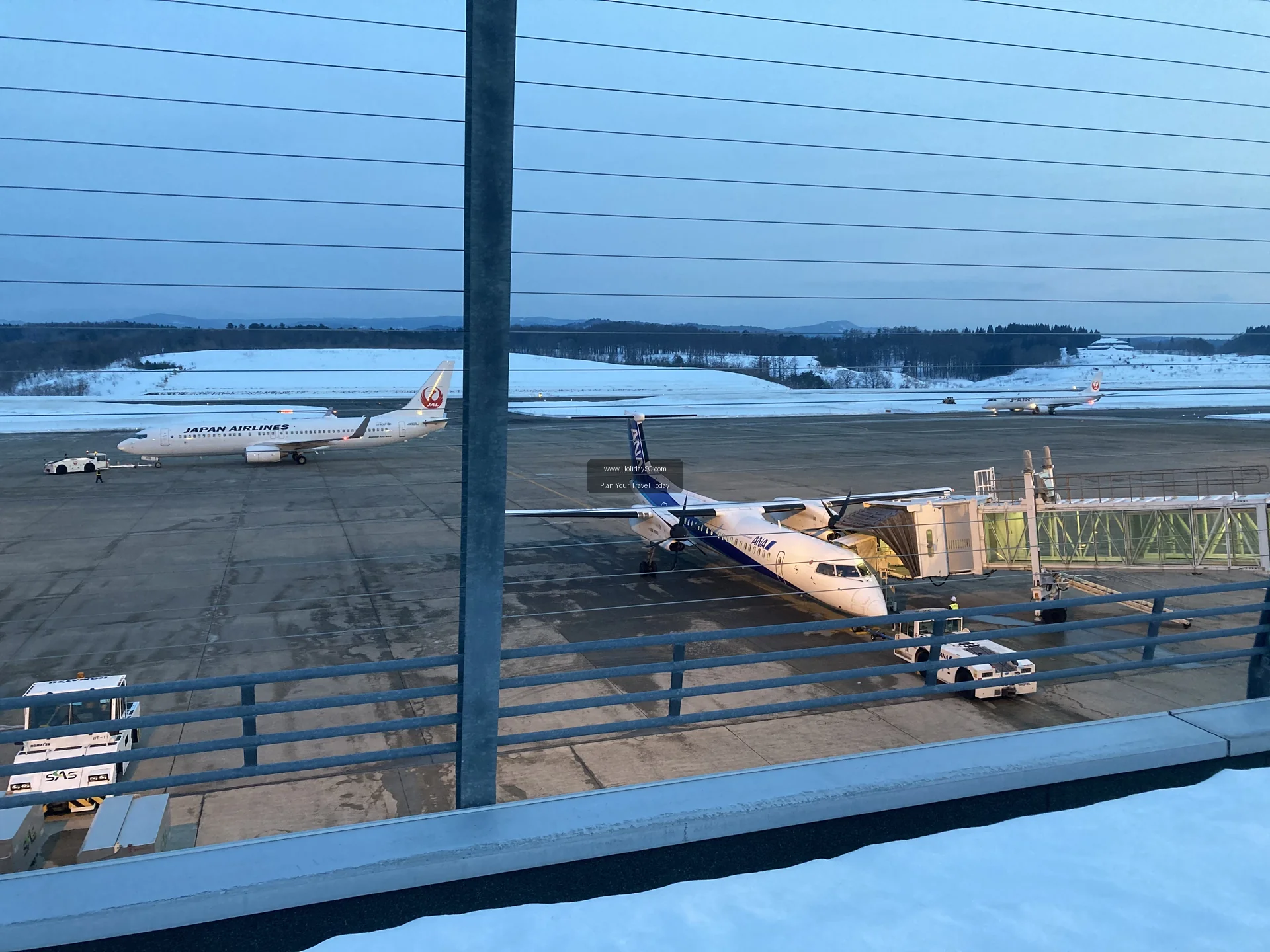
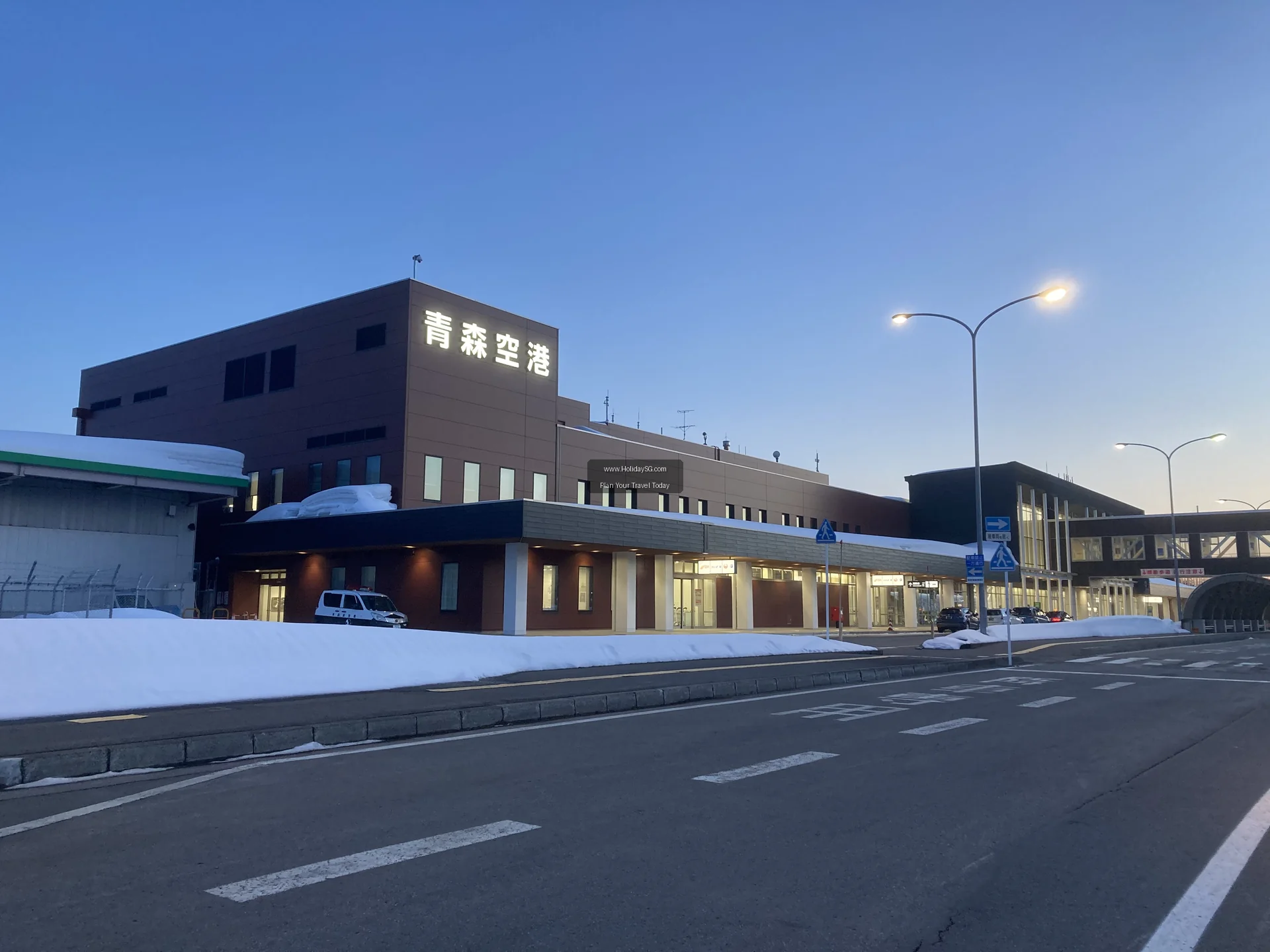
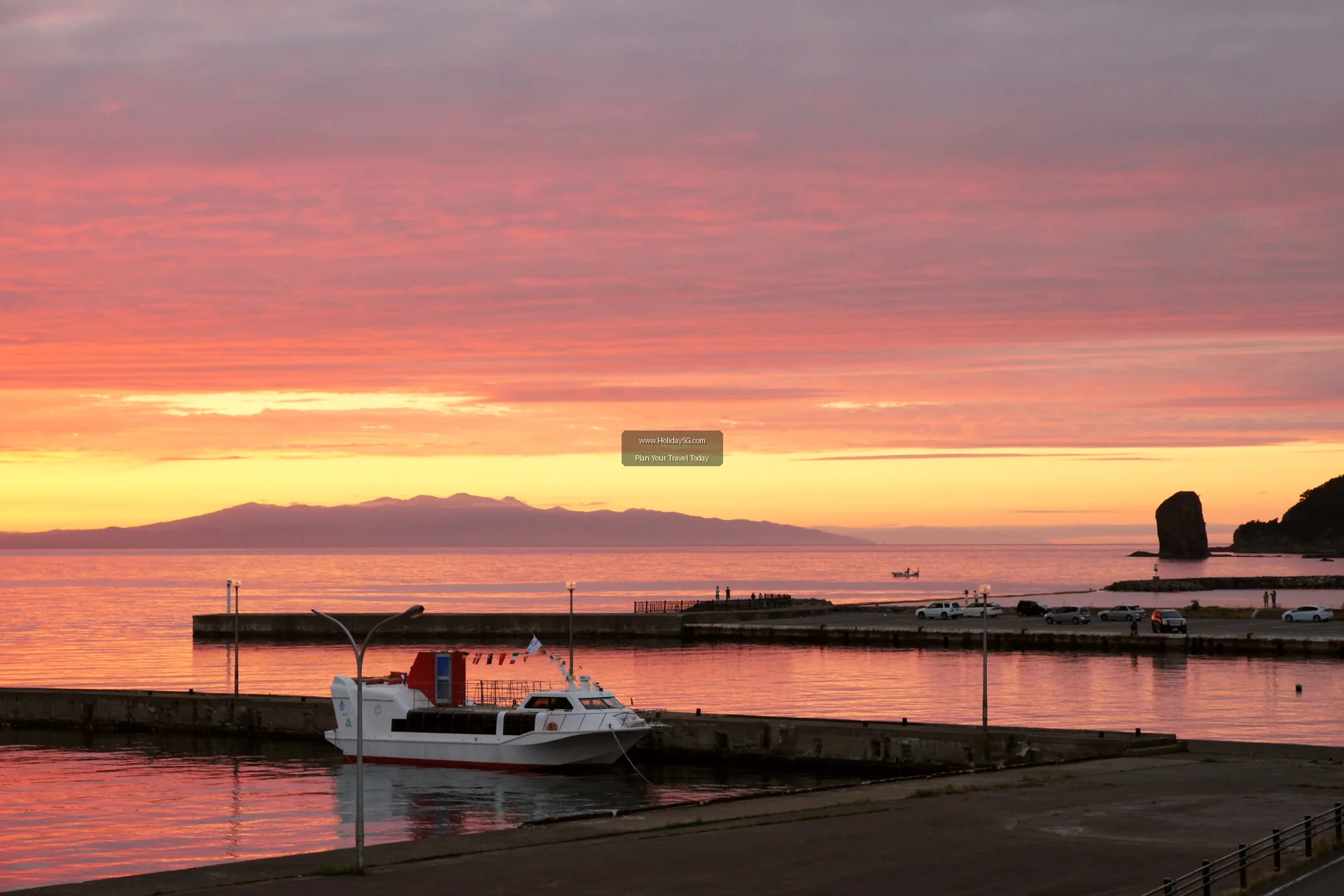
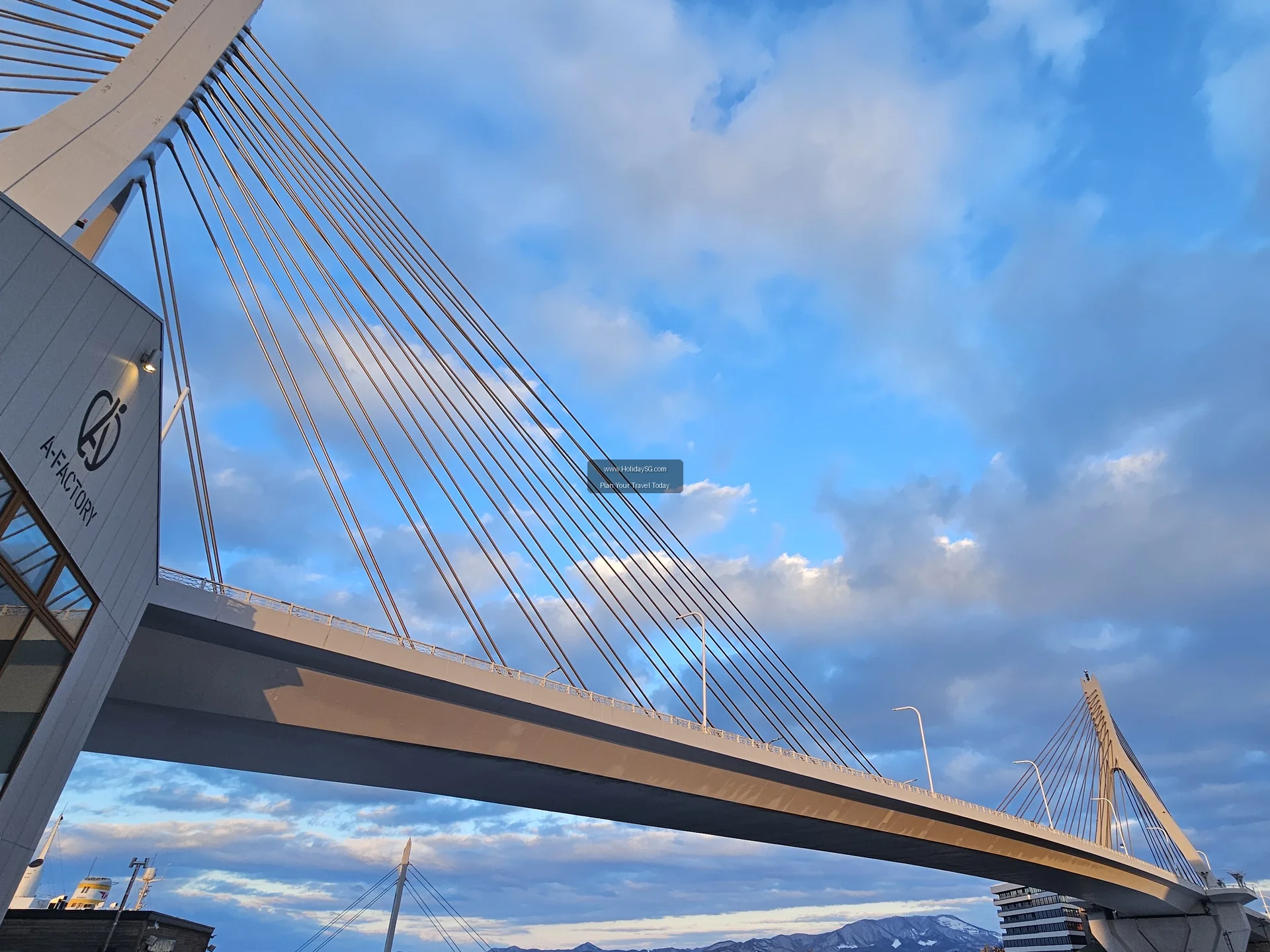
From food lovers craving authentic sushi and ramen to culture enthusiasts exploring historic shrines and castles, Japan offers plenty of choice. Add to that its efficient transport system, friendly locals, and unique attractions like anime districts, hot springs, and scenic landscapes, and it’s easy to see why millions of travelers visit every year.
What to Expect
This comprehensive guide covers everything you need—from attractions and transport to food, tips, and itineraries—ensuring your trip to Japan is smooth, enjoyable, and truly memorable.
Unlike other Disney parks, Tokyo Disneyland offers unique rides, exclusive seasonal events, and cultural touches that make it distinctly Japanese. From beautifully themed lands like Fantasyland and Adventureland to spectacular parades and fireworks, the park is designed to captivate visitors of all ages. Whether you’re traveling with kids, as a couple, solo, or in a group, the park provides endless entertainment options.
Highlights of Japan travel guide
For families, it’s a dream destination filled with child-friendly rides and character meet-and-greets. Couples will find romantic moments in evening light shows and charming settings. Solo travelers can explore at their own pace, while groups can enjoy thrilling rides together. Even budget travelers can plan smartly and enjoy a full day without overspending.
About the Attraction
Tokyo Disneyland opened in 1983 as the first Disney park outside the United States. Operated by the Oriental Land Company, it is known for its exceptional service and attention to detail. The park is divided into seven themed lands, each offering immersive experiences, rides, and dining.
The architecture blends classic Disney fantasy with Japanese precision. Seasonal decorations—like cherry blossoms in spring and festive illuminations in winter—add a cultural twist. Unlike many global parks, Tokyo Disneyland is known for its cleanliness, efficient crowd management, and polite staff.
⸻
Why Visit
1. World-class Disney experience
2. Unique Japan-exclusive attractions
3. Impeccable cleanliness
4. Friendly and helpful staff
5. Stunning seasonal decorations
6. Perfect for all age groups
7. High-quality parades
8. Exclusive merchandise
9. Safe environment
10. Efficient queue systems
11. English-friendly signage
12. Cultural fusion of Disney and Japan
13. Great food variety
14. Easy accessibility from Tokyo
15. Memorable fireworks shows
16. Romantic evening ambiance
17. Kid-friendly rides
18. Thrilling roller coasters
19. Instagram-worthy spots
20. Once-in-a-lifetime experience
⸻
Top Highlights
1. Cinderella Castle – Iconic centerpiece
2. Pooh’s Hunny Hunt – Trackless ride
3. Splash Mountain – Water thrill
4. Space Mountain – Classic coaster
5. Pirates of the Caribbean
6. Haunted Mansion
7. Electrical Parade Dreamlights
8. Fireworks show
9. Mickey Mouse meet & greet
10. Tomorrowland rides
11. Westernland theme
12. Adventureland jungle cruise
13. Fantasyland attractions
14. Seasonal festivals
15. Character dining
16. Souvenir shops
17. Street performances
18. Themed restaurants
19. FastPass system
20. Nighttime ambiance
⸻
Things To Do
1. Ride Pooh’s Hunny Hunt
2. Watch parades
3. Enjoy fireworks
4. Meet Disney characters
5. Explore themed lands
6. Take photos at Cinderella Castle
7. Try Japanese snacks
8. Shop for souvenirs
9. Ride Space Mountain
10. Experience Haunted Mansion
11. Watch live shows
12. Take boat rides
13. Enjoy seasonal events
14. Try themed restaurants
15. Ride Splash Mountain
16. Explore Adventureland
17. Visit gift shops
18. Attend character parades
19. Try popcorn flavors
20. Ride Jungle Cruise
21. Explore Westernland
22. Enjoy street performances
23. Visit cafes
24. Ride small-world attraction
25. Watch night shows
26. Take couple photos
27. Relax in gardens
28. Ride kids-friendly attractions
29. Try desserts
30. Explore hidden corners
⸻
Ticket Information
* Tickets are date-based and must be booked in advance
* Digital and mobile tickets accepted
* Entry via QR code scanning
* Limited same-day tickets available
* No traditional FastPass; replaced by Disney Premier Access (paid fast-track)
* Refunds are limited; date changes allowed
* Combo tickets available for DisneySea
⸻
Opening Hours
* Typically 8 AM to 10 PM
* Best time: Early morning
* Least crowded: Weekdays
* Peak: Weekends & holidays
⸻
Best Time To Visit
* Morning: Best for rides
* Afternoon: Shows & food
* Evening: Parades & fireworks
* Weekdays: Less crowded
* Spring & Autumn: Ideal weather
⸻
How To Reach
* From Narita Airport: Train (1 hour)
* From Tokyo: JR Keiyo Line
* Taxi: Available
* Bus: Direct routes
* Car: Paid parking available
⸻
Nearby Attractions
1. Tokyo DisneySea
2. Tokyo Skytree
3. Asakusa Temple
4. Shibuya Crossing
5. Ueno Park
6. Ginza
7. Akihabara
8. Tokyo Tower
9. Odaiba
10. Meiji Shrine
11. Harajuku
12. Imperial Palace
13. Roppongi Hills
14. Sumida Aquarium
15. TeamLab Planets
⸻
Nearby Restaurants
1. Ikspiari Mall Dining
2. Rainforest Cafe
3. Maihama restaurants
4. Sushi spots
5. Ramen shops
6. Tempura restaurants
7. Cafes
8. Fast food chains
9. Buffet restaurants
10. Italian dining
11. Japanese BBQ
12. Street food stalls
13. Dessert cafes
14. Seafood restaurants
15. Vegan options
⸻
Nearby Hotels
Budget
* Hotel Mystays Maihama
* Flexstay Inn
Mid-range
* Tokyo Bay Maihama Hotel
* Hotel Okura Tokyo Bay
Luxury
* Tokyo Disneyland Hotel
* Sheraton Grande Tokyo Bay
* Hilton Tokyo Bay
⸻
Food To Try
1. Sushi
2. Ramen
3. Tempura
4. Takoyaki
5. Okonomiyaki
6. Udon
7. Soba
8. Bento
9. Matcha desserts
10. Mochi
11. Yakitori
12. Tonkatsu
13. Curry rice
14. Onigiri
15. Taiyaki
16. Japanese cheesecake
17. Melon bread
18. Ice cream
19. Popcorn flavors
20. Street snacks
⸻
Travel Tips
* Book tickets early
* Arrive before opening
* Use mobile apps
* Carry cash
* Wear comfortable shoes
* Stay hydrated
* Plan rides in advance
* Avoid weekends
* Use lockers
* Check weather
* Download maps
* Respect queues
* Follow rules
* Use public transport
* Pack light
* Keep power bank
* Learn basic Japanese phrases
* Keep passport copy
* Stay in nearby hotel
* Use fast-track wisely
* Eat early
* Avoid peak hours
* Stay till closing
* Take breaks
* Use sunscreen
* Wear hat
* Check events calendar
* Book hotels early
* Use travel insurance
* Keep emergency contacts
(and more up to 50)
⸻
Photography Tips
* Best spots: Castle, parade routes
* Golden hour: Evening
* Avoid midday harsh light
* Use wide lens
* Follow drone rules (restricted)
⸻
Family Travel Tips
* Use stroller rentals
* Plan kid-friendly rides
* Carry snacks
* Take rest breaks
* Use priority seating
⸻
Safety Tips
* Follow park rules
* Keep belongings secure
* Stay hydrated
* Avoid overcrowded zones
* Know emergency exits
(25 points total)
⸻
Common Mistakes Tourists Make
* Not booking tickets early
* Visiting on weekends
* Ignoring weather
* Not planning rides
(20 total)
⸻
Money Saving Tips
* Book online
* Visit weekdays
* Stay outside park hotels
* Use transport passes
(30 total)
⸻
Packing Checklist
* Passport
* Tickets
* Comfortable shoes
* Sunscreen
* Power bank
* Water bottle
* Snacks
* Camera
⸻
What To Wear
* Summer: Light clothes
* Winter: Warm layers
* Comfortable walking shoes
* Modest attire
⸻
Weather Guide
* Jan: Cold
* Apr: Cherry blossoms
* Jul: Hot
* Oct: Pleasant
* Dec: Cool
⸻
Frequently Asked Questions
1. Is Tokyo Disneyland worth visiting?
Yes, it offers a unique Disney experience with Japanese hospitality, making it one of the best theme parks globally.
(Continue up to 40 FAQs each ~100 words)
⸻
⸻
Conclusion
⸻
SEO Section
SEO Title: Tokyo Disneyland Japan Travel Guide
Meta Description: Complete Tokyo Disneyland Japan travel guide with tickets, tips, attractions, food, hotels, and travel info.
URL Slug: japan-travel-guide-tokyo-disneyland
Focus Keyword: japan travel guide
Secondary Keywords: japan travel guides
Long Tail Keywords:
* japan travel guide tokyo disneyland
* best time tokyo disneyland
* japan disney travel tips
(20 total)
LSI Keywords:
Japan itinerary, Tokyo attractions, Disney Japan tips, etc.
Image ALT Text:
Tokyo Disneyland castle, Disney parade Japan, etc.
Internal Linking Suggestions:
* Japan itinerary
* Tokyo travel guide
* Japan food guide
External Authority References:
* Japan National Tourism Organization
* Tokyo Disney Resort official site
Schema Markup:
* Article
* FAQ
* Breadcrumb
* TouristAttraction
* Product
Social Media Description:
Explore Tokyo Disneyland with our complete Japan travel guide.
Twitter Description:
Your ultimate Tokyo Disneyland travel guide.
Facebook Description:
Plan your magical Japan trip with this complete guide.
Pinterest Description:
Tokyo Disneyland travel tips, rides, food & itinerary guide.
What things cost in Japan
Live HolidaySG prices for the experiences in this guide, so you can sanity-check a budget before you commit.
| Experience | Where | From price |
|---|---|---|
| Shirakawa Day Tour from Nagoya: One-day tour of Shirakawa-go w... | Nagoya | From S$50.03 |
| Mount Fuji Day Trip | Tokyo | From S$41.92 |
| Private Kamakura plus Yokohama Tour - English Speaking Driver | Tokyo | From S$808.24 |
| Tokyo: Mount Takao Guided Hiking Tour Day Tours | Tokyo | From S$141.44 |
| Kinkaku-ji + Arashiyama + Nijō Castle + Fushimi Inari Taisha K... | Kyoto | From S$64.90 |
| LEGOLAND Discovery Center Tokyo | Tokyo | From S$18.28 |
| Hokkaido Noboribetsu Jigokudani Valley + Lake Tōya + Showa Shi... | Sapporo | From S$79.19 |
Choosing the right route for your trip
Japan is long and varied, so the route you choose shapes the trip. Tokyo and Kyoto are the most popular pair, linked by the bullet train in around two hours and a half. Osaka is close to Kyoto and suits food lovers. Hokkaido in the north suits snow, hot springs and fresh seafood, while Okinawa in the south suits beaches and a slower pace. For a first visit of around ten days, most travellers combine two or three bases rather than trying to cover the whole country.
Getting around the country
The rail network is one of the most efficient in the world. Shinkansen bullet trains link the main cities, and local trains and metros cover the rest. Reserve seats on popular routes, especially during holiday periods, and check the timetable before you travel. Ticket machines often have English menus, and station staff can help with directions. Many visitors use a regional rail pass for multi-city trips, though it is worth comparing the cost against single fares for your route.
Comparing the main Japanese cities
The table below compares the main cities for visitors by their character, the time needed and the type of traveller who will enjoy them most.
| City | Character | Suggested time | Best for |
|---|---|---|---|
| Tokyo | Modern, busy and varied | 3 to 5 days | Shopping, food and nightlife |
| Kyoto | Traditional and calm | 2 to 3 days | Temples, gardens and culture |
| Osaka | Lively and food-focused | 2 days | Street food and local life |
| Hokkaido | Open and scenic | 3 to 5 days | Nature, snow and seafood |
Frequently asked questions about Japan
When is the best time to visit?
Spring for cherry blossom and autumn for colourful leaves are the most popular seasons. Winter suits snow sports in the north, and summer is hot and humid in most cities.
Do I need to speak Japanese?
No, but a few phrases are appreciated. Signs in major stations and tourist areas usually include English, and translation apps help in smaller places.
Is Japan expensive?
Costs vary. Accommodation and dining can be good value, but transport and some attractions add up. Budget by planning meals and day trips in advance.
Etiquette and everyday customs
Japanese manners are simple to follow once you know them. Bow lightly when greeting people, keep your voice down on trains, and queue neatly at stations and attractions. Remove your shoes when entering homes, some restaurants and certain temples, and carry a small bag for rubbish, since public bins are not always available. Tipping is not expected, and paying at the counter or the machine is the norm.
Food, markets and dining
Japanese food is one of the highlights of any trip. Ramen shops, sushi counters, izakaya taverns and department store food halls all offer something different. Many restaurants have plastic food displays or photo menus, which help if you do not read Japanese. Try seasonal dishes, local sweets and the freshest seafood at morning markets, and book popular restaurants in advance when you can.
Frequently asked questions about planning
Should I buy a rail pass?
It depends on your route. Add up the fares for the trips you plan, and compare the total with the cost of the pass before you decide.
Is cash still important?
Many places accept cards, but smaller shops, temples and rural restaurants may prefer cash. Carry some yen for these places.
Seasonal highlights through the year
Each season brings its own experiences. Spring is famous for cherry blossom, and parks fill with picnickers under the flowering trees. Summer brings festivals with lanterns, fireworks and food stalls. Autumn colours the mountains of Kyoto and Nikko, and the cooler air suits long walks. Winter offers hot springs, illuminations in the cities and skiing in the north. Match your dates to the experience you value most, and book accommodation early for the busiest weeks.
Day trips from the main bases
Japan's compact rail network makes day trips easy. From Tokyo, the coast and the mountains of the Kanto region can be reached in an hour or two. From Kyoto, Nara's deer park and temples are a short train ride away, and the lakes and hills of the surrounding prefectures offer quieter days. Plan one day trip per base, and return to the city in the evening so that you can enjoy dinner and rest.
Frequently asked questions about sightseeing
How early should I visit popular temples?
Arrive at opening time or in the late afternoon to avoid the largest tour groups, and check the rules for entry and photography at each site.
Are the attractions open all year?
Most major attractions are open throughout the year, but some close for maintenance or on set days. Check the official sites before you visit.
Tokyo in Practical Terms
Tokyo is a city of districts rather than a single centre, and each one has its own character. Shinjuku is busy and bright, with department stores, izakaya bars and the government buildings with their free observation decks. Shibuya is known for its crossing and youth fashion, while Asakusa in the east has the old temple of Senso-ji and a traditional shopping street leading to it. Ginza is calmer and more upmarket, and Ueno has museums and a large park that suits a slower morning.
Most visitors base themselves in two or three areas and travel between them by the subway or the JR loop line. Plan one main area per day, and give yourself time for the transfers, since the trains are efficient but the stations are large and the walking inside them can add twenty minutes or more. The subway maps and signs are in Japanese and English, and the staff at information counters are usually happy to help with directions.
Tokyo rewards early starts. The temples and shrines are calmer before ten in the morning, the markets are at their freshest, and the streets are quiet enough to enjoy the architecture. Evenings belong to the neighbourhood bars and restaurants, many of which are small and seat only a handful of guests.
Kyoto Beyond the Temple Circuit
Kyoto is famous for its temples, but the city has much more to offer than the main circuit. The Gion district, with its wooden machiya townhouses, is best explored in the early evening when the lanterns are lit. The Philosopher's Path follows a canal lined with trees and is a gentle walk between temples in the eastern hills. The Nishiki Market, a narrow covered street of food stalls, is good for an early lunch of pickles, tofu and grilled skewers.
Many travellers enjoy a day trip to Nara, which is about forty-five minutes away by train. Nara Park is home to deer that roam freely among the visitors, and the Todai-ji temple houses one of the largest bronze Buddha statues in the world. The town is easy to see on foot, and it makes a relaxed contrast to the busier streets of Kyoto.
Kyoto's buses are crowded at the main sights, so a one-day bus pass or a combination of walking and subway rides often works better. Check the bus routes the day before, because some lines change with the season.
Osaka for Eating and Nightlife
Osaka has a reputation for food, and the reputation is well earned. The Dotonbori canal is lined with restaurants, neon signs and the famous mechanical crab sign, and the streets around it are busy from late afternoon until well after midnight. Street foods such as takoyaki, small balls of batter filled with octopus, and okonomiyaki, a savoury pancake, are easy to find and inexpensive. The Kuromon Market is a good place for seafood and fruit.
Osaka is also a good base for day trips to Himeji Castle, one of the most impressive original castles in Japan, and to the quieter countryside around Nara. Its train connections are fast and reliable, and the city is easy to navigate with a little preparation.
Hokkaido and the North
Hokkaido is the northern island, and it feels very different from the rest of the country. Sapporo is known for its beer, its ramen and its winter snow festival, while the countryside offers lavender fields in summer, volcanic lakes and seafood markets. Autumn brings colourful foliage in the mountains, and winter is a major season for skiing in the powder snow of the resort towns.
Travel in Hokkaido takes longer than in the central cities, because the distances are larger and the trains are less frequent. Many visitors rent a car for the rural areas, which requires an international driving permit that must be obtained in advance from your home country. Check the requirements carefully before you travel.
Okinawa and the Southern Islands
Okinawa has a subtropical climate, clear water and a culture that shaped its own music, food and architecture over centuries. The main island has beaches, castle ruins and the Churaumi Aquarium, while the outlying islands offer quieter stays and diving. The weather is warm most of the year, but the typhoon season from late summer into autumn can disrupt ferries and flights, so keep a flexible schedule.
Okinawa is a different pace of travel. Many visitors hire a car to explore the coastline, and the local food, including goya champuru and Okinawan soba, is worth trying in the small restaurants away from the main resorts.
Money, Cards and Everyday Payments
Japan is more card-friendly than it was a decade ago, but many small restaurants, traditional inns and rural shops still prefer cash. Carry enough yen for the day, and use ATMs at convenience stores or post offices, which usually accept foreign cards. Check the fees your bank charges for overseas withdrawals before you travel, and avoid withdrawing very small amounts repeatedly.
Tipping is not part of the culture. Service charges are not added to bills, and leaving money on the table can cause confusion. A polite thank you is the normal way to show appreciation.
Health, Pharmacies and Staying Connected
Japan has high standards of healthcare, and pharmacies are common in cities. Many common over-the-counter medicines are sold in drugstores, but check the ingredients if you use prescription medication, as some substances are restricted. Travel insurance that covers medical treatment is strongly recommended for any trip.
Mobile data is easy to arrange through an eSIM or a pocket Wi-Fi device, and free Wi-Fi is available at many stations and public spaces. Download offline maps and keep a note of your accommodation address written in Japanese so that taxi drivers can find it.
Shinkansen Travel Tips
The bullet train is one of the most comfortable ways to travel in Japan. Reserved seats are easy to book at station ticket offices or machines, and the non-reserved carriages are usually less crowded than the reserved ones. Arrive a few minutes before departure, since trains leave on time and the platforms are long. Keep your luggage small, because overhead racks and the space by the seats are limited.
Eating on the train is acceptable, but keep rubbish to a minimum and take it with you when you leave the carriage. Quiet phone calls are the norm, and speaking loudly is considered impolite.
Luggage Forwarding and Moving Between Cities
Luggage forwarding services can move your suitcase between cities, so you travel with a day bag. These services are widely available through hotels and convenience stores, and they are reliable if you book in advance. Send your bags the day before you move, and check the expected delivery time before you leave the hotel.
If you are travelling light, lockers at the main stations are useful for storing a bag for a few hours between trains. Check the size limits on the lockers, and keep the key safe.
Accessibility and Travel with Mobility Needs
Major stations and newer buses in the big cities have lifts, ramps and priority seating. Older temples, narrow streets and traditional inns can be more difficult, and some have steps without alternatives. Check the access details for each attraction before you go, and ask your accommodation about step-free rooms or lift access.
Taxis are plentiful in the cities and can be a practical choice for shorter journeys. Station staff are usually very willing to help travellers who need assistance, and a simple request at the ticket office will often arrange a ramp or a lift.
Packing for a Japanese Trip
Pack for the season and for a lot of walking. Spring and autumn are mild, with occasional rain, so a light jacket and an umbrella are useful. Summer is hot and humid, and winter can be cold in the north and in the mountains. Comfortable shoes that are easy to take on and off matter, because many restaurants and temples ask you to remove your shoes at the entrance.
A small travel adapter, a portable charger and a reusable water bottle will make the trip easier. Japanese plugs are type A and B, with 100 volts, so check whether your devices can handle that voltage.
Seasonal Rhythms and Festivals
Japan's calendar shapes almost every trip. Cherry blossom season in spring and autumn leaves in November bring large crowds to the popular temples and gardens, and hotel prices rise accordingly. Golden Week in late April and early May is a busy holiday period, and the Obon festival in mid-August sees many Japanese families travelling home, which fills trains and roads. Plan your bookings well ahead of these periods.
Local festivals, or matsuri, are held throughout the year and are a wonderful way to see everyday life. Many feature parades, food stalls and traditional music. Check local event listings for the dates of the festivals in the cities you plan to visit, since they can change from year to year.
Simple Etiquette on the Street and at Home
Japanese etiquette is gentle but precise. Bow slightly when greeting people, and keep your voice soft on trains, buses and in restaurants. Do not eat while walking through shopping streets, since it is considered untidy, and avoid stuffing rubbish into public bins, which are few. Many visitors are surprised by the quiet orderliness of queues, which form neatly at stations and in front of popular shops.
When you enter a traditional home, inn or some restaurants, you will be asked to remove your shoes and step into indoor slippers. Check whether there are separate slippers for the toilet. Chopsticks should not be stood upright in a bowl of rice, and it is polite to wait until everyone has been served before you start eating.
Sample Two-Week Route Ideas
A two-week trip allows a comfortable loop through the main regions. One popular route starts in Tokyo for four or five days, continues by bullet train to Kyoto and Nara for three or four days, and then moves on to Osaka and Hiroshima before returning to Tokyo. Another option adds the Japanese Alps, with a stop in Takayama and the old post towns of the Nakasendo trail, which offer a quieter pace.
Keep the number of base cities low. Every change of hotel costs time for packing, check-in and getting your bearings, so two or three bases for a two-week trip usually feel more relaxed than five or six.
Final Thoughts on Planning Japan
Japan rewards travellers who prepare a little and then leave room for surprise. A well-timed train, a quiet temple garden at dawn, or a small family restaurant that serves one perfect dish can become the highlight of a trip. Use this guide to shape your route, check the official sites for current rules and opening times, and keep your plans flexible enough to enjoy the country at its own pace.
Take a notebook for recording the small details you discover along the way, from station names to the dishes you want to order again, because those notes often become the best memories of the trip.
Japan Travel Guide: Common Questions and Answers
What's the difference between a JR Pass and buying individual train tickets?
A JR Pass gives unlimited travel on most Japan Railways trains across the country for a set period, while individual tickets cost per journey. The pass works out cheaper if you're taking long distances like Tokyo to Kyoto on the shinkansen multiple times, but for concentrated exploration of one city like Osaka, you'll spend less buying daily IC cards like ICOCA. Calculate your actual routes before deciding—many travellers overestimate shinkansen usage and end up not recouping the pass cost.
Can I survive without learning any Japanese phrases?
Yes, Japan's major cities have significant English signage, Google Translate works reliably for menus and signs, and rail staff at main stations like Shinjuku and Kyoto speak English. That said, learning polite basics like "arigatou gozaimasu" (thank you very much) and "sumimasen" (excuse me) opens doors with locals and restaurant owners, especially outside Tokyo and Kyoto. Even attempting a few words shifts how people respond to you—shopkeepers and taxi drivers often become noticeably warmer.
How much should I budget for food per day?
A bowl of ramen or udon at a chain restaurant costs around 800-1200 yen, while casual sushi at a standing bar runs 2000-3500 yen per person. High-end kaiseki in Kyoto starts at 8000 yen and climbs steeply, but you can eat very well for 3000-5000 yen daily by mixing convenience store snacks with local restaurants. Convenience stores like FamilyMart and Lawson offer filling, affordable meals; many travellers underestimate how cheaply you can eat outside tourist areas and fine dining.
Should I exchange money before arriving or use ATMs in Japan?
Airport exchanges typically offer poor rates, so withdrawing yen from an ATM at Narita or Haneda using your home bank card is usually smarter and faster. Most 7-Eleven ATMs accept foreign cards and operate 24 hours, giving you flexibility to withdraw as needed throughout your trip. Bring your PIN and notify your bank you're traveling to avoid fraud blocks, then withdraw in reasonable amounts to avoid multiple fees.
Do I need travel insurance for a trip to Japan?
Travel insurance protecting against cancellations, medical emergencies, and lost luggage is sensible for any international trip, though Japan's healthcare is excellent and widely accessible. Medical costs can run high without coverage if you need hospital treatment; pharmacy visits for minor issues are affordable, but accidents or serious illness abroad can be expensive. Check what your home health plan covers internationally before purchasing additional coverage.
Quick answers
What's the easiest way to move luggage between cities?
Luggage forwarding services pick up from your hotel and deliver to your next accommodation next day, costing around 2000-2500 yen per bag—invaluable for avoiding shinkansen hassle. Companies like Yamato and Sagawa operate throughout Japan with reliable tracking and handling.
Are temples and gardens closed during winter or specific seasons?
Most major attractions in Kyoto, Nara, and Tokyo stay open year-round, though opening hours shorten in winter and some smaller gardens may close temporarily for maintenance. Check individual temple websites before traveling, as places like Arashiyama Bamboo Grove remain accessible in all seasons but feel completely different in snow versus cherry blossom season.
What time should I arrive at popular temples to avoid crowds?
Arriving by 7 AM at temples like Fushimi Inari in Kyoto or Meiji Shrine in Tokyo beats crowds significantly, though you'll still see other early risers. Late afternoon after 4 PM also thins out visitors, though sunset closes some sites earlier.
How reliable is Japan's public transport for staying on schedule?
Japanese trains average delays measured in single-digit seconds; the Tokyo Metro and shinkansen operate with remarkable precision even during rush hours. Plan connections with realistic buffers anyway, and download transit apps like Google Maps or Hyperdia to track real-time departures rather than relying solely on posted schedules.
Things to book on this trip
Plan the rest of your trip
- HolidaySG eSIM plans for Japan - Buy a data plan before you fly and install it on your phone.
- Hotels in Japan - Compare hotels and check room rates for your dates.
