

Indonesia is a traveler’s paradise, offering everything from lush jungles and volcanic lakes to pristine beaches and vibrant cultural hubs. With over 17,000 islands, finding the perfect places to stay in Indonesia can feel overwhelming—but that’s also what makes it so exciting. Whether you’re a backpacker on a shoestring budget, a mid-range traveler seeking comfort, or a luxury seeker chasing overwater bungalows, Indonesia has accommodation to match every style and budget. From the cultural heart of Ubud to the remote marine wonders of Raja Ampat, this guide will help you navigate the best stays across the archipelago, along with practical tips to make your trip seamless.
Indonesia offers diverse stays, from budget hostels in Bali to luxury eco-resorts in Raja Ampat. Choose based on your travel style—beachfront villas, jungle lodges, or urban hotels—and book in advance during peak seasons (June–August, December–January). Prioritize locations near key attractions, and don’t overlook hidden gems like Sumatra’s Lake Toba or Sulawesi’s Tana Toraja for a unique experience.
Where to Stay in Indonesia’s Top Destinations
Bali: More Than Just Beaches
Bali is Indonesia’s most famous destination, and for good reason. It blends spirituality, adventure, and relaxation seamlessly, with accommodation options to suit every traveler.
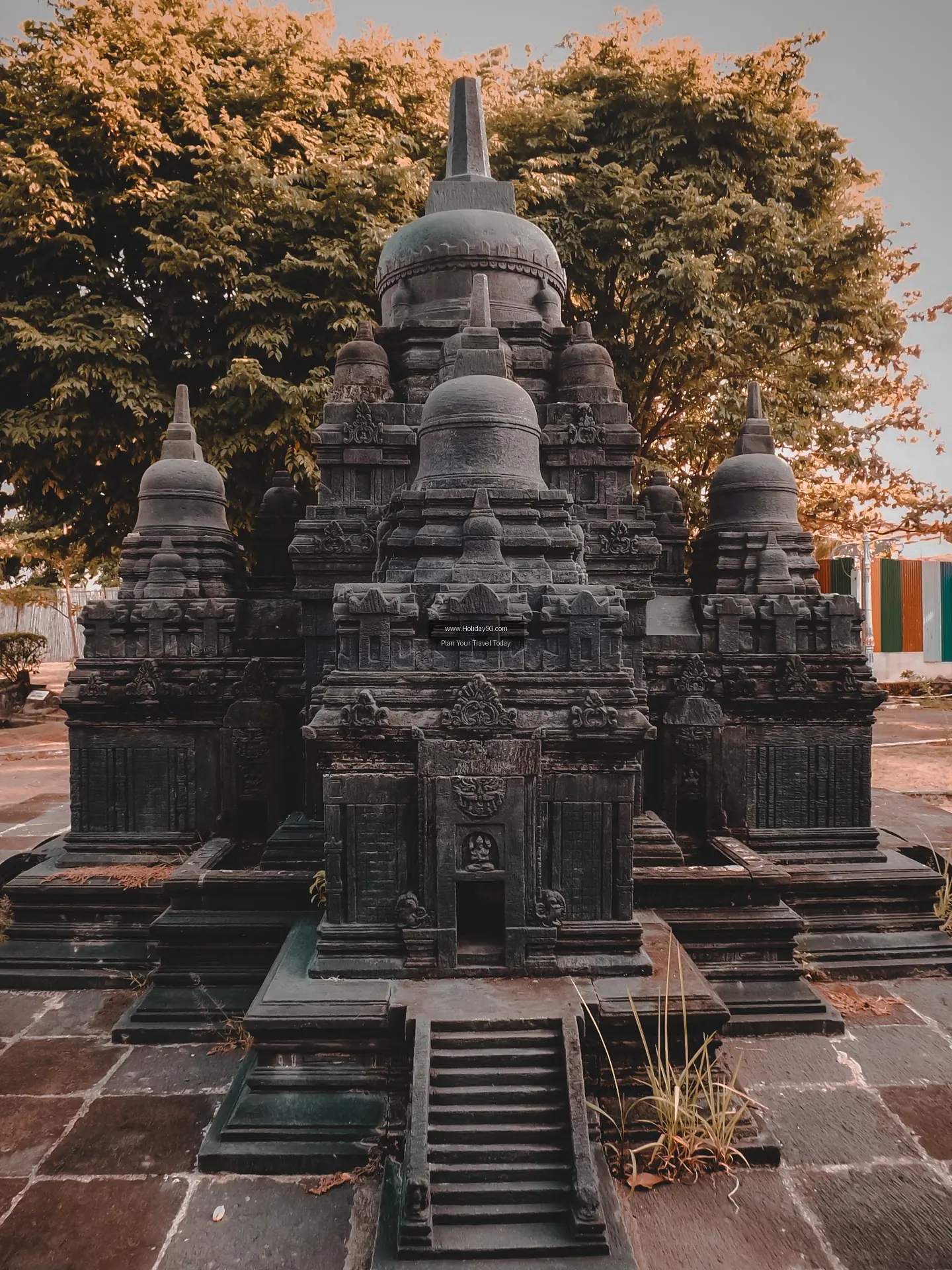
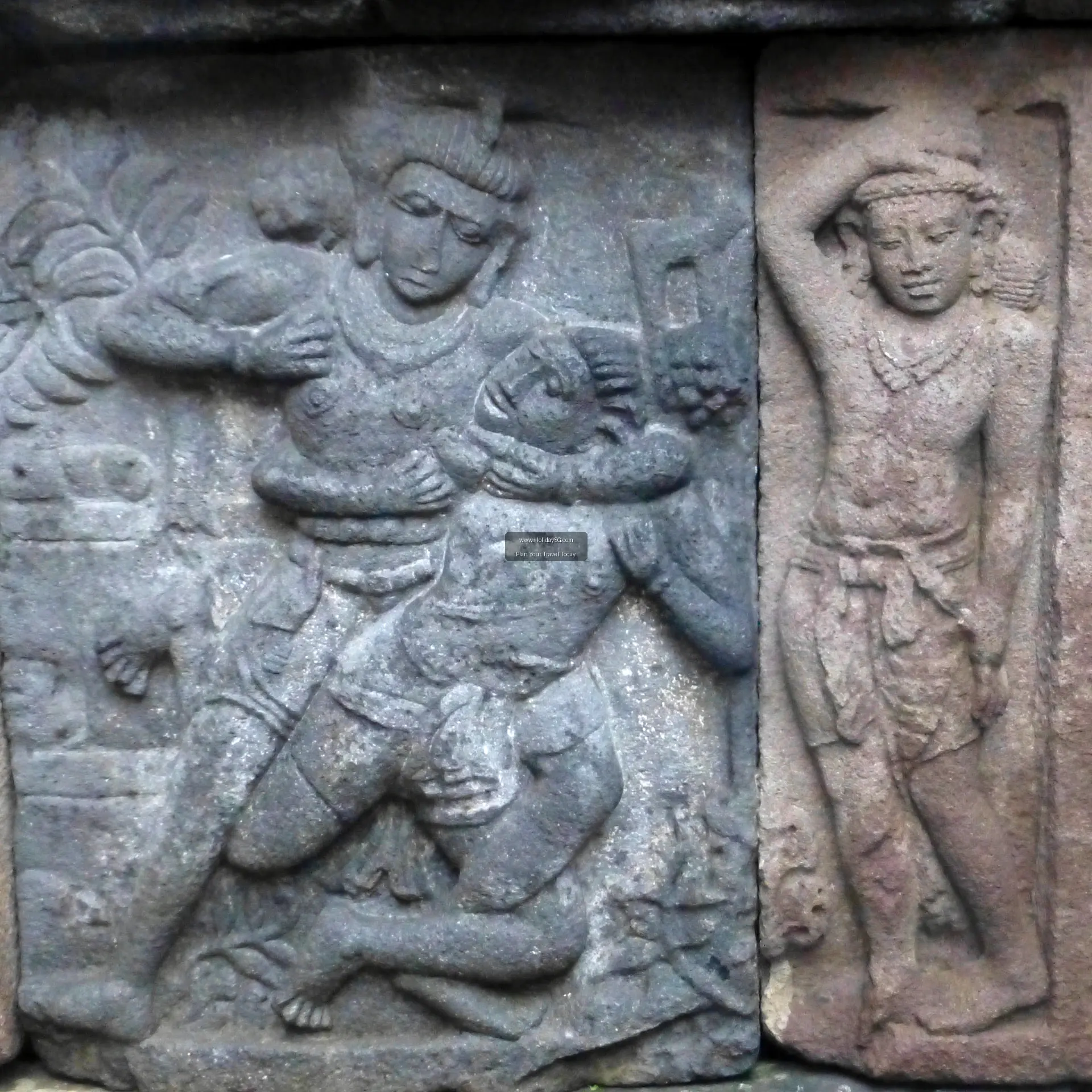
Ubud: The Cultural Hub
Ubud is where Bali’s soul comes alive. Stay in a boutique hotel nestled among rice terraces, like the Kamandalu Ubud, or opt for a jungle villa with a private pool. For a unique experience, try a treehouse at The Samaya Ubud, where you can wake up to the sounds of nature. Budget travelers will find plenty of guesthouses and hostels, such as Puri Garden, which offers a social atmosphere and yoga classes.
Seminyak & Canggu: Beachfront Luxury and Trendy Vibes
Seminyak is Bali’s upscale beachfront district, home to chic resorts like The Legian and Alila Seminyak. If you prefer a more laid-back vibe, Canggu offers surf-friendly stays like The Slow or COMO Uma Canggu, blending modern design with Balinese hospitality. Hostels like The Tipsy Gypsy cater to digital nomads and backpackers, with coworking spaces and beachfront bars.
Uluwatu: Cliffside Retreats and Surf Camps
Uluwatu is all about dramatic landscapes and world-class surfing. Stay at The Ungasan, a cliffside resort with infinity pools overlooking the Indian Ocean, or opt for a surf camp like Bukit Vista, which offers private villas and surf lessons. For a mid-range option, The Temple Lodge provides a peaceful retreat with ocean views.
Nusa Penida: Secluded Paradise
Nusa Penida is Bali’s wild, untouched neighbor, famous for its stunning cliffs and turquoise waters. Accommodation here is more basic but no less charming. La Roja Bungalows offers beachfront stays with direct access to Kelingking Beach, while Semabu Hills provides panoramic views of the island. For a splurge, The Tamu is a luxury eco-resort with private pools and ocean vistas.
Java: Culture, History, and Adventure
Java is Indonesia’s cultural and historical heartland, with accommodation options ranging from budget guesthouses to luxury resorts.
Yogyakarta: The Cultural Capital
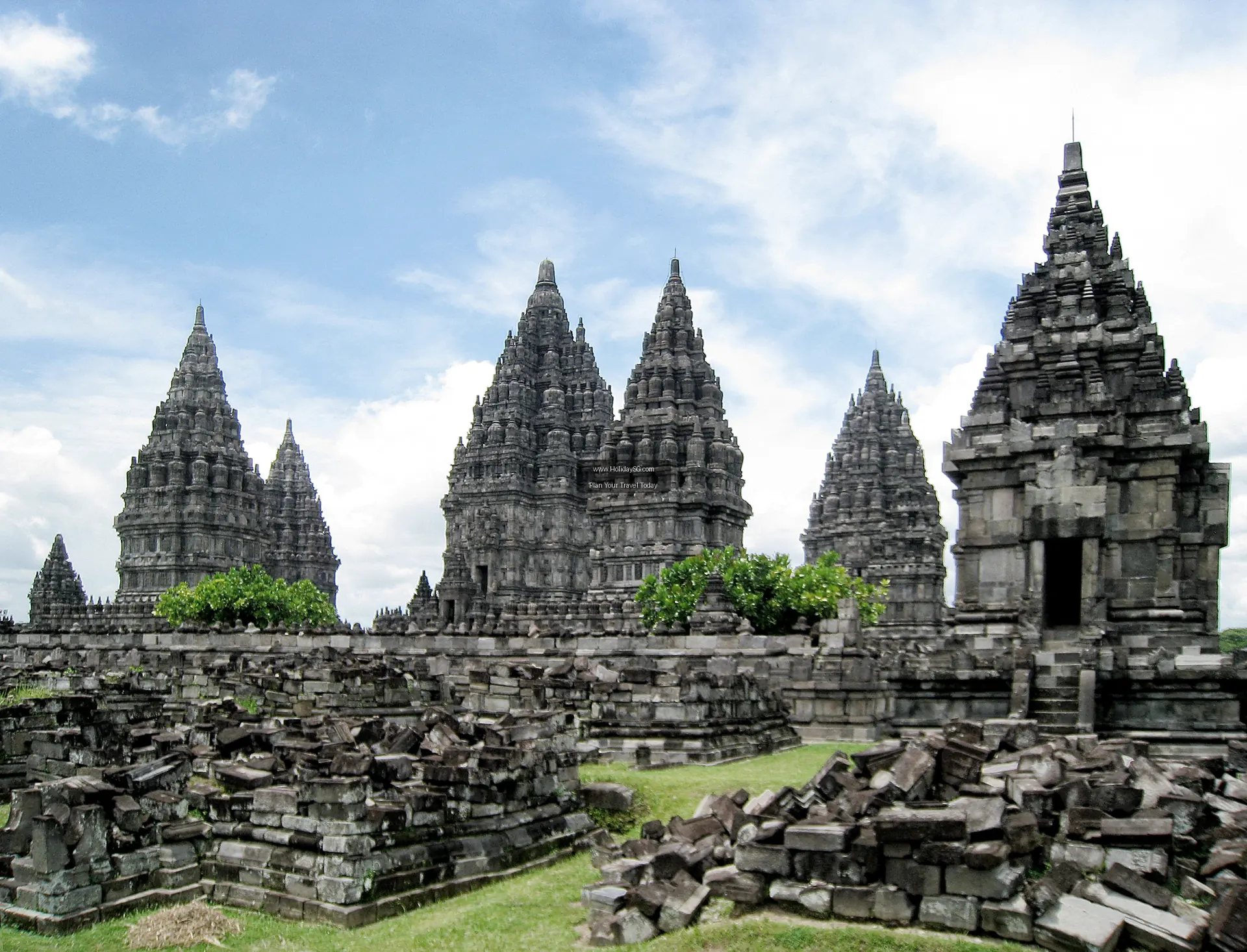
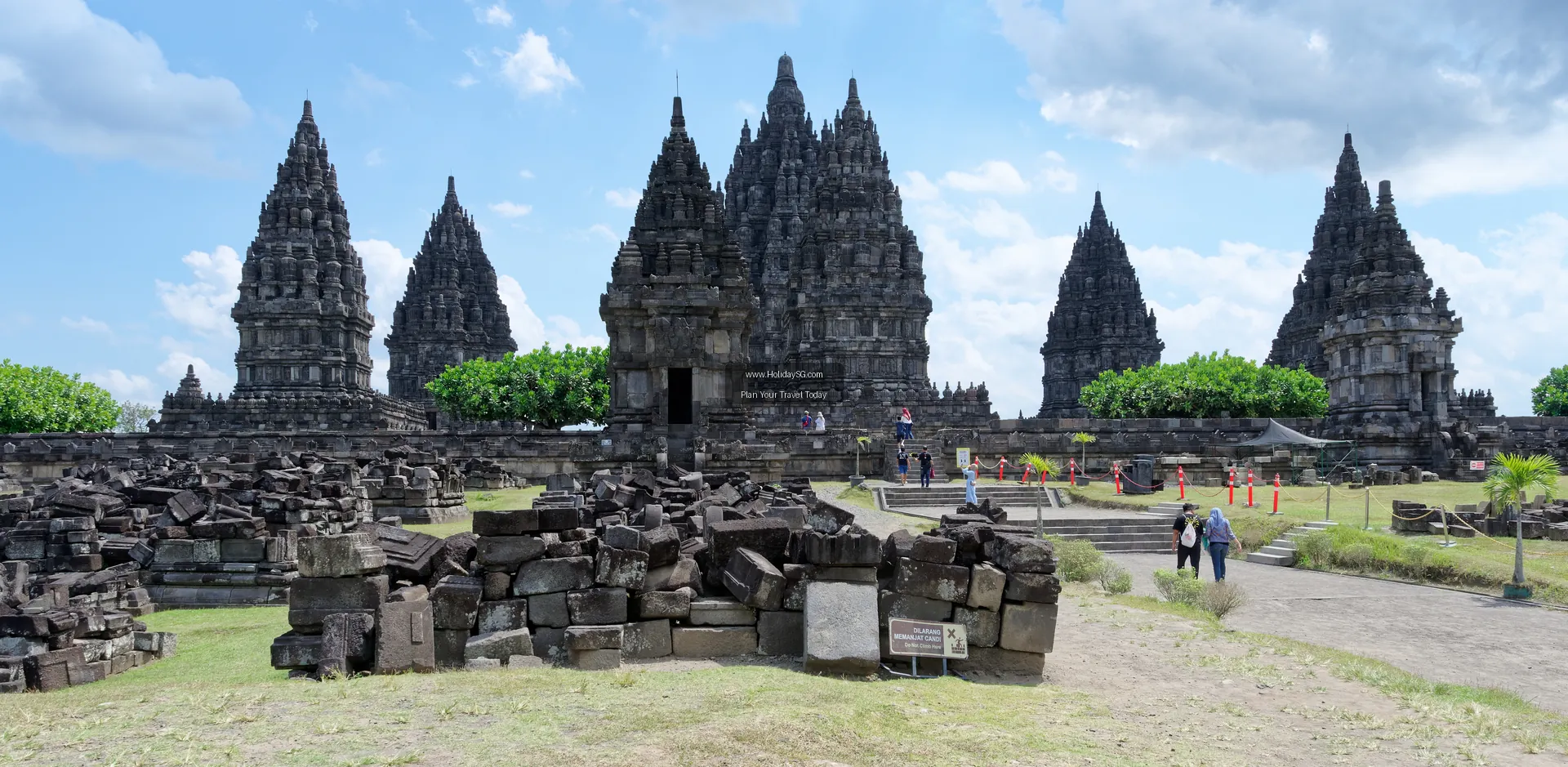
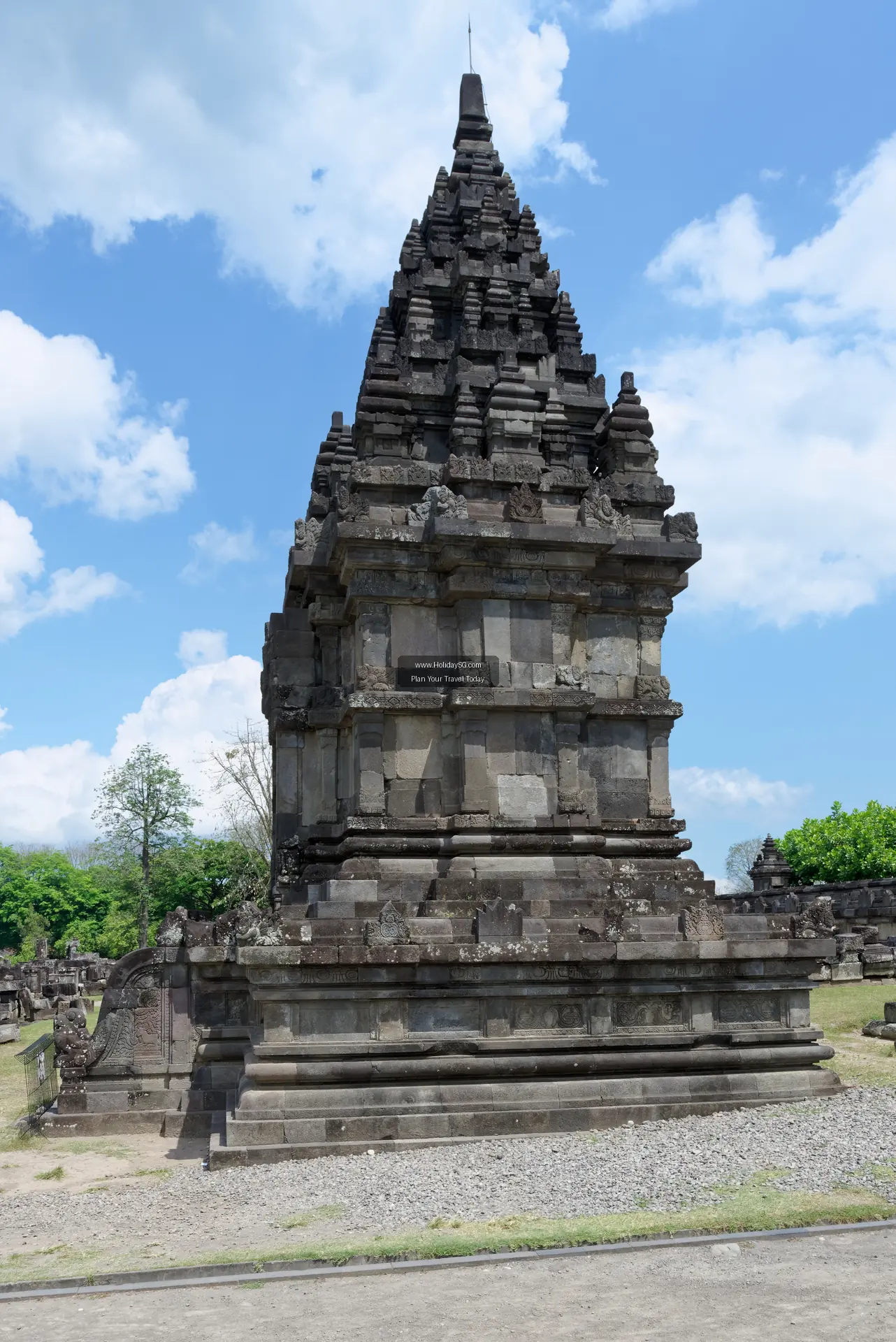
Yogyakarta is the gateway to Borobudur and Prambanan, two of Indonesia’s most iconic temples. Stay at The Phoenix Hotel, a colonial-era boutique hotel, or opt for a budget-friendly guesthouse like Via Via Guest House, which offers cultural tours and cooking classes. For a unique experience, book a traditional Javanese rumah joglo
Mount Bromo: Volcanic Landscapes
Mount Bromo’s otherworldly landscapes are best experienced from a stay like Jiwa Jawa Resort, which offers volcano-view rooms and guided sunrise treks. Budget travelers can opt for Bromo Permai 1, a simple guesthouse with easy access to the national park.
Jakarta: Urban Convenience
Jakarta is Indonesia’s bustling capital, with accommodation to match its fast-paced energy. For luxury, The Dharmawangsa offers a tranquil oasis in the heart of the city, while Kosenda Hotel provides a stylish mid-range option. Budget travelers can find hostels like Six Degrees in the backpacker-friendly area of Cikini.
Sumatra: Wild Jungles and Volcanic Lakes
Sumatra is Indonesia’s wild frontier, where adventure and nature take center stage.
Lake Toba: Serenity on a Volcanic Lake
Lake Toba is the world’s largest volcanic lake, and staying here feels like stepping into another world. Tabo Cottages offers lakeside bungalows with stunning views, while Nirwana Resort provides a more upscale experience. For a cultural twist, stay in a traditional Batak house in the village of Tuk Tuk.
Bukit Lawang: Orangutan Trekking
Bukit Lawang is the gateway to Gunung Leuser National Park, where you can trek through the jungle in search of wild orangutans. Stay at Jungle Lodge Bukit Lawang, an eco-friendly lodge with riverfront views, or opt for a budget guesthouse like Green Hill. Many lodges offer guided treks, making it easy to explore the rainforest.
Padang and the Mentawai Islands: Surfing Paradise
Padang is the jumping-off point for the Mentawai Islands, a surfer’s paradise. Stay at Pondok Indah in Padang, a mid-range hotel with easy access to the airport, or head to the islands for surf camps like Mentawai Surf Charters, which offers liveaboard boats and beachfront huts.
Lombok and the Gili Islands: Tropical Escape
Lombok and the Gili Islands offer a quieter alternative to Bali, with pristine beaches and laid-back vibes.
Lombok: Luxury and Adventure
Lombok’s Senggigi and Kuta Lombok areas offer a mix of luxury and mid-range stays. The Oberoi Lombok is a 5-star resort with private villas and ocean views, while Novotel Lombok provides a more affordable option. For adventure seekers, Rinjani Lodge offers easy access to Mount Rinjani treks.
Gili Trawangan: Beachfront Parties and Relaxation
Gili Trawangan is the largest of the Gili Islands and known for its beachfront parties. Stay at Pondok Santi Estate, a boutique hotel with a pool and spa, or opt for a budget-friendly hostel like Gili Klapa. For a more secluded experience, head to Villa Ombak, which offers private bungalows and direct beach access.
Gili Meno and Gili Air: Secluded Paradise
Gili Meno is the quietest of the Gili Islands, perfect for honeymooners and travelers seeking peace. Meno House offers beachfront bungalows with private terraces, while Tao Kombo provides a more rustic experience. Gili Air strikes a balance between relaxation and nightlife, with stays like Gili Air Santay offering mid-range comfort and beachfront access.
Types of Accommodation in Indonesia
Indonesia’s accommodation options are as diverse as its landscapes. Here’s a breakdown of what to expect:
Budget Stays ($5–$20/night)
Hostels, guesthouses, and homestays are abundant in tourist hotspots like Bali, Yogyakarta, and Lombok. These options are ideal for backpackers and solo travelers looking to meet others. Many budget stays include free breakfast, Wi-Fi, and communal areas for socializing. In Bali, Puri Garden in Ubud and The Tipsy Gypsy in Canggu are popular choices, while Via Via Guest House in Yogyakarta offers cultural immersion.
Mid-Range ($30–$100/night)
Boutique hotels, 3–4 star resorts, and private villas fall into this category. These stays often include amenities like pools, on-site restaurants, and tour booking services. In Seminyak, The Legian offers beachfront luxury at a mid-range price point, while Jiwa Jawa Resort near Mount Bromo provides a unique volcanic experience. For a cultural twist, The Phoenix Hotel in Yogyakarta blends colonial charm with modern comforts.
Luxury ($150–$1,000+/night)
Indonesia is home to some of the world’s most luxurious resorts, particularly in Bali and Raja Ampat. The Mulia in Nusa Dua offers private beach access and world-class dining, while Misool Eco Resort in Raja Ampat provides overwater bungalows with direct access to some of the best diving in the world. For a unique experience, Bambu Indah in Ubud offers sustainable luxury in bamboo villas surrounded by jungle.
Unique and Unusual Stays
Indonesia is also home to some truly unique accommodation options. In Bali, you can stay in a treehouse at The Samaya Ubud or a traditional rumah adat (customary house) in Toraja, Sulawesi. Overwater bungalows are a highlight in Raja Ampat, while jungle lodges in Sumatra offer immersive nature experiences. For a truly off-the-beaten-path stay, consider a homestay in a traditional Batak village near Lake Toba.
Best Time to Visit and Book Accommodations
Indonesia’s climate varies by region, but the dry season (April–October) is generally the best time to visit. During this period, you’ll enjoy sunny skies and lower humidity, making it ideal for beach trips, hiking, and cultural exploration. The wet season (November–March) brings lush landscapes but also heavier rainfall, which can disrupt travel plans, especially in Sumatra and remote areas like Raja Ampat.
Peak Season (June–August, December–January)
These months coincide with school holidays and international travel, leading to higher prices and crowded attractions. If you plan to visit during peak season, book your accommodation 3–6 months in advance. Bali’s Ubud and Seminyak, as well as the Gili Islands, are particularly busy during this time.
Shoulder Season (April, October)
The shoulder months offer a balance between good weather and fewer crowds. Prices are lower, and you’ll have more flexibility in booking last-minute stays. This is an excellent time to visit Java for temple tours or Lombok for surfing.
Wet Season (November–March)
While the wet season can be challenging for outdoor activities, it’s also when Indonesia is at its greenest and most affordable. If you don’t mind occasional rain, this is a great time to explore Sumatra’s jungles or enjoy Bali’s cultural sites without the crowds. Just be prepared for potential flooding in low-lying areas.
How to Book Your Stay in Indonesia
Booking accommodation in Indonesia is straightforward, but a few tips can help you secure the best deals and avoid common pitfalls.
Booking Platforms
For luxury resorts, consider booking directly through the hotel’s website, as they often offer exclusive perks like free upgrades or spa credits.
Negotiating Prices
In less touristy areas like Sumatra or Flores, it’s sometimes possible to negotiate prices, especially for long-term stays (1+ month). However, in popular destinations like Bali or the Gili Islands, prices are usually fixed. If you’re booking a private villa or homestay, try contacting the owner directly to inquire about discounts.
Check-In and Check-Out Flexibility
Many budget and mid-range stays in Bali and Ubud offer flexible check-in and check-out times, especially if you’re staying for an extended period. However, luxury resorts and hotels in Jakarta or Surabaya tend to have stricter policies. Always confirm your check-in time in advance to avoid surprises.
Deposit and Cancellation Policies
Some mid-range and luxury stays require a deposit of 1–2 nights’ stay or full payment upfront, especially during peak season. Be sure to read the cancellation policy carefully, as some resorts charge hefty fees for last-minute changes.
Transportation and Getting Around
Indonesia’s vast size means transportation can be a challenge, but planning ahead will make your trip smoother.
Airport Transfers
Pre-booking your airport transfer is highly recommended, especially in Bali and Jakarta, where taxi drivers are known to overcharge. Many hotels offer free or paid shuttle services, or you can use ride-hailing apps like Grab or Gojek. In remote areas like Labuan Bajo (for Komodo) or Sorong (for Raja Ampat), arrange your transfer through your hotel or a reputable tour operator.
Getting Around Bali
Bali is best explored by scooter or private driver. Scooter rentals cost around $4–$7 per day, but be cautious—traffic can be chaotic, and accidents are common. For a safer option, hire a private driver for $30–$50 per day. They can take you to hidden waterfalls, rice terraces, and cultural sites like the Toya Devasya Natural Hot Spring, a relaxing stop after a day of exploring.
Exploring Java
Java’s cities are well-connected by train, with routes like Jakarta–Yogyakarta and Surabaya–Malang offering comfortable and affordable options. For longer distances, domestic flights with airlines like Garuda Indonesia or Lion Air are efficient. In Yogyakarta, rent a scooter or hire a driver to visit Borobudur and Prambanan temples.
Island Hopping
Ferries are the most common way to travel between islands. For example, you can take a ferry from Bali to Lombok and then to the Gili Islands. For more remote destinations like Raja Ampat or Komodo, you’ll need to fly to Sorong or Labuan Bajo and then take a speedboat. Always book ferry tickets in advance during peak season to secure your spot.
Safety, Health, and Practical Tips
Indonesia is generally safe for travelers, but taking a few precautions will ensure a smooth trip.
Vaccinations and Health
Before traveling, check with your doctor about recommended vaccinations, such as Hepatitis A/B, Typhoid, and Tetanus. Malaria prophylaxis is advised for Sumatra, Raja Ampat, and other remote areas. Tap water is not safe to drink, so stick to bottled or filtered water. Mosquito protection is essential—dengue fever is a risk year-round, so use repellent and wear long sleeves at dusk.
Staying Safe
Petty theft can occur in tourist areas like Bali’s Kuta or Jakarta’s Glodok, so keep your valuables secure and avoid flashing expensive items. Use hotel safes for passports and cash. When using taxis, opt for ride-hailing apps like Grab or Gojek to avoid overcharging. In remote areas, book tours through reputable agencies or your hotel to avoid scams.
Cultural Etiquette
Indonesia is a predominantly Muslim country, so dress modestly when visiting religious sites. Cover your shoulders and knees at temples like Borobudur or Uluwatu, and remove your shoes before entering. Bargaining is expected in markets, but do so respectfully—start at 30–50% of the asking price and meet somewhere in the middle. Tipping is not mandatory but appreciated, especially for drivers and guides.
Internet and Connectivity
Wi-Fi is widely available in hotels and resorts, but speeds can vary, especially in remote areas like Raja Ampat or Sumatra. For reliable connectivity, buy a local SIM card at the airport. Telkomsel offers the best coverage, with packages starting at around $5 for 10GB of data. If you need to access Western streaming services, consider using a VPN.
Budget Breakdown for Accommodation
Your daily budget in Indonesia will depend on your travel style and destination. Here’s a rough breakdown:
Backpacker ($20–$40/day)
Hostels, street food, and scooter rentals keep costs low. In Bali, you can find hostels for $5–$10 per night, while meals at warungs (local eateries) cost $2–$5. Scooter rentals add another $4–$7 per day. For a cultural experience, consider a Traditional VCO Making Plus Cooking Class in Bali, which offers hands-on learning at an affordable price.
Mid-Range Traveler ($50–$150/day)
Boutique hotels, private drivers, and restaurant meals fall into this range. In Ubud, a mid-range hotel costs $40–$80 per night, while a private driver for the day runs about $30–$50. Meals at mid-range restaurants cost $5–$15 per person. For a unique experience, book a day trip to Jakarta’s Taman Mini Indonesia Indah, a cultural park showcasing Indonesia’s diverse traditions.
Luxury Traveler ($200–$500+/day)
Luxury resorts, guided tours, and fine dining define this budget. In Nusa Dua, a 5-star resort can cost $200–$500 per night, while a private villa in Ubud might run $150–$300. Fine dining meals cost $20–$50 per person, and guided tours (e.g., Komodo dragon treks or Raja Ampat diving) add another $100–$300 per day.
Eco-Friendly and Sustainable Stays
Indonesia is home to some of the world’s most innovative eco-resorts and sustainable accommodations. Here are a few standout options:
Bali: Green School and Bambu Indah
The Green School in Ubud is a bamboo-built eco-campus that also offers guest accommodations. It’s a great choice for families and eco-conscious travelers. Bambu Indah is another sustainable option, offering luxury bamboo villas with a focus on zero-waste living.
Raja Ampat: Misool Eco Resort and Papua Paradise
Misool Eco Resort is a leader in marine conservation, with overwater bungalows and a commitment to protecting Raja Ampat’s coral reefs. Papua Paradise offers eco-friendly stays with solar power and rainwater harvesting.
Sumatra: Jungle Lodge Bukit Lawang
Jungle Lodge Bukit Lawang is an eco-friendly lodge in Gunung Leuser National Park, offering orangutan trekking and sustainable tourism practices. The lodge supports local conservation efforts and provides employment for the community.
When choosing a sustainable stay, look for certifications like Green Key or EarthCheck, which ensure the property meets environmental and social responsibility standards.
Hidden Gems and Off-the-Beaten-Path Stays
If you’re looking to escape the crowds, Indonesia has plenty of hidden gems waiting to be discovered.
Bintan Island: Luxury Near Singapore
Just a short ferry ride from Singapore, Bintan Island offers luxury resorts like Banyan Tree Bintan and Nirwana Resort, perfect for a quick getaway. The island’s white-sand beaches and golf courses make it a popular choice for Singaporean travelers.
Tana Toraja (Sulawesi): Traditional Tongkonan Houses
Tana Toraja is known for its unique funeral ceremonies and traditional tongkonan houses. Stay in a homestay with a local family to immerse yourself in Torajan culture. The region’s stunning landscapes and rich traditions make it a must-visit for adventurous travelers.
Belitung Island: Pristine Beaches and Granite Boulders
Belitung Island is famous for its granite boulders and turquoise waters, as seen in the film Laskar Pelangi. Stay at Billiton Hotel or Swiss-Belhotel Belitung for easy access to the island’s beaches and hiking trails.
Wakatobi: Diving Paradise
Wakatobi is a diver’s dream, with some of the world’s most pristine coral reefs. Wakatobi Dive Resort offers eco-friendly stays and world-class diving, making it a top choice for underwater enthusiasts.
Local Experiences to Pair with Your Stay
Indonesia’s accommodation options are just the beginning—pairing your stay with local experiences will make your trip unforgettable.
Bali: Cooking Classes and Waterfall Chasing
Bali is a food lover’s paradise, and taking a cooking class is a great way to learn about Balinese cuisine. Many resorts and guesthouses offer classes, or you can book a private session through a tour operator. Afterward, explore Bali’s stunning waterfalls, like Tegenungan or Sekumpul, for a refreshing dip.
Java: Sunrise at Borobudur and Batik-Making
Java’s cultural sites are best experienced at sunrise. Arrive at Borobudur before dawn to watch the sun rise over the temple’s stupas, then head to Prambanan for a morning of exploration. In Yogyakarta, try a batik-making workshop to learn about Indonesia’s traditional textile art.
Sumatra: Jungle Trekking and Batak Village Visits
Sumatra’s jungles are home to some of Indonesia’s most incredible wildlife, including orangutans and tigers. Book a guided trek through Gunung Leuser National Park, then visit a traditional Batak village near Lake Toba to learn about the region’s unique culture.
Raja Ampat: Kayaking and Birdwatching
Raja Ampat’s marine biodiversity is unmatched, and kayaking is a great way to explore its turquoise waters. For a unique experience, go birdwatching in search of the elusive birds of paradise. Many resorts offer guided tours, or you can stay in a homestay with a local family for an immersive experience.
FAQs About Staying in Indonesia
Is Indonesia safe for solo female travelers?
Yes, Indonesia is generally safe for solo female travelers, especially in tourist-friendly areas like Bali, Yogyakarta, and the Gili Islands. However, it’s important to dress modestly, avoid walking alone at night in quiet areas, and use reputable transportation options. In more conservative regions, like Aceh or rural Sumatra, be mindful of local customs.
Do I need a visa to visit Indonesia?
Many nationalities, including those from the US, UK, Australia, and Singapore, can enter Indonesia visa-free for up to 30 days. If you plan to stay longer, you can extend your visa for $35 at an immigration office. Always check the latest requirements before traveling, as policies can change.
Is English widely spoken in Indonesia?
English is widely spoken in tourist areas like Bali, Lombok, and Jakarta, but proficiency varies. In rural regions, English may be limited, so learning a few basic Indonesian phrases (e.g., terima kasih for “thank you”) can go a long way. Google Translate’s offline mode is also a useful tool.
What’s IDR (Indonesian Rupiah), and can I use credit cards?
IDR (Indonesian Rupiah) is the Indonesian Rupiah (IDR). Credit cards are accepted in hotels, restaurants, and larger shops in tourist areas, but cash is king for markets, small vendors, and rural regions. ATMs are widely available, but notify your bank before traveling to avoid card blocks.
What type of power sockets are used in Indonesia?
Indonesia uses Type C and F power sockets (230V). If you’re traveling from a country with different sockets, bring a universal adapter. Many hotels and resorts provide adapters upon request, but it’s best to come prepared.
Recommended HolidaySG Tours
If you’re planning your Indonesian getaway, these tours can help you make the most of your trip:
- Traditional VCO Making Plus Cooking Class
- Toya Devasya Natural Hot Spring
- Taman Mini Indonesia Indah
- Esim Indonesia Telkomsel Unlimited Travel Sim Indonesia Global
Final Tips for Choosing the Perfect Stay in Indonesia
Choosing the right accommodation in Indonesia depends on your travel style, budget, and interests. Here are a few final tips to help you decide:
Match Your Stay to Your Itinerary
If you’re planning to explore Bali’s cultural sites, stay in Ubud for easy access to temples and rice terraces. For beach lovers, Seminyak or the Gili Islands offer the best options. Adventure seekers should consider stays near Mount Bromo or Raja Ampat for easy access to trekking and diving.
Balance Budget and Comfort
Indonesia offers incredible value for money, but it’s important to balance cost with comfort. If you’re traveling on a budget, prioritize locations with good public transport or scooter access to save on transportation costs. For luxury travelers, splurge on a resort with included activities, like spa treatments or guided tours, to maximize your experience.
Book in Advance During Peak Season
If you’re traveling during peak season (June–August or December–January), book your accommodation 3–6 months in advance to secure the best rates and availability. For shoulder seasons (April or October), you can often find last-minute deals, especially in less touristy areas.
Consider Unique Stays for a Memorable Experience
Indonesia’s unique accommodations, like treehouses, overwater bungalows, or traditional rumah adat, can make your trip truly unforgettable. These stays often come with cultural or nature-based experiences, adding depth to your journey.
Conclusion
Indonesia is a destination that caters to every type of traveler, whether you’re seeking adventure, relaxation, or cultural immersion. From the luxury resorts of Bali to the eco-lodges of Raja Ampat, the places to stay in Indonesia are as diverse as the archipelago itself. By choosing the right accommodation, you’ll not only enhance your comfort but also deepen your connection to Indonesia’s rich landscapes and traditions.
Ready to explore? Stay connected with ease by grabbing your Esim Indonesia Telkomsel Unlimited Travel Sim Indonesia Global before your trip!
Book these with HolidaySG:
Book with HolidaySG online for Esim Indonesia Telkomsel Unlimited Travel Sim Indonesia Global, Taman Mini Indonesia Indah, Trans Snow World Bekasi.
More Photos from HolidaySG
Book with HolidaySG online for Kereta Gantung At Taman Mini Indonesia Indah, Indonesia Esim Free Roaming Mobile Data, Indonesia Unlimited 4g5g Data Esim.
Book these with HolidaySG:
- Kereta Gantung At Taman Mini Indonesia Indah
- Indonesia Esim Free Roaming Mobile Data
- Indonesia Unlimited 4g5g Data Esim
- Funworld Grand Indonesia Shopping Town Arcade
- E Sim Indonesia Data Plan Tourist Travel Esim Internet Total Data E Sim
- E Sim Indonesia Data Plan Tourist Travel Esim Internet Daily Data E Sim
- Commbitz Indonesia E Sim Package
- Commbitz Indonesia E Sim Daily
Frequently Asked Questions
Where can I book this / what’s the link?
Do foreigners (non-citizens) need a different ticket, price, or visa for Indonesia?
What is the best time (season, or time of day for the site/activity) to go?
How long should I plan to stay in Indonesia?
What is the average cost of accommodation in Indonesia?
How do I get around Indonesia?
Is Indonesia family-friendly for travelers?
What should I pack for a trip to Indonesia?
Are there accessibility options for travelers with disabilities in Indonesia?
Is it safe to travel in Indonesia?
What is the weather like in Indonesia throughout the year?
What local customs or etiquette should I be aware of when staying in Indonesia?
What are some nearby attractions to visit from popular accommodation spots?
How can I stay connected with mobile data while in Indonesia?
What are the best types of accommodations for different travelers (e.g., solo, couples, families)?
Is there a difference in hotel prices for foreigners in Indonesia?
How can I find budget-friendly places to stay in Indonesia?
Is public transportation available near major hotels?
What are the best ways to book accommodations in advance?
Can I find accommodations with specific amenities like pools or Wi-Fi?
What things cost in Indonesia
Live HolidaySG prices for the experiences in this guide, so you can sanity-check a budget before you commit.
| Experience | Where | From price |
|---|---|---|
| 10 Min - 100 Min Bali Helicopter Tours | Departing from Canggu | Bali | From S$150.47 |
| 10 Min - 100 Min Bali Helicopter Tours | Departing from Nusa D... | Bali | From S$150.47 |
| 4WD Jeep Caldera Sunrise Experience by Bali Volcano Jeep | Bali | From S$52.69 |
| 4WD Jeep Mount Batur Sunrise Experience by Bali Volcano Jeep | Bali | From S$60.13 |
| Black Lava Tour | Bali | From S$154.57 |
| Cimory Dairyland Farm Theme Park Gowa | Makassar | From S$4.00 |
| Seafood Dinner in Jimbaran Bali by New Dewata | Bali | From S$6.59 |
| Dairyland Farm Theme Park Prigen | Surabaya | From S$4.00 |