
| Introduction |
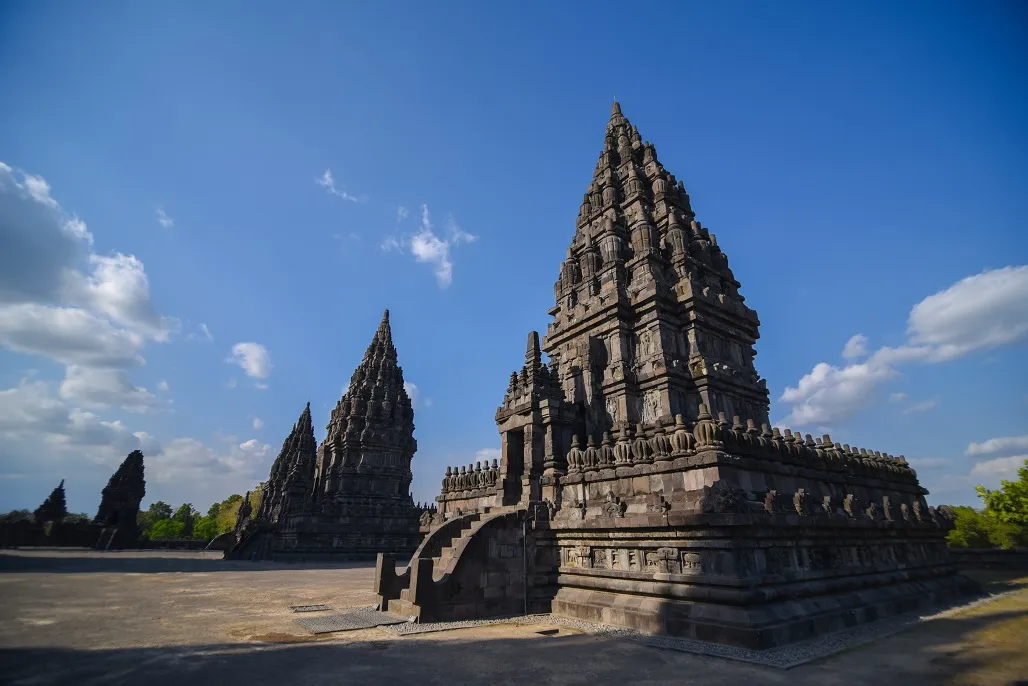
| Prambanan Temple is one of Indonesia's most spectacular ancient landmarks and the largest Hindu temple complex in the country. Located on the border between Yogyakarta and Central Java, this magnificent UNESCO World Heritage Site is famous for its towering temples, detailed stone carvings, Hindu mythology, and breathtaking evening performances. |
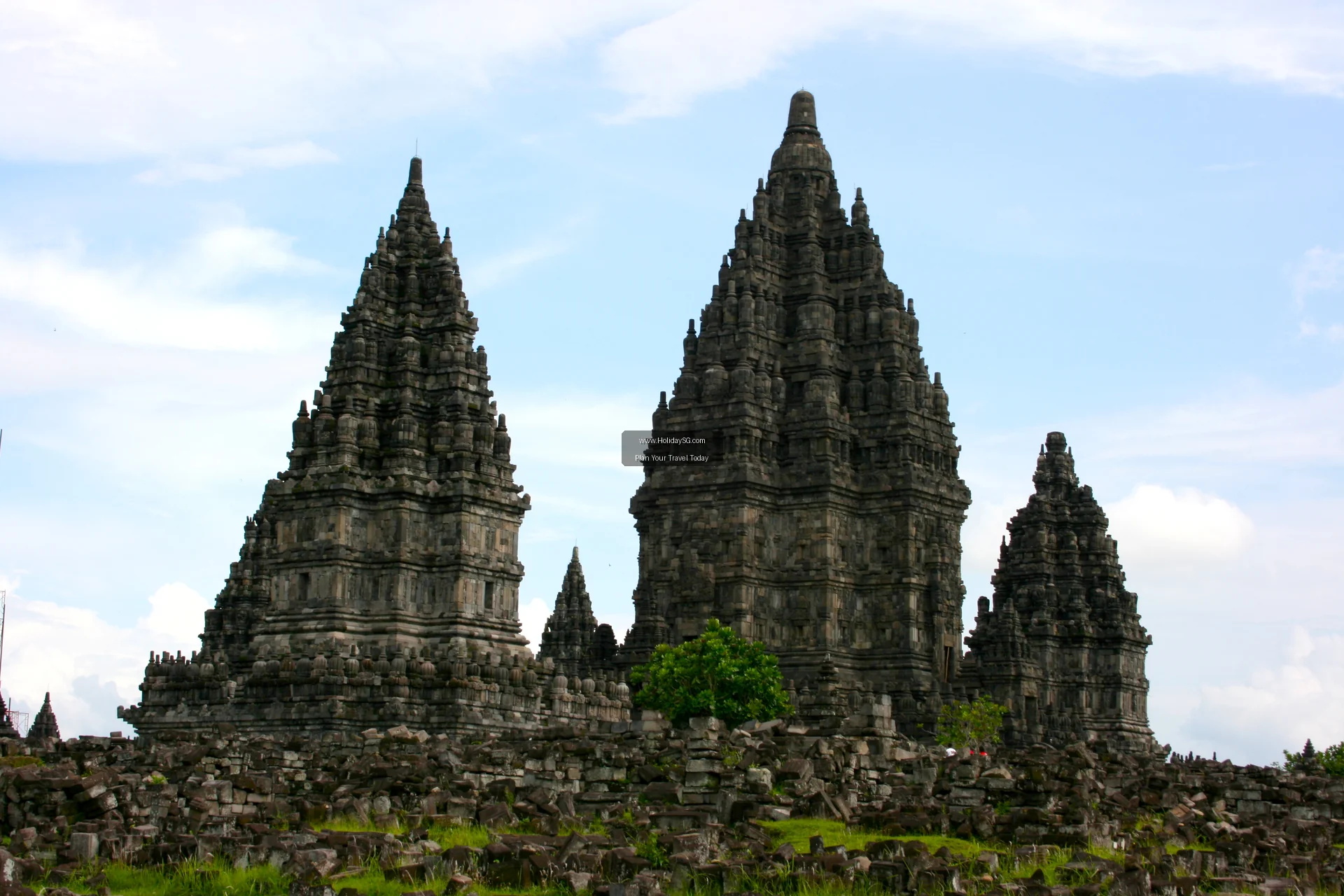
| Built in the 9th century during the Mataram Kingdom, Prambanan represents one of Southeast Asia's finest examples of Hindu architecture. The temple complex was dedicated to the Hindu Trimurti—Brahma (the creator), Vishnu (the preserver), and Shiva (the destroyer). Its towering central structure dedicated to Lord Shiva rises dramatically above the landscape, making Prambanan one of Indonesia's most recognizable cultural symbols. |
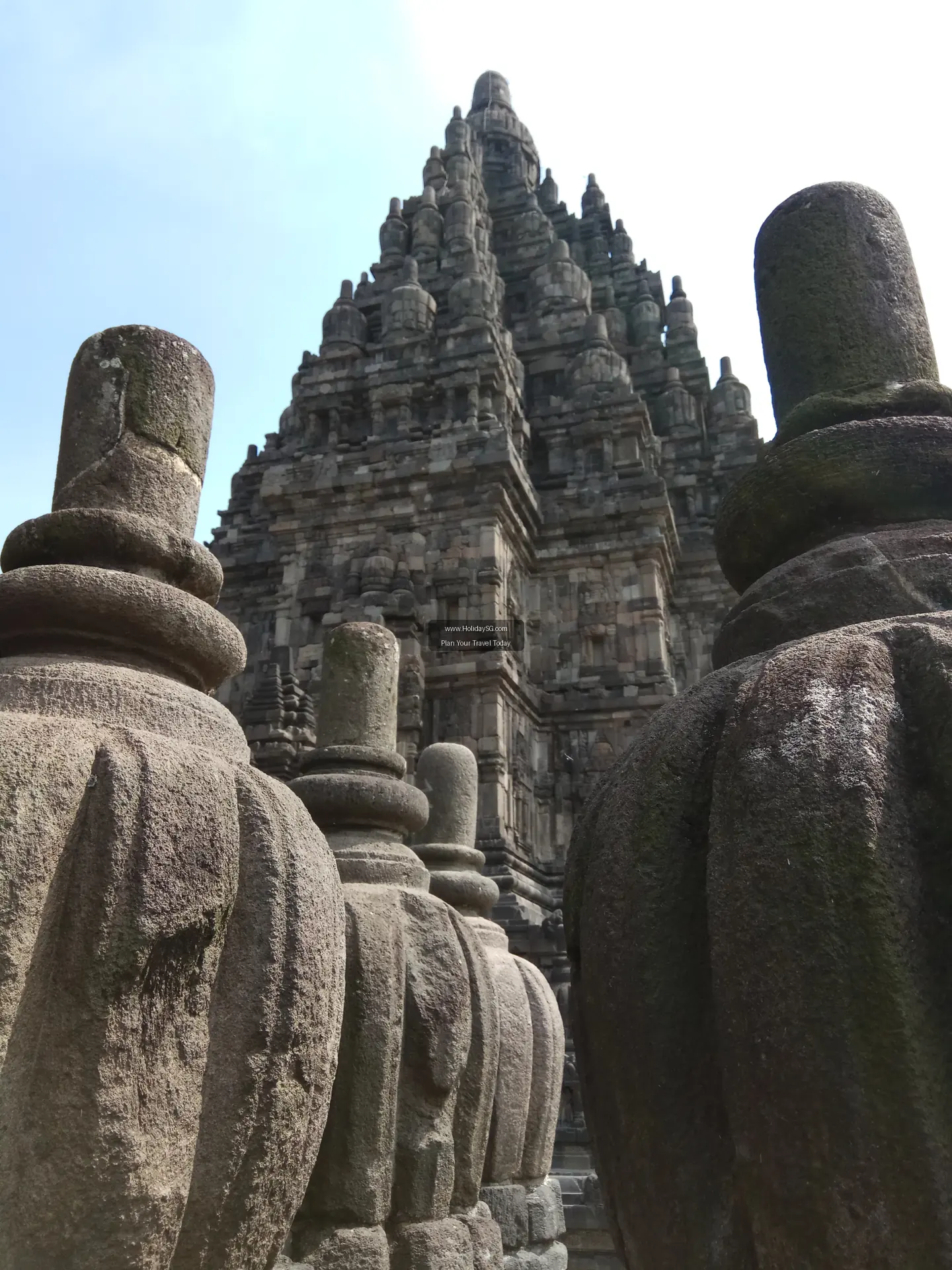
| Unlike Borobudur's Buddhist design with horizontal terraces, Prambanan features tall, vertical towers that represent Mount Meru, the sacred mountain believed in Hindu cosmology to be the center of the universe. The temple walls are decorated with thousands of intricate carvings depicting scenes from Hindu epics, especially the famous Ramayana story. |
| One of the most unforgettable experiences at Prambanan is watching the Ramayana Ballet, a traditional dance performance held near the temple with Prambanan's illuminated towers as the backdrop. The combination of classical Javanese dance, music, costumes, and ancient architecture creates a magical cultural experience. |
| Beyond the main temple complex, visitors can explore nearby historical sites such as Sewu Temple, Lumbung Temple, Bubrah Temple, Plaosan Temple, and Ratu Boko Palace. These attractions provide deeper insight into the rich religious and architectural history of ancient Java. |
| Prambanan is also one of the easiest cultural attractions to visit from Yogyakarta. Its convenient location makes it an ideal addition to a Yogyakarta itinerary, especially when combined with Borobudur Temple and other historical landmarks. |
| Whether you are a history enthusiast, architecture lover, photographer, or cultural traveler, Prambanan Temple offers an unforgettable journey into Indonesia's ancient Hindu heritage. This complete guide covers everything you need to know about Prambanan tickets, history, architecture, temples, Ramayana Ballet, transportation, nearby attractions, travel tips, and itineraries. |
| HolidaySG Travel Tip: Visit Prambanan in the late afternoon to enjoy comfortable weather, golden-hour photography, and the beautiful sunset atmosphere around the temple towers. |
| Quick Information Table |
| Information |
| Attraction |
| Location |
| Country |
| Built |
| Kingdom |
| Religion |
| UNESCO Status |
| Best For |
| Recommended Duration |
| Best Time to Visit |
| Famous Experience |
| Nearest City |
| Distance from Yogyakarta |
| Main Temple |
| Nearby Attractions |
| Why Visit Prambanan Temple? |
| Prambanan is more than an ancient temple—it is a masterpiece of architecture, religion, and storytelling. |
| Reasons to visit include: |
| Indonesia's largest Hindu temple complex |
| UNESCO World Heritage Site |
| Stunning ancient architecture |
| Incredible stone carvings |
| Famous Ramayana Ballet |
| Beautiful sunset views |
| Rich Hindu mythology |
| Excellent photography opportunities |
| Easy access from Yogyakarta |
| Nearby historical attractions |
| Top 20 Reasons to Visit Prambanan Temple |
| 1. Explore Indonesia's Largest Hindu Temple |
| Prambanan is the biggest Hindu temple complex in Indonesia and one of the most impressive in Southeast Asia. |
| 2. Admire the Tall Shiva Temple |
| The central Shiva Temple dominates the complex with its impressive height and detailed carvings. |
| 3. Discover Ancient Hindu Architecture |
| The temple showcases the incredible engineering skills of ancient Javanese builders. |
| 4. Visit a UNESCO World Heritage Site |
| Prambanan is recognized internationally for its cultural and historical importance. |
| 5. Experience the Ramayana Story |
| The temple walls bring Hindu mythology to life through detailed carvings. |
| 6. Watch the Ramayana Ballet |
| Enjoy traditional Javanese performing arts with the temple as a dramatic backdrop. |
| 7. Capture Amazing Photography |
| The tall temple towers create stunning photo opportunities during sunrise and sunset. |
| 8. Learn Ancient History |
| Discover the story of Java's Hindu kingdoms and cultural development. |
| 9. Explore Multiple Temples |
| The complex includes several important temples beyond the main towers. |
| 10. Enjoy Sunset Views |
| The evening light creates a magical atmosphere around the ancient structures. |
| 11. Combine with Yogyakarta Travel |
| Prambanan is an easy day trip from Yogyakarta city. |
| 12. Experience Javanese Culture |
| Enjoy traditional dance, music, and local customs. |
| 13. Visit Nearby Historical Sites |
| Explore Sewu, Plaosan, and Ratu Boko Palace nearby. |
| 14. Learn Hindu Symbolism |
| Understand the meaning behind temple designs and sculptures. |
| 15. Enjoy Family-Friendly Exploration |
| Children can learn about history through visual storytelling and architecture. |
| 16. Explore Ancient Reliefs |
| Discover stories carved into stone walls over 1,000 years ago. |
| 17. Enjoy Peaceful Surroundings |
| The temple gardens provide a relaxing environment away from city crowds. |
| 18. Perfect for Culture Lovers |
| Prambanan offers a deeper understanding of Indonesia's diverse heritage. |
| 19. Great Photography Destination |
| Every angle provides unique views of the temple towers. |
| 20. Create an Unforgettable Memory |
| A visit to Prambanan is one of the highlights of any Indonesia cultural journey. |
| History of Prambanan Temple |
| Prambanan Temple was constructed around the 9th century during the rule of the Mataram Kingdom, one of the most influential Hindu kingdoms in ancient Java. |
| The temple was built as a dedication to the Hindu Trimurti, especially Lord Shiva, and served as an important religious center. The original complex included hundreds of temples, demonstrating the kingdom's architectural achievements and religious importance. |
| Over time, Prambanan was affected by natural disasters, including earthquakes and volcanic activity. The decline of Hindu kingdoms in Java led to the temple being abandoned, and it gradually became covered by vegetation. |
| The temple was rediscovered centuries later and restoration efforts began to preserve this important heritage site. Major conservation projects have continued to protect Prambanan from environmental and structural damage. |
| Today, Prambanan stands as a symbol of Indonesia's multicultural history and remains one of the country's most visited tourist attractions. |
| Architecture & Design Overview |
| Prambanan's architecture reflects traditional Hindu temple design and symbolism. |
| The complex features: |
| Tall pointed towers |
| Symmetrical layout |
| Detailed stone carvings |
| Sacred chambers |
| Monumental gateways |
| The temple design represents Mount Meru, the sacred mountain of Hindu cosmology. |
| Hindu Symbolism & Meaning |
| Prambanan represents the Hindu universe and spiritual journey. |
| The temple complex is divided according to Hindu beliefs: |
| Shiva Temple |
| The largest and most important temple. |
| Represents: |
| Lord Shiva |
| Destruction and transformation |
| Supreme divine power |
| Vishnu Temple |
| Dedicated to Lord Vishnu. |
| Represents: |
| Preservation |
| Protection |
| Balance |
| Brahma Temple |
| Dedicated to Lord Brahma. |
| Represents: |
| Creation |
| Knowledge |
| Beginning of existence |
| Three Main Temples Guide |
| 1. Shiva Temple |
| The tallest structure in Prambanan. |
| Highlights: |
| Large central chamber |
| Shiva statue |
| Ramayana relief carvings |
| Stunning architecture |
| 2. Vishnu Temple |
| Dedicated to the preserver god Vishnu. |
| Visitors can admire: |
| Beautiful carvings |
| Mythological stories |
| Detailed sculptures |
| 3. Brahma Temple |
| Dedicated to the creator god Brahma. |
| Features: |
| Elegant design |
| Traditional Hindu sculptures |
| Connection to Ramayana stories |
| Best Time to Visit Prambanan |
| Dry Season (May–September) |
| Recommended because of: |
| Clear skies |
| Comfortable sightseeing conditions |
| Better photography |
| Lower chance of rain |
| Morning Visit |
| Advantages: |
| Cooler temperature |
| Fewer visitors |
| Peaceful atmosphere |
| Late Afternoon & Sunset |
| Best for: |
| Golden lighting |
| Photography |
| Ramayana Ballet experience |
| Sunset Experience Guide |
| Sunset is one of the best times to experience Prambanan. |
| Highlights: |
| Golden glow on temple towers |
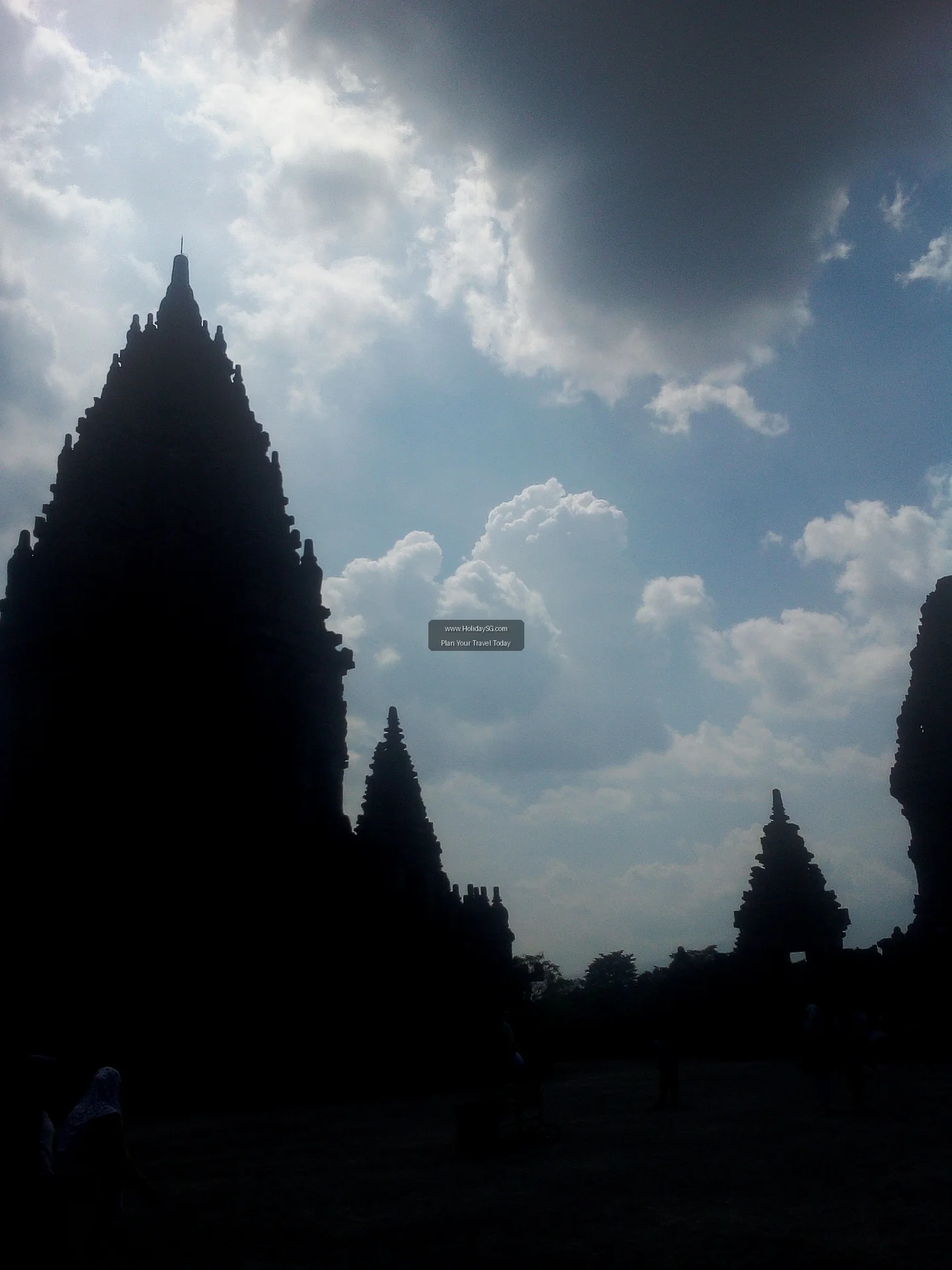
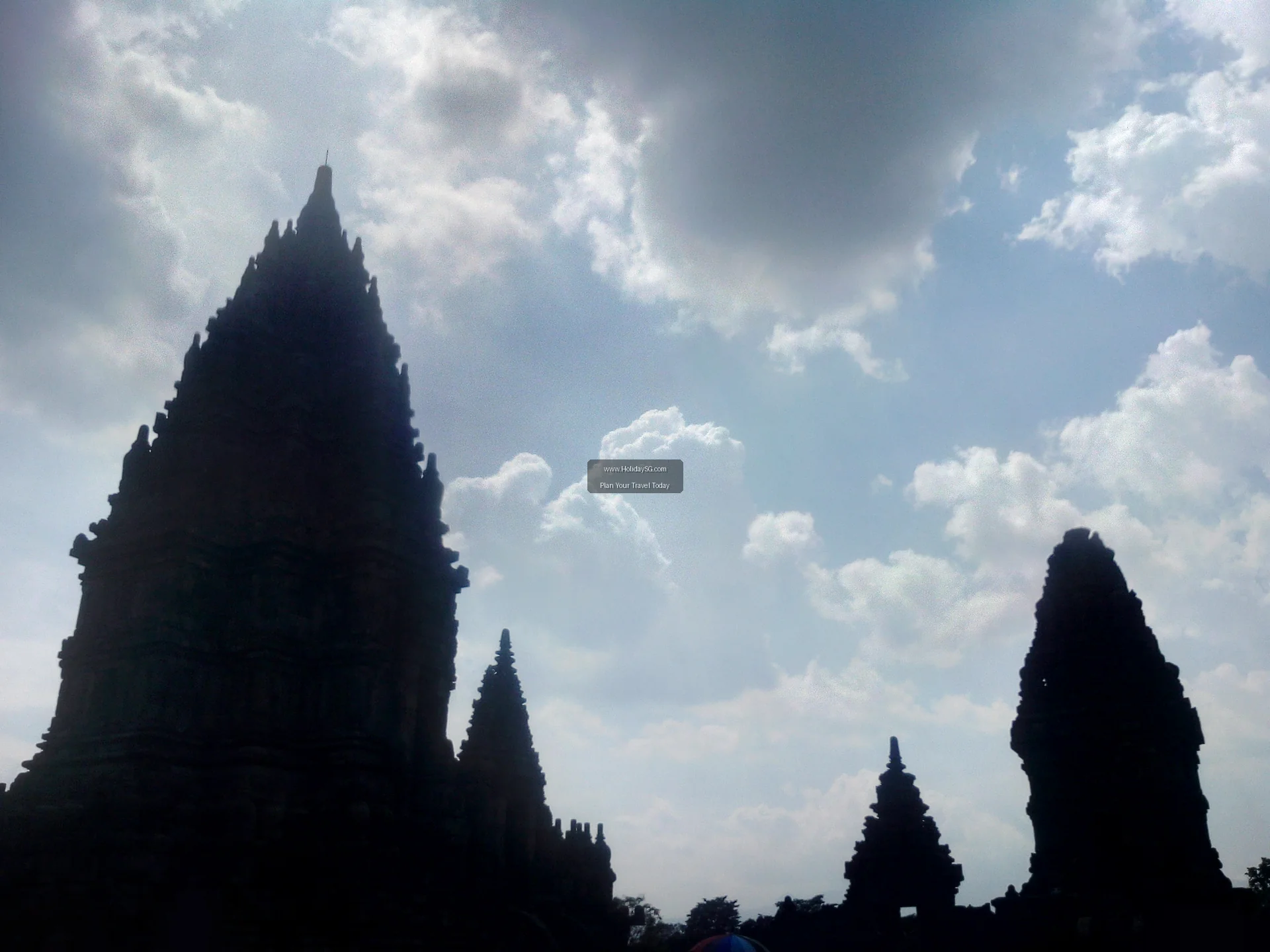
| Beautiful silhouettes |
| Cooler weather |
| Romantic atmosphere |
| Photography lovers especially enjoy this time of day. |
| Visitor Tips |
| Wear comfortable walking shoes. |
| Carry water and sunscreen. |
| Dress respectfully at this religious site. |
| Arrive early or late afternoon to avoid heat. |
| Carry a camera for photography. |
| Respect restricted areas. |
| Follow temple preservation rules. |
| Hire a guide for deeper historical knowledge. |
| Check Ramayana Ballet schedules before visiting. |
| Combine Prambanan with nearby attractions. |
| Suggested Half-Day Itinerary |
| ###### |
| Arrive at Prambanan Temple. |
| ###### |
| Explore: |
| Shiva Temple |
| Vishnu Temple |
| Brahma Temple |
| Temple reliefs |
| ###### |
| Enjoy sunset photography. |
| Evening |
| Watch Ramayana Ballet performance (if scheduled). |
| Suggested Full-Day Itinerary |
| Morning |
| Ratu Boko Palace |
| Sewu Temple |
| Afternoon |
| Prambanan Temple exploration |
| Photography |
| Evening |
| Ramayana Ballet |
| Dinner nearby |
| Complete Prambanan Temple Attraction Guide |
| Prambanan Temple is not only famous for its three main Hindu temples. The surrounding archaeological complex includes smaller temples, ancient ruins, cultural performances, scenic viewpoints, and unique experiences that allow visitors to explore the rich heritage of ancient Java. |
| From discovering Ramayana carvings to watching traditional dance performances under the temple lights, Prambanan offers a complete cultural adventure. |
| Temple Complex Layout |
| The Prambanan complex was originally built with hundreds of temples arranged according to Hindu architectural principles. |
| The main layout includes: |
| Central Courtyard |
| The most sacred area containing the three main temples: |
| Shiva Temple |
| Vishnu Temple |
| Brahma Temple |
| Inner Zone |
| Contains the most important religious structures. |
| Highlights: |
| Main temples |
| Vahana temples |
| Detailed sculptures |
| Outer Zone |
| Includes additional temples and archaeological remains. |
| Visitors can explore: |
| Smaller temples |
| Ancient foundations |
| Garden areas |
| Relief Panels & Ramayana Story |
| One of Prambanan's greatest treasures is its detailed stone relief artwork. |
| The carvings mainly tell stories from the Ramayana, one of India's most famous Hindu epics. |
| Ramayana Relief Highlights |
| The carvings show scenes including: |
| Birth and Journey of Rama |
| Visitors can learn about: |
| Prince Rama |
| His royal background |
| His journey of virtue |
| Sita's Abduction |
| The famous story of Ravana kidnapping Sita is beautifully represented through stone carvings. |
| Hanuman's Adventures |
| The legendary monkey warrior appears throughout the story. |
| Highlights include: |
| His loyalty to Rama |
| His journey to Lanka |
| His heroic actions |
| Final Battle |
| The reliefs depict the epic battle between Rama and Ravana. |
| Temple Towers & Sculptures |
| Prambanan's towering architecture is one of its most impressive features. |
| Shiva Temple Tower |
| The tallest structure in the complex. |
| Features: |
| Powerful vertical design |
| Sacred chambers |
| Detailed sculptures |
| Stunning views |
| Temple Statues |
| Visitors can discover statues representing: |
| Hindu gods |
| Mythological figures |
| Guardian characters |
| Kala & Makara Decorations |
| Traditional Javanese temple designs include: |
| Kala faces above entrances |
| Makara mythical creatures |
| Decorative stone patterns |
| These elements represent protection and spiritual symbolism. |
| Prambanan Ramayana Ballet |
| The Ramayana Ballet is one of Yogyakarta's most famous cultural performances. |
| Held near Prambanan Temple, this spectacular show combines: |
| Traditional Javanese dance |
| Gamelan music |
| Colorful costumes |
| Dramatic storytelling |
| Temple backdrop lighting |
| Why Watch Ramayana Ballet? |
| Visitors enjoy: |
| Authentic Indonesian culture |
| Beautiful choreography |
| Historical storytelling |
| Amazing photography opportunities |
| Best Time to Watch |
| Evening performances are usually the most popular because the illuminated Prambanan towers create a magical atmosphere. |
| Tips for Ramayana Ballet |
| Book tickets in advance during peak season. |
| Arrive early for good seating. |
| Check performance schedules before visiting. |
| Bring a light jacket for evening shows. |
| Combine with sunset temple exploration. |
| Prambanan Sunrise & Sunset Photography |
| Prambanan is one of Indonesia's best photography destinations. |
| Best Photography Locations |
| Main Courtyard |
| Perfect for: |
| Full temple views |
| Architectural photography |
| Symmetrical compositions |
| Shiva Temple Area |
| Best for: |
| Close-up details |
| Tower photography |
| Sculpture shots |
| Temple Gardens |
| Great for: |
| Wide-angle photos |
| Family pictures |
| Landscape photography |
| Photography Tips |
| Visit during golden hour. |
| Use wide-angle lenses for temple towers. |
| Capture details of relief carvings. |
| Photograph from different angles. |
| Avoid touching ancient structures. |
| Bring extra batteries and memory cards. |
| Respect photography restrictions. |
| Use a tripod where allowed. |
| Nearby Attractions |
| Prambanan is surrounded by several important historical and cultural attractions. |
| 1. Sewu Temple |
| Located close to Prambanan, Sewu is one of Central Java's most important Buddhist temple complexes. |
| Highlights: |
| Ancient Buddhist architecture |
| Hundreds of smaller temples |
| Beautiful stone carvings |
| Peaceful atmosphere |
| Sewu demonstrates the religious harmony that existed between Hindu and Buddhist communities in ancient Java. |
| 2. Lumbung Temple |
| A small Buddhist temple complex near Sewu Temple. |
| Features: |
| Ancient structures |
| Traditional architecture |
| Quiet surroundings |
| 3. Bubrah Temple |
| A restored Buddhist temple located near Sewu. |
| Visitors can enjoy: |
| Historical architecture |
| Less crowded environment |
| Photography opportunities |
| 4. Plaosan Temple |
| Located a short distance from Prambanan. |
| Known for: |
| Hindu-Buddhist architectural combination |
| Beautiful statues |
| Twin temple structures |
| Peaceful rural setting |
| 5. Ratu Boko Palace |
| A spectacular archaeological site located on a hill near Prambanan. |
| Famous for: |
| Sunset views |
| Ancient gates |
| Palace ruins |
| Panoramic landscapes |
| Many travelers combine Ratu Boko with Prambanan for an unforgettable sunset experience. |
| Cultural Experiences |
| Visitors can enjoy authentic Javanese culture around Prambanan. |
| Traditional Dance Performances |
| Experience: |
| Ramayana Ballet |
| Javanese classical dance |
| Cultural storytelling |
| Gamelan Music |
| Listen to traditional Javanese instruments including: |
| Metallophones |
| Drums |
| Gongs |
| Local Craft Experiences |
| Explore: |
| Batik workshops |
| Traditional handicrafts |
| Local art markets |
| Village Experiences |
| Nearby villages offer: |
| Cycling tours |
| Local food experiences |
| Traditional lifestyles |
| Family Activities |
| Prambanan is suitable for families traveling with children. |
| Family-friendly activities include: |
| Exploring temple architecture |
| Learning mythology through carvings |
| Photography walks |
| Visiting nearby parks |
| Cultural performances |
| Educational tours |
| Food & Restaurants Near Prambanan |
| Visitors can enjoy a variety of Indonesian and international dishes around the temple area. |
| Must-Try Local Foods |
| Gudeg |
| Yogyakarta's famous jackfruit dish. |
| Sate Klathak |
| Traditional grilled lamb served with simple spices. |
| Bakpia |
| Popular sweet pastry souvenir from Yogyakarta. |
| Nasi Gudeg & Javanese Cuisine |
| Traditional rice meals with local flavors. |
| Dining Options Near Prambanan |
| Available choices include: |
| Local warungs |
| Traditional restaurants |
| Cafés |
| Hotel dining |
| Recommended areas: |
| Prambanan village |
| Yogyakarta city |
| Jalan Solo area |
| Helpful Visitor Tips |
| Combine Prambanan with nearby temples for a complete experience. |
| Visit during morning or late afternoon for comfortable weather. |
| Carry water and sunscreen. |
| Wear comfortable walking shoes. |
| Learn about the Ramayana story before visiting. |
| Hire a guide for deeper historical knowledge. |
| Respect religious and cultural traditions. |
| Avoid climbing restricted structures. |
| Keep the area clean. |
| How to Reach Prambanan Temple |
| Prambanan Temple is located approximately 17 kilometers northeast of Yogyakarta city center and is one of the easiest historical attractions to access in the region. Due to its convenient location, visitors can easily include Prambanan in a Yogyakarta itinerary along with Borobudur and other cultural attractions. |
| From Yogyakarta City |
| By Private Car with Driver |
| The most comfortable option for travelers. |
| Advantages: |
| Flexible timing |
| Hotel pickup and drop-off |
| Ideal for families and groups |
| Easy combination with nearby attractions |
| Travel Time: |
| Approximately 30–45 minutes, depending on traffic. |
| By Taxi or Ride-Hailing Apps |
| Grab and Gojek are widely used in Yogyakarta. |
| Best for: |
| Solo travelers |
| Couples |
| Short visits |
| Advantages: |
| Affordable |
| Convenient booking |
| Door-to-door service |
| By Public Bus |
| Travelers can use TransJogja buses to reach the Prambanan area. |
| Benefits: |
| Budget-friendly |
| Good option for independent travelers |
| By Scooter Rental |
| A popular choice among experienced travelers. |
| Advantages: |
| Flexible exploration |
| Easy access to nearby temples |
| Affordable transportation |
| From Borobudur Temple |
| Many visitors combine Borobudur and Prambanan in one trip. |
| Options: |
| Private Car |
| Most convenient choice. |
| Travel Time: |
| Around 1.5–2.5 hours depending on traffic |
| Tour Package |
| Popular packages include: |
| Borobudur sunrise |
| Prambanan sunset |
| Hotel transportation |
| Local guide |
| From Jakarta |
| Travelers from Jakarta usually connect through Yogyakarta. |
| By Flight |
| Route: |
| Jakarta → Yogyakarta |
| Continue by taxi or private car |
| By Train |
| A comfortable option: |
| Jakarta → Yogyakarta railway station |
| Continue to Prambanan by taxi or ride-hailing service |
| By Road Trip |
| Possible but requires a long journey. |
| Approximate travel time: |
| 10–12 hours |
| Best Hotels Near Prambanan Temple |
| Staying near Prambanan is convenient for visitors who want early morning exploration or sunset experiences. |
| Luxury Hotels |
| 1. Plataran Heritage Borobudur Hotel |
| A luxury property offering: |
| Elegant design |
| Cultural atmosphere |
| Premium facilities |
| 2. Royal Ambarrukmo Yogyakarta |
| A luxury heritage hotel featuring: |
| Traditional Javanese architecture |
| Spacious rooms |
| High-end services |
| 3. Hyatt Regency Yogyakarta |
| Popular for: |
| Resort-style facilities |
| Beautiful gardens |
| Family-friendly environment |
| Mid-Range Hotels |
| 4. Novotel Suites Yogyakarta Malioboro |
| Benefits: |
| Central location |
| Comfortable rooms |
| Easy city access |
| 5. The Phoenix Hotel Yogyakarta |
| Known for: |
| Heritage architecture |
| Classic design |
| Premium comfort |
| 6. Hotel Tentrem Yogyakarta |
| Offers: |
| Modern luxury |
| Excellent facilities |
| Family-friendly services |
| Budget Accommodation |
| Guesthouses Near Prambanan |
| Suitable for: |
| Backpackers |
| Solo travelers |
| Budget visitors |
| Benefits: |
| Affordable prices |
| Local atmosphere |
| Simple facilities |
| Homestays |
| Great for experiencing: |
| Javanese hospitality |
| Local culture |
| Traditional lifestyle |
| Estimated Travel Budget |
| Expense |
| Temple Ticket |
| Transportation |
| Food |
| Accommodation |
| Guide |
| Budget Traveler Plan |
| Recommended choices: |
| Public transportation |
| Local food stalls |
| Budget accommodation |
| Self-guided temple exploration |
| Mid-Range Traveler Plan |
| Includes: |
| Comfortable hotel |
| Private transport |
| Restaurant dining |
| Guided temple visit |
| Luxury Traveler Plan |
| Options: |
| Premium hotel |
| Private guide |
| Exclusive cultural experiences |
| Fine dining |
| Private transportation |
| Packing Checklist |
| Travel Essentials |
| Passport |
| ID documents |
| Travel insurance details |
| Indonesian Rupiah (IDR) |
| Credit/debit cards |
| Clothing |
| Lightweight clothing |
| Comfortable walking shoes |
| Hat or cap |
| Sunglasses |
| Light jacket for evening performances |
| Electronics |
| Smartphone |
| Camera |
| Power bank |
| Charging cables |
| Extra memory cards |
| Health Items |
| Sunscreen |
| Insect repellent |
| Personal medication |
| Hand sanitizer |
| Reusable water bottle |
| Optional Items |
| Small backpack |
| Rain jacket |
| Travel guidebook |
| Binoculars for landscape viewing |
| Safety Tips |
| Prambanan is a safe and well-maintained tourist destination, but visitors should follow these simple precautions: |
| Wear comfortable shoes because the complex requires walking. |
| Carry enough water during hot weather. |
| Follow temple preservation rules. |
| Do not touch or climb restricted areas. |
| Respect religious activities. |
| Keep valuables secure in crowded areas. |
| Use official transportation services. |
| Check weather conditions before outdoor visits. |
| Be careful on scooter rides. |
| Follow instructions from temple staff. |
| Frequently Asked Questions (FAQs) |
| 1. How long should I spend at Prambanan Temple? |
| Most visitors need around 2–4 hours to explore the main temples, carvings, and surrounding areas. |
| 2. What is the best time to visit Prambanan? |
| The best time is during the dry season from May to September, especially early morning or late afternoon. |
| 3. Is Prambanan suitable for children? |
| Yes. Families can enjoy exploring the temples, learning mythology, and experiencing cultural performances. |
| 4. Can I visit Borobudur and Prambanan on the same day? |
| Yes. Many travelers visit Borobudur in the morning and Prambanan in the afternoon or evening. |
| 5. How far is Prambanan from Yogyakarta? |
| Prambanan is approximately 17 kilometers from central Yogyakarta and usually takes 30–45 minutes by car. |
| 6. Is a guide necessary at Prambanan? |
| A guide is optional but recommended to understand the temple's history, Hindu symbolism, and Ramayana carvings. |
| 7. What should I wear when visiting Prambanan? |
| Wear comfortable and modest clothing suitable for visiting a historical religious site. |
| Sample 1-Day Prambanan Itinerary |
| #### |
| Depart from Yogyakarta city. |
| #### |
| Arrive at Prambanan Temple. |
| Explore: |
| Shiva Temple |
| Vishnu Temple |
| Brahma Temple |
| Relief carvings |
| #### |
| Visit nearby temples: |
| Sewu Temple |
| Lumbung Temple |
| Bubrah Temple |
| #### |
| Enjoy lunch at a nearby restaurant. |
| #### |
| Visit: |
| Ratu Boko Palace |
| Enjoy panoramic views and photography. |
| #### |
| Return to Prambanan area for sunset views. |
| Evening |
| Watch the Ramayana Ballet performance. |
| Why Prambanan Should Be on Your Indonesia Itinerary |
| Prambanan is one of Indonesia's most impressive cultural treasures. |
| Key highlights: |
| Largest Hindu temple complex in Indonesia |
| UNESCO World Heritage Site |
| Stunning ancient architecture |
| Fascinating Ramayana carvings |
| Beautiful sunset views |
| Traditional cultural performances |
| Nearby historical attractions |
| Easy access from Yogyakarta |
| Perfect for photography and history lovers |
| Conclusion |
| Prambanan Temple is a breathtaking symbol of Indonesia's ancient Hindu heritage and architectural brilliance. Its towering temples, detailed carvings, spiritual symbolism, and cultural performances make it one of the most unforgettable destinations in Java. |
| From exploring the magnificent Shiva Temple and discovering stories from the Ramayana to watching the spectacular ballet performance under the illuminated temple towers, every moment at Prambanan offers a connection to Indonesia's rich past. |
| Whether you are planning a Yogyakarta cultural tour, a Central Java adventure, or a first-time Indonesia visit, Prambanan Temple deserves a place on your travel itinerary. Plan your visit during the best weather conditions, arrive early or stay until sunset, and experience one of Southeast Asia's greatest historical landmarks. |
How Prambanan Temple Guide: History, Tickets, Ballet & Travel Tips Compares to Other Experiences
When planning a trip to the region, it helps to compare what different attractions and experiences offer. Here is how Prambanan Temple Guide: History, Tickets, Ballet & Travel Tips stacks up against other popular choices:
| Feature | Prambanan Temple Guide: History, Tickets, Ballet & Travel Tips | Travel Planning | Budget Tips |
|---|---|---|---|
| Best For | History & culture lovers | All types of travellers | All types of travellers |
| Duration Needed | 1–2 hours | 2–4 hours | 2–4 hours |
| Budget Level | Moderate ($$) | Moderate ($$) | Moderate ($$) |
| Crowd Level | Moderate | Moderate | Moderate |
| Unique Factor | UNESCO or heritage site | Distinctive local experience | Distinctive local experience |
Our recommendation: If you have limited time in the region, prioritise Prambanan Temple Guide: History, Tickets, Ballet & Travel Tips for its unique appeal. However, combining it with Travel Planning creates a well-rounded itinerary that captures the best of the region.
Book Your your next adventure Experience with HolidaySG
Browse your next adventure Activities & Tickets
Getting There from Yogyakarta and Solo
Most visitors base themselves in Yogyakarta, and the temple sits roughly 17 kilometres east of the city centre in Sleman regency, close to the border with Central Java. Under normal traffic, the drive from the Malioboro area takes somewhere between 35 and 50 minutes, but it can stretch well beyond an hour during rush hour or on weekend mornings when local families head out in large numbers. Ride-hailing apps such as Grab and Gojek are the most convenient choice for a solo traveller or a couple. A one-way trip from central Yogyakarta typically costs between IDR 60,000 and IDR 90,000, depending on demand and the time of day. Always check the price in the app before confirming, and keep your phone charged, because pickup points near the main roads can be busy and drivers sometimes ask you to walk a short distance to a clearer spot.
If you want to keep costs low and enjoy a bit of local texture, the Trans Jogja bus network is a reasonable option. Standard fares are a few thousand rupiah per ride, which makes it by far the cheapest way to reach the area. The trade-off is time. You will need to change at least once, wait at stops in the heat, and allow a generous margin before you need to be at the gate. Rail travel is another good choice, especially if you are coming from Solo. The Prambanan railway station lies on the Yogyakarta to Solo line, served by the commuter trains known locally as Prameks, and the station is only a short walk from the temple grounds. The journey from Solo takes roughly half an hour, which is far quicker than the road route. Train timetables change periodically, so confirm the current schedule on the day rather than relying on an older printout or a forum post from several years ago.
For families, groups, or anyone planning to combine the temple with other stops, hiring a private driver for the day is often the most relaxed approach. Rates for a full day with a comfortable car usually fall in the range of IDR 500,000 to IDR 700,000, though prices vary by vehicle size and season. Ask the driver to wait while you explore, since finding a return ride from the parking area in the middle of the afternoon can be frustrating. Parking itself is straightforward, with designated lots near the entrance. Plan to arrive before mid-morning if you are driving yourself, as the car parks fill quickly once tour buses start to arrive. Whichever way you travel, leave a comfortable buffer of time. Traffic on the main eastern road is unpredictable, and an unexpected delay can cut into the hour or two you had set aside for wandering among the stone courtyards.
Timing Your Visit: Weather, Crowds and Light
Central Java has two broad seasons, and your experience at Prambanan will differ depending on which one you pick. The dry season runs roughly from May through October, when skies are mostly clear and rain is rare. This is the most comfortable window for walking across open stone platforms, but it also means serious sun. Midday temperatures often climb to between 31 and 33 degrees Celsius, and the stone surfaces reflect that heat back at you. The wet season, typically from November through April, brings lush green grounds and dramatic clouds over the spires, which many photographers love. The downside is afternoon downpours that arrive with little warning and can last for an hour or more. In either season, the best strategy is to go early, carry a light umbrella or poncho, and keep a bottle of water in your bag at all times.
Crowds are the second major factor. Weekends and Indonesian public holidays bring large domestic tour groups, school excursions, and families who treat the temple as a day out. Some of the most photographed spots, particularly the courtyard around the central Shiva temple, can feel packed by late morning. Weekday mornings are the sweet spot, when you can photograph the reliefs and climb the lower terraces without waiting for a turn. Be aware that the complex is generally not open for sunrise visits in the way some travellers hope, so an early arrival means entering when the gates open rather than watching the sky brighten inside the grounds. For a dawn experience, many visitors instead head to a nearby hilltop or to Ratu Boko, which is better known for its sunset views over the plains. Ask your accommodation or driver to confirm the current opening hours before you set your alarm, since they have changed over the years.
Light matters a great deal for this site. Mid-morning sun from the east illuminates the western faces of the temples, which is useful for reading carved details but harsh for portraits. Late afternoon offers softer, warmer tones, though by that point the crowds have thinned and the heat has eased only slightly. If you are travelling during the Ramadan fasting month, expect a quieter atmosphere in the early hours and a livelier crowd in the late afternoon as people gather before iftar. Some food stalls outside the complex reduce their hours during the day, so plan any lunch stop carefully. Finally, remember that Prambanan is a sacred Hindu site that still receives worshippers, particularly around major religious festivals such as Galungan and Nyepi in Bali, where Hindu communities in Java also observe rituals. Respectful timing, meaning avoiding loud groups during ceremonies, goes a long way toward making your visit pleasant for everyone.
Exploring the Temple Complex on Foot
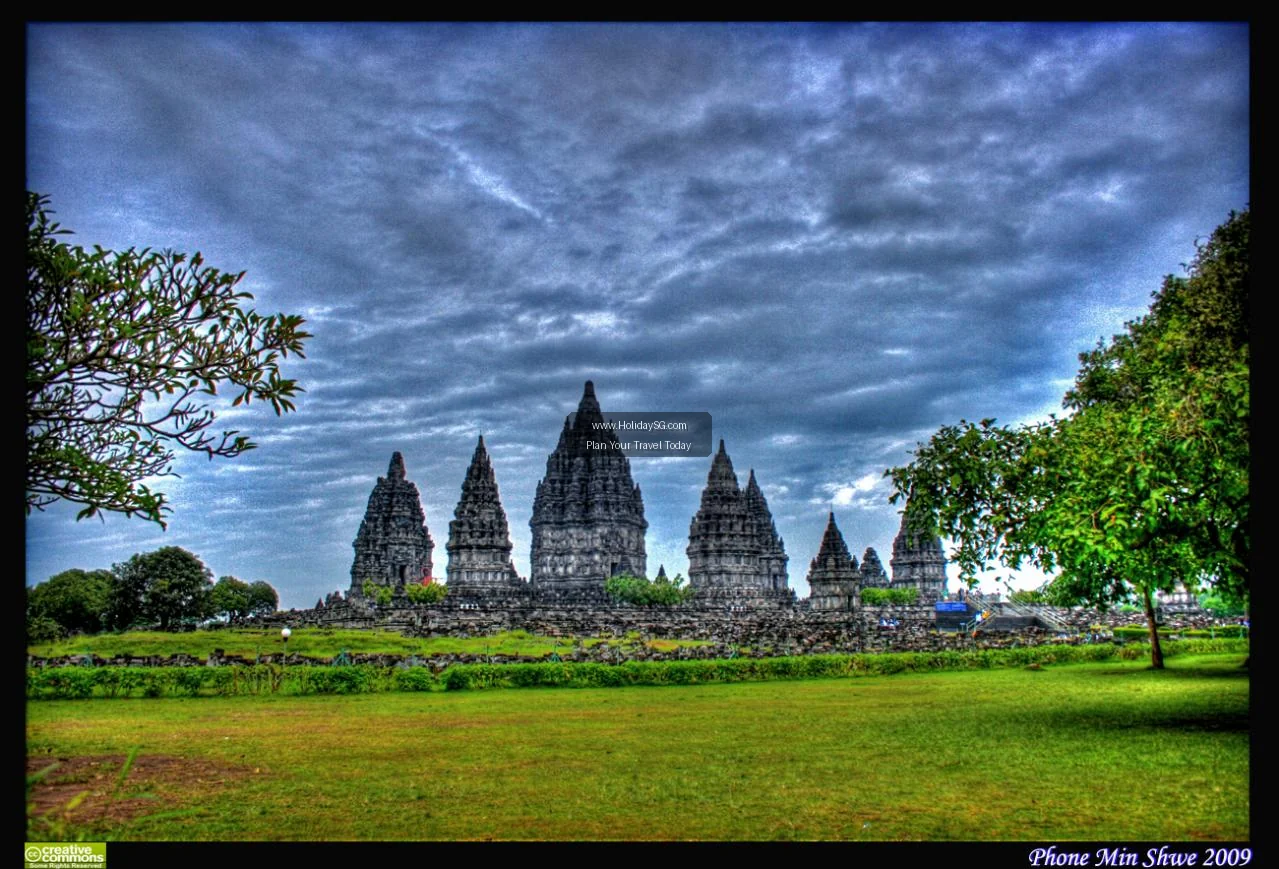
The layout of Prambanan can feel overwhelming on arrival, because dozens of structures are arranged in concentric rings of courtyards. The complex is organised around three main sanctuaries dedicated to the Hindu trinity. The tallest, the Shiva temple, rises to roughly 47 metres and dominates the central courtyard. It is flanked by the smaller Brahma temple to the north and the Vishnu temple to the south, and a Nandi shrine, housing a statue of the sacred bull, sits directly opposite the Shiva temple. Beyond these central buildings are smaller temples dedicated to the animal vehicles of each god, including Garuda, the mythical bird associated with Vishnu, and Hamsa, the swan linked to Brahma. A sensible starting point is the outer ring, which gives you an overview before you move inward. Walking clockwise around each courtyard is the traditional pilgrim route, and following that rhythm will help you keep your bearings and avoid doubling back.
The carvings are the real reward for slowing down. The balustrades of the Shiva temple and its neighbours carry sequences of relief panels that retell episodes from the Ramayana epic. These stories are meant to be read in order, moving clockwise around the temple, so start at the entrance side and follow the panels step by step. Look for scenes of Rama, Sita, and the monkey warrior Hanuman, along with depictions of demons and celestial beings rendered with remarkable detail. Many of the panels show weathering or damage from earthquakes, including the significant tremor that struck the region in 2006, and parts of the complex have been reconstructed over decades of restoration work. A licensed local guide can make an enormous difference here. Expect to pay roughly IDR 150,000 to IDR 250,000 for a guided hour, and ask the guide to explain the legend of Roro Jonggrang, the princess who was turned to stone, since it links the temple to local folklore and Javanese identity in a way that the stone itself does not reveal on its own.
Practical comfort will shape how much you see. The stone paths are uneven in places, and the platforms can be slippery after rain, so wear shoes with good grip rather than flip-flops. A wide-brimmed hat and sunscreen are essential during the dry season, and a lightweight long-sleeved top is a smart choice if you are sensitive to sun. Bring a small bag with a refillable water bottle, as drinks are available but the prices inside the complex are higher than in town. Restrooms are located near the main entrance and along the central paths, though it is wise to use them before you start climbing. Modest dress is appreciated at a religious site, and many visitors feel more comfortable with knees and shoulders covered, particularly when visiting shrines still used for prayer. Allow at least two hours for a thorough walk, and three if you plan to explore the outer temples, sit on a bench to sketch, or simply watch local families photographing one another against the spires.
Nearby Sights and Eating Well Around Prambanan
Prambanan is part of a dense cluster of ancient Buddhist and Hindu monuments scattered across the Yogyakarta plain, and it rewards a wider exploration. The closest neighbour is Candi Sewu, a large Buddhist complex located roughly 800 metres north of the main Prambanan grounds. It is quieter than its Hindu counterpart and offers a calmer perspective on how the region once supported several religious traditions at the same time. Further along the same road you will find Candi Kalasan and Candi Sojiwan, both modest in size but beautifully proportioned, and Candi Plaosan, which has twin temples and an unusually intimate setting. For a different atmosphere entirely, Ratu Boko is a palace complex set on a hilltop a few kilometres to the southwest. It is a good choice for a late afternoon visit because the ruins look especially striking as the sun drops over the surrounding fields. Hiring a driver for half a day can link several of these sites together efficiently, and many drivers will happily suggest a route based on your interests and energy levels.
Food is one of the great pleasures of this region, and there are plenty of options near the temple. Warung stalls around the parking area serve simple plates of nasi goreng, fried noodles, and grilled chicken for roughly IDR 15,000 to IDR 30,000, which makes them an excellent value. If you are craving something more substantial, the nearby town centre of Yogyakarta is famous for gudeg, a slow-cooked jackfruit stew with coconut milk and palm sugar, usually served with rice, boiled egg, and a crisp sambal goreng krecek. Sate, both chicken and goat, is another regional favourite, while bakpia, small sweet bean-filled pastries, make an easy snack to carry home. Cold drinks such as es dawet, a sweet coconut milk drink with green rice flour jelly, are refreshing after a long walk in the heat. If you travel onward to Solo, try timlo, a clear meat soup, and serabi notoguro, a coconut pancake cooked over a small flame. Most small restaurants accept only cash, so keep plenty of rupiah in small notes on hand.
A few practical habits will make your day smoother. Carry cash in IDR, since many smaller vendors, parking attendants, and ojek drivers cannot process cards, and break larger notes whenever you can, because change is not always available for a 100,000 rupiah bill. Download an offline map of the area before you leave your hotel, as mobile coverage can be patchy in the rural stretches between sites. Keep sunscreen and insect repellent in your daypack, especially if you plan to visit the outer temples near rice fields in the late afternoon. Bargaining is common for souvenirs and private transport, but do it with good humour and a sense of fairness rather than aggressive haggling. Finally, respect the rules posted around the monuments, such as staying off certain terraces and not touching carvings. These stones have survived more than a thousand years, and every visitor plays a small role in keeping them intact for the next generation of travellers who come to stand in their shade.
Frequently asked questions
When is the best time of day to visit Prambanan?
Late afternoon is recommended for comfortable weather, golden-hour photography, and a sunset atmosphere around the temple towers. Mornings are cooler and quieter with fewer visitors, while the dry season from May to September brings clear skies and a lower chance of rain.
What happens during the Ramayana Ballet at Prambanan?
The Ramayana Ballet is a traditional dance performance held near the temple, with the illuminated towers as its backdrop. It combines classical Javanese dance, music, and costumes with ancient architecture. Check the schedules before visiting, as performances depend on what is scheduled.
Which temples are part of the Prambanan complex?
The main complex includes three major temples dedicated to the Hindu Trimurti. Shiva Temple is the tallest and most important, Vishnu Temple honours the preserver god, and Brahma Temple is dedicated to the creator god. Nearby sites include Sewu, Lumbung, Bubrah, and Plaosan temples, plus Ratu Boko Palace.
How are tickets delivered after booking a Prambanan activity?
E-tickets are emailed to you after the booking team confirms your reservation. Tickets, tours and activities for Prambanan are available to book online.
What should visitors wear and bring to Prambanan?
Comfortable walking shoes are recommended, along with water and sunscreen. Dress respectfully because this is a religious site, and carry a camera for photography. Respect restricted areas and follow temple preservation rules during the visit.