

Singapore’s calendar is a vibrant mosaic of cultures, reflected in its numerous public holidays. For tourists, these days are a double-edged sword. On one hand, they offer unparalleled access to authentic cultural celebrations and dazzling spectacles. On the other, they can disrupt plans with unexpected closures, crowded venues, and inflated prices. Understanding these public holidays in Singapore that affect tourists is crucial for crafting a seamless and enriching itinerary, allowing you to either dive into the festivities or strategically navigate around the peak disruptions.
Singapore’s multicultural public holidays, like Chinese New Year and Deepavali, offer incredible festive experiences but also mean some attractions close, prices soar, and crowds swell. Planning ahead by checking official hours, booking early, and embracing the local spirit will turn these potential hurdles into trip highlights.
Key Festivals and Their Impact on Your Visit
National Day: A Patriotic Spectacle with Street-Level Effects
Celebrated every 9 August, National Day is a grand display of patriotism. The centerpiece is the National Day Parade (NDP), a massive event featuring military parades, cultural performances, and a stunning fireworks display over Marina Bay. While the parade itself is ticketed (via a public ballot applied for months in advance), the fireworks can be viewed for free from spots like Marina Barrage or the Esplanade Roof Terrace. Be prepared for significant road closures in the Marina Bay and Civic District areas, crowded public transport, and some attractions near the parade route shutting early. It’s a day of national pride that significantly alters the city’s rhythm.
Chinese New Year: A Bustling Cultural Immersion
Occurring in January or February, Chinese New Year transforms Chinatown into a dazzling hub of red lanterns, festive markets, and lion dances. The atmosphere is electric, but so are the crowds. Expect many Chinese-owned shops, especially those selling festive goods, to close for 1-2 days at the start of the holiday period. Accommodation rates surge, and popular areas like Chinatown and Clarke Quay become extremely packed. This is the time to immerse yourself in traditions, but it requires patience. If you’re keen on exploring Chinatown’s culinary scene without the peak chaos, consider booking a curated experience like our Singapore Food Tours at Chinatown Complex Hawker Center for a guided taste of the area.
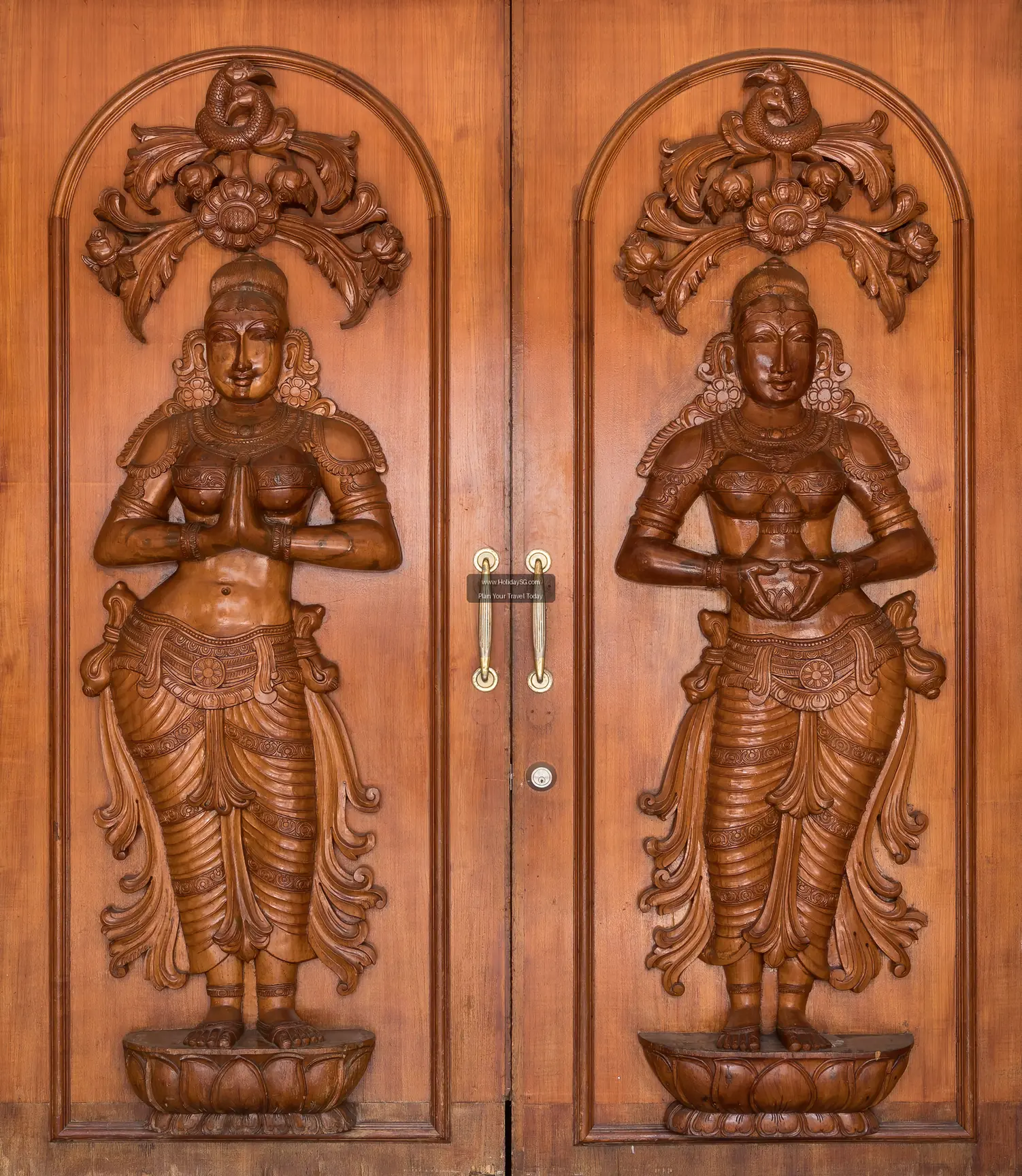
Hari Raya Puasa: Festivities in Geylang Serai
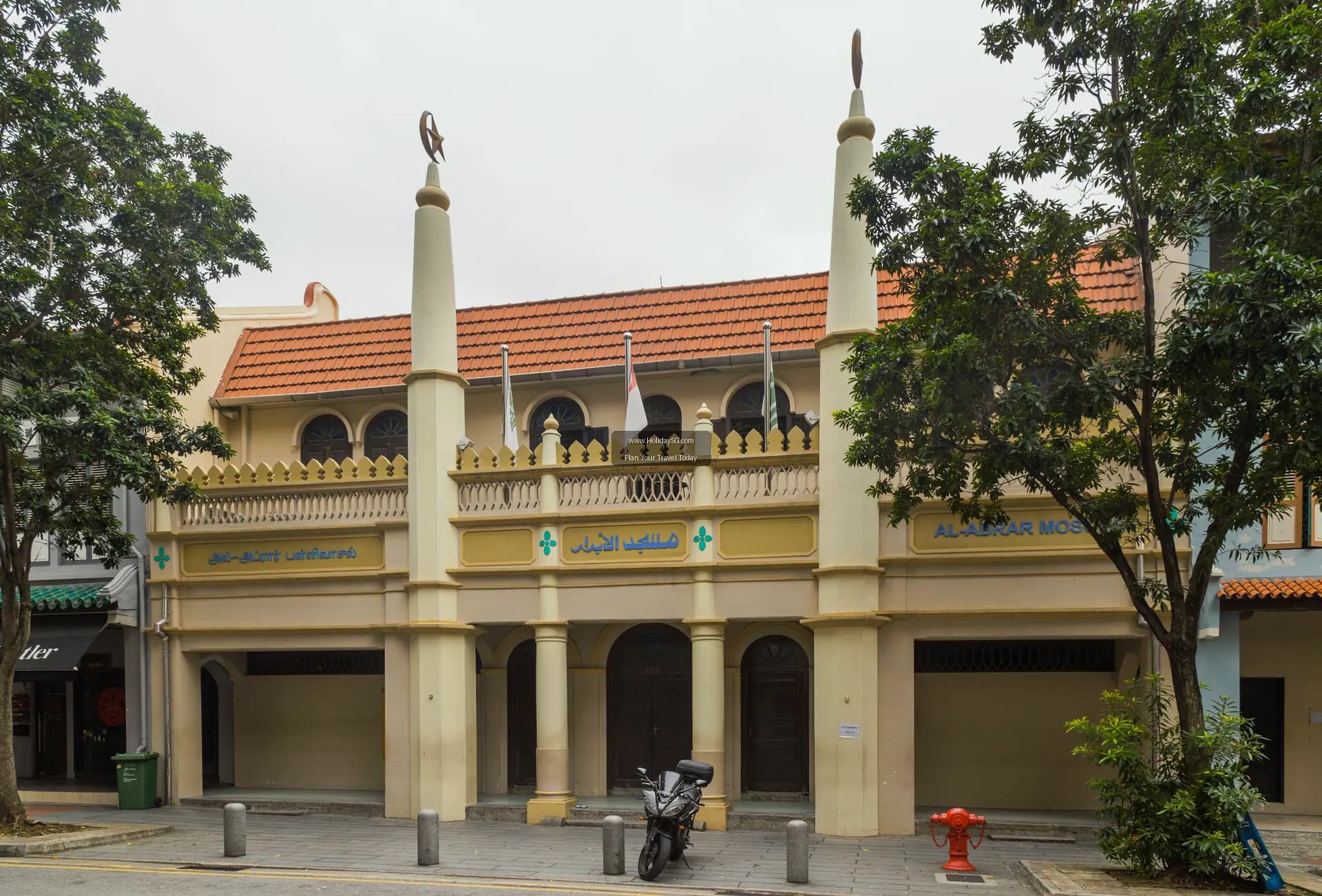
Marking the end of Ramadan, Hari Raya Puasa sees the Malay-Muslim community celebrate with vibrant bazaars, especially along Geylang Serai and the nearby Kampong Glam. These bustling markets sell festive cookies, clothing, and decorations, offering a wonderful sensory experience. Note that Muslim-owned businesses, including the iconic Masjid Sultan, may have altered opening hours. It’s respectful to be mindful of prayer times if visiting religious sites during this period. The celebrations are a heartfelt display of community and gratitude.
Deepavali: The Dazzling Lights of Little India
The Hindu festival of lights, Deepavali (typically October/November), is a visual feast. Little India is spectacularly illuminated with giant light arches and decorations, and a bustling street market lines Serangoon Road. The area hums with music, the scent of joss sticks, and the joy of the occasion. While major attractions stay open, some smaller, ethnic-specific shops or family-run businesses might close for the day. To capture the lights without jostling with peak crowds, visiting in the early evening or a few days before the official holiday is a smart strategy.
Christmas: Orchard Road’s Grand Light-Up
Singapore celebrates Christmas with grandeur, most famously on Orchard Road. The shopping belt transforms into a tunnel of dazzling festive lights and thematic decorations, accompanied by holiday carols and promotions. It’s a major shopping event, so malls and most tourist attractions remain fully operational. The trade-off is immense crowds at shopping destinations and a significant hike in hotel prices. If you’re in town, strolling the illuminated streets is a magical experience, but plan your mall visits for off-peak hours.
How Holidays Disrupt the Everyday Itinerary
Ready to go? Book Public Onsen By Joya Onsen Cafe with HolidaySG.
Closures and Reduced Services You Need to Know
On public holidays, expect a quieter city in terms of daily services. Government offices, banks, and many local businesses, including hawker stalls and independent shops, will be closed. Public transport (MRT and buses) operates on a public holiday timetable, which means slightly reduced frequency, though services continue to run. Major tourist attractions like Gardens by the Bay, Sentosa island resorts, and the Singapore Zoo typically stay open but often operate on shorter, modified holiday hours. It’s always wise to double-check specific opening times directly on their websites.
Crowds and Cost Implications: The Peak Season Effect
Holidays, especially long weekends and major festivals like Chinese New Year and Christmas, drive up demand and prices. Accommodation rates can double, and flights to Singapore become more expensive. Popular spots like Marina Bay Sands, Sentosa beaches, and popular hawker centres become heavily congested. To manage this, book flights and hotels as far in advance as possible. Consider exploring lesser-known neighbourhoods like Tiong Bahru or Joo Chiat for meals and ambiance, which offer a more local feel with slightly fewer tourists. Our guide to navigating Singapore’s public transport like a local can also help you move efficiently despite the crowds.
Smart Strategies for Holiday Travellers
Verification is Your Best Friend
The single most important tip is to never assume opening hours. A quick check on the official website of any attraction, museum, or restaurant you plan to visit can save you from a wasted journey. Bookmark these pages and review them a day or two before your visit, as some may announce last-minute changes. Real-time public transport updates via apps like MyTransport.SG are invaluable during holiday disruptions.
Cultural Sensitivity and Respectful Exploration
If your travels coincide with a religious festival, you may wish to visit a temple, mosque, or church. These sites are often open to respectful visitors, but they will be busier with worshippers. Maintain a quiet demeanor, dress modestly (cover shoulders and knees), and follow any instructions from staff. Be prepared for altered schedules and avoid visiting during core prayer times. This respectful approach enriches your understanding and is deeply appreciated.
Turning Festivals into Trip Highlights
Instead of avoiding holidays, you can plan around them for unique experiences. Beyond the main public holiday dates, look for specific cultural events. For instance, to experience the incredible devotion of the Thaipusam procession, you need to follow the Hindu lunar calendar. Similarly, planning a day trip on a holiday can be more relaxed, as local residents are often engaged in family celebrations, leaving some attractions a little quieter. Balancing festival immersion with standard sightseeing ensures a trip that feels both festive and fulfilling.
Recommended HolidaySG Tours
Ready to go? Book Public Onsen By Joya Onsen Cafe with HolidaySG.
- Singapore Food Tours Chinatown Complex Hawker Center
- Public Onsen By Joya Onsen Cafe
- Shower And Dine At Hub Spoke Changi Airport Public Area
- Singapore Flyer Ticket Captain Explorer Dukw Tour
Ultimately, Singapore’s public holidays are a reflection of its dynamic, multicultural soul. They present a choice: join in the festive fervour for unforgettable cultural immersion, or plan meticulously to enjoy the city’s attractions with more ease. By understanding the schedule, embracing flexibility, and planning ahead, you can ensure your visit is memorable for all the right reasons—whether you’re watching fireworks light up the sky or finding a quiet corner in a bustling neighbourhood. Ready to relax after a day of exploring? Book a session at our Public Onsen By Joya Onsen Cafe.
Book these with HolidaySG:
Book with HolidaySG online for Public Onsen By Joya Onsen Cafe, Shower And Dine At Hub Spoke Changi Airport Public Area, Pay Per Use Showers At Hub Spoke Changi Airport Public Area.
More Photos from HolidaySG
Frequently Asked Questions
Where can I book this / what’s the link?
- Public Onsen By Joya Onsen Cafe
- Shower And Dine At Hub Spoke Changi Airport Public Area
- Pay Per Use Showers At Hub Spoke Changi Airport Public Area
- Singapore Food Tours Chinatown Complex Hawker Center
- Singapore Flyer Ticket Captain Explorer Dukw Tour
Do foreigners (non-citizens) need a different ticket, price, or visa for Singapore?
Generally, foreign visitors do not need a special ticket or pay a different price for individual attractions or tours like those listed above. Entry requirements, such as visas, depend on your nationality. Many nationalities receive a short-term visit pass upon arrival. For the most accurate and current visa requirements, it is essential to check the official Singapore government immigration website (ICA) or contact the nearest Singapore embassy/consulate before your trip.
What is the best time (season, or time of day for the site/activity) to go?
The best time to visit Singapore is generally during the drier months from February to April. However, the city-state is a year-round destination. For outdoor activities like the Dukw Tour, morning or late afternoon can be more pleasant to avoid midday heat. For indoor experiences like the Onsen, any time is suitable. Public holidays can be vibrant but also mean larger crowds at attractions.
How long should I spend at a major attraction like the Singapore Flyer?
Plan for approximately 30-60 minutes for the Singapore Flyer rotation itself. If you are combining it with the Captain Explorer DUKW Tour, allow about 2 hours for the complete experience, including the tour briefing and the combined land and water journey.
What is a typical cost for a meal at a hawker center?
A meal at a Singapore hawker center is very affordable. A single dish like Hainanese chicken rice, laksa, or char kway teow typically costs between SGD 3 to SGD 6. A drink adds SGD 1 to SGD 2. You can enjoy a full, delicious meal for under SGD 10.
How do I get to these attractions from the city center or airport?
Singapore has an excellent public transport system. Most attractions are well-connected by the MRT (metro) and buses.
- The Singapore Flyer is a 5-minute walk from Promenade MRT station.
- Hub Spoke at Changi Airport is within the airport complex, accessible after arrival or before departure.
- Chinatown Complex (for food tours) is located near Chinatown MRT station.
Use a contactless card (like EZ-Link or SimplyGo) for easy tap-on-tap-off travel.
Are these activities family-friendly?
Yes, most activities are family-friendly. The Flyer and DUKW tour are great for all ages. Hawker centers are casual and perfect for families. The Onsen experience may be more suitable for older children and adults due to its nature.
What should I pack or bring for a day out in Singapore?
Pack lightweight, breathable clothing. Essentials include sunscreen, sunglasses, and a hat for sun protection. An umbrella is useful for both sudden rain showers and sun. Comfortable walking shoes are a must. Consider a portable power bank for your phone.
Is Singapore accessible for travelers with mobility issues?
Singapore is generally very accessible. Most MRT stations have elevators, and public buses are wheelchair-friendly. Major attractions like the Singapore Flyer are designed with accessibility in mind. It’s always best to check specific attraction websites for detailed accessibility information beforehand.
Is Singapore safe for tourists?
Singapore is consistently ranked as one of the safest cities in the world for travelers. Violent crime is rare. However, as in any major city, you should practice normal precautions: be aware of your surroundings, keep valuables secure, and avoid deserted areas late at night.
What is the weather like in Singapore?
Singapore has a tropical rainforest climate. It’s hot and humid year-round, with average daytime temperatures of 30-31°C (86-88°F). Rain can occur at any time, often in brief, heavy afternoon showers. The monsoon seasons are from November to January and June to September, but rain can happen throughout the year.
What are some important local etiquette rules I should know?
Singaporeans value politeness and order. Key points include: giving way to others when exiting public transport, not eating or drinking on the MRT, keeping noise down in public, and queuing. Tipping is not customary as a 10% service charge is usually added to restaurant bills. Be mindful of fines for littering, jaywalking, and chewing gum.
Can I use my credit card everywhere?
Yes, credit cards (especially Visa and Mastercard) are widely accepted at hotels, restaurants, shops, and major attractions. For hawker centers, smaller shops, and some taxis, cash or contactless payments like NETS and GrabPay are more common. It’s wise to carry some Singapore dollars (SGD) in cash.
Are there lockers or storage facilities at attractions?
Many larger attractions offer locker rentals. For example, you might find lockers near the entrance of the Singapore Flyer. The Hub Spoke at Changi Airport also provides facilities that can be useful for storing luggage.
Is the water safe to drink from the tap?
Yes, Singapore’s tap water is perfectly safe to drink and meets WHO standards. You can refill a reusable bottle at many public places and attractions to stay hydrated and reduce plastic waste.
What should I do if I experience a public holiday during my visit?
Embrace it! Public holidays often feature festive bazaars, cultural performances, and a vibrant atmosphere. However, be aware that some shops and attractions may have reduced hours, while malls and tourist spots will likely be crowded. Check opening times in advance.
How do I connect to Wi-Fi in Singapore?
Free Wi-Fi is available at many public libraries, community centers, and some MRT stations. Many malls, cafes, and restaurants also offer free Wi-Fi for customers. You can also purchase a local SIM card with a data plan at Changi Airport upon arrival.
Are there vegetarian or halal food options easily available?
Absolutely. Singapore is a food paradise with diverse dietary options. You can find dedicated vegetarian, vegan, and halal-certified eateries and hawker stalls throughout the city. Many Indian and Malay dishes are naturally halal or vegetarian. Don’t hesitate to ask vendors about ingredients.
What’s the best way to experience a Singapore public holiday like National Day?
To experience a national event, plan ahead. For celebrations like National Day on August 9th, the main parade and fireworks are ticketed events, but there are public viewing areas. Checking community club listings or the official National Day Parade website for public events is recommended. The festive spirit is felt island-wide.
Can I visit during a public holiday and still have a normal tour experience?
Yes, but with adjusted expectations. Most key attractions and tours operate, but schedules might be different. Public transport runs frequently. The experience will be more about soaking in the local festive atmosphere alongside your planned activities rather than a typical quiet tourist day.
Where is a good place to buy Singapore souvenirs?
Good places include shopping malls like ION Orchard or VivoCity for branded goods, Chinatown for traditional crafts and snacks, and Little India for unique textiles and jewelry. For food souvenirs (like Bak Kwa or pineapple tarts), visit supermarkets in any shopping mall or dedicated shops like Bengawan Solo.
What things cost in Singapore
Live HolidaySG prices for the experiences in this guide, so you can sanity-check a budget before you commit.
| Experience | Where | From price |
|---|---|---|
| Shirakawa Day Tour from Nagoya: One-day tour of Shirakawa-go w... | Nagoya | From S$50.03 |
| #INSTAWALK: BUGIS, WATERLOO, KAMPONG GLAM | Singapore | From S$45.32 |
| +Twelve | Singapore | From S$127.05 |
| ABOUT MR. LEE | Singapore | From S$66.17 |
| Harry Potter Visions of Magic | Singapore | From S$41.79 |
| Action Motion | Singapore | From S$37.07 |
| Adventure HQ | Singapore | From S$65.55 |
| Alphard / Vellfire | Singapore | From S$34.43 |