

Read this before visiting cambodia: 16 essential travel tips is exactly what this guide covers.
Planning a trip to Cambodia? This vibrant Southeast Asian gem offers ancient temples, lush landscapes, and warm hospitality—but a little preparation goes a long way. From navigating visa rules to avoiding common scams, these 16 essential travel tips will help you explore Cambodia with confidence and make the most of your adventure.
Visit Cambodia between November and February for the best weather, secure your e-visa in advance, and carry small USD bills for convenience. Prioritize temple etiquette, stay hydrated, and use local SIM cards for reliable connectivity. Whether you’re exploring Angkor Wat or relaxing on Koh Rong, these tips ensure a smooth and memorable trip.
**When to Go: Picking the Perfect Time to Visit**
Cambodia’s tropical climate means hot temperatures year-round, but the best time to visit depends on your tolerance for crowds, heat, and rain.
November to February is peak season for good reason. Cool, dry weather (25–30°C/77–86°F) makes temple-hopping and outdoor adventures comfortable. However, expect higher prices and crowds, especially around Angkor Wat. Book accommodations and tours in advance if traveling during this period.
March to May brings scorching heat (up to 40°C/104°F), but fewer tourists and lower prices. Early mornings and evenings are the most pleasant times to explore. If you can handle the heat, this is a great time to visit rural areas like Kampot or Battambang, where the pace is slower and landscapes are lush.
June to October is the rainy season, with short, intense downpours (usually in the afternoon). While some roads in rural areas may flood, the countryside transforms into a vibrant green, and crowds thin out. Photography enthusiasts will love the dramatic skies, and prices drop significantly. Pack a lightweight rain jacket and plan indoor activities (like visiting museums in Phnom Penh) for rainy days.
**Visa Requirements: How to Enter Cambodia Hassle-Free**
Most travelers need a visa to enter Cambodia, but the process is straightforward. Here’s what you need to know:
E-Visa (USD $36): The easiest option for most nationalities. Apply online via the official e-visa website at least 3–5 days before your trip. The e-visa is valid for 30 days and allows a single entry. Print a copy to present at immigration.
Visa on Arrival (USD $30): Available at major airports (Phnom Penh, Siem Reap) and land borders. Bring a passport-sized photo, exact USD cash, and a completed application form. Processing takes 15–30 minutes, but lines can be long during peak season.
Visa Extensions: If you fall in love with Cambodia (and many do!), extend your stay at the Immigration Department in Phnom Penh. Tourist visas can be extended for 30 days (USD $45–$55), while business visas offer longer stays.
Pro Tip: Check your passport’s validity—it must have at least six months remaining and one blank page. Some land borders (like Poipet) have reputations for scams, so research entry points in advance.
**Money Matters: Currency, ATMs, and Budgeting**
Cambodia’s dual-currency system can be confusing at first, but it’s easy to navigate once you understand the basics.
US Dollars (USD) vs. Cambodian Riel (KHR): USD is widely accepted, especially in cities and tourist areas. However, you’ll receive change in riel for small transactions (e.g., 4,000 KHR = USD $1). Carry small USD bills ($1, $5, $10) in pristine condition—torn or marked notes are often rejected.
ATMs and Credit Cards: ATMs are plentiful in cities and dispense both USD and KHR. Withdrawal fees range from USD $4–$6, so take out larger amounts to minimize costs. Credit cards are accepted in hotels, upscale restaurants, and some shops, but cash is king in rural areas and markets.
Budgeting for Your Trip:
- Budget Traveler (USD $20–$30/day): Hostels, street food, and local transport keep costs low. A meal at a local eatery costs USD $2–$4, while a tuk-tuk ride in Siem Reap is around USD $3–$5.
- Mid-Range Traveler (USD $40–$80/day): Comfortable guesthouses or 3-star hotels, restaurant meals, and guided tours. A 1-day Angkor Wat pass costs USD $37, while a private tuk-tuk for the day runs USD $15–$20.
- Luxury Traveler (USD $100+/day): Boutique hotels, fine dining, and private guides. Expect to pay USD $100+ per night for a high-end hotel in Siem Reap or Phnom Penh.
Pro Tip: Exchange money at banks or licensed exchange counters for the best rates. Avoid exchanging at airports or hotels, where rates are less favorable.
**Must-See Attractions: From Temples to Tropical Beaches**
Cambodia’s highlights span ancient wonders, bustling cities, and idyllic islands. Here’s where to focus your itinerary:
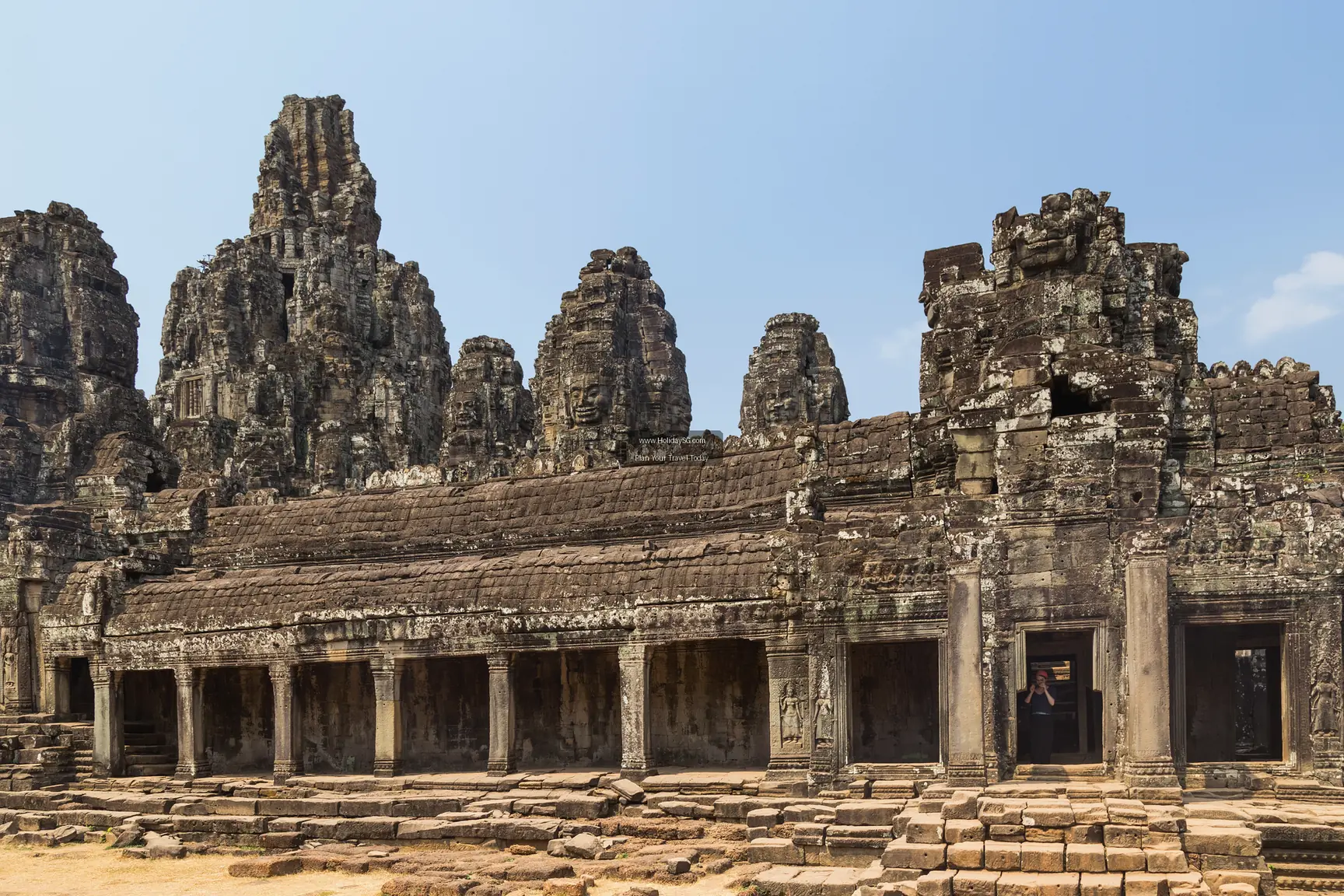
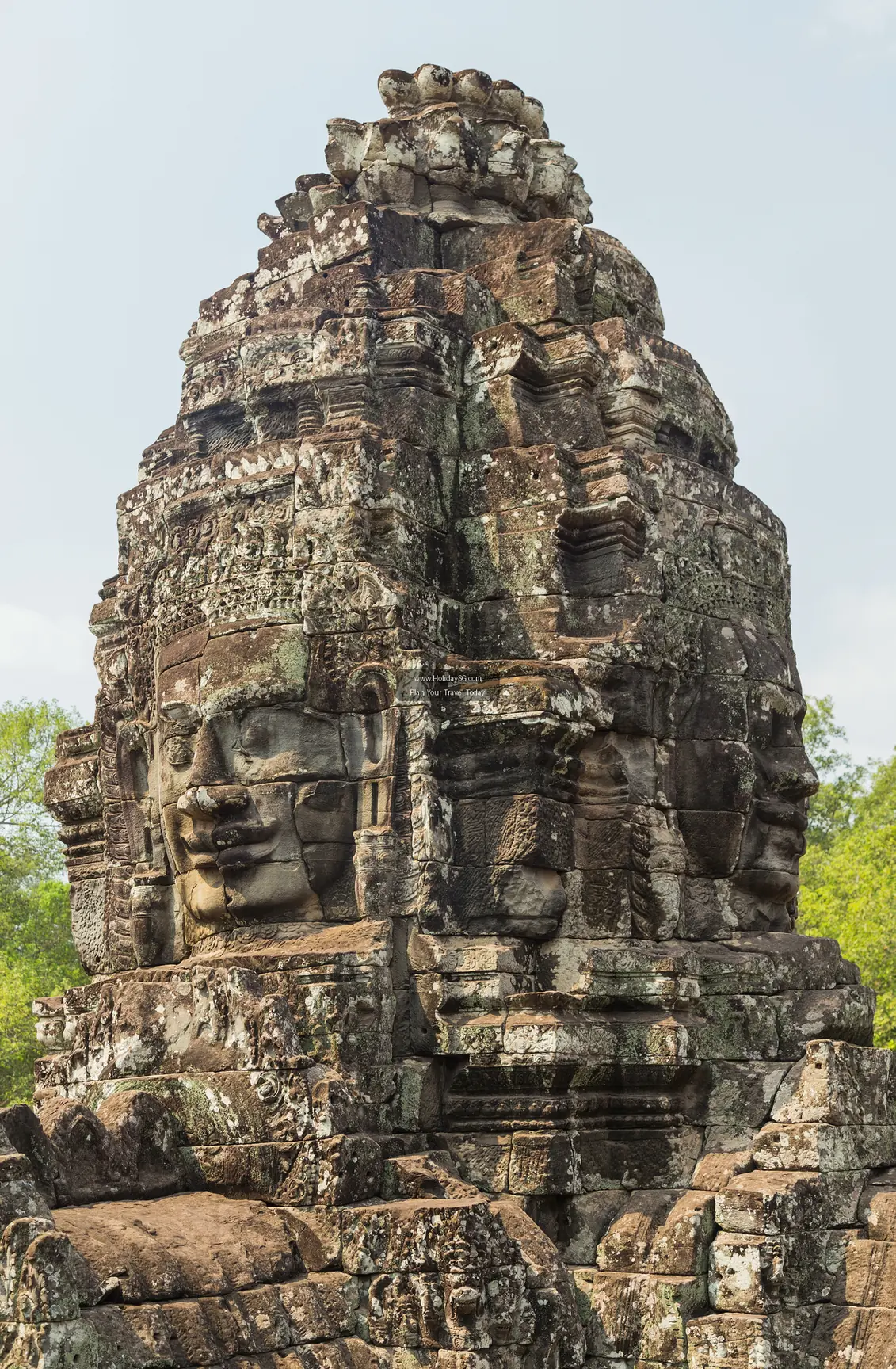
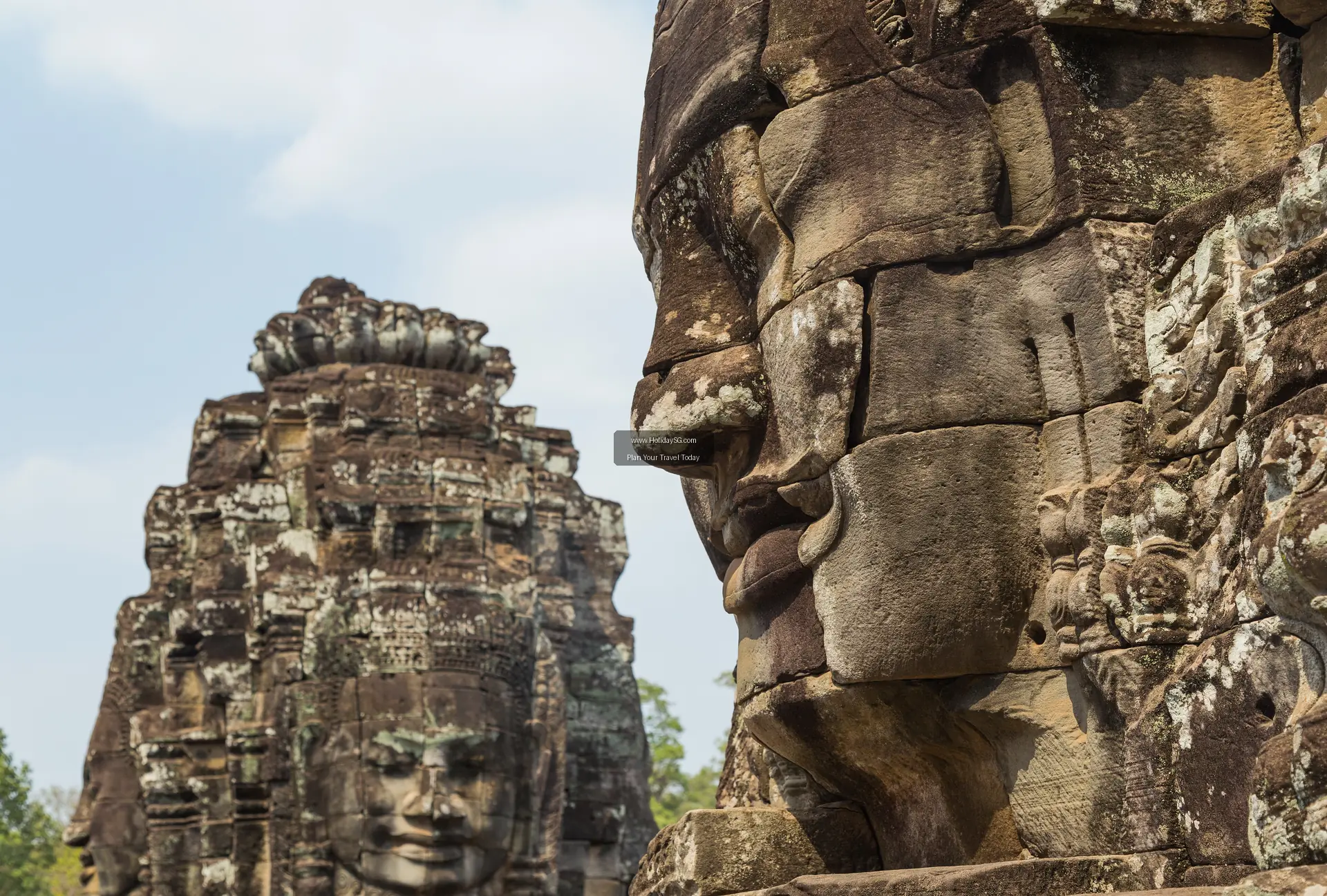
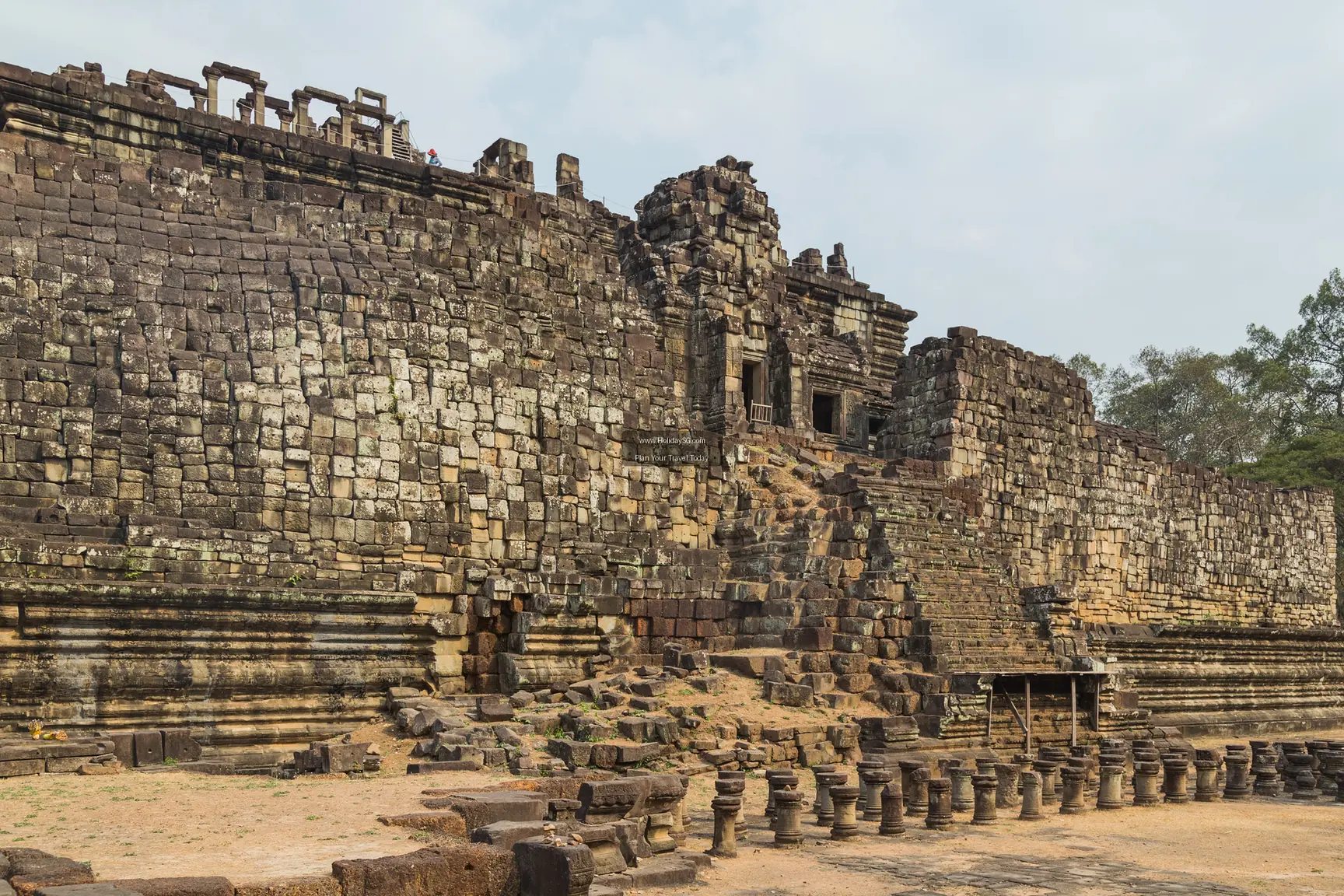
Siem Reap and Angkor Wat: No trip to Cambodia is complete without visiting Angkor Wat, the world’s largest religious monument. The temple complex is vast, so plan at least 2–3 days to explore highlights like Bayon (with its iconic smiling faces), Ta Prohm (the “Tomb Raider” temple), and Banteay Srei (known for its intricate carvings). Buy a multi-day pass (USD $37 for 1 day, USD $62 for 3 days, or USD $72 for 7 days) to avoid rushing.
Phnom Penh: Cambodia’s capital is a mix of history and modernity. Visit the Royal Palace and Silver Pagoda for a glimpse of the country’s royal heritage, then pay your respects at the Tuol Sleng Genocide Museum and Killing Fields to learn about the Khmer Rouge era. The riverside area comes alive at night with bars, restaurants, and live music.
Sihanoukville and Koh Rong: For beach lovers, these coastal destinations offer white sand, turquoise water, and laid-back vibes. Koh Rong’s Long Beach is perfect for swimming and snorkeling, while Otres Beach in Sihanoukville has a bohemian atmosphere. Nightlife ranges from beachfront bars to full-moon parties.
Battambang: This charming riverside town is known for its colonial architecture, bamboo train (a must-try adventure!), and countryside charm. Don’t miss the Bat Caves at sunset, where millions of bats spiral into the sky—a surreal natural spectacle.
Kampot and Kep: These scenic towns are ideal for slow travel. Explore Kampot’s pepper plantations, take a sunset river cruise, or hike to Bokor Hill Station for panoramic views. In Kep, feast on fresh crab at the Crab Market and relax on Rabbit Island for a taste of island life.
**Getting Around: Transport Tips for Smooth Travel**
Cambodia’s transport options range from convenient to adventurous. Here’s how to navigate them like a pro:
Tuk-Tuks and Taxis: Tuk-tuks are the most popular way to get around cities. Always negotiate the fare before hopping in—expect to pay USD $2–$5 for short trips in Siem Reap or Phnom Penh. For a hassle-free experience, use ride-hailing apps like PassApp or Grab, which offer fixed prices and English-speaking drivers.
Intercity Buses: For long-distance travel, buses are the safest and most comfortable option. Companies like Giant Ibis and Mekong Express offer air-conditioned buses with Wi-Fi and reclining seats. A ticket from Phnom Penh to Siem Reap costs around USD $15, while the journey to Sihanoukville is USD $12–$18. Book tickets in advance during peak season.
Domestic Flights: Cambodia’s domestic flight options are limited but convenient for covering long distances quickly. Cambodia Angkor Air operates routes between Siem Reap, Phnom Penh, and Sihanoukville. Flights cost USD $70–$120 one-way and take about an hour.
Motorbike Rentals: Adventurous travelers can rent a motorbike (USD $5–$15/day) to explore at their own pace. However, road conditions can be challenging, and traffic in cities is chaotic. Always wear a helmet, carry an international driver’s permit, and check your travel insurance covers motorbike accidents.
Private Transfers: For a stress-free journey between cities, consider a private transfer. These services offer door-to-door convenience, English-speaking drivers, and flexible schedules—ideal for families or groups.
**Cultural Etiquette: Dos and Don’ts for Respectful Travel**
Cambodians are warm and welcoming, but observing local customs will earn you respect and enhance your experience.
Dress Modestly: Cover your shoulders and knees when visiting temples or religious sites. In cities, lightweight, breathable clothing is ideal, but avoid revealing outfits in rural areas.
Greetings: The traditional greeting is the sampeah—press your palms together in a prayer-like gesture and bow slightly. Use it when greeting elders or in formal settings. A simple “Suos-dey” (hello) and “Aw-koon” (thank you) go a long way in showing respect.
Temple Visits: Remove your shoes before entering temple buildings, and avoid touching or leaning on ancient structures. Monks are highly revered—women should avoid physical contact with them.
Dining Etiquette: When eating with locals, wait for the eldest person to start the meal. Use utensils (fork and spoon are standard) or your right hand if eating with your hands. Tipping isn’t mandatory, but leaving 5–10% in restaurants is appreciated.
Avoid Offensive Gestures: Never touch someone’s head (considered sacred) or point your feet at people or objects. Public displays of affection are frowned upon, especially in rural areas.
**Health and Safety: Staying Safe and Healthy**
Cambodia is generally safe for travelers, but taking precautions will help you avoid common pitfalls.
Health Tips:
- Water: Stick to bottled or filtered water. Avoid ice in rural areas, as it may be made from tap water.
- Food: Eat at busy stalls where food is freshly cooked. Avoid raw salads or unpeeled fruits that may have been washed in tap water.
- Vaccinations: Recommended vaccines include hepatitis A and B, typhoid, and tetanus. Dengue fever is a risk year-round, so use mosquito repellent and wear long sleeves at dawn and dusk.
- Medical Care: Pharmacies are widely available, but for serious issues, visit international clinics in Phnom Penh or Siem Reap (e.g., Royal Phnom Penh Hospital or Angkor Hospital for Children).
Safety Tips:
- Scams: Be wary of tuk-tuk drivers offering “cheap tours” or overcharging for rides. Agree on a price before starting your journey. In Siem Reap, some drivers may take you to commission-based shops—politely decline if you’re not interested.
- Petty Theft: Keep valuables secure in crowded areas like markets or bus stations. Use a money belt or anti-theft bag, and avoid flashing expensive jewelry or electronics.
- Solo Travel: Cambodia is generally safe for solo travelers, but take standard precautions. Avoid walking alone at night in poorly lit areas, and trust your instincts if a situation feels off.
Emergency Contacts:
- Police: 117
- Ambulance: 119
- Fire: 118
**Staying Connected: Internet and SIM Cards**
Staying connected in Cambodia is easy and affordable. Wi-Fi is widely available in hotels, cafes, and restaurants, but for reliable data on the go, pick up a local SIM card.
Buying a SIM Card: Purchase SIM cards at airports, convenience stores, or official provider shops. The main providers are Cellcard, Smart, and Metfone, all offering good coverage in cities and tourist areas. A SIM card costs around USD $1–$2, and data packages start at USD $2–$5 for 1–5GB.
For hassle-free connectivity, consider an eSIM package. These digital SIMs let you activate data instantly upon arrival, without needing to swap physical cards. Options like Commbitz or Airalo offer flexible plans for short or long stays.
Pro Tip: Download offline maps (e.g., Maps.me) and translation apps (e.g., Google Translate) before your trip. While English is spoken in tourist areas, Khmer is the dominant language elsewhere.
**Language Basics: Key Khmer Phrases to Know**
While English is widely spoken in tourist hubs, learning a few Khmer phrases will enrich your interactions with locals.
- Hello: Suos-dey (formal) / Jum-reap suos (casual)
- Thank you: Aw-koon
- How much?: Tlay pon-maan?
- Where is…?: …naa?
- Yes/No: Baat/Jah
- Cheers (when drinking): Chul mouy!
- Delicious: Ch’nganh
Cambodians appreciate even basic attempts to speak their language, so don’t be shy to practice!
**Answering Common Traveler Questions**
Is Cambodia safe for solo travelers?
Yes, Cambodia is generally safe for solo travelers, including women. Stick to well-populated areas, avoid walking alone at night, and use reputable transport options. Solo female travelers should dress modestly to avoid unwanted attention.
How many days do you need for Angkor Wat?
For a thorough visit, plan 3–5 days. A 1-day pass lets you see the highlights, but a 3-day pass allows for a deeper exploration of lesser-known temples. If you’re short on time, focus on Angkor Wat, Bayon, and Ta Prohm in one day.
Can I use credit cards in Cambodia?
Credit cards are accepted in hotels, upscale restaurants, and some shops in cities, but cash is preferred in rural areas and markets. Always carry small USD bills for convenience.
What’s the tipping culture in Cambodia?
Tipping isn’t mandatory, but it’s appreciated for good service. In restaurants, leave 5–10% of the bill. For guides and drivers, USD $5–$10 per day is generous. In temples, small donations (USD $1–$2) are welcome.
What should I pack for Cambodia?
- Clothing: Lightweight, breathable fabrics (long sleeves/pants for temples and sun protection).
- Footwear: Comfortable sandals or walking shoes (you’ll remove them often at temples).
- Essentials: Sunscreen, insect repellent, a reusable water bottle, and a rain jacket (if visiting during the rainy season).
- Electronics: Universal adapter (Type A/C plugs), power bank, and a waterproof phone case for boat trips.
**Recommended HolidaySG Tours**
Planning your Cambodia adventure? These tours and services can help you travel smarter:
- Commbitz Cambodia E-SIM Daily – Stay connected with affordable daily data plans.
- Cambodia Unlimited 4G/5G Data eSIM – Enjoy high-speed data for your entire trip.
- Private Transfer: Phnom Penh to Battambang (or Back) – Comfortable, door-to-door transfers between cities.
**Final Tips for an Unforgettable Trip**
Cambodia is a country of contrasts—where ancient temples stand alongside bustling cities, and serene beaches meet lush jungles. To make the most of your visit:
- Respect local customs: Dress modestly, greet people warmly, and follow temple etiquette.
- Stay flexible: Embrace the slower pace of life and unexpected detours—they often lead to the best experiences.
- Support local businesses: Eat at family-run restaurants, shop at markets, and hire local guides to give back to the community.
- Leave room for spontaneity: Some of Cambodia’s best moments happen when you wander off the beaten path.
Whether you’re marveling at Angkor Wat at sunrise, savoring fresh crab in Kep, or cruising the Mekong River, Cambodia promises a journey filled with warmth, wonder, and unforgettable memories. Ready to explore? Stay connected effortlessly with our Commbitz Cambodia E Sim Daily and start planning your adventure today!
Book these with HolidaySG:
Book with HolidaySG online for Commbitz Cambodia E Sim Daily, Commbitz Cambodia E Sim Package, Cambodia Unlimited 4g5g Data Esim.
More Photos from HolidaySG
“`html
Book with HolidaySG online for Commbitz Cambodia E Sim Daily, Commbitz Cambodia E Sim Package, Cambodia Unlimited 4g5g Data Esim.
Book these with HolidaySG:
Frequently Asked Questions
Where can I book this / what’s the link?
Do foreigners (non-citizens) need a different ticket, price, or visa for Cambodia?
What is the best time (season, or time of day for the site/activity) to go?
How long should I spend in Cambodia?
What are typical costs for a trip to Cambodia?
How do I get to Cambodia from Singapore?
Is Cambodia family-friendly?
What should I pack for a trip to Cambodia?
Are there accessibility options for travelers with disabilities in Cambodia?
What safety tips should I know for traveling in Cambodia?
What’s the weather like in Cambodia throughout the year?
What local etiquette should I be aware of when visiting temples?
Where can I find good food near major attractions in Cambodia?
What are some must-see attractions besides Angkor Wat?
How can I get around within cities like Phnom Penh?
What currency is used in Cambodia, and how should I handle money?
Are there any health precautions I should take before traveling to Cambodia?
What languages are spoken in Cambodia, and is English widely understood?
How can I stay connected with internet access while in Cambodia?
What are some cultural dos and don’ts in Cambodia?
What things cost in Cambodia
Live HolidaySG prices for the experiences in this guide, so you can sanity-check a budget before you commit.
| Experience | Where | From price |
|---|---|---|
| 4 Hours Phnom Penh Capital Tour by Cyclo | Phnom Penh | From S$102.41 |
| Chamka Sne Boat Ticket | Phnom Penh | From S$16.00 |
| Angkor Lounge Siem Reap-Angkor International Airport | Siem Reap | From S$37.06 |
| (Free e-SIM) Classic Angkor Wat Sunrise or Sunset Full DayTour | Siem Reap | From S$16.40 |
| Siem Reap Car Charter Small Circle or Big Circle Tour with sun... | Siem Reap | From S$26.33 |
| Siem Reap Happy Horse Riding | Siem Reap | From S$85.64 |
| Tonle Sap half-day tour with free Hi-Tea at Shitamini hotel | Siem Reap | From S$94.16 |
| Cooking class at Shinta Mani | Siem Reap | From S$76.65 |