
Planning a trip to Singapore and feeling a bit anxious about common travel tales? You’re not alone. Many a tourist worries about the Lion City’s myths, some accurate, others wildly off the mark. These Singapore travel myths every tourist should know can create unnecessary worry or set unrealistic expectations for your adventure. This guide is here to separate fact from fiction, arming you with the knowledge you need to explore Singapore’s vibrant streets, lush gardens, and rich culture with total confidence.
Singapore is more affordable, greener, and easier to navigate than you might think. Many common myths about strict laws, high costs, and a lack of nature are simply outdated or misunderstood. Don’t let misconceptions hold you back from an amazing trip.
Separating Fact from Fiction: Singapore’s Biggest Myths
Why do these myths persist? Singapore’s global reputation for efficiency, cleanliness, and strict rules often gets simplified into caricature. The reality is a wonderfully complex, welcoming, and surprisingly diverse destination. Let’s debunk the most common myths so you can plan your visit based on reality.
Myth 1: Singapore is Only for the Rich
Ready to go? Book Singapore M1 5g Tourist Simesim Airport City Pick Up with HolidaySG.
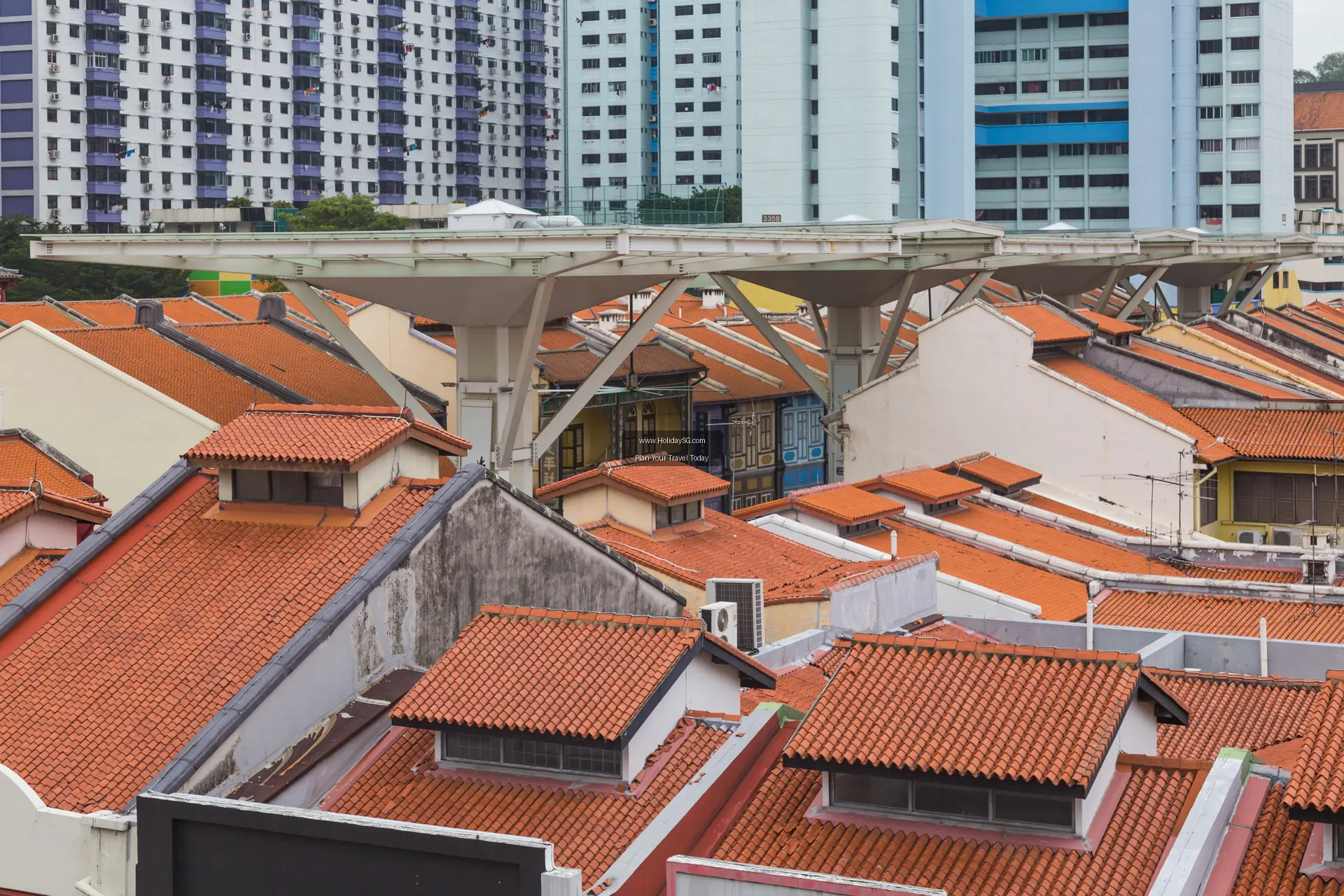
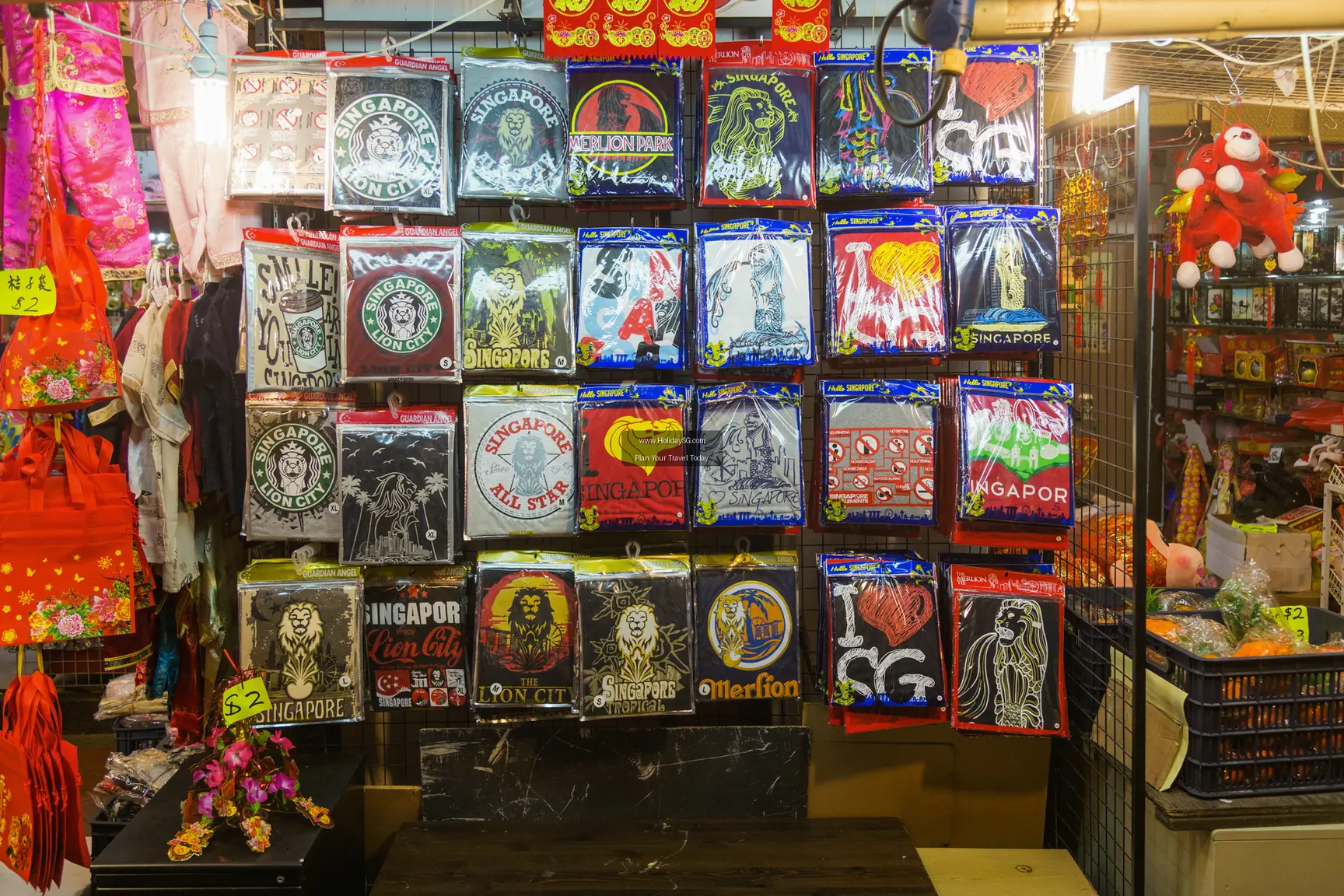
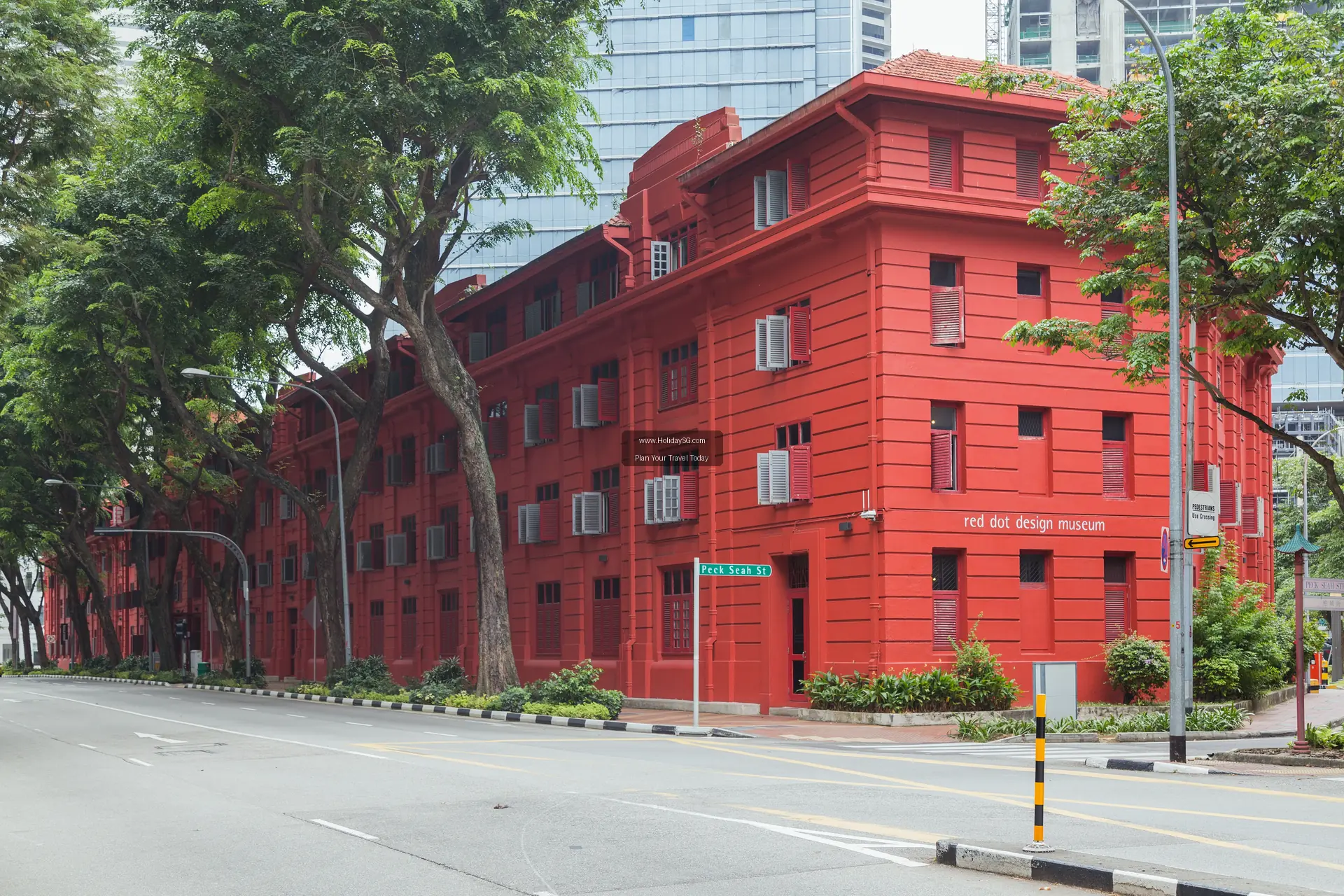
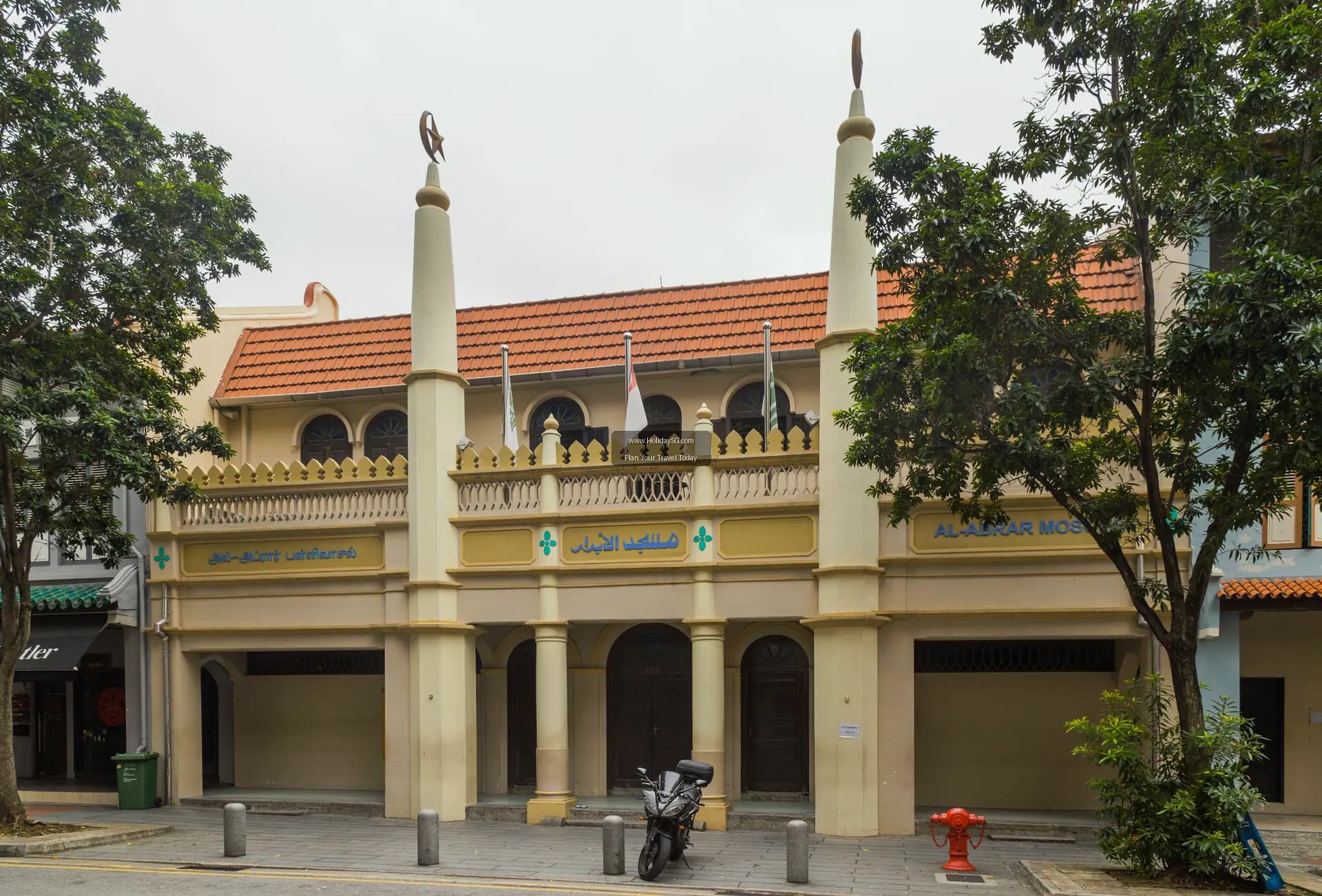
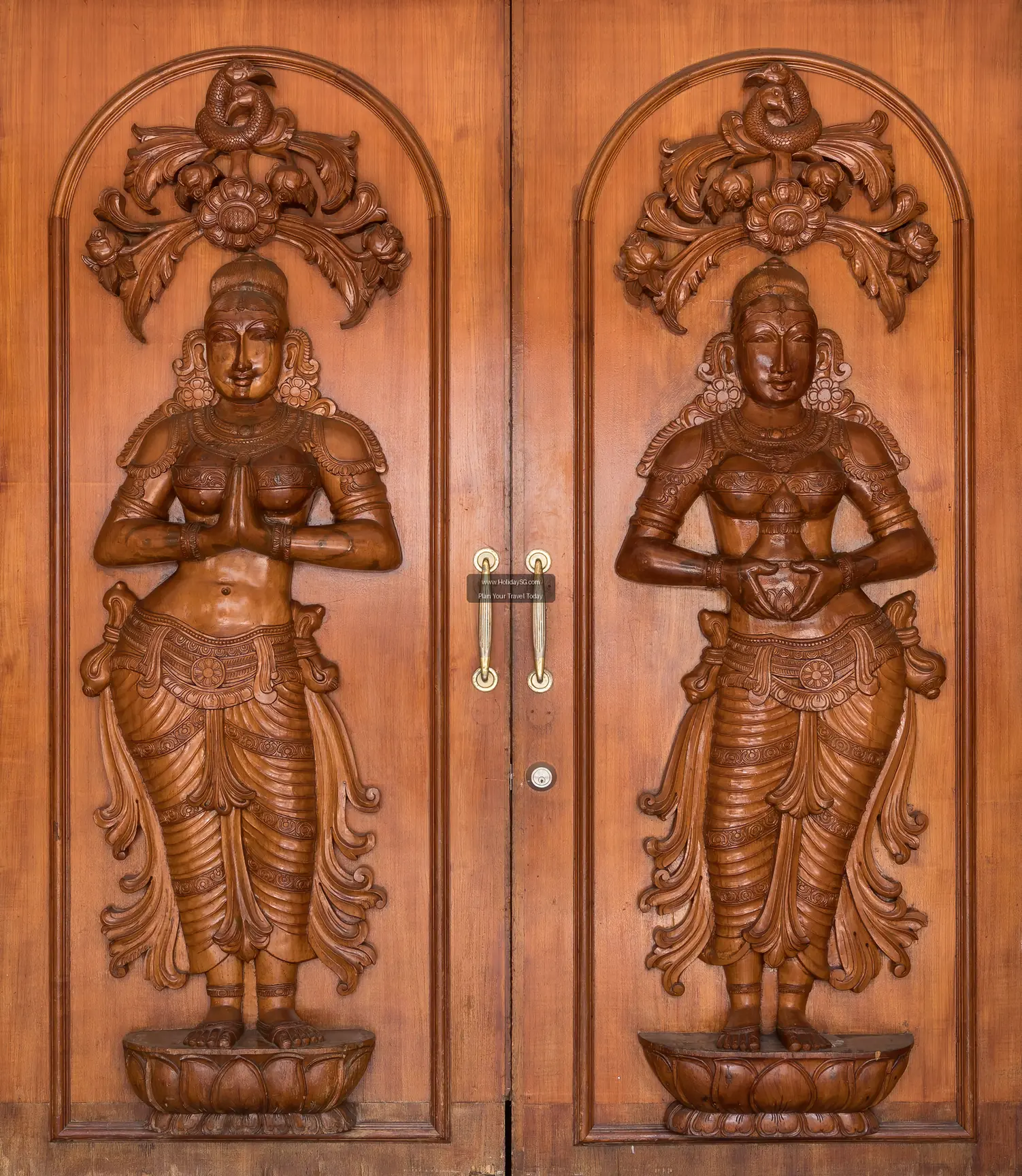
The notion that Singapore is prohibitively expensive is perhaps the most persistent myth. While it’s true that luxury hotels and fine dining come with a premium, savvy travelers can experience the city’s highlights without breaking the bank.
Bountiful Free Attractions
A huge part of Singapore’s charm is completely free. The breathtaking outdoor gardens at Gardens by the Bay, including the Supertree Grove, cost nothing to wander through. You can hike through the primary rainforest of Bukit Timah Nature Reserve, stroll the vibrant trails of the Southern Ridges, and visit stunning temple complexes like Sri Veeramakaliamman and the Buddha Tooth Relic Temple without an entrance fee.
Delicious Eats at Hawker Centres
Forget expensive restaurants for every meal. Singapore’s UNESCO-recognised hawker centres are the heart of its food culture and your best friend on a budget. Here, you can feast on Michelin-recommended dishes like chicken rice, laksa, or chilli crab for just S$4 to S$10. Maxwell Food Centre, Lau Pa Sat, and Tiong Bahru Market are legendary spots where locals and tourists dine side-by-side.
Smart Budgeting Tips
Complementing good food is affordable travel. A Singapore Tourist Pass offers unlimited travel on buses and trains for 1-3 days, making it a cost-effective choice if you plan to hop around frequently. Many attractions, like the Singapore Zoo and Universal Studios Singapore, are cheaper when booked online in advance.
Myth 2: Strict Laws You’ll Accidentally Break
Singapore’s reputation for being strict can make visitors nervous, but the laws are generally clear and reasonable. You’re very unlikely to “accidentally” break a serious rule.
The Chewing Gum Myth
Let’s clear this up once and for all. The sale and importation of chewing gum are banned for public health reasons, primarily to keep public transport clean. However, possession of a small amount for personal use is not a prosecutable offence. You won’t be fined for chewing gum you brought with you, but you definitely can’t buy it at a convenience store. Therapeutic gum (for nicotine or dental health) is available at pharmacies with a valid ID.
The Alcohol Curfew
There is no blanket public drinking ban. The “Liquor Control (Supply and Consumption) Act” simply restricts the sale and consumption of takeaway alcohol in specific “Liquor Control Zones” during late-night hours (typically 10:30 PM to 7:00 AM on Fridays, Saturdays, and the eve of public holidays). These zones include popular nightlife areas like Clarke Quay, Boat Quay, and parts of Little India. Drinking at a bar or restaurant within these hours is perfectly fine. For exploring these areas, you might find a private city tour helpful for getting oriented.
Tipping is Mandatory
This is incorrect. Most restaurants and hotels automatically add a 10% service charge to the bill. This is distributed to the staff. Therefore, additional tipping is not expected and can even be considered awkward. At hawker centres, coffee shops, and taxis, there is no service charge and no expectation to tip at all.
Myth 3: It’s a Concrete Jungle with No Nature
Ready to go? Book Singapore M1 5g Tourist Simesim Airport City Pick Up with HolidaySG.
This myth is spectacularly false. Singapore proudly brands itself a “City in a Garden,” and its commitment to integrating nature into urban life is a core part of its identity.
Extensive Green Spaces
Over 50% of the island is covered in greenery. The network of Park Connectors links parks and green spaces across the island, creating fantastic corridors for walking, cycling, and jogging. Beyond the famous Gardens by the Bay, you have the 64-acre Singapore Botanic Gardens (a UNESCO World Heritage site), the wild and wonderful MacRitchie Reservoir with its TreeTop Walk, and the coastal wetlands of Sungei Buloh Wetland Reserve.
A Climate-Controlled Oasis
When you need a break from the tropical humidity, Singapore’s climate-controlled attractions are world-class. You can “visit” different climate zones at Cloud Forest and Flower Dome, play in the snow at Snow City, or explore vast underground malls. The city’s extensive use of air-conditioning in transport, malls, and eateries provides constant respite.
Myth 4: Difficult Logistics and Navigation
Fear not: Singapore is one of the easiest cities in the world for tourists to navigate.
Changi Airport: Close to the Action
Changi Airport is not far from the city. It’s a well-connected transport hub. The MRT (East-West Line) runs directly from the airport to the city centre in about 20-30 minutes for just a few dollars. Taxis and ride-hailing services are affordable and plentiful, also taking about 20 minutes to reach the core tourist districts. To stay connected from the moment you land, consider picking up a SIM card with airport pickup for immediate, hassle-free data.
The MRT: A Model of Efficiency
The MRT system is exceptionally user-friendly. Signs and announcements are in English (and other official languages). Maps are clear, and stations are clean and safe. You can use contactless payment methods like your Visa/Mastercard or purchase a stored-value travel card. A tourist-oriented pass is another simple option. The system is intuitive and removes the stress from getting around.
English is Everywhere
There is no language barrier for English speakers. English is one of Singapore’s four official languages and is the primary language of government, business, education, and all public signage. You can communicate effortlessly with almost everyone you meet.
Myth 5: Safety and Security Concerns
Ready to go? Book Singapore M1 5g Tourist Simesim Airport City Pick Up with HolidaySG.
Let’s address the worry about crime head-on. Singapore consistently ranks as one of the safest cities in the world. The overall crime rate is remarkably low, and violent crime is extremely rare. Walking around at night, even in less crowded areas, is generally very safe.
Of course, standard travel precautions still apply. Be aware of your belongings in crowded places, use licensed taxis or ride-hailing apps, and exercise common sense. But the constant, low-level anxiety about theft or personal safety that can accompany travel elsewhere is largely unnecessary here. You can focus your energy on exploration, not on watching your back.
Myth 6: Practical Planning Myths
A few logistical myths can cause unnecessary pre-trip stress. Let’s set the record straight.
Visa Requirements: Easier Than You Think
You do not need a visa for all stays. Many nationalities, including citizens of Singapore, most ASEAN countries, the United States, the European Union, Australia, and the United Kingdom, enjoy visa-free entry for periods ranging from 30 to 90 days. Always check the official Singapore government immigration website for your specific nationality before travelling, but for most tourists, it’s a simple stamp on arrival.
Best Time to Visit: A Year-Round Destination
There is no single “best” time to visit Singapore. As a tropical island near the equator, it has two main monsoon seasons. The drier period (February to April) is popular, but the “wetter” months (October to January) often mean cooler mornings and afternoons, with rainfall typically in brief, heavy bursts. The shoulder seasons (March-May, September-November) can offer slightly fewer crowds. Essentially, Singapore is a fantastic destination any time of year – just pack an umbrella!
Recommended HolidaySG Tours
Ready to go? Book Singapore M1 5g Tourist Simesim Airport City Pick Up with HolidaySG.
Ready to explore? Here are some highly-rated experiences and essential travel tools to enhance your Singapore adventure.
- Singapore Tourist Pass 1/2/3/4/5 Day – Your all-in-one key for unlimited public transport.
- Singapore M1 5G Tourist SIM with Airport City Pick Up – Get connected the moment you land.
- UlaCab Singapore Private City Tour (Day) – A convenient, air-conditioned way to see the highlights with a local guide.
- Universal Studios Singapore Universal Express – Skip the lines and maximize your fun at the iconic theme park.
- SIM Card Singapore Malaysia Indonesia Thailand Data Plan – Perfect for multi-country trips in the region.
Travel Singapore with Confidence
Now that the myths are dispelled, you can see Singapore for what it truly is: an accessible, safe, and incredibly diverse city-state that balances urban innovation with profound respect for nature. It’s a place where you can budget comfortably, navigate with ease, and explore everything from serene temples to futuristic super-trees. Embrace the real Singapore, and you’re guaranteed an unforgettable journey. Similar to what we cover in our guide to Essential Singapore Food Experiences, keeping an open mind will lead you to the best adventures.
For more insights on planning your perfect itinerary, check out our guide to 48 Hours in Singapore and start dreaming up your trip today.
Ready to explore? Check out our Singapore M1 5g Tourist Simesim Airport City Pick Up for hassle-free connectivity from the moment you land.
Book with HolidaySG online for Singapore M1 5g Tourist Simesim Airport City Pick Up, Sim Card Singapore Malaysia Indonesia Thailand Data Plan Tourist Simcard Internet Travel Package Total Data, Singapore Tourist Pass 12345 Day.
Frequently Asked Questions
Where can I book Singapore attractions and services like SIM cards or tours?
You can book various Singapore travel services and attractions through trusted online platforms. For SIM cards, consider options like the Singapore M1 5G Tourist SIM with Airport Pickup or the Multi-Country Data Plan Tourist SIM Card for connectivity across Singapore and nearby regions. For city tours, you can book a Private City Tour for a personalized experience. To skip lines at Universal Studios, opt for the Universal Express pass. For unlimited public transport, the Singapore Tourist Pass is ideal for 1 to 5 days of travel.
Do foreigners (non-citizens) need a different ticket, price, or visa for Singapore?
Generally, foreigners do not need different tickets or prices for attractions like Universal Studios, as ticket costs are usually the same for all tourists. However, visa requirements vary by nationality. Many countries allow visa-free entry for short stays, but some may require a visa. For accurate, up-to-date information, I recommend checking the official Immigration & Checkpoints Authority of Singapore website or consulting your local Singapore embassy before traveling.
What is the best time (season, or time of day for the site/activity) to go?
The best time to visit Singapore is during the dry season, from February to April, when rainfall is lower and humidity is more manageable. For specific attractions like Universal Studios, weekdays or early mornings are best to avoid crowds. Outdoor sites like Gardens by the Bay are pleasant in the early evening to enjoy the lights, while beaches like Sentosa are ideal during sunny afternoons.
How long should I spend in Singapore to see the main highlights?
For first-time visitors, 3 to 5 days is ideal to cover major attractions such as Marina Bay Sands, Gardens by the Bay, Sentosa Island, and cultural districts like Chinatown and Little India. If you want a deeper dive into food, shopping, and offbeat spots, consider extending to a week. A well-planned itinerary can make even a shorter stay fulfilling.
What is the typical cost of a trip to Singapore, including accommodation and meals?
Singapore can range from budget to luxury. Budget travelers might spend SGD 100-150 per day on hostel stays, hawker food, and public transport. Mid-range travelers should expect SGD 200-400 per day for hotels, restaurant meals, and some attractions. Luxury travelers could spend SGD 500 or more daily. Costs vary, so booking in advance and using tourist passes can help save money.
How do I get from Changi Airport to the city center?
Changi Airport is well-connected to the city. The MRT (Mass Rapid Transit) is affordable and efficient, with rides taking about 30 minutes to central areas. Taxis and ride-hailing services like Grab are available but cost more. For a hassle-free option, consider pre-booking airport transfers or using services like the Singapore M1 5G Tourist SIM with Airport Pickup for seamless arrival.
Is Singapore a family-friendly destination for tourists with children?
Yes, Singapore is highly family-friendly. Attractions like Universal Studios, S.E.A. Aquarium, and the Singapore Zoo cater to all ages. Public spaces are clean and safe, with many playgrounds and kid-friendly eateries. Stroller access is common, and public transport is convenient for families.
What should I pack for a trip to Singapore’s tropical climate?
Pack lightweight, breathable clothing like cotton shirts, shorts, and dresses due to the hot and humid weather. Bring an umbrella or light rain jacket for sudden showers. Comfortable walking shoes are essential, and don’t forget sunscreen, sunglasses, and a hat. A reusable water bottle helps stay hydrated.
Are there accessibility options for tourists with disabilities in Singapore?
Singapore is wheelchair-friendly with many attractions offering ramps, elevators, and accessible restrooms. Public transport, including MRT stations and buses, has provisions for mobility devices. However, it’s advisable to check specific venues in advance and consider guided tours for tailored accessibility support.
Is Singapore safe for solo travelers or tourists in general?
Singapore is one of the safest cities in the world for travelers. Crime rates are low, and the city is well-policed. Solo travelers can explore with confidence, but standard precautions like safeguarding belongings in crowded areas are still recommended. Emergency services are reliable and easily reachable.
What is the weather like in Singapore throughout the year?
Singapore has a tropical climate with year-round temperatures between 25°C and 31°C. It’s humid, with a monsoon season from November to January bringing heavier rain. The drier months are from February to April. Regardless of the season, expect occasional rain showers and pack accordingly.
What local etiquette and customs should tourists be aware of in Singapore?
Respect is key: avoid chewing gum in public, as it’s banned, and don’t litter, which carries heavy fines. When visiting religious sites, dress modestly. Tipping is not customary as service charges are often included. Using both hands to give or receive items is polite, and always queue patiently.
Where can I find authentic and affordable local food in Singapore?
For authentic Singaporean dishes, head to hawker centres like Maxwell Food Centre, Lau Pa Sat, or Newton Food Centre. You can enjoy local favorites like chicken rice, laksa, and chili crab at budget-friendly prices. For a broader search, use apps like Google Maps to discover hidden gems in neighborhoods like Tiong Bahru or Bedok.
What are the must-see attractions in Singapore beyond the usual tourist spots?
Beyond Marina Bay, explore the historic Kampong Glam with its street art and cafes, or the serene MacRitchie Reservoir for nature walks. The Jewel Changi Airport is a destination in itself with its indoor waterfall. For culture, visit the National Gallery Singapore or the Peranakan Museum.
How does public transportation work in Singapore, and is it easy to use?
Singapore’s public transport is efficient and user-friendly. The MRT system covers most of the city, complemented by an extensive bus network. You can use a Singapore Tourist Pass for unlimited rides, or a contactless card like EZ-Link for convenience. Apps like MyTransport.SG provide real-time updates.
Are there cultural or religious sites that tourists should visit in Singapore?
Yes, Singapore’s multicultural tapestry includes sites like the Thian Hock Keng Temple in Chinatown, Sri Veeramakaliamman Temple in Little India, and the Sultan Mosque in Kampong Glam. These offer insights into the country’s diverse heritage. Remember to dress respectfully when visiting.
What currency is used in Singapore, and can I use credit cards or mobile payments?
The currency is the Singapore Dollar (SGD). Credit cards are widely accepted, especially Visa and Mastercard, and mobile payments like Apple Pay and Google Pay are common. For smaller vendors or hawker centres, cash is useful, and ATMs are readily available.
Do I need to tip service staff in Singapore?
Tipping is not mandatory in Singapore, as a 10% service charge is typically included in restaurant bills. For exceptional service at hotels or taxis, rounding up the fare or leaving small change is appreciated, but it’s not expected.
What are some common tourist scams in Singapore, and how can I avoid them?
Scams are rare in Singapore, but be cautious of overfriendly strangers offering unsolicited help with luggage or tours, which might lead to inflated costs. Always use official taxis or ride-hailing apps, and book tours through reputable providers like the ones linked above to ensure authenticity.
Can tourists drive in Singapore with a foreign license?
Tourists can drive in Singapore with a valid foreign license, but an International Driving Permit (IDP) is recommended for licenses not in English. Note that driving in Singapore can be expensive due to congestion charges and high parking fees. Public transport is often a more practical choice for tourists.
What things cost in Singapore
Live HolidaySG prices for the experiences in this guide, so you can sanity-check a budget before you commit.
| Experience | Where | From price |
|---|---|---|
| Shirakawa Day Tour from Nagoya: One-day tour of Shirakawa-go w... | Nagoya | From S$50.03 |
| #INSTAWALK: BUGIS, WATERLOO, KAMPONG GLAM | Singapore | From S$45.32 |
| +Twelve | Singapore | From S$127.05 |
| ABOUT MR. LEE | Singapore | From S$66.17 |
| Harry Potter Visions of Magic | Singapore | From S$41.79 |
| Action Motion | Singapore | From S$37.07 |
| Adventure HQ | Singapore | From S$65.55 |
| Alphard / Vellfire | Singapore | From S$34.43 |