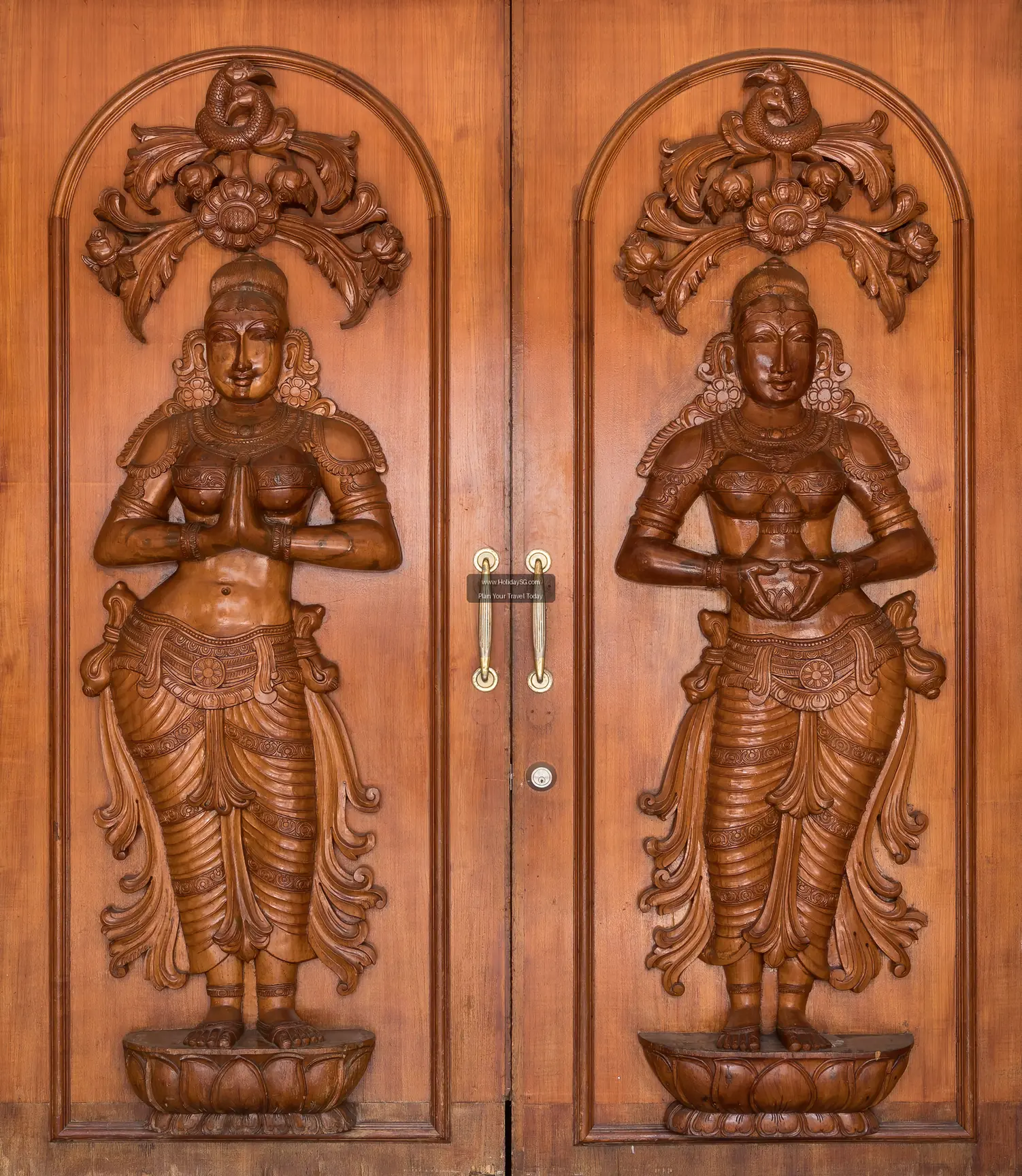
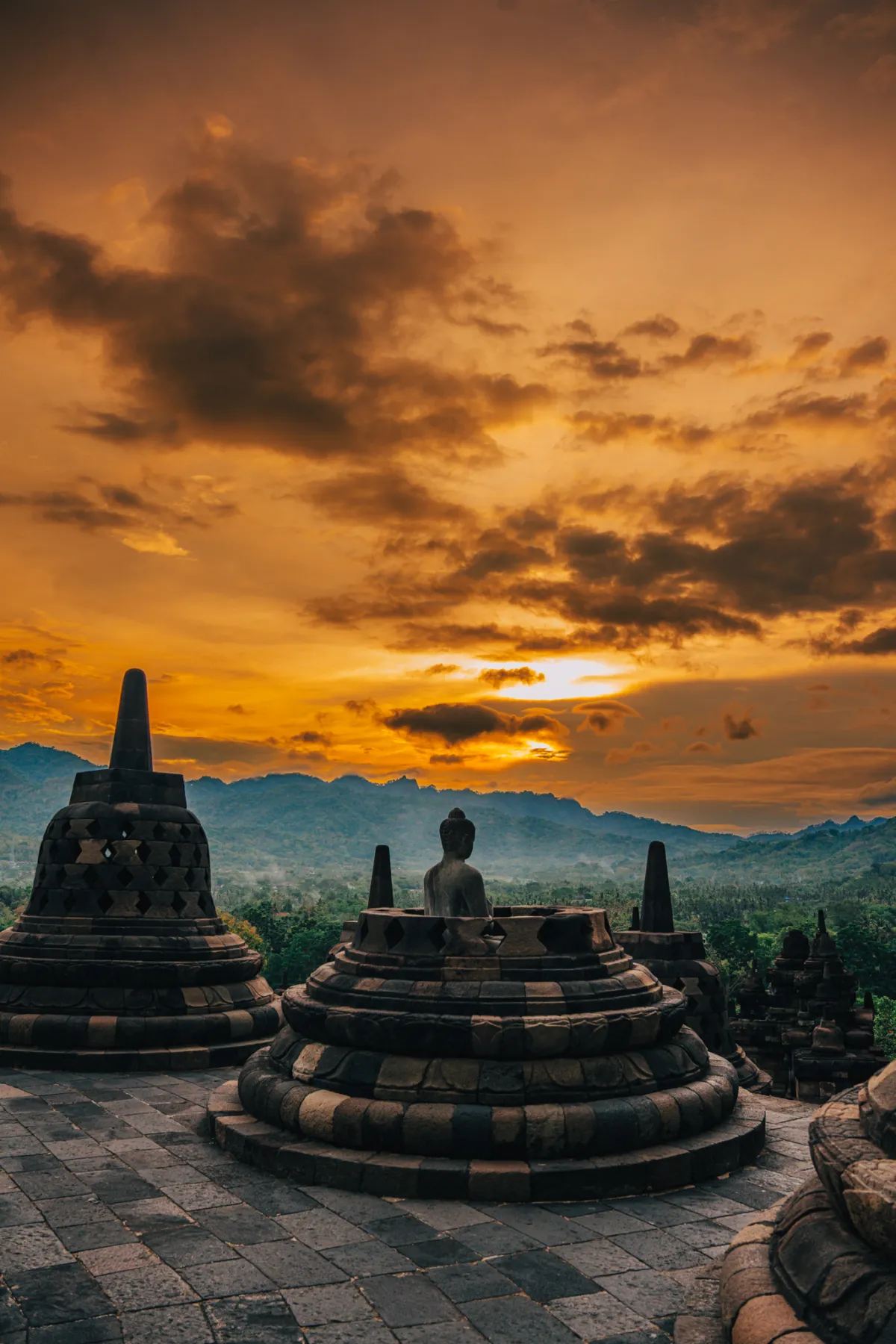

| The Tirta Empul Temple Guide is your complete resource for exploring one of Bali’s most sacred and culturally significant temples. Located in the village of Manukaya near Ubud, Tirta Empul Temple is famous for its holy spring water, traditional purification rituals, ancient Balinese architecture, and deep spiritual importance. |
| Built around a natural spring that has been flowing for centuries, Tirta Empul is one of Bali’s most important Hindu water temples. The name “Tirta Empul” means “holy water spring”, reflecting the temple’s central feature: a sacred spring believed by Balinese Hindus to have spiritual cleansing properties. |
| Unlike typical tourist attractions, Tirta Empul offers visitors a chance to experience the living culture of Bali. The temple is still actively used for religious ceremonies, prayers, and purification rituals by local communities. Visitors can witness traditional offerings, beautifully dressed worshippers, and centuries-old customs that continue today. |
| The most famous experience at Tirta Empul is the Melukat purification ritual, where worshippers bathe under a series of holy water fountains while offering prayers. Travellers who wish to participate can do so respectfully by following temple rules and guidance from locals or guides. |
| The temple is surrounded by lush tropical landscapes, traditional villages, and rice fields, creating a peaceful atmosphere away from Bali’s busy coastal areas. Its combination of spirituality, history, architecture, and natural beauty makes it one of the best cultural attractions near Ubud. |
| For families, Tirta Empul provides an educational cultural experience where children can learn about Balinese traditions. Couples appreciate the peaceful environment and beautiful architecture. Solo travellers enjoy the opportunity to understand local beliefs and connect with Bali’s heritage. |
| The temple is also popular among photographers because of its traditional gates, stone carvings, water pools, gardens, and ceremonial atmosphere. However, visitors should remember that Tirta Empul is an active religious site, not just a photo destination. |
| The best time to visit is early morning when the temple is quieter and the atmosphere is more peaceful. Visitors should dress modestly, respect religious activities, and follow local customs. |
| A visit to Tirta Empul Temple is more than sightseeing—it is an opportunity to experience the spiritual heart of Bali and understand the traditions that make the island unique. |
| HolidaySG Travel Tip: Combine Tirta Empul Temple with nearby attractions such as Tegallalang Rice Terrace, Ubud Monkey Forest, Goa Gajah, and Kintamani viewpoints for a complete cultural day trip. |
| Quick Information Table |
| Information |
| Attraction Name |
| Location |
| City / Area |
| Province |
| Temple Type |
| Opening Hours |
| Recommended Duration |
| Ticket Price |
| Best Time To Visit |
| Nearest Airport |
| Distance From Airport |
| Distance From Ubud |
| Family Friendly |
| Wheelchair Friendly |
| Suitable For Kids |
| Suitable For Elderly |
| About Tirta Empul Temple |
| Overview |
| Tirta Empul Temple is one of Bali’s most famous Hindu temples and an important spiritual destination for both locals and visitors. |
| The temple is built around a natural spring that feeds several pools and fountains. Balinese Hindus visit the temple for prayer, purification ceremonies, and religious offerings. |
| The temple complex includes: |
| Sacred bathing pools |
| Prayer areas |
| Traditional courtyards |
| Stone carvings |
| Balinese gateways |
| Shrines dedicated to Hindu deities |
| History of Tirta Empul Temple |
| Tirta Empul Temple was established during the Warmadewa dynasty period around the 10th century, making it over a thousand years old. |
| According to Balinese Hindu tradition, the sacred spring was created by the Hindu god Indra during a battle against the evil king Mayadenawa. The spring was believed to have healing and purification powers. |
| Over centuries, the temple became an important religious centre where Balinese communities gather for ceremonies and spiritual practices. |
| Background and Cultural Importance |
| Water holds deep spiritual meaning in Balinese Hindu culture. |
| At Tirta Empul, holy water represents: |
| Purification |
| Blessings |
| Spiritual renewal |
| Connection between humans and nature |
| The temple continues to play an important role in Balinese religious life. |
| The Sacred Spring Water Tradition |
| The main attraction of Tirta Empul is the purification pool known as Jaba Tengah. |
| The pool contains several water fountains where visitors and worshippers perform cleansing rituals. |
| The purification process usually includes: |
| 1. Preparing offerings |
| 2. Saying prayers |
| 3. Entering the holy pool |
| 4. Moving from fountain to fountain |
| 5. Receiving spiritual blessings |
| Visitors should participate respectfully and follow local instructions. |
| Religious Importance of Tirta Empul |
| Tirta Empul is considered one of Bali’s most sacred temples. |
| Important religious activities include: |
| Hindu prayers |
| Temple festivals |
| Full moon ceremonies |
| Purification rituals |
| Community gatherings |
| Many Balinese people visit throughout the year for spiritual purposes. |
| Architecture of Tirta Empul Temple |
| The temple showcases traditional Balinese architecture. |
| Key architectural features include: |
| Candi Bentar Gate |
| The split gate entrance is a classic feature of Balinese temples. |
| Stone Carvings |
| Detailed carvings represent: |
| Hindu mythology |
| Nature elements |
| Spiritual symbols |
| Temple Courtyards |
| The complex follows traditional Balinese temple design with multiple sacred areas. |
| Bathing Pools |
| The famous purification pools are the heart of the temple experience. |
| Natural Environment Around Tirta Empul |
| The temple is surrounded by beautiful countryside landscapes. |
| Visitors can enjoy: |
| Tropical gardens |
| Green rice fields |
| Village scenery |
| Fresh mountain air |
| The peaceful surroundings enhance the spiritual atmosphere. |
| Wildlife and Nature |
| The area around Tampaksiring supports Bali’s natural environment. |
| Visitors may see: |
| Tropical plants |
| Birds |
| Small wildlife species |
| Traditional farming landscapes |
| Why Is Tirta Empul Temple Famous? |
| 1. Sacred Holy Water Springs |
| The temple’s natural spring is the reason it became famous worldwide. |
| 2. Traditional Purification Rituals |
| Visitors can witness one of Bali’s most meaningful cultural practices. |
| 3. Ancient History |
| The temple has centuries of religious and cultural heritage. |
| 4. Beautiful Balinese Architecture |
| Traditional gates, carvings, and temple structures create a unique atmosphere. |
| 5. Authentic Cultural Experience |
| Unlike many tourist attractions, Tirta Empul remains an active place of worship. |
| Why Visit Tirta Empul Temple? |
| 20 Reasons To Visit |
| 1. Experience Authentic Balinese Culture |
| Tirta Empul provides a genuine look into Bali’s spiritual traditions. |
| 2. See Sacred Water Rituals |
| Visitors can observe traditional purification ceremonies. |
| 3. Learn About Hindu Traditions |
| The temple helps travellers understand Balinese beliefs. |
| 4. Explore Ancient Architecture |
| The temple showcases traditional Balinese design. |
| 5. Visit A Historic Temple |
| Discover one of Bali’s oldest cultural landmarks. |
| 6. Enjoy Peaceful Surroundings |
| The temple offers a calm escape from busy tourist areas. |
| 7. Capture Beautiful Photography |
| The temple provides many unique photo opportunities. |
| 8. Experience Local Customs |
| Visitors can observe ceremonies and offerings. |
| 9. Learn About Sacred Water Culture |
| Understand the importance of water in Balinese spirituality. |
| 10. Perfect Cultural Activity Near Ubud |
| It is an easy addition to an Ubud itinerary. |
| 11. Suitable For Families |
| Children can learn about culture and history. |
| 12. Great For Couples |
| The peaceful temple atmosphere creates a memorable experience. |
| 13. Ideal For Solo Travellers |
| Solo visitors can explore Bali’s traditions at their own pace. |
| 14. Visit A UNESCO-Recognised Cultural Region |
| The surrounding Subak cultural landscape highlights Bali’s heritage. |
| 15. Discover Traditional Balinese Art |
| See carvings, statues, and temple decorations. |
| 16. Enjoy Rural Bali Scenery |
| The temple is surrounded by countryside beauty. |
| 17. Combine With Nearby Attractions |
| Easy to visit with Ubud and Kintamani attractions. |
| 18. Understand Local Spiritual Life |
| Experience how religion remains part of daily life. |
| 19. Create Meaningful Travel Memories |
| The experience goes beyond ordinary sightseeing. |
| 20. Discover Bali’s Spiritual Heart |
| Tirta Empul represents the cultural identity of the island. |
| Top Highlights of Tirta Empul Temple |
| 1. Holy Spring Water Pools |
| The famous purification pools are the main attraction. |
| 2. Melukat Purification Ritual |
| A unique spiritual experience connected with Balinese Hindu traditions. |
| 3. Ancient Temple Complex |
| Explore centuries-old religious structures. |
| 4. Traditional Balinese Gates |
| Beautiful entrances provide excellent photography opportunities. |
| 5. Sacred Shrines |
| The temple contains many important religious structures. |
| 6. Beautiful Stone Carvings |
| Detailed artwork reflects Balinese craftsmanship. |
| 7. Prayer Ceremonies |
| Visitors may witness local worship practices. |
| 8. Traditional Offerings |
| Colourful offerings create a beautiful cultural atmosphere. |
| 9. Temple Gardens |
| Green spaces provide peaceful surroundings. |
| 10. Balinese Architecture |
| The temple represents traditional island design. |
| 11. Cultural Learning Experience |
| Visitors can understand Bali beyond beaches. |
| 12. Local Community Activities |
| The temple remains an active religious centre. |
| 13. Sacred Spring Source |
| The natural water source is central to the temple’s identity. |
| 14. Photography Opportunities |
| Capture architecture, rituals, and landscapes. |
| 15. Spiritual Atmosphere |
| The temple provides a peaceful environment. |
| 16. Historical Significance |
| Discover Bali’s ancient heritage. |
| 17. Traditional Temple Layout |
| Explore the structured sacred areas. |
| 18. Nearby Rice Fields |
| Enjoy the surrounding countryside views. |
| 19. Cultural Day Trip Experience |
| Perfect for combining with Ubud attractions. |
| 20. One Of Bali’s Must-Visit Temples |
| Tirta Empul remains one of Indonesia’s most memorable cultural destinations. |
| Things To Do at Tirta Empul Temple |
| A visit to Tirta Empul Temple is not only about sightseeing. The temple offers visitors opportunities to experience Balinese culture, spirituality, architecture, photography, and traditional customs. Whether you are travelling with family, as a couple, or alone, there are many meaningful activities to enjoy. |
| 1. Explore The Temple Complex |
| Walking through Tirta Empul Temple is the best way to understand its history and design. |
| Visitors can explore: |
| Traditional courtyards |
| Sacred shrines |
| Stone carvings |
| Temple gardens |
| Prayer areas |
| Take your time and observe the details of Balinese architecture. |
| 2. Experience The Holy Water Purification Ritual |
| The famous Melukat purification ritual is the most unique experience at Tirta Empul. |
| Visitors can learn about: |
| Balinese spiritual traditions |
| Sacred water practices |
| Religious ceremonies |
| If participating, follow temple rules and local guidance. |
| 3. Watch Local Prayer Ceremonies |
| Tirta Empul remains an active temple. |
| Visitors may see: |
| Balinese families praying |
| Traditional offerings |
| Religious celebrations |
| Always observe respectfully. |
| 4. Take Temple Photography |
| Tirta Empul offers excellent photography opportunities. |
| Popular photo spots include: |
| Temple gates |
| Holy water pools |
| Stone statues |
| Traditional decorations |
| Avoid photographing worshippers without permission. |
| 5. Learn About Balinese Hindu Culture |
| A visit provides insight into: |
| Hindu beliefs |
| Temple traditions |
| Religious symbolism |
| Daily spiritual practices |
| 6. Observe Traditional Offerings |
| Balinese offerings called canang sari are an important part of temple culture. |
| Visitors can observe: |
| Flower arrangements |
| Food offerings |
| Religious preparations |
| 7. Explore The Sacred Spring Area |
| The natural spring is the centre of the temple. |
| Visitors can see: |
| Clear flowing water |
| Traditional fountains |
| Sacred pools |
| 8. Visit The Main Courtyards |
| The temple layout includes several courtyards with different purposes. |
| Visitors can discover: |
| Public areas |
| Sacred areas |
| Religious spaces |
| 9. Join A Guided Cultural Tour |
| A local guide can explain: |
| Temple history |
| Religious meanings |
| Cultural traditions |
| Guides make the experience more educational. |
| 10. Visit Nearby Tampaksiring Village |
| The surrounding village offers a glimpse into traditional Balinese life. |
| Visitors can experience: |
| Local homes |
| Farming areas |
| Village atmosphere |
| 11. Combine With Ubud Attractions |
| Popular combinations include: |
| Tirta Empul + Tegallalang Rice Terrace |
| Tirta Empul + Ubud Monkey Forest |
| Tirta Empul + Goa Gajah |
| Tirta Empul + Kintamani |
| 12. Enjoy Countryside Views |
| The temple is surrounded by beautiful landscapes. |
| Visitors can enjoy: |
| Rice fields |
| Tropical greenery |
| Mountain scenery |
| 13. Learn Traditional Temple Etiquette |
| Visitors can learn: |
| Proper dress requirements |
| Respectful behaviour |
| Temple customs |
| 14. Capture Cultural Travel Videos |
| The temple is ideal for: |
| Travel videos |
| Documentaries |
| Social media content |
| 15. Visit During Temple Festivals |
| During special ceremonies, visitors may witness: |
| Traditional music |
| Decorations |
| Religious activities |
| 16. Enjoy A Peaceful Morning Visit |
| Morning visits provide: |
| Cooler weather |
| Fewer crowds |
| Calm atmosphere |
| 17. Explore Balinese Architecture Details |
| Look for: |
| Decorative carvings |
| Stone statues |
| Traditional gates |
| 18. Buy Local Souvenirs Nearby |
| Visitors can purchase: |
| Handmade crafts |
| Sarongs |
| Bali souvenirs |
| 19. Experience A Spiritual Atmosphere |
| Even non-religious visitors appreciate the peaceful environment. |
| 20. Visit With Family |
| Children can learn about: |
| Culture |
| History |
| Traditions |
| 21. Enjoy Couple Experiences |
| Couples can enjoy: |
| Peaceful walks |
| Photography |
| Cultural discovery |
| 22. Meet Local Communities |
| Visitors may interact with: |
| Local artisans |
| Temple visitors |
| Village residents |
| 23. Explore Historical Areas Around Tampaksiring |
| The region is rich in: |
| Ancient sites |
| Temples |
| Cultural attractions |
| 24. Practice Mindful Travel |
| The peaceful environment makes it ideal for: |
| Reflection |
| Slow travel |
| Cultural appreciation |
| 25. Visit Early For Photography |
| Morning light creates beautiful conditions for temple photography. |
| 26. Learn About Water Heritage |
| Visitors can understand why water is considered sacred in Bali. |
| 27. Explore Traditional Balinese Lifestyle |
| The temple visit reveals how religion connects with daily life. |
| 28. Discover Hidden Details |
| Look carefully at: |
| Carvings |
| Statues |
| Symbols |
| 29. Create A Bali Cultural Itinerary |
| Tirta Empul is one of the best stops for a cultural Bali journey. |
| 30. Experience The Real Bali |
| The temple offers a deeper connection with Bali beyond beaches and resorts. |
| Ticket Information |
| Tirta Empul Temple requires an entrance ticket for visitors. Prices may change depending on government regulations and visitor categories. |
| Ticket Types |
| Ticket Type |
| Adult Entrance Ticket |
| Child Ticket |
| Domestic Visitor Ticket |
| International Visitor Ticket |
| Tour Package Ticket |
| Entrance Process |
| The usual entry process: |
| 1. Arrive at the temple entrance. |
| 2. Purchase or show ticket. |
| 3. Wear required temple attire. |
| 4. Follow visitor pathways. |
| 5. Explore the temple respectfully. |
| Dress Requirements |
| Visitors must dress appropriately. |
| Required: |
| Covered shoulders |
| Covered knees |
| Sarong inside temple areas |
| Sarongs are usually available for visitors. |
| Sarong Rental |
| Many Bali temples provide sarongs for visitors. |
| Benefits: |
| Respect local customs |
| Easy temple access |
| Cultural experience |
| Digital Tickets |
| Some travel platforms may offer online booking options. |
| Benefits: |
| Convenient reservation |
| Mobile confirmation |
| Easy planning |
| Mobile Ticket Tips |
| Before visiting: |
| Keep booking confirmation ready. |
| Check validity dates. |
| Save offline copies. |
| Cancellation Policy |
| Cancellation rules depend on the booking platform or tour operator. |
| Always check: |
| Cancellation deadlines |
| Refund conditions |
| Booking terms |
| Refund Policy |
| Refund availability depends on: |
| Ticket type |
| Cancellation timing |
| Provider rules |
| Tour Packages |
| Popular packages include: |
| Tirta Empul Temple tour |
| Ubud cultural tour |
| Private Bali driver packages |
| Full-day sightseeing tours |
| Private Guide Options |
| A private guide can provide: |
| Temple history |
| Cultural explanations |
| Photography assistance |
| Local insights |
| Opening Hours |
| Tirta Empul Temple is generally open daily. |
| Time |
| Morning |
| Afternoon |
| Evening |
| Best Visiting Hours |
| Morning Visit |
| Recommended time: |
| 8:00 AM – 11:00 AM |
| Advantages: |
| Cooler temperature |
| Better photography |
| Less crowded |
| Afternoon Visit |
| Suitable for: |
| Combined Bali tours |
| Leisure sightseeing |
| Weekday Visits |
| Benefits: |
| Fewer tourists |
| More peaceful experience |
| Weekend Visits |
| Expect: |
| More local visitors |
| More religious activities |
| Festival Periods |
| During Balinese ceremonies: |
| Temple decorations increase |
| Cultural activities become more visible |
| Crowds may increase |
| Best Time To Visit Tirta Empul Temple |
| Dry Season (April–October) |
| Advantages: |
| Comfortable weather |
| Better outdoor photography |
| Easier travel |
| Rainy Season (November–March) |
| Advantages: |
| Green landscapes |
| Fewer tourists |
| Tips: |
| Carry rain protection |
| Wear comfortable footwear |
| How To Reach Tirta Empul Temple |
| From Ngurah Rai International Airport |
| Distance: |
| Approximately 50 km. |
| Travel time: |
| Around 1.5–2 hours depending on traffic. |
| Best options: |
| Private transfer |
| Taxi |
| Tour package |
| From Ubud |
| Distance: |
| Around 15 km. |
| Travel time: |
| Approximately 30–45 minutes. |
| From Kuta |
| Travel time: |
| Around 1.5–2 hours. |
| From Seminyak |
| Travel time: |
| Around 1.5–2 hours. |
| From Canggu |
| Travel time: |
| Around 1.5–2 hours. |
| Taxi |
| Convenient for visitors staying in Bali tourist areas. |
| Grab |
| Available around Ubud and major tourist zones. |
| Bus |
| Public transport options are limited. |
| Train |
| Bali does not currently have passenger train services. |
| MRT |
| No MRT system is available in Bali. |
| Private Transfer |
| Recommended for: |
| Families |
| Groups |
| First-time visitors |
| Car Rental |
| Suitable for experienced drivers. |
| Driving tips: |
| Roads near villages can be narrow. |
| Traffic increases during daytime. |
| Use navigation apps. |
| Parking |
| Parking areas are available near the temple entrance. |
| During busy periods: |
| Arrive early. |
| Expect limited spaces. |
| Nearby Attractions Around Tirta Empul Temple |
| Tirta Empul Temple is located in the beautiful Tampaksiring area of Gianyar, Bali, making it easy to combine with several cultural, natural, and adventure attractions. Visitors can create a complete Bali itinerary by exploring ancient temples, rice terraces, waterfalls, villages, and scenic viewpoints nearby. |
| 1. Gunung Kawi Temple |
| Located close to Tirta Empul, Gunung Kawi Temple is one of Bali’s most impressive ancient archaeological sites. |
| Highlights include: |
| Large stone shrines carved into cliffs |
| Ancient Balinese history |
| Green valley scenery |
| Peaceful atmosphere |
| Visitors need to walk down steps to reach the temple area, so comfortable footwear is recommended. |
| Best for: History lovers, photographers, culture travellers. |
| 2. Tegallalang Rice Terrace |
| The famous Tegallalang Rice Terrace is one of Bali’s most photographed landscapes. |
| Visitors can enjoy: |
| Beautiful rice field views |
| Walking trails |
| Bali Swing experiences |
| Countryside cafés |
| It is a perfect combination with Tirta Empul for a full-day Ubud trip. |
| 3. Ubud Monkey Forest |
| The Sacred Monkey Forest Sanctuary is one of Bali’s most popular nature attractions. |
| Visitors can experience: |
| Long-tailed macaques |
| Ancient temples |
| Tropical forests |
| Nature walks |
| Suitable for families and wildlife lovers. |
| 4. Goa Gajah (Elephant Cave) |
| Goa Gajah is an ancient Hindu archaeological site near Ubud. |
| Visitors can explore: |
| Historic cave entrances |
| Stone carvings |
| Sacred bathing pools |
| Temple gardens |
| 5. Ubud Palace |
| Ubud Palace is a traditional royal residence located in central Ubud. |
| Highlights: |
| Balinese architecture |
| Cultural performances |
| Royal heritage |
| 6. Ubud Art Market |
| A popular shopping destination offering: |
| Handmade crafts |
| Paintings |
| Clothing |
| Souvenirs |
| Visitors can practice bargaining while supporting local artists. |
| 7. Saraswati Temple |
| Known as the Lotus Temple, Saraswati Temple is famous for: |
| Lotus ponds |
| Beautiful gates |
| Traditional performances |
| 8. Campuhan Ridge Walk |
| A peaceful walking trail offering: |
| Green hills |
| Sunrise views |
| Countryside landscapes |
| Best visited early morning. |
| 9. Kintamani Volcano Viewpoint |
| Kintamani offers spectacular views of: |
| Mount Batur |
| Lake Batur |
| Volcanic landscapes |
| Perfect for travellers interested in nature. |
| 10. Mount Batur Sunrise Trek |
| Adventure travellers can combine Tirta Empul with Mount Batur. |
| Experience: |
| Sunrise hiking |
| Volcano views |
| Outdoor adventure |
| 11. Tegenungan Waterfall |
| One of Bali’s famous waterfalls. |
| Visitors can enjoy: |
| Photography |
| Nature walks |
| Swimming areas |
| 12. Tukad Cepung Waterfall |
| A hidden waterfall surrounded by cliffs. |
| Popular for: |
| Unique photos |
| Jungle atmosphere |
| Adventure experiences |
| 13. Bali Swing Experiences |
| Several swings around Ubud offer: |
| Jungle views |
| Rice terrace views |
| Romantic photography |
| 14. Celuk Village |
| Famous for: |
| Silver jewellery |
| Traditional craftsmanship |
| Handmade accessories |
| 15. Mas Village |
| Known for: |
| Wooden carving traditions |
| Balinese artwork |
| Local craftsmanship |
| Nearby Restaurants Near Tirta Empul Temple |
| The Tampaksiring and Ubud areas offer many restaurants ranging from local warungs to luxury dining experiences. |
| 1. Kedai Bubuh |
| A local-style restaurant offering: |
| Traditional Balinese food |
| Affordable meals |
| Local flavours |
| 2. Warung Made |
| A popular Bali restaurant serving: |
| Indonesian dishes |
| Balinese favourites |
| Vegetarian options |
| 3. Bebek Tepi Sawah Restaurant |
| Famous for: |
| Crispy duck |
| Rice field views |
| Traditional atmosphere |
| 4. Locavore NXT |
| A premium dining experience focused on: |
| Creative Indonesian cuisine |
| Local ingredients |
| Modern presentation |
| 5. Clear Café Ubud |
| Popular for: |
| Healthy food |
| Coffee |
| Relaxing environment |
| 6. Hujan Locale |
| Known for: |
| Indonesian cuisine |
| Elegant dining |
| Local flavours |
| 7. Sari Organik |
| A countryside restaurant offering: |
| Organic food |
| Rice field views |
| Healthy dishes |
| 8. Karsa Café |
| Located near Campuhan Ridge Walk. |
| Popular for: |
| Drinks |
| Relaxation |
| Nature views |
| 9. Melting Wok Warung |
| Famous for: |
| Balinese dishes |
| Affordable local meals |
| 10. Ibu Oka |
| A famous place to try: |
| Balinese suckling pig |
| Traditional cuisine |
| 11. Warung Babi Guling Pak Dobiel |
| Popular for: |
| Babi guling |
| Local dining experience |
| 12. Anumana Restaurant |
| Offers: |
| Indonesian dishes |
| International cuisine |
| Comfortable atmosphere |
| 13. The Elephant Restaurant |
| Known for: |
| Vegetarian dishes |
| Valley views |
| Peaceful setting |
| 14. Uma Cucina |
| A stylish restaurant offering: |
| Italian cuisine |
| Modern dining |
| 15. Padi Restaurant |
| A scenic restaurant surrounded by: |
| Rice fields |
| Tropical greenery |
| Nearby Hotels Near Tirta Empul Temple |
| Visitors can stay in Tampaksiring, Ubud, or nearby countryside areas. |
| Budget Hotels Near Tirta Empul |
| 1. Pondok Sebatu Villa |
| A peaceful budget-friendly stay surrounded by nature. |
| 2. Uma Caming Villas |
| Suitable for: |
| Budget travellers |
| Couples |
| 3. Tegal Sari Accommodation |
| A popular affordable option near Ubud. |
| 4. In Da Garden |
| A simple guesthouse with local atmosphere. |
| 5. Sila Urip Guest House |
| A comfortable budget accommodation option. |
| Mid-Range Hotels Near Tirta Empul |
| 6. Adiwana Resort Jembawan |
| Known for: |
| Wellness experiences |
| Yoga facilities |
| Comfortable rooms |
| 7. Alaya Resort Ubud |
| Popular for: |
| Balinese design |
| Excellent service |
| Central location |
| 8. Tejaprana Resort & Spa |
| A peaceful jungle resort experience. |
| 9. Anumana Ubud Hotel |
| Offers: |
| Modern rooms |
| Convenient location |
| 10. Kamandalu Ubud |
| A beautiful resort surrounded by nature. |
| Luxury Hotels Near Tirta Empul |
| 11. Mandapa, a Ritz-Carlton Reserve |
| A luxury resort offering: |
| Riverside views |
| Private villas |
| Wellness experiences |
| 12. Four Seasons Resort Bali at Sayan |
| Known for: |
| Luxury hospitality |
| Jungle surroundings |
| Exceptional service |
| 13. Capella Ubud |
| A unique luxury camp-style resort. |
| 14. Viceroy Bali |
| Famous for: |
| Valley views |
| Private pools |
| Luxury villas |
| 15. Hanging Gardens of Bali |
| Known for: |
| Iconic infinity pools |
| Jungle scenery |
| Romantic atmosphere |
| Shopping Near Tirta Empul Temple |
| Visitors can find traditional Balinese products nearby. |
| 1. Tampaksiring Local Shops |
| Buy: |
| Temple souvenirs |
| Handmade items |
| Traditional clothing |
| 2. Ubud Art Market |
| Popular for: |
| Paintings |
| Handicrafts |
| Bali souvenirs |
| 3. Tegallalang Handicraft Market |
| Known for: |
| Wooden crafts |
| Bamboo products |
| Home decorations |
| 4. Celuk Silver Village |
| Best place for: |
| Silver jewellery |
| Handmade accessories |
| 5. Sukawati Art Market |
| A budget-friendly market for: |
| Clothing |
| Gifts |
| Traditional products |
| Food To Try Near Tirta Empul Temple |
| 1. Nasi Campur Bali |
| A traditional mixed rice dish with vegetables, meat, and spices. |
| 2. Ayam Betutu |
| Slow-cooked chicken prepared with Balinese herbs. |
| 3. Bebek Betutu |
| A traditional duck dish with rich spices. |
| 4. Babi Guling |
| Balinese roasted pork served with rice and vegetables. |
| 5. Satay Lilit |
| Minced seafood or meat wrapped around bamboo sticks. |
| 6. Lawar |
| A traditional Balinese salad with coconut and spices. |
| 7. Nasi Goreng |
| Indonesian fried rice with local seasoning. |
| 8. Mie Goreng |
| Fried noodles with vegetables and spices. |
| 9. Soto Ayam |
| Traditional chicken soup with aromatic herbs. |
| 10. Gado-Gado |
| Vegetables served with peanut sauce. |
| 11. Balinese Coffee |
| Try locally grown coffee from Bali plantations. |
| 12. Luwak Coffee |
| A famous Indonesian coffee experience. |
| 13. Pisang Goreng |
| Popular fried banana snack. |
| 14. Dadar Gulung |
| Green coconut-filled Balinese dessert. |
| 15. Bubur Injin |
| Black rice pudding served with coconut milk. |
How Tirta Empul Temple Guide: History, Tickets & Tips Compares to Other Experiences
When planning a trip to the region, it helps to compare what different attractions and experiences offer. Here is how Tirta Empul Temple Guide: History, Tickets & Tips stacks up against other popular choices:
| Feature | Tirta Empul Temple Guide: History, Tickets & Tips | Travel Planning | Budget Tips |
|---|---|---|---|
| Best For | History & culture lovers | All types of travellers | All types of travellers |
| Duration Needed | 1–2 hours | 2–4 hours | 2–4 hours |
| Budget Level | Moderate ($$) | Moderate ($$) | Moderate ($$) |
| Crowd Level | Moderate | Moderate | Moderate |
| Unique Factor | UNESCO or heritage site | Distinctive local experience | Distinctive local experience |
Our recommendation: If you have limited time in the region, prioritise Tirta Empul Temple Guide: History, Tickets & Tips for its unique appeal. However, combining it with Travel Planning creates a well-rounded itinerary that captures the best of the region.
Book Your your next adventure Experience with HolidaySG
Browse your next adventure Activities & Tickets
Browse General Activities & Tickets →