

Travel checklist for first-time visitors to boracay is exactly what this guide covers.
Boracay, often referred to as the "Pearl of the South China Sea," is a tropical paradise that offers crystal-clear waters, pristine beaches, and vibrant nightlife. This island is a popular destination for those seeking relaxation, adventure, and a taste of Filipino culture. However, like any travel destination, proper planning and preparation are key to ensuring an enjoyable experience.
Key Attractions in Boracay
White Beach
White Beach is arguably the most famous beach on Boracay, known for its powdery white sand and crystal-clear water. It’s a great spot for sunbathing, swimming, and snorkeling. First-time visitors should explore the various restaurants and cafes along the beachfront to savor local delicacies.
Boracay Island Club
Set in Puka Beach, the Boracay Island Club is a historic resort that has been a favorite of celebrities since its establishment. It offers luxurious accommodations, fine dining, and access to exclusive beaches. For those looking for a taste of luxury without breaking the bank, consider visiting during off-peak seasons when rates are more affordable.
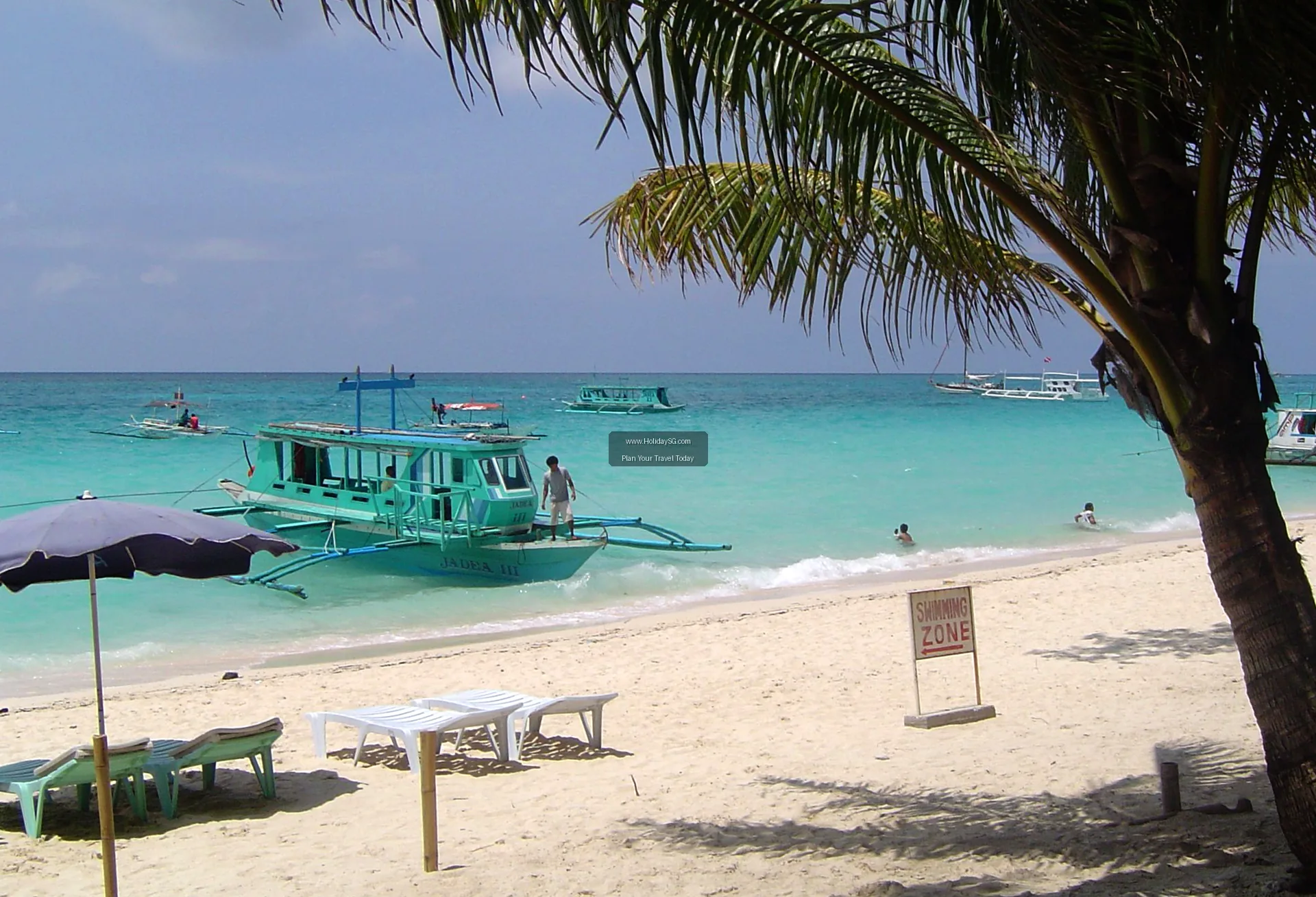
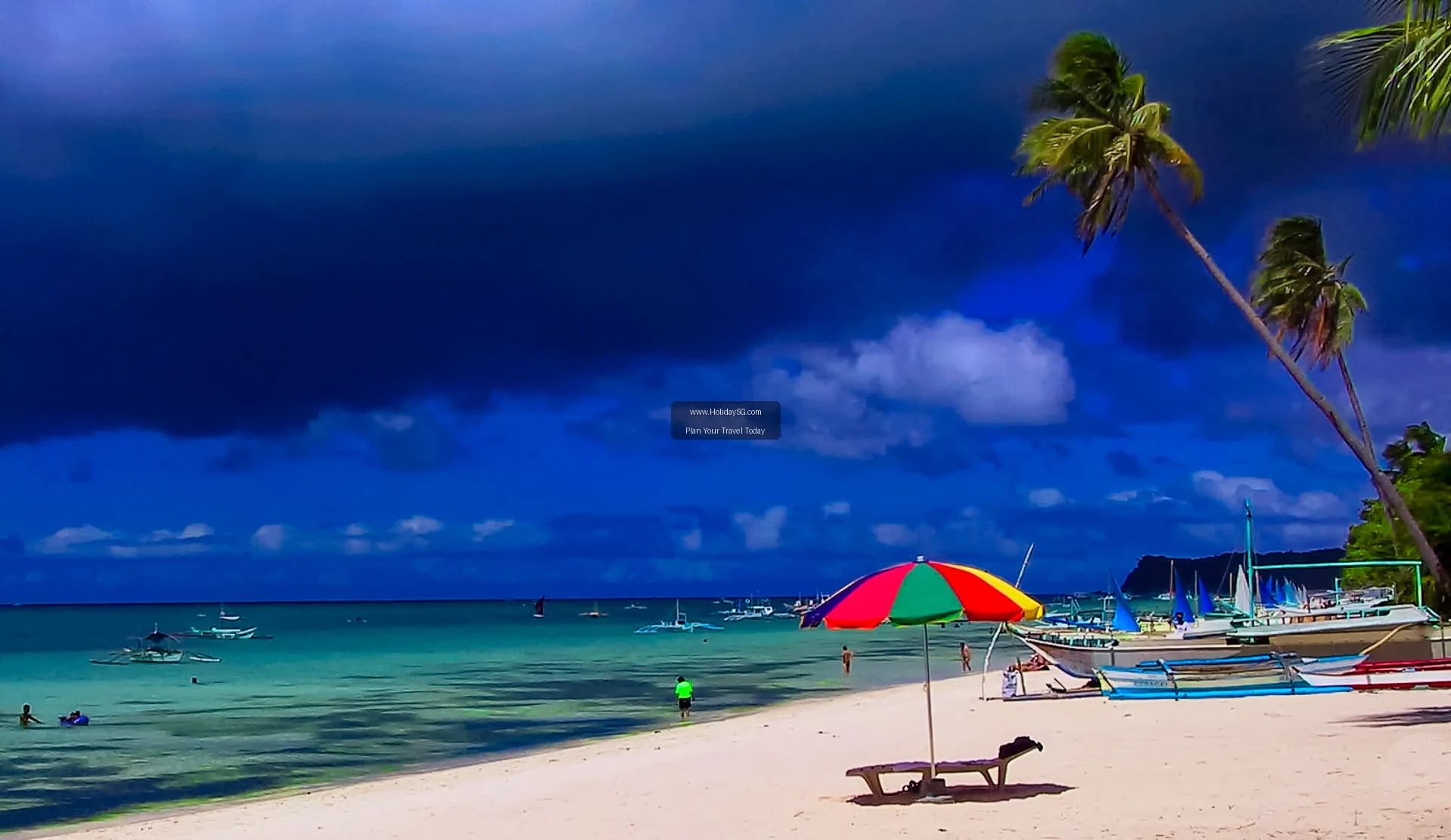
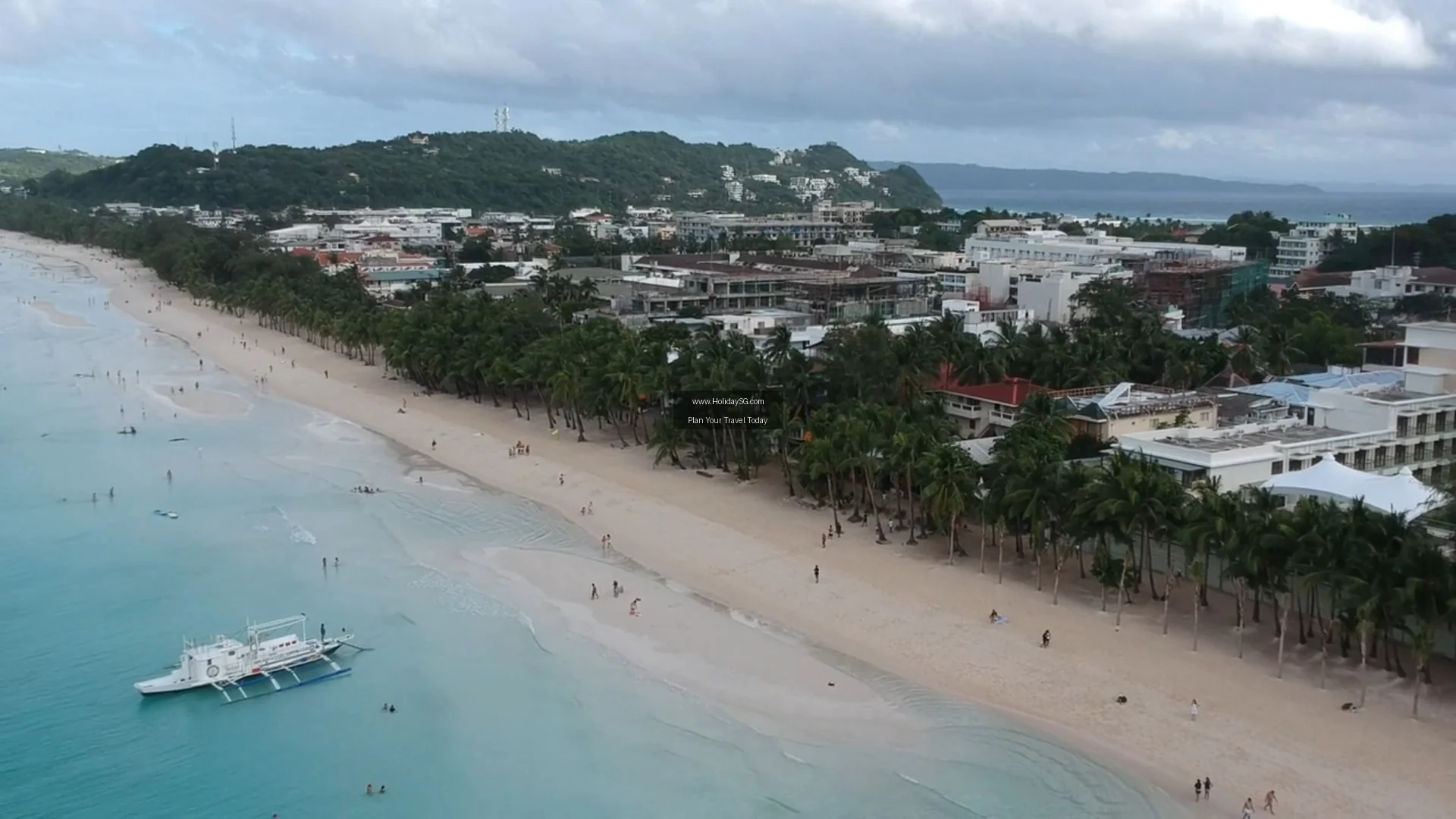
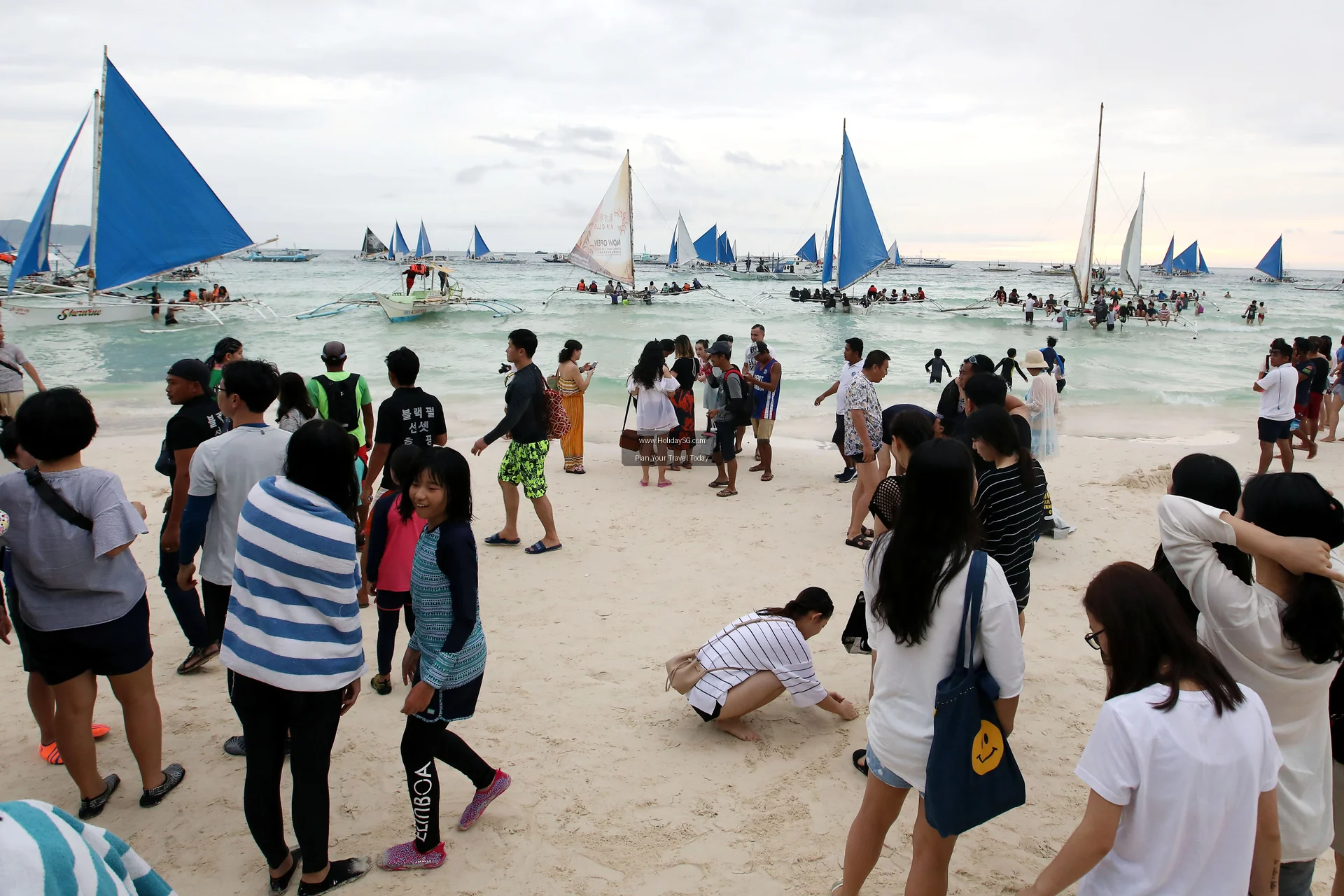
Puka Beach
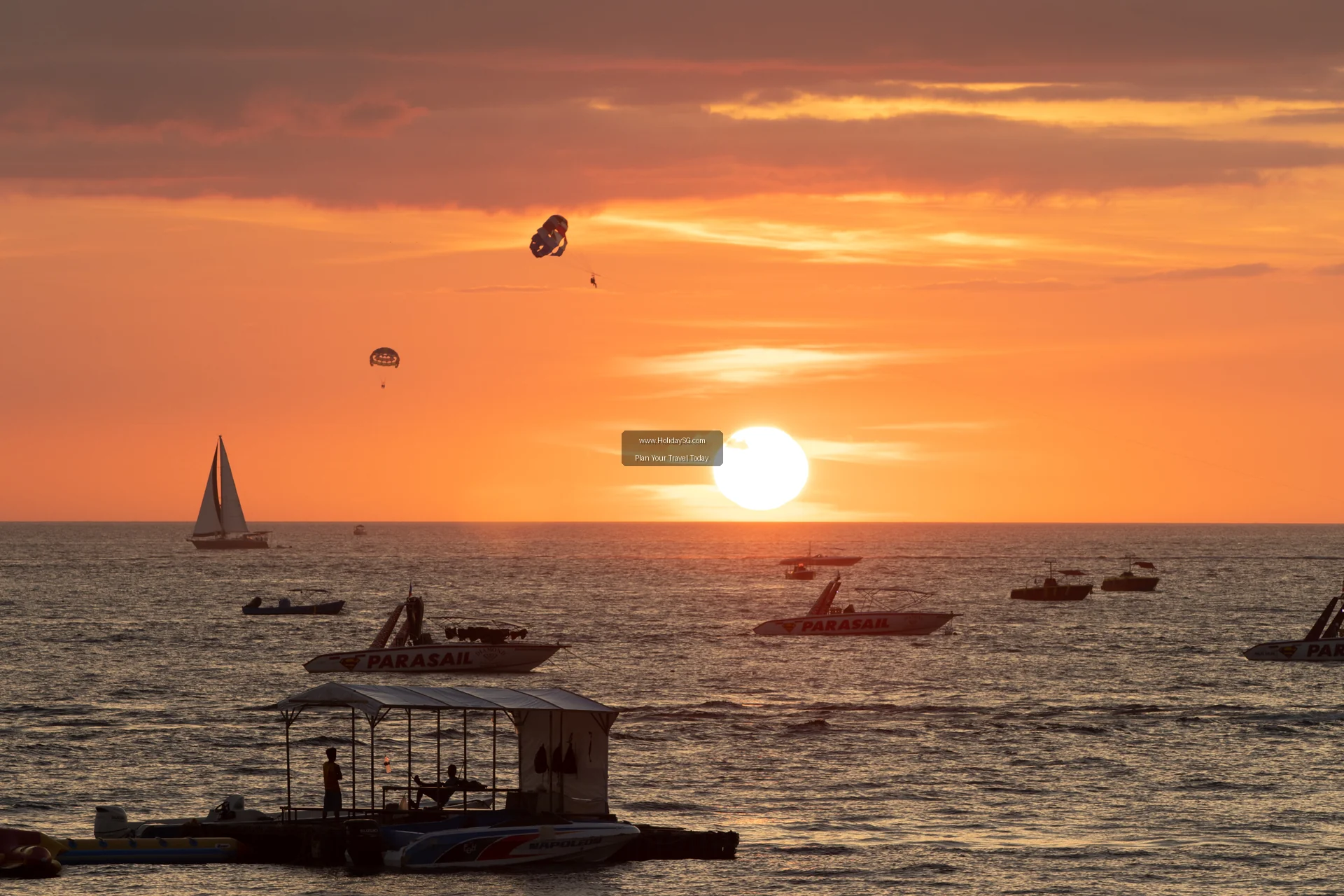
Puka Beach, home to the Boracay Island Club, is renowned for its stunning natural beauty and secluded setting. The beach is known for its water sports activities like jet skiing and parasailing. If you’re interested in adrenaline-pumping activities, consider booking a Boracay Jetski Experience to get the most out of your stay.
Cultural Immersion
Boracay is not just about beaches and resorts; it’s also a place where you can immerse yourself in local culture. Visit traditional markets, try local cuisine, and participate in cultural events to get a deeper understanding of the island.
Conclusion
Ready to go? Book Boracay Jetski with HolidaySG.
Boracay is a destination that offers endless possibilities for adventure and relaxation. From its beautiful beaches to its vibrant nightlife, there’s plenty of choice. By following this checklist, you can plan your trip effectively and make the most of your time on this tropical paradise. Remember to embrace local culture, respect the environment, and have fun!
Ready to explore? Check out our Boracay Jetski experience →.
Book these with HolidaySG:
- Boracay Island Travel Photographyglobal Philippines Boracay Island Travel Photography Manila Photographer Wedding Photo
- Boracay Island Helicopter Flight Experience Feel The Charm Of The Island From Above
- Trip Moments In Boracay Island Philippinesglobal Philippines Boracay Island Photography Package Bohol Manila Photogr
Book with HolidaySG online for Boracay Jetski, Boracay Island Travel Photographyglobal Philippines Boracay Island Travel Photography Manila Photographer Wedding Photo, Boracay Island Helicopter Flight Experience Feel The Charm Of The Island From Above.
Packing Essentials for Beach Days and Island Life
The first thing most visitors learn about Boracay is that the island rewards a lighter, smarter bag. Shops on White Beach sell almost everything you might forget, but prices are noticeably higher than in Kalibo or Manila, and the selection of sizes can be thin in the busy months. A sturdy dry bag is the single most useful item you can carry. Boat transfers from Caticlan can splash passengers, and a sudden shower on the crossing will ruin phones, passports, and cameras that are not sealed. A 10-liter roll-top bag costs roughly 300 to 500 pesos in town and is worth bringing from home if you can. Pack a rash guard or lightweight long-sleeved shirt as well. Many travelers underestimate how strong the midday sun feels on the water, and a shirt you can wear over a swimsuit cuts down on the amount of sunscreen you need to reapply every hour.
Sunscreen deserves careful thought. The island's coral reefs and marine environment have been under pressure for years, and local government units have encouraged the use of reef-safe formulas that avoid oxybenzone and octinoxate. Mineral sunscreens with zinc oxide or titanium dioxide are widely available in pharmacies such as Mercury Drug and Watsons in Station 1 and Station 2, usually for about 350 to 800 pesos depending on the brand and size. Bring water shoes as well. The sand near some coves is fine and pleasant, but the reef flats and rocky patches around Puka Shell Beach and the northern coves can be sharp. A pair of cheap rubber sandals with grip makes walking over slippery stones far less stressful. Finally, pack a power bank with at least 10,000 mAh, since outlets near the beach bars are often in short supply during peak evenings.
For clothing, think in layers and in terms of destination. Swimwear, cover-ups, and quick-drying shorts will cover most of your days. In the evening, however, many restaurants on the main strip expect guests to be dressed reasonably, and a plain dress or button-up shirt will feel more appropriate than wet swimwear. If you plan to visit local churches, carry a light scarf that you can drape over your shoulders. Include a compact first-aid kit with antihistamines, oral rehydration salts, plasters, and any prescription medication in its original packaging. Bring printed copies of your hotel bookings and a photocopy of your passport because some establishments still ask for paper confirmations. Leave bulky items at home. The island is small, the sun is strong, and most visitors end up wearing the same three or four outfits on repeat, so a compact, well-chosen wardrobe will serve you better than an overstuffed suitcase.
Getting Around the Island and Managing Your Budget
Boracay is roughly seven kilometers long, but its layout is what determines how you move around. White Beach runs along the western side and is divided into numbered stations, from Station 1 at the northern end to Station 3 at the south. Most restaurants, shops, and nightlife cluster along this stretch, so staying near the middle stations keeps most destinations within a short walk. The eastern side of the island, known as Bulabog, is popular with kitesurfers and is quieter and windier. Getting between these areas usually involves a tricycle or an electric tricycle, sometimes called an e-trike. Short rides within the main strip typically cost between 50 and 100 pesos per trip, while longer journeys to the northern coves or the Bulabog side can run 150 to 300 pesos. Agree on the fare before you climb in, and carry small bills because drivers often cannot break a 1,000-peso note.
Renting a motorbike gives you more freedom, especially if you want to explore the northern tip around Diniwid Beach or the lookout points near the island's hilltops. Scooters commonly rent for about 400 to 600 pesos per day, and you will need a valid driver's license from your home country or an International Driving Permit to ride legally. Check the brakes, lights, and tires before you leave the rental shop, and photograph any existing scratches so there is no argument when you return the bike. The roads are not always smooth, and sand can gather on corners, so ride cautiously. Pedicabs and small boats are other options. Hiring a paddle outrigger for a sunset cruise can cost around 1,500 to 2,500 pesos for a group, depending on the boat and the length of the trip.
Budgeting on Boracay is easier when you separate fixed costs from daily spending. Accommodation varies enormously, from budget guesthouses near Station 2 at around 1,500 pesos a night to beachfront resorts that charge well above 10,000 pesos. Meals at casual local eateries can be as low as 150 to 250 pesos, while a sit-down seafood dinner on the beach often costs 800 pesos or more per person once drinks are added. Bottled water is cheaper at sari-sari stores away from the main strip, so buy in bulk if you can. Keep a rough daily target in mind and track spending in a notebook or phone app. Many visitors also forget the environmental fee and terminal charges at the mainland port, which are payable on arrival and should be included in your planning. Set aside a modest cash reserve, because some smaller vendors and tricycle drivers still do not accept cards or mobile payments.
Weather, Sea Conditions, and Staying Healthy
Timing your trip around the weather is one of the most important decisions you will make. The dry season, roughly from November through May, offers the calmest seas and the clearest water, with the amihan northeast winds bringing cooler air between December and February. The southwest monsoon, known locally as habagat, arrives around June and can last into September or October. During these months, rain often falls in heavy bursts, and waves on the western shore can become rough enough that boat operators cancel island-hopping trips or restrict swimming. Pay attention to the red and yellow flags posted at the beach. A red flag means swimming is prohibited, and lifeguards enforce this during strong currents. Even on calm days, the water can drop off quickly in places, so avoid swimming alone late in the evening when the sun has set and visibility is poor.
The tropical sun catches many first-timers off guard. Sunburn can develop within thirty minutes on open sand, even under a cloudy sky, so reapply sunscreen after swimming and wear a hat during the middle of the day. Drink more water than you think you need, especially if you spend hours on a boat or on the beach. Jellyfish are present in parts of the island, particularly after rough weather, and stings are usually painful but not dangerous. Rinse the affected skin with seawater rather than fresh water, remove any tentacles carefully, and apply a cold compress. If you develop a fever, severe headache, or muscle pain after a mosquito bite, seek medical attention promptly, since dengue occurs in the Philippines and symptoms can resemble other illnesses. Clinics in the Balabag area and private hospitals on the mainland can treat most common problems, but serious cases may require transfer to Kalibo or Manila.
Personal safety on Boracay is generally good, though petty theft and drink-related incidents do happen in crowded nightlife areas. Keep valuables in your room safe and avoid leaving phones unattended on sun loungers while you swim. Use reputable tour operators and check that boats have life vests before departure. If you have an emergency, dial 911 for a national response line, and ask your accommodation to help you contact the local police station or tourist police if needed. Save the number of your hotel in your phone, along with the address written in English and Tagalog, because drivers may not recognize the name of a smaller property. Travel insurance that covers medical evacuation is a sensible investment, since transfers from the island to a well-equipped hospital can be costly. Most importantly, listen to your body. Heat exhaustion, dehydration, and overexertion are the most common reasons visitors cut their trips short.
Local Customs, Etiquette, and Respectful Travel
Boracay is a major tourist destination, but it is also home to a community of fishing families, vendors, and workers who have lived on the island for generations. Filipinos are famously hospitable, and visitors who make an effort with basic courtesy tend to receive warm treatment in return. Learning a few words of Tagalog goes a long way. Saying "Magandang umaga" in the morning or "Salamat po" when someone helps you shows respect, and adding "po" to your speech is a polite marker that older people appreciate. Asking "Magkano po ito?" before buying something is a simple way to check prices. Bargaining is common at markets and with some souvenir sellers, but it is usually not expected at restaurants or established shops, and haggling aggressively over a few pesos can come across as unkind.
Dress and behavior matter more than many visitors expect. Swimwear is perfectly acceptable on the beach and along the main strip, but walking through residential streets, visiting a town market, or entering a church calls for something more covered. Shirts over bikinis and shorts that reach the knee are a practical compromise. Public displays of affection are generally tolerated but should stay modest. Many locals find loud behavior late at night disrespectful, especially near family homes, so keep voices down when walking back to your hotel. Photographing people, particularly children and fishermen, should be done with permission. A smile and a gesture toward your camera usually makes the request clear, and most people are happy to oblige when asked politely.
Environmental responsibility is one of the most visible local priorities. Boracay went through a six-month closure in 2018 to address serious problems with sewage, waste, and damage to its reefs, and the rules introduced afterward remain in place. Do not litter, do not stand on coral when wading, and use designated bins for cigarette butts and plastic bottles. Avoid buying souvenirs made from coral or turtle shell, which are illegal to sell and possess under Philippine law. Tipping is appreciated but not always mandatory. At restaurants, many places add a service charge, and if one is not included, leaving around 10 percent is a generous gesture. For boat crews, guides, and massage therapists, a tip of 100 to 200 pesos per person is a common way to show appreciation. Leaving the island a little cleaner than you found it is the simplest way to be a good guest, and it will help keep Boracay beautiful for the families who depend on it.
Frequently Asked Questions
Where can I book this / what’s the link?
Do foreigners (non‑citizens) need a different ticket, price, or visa for the Philippines?
Visa requirements vary by nationality. Many tourists can enter the Philippines visa‑free for stays up to 30 days, while others must obtain a visa in advance or on arrival. Ticket prices are the same for all passengers regardless of citizenship. Because regulations can change, always verify the latest entry requirements on the Philippine Department of Foreign Affairs website or with your nearest Philippine embassy.
What is the best time (season, or time of day for the site/activity) to go?
The ideal seasonally is the dry period from November to April, when sunshine and calm seas make beach and water‑sport activities most enjoyable. For specific experiences, aim for early morning (around 6 am) to catch the sunrise and avoid crowds, and late afternoon (around 5‑6 pm) for the famous sunset over White Beach.
How many days should I allocate to explore Boracay?
Most first‑time visitors find 3–4 days sufficient to enjoy the main attractions—White Beach, water sports, island hopping, and a taste of the nightlife—while still leaving time to relax. If you want to venture into nearby islands or take a few extra spa days, consider extending your stay to 5–6 days.
What should I pack for a trip to Boracay?
Pack lightweight, breathable clothing, swimwear, reef‑safe sunscreen, a hat, and sunglasses. Bring a reusable water bottle, waterproof phone case, and comfortable sandals. If you plan on snorkeling or diving, consider bringing your own mask and snorkel for better fit, though rentals are widely available. Don’t forget a light rain jacket if traveling during the shoulder months of May or October.
What things cost in Philippines
Live HolidaySG prices for the experiences in this guide, so you can sanity-check a budget before you commit.
| Experience | Where | From price |
|---|---|---|
| A Lounge (T1) Ninoy Aquino International Airport | Manila | From S$30.88 |
| A Lounge (T3) Ninoy Aquino International Airport | Manila | From S$30.88 |
| Boracay sunset sailing experience | shared boat/private charte... | Manila | From S$28.89 |
| Ocean Adventure, Subic Bay | Manila | From S$14.14 |
| 4-Wheeler (ATV) Adventure in Rizal/Manila | Manila | From S$81.02 |
| Clark Safari and Adventure Park | Manila | From S$11.00 |
| Avilon Zoo | Manila | From S$47.52 |
| Boracay Island travel photography[Global Philippines Boracay I... | Manila | From S$167.00 |
Boracay Travel Checklist for First-Time Visitors: Before You Leave Home
Planning a first trip to Boracay becomes much easier when you handle the paperwork, money, and packing well before your flight leaves. Boracay is a small island in the Western Visayas region of the Philippines, roughly seven kilometers long and only a few hundred meters wide at its narrowest point, but reaching it involves several steps that first-timers often underestimate. Most international travelers fly into either Caticlan, which is the closest airport to the island, or Kalibo International Airport in Aklan province, which is served by more international connections from Asia. Caticlan's airport, officially Godofredo P. Ramos Airport, sits only a few minutes' walk from the boat jetty, while Kalibo is roughly one and a half to two hours away by road. Before you book anything, check the current entry requirements for your nationality. Many visitors from North America, Europe, Australia, and much of Asia are granted visa-free entry for a set number of days, commonly around thirty, but the exact allowance varies, so confirm it with the official Philippine immigration guidance for your country. Make sure your passport is valid for at least six months beyond your planned departure date and that you have at least two blank pages for stamps. Print or save a copy of your return or onward ticket, since immigration officers may ask to see proof that you intend to leave. Having these documents organized in one folder, both physical and digital, will save time at the airport and reduce stress on arrival.
Money is the next priority, and it deserves more thought than many travelers give it. The currency in the Philippines is the peso, and while the larger resorts, restaurants, and dive operators on Boracay accept credit cards, smaller stalls, tricycle drivers, massage shops, and street food vendors usually want cash. Exchange enough pesos before you arrive for the first two or three days, because currency exchange rates on the island can be less favorable than those in Manila or in larger cities on the mainland. Bring a mix of small bills, since many vendors struggle to make change for large denominations. ATMs are available on the island, mostly concentrated around Station 1, Station 2, and the commercial area known as D'Mall, but they sometimes run out of cash during the busiest holiday weeks, and fees for foreign cards can add up quickly. A realistic daily budget for a mid-range traveler might fall somewhere around 2,500 to 4,000 pesos per person, covering a modest room share, meals, a few drinks, and local transport, although this figure rises sharply if you stay at beachfront resorts or book private boat tours. Notify your bank that you will be traveling so that your cards are not blocked for unusual activity. Keep a backup card in a separate location from your primary wallet, and consider carrying a small amount of US dollars as an emergency reserve, since many exchange counters accept them easily.
Choosing the right time of year shapes almost everything about your trip, from the color of the water to the number of boats you will share the sea with. The dry season, generally running from around November through May, offers the calmest seas, the most reliable sunshine, and the clearest visibility for snorkeling and diving. Water temperatures typically sit between 27 and 29 degrees Celsius during these months, which feels comfortable even for swimmers who are not used to tropical waters. The southwest monsoon, known locally as the habagat, usually arrives between June and October, bringing heavier rain, stronger winds, and rougher conditions on the crossing from the mainland. Typhoon season overlaps with much of this period, particularly from July through October, so it is wise to check weather advisories before finalizing dates and to build a flexible schedule with buffer days if you are traveling during these months. Sea conditions can affect the boat transfer from Caticlan to the island, and occasionally ferry operations are suspended during severe weather. If you are traveling during the peak Christmas and Holy Week holidays, expect higher room rates, crowded beaches, and longer queues at the jetty. Booking accommodation at least several weeks in advance during these periods is a sensible precaution, and it helps to read recent guest reviews to understand how each property handles noise, water supply, and beach access.
Packing for Boracay is largely about preparing for heat, humidity, sun, and water, with a few extras that many first-time visitors forget. Lightweight, breathable clothing made from cotton or quick-dry synthetic fabric works best during the day, and a light long-sleeved shirt or sun cover-up is useful for boat rides, where the sun reflects strongly off the water. Bring at least one smart-casual outfit for dinner at a restaurant on the beach, since many establishments appreciate neat dress in the evenings, although flip-flops and sandals are acceptable almost everywhere. Reef shoes or water shoes are valuable if you plan to snorkel, because some areas of the shoreline have sharp coral fragments and uneven rocks. A dry bag of about 10 to 20 liters is a practical investment for protecting your phone, passport copies, and cash during boat transfers and water activities. Pack a reusable water bottle, since staying hydrated in tropical heat is essential, and you will reduce your plastic use on the island. Sunscreen deserves special attention. Choose a reef-safe formula with mineral filters such as zinc oxide or titanium dioxide, and apply it thirty minutes before going into the water. Bring a compact travel first-aid kit containing ibuprofen or paracetamol, antihistamines, antidiarrheal tablets, rehydration salts, plasters, and any prescription medication in its original packaging, along with a copy of the prescription.
Health preparation is another area where a little advance planning goes a long way. The Philippines is a tropical country, and mosquito-borne illnesses such as dengue are present, particularly during the rainy months. Use an insect repellent containing DEET, picaridin, or a similar active ingredient, and consider wearing lightweight long sleeves and trousers in the evening when mosquitoes are most active. Check with a travel health clinic or your doctor about routine vaccinations and whether any additional immunizations are recommended for your itinerary, since requirements change over time. Many travelers choose to carry motion sickness tablets or wristbands, because the crossing from Caticlan to the island is short, typically about fifteen minutes, but the outrigger boats can rock noticeably when the wind picks up. Travel insurance is strongly recommended, and you should confirm that the policy covers medical evacuation, diving activities if you plan to dive, and trip cancellation due to weather or government advisories. Keep the insurance provider's emergency number saved on your phone and in your paper documents. Finally, download an offline map of the island and save the contact details of your accommodation, the nearest hospital or clinic, and your embassy or consulate in the Philippines, so that you have essential information even if mobile coverage is patchy in certain areas.
Electrical equipment and connectivity are simple to prepare for but easy to overlook. The Philippines uses a 220-volt supply at 60 hertz, and the power outlets are typically Type A, Type B, or Type C, which means many travelers from North America can plug in directly while travelers from Europe or Australia may need a plug adapter, and a voltage converter is only necessary for appliances that do not support 220 volts. Most modern phone and laptop chargers are dual-voltage, so check the label on your charger before buying anything new. Mobile coverage on Boracay is generally good, and prepaid SIM cards from the major local networks can be purchased at convenience stores and mobile shops for a modest cost, often in the range of a few hundred pesos for a package that includes data for several days. Ask your home carrier about international roaming rates before departure, since they can be significantly higher than local options. Wi-Fi is widely available in hotels, cafés, and many restaurants, although speeds can slow during peak evening hours. Pack a power bank with a capacity of at least 10,000 milliamp-hours, because long days of photography, navigation, and messaging can drain a phone battery faster than expected, and charging opportunities may be limited during boat excursions and beach outings.
Understanding the fees and rules that apply to visitors before you reach the island will help you avoid last-minute surprises. Boracay charges an environmental fee that is collected from visitors to support waste management, water infrastructure, and conservation efforts on the island. The fee has changed several times in recent years, with different rates for foreign and domestic visitors, and you typically pay it at the Caticlan terminal or at an authorized collection point. Because rates and collection procedures can change, confirm the current fee on official tourism channels shortly before you travel and set aside sufficient cash for it. In addition, there is a terminal or boarding fee at the Caticlan jetty, and boat fares are charged separately for each passenger. Keep your receipts and the small paper or card issued at the terminal, since staff may check them as you move around the island. Rules on the island also prohibit certain behaviors that are common elsewhere, such as littering, smoking in designated non-smoking areas, and consuming alcohol in some public spaces during restricted hours. Reading these rules in advance helps you avoid fines and shows respect for the community that keeps the island running.
Arranging accommodation and airport transfers before you leave home gives you a smoother start to the trip. Most visitors choose to stay either at Station 1, which is quieter and more upscale with many resorts and family-oriented properties, at Station 2, which is the most central and convenient for restaurants and nightlife, or at Station 3, which tends to be livelier with bars and budget guesthouses. Stations are numbered along White Beach, the main stretch of sand that runs roughly four kilometers along the island's western shore. Consider how far you are prepared to walk or pay for tricycle rides at night, since the distance between Station 1 and Station 3 can take around twenty to thirty minutes on foot in the heat. If you are arriving at Caticlan, ask your accommodation whether they offer a pickup at the jetty port on Boracay, because some properties include this in their rates while others charge a separate fee. From Kalibo, a shared van or private transfer to the Caticlan jetty typically takes around two hours and can cost a few thousand pesos for a private vehicle, depending on the time of day and the number of passengers. Allow extra time for traffic and for the boat queue, particularly on weekends and during public holidays, so that your check-in and onward plans are not compromised.
Creating a simple pre-departure checklist will keep your preparation organized and help you confirm the last details before you leave. A few days before your flight, check the weather outlook for your dates, confirm your flight and transfer times, and verify that your accommodation knows your expected arrival time, particularly if you are arriving late at night, since some smaller properties have limited reception hours. Download any required apps for ride-hailing, maps, and messaging, and make sure you can access your booking confirmations offline. Pack your documents in a clear plastic pouch, keep a list of emergency contacts in your wallet, and leave a copy of your itinerary with a family member or friend back home. Charge all your devices fully, pack the power bank and cables in your carry-on, and place medications and valuables in the same bag so you can reach them easily during the journey. It is also worth making a short list of phrases in Filipino, such as salamat for thank you and magkano for how much, because a friendly greeting often goes a long way with local vendors and staff. By the time you leave home, your goal should be to have every essential item confirmed, so that you can focus on the excitement of arriving at one of the most famous beaches in Southeast Asia.
On the Island: Getting Around, Daily Logistics, and Safety Tips
Once you step off the boat at Cagban Port on the island's southern end, you will quickly notice that Boracay is organized around one main road and one main beach. The island is shaped roughly like a long, narrow rectangle, and the primary road, often called the Boracay Beach Road or simply the main road, runs along the western coastline past the resort stations. Cagban Port is the arrival point for most visitors coming from Caticlan, and it sits about two to three kilometers from the commercial center at Station 2, so reaching your accommodation usually requires a short ride. The island is divided into three main beach areas, Station 1 in the north, Station 2 in the middle, and Station 3 toward the south, each with a different atmosphere. Station 1 is calm and spacious with upscale hotels and wide sand, Station 2 is the busiest and most convenient for shops, restaurants, and beach clubs, and Station 3 offers a mix of mid-range hotels, bars, and late-night venues. Understanding this layout early helps you decide where to base yourself for daily activities, and it also explains why travel times between stations can vary depending on traffic, time of day, and the availability of transport.
Getting around the island is straightforward once you know the main options. Tricycles, the motorized sidecar vehicles common throughout the Philippines, are the traditional way to travel short to medium distances, and fares within the central area typically range from around 50 to 150 pesos depending on distance and whether you are sharing. Always agree on the fare before departing, and confirm whether the price is for the whole vehicle or per person. Electric tricycles, often called e-trikes, have become increasingly common in recent years and offer a quieter, more environmentally friendly option, although they can be busy during evenings. Pedicabs are available for very short trips and are often used to reach quieter beach areas. On the north side of the island, there is also a small number of vehicles that provide transport to Puka Shell Beach, which is located on the northern tip and requires a longer ride, usually taking around twenty to thirty minutes depending on road conditions. Motorbike rentals are widely offered, but they are not recommended for first-time visitors unless they hold a valid international driving permit and are experienced riding in busy, unpredictable traffic. Walking along the beach path is often the simplest option for short distances between stations.
Daily logistics on Boracay revolve around timing and planning, particularly because the island's infrastructure can feel crowded during peak hours. Mornings are the best time for quiet beach walks, photography, and early swims, when the sand is cooler and the water is calm, while late afternoon often brings sunset crowds to the western-facing shore. Many accommodations serve breakfast between roughly 6:30 and 10:00 in the morning, and it is worth asking whether your room rate includes a meal, because the difference can add a noticeable amount to your daily budget. Lunch at a beachfront restaurant typically costs between 300 and 600 pesos per person for a combination of a main dish and a drink, while dinner at mid-range restaurants can cost somewhat more, especially for seafood. Local eateries and food stalls, particularly those away from the main beachfront, offer meals for under 150 pesos and provide a more authentic taste of Filipino cooking. Reserve popular restaurants in advance during the high season, and allow extra time for service, since island kitchens can be busy. Laundry services are common and usually priced by the kilogram, and many guesthouses can arrange same-day pickup and return for a reasonable fee.
Beach activities are the heart of most trips, and planning them thoughtfully will maximize your enjoyment while protecting the environment. Snorkeling and diving are among the most popular options, and short introductory snorkeling tours around the nearby islands often cost between 800 and 1,500 pesos per person depending on the operator, the duration, and the equipment included. Trips to the surrounding islands, such as Crocodile Island, typically take between thirty minutes and an hour by outrigger boat, and visibility can vary considerably with the season and recent weather. Diving courses, including beginner open water certifications, are available on the island and usually take around three to four days to complete, with prices that depend heavily on the dive center and the number of dives included. Before booking any water activity, ask the operator about their safety record, guide-to-guest ratios, and whether they provide life jackets and reef-safe briefings. Avoid touching or standing on coral, because even small contact can damage delicate formations that take many years to recover. Keep your swimming within the designated areas marked by buoys, and respect boat lanes, since motorized banca boats frequently travel close to shore.
Many first-time visitors also want to explore the island's landscape beyond the beach, and there are several worthwhile options that offer a different perspective. Mount Luho, the highest point on Boracay, rises to roughly 130 meters above sea level and can be reached by a short but steep hike from the interior roads, usually taking about thirty to forty-five minutes each way. The summit provides sweeping views across the island and the surrounding sea, and the trail is best attempted in the morningPlan the rest of your trip
