

Travel tips for cambodia: guide for the ultimate trip is exactly what this guide covers.
Cambodia beckons travelers with a potent mix of ancient grandeur, sobering modern history, and a warm, resilient culture. Whether you’re exploring the awe-inspiring temples of Angkor, reflecting on the past in Phnom Penh, or unwinding on a pristine island beach, the Kingdom of Wonder promises an unforgettable adventure. This guide cuts through the noise to provide you with practical, essential travel tips for Cambodia, helping you plan a seamless and rewarding trip.
Cambodia is an affordable destination rich in culture and history, best visited during the dry season (November-April) for optimal temple exploration. Budget wisely, as Angkor Wat passes are a major expense, and stay vigilant against common scams. With basic preparation, you can navigate everything from visas to street food safely and enjoy an incredible journey.
Gearing Up: The Practicalities of Your Cambodian Journey
Deciding When to Visit
Timing your trip is crucial for the best experience. The **dry season from November to April** is the most popular period, offering clear skies and less humidity, perfect for climbing temple steps and long days of sightseeing. From **May to October, the wet season** transforms the landscape into a lush, vibrant green. While you can expect afternoon downpours, you’ll also find fewer tourists, lower prices on accommodation, and the dramatic beauty of Tonlé Sap Lake at its fullest.
Visas and Budgeting Basics
Most foreign visitors can easily obtain a **Visa on Arrival (VOA)** at major airports and land borders for $30 USD. For a smoother entry, consider applying for an **e-Visa** online in advance ($36 USD total). This is particularly useful for land border crossings where queues can be long.
Cambodia is very budget-friendly. Backpackers can comfortably manage on **$30-50 per day**, covering dorm beds, local market meals, and tuk-tuk rides. Mid-range travelers can enjoy private rooms, restaurant dining, and guided tours for **$100-200 per day**. One significant cost is the **Angkor Archaeological Park entry pass** (1-day: $37, 3-day: $62, 7-day: $72), so factor that into your planning.
Essential Packing
Pack lightweight, breathable clothing, but ensure you have **modest attire for temples** (covering shoulders and knees). Don’t forget strong sunscreen, a hat, insect repellent, and a basic first-aid kit. A reusable water bottle with a filter is an eco-friendly and safe choice. For connectivity, consider a local e-SIM for hassle-free data upon arrival.
Top Attractions & Sample Itineraries
Ready to go? Book Commbitz Cambodia E Sim Daily with HolidaySG.
The Iconic Temples of Siem Reap
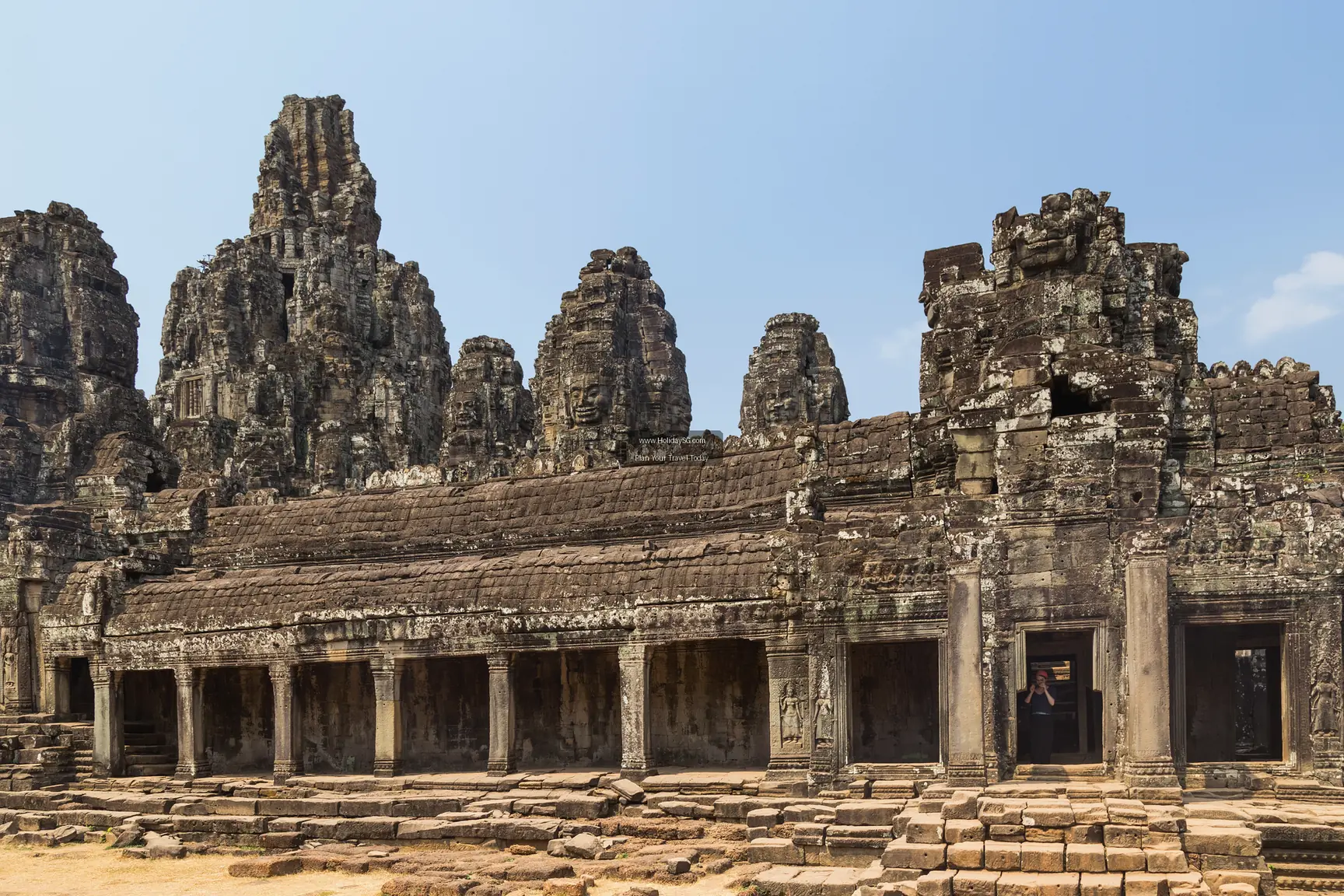
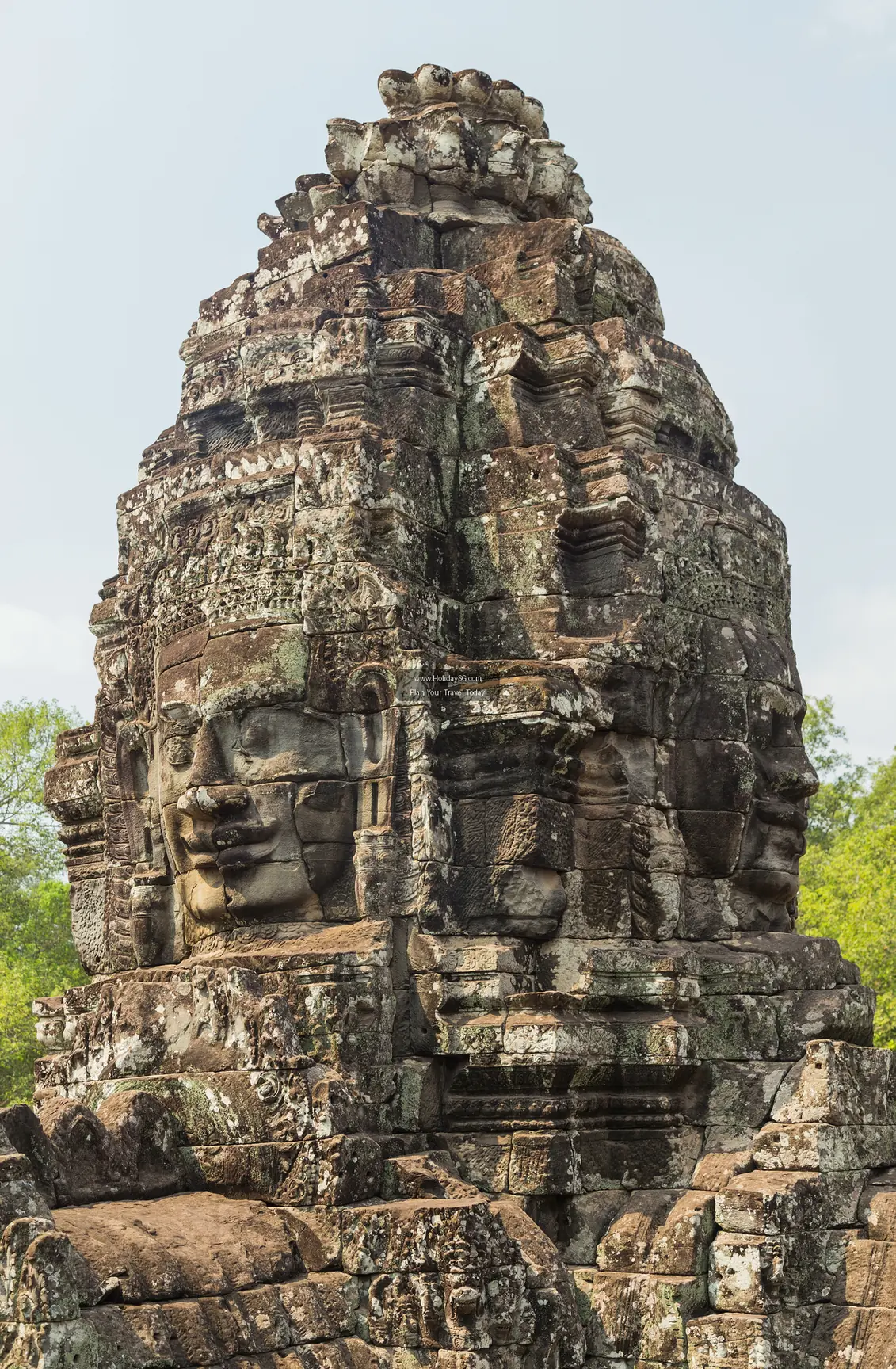
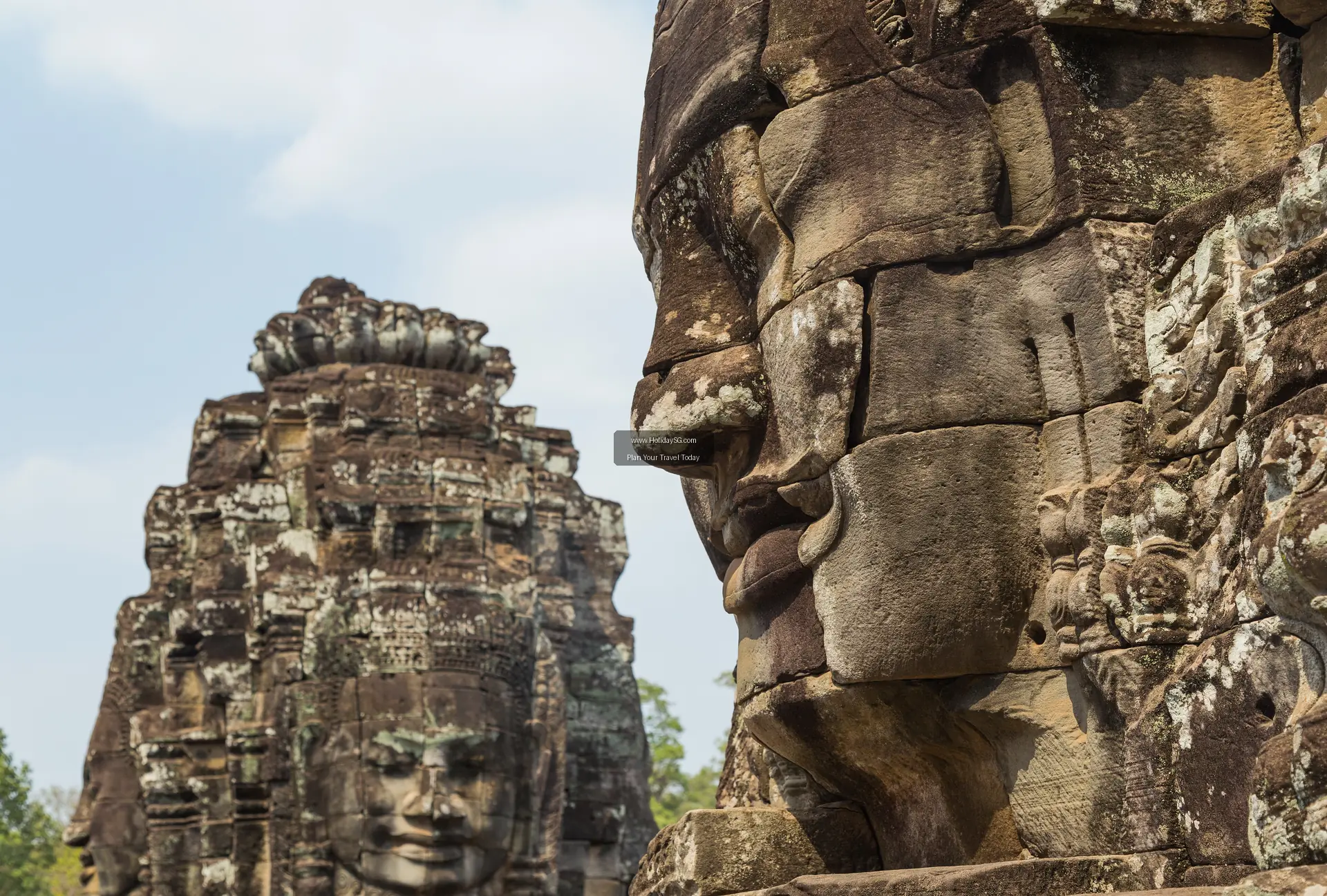
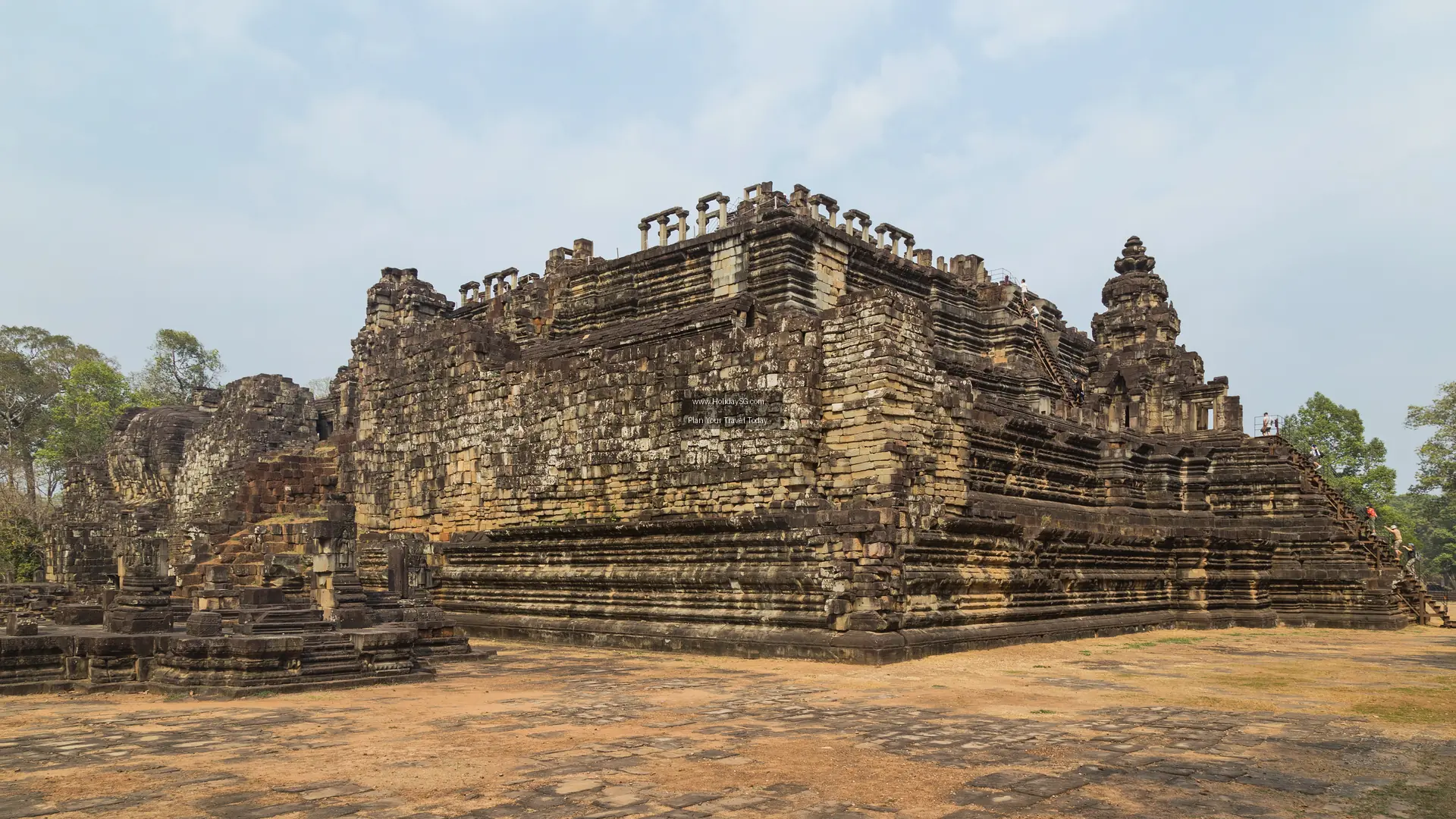
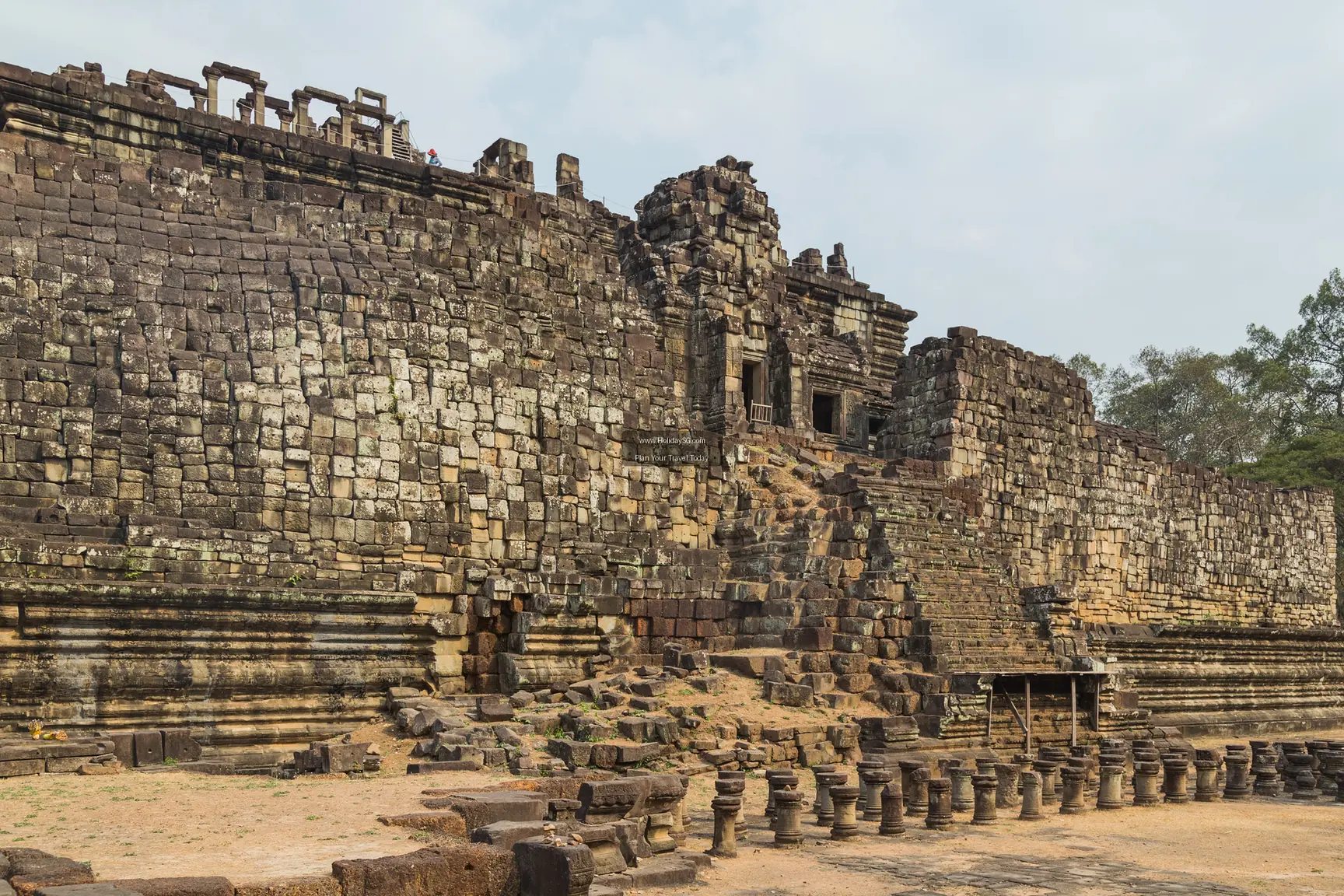
No trip is complete without Angkor. The main temples—**Angkor Wat, the enigmatic faces of Bayon, and the jungle-clad Ta Prohm**—are simply unmissable. Pro-tip: Purchase a 3-day pass for flexibility. Start early to beat the crowds and heat. Explore beyond the main circuit with the Grand Circuit, visiting quieter gems like Preah Khan and Neak Pean. For a complete overview, see our dedicated guide to Exploring the Angkor Archaeological Park.
Phnom Penh: Royalty and Reflection
Phnom Penh is a city of contrasts. The dazzling **Royal Palace and Silver Pagoda** showcase Khmer craftsmanship and spirituality. In stark contrast, the **Killing Fields of Choeung Ek and the Tuol Sleng Genocide Museum** are deeply moving and essential for understanding Cambodia’s recent history. Allow time to process these powerful sites.
Coastal Escapes and Charming Towns
For beach bliss, ferry from **Sihanoukville** to the islands of **Koh Rong (lively) or Koh Rong Samloem (tranquil)**. Their white-sand beaches and clear waters are perfect for relaxation. Inland, the riverside town of **Kampot** is famous for its pepper plantations and relaxed vibe, while **Battambang** offers a more artistic, local feel with its French colonial architecture and bamboo train.
Sample Itineraries
- 10-Day Classic: 3 days in Siem Reap for temples, bus to Battambang (2 days), bus to Phnom Penh (2 days), and finish with 3 days on Koh Rong.
- 14-Day Extended: Add Kampot (2 days) and a slower pace to the above itinerary, or include a visit to the remote jungle temples of the northeast.
Navigating the Kingdom: Getting Around
**Tuk-tuks** are the quintessential Cambodian way to travel, ideal for short city hops and all-day temple tours. Always agree on a price before setting off. For longer distances, **buses and minibuses** are the standard, comfortable, and affordable network connecting all major towns. **Domestic flights** are a quick way to cover ground between Siem Reap, Phnom Penh, and Sihanoukville. For ultimate flexibility on coastal trips, such as traveling from Phnom Penh to the southern beaches, consider booking a **Private Transfer Phnom Penh Sihanuk Ville Or Back By Express Road** for a stress-free journey. Renting a motorbike is an option for the adventurous, but traffic can be chaotic, so caution is paramount.
Rest Your Head: Accommodation Choices
Ready to go? Book Commbitz Cambodia E Sim Daily with HolidaySG.
Cambodia offers a huge range of stays. Budget hostels are plentiful, especially in Siem Reap’s Pub Street area and Phnom Penh’s riverside. Mid-range hotels and boutique guesthouses offer excellent value. In coastal areas, you’ll find everything from beach bungalows to luxury resorts. When choosing a location in major cities, staying near the riverside or main tourist hubs will give you easy access to sights, food, and transport.
A Feast for the Senses: Cambodian Food
Khmer cuisine is flavorful yet often milder than its Thai or Vietnamese neighbors. Must-try dishes include **Fish Amok** (steamed coconut fish curry) and **Lok Lak** (stir-fried beef with pepper-lime sauce). For breakfast, try **Nom Banh Chok**, a beloved noodle soup. **Street food is both cheap and delicious**—a good rule of thumb is to eat where the locals do and choose stalls where food is cooked fresh in front of you. Don’t leave without tasting **Kampot pepper** and strong, sweet **Cambodian coffee**.
Staying Safe & Smart: Culture, Scams & Health
Ready to go? Book Commbitz Cambodia E Sim Daily with HolidaySG.
Cultural Etiquette
Respect is key. Always **dress modestly when visiting temples and government buildings** (knees and shoulders covered). Remove your shoes before entering someone’s home or a temple sanctuary. It’s polite to greet with a slight bow (the “sampeah”).
Bargaining and Scams
Bargaining is expected in markets but not in supermarkets or restaurants. Do it with a smile. Be aware of common scams: a tuk-tuk driver claiming a temple is “closed” to take you elsewhere, or overly friendly strangers offering “special” tours or gem shops. Stick to licensed, reputable tour operators for peace of mind.
Health & Safety
Drink only **bottled or filtered water**. While malaria risk in main tourist areas is low, it’s wise to consult a travel doctor. Basic **travel insurance** is non-negotiable. Protect your belongings from petty theft, especially in crowded areas. For seamless connectivity to access maps and translation apps, a reliable data plan is essential. An option like the **Cambodia Unlimited 4g5g Data Esim** can ensure you stay connected throughout your travels.
Recommended HolidaySG Tours
- Commbitz Cambodia E Sim Daily
- Airalo Cambodia E Sim Package
- Cambodia Unlimited 4g5g Data Esim
- Private Transfer Phnom Penh Sihanuk Ville Or Back By Express Road
Embracing the Journey
Ready to go? Book Commbitz Cambodia E Sim Daily with HolidaySG.
Cambodia is a land of profound beauty and complex history that rewards the thoughtful traveler. By planning ahead, staying aware, and approaching each experience with respect and curiosity, you’ll uncover the true magic of the Kingdom of Wonder. From the spiritual sunrise over Angkor Wat to the genuine smiles of its people, Cambodia has a way of staying with you long after you leave.
Ready to embark on your Cambodian adventure? Stay connected with reliable data by checking out our Commbitz Cambodia E Sim Daily plan for seamless travel.
Book these with HolidaySG:
Book with HolidaySG online for Commbitz Cambodia E Sim Daily, Commbitz Cambodia E Sim Package, Cambodia Unlimited 4g5g Data Esim.
Frequently Asked Questions
Where can I book this / what’s the link?
For convenient, pre-trip planning, you can book essential services like eSIMs and private transfers in advance. You can find them here:
- For a daily Cambodia eSIM: Commbitz Cambodia E Sim Daily
- For a package Cambodia eSIM: Commbitz Cambodia E Sim Package or Airalo Cambodia E Sim Package
- For unlimited data: Cambodia Unlimited 4g5g Data Esim
- For a private transfer from Phnom Penh to Sihanoukville: Private Transfer Phnom Penh Sihanuk Ville Or Back By Express Road
Do foreigners (non-citizens) need a different ticket, price, or visa for Cambodia?
Yes, as a foreign tourist, you will require a visa to enter Cambodia. Most nationalities can obtain a tourist visa upon arrival at major airports and land borders, or via the official e-Visa website before travel. The process and fee can differ from what citizens of Cambodia pay. **Crucially, visa policies, fees, and processing rules can change.** It is strongly recommended to verify the current, exact requirements for your specific nationality on the official website of the [Cambodian Ministry of Foreign Affairs and International Cooperation]( or through your country’s embassy before you book your trip.
What is the best time (season, or time of day for the site/activity) to go?
The best time to visit Cambodia is during the **dry season, from November to April**. This period offers cooler temperatures and less rain, making it ideal for exploring temples like Angkor Wat. The **cool, dry months of November to February** are particularly pleasant. The **wet season (May to October)** brings lush greenery and fewer crowds but also high humidity and daily downpours. For specific sites like Angkor Wat, **sunrise and sunset are the most magical times to visit**, offering beautiful light and slightly cooler temperatures. Always start sightseeing early to avoid the midday heat.
How many days do I need in Cambodia?
For a classic itinerary focusing on the main highlights like Siem Reap (Angkor Wat), Phnom Penh, and perhaps one beach destination like Koh Rong, **a minimum of 10 to 14 days** is recommended. This allows for a relaxed pace, travel days, and immersion. If you’re short on time, 7 days can cover Siem Reap and Phnom Penh, but it will be very fast-paced.
Is Cambodia expensive to travel?
Cambodia can be very affordable for travelers on a budget. Daily costs can be low, with cheap guesthouses, street food, and local buses. However, costs can rise significantly for international-standard hotels, fine dining, and private tours. Expect to pay more for attractions like the Angkor Archaeological Park, which has a tiered ticket system (1-day, 3-day, 7-day).
What is the currency and should I use cash or card?
The official currency is the **Cambodian Riel (KHR)**, but the **US Dollar (USD)** is widely used and accepted everywhere, often alongside the Riel for smaller change. ATMs are widely available in cities and towns. While major hotels, restaurants, and shops accept credit cards (Visa/Mastercard), **cash is king for local markets, tuk-tuks, small restaurants, and rural areas.** Always carry small USD notes (1s, 5s, 10s) for daily expenses.
How do I get around Cambodia?
Common transport options include:
- Tuk-tuks: Great for short distances within cities and for temple tours (especially in Siem Reap).
- Motorbike taxis (Moto Remorques): Similar to tuk-tuks but cheaper and quicker.
- Taxis: Available in cities; use apps like Grab where available for fixed fares.
- Buses: Affordable and comfortable for intercity travel (e.g., Phnom Penh to Siem Reap).
- Domestic flights: Connect major cities like Phnom Penh and Siem Reap quickly.
- Private transfers: Offer comfort and direct routes, such as this service from Phnom Penh to Sihanoukville.
Is it safe to travel in Cambodia?
Generally, Cambodia is safe for tourists. However, standard precautions apply: be aware of your surroundings, especially in crowded areas, avoid displaying expensive jewelry or electronics, and use registered taxis or ride-hailing apps. Petty crime like bag snatching can occur. It’s also wise to be cautious with local food and water to avoid stomach issues.
What should I pack for a trip to Cambodia?
Pack light, breathable clothing for the hot and humid climate. Essential items include:
- Lightweight, modest clothing that covers shoulders and knees for temple visits.
- A strong sunhat, sunglasses, and high-SPF sunscreen.
- A reliable insect repellent containing DEET.
- A reusable water bottle to reduce plastic waste.
- A good pair of walking shoes for temple exploration.
- A light rain jacket or poncho during the wet season.
What are the local customs and etiquette I should know?
Key points of etiquette:
- Dress modestly when visiting temples (cover shoulders and knees). Remove hats and shoes before entering.
- Respect the monarchy and religion; it is a serious offence to disrespect the King or Buddhist imagery.
- Use two hands when giving or receiving something, especially from a monk or elder.
- Don’t touch anyone’s head or point your feet at people or sacred objects.
- “Wai” (a slight bow with palms together) is the traditional greeting; you may return it but it’s not expected of tourists.
Is Cambodia family-friendly?
Yes, Cambodia can be a wonderful family destination. The fascinating temples of Angkor, beaches, and friendly locals make it engaging for children. However, be prepared for the heat and consider slower travel days. Activities like boat tours on the Tonle Sap lake or visiting a cooking class can be great for all ages.
What is the food like and what should I try?
Cambodian cuisine (Khmer food) is often milder and sweeter than Thai food. Don’t miss:
- Amok Trey: Coconut fish curry steamed in banana leaves.
- Lok Lak: Stir-fried beef with a pepper-lime dipping sauce.
- Bai Sach Chrouk: Grilled pork and rice, a popular breakfast.
- Fresh fruit shakes and iced coffees.
- Explore the vibrant night markets in Siem Reap and Phnom Penh for local snacks.
What are the must-see attractions besides Angkor Wat?
Beyond the Angkor Archaeological Park, essential sights include:
- Phnom Penh: The Royal Palace, Silver Pagoda, and the sobering Killing Fields and Tuol Sleng Museum.
- Battambang: Known for its colonial architecture and the famous “Bamboo Train.”
- Sihanoukville & Islands: Beaches like Otres and the pristine islands of Koh Rong and Koh Rong Samloem.
- Kampot & Kep: Charming riverside towns known for pepper plantations and crab markets.
- Tonle Sap Lake: Visit the floating villages for a unique cultural experience.
What are the typical daily costs?
A budget traveler might spend $30-$50 USD per day. A mid-range traveler could expect to spend $70-$150 USD per day, covering a comfortable hotel, decent meals, and some tours. This excludes major flights or luxury experiences.
Do I need a specific power adapter?
Cambodia uses both **Type A, Type C, and Type G** plugs, with a standard voltage of 230V. Visitors from most countries, including the US, EU, and UK, will likely need an adapter. It’s best to bring a universal adapter.
Is it easy to get a SIM card or eSIM for data?
Yes, getting connected is very easy. You can buy a local SIM card with a tourist data plan at the airport upon arrival or at countless shops in cities. Alternatively, for immediate connectivity before you land, you can pre-purchase an eSIM package or an unlimited data eSIM online.
What is the weather like year-round?
Cambodia has a tropical climate with two main seasons:
- Dry Season (Nov-Apr): Cooler (20°C-32°C), less humidity. Peak tourist season.
- Wet Season (May-Oct): Hot and humid (25°C-35°C) with regular, heavy afternoon rains. The countryside is lush and green.
Are there any health precautions I should take?
Consult your doctor or a travel clinic before your trip for recommended vaccinations (e.g., Hepatitis A/B, Typhoid, Tetanus). Use bottled or purified water, apply insect repellent to prevent mosquito bites (malaria and dengue are present in some rural areas), and consider carrying basic medication for stomach upsets.
Can I use ridesharing apps like Grab?
Yes, the Grab app is widely used and reliable in major cities like Phnom Penh and Siem Reap. It’s a great way to get fixed-price fares and avoid haggling for tuk-tuks and cars. Not all rural areas will have service.
What should I do if I need help in an emergency?
The tourist police and general emergency number is 117. For medical emergencies, it’s advisable to go to a reputable private hospital, as public healthcare facilities are limited. Your country’s embassy can also provide assistance to its citizens. It’s wise to have travel insurance and keep emergency numbers handy.
Are there any scams I should be aware of?
Be cautious of common scams, such as unlicensed tour guides, inflated prices at markets, or the “temple is closed today” scam where someone directs you to a shop. Always agree on prices for tuk-tuks beforehand, use registered taxis or Grab, and book tours through reputable agencies. Purchasing tickets directly from official booths is also essential.
What things cost in Cambodia
Live HolidaySG prices for the experiences in this guide, so you can sanity-check a budget before you commit.
| Experience | Where | From price |
|---|---|---|
| 4 Hours Phnom Penh Capital Tour by Cyclo | Phnom Penh | From S$102.41 |
| Chamka Sne Boat Ticket | Phnom Penh | From S$16.00 |
| Angkor Lounge Siem Reap-Angkor International Airport | Siem Reap | From S$37.06 |
| (Free e-SIM) Classic Angkor Wat Sunrise or Sunset Full DayTour | Siem Reap | From S$16.40 |
| Siem Reap Car Charter Small Circle or Big Circle Tour with sun... | Siem Reap | From S$26.33 |
| Siem Reap Happy Horse Riding | Siem Reap | From S$85.64 |
| Tonle Sap half-day tour with free Hi-Tea at Shitamini hotel | Siem Reap | From S$94.16 |
| Cooking class at Shinta Mani | Siem Reap | From S$76.65 |