Discover the best Turkey travel packages for history, beaches & adventure. Save time & money with expertly curated itineraries.
Turkey travel packages is exactly what this guide covers.
Turkey is a mesmerizing blend of ancient history, breathtaking landscapes, and vibrant culture, making it one of the world’s most sought-after travel destinations. From the bustling streets of Istanbul to the surreal fairy chimneys of Cappadocia and the turquoise waters of the Mediterranean, Turkey offers something for every type of traveler. Whether you’re a history buff, a foodie, an adventure seeker, or simply looking to relax, a well-planned Turkey travel package can turn your dream trip into a seamless reality.
TL;DR: Turkey travel packages offer convenience, cost savings, and expertly curated itineraries covering iconic destinations like Istanbul, Cappadocia, and Ephesus. Choose from classic highlights, coastal escapes, or luxury experiences, and enjoy hassle-free planning with pre-booked flights, hotels, and tours tailored to your travel style.
Why Choose a Turkey Travel Package?
Planning a trip to Turkey can be overwhelming, especially given its vast size and diverse attractions. A travel package simplifies the process by bundling flights, accommodation, transportation, and tours into one convenient booking. This not only saves you time but also often results in significant cost savings compared to booking everything separately. Additionally, travel packages provide access to local expertise, ensuring you don’t miss hidden gems or skip-the-line access to popular attractions.
Browse Turkey Activities & Tickets →
For those who prefer flexibility, many packages offer customizable itineraries, allowing you to tailor your trip to your interests—whether that’s a romantic getaway, a family adventure, or a solo exploration. With 24/7 support and visa assistance included, you can focus on enjoying your trip rather than worrying about logistics.
Top Destinations Included in Turkey Travel Packages
Istanbul: Where History and Modernity Collide
Istanbul is a city of contrasts, where Byzantine churches stand alongside Ottoman palaces, and bustling bazaars coexist with trendy rooftop bars. A must-visit for any traveler, Istanbul’s highlights include the awe-inspiring Hagia Sophia, the intricate Blue Mosque, and the opulent Topkapi Palace, which offers a glimpse into the lives of Ottoman sultans. Don’t miss the Grand Bazaar, one of the world’s oldest and largest covered markets, where you can haggle for spices, ceramics, and textiles.
For a unique perspective of the city, take a Bosphorus cruise to see Istanbul’s skyline from the water, or explore the eerie beauty of the Basilica Cistern, an ancient underground water reservoir. If you’re looking for a day trip, the Princes’ Islands offer a peaceful escape from the city’s hustle and bustle, with car-free streets and stunning sea views.
Cappadocia: A Surreal Landscape of Fairy Chimneys
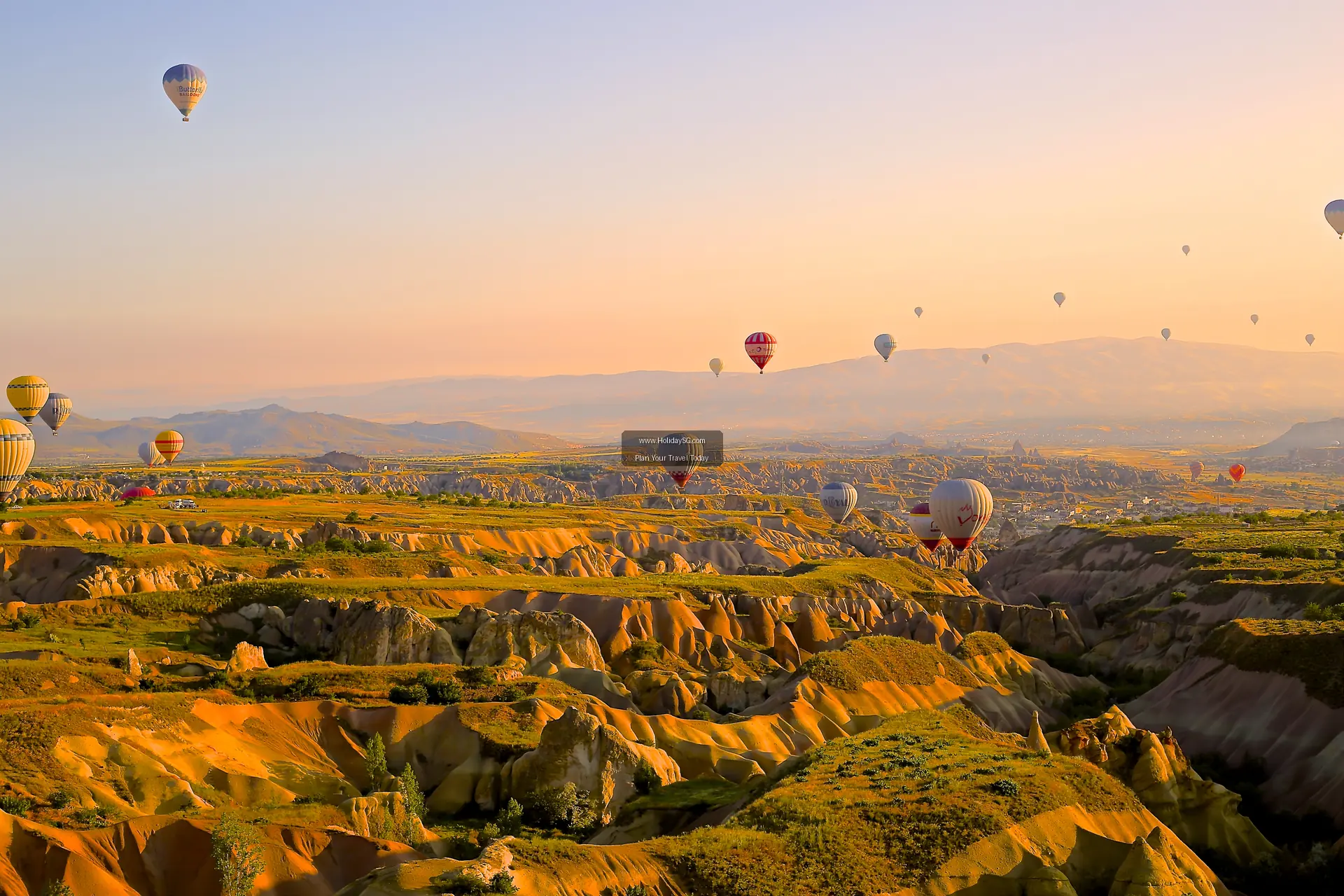
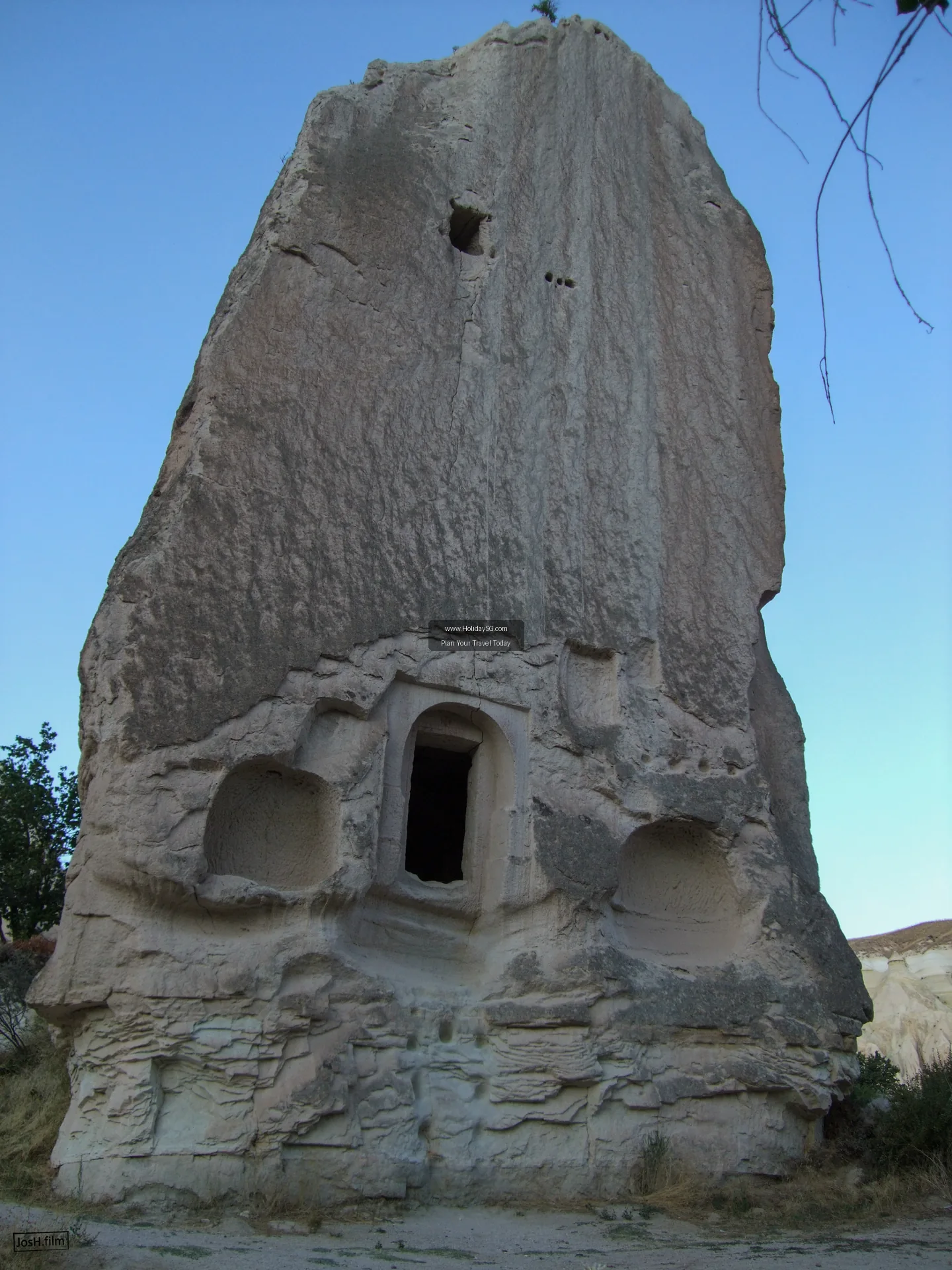
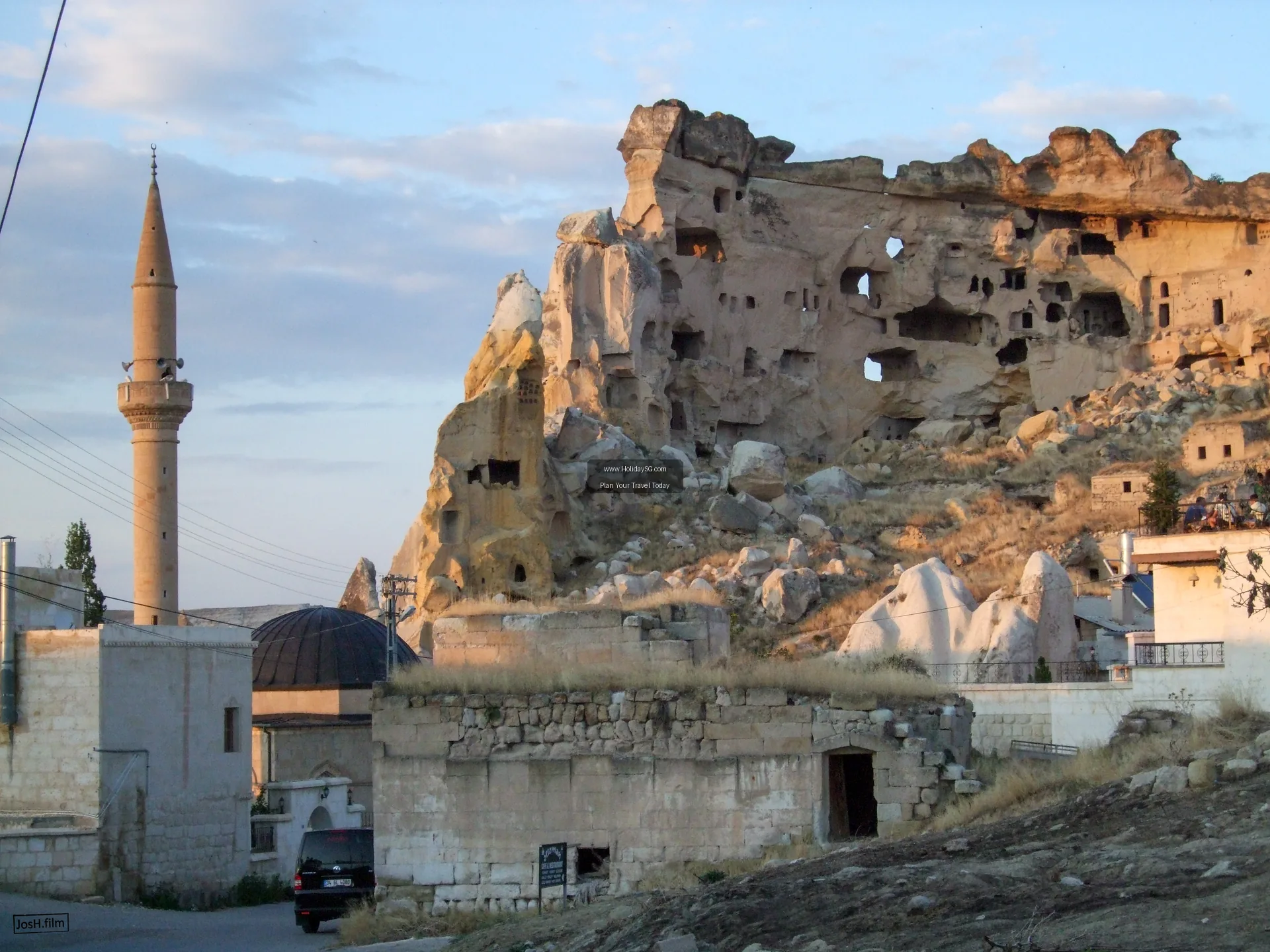
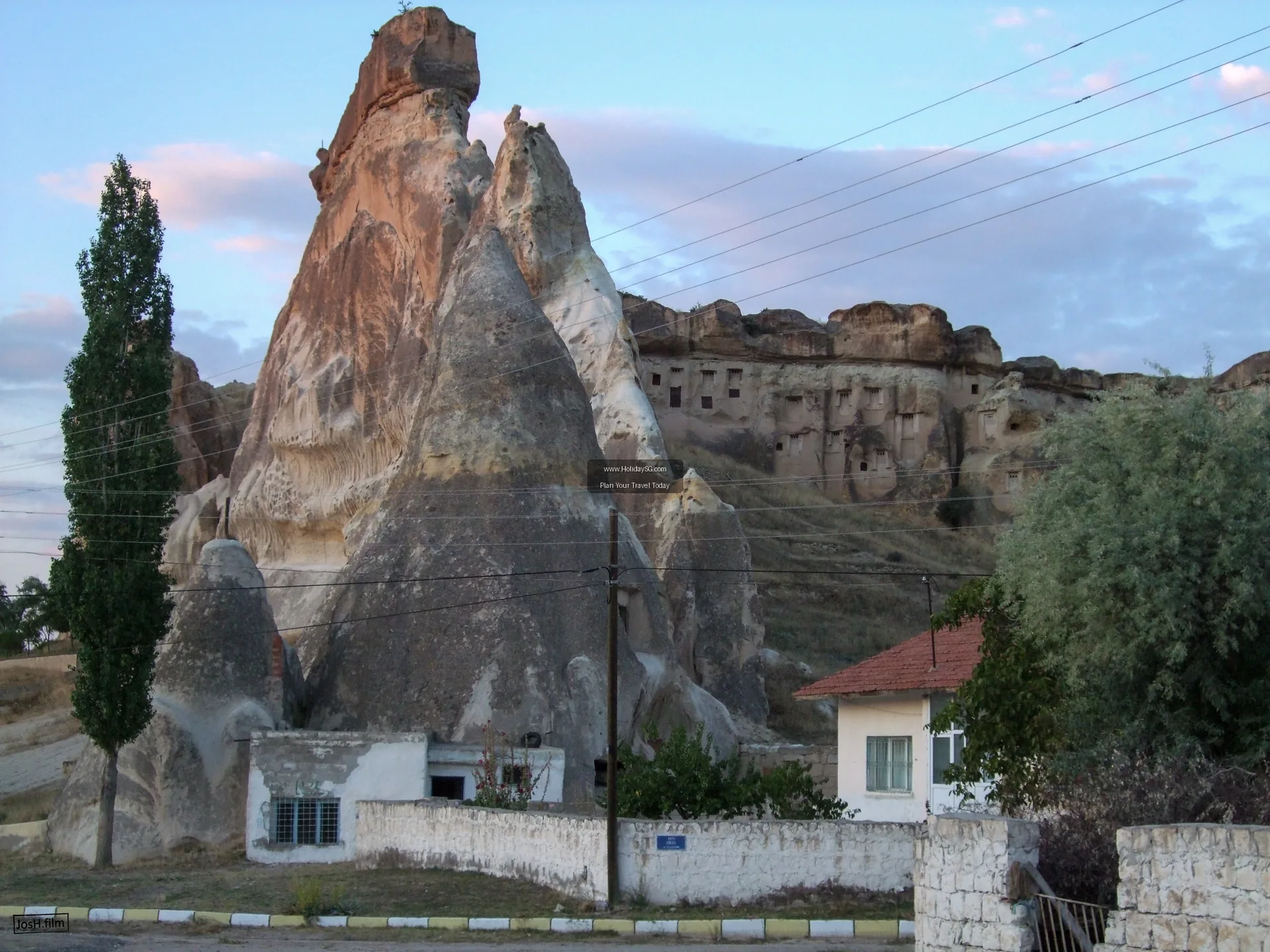
Cappadocia is unlike anywhere else on Earth, with its otherworldly rock formations, cave dwellings, and hot air balloons dotting the sky at sunrise. The Göreme Open-Air Museum, a UNESCO World Heritage site, is a must-visit, featuring ancient rock-cut churches adorned with vibrant frescoes. For a deeper dive into the region’s history, explore the underground cities of Derinkuyu or Kaymaklı, where early Christians sought refuge from invaders.
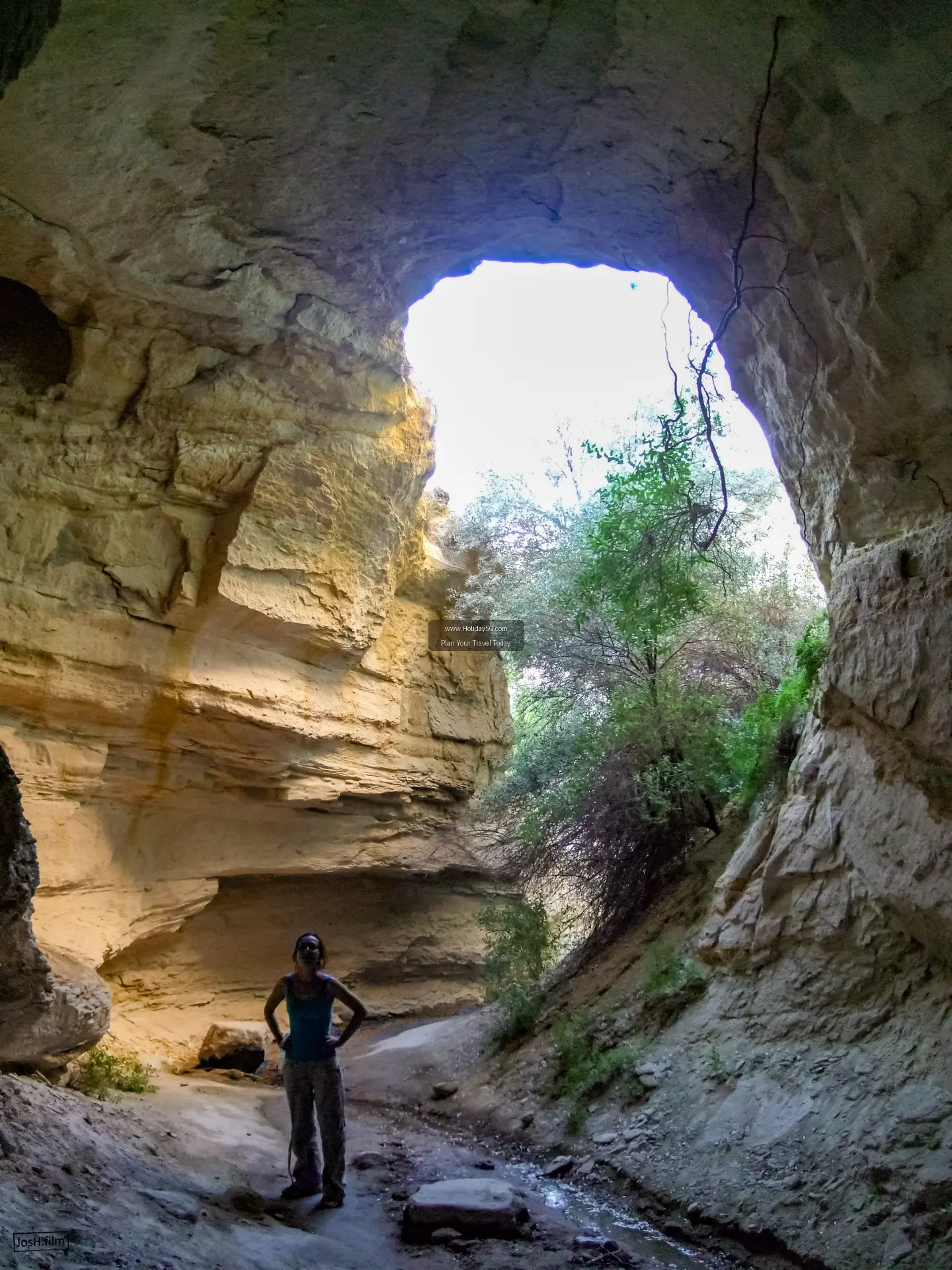
No trip to Cappadocia is complete without a hot air balloon ride, which offers a breathtaking view of the valleys and fairy chimneys below. After landing, enjoy a glass of local wine as you watch the balloons glide across the sky. For those who prefer to keep their feet on the ground, hiking through Love Valley or Rose Valley provides equally stunning vistas.
Ephesus and Pamukkale: Ancient Wonders and Natural Beauty
Ephesus, one of the best-preserved ancient cities in the Mediterranean, is a treasure trove of Roman ruins. Walk along the Arcadian Way, visit the Library of Celsus, and marvel at the Terrace Houses, which offer a glimpse into the lives of Ephesus’ wealthy residents. Nearby, the Temple of Artemis, one of the Seven Wonders of the Ancient World, is worth a visit, though little remains of its former glory.
Just a short drive from Ephesus, Pamukkale is famous for its surreal travertine terraces, formed by mineral-rich thermal waters. The ancient city of Hierapolis sits atop the terraces, offering a mix of natural and historical wonders. Don’t miss Cleopatra’s Pool, where you can swim among ancient Roman columns submerged in warm, mineral-rich water.
Antalya and the Turquoise Coast: Sun, Sea, and History
Antalya is the gateway to Turkey’s stunning Mediterranean coastline, known as the Turquoise Coast. The city’s Old Town (Kaleiçi) is a maze of narrow streets lined with Ottoman-era houses, boutique hotels, and charming cafes. Nearby, the Düden Waterfalls offer a refreshing escape, with water cascading directly into the sea.
For history lovers, the ancient ruins of Perge and Aspendos are just a short drive away. Perge boasts a well-preserved Roman theater and stadium, while Aspendos is home to one of the best-preserved Roman theaters in the world, still used for performances today. If you’re looking to explore further, consider a day trip to the Sunken City of Kekova, where you can see the remains of an ancient civilization submerged underwater. For a hassle-free experience, book the Sunken City Kekova, Demre, and Myra Day Tour from Antalya.
Bodrum and Marmaris: Luxury and Nightlife on the Aegean
Bodrum and Marmaris are the epitome of Turkish coastal luxury, offering pristine beaches, vibrant nightlife, and historic charm. In Bodrum, visit the Bodrum Castle, home to the Museum of Underwater Archaeology, which showcases ancient shipwrecks and treasures. For a unique experience, consider a Scuba Diving Tour in Bodrum, where you can explore the underwater world of the Aegean Sea.
Both Bodrum and Marmaris are famous for their gulet cruises, multi-day boat trips that take you along the Turquoise Coast, stopping at secluded bays and ancient ruins. These cruises are perfect for those looking to relax, swim, and soak up the sun while exploring the region’s hidden gems.
Off-the-Beaten-Path Gems
While Istanbul, Cappadocia, and the Turquoise Coast are the stars of most Turkey travel packages, the country is also home to lesser-known destinations that are equally captivating. Troy, the legendary city of the Trojan War, offers a fascinating glimpse into ancient mythology. Mount Nemrut, a UNESCO World Heritage site, is famous for its giant statues and sunrise views that are nothing short of magical.
For a taste of modern Turkey, visit Ankara, the country’s capital, where you can explore Anıtkabir, the mausoleum of Mustafa Kemal Atatürk, the founder of modern Turkey. The Museum of Anatolian Civilizations is another must-visit, housing artifacts from some of the world’s earliest civilizations.
Best Time to Visit Turkey
Turkey’s diverse climate means there’s no bad time to visit, but the best time depends on your interests and travel style.
- Spring (April–June): This is arguably the best time to visit Turkey, with mild temperatures, blooming landscapes, and fewer crowds. It’s ideal for exploring cultural sites, hiking in Cappadocia, and enjoying outdoor activities.
- Summer (July–August): Summer is peak tourist season, with hot temperatures perfect for beachgoers. Coastal destinations like Antalya, Bodrum, and Marmaris are at their best, but inland areas like Cappadocia can be uncomfortably hot. If you visit during this time, plan to spend your days by the sea or in air-conditioned museums.
- Autumn (September–October): Similar to spring, autumn offers pleasant weather and fewer tourists. It’s a great time for cultural trips, wine tours in Cappadocia, and exploring the Turquoise Coast before the crowds thin out.
- Winter (November–March): Winter in Turkey varies by region. Istanbul and the coastal areas remain mild, while Cappadocia transforms into a winter wonderland, perfect for snow-covered hot air balloon rides. Skiing enthusiasts can hit the slopes in Uludağ or Palandöken, while those seeking a quieter experience can enjoy the country’s cultural sites without the crowds.
Types of Turkey Travel Packages
Turkey travel packages come in all shapes and sizes, catering to different budgets, interests, and travel styles. Here’s a breakdown of the most popular options:
Classic Highlights Packages (7–10 Days)
Perfect for first-time visitors, these packages cover Turkey’s most iconic destinations. A typical itinerary might include 3 days in Istanbul, 2 days in Cappadocia, and 2 days in Ephesus and Pamukkale. These packages are ideal for history and culture lovers who want to experience the best of Turkey in a short amount of time.
Coastal and Relaxation Packages (5–7 Days)
If you’re looking to unwind, a coastal package focused on Turkey’s Mediterranean and Aegean coasts is the way to go. These packages often include stays in Antalya, Bodrum, or Marmaris, with plenty of time for beach lounging, water sports, and boat tours. They’re perfect for honeymooners, couples, or anyone looking to escape the hustle and bustle of city life.
Adventure and Nature Packages (10–14 Days)
For those who crave adventure, these packages include activities like hiking the Lycian Way, paragliding in Ölüdeniz, or exploring Cappadocia’s underground cities. They often combine cultural experiences with outdoor adventures, making them ideal for active travelers.
Luxury and Boutique Packages
If you’re looking to indulge, luxury packages offer high-end accommodations, private tours, and exclusive experiences. Stay in a 5-star cave hotel in Cappadocia, enjoy a private gulet cruise along the Turquoise Coast, or dine at Istanbul’s finest restaurants. These packages are perfect for special occasions or travelers who want to experience Turkey in style.
Budget-Friendly Packages
Turkey is an affordable destination, and budget-friendly packages make it even more accessible. These packages typically include stays in hostels or guesthouses, public transportation, and a mix of free and low-cost attractions. They’re ideal for backpackers, solo travelers, or anyone looking to explore Turkey without breaking the bank.
What’s Included in a Turkey Travel Package?
While inclusions vary by package, most Turkey travel packages cover the following:
- Accommodation: Depending on the package, you’ll stay in anything from budget hostels to luxury hotels or boutique cave hotels in Cappadocia.
- Transportation: This often includes domestic flights (e.g., Istanbul to Cappadocia), private transfers, and intercity buses. Some packages also include car rentals for self-drive adventures.
- Tours and Activities: Guided tours of major attractions, hot air balloon rides in Cappadocia, Bosphorus cruises, and other unique experiences are often included.
- Meals: Many packages include breakfast daily, with some offering half-board (breakfast and dinner) or cooking classes.
- Visa Assistance: Most packages provide guidance on obtaining an e-visa, which is required for many nationalities.
- 24/7 Support: Local contacts and emergency assistance ensure you’re never left stranded.
Before booking, always check what’s included and what’s not to avoid surprises. For example, some packages may not cover entrance fees to attractions, tips, or alcoholic beverages.
How to Choose the Right Turkey Travel Package
With so many options available, choosing the right Turkey travel package can feel overwhelming. Here’s how to narrow down your choices:
- Define Your Travel Style: Are you a culture vulture, a beach bum, an adventure seeker, or a luxury traveler? Your interests will dictate the type of package that’s best for you.
- Set a Budget: Turkey offers something for every budget, from backpacker-friendly hostels to ultra-luxury resorts. Decide how much you’re willing to spend and look for packages that fit within your budget.
- Check Inclusions and Exclusions: Make sure you understand what’s included in the package (e.g., meals, tours, transportation) and what you’ll need to pay for separately.
- Read Reviews and Ratings: Pay attention to feedback about the quality of accommodations, tours, and customer service.
- Look for Customization Options: If you have specific interests (e.g., photography, hiking, food), look for packages that allow you to add or remove activities to suit your preferences.
Cost of Turkey Travel Packages
The cost of a Turkey travel package depends on factors like duration, destinations, accommodation type, and inclusions. Here’s a general breakdown:
- Budget Packages: $800–$1,500 per person. These packages typically include hostels or budget hotels, public transportation, and a few guided tours.
- Mid-Range Packages: $1,500–$3,000 per person. Expect 3–4 star hotels, some private tours, domestic flights, and a mix of included meals.
- Luxury Packages: $3,000–$6,000+ per person. These packages include 5-star hotels, private guides, VIP experiences, and all-inclusive meals.
Additional costs to consider include souvenirs, tips, extra tours, and alcoholic beverages. For example, a hot air balloon ride in Cappadocia can cost $150–$250, while a fine-dining experience in Istanbul might set you back $50–$100 per person.
Visa and Entry Requirements for Turkey
Most travelers to Turkey require an e-visa, which can be obtained online before your trip. Here’s what you need to know:
- E-Visa: The e-visa costs $50–$80, depending on your nationality, and is valid for 90 days within a 180-day period. Apply online at least 48 hours before your departure.
- Visa on Arrival: Some nationalities (e.g., Middle Eastern countries) can obtain a visa on arrival, but it’s best to check the latest rules before traveling.
- Passport Validity: Your passport must be valid for at least 6 months beyond your arrival date.
- COVID-19 Rules: As of 2024, Turkey has lifted all COVID-19 restrictions, but it’s always a good idea to check for updates before your trip.
Cultural Etiquette and Practical Travel Tips
Turkey is a country rich in tradition and culture, and understanding local customs will enhance your experience.
- Dress Code: While Turkey is relatively liberal, modest clothing is recommended when visiting mosques. Women should cover their shoulders and knees, and a headscarf may be required in some places. On the coast, beachwear is acceptable.
- Tipping: Tipping is appreciated but not mandatory. In restaurants, a 5–10% tip is customary, while small change is sufficient for hotel staff and guides.
- Bargaining: Haggling is expected in bazaars like the Grand Bazaar or Spice Bazaar. Start by offering half the asking price and negotiate politely until you reach a fair deal.
- Language: Turkish is the official language, but English is widely spoken in tourist areas. Learning a few basic phrases (e.g., “Merhaba” for hello, “Teşekkür ederim” for thank you) will go a long way.
- Currency: The Turkish Lira (TRY) is TRY (Turkish Lira). Credit cards are widely accepted in cities, but carry cash for small vendors, markets, and rural areas.
- Safety: Turkey is generally safe for tourists, but be cautious of pickpockets in crowded areas like Istanbul’s Grand Bazaar or public transport. Avoid isolated areas at night, especially if you’re traveling solo.
Unique Experiences to Add to Your Turkey Trip
Turkey is full of unique experiences that go beyond the typical tourist trail. Here are a few to consider:
- Hot Air Ballooning in Cappadocia: A sunrise hot air balloon ride over Cappadocia’s fairy chimneys is a once-in-a-lifetime experience. Book in advance, as flights are weather-dependent.
- Whirling Dervishes Ceremony: Witness the mesmerizing Sufi ritual of the Whirling Dervishes in Konya or Istanbul. This spiritual performance is both captivating and deeply moving.
- Turkish Cooking Classes: Learn to make traditional dishes like kebabs, baklava, or meze in a hands-on cooking class. Istanbul and Gaziantep are great places to try this.
- Gulet Cruises: Embark on a multi-day gulet cruise along the Turquoise Coast, stopping at secluded bays, ancient ruins, and charming coastal towns.
- Traditional Hammam Experience: No trip to Turkey is complete without a visit to a hammam (Turkish bath). The Çemberlitaş Hamamı in Istanbul is one of the most famous, but local hammams in any city offer an equally authentic experience.
- Paragliding in Ölüdeniz: Soar above the Blue Lagoon in Ölüdeniz on a tandem paragliding flight. The views of the turquoise waters and white-sand beaches are unforgettable.
Health and Safety in Turkey
Turkey is a safe and welcoming destination, but it’s always wise to take precautions.
- Vaccinations: Routine vaccines (hepatitis A/B, typhoid) are recommended. Check with a travel clinic before your trip.
- Food and Water Safety: Stick to bottled water and avoid raw vegetables or unpeeled fruits in street food. Eat at busy restaurants to ensure freshness.
- Sun Protection: Turkey’s summer sun can be intense, especially in coastal areas. Wear sunscreen, a hat, and sunglasses, and stay hydrated.
- Scams to Avoid: Be wary of overcharging taxis (use the BiTaksi app instead), fake tour operators, and “free” carpet or tea scams in bazaars.
- Emergency Numbers: Dial 112 for general emergencies, 155 for police, and 110 for fire.
Sustainable and Responsible Travel in Turkey
Traveling responsibly ensures that Turkey’s beauty and culture are preserved for future generations.
- Support Local Businesses: Stay in family-run guesthouses, eat at lokantas (local eateries), and buy handmade souvenirs from artisans.
- Reduce Plastic Waste: Carry a reusable water bottle and refill it at hotels or restaurants. Many places now offer water refill stations.
- Respect Wildlife: Avoid supporting unethical animal tourism, such as camel rides in Cappadocia. Opt for ethical wildlife encounters instead.
- Cultural Sensitivity: Always ask before photographing locals, especially in rural areas or religious sites. Dress modestly when visiting mosques or conservative regions.
- Eco-Friendly Tours: Choose tour operators that follow sustainable practices, such as Leave No Trace principles for hiking tours.
Frequently Asked Questions (FAQs)
Is Turkey safe for solo female travelers?
Yes, Turkey is generally safe for solo female travelers, but it’s important to take precautions. Dress modestly, avoid isolated areas at night, and use reputable tour operators. In tourist-heavy areas like Istanbul or Cappadocia, you’ll find plenty of other solo travelers to connect with.
Can I drink alcohol in Turkey?
Yes, alcohol is available in Turkey, but it’s expensive due to high taxes. Avoid public intoxication, especially during Ramadan, when drinking alcohol in public is frowned upon.
How much cash should I carry?
ATMs are widely available, but it’s a good idea to carry some Turkish Lira for small vendors, tips, and rural areas where credit cards may not be accepted.
Is tap water safe to drink?
No, tap water is not safe to drink in Turkey. Stick to bottled water, which is cheap and widely available.
What’s the best way to get from Istanbul Airport to the city center?
The most convenient options are taxis (~$30–$50), the Havabus shuttle (~$3), or the metro (~$1). For a hassle-free experience, consider booking a private transfer in advance.
Do I need travel insurance?
Yes, travel insurance is highly recommended for medical emergencies, trip cancellations, or lost luggage. Make sure your policy covers activities like hot air ballooning or scuba diving.
What’s the tipping culture in Turkey?
Tipping is appreciated but not mandatory. Round up taxi fares, tip 5–10% in restaurants, and give small change to hotel staff or guides.
Are credit cards widely accepted?
Yes, credit cards are widely accepted in cities, but carry cash for markets, small shops, and rural areas.
Can I use my phone in Turkey?
Yes, but buying a local SIM card (e.g., Turkcell or Vodafone) is the most cost-effective way to stay connected. Check if your phone is unlocked before purchasing a SIM. For convenience, consider an eSIM for Turkey to avoid the hassle of swapping physical SIM cards.
What should I pack for Turkey?
Pack light, breathable clothing for summer, and layers for cooler months. Comfortable walking shoes are a must, as you’ll be exploring cobblestone streets and ancient ruins. Don’t forget a scarf for visiting mosques, sunscreen, and a reusable water bottle.
Seasonal Events and Festivals in Turkey
Turkey’s calendar is packed with vibrant festivals and events that offer a deeper insight into its culture.
- April: The Istanbul Tulip Festival transforms the city’s parks and gardens into a sea of color.
- June: The Istanbul Music Festival features classical and contemporary performances in stunning venues.
- July: The Cappadocia Hot Air Balloon Festival is a must-see for balloon enthusiasts.
- August: The Bodrum Ballet Festival offers open-air performances against the backdrop of Bodrum Castle.
- September: The International Antalya Film Festival showcases cinema from around the world.
- October: Republic Day (October 29) is a national holiday celebrating the founding of modern Turkey, with parades and fireworks.
- December: Istanbul’s New Year’s Eve celebrations are legendary, with parties in Taksim Square and Bosphorus cruises.
Recommended HolidaySG Tours
If you’re planning your Turkey adventure, consider these curated tours to enhance your experience:
Conclusion
Turkey is a destination that captivates the imagination, offering a perfect blend of history, culture, nature, and adventure. Whether you’re exploring the ancient ruins of Ephesus, floating above Cappadocia’s fairy chimneys in a hot air balloon, or relaxing on the beaches of the Turquoise Coast, a well-planned Turkey travel package can make your trip unforgettable. By choosing the right package, you’ll save time, money, and stress, allowing you to focus on what truly matters—immersing yourself in the beauty and warmth of this incredible country. Ready to stay connected on your journey? Check out our Esim Turki Esim Turkey Big Data Global for seamless mobile data during your travels!
Book with HolidaySG online for Esim Turki Esim Turkey Big Data Global, Turkey Esim Free Roaming Mobile Data, Airalo Turkey E Sim Package.
More Photos from HolidaySG
“`html
Frequently Asked Questions
Where can I book Turkey travel packages or tours?
You can book specific Turkey travel experiences directly through the following links:
Do foreigners (non-citizens) need a different ticket, price, or visa for Turkey?
Turkey generally offers the same ticket prices for foreigners and locals at most attractions, though some museums or historical sites may have discounted rates for Turkish citizens. As for visas, most foreign travelers—including those from Singapore, the US, UK, and EU countries—require an e-Visa to enter Turkey. Visa requirements and fees can vary by nationality, so it’s essential to check the latest rules on the official Turkish e-Visa website before traveling. Always verify current entry requirements, as policies can change.
What is the best time to visit Turkey for tours and activities?
The best time to visit Turkey depends on the region and activity. For general travel, **spring (April to June)** and **autumn (September to October)** offer pleasant weather, fewer crowds, and ideal conditions for sightseeing, hiking, and coastal tours. Summer (July to August) is perfect for beach activities and diving in Bodrum but can be very hot, especially in inland areas like Cappadocia or Istanbul. For the Sunken City Kekova tour, mornings are best to avoid midday heat and enjoy clearer waters. Scuba diving in Bodrum is best from **May to October**, when sea temperatures are warm and visibility is excellent.
How long should I spend in Turkey to explore major highlights?
A well-rounded Turkey itinerary typically requires **10 to 14 days** to cover key destinations like Istanbul, Cappadocia, Ephesus, Pamukkale, and the Turquoise Coast (e.g., Antalya or Bodrum). If you’re focusing on a specific region, such as the Aegean Coast, **5 to 7 days** may suffice for tours like the Sunken City Kekova tour or diving in Bodrum. For a deeper cultural experience, consider extending your stay to 3 weeks.
What is the typical cost of tours in Turkey?
Tour costs in Turkey vary by type and duration. For example:
- Sunken City Kekova Day Tour from Antalya: Approximately **SGD 120–180** per person, including transport, guide, and lunch.
- Scuba Diving Tour in Bodrum: Around **SGD 80–150** per person, depending on whether it’s a beginner or certified dive.
- Multi-day guided tours (e.g., Istanbul to Cappadocia): **SGD 500–1,200** per person, covering accommodation, meals, and transport.
Prices may fluctuate based on season, group size, and inclusions (e.g., meals, entry fees). Always check the latest rates on the booking page.
How do I get to the Sunken City Kekova or Bodrum from major cities?
To Kekova (from Antalya): The Sunken City Kekova tour typically includes round-trip transport from Antalya (about **3–4 hours each way**). You can also take a bus to Demre or Kas (2.5–3 hours) and join a local boat tour.
To Bodrum: Bodrum is accessible by **domestic flights** to Milas-Bodrum Airport (BJV) from Istanbul or Izmir, or by **bus** (e.g., from Istanbul, ~12 hours; from Antalya, ~5 hours). Ferries also connect Bodrum to nearby Greek islands like Kos.
Is Turkey family-friendly for travelers with children?
Yes! Turkey is very family-friendly, with activities suitable for all ages. Kids will enjoy:
- Exploring Istanbul’s Grand Bazaar or Topkapi Palace.
- Hot air balloon rides in Cappadocia (minimum age ~5–6 years).
- Beach time in Antalya or Bodrum.
- The Sunken City Kekova tour, which includes a boat ride and shallow snorkeling (life jackets provided).
- Scuba diving in Bodrum (introductory dives for kids aged 8+).
Many hotels and restaurants offer child-friendly amenities, and Turks are generally welcoming to families.
What should I pack for a Turkey tour?
Packing depends on the season and activities:
- Clothing: Lightweight, breathable fabrics for summer; layers for spring/autumn; a jacket for cooler evenings or Cappadocia’s early mornings.
- Footwear: Comfortable walking shoes for cities and ruins; sandals for beaches; water shoes for rocky shores (e.g., Kekova).
- Essentials: Sunscreen, hat, sunglasses, and a reusable water bottle. For the Bodrum diving tour, bring a towel and swimwear.
- Tech: A universal adapter (Type F plugs), power bank, and an e-SIM like Airalo Turkey E-Sim for mobile data.
- Extras: A scarf for visiting mosques, motion sickness pills (for boat tours), and a small backpack for day trips.
Are Turkey’s tourist sites accessible for travelers with disabilities?
Accessibility varies across Turkey. Major cities like Istanbul and Antalya have improved infrastructure, with wheelchair-friendly public transport and ramps at some attractions (e.g., Hagia Sophia, Topkapi Palace). However, many historical sites—such as Ephesus or the Sunken City Kekova—have uneven terrain, steep steps, or limited accessibility. Boat tours may not accommodate wheelchairs easily. For the Bodrum diving tour, check with the operator about mobility requirements. It’s best to contact tour providers in advance to confirm accessibility options.
Is Turkey safe for solo travelers or female travelers?
Turkey is generally safe for solo and female travelers, with millions visiting annually without issues. However, take standard precautions:
- Avoid isolated areas at night, especially in big cities.
- Dress modestly in conservative regions (e.g., rural Anatolia) to avoid unwanted attention.
- Use licensed taxis or ride-hailing apps like BiTaksi.
- Be cautious of scams (e.g., overcharging in bazaars or “friendly” strangers offering unsolicited help).
Tourist-heavy areas like Istanbul, Bodrum, and Antalya are very safe, but always stay aware of your surroundings. Solo female travelers often report positive experiences, but cultural norms may differ from Western countries.
What is the weather like in Turkey’s popular tourist regions?
Turkey’s climate varies by region:
- Istanbul: Mild springs (15–25°C), hot summers (25–35°C), cool autumns (15–25°C), and chilly winters (5–10°C).
- Cappadocia: Hot summers (30–35°C) and cold winters (-5 to 5°C), with snow in December–February.
- Antalya/Bodrum (Aegean Coast): Mediterranean climate—hot, dry summers (30–40°C) and mild, wet winters (10–18°C). Sea temperatures peak in August (28°C).
- Eastern Turkey: Harsh winters (-10°C) and warm summers (20–30°C).
For the Kekova tour, summer offers the best sea conditions, while spring/autumn avoids extreme heat.
What local etiquette should I be aware of in Turkey?
Turks are hospitable, but observing local customs enhances your experience:
- Greetings: A handshake is common; close friends may kiss on both cheeks. Use “Merhaba” (hello) or “Günaydın” (good morning).
- Dress code: Cover shoulders and knees when visiting mosques (women may need a headscarf). In resorts like Bodrum, beachwear is fine but dress modestly in towns.
- Dining: Wait for the host to invite you to start eating. Compliment the food—it’s polite! Leave a small tip (5–10%) in restaurants.
- Bargaining: Expected in bazaars (e.g., Grand Bazaar) but not in shops with fixed prices.
- Shoes: Remove shoes before entering homes or some mosques.
- Photography: Always ask before photographing locals, especially in rural areas.
What are the must-try foods near popular tourist sites?
Turkey’s cuisine is a highlight! Try these near key attractions:
- Istanbul: Kebabs (e.g., Adana kebap), meze (appetizers like hummus or ezme), baklava, and Turkish breakfast (menemen, cheeses, olives).
- Cappadocia: Testi kebabı (clay-pot meat stew), mantı (Turkish dumplings), and pottery kebab.
- Antalya/Bodrum: Fresh seafood (grilled levrek/bass or kalamar/squid), pide (Turkish pizza), and gözleme (stuffed flatbread).
- Kekova/Demre: Try local citrus fruits (oranges, lemons) and freshly caught fish at waterfront restaurants.
- Bodrum: Midye dolma (stuffed mussels), köfte (meatballs), and lokma (fried dough balls).
Don’t miss Turkish tea or coffee, served everywhere!
Can I use my Singapore mobile phone in Turkey?
Yes, but roaming charges can be expensive. To stay connected affordably, consider a local e-SIM or tourist SIM:
Alternatively, buy a local SIM (e.g., Turkcell, Vodafone) at the airport or shops, but ensure your phone is unlocked.
What are some nearby attractions to combine with the Sunken City Kekova tour?
The Sunken City Kekova tour often includes stops at:
- Myra: Ancient Lycian rock tombs and a well-preserved Roman theater.
- Demre (Kale): Visit St. Nicholas Church (Santa Claus’s original home) and the charming harbor.
- Kas: A picturesque coastal town with boutique shops, cafes, and a lively marina. Great for paragliding or kayaking.
- Olympos: Ruins of an ancient city and the Chimaera (eternal flames).
- Patara Beach: A stunning, undeveloped beach near ancient Patara ruins.
Consider extending your trip to explore these gems!
Is scuba diving in Bodrum suitable for beginners?
Yes! The Scuba Diving Tour in Bodrum offers options for all levels:
- Discover Scuba Diving (DSD): A beginner-friendly intro dive (no certification required) with a guide, typically to depths of 5–6 meters. Includes a brief theory session and shallow-water practice.
- Certified Divers: Explore deeper sites like the “Amphitheater” or “Black Island,” with depths up to 18–30 meters.
Bodrum’s clear waters, marine life (e.g., octopus, groupers), and underwater ruins make it ideal for first-timers. Always choose a licensed dive center with good reviews.
What currency is used in Turkey, and how should I handle money?
Turkey uses the **Turkish Lira (TRY)**. While some tourist-heavy areas (e.g., hotels, upscale restaurants) accept euros or USD, local vendors, bazaars, and tours prefer lira. Tips:
- ATMs: Widely available; withdraw lira directly to avoid poor exchange rates. Notify your bank before traveling.
- Credit Cards: Visa/Mastercard are accepted in cities, but carry cash for small shops or rural areas.
- Exchange: Use official exchange offices (döviz) or banks—avoid street vendors.
- Tipping: Round up taxi fares, tip 5–10% in restaurants, and give small change to hotel staff or guides.
For tours, check if payment is required in TRY, USD, or EUR before booking.
Are there any cultural or religious sites I should dress modestly for?
Yes, dress modestly when visiting:
- Mosques: Cover shoulders, knees, and (for women) hair with a scarf. Remove shoes before entering. Examples: Blue Mosque (Istanbul), Selimiye Mosque (Edirne).
- Religious Sites: St. Nicholas Church (Demre) or the House of the Virgin Mary (Ephesus) require respectful attire (no shorts or sleeveless tops).
- Conservative Areas: In rural Anatolia or small towns, avoid revealing clothing to blend in and show respect.
Carry a lightweight scarf or shawl for quick coverage.
What are the best day trips from Istanbul?
Istanbul is a gateway to many incredible day trips:
- Princes’ Islands: Car-free islands (e.g., Büyükada) with Ottoman-era mansions and pine forests. Accessible by ferry (~1.5 hours).
- Bursa: Turkey’s first Ottoman capital, known for its Grand Mosque, Uludağ Mountain (skiing in winter), and İskender kebap. (~2.5 hours by ferry + bus).
- Gallipoli & Troy: WWI battlefields and the legendary city of Troy. (~5-hour tour).
- Sapanca & Masukiye: Scenic lakes and waterfalls near Istanbul (~2 hours).
- Ephesus (from Izmir): Fly to Izmir for a day trip to the ancient city of Ephesus (~1-hour flight).
For hassle-free travel, book guided tours with transport included.
How do I avoid tourist scams in Turkey?
Common scams and how to avoid them:
- Taxi Overcharging: Use official taxis (yellow with a “T” sign) or apps like BiTaksi. Insist on the meter or agree on a price upfront.
- Shoe Shining Trick: A “free” shoe shine may demand payment afterward. Politely decline.
- Fake Guides: Only hire licensed guides (check for official badges) at attractions or through reputable agencies.
- Currency Confusion: Some vendors may “accidentally” give change in outdated lira. Familiarize yourself with current notes.
- Bazaar Pressure: Vendors may offer tea to build rapport before pressuring you to buy. Politely decline if uninterested.
- Restaurant Menus: Check prices before ordering—some touristy spots don’t display them. Avoid places with aggressive touts.
Trust your instincts, and don’t feel obligated to engage with pushy sellers.
What are the best souvenirs to buy in Turkey?
Turkey offers unique, high-quality souvenirs:
- Textiles: Handwoven rugs (e.g., from Cappadocia or Hereke), pashmina scarves, or leather goods (Istanbul’s Grand Bazaar).
- Food & Spices: Turkish delight (lokum), saffron, sumac, or dried apricots. Buy from reputable shops (e.g., Kurukahveci Mehmet Efendi for coffee).
- Ceramics: Iznik tiles or hand-painted pottery from Avanos (Cappadocia).
- Jewelry: Evil eye (nazar boncuğu) bracelets, silver filigree, or gold (check for hallmarks).
- Tea & Coffee: Turkish tea sets or cezve (coffee pots).
- Local Crafts: Meerschaum pipes (Eskisehir), olive oil soap (Ayvalık), or handmade marbling (ebru) art.
Bargain in bazaars, but avoid counterfeit goods (e.g., fake designer items).
“`
What things cost in Turkey
Live HolidaySG prices for the experiences in this guide, so you can sanity-check a budget before you commit.
Important: Some of the links recommended here are paid placements or have sponsored our stay in one way. We have paid for these accommodations ourselves. If you book through any of our links, we make a small commission at no extra cost to you. This helps keep our site running – so thank you in advance for your support!
Written by
HolidaySG Travel Team
Singapore-based travel specialists covering attractions, tours and travel experiences across Asia-Pacific and beyond. Licensed travel agency (TA04014).
Last updated: October 12, 2026
#Turkey
#Uncategorized
#HolidaySG