Turkey Travel Tips: 50 Must-Know Things Before You Go
Get ready for Turkey with these 50 essential travel tips, covering everything from e-Visa requirements to cultural etiqu...
HolidaySG Travel Team
July 27, 2026
14 min read56 views
Get ready for Turkey with these 50 essential travel tips, covering everything from e-Visa requirements to cultural etiquette. Plan a smooth, memorable trip.
In this guide.
Turkey travel tips: 50 must-know things before you go is exactly what this guide covers.
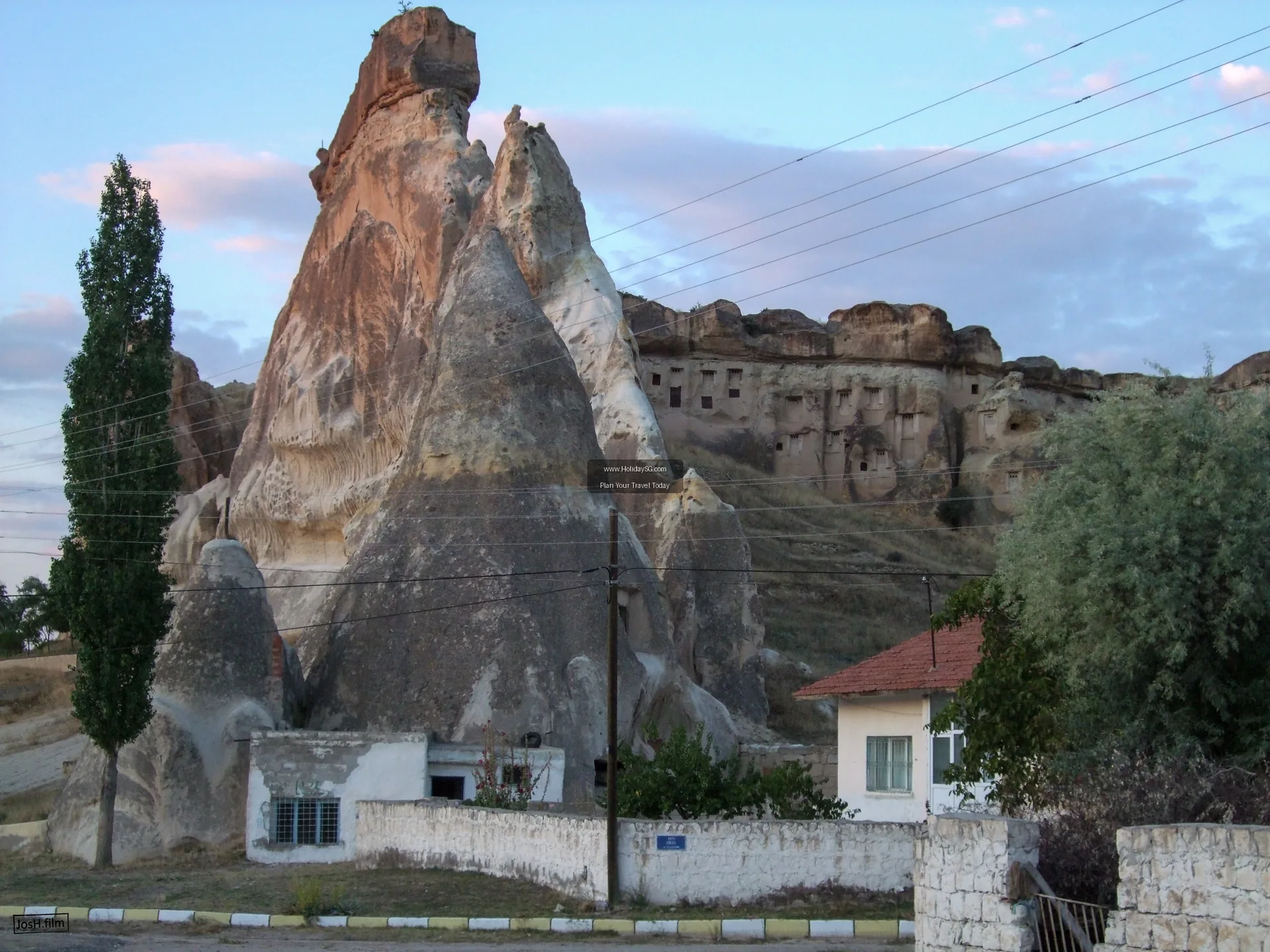
Turkey is a captivating blend of East and West, a land where ancient empires left their mark on sun-drenched coasts, and where vibrant bazaars hum with the energy of a modern nation. From the surreal landscapes of Cappadocia to the historical depth of Istanbul, it’s a top-tier destination for every kind of traveler. But to truly make the most of your trip, these Turkey travel tips are essential.
TL;DR: Turkey is a safe, affordable, and incredibly rich destination, best visited in spring or autumn. Plan ahead for your e-Visa, pack modestly for mosques, and always carry some Turkish Lira for the best bazaar deals. Embrace the local customs, and you’ll be rewarded with unforgettable experiences.
For many nationalities, including Singapore, a visa is required for entry. The easiest way is to apply for an e-Visa online through the official Turkish government website before you travel. This is valid for stays of up to 90 days. Ensure your passport has at least six months of validity from your date of entry.
The sweet spots for visiting Turkey are spring (April to June) and autumn (September to October). You’ll enjoy mild, pleasant weather perfect for exploring cities and historical sites without the intense heat and crowds of summer. Summer (July-August) is peak season, bringing scorching temperatures, especially in the south, and busy attractions. Winter can be cold and rainy in Istanbul, but it offers a quieter city break and the chance to see snow in Cappadocia.
Health, Safety, and Money Matters
Turkey is generally safe for tourists, but it’s wise to stay informed. Avoid travel to the southeastern provinces near the Syrian and Iraqi borders. Comprehensive travel insurance is non-negotiable. For your finances, the Turkish Lira (TRY) is TRY (Turkish Lira). While cards are widely accepted in cities and tourist areas, cash is essential for markets, small shops, and tipping. ATMs are plentiful. For a daily budget, a backpacker can get by on $40-60, mid-range travelers should plan for $100-150, and luxury seekers $250+. Tipping 5-10% in restaurants is appreciated, as is giving small change to hotel porters or guides.
Packing with Purpose
Layering is key due to Turkey’s varied climate. Pack light clothes, but include a jacket and long trousers for cooler evenings or air-conditioned spaces. Don’t forget sun protection: a hat, sunscreen, and sunglasses are vital, especially for coastal regions. Comfortable walking shoes are a must for cobblestone streets and ancient sites. Most importantly, pack a scarf or shawl for women (and a long-sleeved top for men) to cover up when entering mosques.
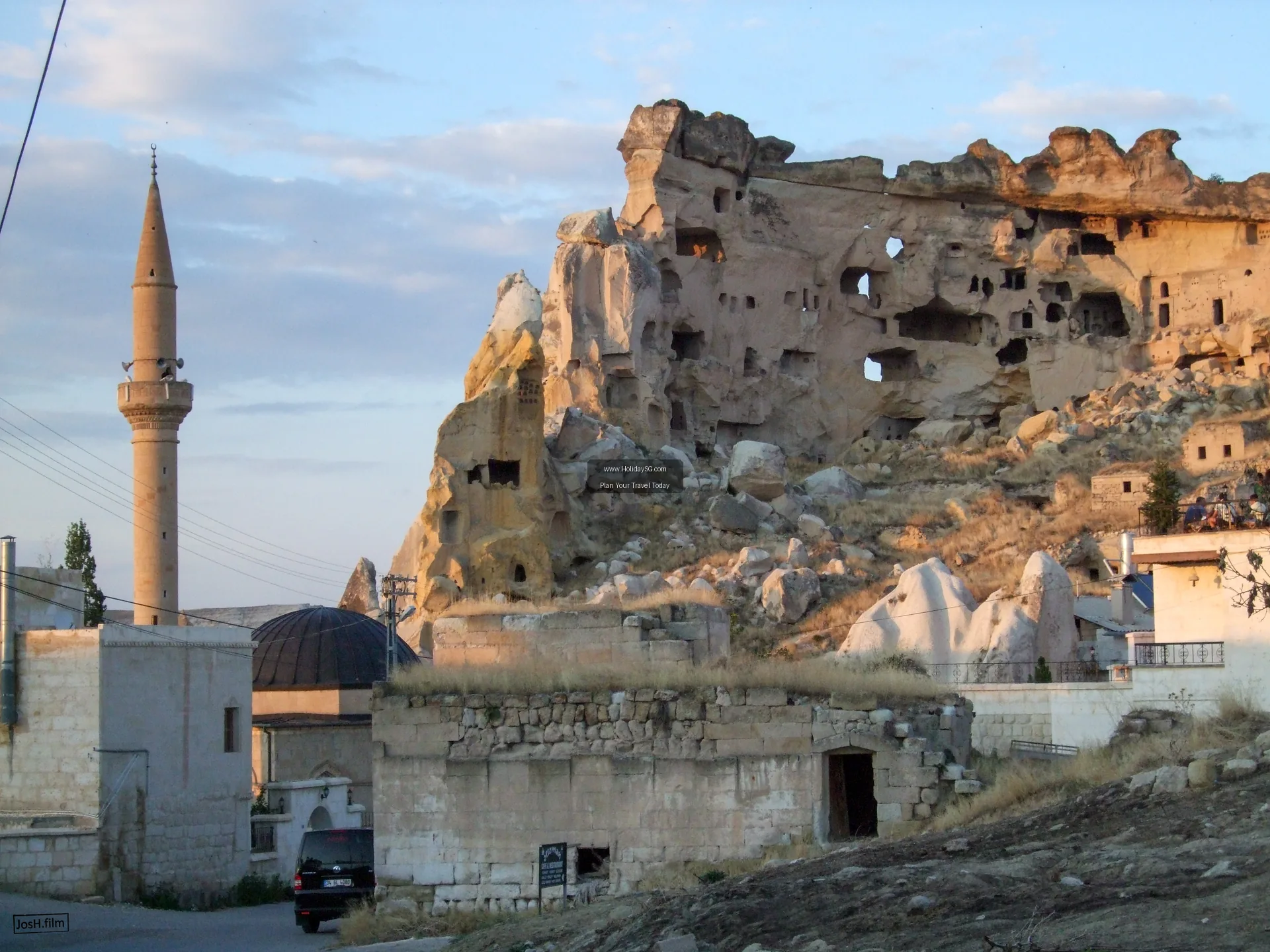
Respect for local customs will enhance your experience. When visiting a mosque, dress modestly by covering your shoulders, arms, and knees. Women should cover their hair with a scarf (usually provided at entrances). A few words of Turkish, like “Merhaba” (Hello) and “Teşekkür ederim” (Thank you), are warmly received. Alcohol is available in licensed restaurants and bars, but public drunkenness is frowned upon.
A Taste of Turkish Life
Avoid drinking tap water and stick to bottled water, which is cheap and everywhere. Start your day with a traditional Turkish breakfast, a feast of cheeses, olives, eggs, and fresh bread. For lunch, dive into street food like *simit* (sesame bread rings) or *döner*. Must-try dishes include İskender kebab, meze platters, and sweet baklava. Dining times are later than in many Western countries, with dinner often starting at 8 PM or later.
The Art of the Bargain
Haggling is an expected and enjoyable part of shopping in bazaars like Istanbul’s Grand Bazaar or in local markets. Start by offering around half the asking price and negotiate with a smile. It’s considered rude to haggle then walk away without buying. However, bargaining is not appropriate in modern supermarkets, brand-name stores, or fixed-price shops.
Istanbul boasts an efficient public transport network of metros, trams, funiculars, and iconic ferries. Get a reloadable Istanbulkart for discounted fares across all modes. For taxis, ensure the meter is running or use a reliable ride-hailing app like BiTaksi. Intercity travel is a breeze with Turkey’s comfortable long-distance buses or quick domestic flights via airlines like Turkish Airlines or Pegasus. For a scenic alternative, consider train routes, like the journey from Ankara to Cappadocia.
Staying Connected
Buying a local SIM card from providers like Turkcell or Vodafone is straightforward with your passport and gives you affordable data. Alternatively, for hassle-free connectivity upon arrival, you can use an eSIM service. You might find an option like the Esim Turkey Big Data Global package a convenient choice for staying online throughout your trip.
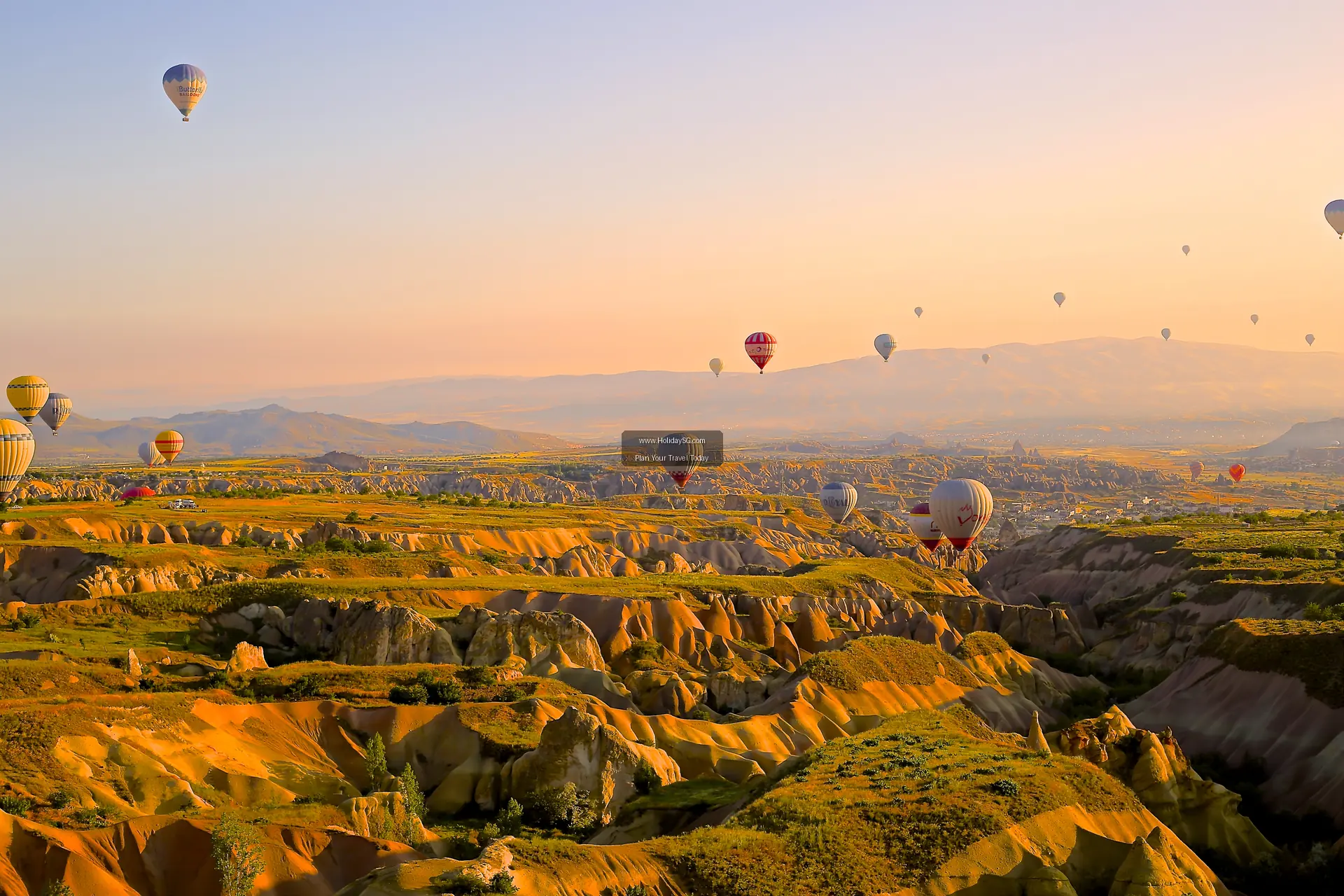
No trip to Istanbul is complete without visiting the majestic Hagia Sophia, the stunning Blue Mosque, and the opulent Topkapi Palace. The otherworldly hot air balloon rides over Cappadocia’s fairy chimneys are a bucket-list experience. Step back in time among the remarkably preserved ruins of Ephesus, and float in the white thermal pools of Pamukkale. Beyond the classics, consider exploring the lush Black Sea coast or the beautiful Mediterranean beaches around Fethiye and Antalya. For a unique day trip from Fethiye, the Dalyan Mud Baths and Turtle Beach tour offers a fun blend of nature and relaxation.
Capturing Memories and Finding Souvenirs
Drone regulations are strict; permission is required and often denied in cities and near military sites. Always be respectful when photographing people, especially in religious areas. For souvenirs, look for handmade Turkish carpets, intricate ceramics, aromatic spices, and the iconic blue evil eye charms. In Cappadocia, extend your cultural immersion with an evening at a Turkish Night at a cave restaurant, complete with traditional dinner, drinks, and folk dancing.
Turkey’s magic lies in its profound contrasts and the legendary hospitality of its people. With these tips in hand, you’re ready to navigate with confidence, connect with the culture, and create lasting memories. Whether you’re drafting the ultimate Turkey itinerary or seeking a spontaneous adventure, the country promises a journey as rich and layered as its own history. Safe travels!
Ready to stay connected on your Turkish adventure? Don’t forget to grab the Esim Turki Esim Turkey Big Data Global for reliable data throughout your trip.
Do foreigners (non-citizens) need a different ticket, price, or visa for Turkey?
For entry, most foreign visitors need a visa. The rules, including whether you need an e-Visa, a sticker visa, or visa-on-arrival, depend on your nationality. It is essential to check the official Republic of Turkey Ministry of Foreign Affairs website or the e-Visa portal for the most current and accurate requirements for your specific passport before traveling. As for attraction tickets, prices for historical sites are generally the same for all adults, regardless of nationality.
What is the best time (season, or time of day for the site/activity) to go to Turkey?
The best time to visit Turkey is during the spring (April-May) and autumn (September-November) seasons. During these periods, the weather is pleasantly warm across most of the country, crowds are smaller than in summer, and prices are often lower. Summer (June-August) is peak season, especially along the coasts, and can be very hot and crowded. Winter (December-February) is ideal for visiting Istanbul or experiencing a snowy Cappadocia, but some coastal resorts have limited services. For specific activities like hot air ballooning in Cappadocia, the very early morning (sunrise) is the best time of day, as it offers the calmest winds and best light.
How many days do I need for a trip to Turkey?
A minimum of 10 days is recommended to see a good overview of Turkey. This allows time for Istanbul (2-3 days), Cappadocia (2 days), and one of the other regions like Ephesus/Pamukkale or the Aegean/Mediterranean coast (2-3 days). If you have only a week, focusing on Istanbul and Cappadocia is a fantastic combination. For a deeper exploration including the Black Sea region or multiple coastal stops, 2-3 weeks is ideal.
What is the average cost of a trip to Turkey? Is it a budget-friendly destination?
Turkey offers excellent value for money. While costs vary, a budget traveler might spend $50-$80 USD per day, a mid-range traveler $100-$200 USD, and luxury options are unlimited. Domestic flights are affordable, meals at local restaurants are inexpensive, and many historical sites offer great value. The Turkish Lira’s fluctuation can work in favor of visitors with stronger currencies. Booking tours like the Dalyan day trip in advance helps lock in costs.
Is Turkey safe for tourists?
Turkey is generally very safe for tourists, especially in major cities and tourist areas like Istanbul, Cappadocia, and the Mediterranean and Aegean coasts. Standard travel precautions apply: be aware of your surroundings, avoid large demonstrations, and keep valuables secure. It’s advisable to check travel advisories from your home country’s government for any specific regional recommendations.
What should I pack for a trip to Turkey?
Pack layers, as weather can vary. Modest clothing (covering shoulders and knees) is respectful for mosque visits and rural areas. Comfortable walking shoes are essential. Bring a scarf or shawl for women for mosque entries. Sunscreen, a hat, and sunglasses are crucial for sunny days. If traveling in spring or autumn, a light jacket or sweater is useful. Don’t forget your passport, travel insurance details, and e-SIM information (e.g., from providers like Airalo).
Do I need a visa to visit Turkey?
Most foreign nationals do require a visa to enter Turkey. Many countries are eligible for an e-Visa, which is quick and easy to apply for online. Some nationalities can obtain a visa on arrival, while others must apply at a Turkish embassy or consulate. You must check the official e-Visa website or the Turkish Ministry of Foreign Affairs to confirm the exact requirements for your passport well before your trip.
How can I get around Turkey? Are domestic flights good?
Turkey has an excellent domestic flight network operated by airlines like Turkish Airlines and Pegasus, making it quick and efficient to connect cities like Istanbul, Cappadocia, Izmir, and Antalya. For shorter distances or scenic routes, intercity buses (otobüs) are modern, affordable, and extensive. Renting a car is also a great option for flexibility, especially along the coasts or in Cappadocia. Within cities, use taxis (insist on the meter), ride-hailing apps, or the efficient public metro and tram systems.
What is TRY (Turkish Lira) and should I use cash or card?
The currency is the Turkish Lira (TRY). While credit and debit cards are widely accepted in cities, hotels, restaurants, and larger shops, it’s essential to carry cash for small purchases, markets, rural areas, taxis, and tipping. ATMs (bankamatik) are readily available. It’s wise to have a mix of both payment methods.
Is Turkey family-friendly? Are there activities for kids?
Yes, Turkey is very family-friendly. Kids love the unique landscapes of Cappadocia, the beaches along the Turquoise Coast, and the wonder of sites like the ancient city of Ephesus. Many hotels and resorts offer family amenities. Interactive experiences like a Mud Bath and Turtle Beach day trip are also fun for all ages.
What is the etiquette for visiting mosques in Turkey?
Visitors must remove their shoes at the entrance. Women are required to cover their heads, shoulders, and knees. Many mosques provide head coverings and wraps at the door. Speak softly, avoid walking in front of people praying, and refrain from pointing with your finger or shoe. Photography is usually allowed, but never use flash or photograph people praying without permission.
What kind of food should I try in Turkey?
Turkish cuisine is a highlight. Must-tries include kebabs (especially İskender and Adana), mezes (small sharing plates), pide (Turkish pizza), lahmacun (thin meat flatbread), and mantı (Turkish dumplings). For breakfast, enjoy a traditional “kahvaltı” with cheeses, olives, eggs, and breads. Don’t miss baklava, künefe, and Turkish delight for sweets. For an immersive dinner, book a Turkish Night at a Cave Restaurant.
Is haggling expected in Turkey? Where should I do it?
Haggling is a common and expected part of the shopping experience in bazaars, markets (like Istanbul’s Grand Bazaar), and with street vendors. It is not appropriate in supermarkets, modern shops, or restaurants. A good rule of thumb is to start by offering about half to two-thirds of the initial asking price and negotiate politely from there.
Is tap water safe to drink in Turkey?
Generally, it is not recommended to drink tap water in Turkey. The tap water is treated and may be safe in some large cities, but it can contain different minerals that might upset your stomach. It’s safest and easiest to stick to bottled water, which is inexpensive and available everywhere. Brushing teeth with tap water is usually fine.
What are the opening hours for shops and attractions?
Most shops are open daily from around 9:30 or 10:00 AM until 7:00 or 8:00 PM. In tourist areas, hours can be longer. Museums and major historical sites typically open between 8:30 AM and 9:00 AM, with closing times varying from 5:00 PM to 8:00 PM. Many museums are closed on Mondays. Mosques are closed to tourists during the five daily prayer times but open at other hours.
Do I need travel insurance for Turkey?
Yes, comprehensive travel insurance is highly recommended for any trip abroad, including Turkey. It should cover medical emergencies, trip cancellation, lost luggage, and any planned activities like hot air balloon rides or adventure sports. Ensure your policy provides adequate coverage for the duration and nature of your trip.
What is the electricity voltage and plug type in Turkey?
Turkey uses the European standard plug (Type C and F) with a voltage of 220V and a frequency of 50Hz. Travelers from countries with different systems will need a plug adapter. It’s advisable to check your device’s voltage compatibility before using it.
Can I use my mobile phone easily? How do I get a local SIM or eSIM?
Yes, you can easily stay connected. The most convenient option for many travelers is to purchase a local SIM card from providers like Turkcell, Vodafone, or Türk Telekom at the airport or city shops. Alternatively, as highlighted in the article, you can buy an international eSIM before you travel for hassle-free data, such as the Turkey Esim Free Roaming or Esim Turki Big Data Global.
Is it customary to tip in Turkey? How much?
Tipping is customary for good service. In restaurants, a tip of 5-10% of the bill is appreciated if a service charge isn’t included. For taxi drivers, rounding up the fare is common. Hotel porters appreciate 5-10 TRY, and a similar amount is good for housekeeping. For guided tours, a tip of 10-20% of the tour cost is a generous gesture.
What things cost in Turkey
Live HolidaySG prices for the experiences in this guide, so you can sanity-check a budget before you commit.
Important: Some of the links recommended here are paid placements or have sponsored our stay in one way. We have paid for these accommodations ourselves. If you book through any of our links, we make a small commission at no extra cost to you. This helps keep our site running – so thank you in advance for your support!
Written by
HolidaySG Travel Team
Singapore-based travel specialists covering attractions, tours and travel experiences across Asia-Pacific and beyond. Licensed travel agency (TA04014).
This conversation was resolved. Reply below to continue, or
We use cookies
We use cookies to enhance your browsing experience, serve personalised content, and analyse our traffic. By clicking "Accept All", you consent to our use of cookies.
Read our Cookie Policy