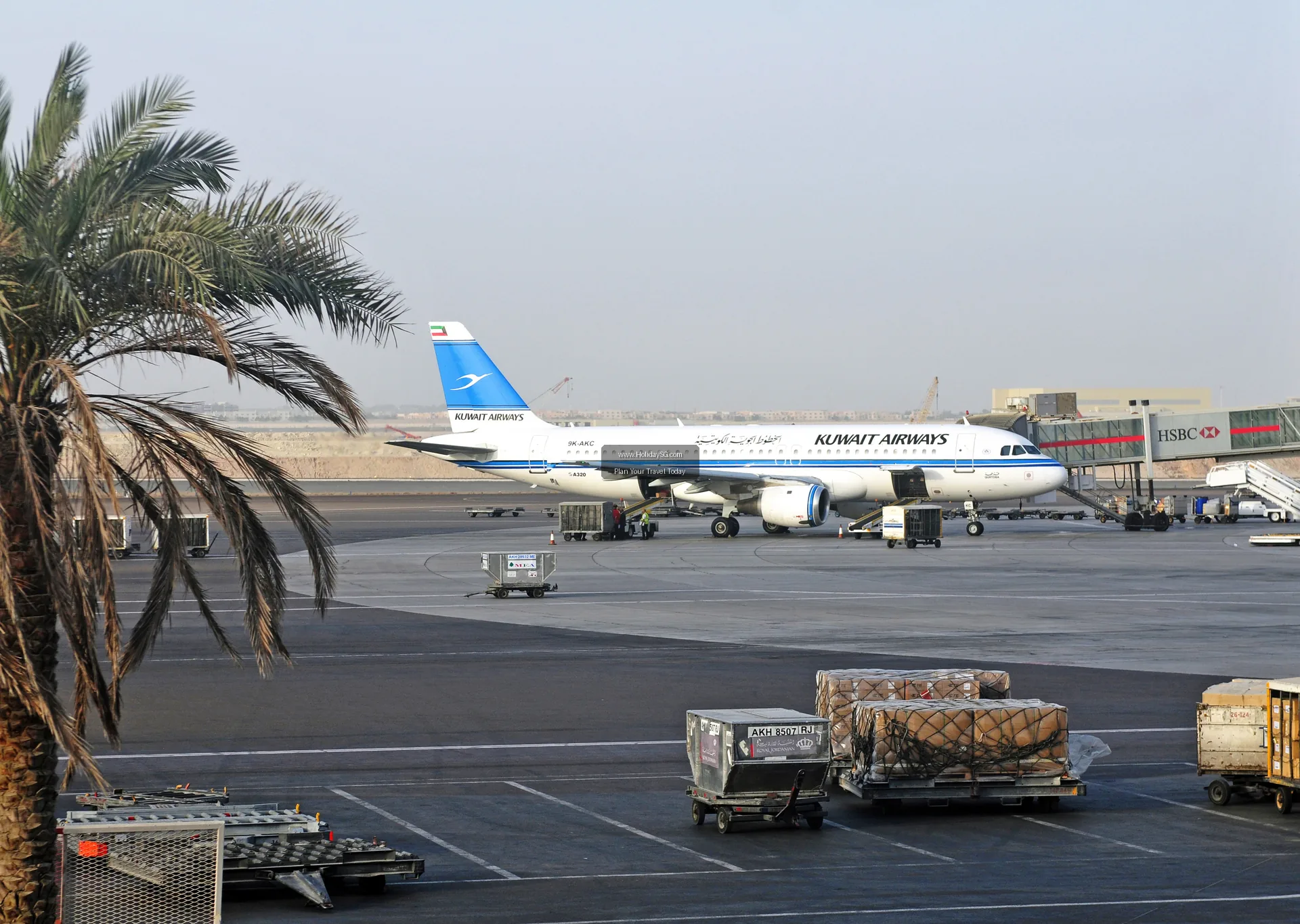
United Arab Emirates Travel Guide 2026: Complete UAE Trip
United Arab Emirates Travel Guide 2026: Complete UAE Trip – plan your perfect vacation with visa info, budget tips, top...
HolidaySG Travel Team
July 29, 2026
12 min read77 views
United Arab Emirates Travel Guide 2026: Complete UAE Trip – plan your perfect vacation with visa info, budget tips, top attractions, and cultural advice.
In this guide.
Dreaming of a trip that combines soaring futuristic skylines, ancient desert traditions, and world-class shopping under the winter sun? The United Arab Emirates in 2026 isn’t just a stopover destination anymore—it’s a complete travel experience in its own right. Our United Arab Emirates Travel Guide 2026: Complete UAE Trip covers everything you need to know for a seamless adventure. With reopened mega-attractions like Ain Dubai, the continuing legacy of Expo City, and a calendar packed with events like the Dubai Shopping Festival, now is a fantastic time to plan a trip. Whether you are bouncing between Dubai and Abu Dhabi or heading off the beaten path to the Liwa Oasis, this guide has you covered.
2026 sees the full return of iconic experiences and fresh draws. The Dubai Shopping Festival (typically January–February) offers incredible retail deals and street performances. Expo City Dubai remains a permanent hub for futuristic exhibits and family-friendly attractions. After extensive renovations, the world’s largest observation wheel, Ain Dubai, is expected to be back in operation, offering unmatched views of the Palm Jumeirah and the Arabian Gulf.
Perfect Winter Sun
The single biggest drawcard for the UAE is its winter climate. From October to April, expect glorious blue skies and temperatures hovering between 20°C and 30°C. This is the ideal escape for sunseekers, making desert safaris, al fresco dinners, and marina strolls genuinely comfortable. The months from June to September are best avoided unless you plan to stay strictly indoors in air conditioning, as daytime temperatures regularly exceed 40°C with punishing humidity.
The window between October and April is the undisputed sweet spot for outdoor exploration. Evening temperatures are cool enough for walking through historic districts or dining on a terrace. If you do travel in summer, the upside is significantly cheaper flights and hotel rates, as well as quieter attractions—just be prepared to hop between air-conditioned spaces.
UAE Visa Requirements for 2026
The UAE keeps its borders remarkably open for tourism. Citizens of over 50 countries—including the US, UK, Australia, Singapore, Malaysia, Japan, and South Korea—receive a free 30-day visa on arrival. A critical tip: ensure your passport has at least six months of remaining validity from your date of entry. Visa rules can shift, so check the official UAE government portal or the Federal Authority for Identity and Citizenship (ICP) for the latest updates before your flight.
UAE Travel Costs: A Realistic Breakdown
How much does a trip to the UAE actually cost? It scales easily from backpacker-friendly to ultra-luxury. Here is a rough daily per-person breakdown that covers accommodation, meals, and transport.
Estimated Daily Travel Costs (Per Person)
Category
Budget (~SGD 140-200)
Mid-Range (~SGD 350-550)
Luxury (~SGD 800+)
Accommodation
Hostels / Capsule Hotels
3–4 Star Hotels
5 Star Resorts
Meals
Shawarma, Cafeterias, Food Courts
Casual Sit-Down Restaurants
Fine Dining / Brunch Spots
Transport
Nol Card (Metro/Bus)
Metro + Occasional Taxis
Rental Car / Private Driver
Activities
Beaches, Souks, Creekside
Burj Khalifa, Museums, Safari
Private Tours, Yacht Charters
The currency is the UAE Dirham (AED), pegged to the US Dollar at roughly 3.67 AED to 1 USD. Cards are accepted almost everywhere, including taxis, but carrying a small amount of cash for tipping and traditional souks is wise.
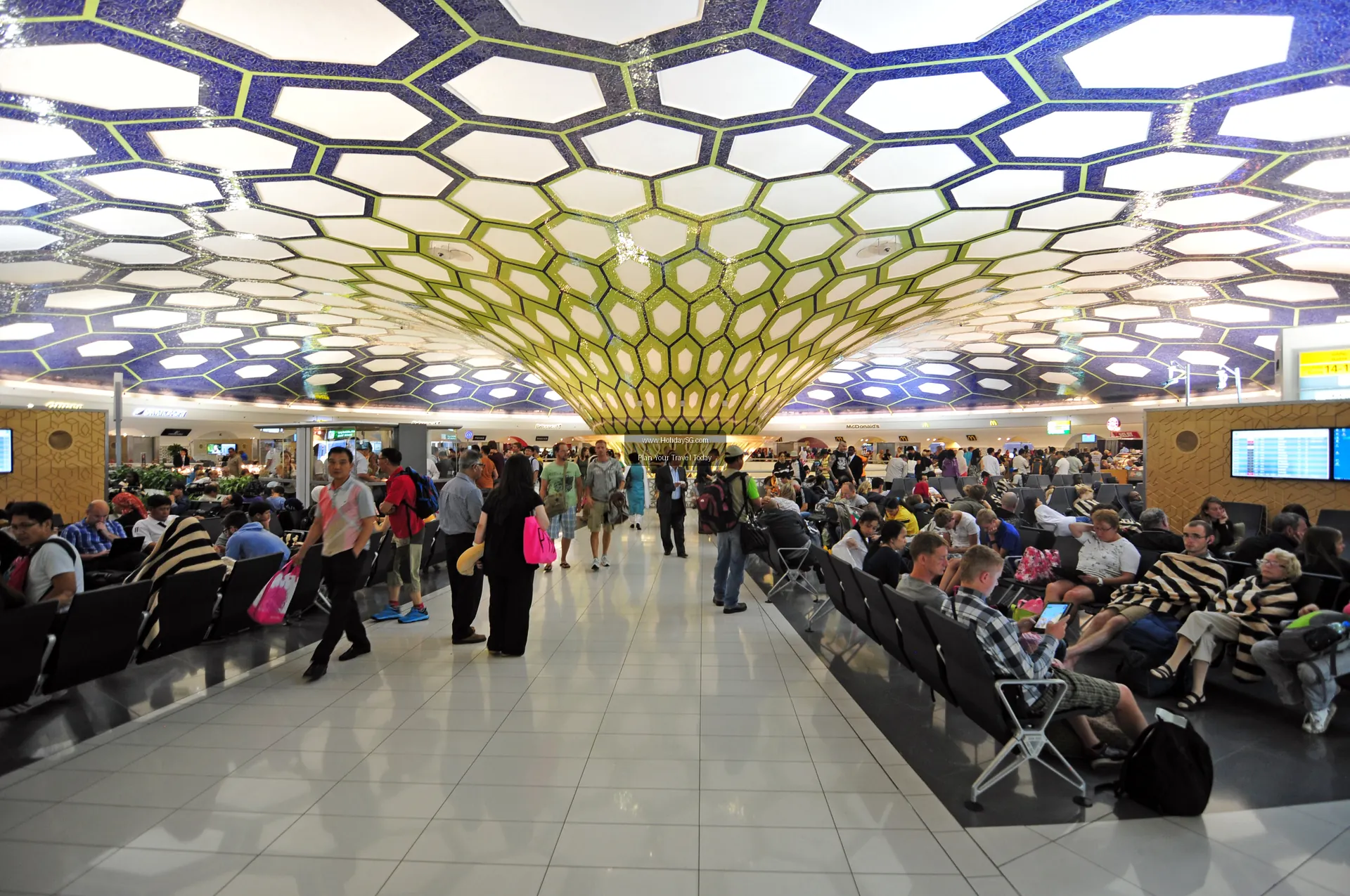
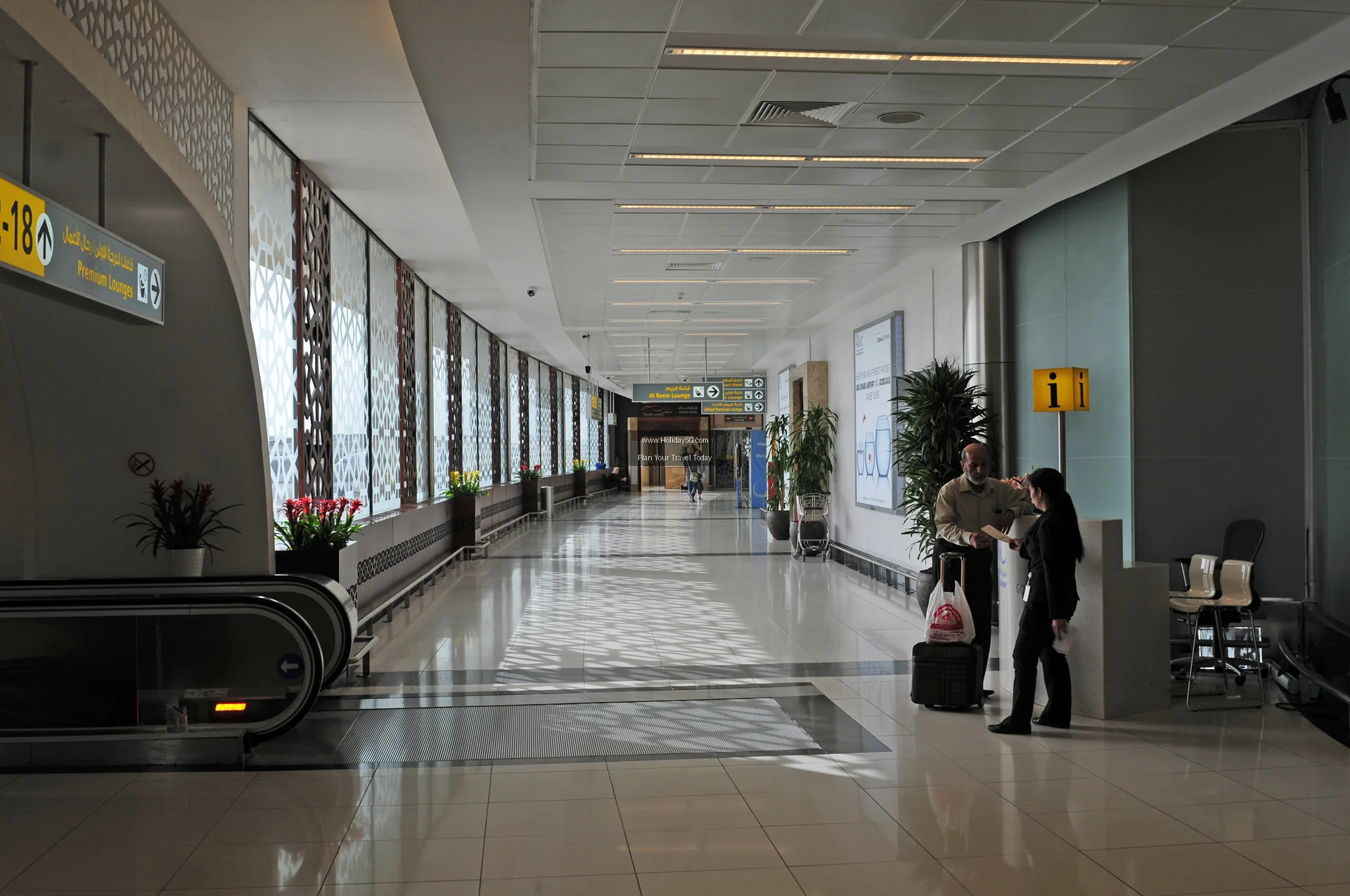
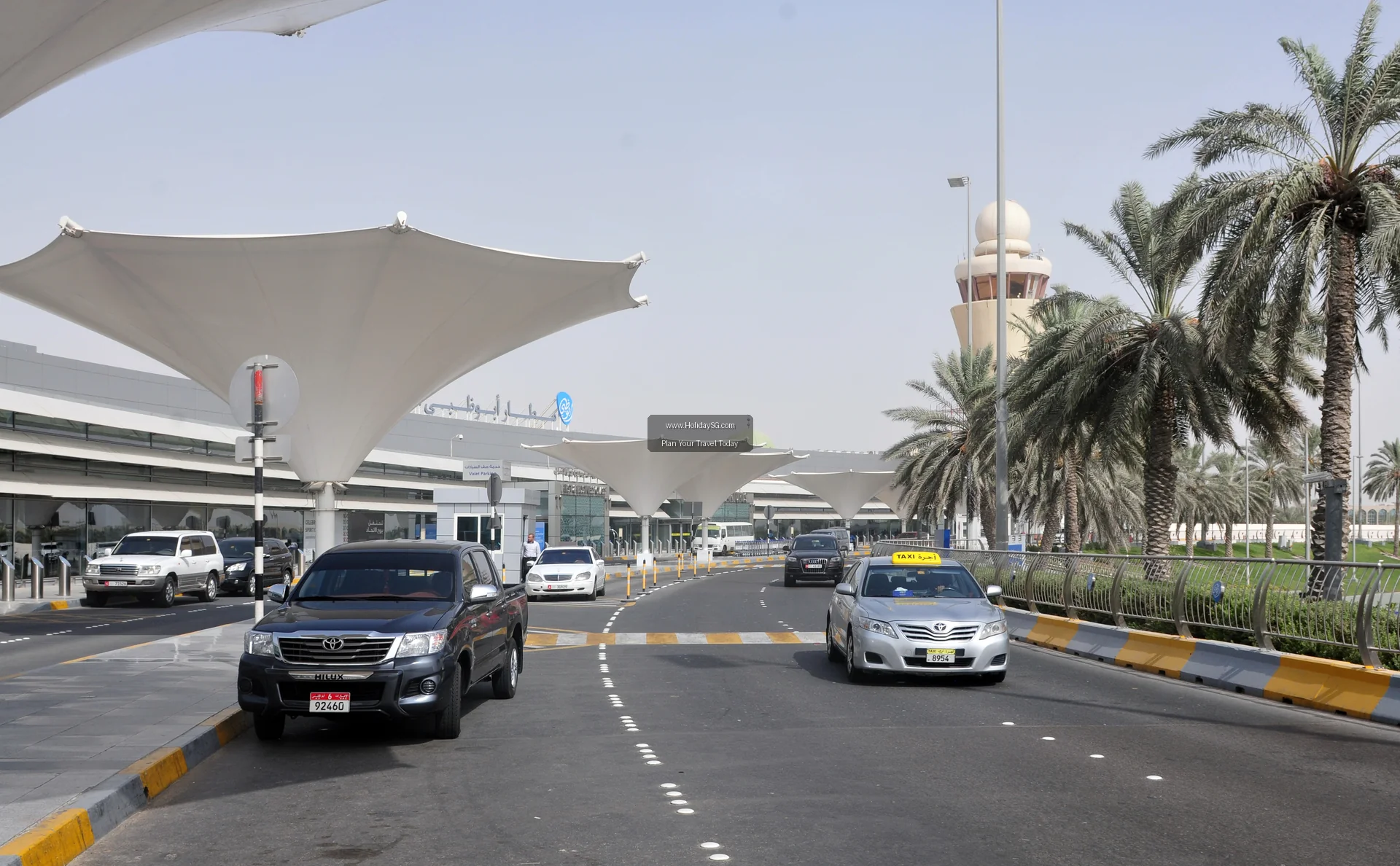
Most travellers fly into Dubai International (DXB) or Abu Dhabi International (AUH), which recently opened its sleek new Terminal A. Once you are on the ground, don’t fall into the trap of relying entirely on taxis. The Dubai Metro and Tram are modern, cheap, and cover the main tourist zones—Burj Khalifa/Downtown, Dubai Marina, Mall of the Emirates, and the airport. Grab a Nol Card for seamless travel across metro, buses, and water taxis.
Intercity Travel and Driving
Hopping between emirates is straightforward. The E101 bus from Ibn Battuta station in Dubai to Abu Dhabi’s main bus station costs just 25 AED—far cheaper than a taxi. If you want to explore the Liwa Oasis or the east coast, renting a car gives you flexibility, but you must carry an International Driving Permit (IDP) alongside your licence. For door-to-door trips, Careem and Uber are reliable and widely used.
Staying Connected Without the Fuss
Navigating the metro, booking a desert safari, or checking restaurant reviews demands solid mobile data. Instead of queuing at the airport arrival hall for a local SIM, savvy travellers buy an eSIM before they go. The Airalo United Arab Emirates E Sim Package is a popular plug-and-play option that connects you the moment you land. For longer stays or heavier data needs—streaming maps and social media across the whole trip—the Commbitz United Arab Emirates E Sim Package offers extensive coverage and generous data limits.
No trip is complete without riding the elevator up the Burj Khalifa. Book your slot well in advance, especially for sunset, to avoid the longest queues. The adjacent Dubai Mall houses an aquarium, ice rink, and endless shops. For a taste of tradition, explore the narrow lanes of the Al Fahidi Historical District and take an abra (water taxi) across Dubai Creek. A desert safari—dune bashing, camel rides, and dinner under the stars—is practically a rite of passage for first-timers.
Abu Dhabi: Culture and Coastline
A common mistake is skipping Abu Dhabi in favour of more Dubai time. The capital packs a powerful cultural punch. The Sheikh Zayed Grand Mosque is an architectural masterpiece of white marble and intricate floral design—entry is free, but women will need to cover their hair and wear full-length sleeves and trousers. The Louvre Abu Dhabi is a stunning “museum city” that tells the story of humanity through a beautiful permanent collection.
Beyond the Cities: Sharjah, Mleiha & Liwa
If you have time to leave the main urban corridors, the UAE offers impressive landscapes. Sharjah, the UNESCO “Arab Capital of Culture,” offers excellent museums and a charming heritage district. Mleiha is the place for archaeological desert drives and incredible stargazing. For true isolation, the Liwa Oasis at the edge of the Empty Quarter boasts the most dramatic dunes in the entire country.
While Dubai is very cosmopolitan, it remains a Muslim country. Aim to keep your shoulders and knees covered in malls, souks, and government buildings (the Sheikh Zayed Mosque enforces strict dress codes for modesty). Public displays of affection beyond hand-holding are frowned upon, so keep this in mind for couples photos or public moments. Alcohol is widely available in licensed hotel bars and restaurants, but drinking in public or driving drunk is a serious offence with zero tolerance.
Travelling During Ramadan
If you visit during the holy month of Ramadan (expected to cross into early 2026), be respectful. Eating, drinking, and smoking in public during daylight hours is prohibited, and many cafes will be closed until sunset. It is a quieter time for sightseeing, but the evening atmosphere during Iftar is genuinely magical, with nightly markets and family gatherings filling the malls and waterfronts.
Safety in the UAE: A Traveller’s Guide
The UAE has an extremely low crime rate and is widely considered one of the safest places for solo and female travellers in the world. Street harassment is rare, and the infrastructure is excellent, with well-lit streets and 24-hour public transport options. For any emergency, dial 999 for police or 998 for an ambulance.
What to Pack for the UAE
Packing light is easy if you think in layers.
Winter (October–April): Light trousers, jeans, t-shirts, and long-sleeved shirts. A light jacket or pashmina is essential for the powerful air conditioning in malls and restaurants. Comfortable walking shoes are a must.
Summer (May–September): Breathable fabrics like linen and cotton are vital. Sunscreen (SPF 50+), a wide-brimmed hat, and polarised sunglasses are non-negotiable.
Tech: The UAE uses the UK-style three-pin plug (Type G). Don’t forget a power bank, and rely on a pre-loaded eSIM to avoid roaming fees.
Frequently Asked Questions (FAQs)
Is 5 days enough to see Dubai and Abu Dhabi?
Yes, if you plan carefully. Spend 3 days in Dubai (Burj Khalifa, Mall, Desert Safari, Old Dubai) and 2 days in Abu Dhabi (Grand Mosque, Louvre, Qasr Al Watan). The E101 bus makes the commute between them affordable and easy.
Can I drive in the UAE with a Singapore Driving Licence?
Yes, but you need an International Driving Permit (IDP) alongside your valid licence. This requirement is strictly enforced by rental car agencies, so arrange it before you leave home.
What currency is used and how much cash do I need?
The UAE Dirham (AED) is the currency. While cards are accepted virtually everywhere, carrying around 200–300 AED in cash for tipping valets, paying for parking, or buying from smaller stalls is a good idea.
The UAE in 2026 is polished, safe, and packed with things to do. From the dizzying heights of the Burj Khalifa to the quiet contemplation of the Sheikh Zayed Grand Mosque, it delivers on spectacle while remaining incredibly accessible. The key to a stress-free visit is a little preparation before you go: sort out your eSIM on HolidaySG, download the Careem app, and you will be set up for a seamless trip. Start planning your UAE 2026 adventure today with HolidaySG.
Book with HolidaySG online for Commbitz United Arab Emirates E Sim Package, Commbitz United Arab Emirates E Sim Daily, Airalo United Arab Emirates E Sim Package.
Do foreigners (non-citizens) need a different ticket, price, or visa for United Arab Emirates?
Entry requirements depend on your nationality. Many passport holders (including Singapore, US, UK, EU, and Australia) receive a free visa on arrival valid for 30 to 90 days. Others must arrange a paid visa in advance through a sponsor. As for prices, standard flight and attraction tickets are generally the same for all visitors, though residents sometimes enjoy specific discounts at major theme parks and attractions. Since visa policies and fees are subject to change, we strongly recommend verifying the latest official requirements for your nationality on the UAE government’s visa portal before you travel.
What is the best time (season, or time of day for the site/activity) to go?
The best season to visit the UAE is from November to March, when the weather is pleasantly warm (20–30°C) and ideal for outdoor activities like desert safaris, beach days, and sightseeing. The summer months (June to September) are extremely hot but offer great travel deals. For specific sites like the Burj Khalifa, visiting early in the morning or just before sunset is best to avoid peak crowds and the midday heat. Most outdoor activities, such as dune bashing or walking tours, are best scheduled in the late afternoon or early evening.
What is the typical daily budget for a trip to the UAE?
The UAE suits a variety of budgets. Budget travelers can get by on around SGD 100–150 per day with hostels, cheap eats, and public transport. A comfortable mid-range trip (3–4 star hotel, nice dinners, a few paid attractions) will cost roughly SGD 200–400 per person per day. Luxury travelers can expect to spend SGD 500 and up per day. Accommodation is the biggest variable cost, while food and transport are reasonably priced. Attraction tickets (like Ferrari World or Burj Khalifa) are a significant additional cost to factor into your budget.
What should I pack and what cultural etiquette should I follow?
Pack light, breathable fabrics like cotton and linen for the UAE’s warm climate, but always bring a light jacket or pashmina for heavily air-conditioned malls and as a cover-up for mosques. Comfortable walking shoes are a must. In terms of etiquette, the UAE is very safe and family-friendly. Dress modestly in public areas (shoulders and knees covered). Swimwear is fine at the pool or beach. Avoid public displays of affection. Public intoxication and swearing are serious legal offenses. During Ramadan, eating, drinking, or smoking in public during daylight is strictly forbidden. Respecting local customs will ensure a smooth and enjoyable trip.
Important: Some of the links recommended here are paid placements or have sponsored our stay in one way. We have paid for these accommodations ourselves. If you book through any of our links, we make a small commission at no extra cost to you. This helps keep our site running – so thank you in advance for your support!
Written by
HolidaySG Travel Team
Singapore-based travel specialists covering attractions, tours and travel experiences across Asia-Pacific and beyond. Licensed travel agency (TA04014).
This conversation was resolved. Reply below to continue, or
We use cookies
We use cookies to enhance your browsing experience, serve personalised content, and analyse our traffic. By clicking "Accept All", you consent to our use of cookies.
Read our Cookie Policy