

Introduction
Vietnam is one of Southeast Asia's most rewarding travel destinations, offering a blend of ancient culture, vibrant cities, breathtaking landscapes, tropical beaches, and world-famous cuisine. Although a week isn't enough to see everything the country has to offer, a well-planned itinerary allows you to experience many of Vietnam's highlights without feeling rushed.
A 7-day Vietnam itinerary is ideal for first-time visitors who want to explore iconic destinations such as Hanoi, Ha Long Bay, Da Nang, Hoi An, and Ho Chi Minh City. Depending on your interests, you can focus on cultural heritage, natural beauty, local food, beaches, shopping, or historical landmarks. Vietnam's excellent domestic flight network also makes it easy to travel between regions, helping you maximise your time.
This itinerary is designed for families, couples, solo travellers, groups, and first-time visitors. It balances sightseeing with relaxation while including practical travel tips, estimated daily budgets, recommended transport options, and suggested attractions. Feel free to customise the itinerary based on your pace and travel style.
Quick Itinerary Overview
| Day | Destination | Main Highlights |
|---|---|---|
| Day 1 | Hanoi | Old Quarter, Hoan Kiem Lake, Street Food |
| Day 2 | Ha Long Bay | Day Cruise, Limestone Islands, Kayaking |
| Day 3 | Da Nang | Marble Mountains, My Khe Beach, Dragon Bridge |
| Day 4 | Hoi An | Ancient Town, Lanterns, Riverside |
| Day 5 | Ho Chi Minh City | War Remnants Museum, Ben Thanh Market |
| Day 6 | Mekong Delta | Boat Tour, Floating Villages, Local Cuisine |
| Day 7 | Ho Chi Minh City | Shopping, Cafés, Departure |
Why Choose a 7-Day Vietnam Itinerary?
A one-week itinerary is perfect because it allows you to:
- Experience Vietnam's diverse regions.
- Visit UNESCO World Heritage Sites.
- Taste authentic Vietnamese cuisine.
- Explore modern cities and traditional towns.
- Enjoy beaches, rivers, and mountains.
- Travel comfortably using domestic flights.
Day 1: Explore Hanoi
Morning
Arrive at Noi Bai International Airport and transfer to your hotel. After checking in, start your journey by exploring Hanoi's charming Old Quarter, famous for its narrow streets, French colonial buildings, and lively atmosphere.
Afternoon
Visit Hoan Kiem Lake, one of the city's most iconic landmarks. Walk across the picturesque red bridge to Ngoc Son Temple, then enjoy a traditional Vietnamese coffee at a nearby café.
Evening
Experience Hanoi's famous street food scene. Try local favourites such as:
- Pho
- Bun Cha
- Banh Mi
- Egg Coffee
If time permits, watch the Thang Long Water Puppet Show.
Recommended Stay: Hanoi
Day 2: Ha Long Bay Day Trip
Start early for a full-day excursion to Ha Long Bay, a UNESCO World Heritage Site known for its emerald waters and limestone islands.
Activities
- Scenic cruise
- Limestone cave exploration
- Seafood lunch on board
- Photography stops
Return to Hanoi in the evening or stay overnight on a cruise if your schedule allows.
Travel Tip: Book your cruise in advance during peak seasons.
Day 3: Fly to Da Nang
Take a morning domestic flight to Da Nang.
Visit
- Marble Mountains
- Linh Ung Pagoda
- My Khe Beach
Spend the evening along the Han River and watch the illuminated Dragon Bridge, especially on weekends when it hosts its famous fire and water show.
Recommended Stay: Da Nang
Day 4: Discover Hoi An
Hoi An is only about 45 minutes from Da Nang, making it an easy day trip.
More morning
Explore the UNESCO-listed Hoi An Ancient Town.
Must-See Attractions
- Japanese Covered Bridge
- Assembly Halls
- Riverside cafés
- Tailor shops
- Local markets
More evening
As sunset approaches, colourful lanterns illuminate the old town, creating one of Vietnam's most photogenic scenes.
Don't miss:
- Lantern boat ride
- Vietnamese cooking class
- Night market
Return to Da Nang or stay overnight in Hoi An.
Day 5: Ho Chi Minh City
Fly to Ho Chi Minh City (Saigon).
Top Attractions
- War Remnants Museum
- Notre-Dame Cathedral area
- Central Post Office
- Independence Palace
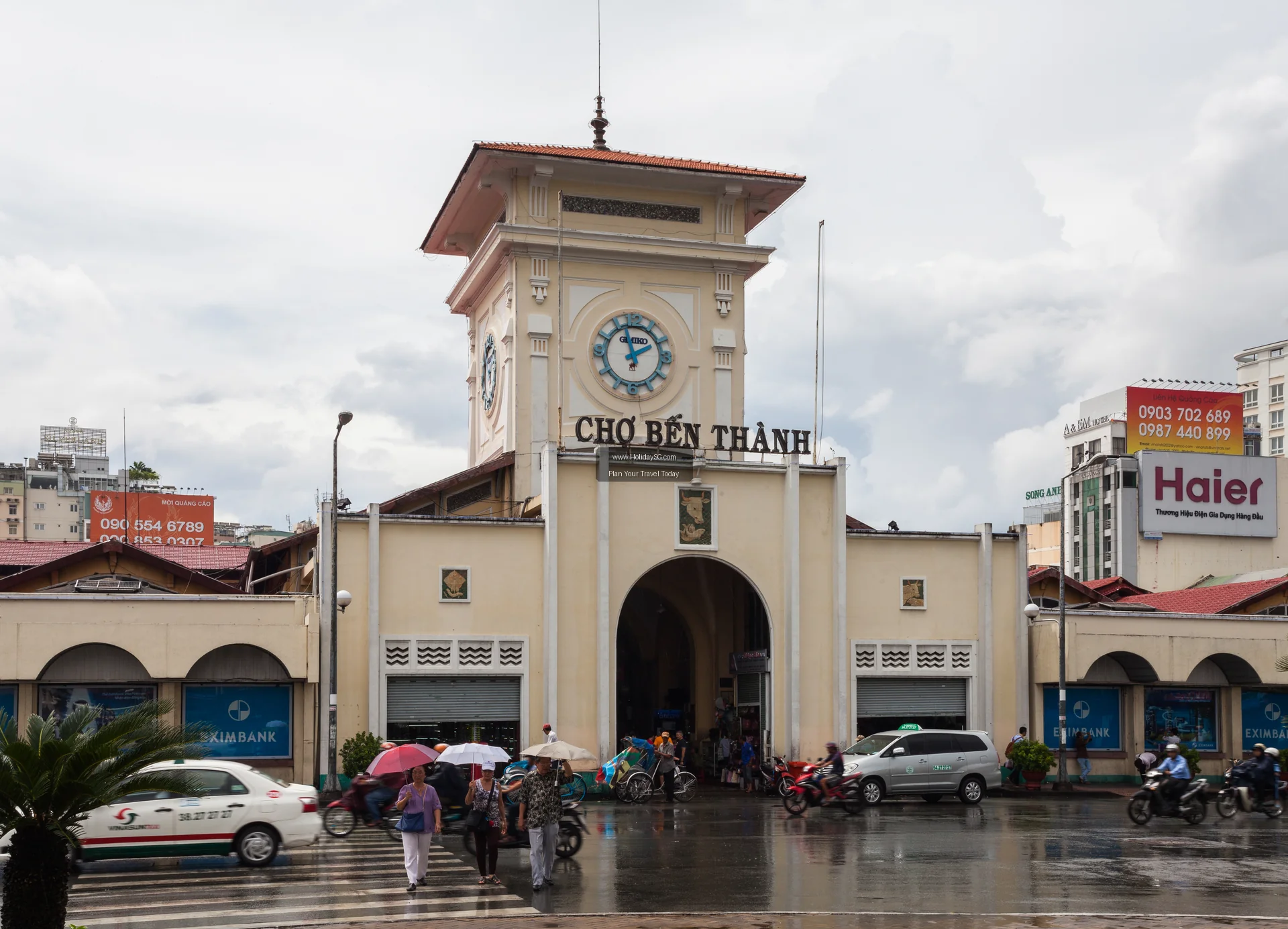
- Ben Thanh Market
Evening (part 3)
Enjoy rooftop dining or explore the city's vibrant nightlife.
Day 6: Mekong Delta Adventure
Take a guided day trip to the Mekong Delta.
More activities
- Boat cruise
- Coconut candy workshop
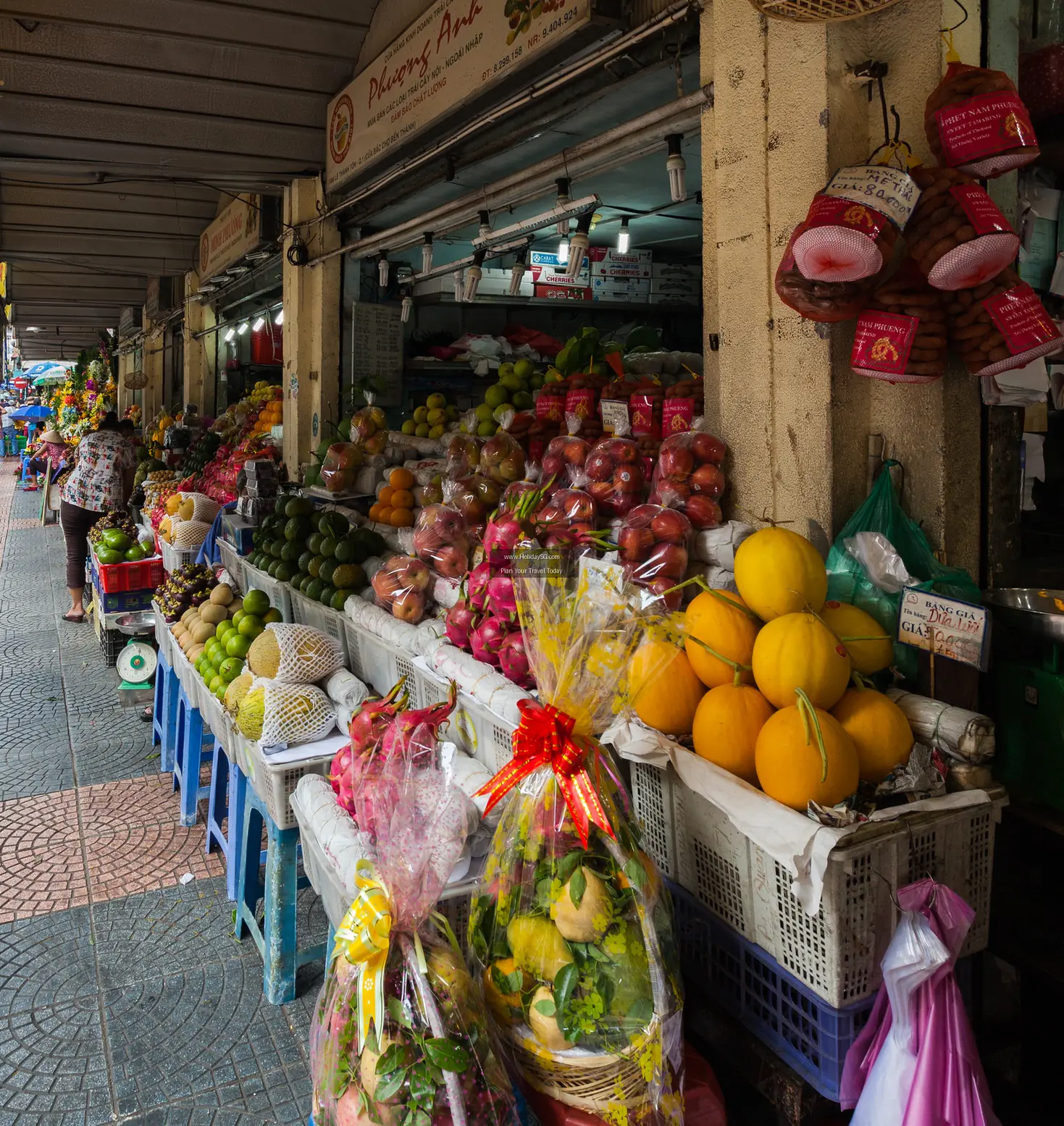
- Fruit orchards
- Traditional villages
- Local lunch
- Sampan boat ride through canals
The Mekong Delta offers a peaceful contrast to Ho Chi Minh City's fast-paced environment.
Day 7: Shopping & Departure
Spend your final day relaxing before your flight.
Shopping Suggestions
- Ben Thanh Market
- Saigon Centre
- Takashimaya Vietnam
- Local coffee shops
- Souvenir stores
Popular souvenirs include:
- Vietnamese coffee
- Silk products
- Lacquerware
- Handmade lanterns
- Local snacks
Transfer to Tan Son Nhat International Airport for your departure.
Estimated Budget (7 Days)
| Category | Budget | Mid-Range | Luxury |
|---|---|---|---|
| Accommodation | USD 140–250 | USD 450–900 | USD 1,500+ |
| Food | USD 80–150 | USD 200–350 | USD 600+ |
| Transport | USD 120–250 | USD 250–450 | USD 800+ |
| Attractions | USD 80–180 | USD 180–350 | USD 600+ |
| Shopping | Flexible | Flexible | Flexible |
Transportation Tips
- Book domestic flights early for lower fares.
- Use Grab in major cities.
- Walk around Hoi An Ancient Town.
- Use reputable taxi companies.
- Carry small denominations of Vietnamese Dong.
Food to Try During Your Trip
- Pho
- Bun Cha
- Banh Mi
- Cao Lau
- Mi Quang
- Goi Cuon
- Com Tam
- Bun Bo Hue
- Banh Xeo
- Che
- Egg Coffee
- Vietnamese Iced Coffee
Family Travel Tips
- Choose hotels with family rooms.
- Carry snacks and water for children.
- Visit attractions early to avoid crowds.
- Use lightweight strollers in cities.
- Schedule breaks during sightseeing.
Money-Saving Tips
- Book flights in advance.
- Travel during shoulder seasons.
- Stay near city centres.
- Eat at local restaurants.
- Purchase attraction tickets online.
- Use public transport where available.
- Travel with carry-on luggage to reduce baggage fees.
- Compare hotel prices before booking.
- Share transport costs with friends or family.
- Carry a reusable water bottle.
Cultural Etiquette for Temples, Homes and Markets
Vietnamese culture is warm and welcoming, but it also carries strong traditions around respect, family, and religion, and a little awareness goes a long way during a short visit. The most important rule when entering a pagoda, temple, or ancestral house is to dress modestly. Shoulders and knees should be covered, and vests, short shorts, and very revealing tops will likely earn you a polite but firm refusal at the entrance. Many temples in Hanoi, such as Tran Quoc Pagoda on the West Lake, and larger complexes in Hue have wrap-around cloths or simple sarongs available to borrow, but it is easier to bring a light scarf or long cotton trousers in your daypack. Remove your shoes before stepping onto wooden platforms or into prayer halls, and step over the raised threshold rather than standing on it. Photography is generally allowed in outer courtyards, but avoid pointing your camera at monks or worshippers during ceremonies, and never pose on or near altars. Incense is offered by many visitors, and you can buy a small bundle for around 10,000 to 20,000 VND at the entrance. Hold it with both hands, bow gently three times, and place it in the urn provided. When you are invited into a Vietnamese home, which can happen more often than you might expect in smaller towns or through a homestay, bring a small gift such as fruit, pastries, or tea. Remove your shoes at the door, as this is standard practice everywhere. Elders are usually served first, and it is polite to wait until the host gestures for you to start eating. Accept a drink when offered, and try to take at least a small portion of whatever is put in front of you. Pointing with a finger, especially at people, is considered rude, so use an open hand instead. Markets deserve the same courtesy. Bargaining is part of daily life in places like Dong Xuan Market in Hanoi or the Ben Thanh Market in Ho Chi Minh City, but keep it friendly and light. Vendors often start high, and a reasonable counteroffer is usually around half of the first asking price for small souvenirs. Smiling, speaking calmly, and walking away with a laugh if the price does not work will get you much further than an aggressive haggle. Finally, avoid touching people on the head, which is considered sacred, and be mindful of public displays of affection, which are less common in Vietnam than in many Western countries. ## Staying Connected: SIM Cards, Apps and Money Matters Staying connected in Vietnam is easy and inexpensive, and having mobile data will make your seven days far smoother. Most travelers buy a prepaid SIM card at the airport when they arrive, and the main carriers, Viettel, Vinaphone, and MobiFone, all have counters in the arrivals hall at Noi Bai, Da Nang, and Tan Son Nhat. A tourist SIM with around 10 to 15 GB of data and a few days or a couple of weeks of validity typically costs between 150,000 and 300,000 VND. Bring your passport, since registration is required by law and staff will photograph it and activate the line on the spot, usually within 15 to 30 minutes. Viettel generally has the strongest coverage in rural areas such as Ha Long Bay, Phong Nha, and the Mekong Delta, so it is a sensible choice if you plan to leave the main cities. Once you are online, download a map app for offline use, because Google Maps works well for navigation but can be unreliable for finding small alley addresses in Hanoi's Old Quarter. Translation apps with offline Vietnamese packs are also helpful for reading menus at street stalls and understanding price tags. Money is another practical consideration. The currency is the Vietnamese dong, and the notes look dramatic because the numbers are large. A 100,000 VND note is worth roughly four US dollars, so it is easy to misread the amounts at first. Carry cash for street food, cyclo rides, small markets, and local buses, since many small vendors do not accept cards. ATMs are widespread in cities, but many charge a withdrawal fee of around 50,000 to 100,000 VND, so withdrawing larger amounts less often is more economical. Major hotels, restaurants, and shops in Hanoi, Hoi An, and Ho Chi Minh City usually accept Visa and Mastercard, though a surcharge of two to three percent is sometimes added. Keep small notes of 10,000, 20,000, and 50,000 VND for tips and tiny purchases, and avoid breaking large notes at street stalls where change can be scarce. Exchange any leftover dong at the airport before flying home, since it is difficult to convert outside Vietnam. ## Swapping Stops: Ninh Binh and Hue as Alternatives The standard seven-day route covers Hanoi, Ha Long Bay, Da Nang, Hoi An, Ho Chi Minh City, and the Mekong Delta, but there are two destinations that can easily replace or extend parts of the plan depending on your interests and pace. Ninh Binh, roughly 90 kilometers south of Hanoi and about two hours by road, is often called Ha Long Bay on land because its limestone karsts rise from flooded rice paddies rather than the sea. Trang An Landscape Complex is the highlight, where small wooden boats are poled through caves and past temples, and a standard tour takes around three hours and costs roughly 250,000 to 300,000 VND per boat. If you are short on time or want to avoid the crowded Ha Long cruises, a single night in Ninh Binh can replace the Ha Long day trip while still delivering that dramatic scenery. Mua Cave, with its climb of several hundred stone steps for a panoramic view over the valley, is a rewarding half-day addition, and cycling through the countryside on a rented bicycle is an easy way to spend the late afternoon. Hue sits about 100 kilometers north of Da Nang and makes a good stop if you are traveling the coastal route by train or private car. The Hai Van Pass road, which winds over the mountains between the two cities, is among the most scenic drives in the country, and many visitors stop at the viewpoints on the way. The Imperial City, the walled citadel of the Nguyen dynasty, is the main attraction, and an entrance ticket costs around 200,000 VND. Plan at least half a day to explore the palaces, gates, and gardens, and visit early in the morning to avoid the midday heat. The Thien Mu Pagoda, set on the banks of the Perfume River, is another peaceful stop, and a short dragon boat trip on the river is popular in the late afternoon. Hue is most useful for travelers who enjoy history and food, since the city is famous for bun bo Hue, a spicy beef noodle soup that is far more interesting than the milder versions found further south. Adding Hue means dropping one night elsewhere, so weigh your priorities carefully before committing.
Frequently Asked Questions
Is 7 days enough for Vietnam?
Yes. A well-planned itinerary allows you to experience Vietnam's major highlights, including Hanoi, Ha Long Bay, Da Nang, Hoi An, and Ho Chi Minh City.
Should I fly or travel by train?
Domestic flights are the most time-efficient option for a one-week itinerary. Trains offer scenic journeys but require significantly more travel time.
Which city is best for first-time visitors?
Hanoi and Ho Chi Minh City are excellent starting points, each offering a unique mix of history, culture, food, and modern attractions.
Is Vietnam suitable for families?
Absolutely. Vietnam offers family-friendly attractions, beaches, cultural experiences, theme parks, and a wide range of accommodation options.
What is the best time for a 7-day trip?
February to April and August to October generally provide pleasant weather across many parts of the country, although conditions vary by region.
Why Book with HolidaySG?
Conclusion
A 7-day Vietnam itinerary offers the perfect introduction to one of Asia's most captivating destinations. From Hanoi's historic streets and the dramatic scenery of Ha Long Bay to the lantern-lit charm of Hoi An and the energetic atmosphere of Ho Chi Minh City, each destination showcases a different side of Vietnam. By planning ahead, booking transport early, and following a balanced itinerary, you can enjoy an unforgettable week filled with culture, cuisine, nature, and memorable experiences.
Planning a seven-day route through Vietnam
Vietnam is long and narrow, so a seven-day trip works best with one or two bases rather than a long list of stops. A common route starts in Hanoi in the north, with its old quarter, lakes and museums, then flies or travels by train to Hue or Hoi An in the centre, and ends in Ho Chi Minh City in the south. If time is short, pick a single region and go deeper. Travel between the main cities is quick by air, and the rail line along the coast offers scenic views for those who prefer the journey.
Day-by-day rhythm
Spread the active days across the week, and leave a rest morning after long journeys. Plan the first two days in Hanoi for the old quarter, the lake and a water puppet show, then take a morning flight south. The middle days suit the coast, the ancient town of Hoi An and the nearby beaches. The final days in Ho Chi Minh City cover the markets, the war history museums and the riverside, with a day trip to the Mekong Delta if you have time.
Comparing the three main cities
The table below compares the main cities by their character, the time needed and the kind of traveller who will enjoy them most.
| City | Character | Suggested time | Best for |
|---|---|---|---|
| Hanoi | Historic, lakeside and busy | 2 to 3 days | Culture and street food |
| Hoi An | Lantern-lit and relaxed | 2 days | Old town, tailors and beaches |
| Ho Chi Minh City | Fast, modern and energetic | 2 to 3 days | Markets, history and nightlife |
Frequently asked questions about the route
Is seven days enough for Vietnam?
Seven days covers two or three highlights well. Ten days or more allows the north, the centre and the south to be visited without rushing.
What is the best time to visit?
The weather differs by region. The north is coolest in winter, the centre has its own rainy season in autumn, and the south is hot and humid most of the year.
How do I travel between cities?
Domestic flights are quick for long distances, trains suit the coastal route, and private cars or coaches are useful for shorter legs.
Food and street life
Vietnamese food is fresh and light, built on herbs, rice noodles and broth. Pho, banh mi, bun cha and fresh spring rolls are staples, and each city has its own specialities. Eat at busy street stalls with plastic stools, where the turnover keeps the food fresh. Coffee is served strong with condensed milk, and fresh juices are sold on most corners.
Practical tips for a smooth trip
Carry small Vietnamese dong notes for markets and street food, and keep some US dollars in reserve. Taxis and ride-hailing apps are common in the cities, so agree on the fare or use the meter. Dress modestly when visiting temples and pagodas, and drink bottled water. Crossing busy streets takes some confidence, so walk at a steady pace and the traffic will flow around you.
Frequently asked questions about travel tips
Do I need a visa?
Entry rules depend on your nationality. Check the current requirements with official sources before booking flights.
Is Vietnam safe for solo travellers?
Many solo travellers visit each year. Take normal precautions, keep valuables secure and use registered transport.
Hanoi in two days
Spend the first morning in the old quarter, where narrow streets are lined with shops, tube houses and small cafés. Walk to Hoan Kiem Lake and the temple on the island at its centre, then visit the Temple of Literature for a glimpse of the country's scholarly history. In the afternoon, take a cyclo ride or a walking tour, and end the day with a water puppet show. The second day suits the museums and a cooking class, followed by an evening meal at a street stall near the lake.
Hoi An and the coast
Hoi An's old town is a UNESCO World Heritage Site, with merchant houses, lanterns and small workshops that make clothes and crafts. Visit early or in the evening to avoid the largest crowds. The beaches nearby are reached by bicycle or a short taxi ride, and they offer a restful pause in the middle of the trip. A day trip to the nearby sanctuary of My Son gives a glimpse of the ancient kingdom that once ruled the region.
Ho Chi Minh City in three days
The southern city is busy, warm and full of energy. The war history museum and the reunification palace explain the country's recent past, while the markets of Ben Thanh and Binh Tay show everyday trade. The riverside and the observation decks offer views across the Saigon River, and a day trip to the Cu Chi tunnels or the Mekong Delta is a popular way to see the countryside.
Transport and getting around
Grab and other ride-hailing apps are the simplest way to get around the cities, and they show the fare before you confirm. Motorbike taxis are fast and cheap for short trips, though they are best used by confident travellers who wear a helmet. Trains between the main cities are scenic and comfortable, and sleeper cars suit overnight journeys. Book seats in advance for the north-south line in peak holiday periods.
Frequently asked questions about the itinerary
Can I add a beach stop to the route?
Yes. Nha Trang, Da Nang and the islands off the coast suit a few relaxed days, and they can be reached by road, rail or air from the main cities.
Do I need to book tours in advance?
For popular day trips and boat tours, booking ahead secures a place and a time slot, especially during holiday periods.
Weather and packing
Pack light, breathable clothes for the heat, and a light waterproof for the rainy spells. Modest clothing is useful for temples, and comfortable shoes are essential for walking the old towns. A small bag for day trips, sunscreen, a hat and insect repellent will cover most needs, and a refillable bottle saves money and reduces waste.
Vietnam 7-Day Itinerary: Days 1 to 3 in Hanoi and Ha Long Bay
Most travelers begin a week in Vietnam in Hanoi, the capital in the north, and for good reason. Flights from Europe and North America usually connect through Hanoi's Noi Bai International Airport, which sits about 45 kilometers north of the Old Quarter. A metered taxi or ride-hailing car typically takes 50 to 75 minutes depending on traffic, and the fare is usually between 350,000 and 500,000 VND, or roughly 14 to 20 US dollars. Arriving in the morning gives you time to settle in before the afternoon heat builds. Plan to stay in or near the Hoan Kiem district, where the lake, the Old Quarter's narrow streets, and most of the city's historic sites are within a short walk of one another. Day one can be spent wandering the 36 ancient streets, each named after the trade once practiced there, such as Silk Street and Shoe Street. Stop for a bowl of pho bo at a small stall, which should cost around 50,000 to 70,000 VND, and sip egg coffee at a century-old cafe for about 40,000 VND. Keep an eye on your belongings and cross the street slowly and steadily, because scooters rarely stop abruptly.
Day two is best devoted to Hanoi's historical core. Start early at Ho Chi Minh's Mausoleum, which opens in the mornings and closes for a few weeks each autumn for maintenance, so check the schedule before you go. Entry to the mausoleum area is free, but visitors must dress modestly, cover shoulders and knees, and avoid carrying bags inside. A short walk away is the Temple of Literature, Vietnam's first national university, which charges an admission fee of about 30,000 VND. Its tranquil courtyards with stone stelae recording the names of graduates make it one of the most rewarding stops in the city. Lunch can be bun cha, grilled pork served with cold noodles and herbs, which was famously enjoyed by a visiting world leader and now costs roughly 50,000 to 60,000 VND per person. In the late afternoon, take a short walk around Hoan Kiem Lake to see Turtle Tower and the red-bridged Huc Bridge. Dinner on Ta Hien Street, the busy "beer corner," is inexpensive, with local draft beer often priced at 10,000 to 15,000 VND per glass. Many travelers end the evening with a water puppet show at a traditional theatre, where tickets usually range from 100,000 to 200,000 VND.
On day three, leave the city behind for Ha Long Bay, a UNESCO World Heritage Site about 165 kilometers east of Hanoi. Private transfers take roughly three and a half to four hours on the expressway, while shared minibuses from the Old Quarter typically take a little longer and cost around 150,000 to 200,000 VND. Most overnight cruises depart from the harbor town of Tuan Chau or from Bai Chay, and boats are often pick up from a hotel lobby as part of the package. A two-day, one-night cruise generally costs between 2,500,000 and 6,000,000 VND per person, or about 100 to 240 US dollars, depending on the vessel's size, cabin type, and the inclusion of meals and kayaking. Expect the boat to cruise past thousands of limestone karsts rising from emerald water, some topped with dense jungle and others pierced by caves such as Sung Sot, or Surprising Cave. Kayaking through the floating fishing villages in the early morning is a memorable way to see the bay before the tour boats gather. Pack motion sickness tablets if you are sensitive to waves, and bring a light jacket, because the air conditioning in cabins can feel chilly after dark. Return to Hanoi by road on the morning of day four, or stay one extra night in Ha Long if your schedule is flexible.
Many itineraries add a day trip to Ninh Binh, often called "Ha Long Bay on land," which sits roughly 95 kilometers south of Hanoi. The drive takes about two hours by car, and a full-day private driver with a guide typically costs between 1,200,000 and 1,800,000 VND for the vehicle and guide combined. The highlight is a sampan ride along the Tam Coc river, where rowers, often women using their feet, guide boats beneath towering limestone cliffs through three rock-framed tunnels. This 2-kilometer journey usually lasts around two hours and costs approximately 200,000 to 250,000 VND per boat. Nearby, the Trang An landscape complex offers a longer boat tour through caves and rice paddies, and the entry ticket is roughly 250,000 VND. If you prefer to walk, the climb up the 500 or so steps to Mua Cave rewards you with sweeping views over the rice fields and winding river, though the final stretch is steep and can take 30 to 40 minutes. Ninh Binh can be reached easily by train from Hanoi in about 2 hours, which is a comfortable alternative to driving. Afterward, return to the capital by evening, or spend the night in one of the countryside homestays before continuing your journey south.
For travelers who favor a relaxed pace, it is worth reserving at least one morning in Hanoi for a slower experience, perhaps a cooking class in a village outside the city or a visit to Dong Xuan Market, the largest covered market in the capital. Classes that include a market tour and a three-course lunch generally cost between 600,000 and 900,000 VND per person, and they often finish by early afternoon. Before leaving the north, make sure you have exchanged some money for local currency, although ATMs are widespread in the Old Quarter and card payments are accepted at larger hotels and restaurants. Many small vendors still prefer cash, so keep notes of 20,000, 50,000, and 100,000 VND on hand for street food and taxis. Mobile data is inexpensive, and a tourist SIM card with 10 to 15 gigabytes typically costs around 150,000 to 250,000 VND at the airport or in official shops. Keep a copy of your passport and visa paperwork, since officials may ask to see identification at hotels. Hanoi's energy can feel overwhelming at first, but the first three days give you a strong foundation for the journey ahead, from the ancient capital to the bay that tourists have admired for centuries.
Vietnam 7-Day Itinerary: Days 4 to 7 from Hue to Ho Chi Minh City
Days four through seven take you from the central coast to the busy south, and there are several ways to cover the distance. The most scenic option is the Reunification Express train, which runs roughly 1,600 kilometers from Hanoi to Ho Chi Minh City and passes beside the coastline near Da Nang. Its overnight sleeper service takes around 12 to 14 hours from Hanoi to Hue, and a soft-sleeper berth typically costs between 900,000 and 1,300,000 VND. Alternatively, a domestic flight from Hanoi to Hue takes about 70 minutes, making it a practical choice if you are short on time. Hue, the former imperial capital, lies on the Perfume River and is best explored with a full day devoted to the Imperial City inside the citadel walls. Entry to the Imperial City costs approximately 200,000 VND, and the complex includes the Thai Hoa Palace and several restored halls that were damaged during the Vietnam War. Set aside at least three hours to walk the grounds, especially in the cooler morning hours before the midday sun becomes intense.
In the afternoon of day four, consider visiting the Tu Duc or Khai Dinh royal tombs, both located a short drive from the city center. The Tu Duc tomb is about 7 kilometers southwest of Hue and generally charges around 150,000 VND for admission, while the Khai Dinh tomb, with its ornate concrete and mosaic interior, is roughly 10 kilometers away. A private driver for a half-day tour of the tombs usually costs between 500,000 and 700,000 VND. In the evening, take a dragon boat cruise along the Perfume River, where rates for a shared boat are often 100,000 to 150,000 VND per person and the boats glide past illuminated bridges and riverside cafes. Hue's signature cuisine is also worth exploring, and bun bo Hue, a spicy beef noodle soup with lemongrass and chili, is widely available for 40,000 to 60,000 VND. Try banh beo, small steamed rice cakes topped with shrimp and scallion oil, which is a local favorite at street stalls near the Dong Ba Market. Hue is easy to enjoy on foot, and the riverside promenade is especially pleasant after sunset when the breeze picks up.
On day five, travel from Hue to Hoi An, one of the most charming towns in Southeast Asia. The journey is about 130 kilometers and typically takes two and a half to three hours by private car, depending on traffic and stops. The route crosses the Hai Van Pass, a winding mountain road with panoramic views of the coastline, and many drivers pause at the summit for photographs. A private transfer generally costs between 1,000,000 and 1,400,000 VND for the vehicle, while a open-bus seat is cheaper at around 100,000 to 150,000 VND per person but takes longer. Hoi An's Ancient Town is a UNESCO World Heritage Site where yellow-walled merchant houses, Japanese covered bridges, and Chinese assembly halls line narrow lanes. A joint ticket for the old town costs about 120,000 VND and includes entry to several historic houses and museums. Many visitors arrange custom tailoring, and a made-to-measure suit or dress can be completed in 24 to 48 hours for roughly 1,500,000 to 3,000,000 VND, depending on fabric and detail. Lantern-lit evenings along the Thu Bon River are unforgettable, and a short boat ride with a paper lantern costs around 40,000 to 60,000 VND.
Day six is best spent exploring the Hoi An countryside and the nearby coast. Rent a bicycle for around 50,000 to 80,000 VND per day and pedal along the rice paddies and fishing villages to An Bang Beach, roughly 4 kilometers from the old town. A beach lounger and umbrella usually cost 100,000 to 150,000 VND, and seafood lunches of grilled squid or fried fish are inexpensive at local restaurants. For a more active option, consider a cooking class that includes a basket boat ride on the coconut-lined waterways of Cam Thanh village, which typically costs around 500,000 to 700,000 VND per person. Many classes begin with a visit to the market, followed by a hands-on lesson with cao lau noodles, the regional dish whose noodles are said to be made with water from a particular local well. If you prefer a more cultural outing, the My Son Sanctuary, a group of ruined Hindu temples built between the fourth and thirteenth centuries, lies about 45 kilometers from Hoi An. The drive takes about one hour, and a half-day trip with a guide costs approximately 600,000 to 900,000 VND.
On day seven, make your way to Da Nang International Airport, which is roughly 30 kilometers from Hoi An and takes about 40 to 50 minutes by car. A taxi or ride-hailing fare usually falls between 250,000 and 350,000 VND. Flights from Da Nang to Ho Chi Minh City take about 75 minutes, and one-way fares on domestic carriers often range from 800,000 to 1,500,000 VND when booked a few weeks ahead. Ho Chi Minh City, sometimes still called Saigon by locals, is the largest city in Vietnam with a population of over nine million people. From Tan Son Nhat International Airport, which sits only about 8 kilometers from the District 1 city center, a taxi takes around 20 to 30 minutes in light traffic and costs roughly 150,000 to 200,000 VND. Settle into a hotel near Ben Thanh Market or the Dong Khoi area, where you can reach most major sights on foot or by short ride-hailing trips. The contrast between the quiet mornings in Hoi An and the energetic street life of Saigon can be striking, and it helps to build in an afternoon for rest before exploring the city after dark.
Your final full day in the south should include some of the city's most important historical sites. The War Remnants Museum, located on Vo Van Tan Street, has an admission fee of about 40,000 VND and presents photography and artifacts from the conflict that are sobering and powerful. Allow around two hours for the visit. Nearby, the Reunification Palace, the former residence of South Vietnam's president, charges approximately 40,000 VND and offers a fascinating look at the building's Cold War-era rooms and underground bunkers. For a day trip, the Cu Chi Tunnels lie about 70 kilometers northwest of the city, and the journey takes roughly 90 minutes each way by private car. A guided tour with transportation generally costs 400,000 to 600,000 VND per person, and the tunnels, which once stretched for more than 200 kilometers, are a remarkable example of resourcefulness. Return to the city in time for dinner at a local restaurant, where a bowl of com tam, broken rice with grilled pork, costs about 50,000 to 70,000 VND. End the evening with a rooftop drink in District 1, where a cocktail typically costs 150,000 to 250,000 VND, and reflect on a week that carried you from Hanoi's ancient streets to the vibrant energy of Saigon.
Things to book on this trip
Plan the rest of your trip
- HolidaySG eSIM plans for Vietnam - Buy a data plan before you fly and install it on your phone.
- Vietnam visa requirements - Check who needs a visa, the documents and the processing time.
- Hotels in Vietnam - Compare hotels and check room rates for your dates.
