

30 best things to do in malaysia | culture, food & adventure (2026) is exactly what this guide covers.
Malaysia isn’t just a stopover; it’s a destination that demands to be explored. This Southeast Asian gem is a thrilling tapestry of ancient rainforests, futuristic cityscapes, culinary heat, and island serenity. From the multicultural bustle of Kuala Lumpur to the pristine waters of its east coast islands, Malaysia offers an adventure for every type of traveler. Whether you’re a history buff, a foodie, or an adrenaline junkie, the experiences here are as diverse as its people. In this guide to the 30 best things to do in Malaysia in 2026, we’ll navigate the must-do highlights that blend culture, flavor, and wild adventure, making it easy to plan your perfect Malaysian getaway.
Malaysia is a best-of-all-worlds destination, effortlessly combining world-class city icons, UNESCO heritage, unparalleled street food, and raw jungle adventures. Most travelers enjoy visa-free entry, and with affordable local costs and reliable transport, it’s a seamless and exciting country to explore in 2026.
Cultural Heartbeats and Urban Icons
Begin your Malaysian journey in its dynamic cities, where history and modernity collide. In Kuala Lumpur, the soaring Petronas Twin Towers are an unmissable landmark. The experience is more than just a photo op; ascending to the skybridge and observation deck gives you a stunning perspective of the city’s sprawling landscape. Pro tip: book your tickets online well in advance to avoid disappointment. For a deeper dive into the city’s soul, consider a guided tour like the Private Half Day Kuala Lumpur Culture And Communities Exploration Tour, which goes beyond the skyline to explore historic neighborhoods.
Northern Penang is a different world entirely. George Town’s UNESCO-listed core is a living museum, where you can wander past faded colonial mansions, vibrant clan jetties extending over the water, and world-famous street art murals. The real treasures, however, are in its hawker stalls—don’t leave without trying Penang’s legendary char kway teow. Another historic gem is Ipoh, the royal town known for its stunning cave temples carved into limestone hills and its mouthwatering bean sprout chicken. For a taste of Islamic artistry, spend a few hours at the serene and comprehensive Islamic Arts Museum in KL, home to an exquisite collection of artefacts from across the Muslim world.
A crucial part of cultural immersion is respecting local customs. Always remove your shoes when entering homes, temples, or mosques, and ensure you’re dressed modestly (covering shoulders and knees) when visiting religious sites. This simple etiquette will be warmly appreciated.
A Culinary Adventure: Eating Your Way Across Malaysia
Ready to go? Book Langkawi Adventure Xtreme Park with HolidaySG.
Malaysian food is a national obsession and a compelling reason to visit. The epicenter of this food culture is the hawker centre, where steam, sizzle, and the clatter of woks create a symphony of flavors. Meals here are incredibly affordable, with most dishes costing between MYR 5-15 (approximately SGD 1.50-4.50). A mid-range restaurant meal will run you about MYR 25-50 (SGD 7.50-15).
- Penang Char Kway Teow: Smoky, sweet, and savory flat noodles stir-fried with prawns, cockles, and bean sprouts.
- Nasi Lemak: The national dish—fragrant coconut rice served with sambal (chili paste), fried anchovies, peanuts, and cucumber, with add-ons like fried chicken or rendang.
- Sarawak Laksa: A complex, aromatic curry laksa from Borneo, rich with shrimp paste and served with vermicelli, prawns, and chicken.
- Roti Canai: A flaky, buttery flatbread served with dhal or curry for dipping, perfect for breakfast at a mamak (Indian-Muslim) stall.
For a truly local experience, dive into a night market (Pasar Malam). These lively evening bazaars are a feast for the senses, offering grilled satay, fresh fruit juices, and countless local snacks. Similar to our guide to Southeast Asian street food, the key here is to sample widely and go where the locals queue.
Island Paradises and Coastal Bliss
Malaysia’s coastline is dotted with idyllic escapes. The Perhentian Islands on the east coast are a snorkeler’s and diver’s paradise, with crystal-clear waters teeming with marine life, including sea turtles. You can stay in rustic, budget-friendly bungalows for as little as MYR 100/night (approx. SGD 30). The best time to visit the east coast islands like the Perhentians and Tioman Island is between March and October.
On the west coast, Langkawi is a duty-free archipelago offering more than just shopping. Its crown jewel is the Langkawi Sky Bridge, a dramatic curved pedestrian bridge suspended 660 meters above sea level at the peak of Gunung Mat Chinchang. Accessible via the thrilling Panorama Cable Car, it provides breathtaking panoramic views. For a more grounded adventure, you can explore the island’s jungles and mangroves through activities like the Langkawi Atv Adventure Tour. The best time for Langkawi and other west coast destinations like Penang is December to April. If you’re seeking pure luxury and seclusion, the private resort island of Pangkor Laut offers a tranquil retreat.
Jungle Adventures and Wildlife Encounters
Ready to go? Book Langkawi Adventure Xtreme Park with HolidaySG.
The true wild heart of Malaysia beats in its ancient rainforests, particularly on the island of Borneo. In Sabah, the Sepilok Orangutan Rehabilitation Centre offers a poignant and incredible chance to see semi-wild orangutans during their feeding times. Further along the Kinabatangan River, a safari cruise is your best bet to spot the bizarre proboscis monkeys, pygmy elephants, and a kaleidoscope of hornbills.
For the ultimate challenge, the climb up Mount Kinabalu, Southeast Asia’s highest peak, is a bucket-list trek. The two-day journey takes you through diverse ecosystems to a stunning sunrise summit. Crucial note: permits are limited and must be booked months in advance. Back on Peninsular Malaysia, Taman Negara National Park is one of the world’s oldest rainforests, offering canopy walkways, jungle trekking, and visits to indigenous Orang Asli villages. For a unique stay, the Borneo Rainforest Lodge provides a sustainable and immersive experience deep in the Danum Valley.
Off-the-Beaten-Path Discoveries
Beyond the well-trodden paths lie remarkable experiences. The Cameron Highlands provide a cool, misty escape from the lowland heat, with rolling tea plantations, strawberry farms, and nature hikes. In Sarawak, the Mulu Caves National Park is a UNESCO site of surreal beauty, home to the world’s largest cave chamber and dramatic limestone pinnacles. For a truly local experience, consider a traditional Malay kampung (village) stay to experience rural hospitality and a slower pace of life.
Practical Tips for Your Malaysian Journey
Ready to go? Book Langkawi Adventure Xtreme Park with HolidaySG.
Getting Around: Within cities, the ride-hailing app Grab is widely available, affordable, and convenient. For intercity travel, Malaysia’s Electric Train Service (ETS) offers a comfortable and reliable way to travel between destinations like KL, Ipoh, and Penang.
Budgeting: Malaysia is incredibly budget-friendly. Backpackers can get by on MYR 100-150/day, while mid-range travelers might spend MYR 200-400/day, inclusive of meals, transport, and accommodation.
Health & Safety: It’s a simple rule: do not drink tap water. Stick to bottled water, and be cautious about ice from street vendors. Malaysia is generally very safe for tourists, but standard precautions apply.
Cash vs. Card: While credit cards are accepted in cities and larger establishments, cash is still king for street food, small shops, and rural areas. Always have some Malaysian Ringgit on hand.
Visa Policy: Great news for many travelers! Most nationalities, including Singaporeans, citizens of the US, UK, Australia, and ASEAN countries, enjoy visa-free entry for 30 to 90 days.
Recommended HolidaySG Tours
- Langkawi Adventure Xtreme Park
- Langkawi Atv Adventure Tour
- Skytrex Adventure Langkawi
- Private Half Day Kuala Lumpur Culture And Communities Exploration Tour
Your Malaysian Adventure Awaits
Ready to go? Book Langkawi Adventure Xtreme Park with HolidaySG.
From the sky-high thrill of the Langkawi Sky Bridge to the humble perfection of a bowl of nasi lemak, Malaysia delivers experiences that captivate every sense. It’s a country where you can hike a cloud-forest mountain in the morning, dive with turtles in the afternoon, and feast on world-class street food by night. With its welcoming people, seamless logistics, and endless variety, Malaysia isn’t just a place to visit—it’s a place to dive into. Start mapping out your perfect mix of culture, food, and adventure, and discover why this Southeast Asian jewel should be your next great holiday.
Ready to start your adventure? For an adrenaline-filled experience, check out our Langkawi Adventure Xtreme Park.
Book these with HolidaySG:
Book with HolidaySG online for Langkawi Adventure Xtreme Park, Langkawi Atv Adventure Tour, Skytrex Adventure Melaka.
Getting Around Malaysia: Trains, Buses, and Ride-Hailing
Getting around Malaysia is easier than many first-time visitors expect, but the best option depends heavily on where you are going and how much luggage you are carrying. Kuala Lumpur has the most developed network, anchored by the KLIA Ekspres airport train that runs from KLIA to KL Sentral in roughly 28 minutes. The standard fare is around RM55 one way, while the cheaper KLIA Transit option costs a little less but stops at more stations and takes longer. From KL Sentral you can connect to the MRT, LRT, and monorail lines, which cover most of the city centre, Chinatown, Bukit Bintang, and the Petaling Street area. Tokens and rechargeable cards are sold at ticket machines, and a single trip within the city usually costs between RM2 and RM5 depending on distance. Keep your card topped up, because gates will not open without sufficient balance, and stations can get crowded during the evening rush between 5 PM and 8 PM.
For travel between cities, the long-distance trains operated by KTM Berhad are comfortable and surprisingly scenic. The ETS service links Kuala Lumpur, Ipoh, and Butterworth on the mainland, and the journey from KL Sentral to Ipoh takes about two hours and fifteen minutes in an air-conditioned carriage. Tickets are best bought a few days ahead, especially on weekends and public holidays, and seats in the economy class are usually sold at modest prices in the range of RM30 to RM50. Intercity buses are another reliable choice. Terminal Bersepadu Selatan, known locally as TBS, is the main hub for southbound routes toward Melaka and Johor Bahru, while the Pudu Sentral terminal serves many destinations across the peninsula. Buses to Melaka typically take around two hours and cost roughly RM15 to RM20, which makes them one of the most economical ways to travel in the region.
Ride-hailing apps are the backbone of short-distance travel in most Malaysian cities. Grab is the dominant platform, and it works for cars, motorbikes for solo travellers with light bags, and food delivery. In Kuala Lumpur, a typical ride across the central districts costs between RM10 and RM25, though fares rise sharply during heavy rain and rush hour. It is wise to confirm the pickup point, since drivers often cannot stop directly in front of busy malls or hotel entrances. Traditional taxis are still around in many towns, but they do not always use meters, so agree on a price before you get in or insist on the meter. In George Town and Ipoh, cycle rickshaws and e-hailing options are common for sightseeing, and bargaining is accepted, although you should settle the fare clearly first. Carrying a small amount of cash for these rides is sensible, as not every driver accepts cards.
Travelling in Sabah and Sarawak on Borneo requires a different mindset. Distances are much larger, and the road network is less extensive, so domestic flights become the practical choice for most visitors. Malaysia Airlines, AirAsia, and Batik Air connect Kota Kinabalu and Kuching with each other and with the peninsula, and fares can be surprisingly low if booked early. Within Sabah, shared minivans called Sapa Sapa run on fixed routes from the city to places like Kota Belud and Ranau, and they depart when full, so there is little waiting time. Ferries link the mainland with islands such as Langkawi, Penang, and the Tioman group, and the Penang ferry between Butterworth and George Town takes about fifteen minutes and costs under RM2 for foot passengers. Planning your route around these modes will save considerable time and energy during your trip.
Festivals and Seasonal Planning Across the Year
Malaysia is one of the few countries where you can witness several major religious and cultural celebrations within a single year, and timing your visit around them can transform the experience. Chinese New Year, which usually falls in January or February, fills the streets of Chinatown in Kuala Lumpur, Malacca, and Penang with lion dances, red lanterns, and open-air feasts. The festive period lasts about two weeks, and many family-run restaurants close for a day or two, so check opening hours before planning a meal. Thaipusam, observed by the Tamil community in late January or early February, culminates at the Batu Caves temple complex just outside Kuala Lumpur, where devotees carry kavadi and the 272 limestone steps are lined with colourful processions. Visitors are welcome to watch, but modesty and respect for the ceremony are essential.
Hari Raya Aidilfitri, which marks the end of Ramadan, is another highlight, although its date shifts each year according to the Islamic lunar calendar. During the fasting month, many restaurants in Muslim-majority areas open only after sunset, and the atmosphere at the Ramadan bazaars is lively, with stalls selling satay, murtabak, and sweet drinks such as air bandung. Gawai in Sarawak, celebrated on 1 June, brings Iban longhouse communities together with traditional music, rice wine, and dance. Kaamatan, the harvest festival of Sabah, is held in late May and features the crowning of a harvest festival queen in Kota Kinabalu. Deepavali, the festival of lights, is widely celebrated in Brickfields and Little India, where streets glow with oil lamps and rangoli patterns.
Weather is the other key consideration for seasonal planning. The west coast, including Langkawi, Penang, and the Melaka area, is generally best visited from around March to October, when the seas are calm and rainfall is lower. The east coast, covering Terengganu, Kelantan, and the Perhentian Islands, experiences heavy monsoon rains from roughly November to February, and many boats and resorts close temporarily during the worst weeks. Borneo is more consistent throughout the year, though the wettest months tend to be between November and January. Kuala Lumpur remains warm and humid all year, with afternoon thunderstorms common in the wetter months. Booking accommodation early during school holidays and long public holiday weekends is strongly recommended, because prices can rise by fifty percent or more and popular islands fill up quickly.
Highland Escapes and Heritage Towns Beyond the Crowds
When the lowland heat becomes overwhelming, the highlands of the peninsula offer a welcome change of pace. Cameron Highlands sits at around 1,400 metres above sea level, and temperatures there often drop to the mid-teens Celsius at night. The main town, Tanah Rata, is a practical base with guesthouses, cafes serving scones and strawberry products, and easy access to tea plantations such as Boh and Sungai Palas. The drive from Tapah town on the main highway takes roughly an hour and a half and passes through winding roads with frequent viewpoints. Morning is the best time for walking trails, as mist often rolls in during the afternoon. Bring a light jacket, since many visitors underestimate how cold the evenings can become, and be prepared for weekend traffic jams that can add significant time to any journey.
Ipoh, the capital of Perak, is a heritage town that many travellers pass through without stopping, which is a mistake. Its colonial-era railway station, built during the tin mining boom, remains a striking building, and the surrounding old town is full of pre-war shophouses with ornate facades. The city is famous for its white coffee, which is served in local kopitiam with a thick, creamy texture that is less bitter than typical coffee, and a cup usually costs between RM3 and RM5. Nearby, the limestone hills of Gunung Lang and Kek Lok Tong cave temple offer scenic and spiritual sights within a short drive. Ipoh is also a convenient stop on the ETS train line, so it fits neatly into a journey between Kuala Lumpur and Penang. Consider staying at least two nights to explore its markets and cafes without rushing.
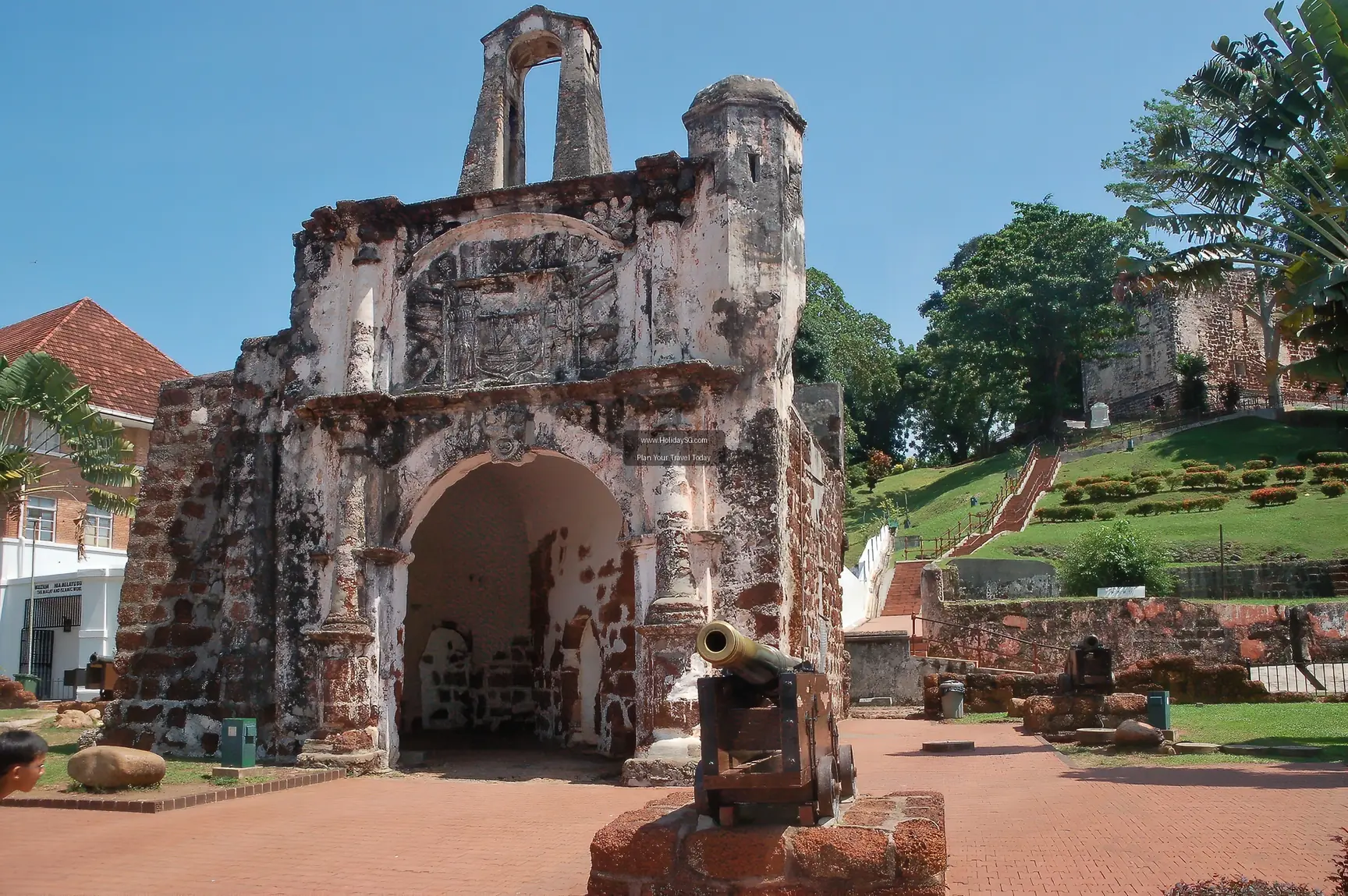
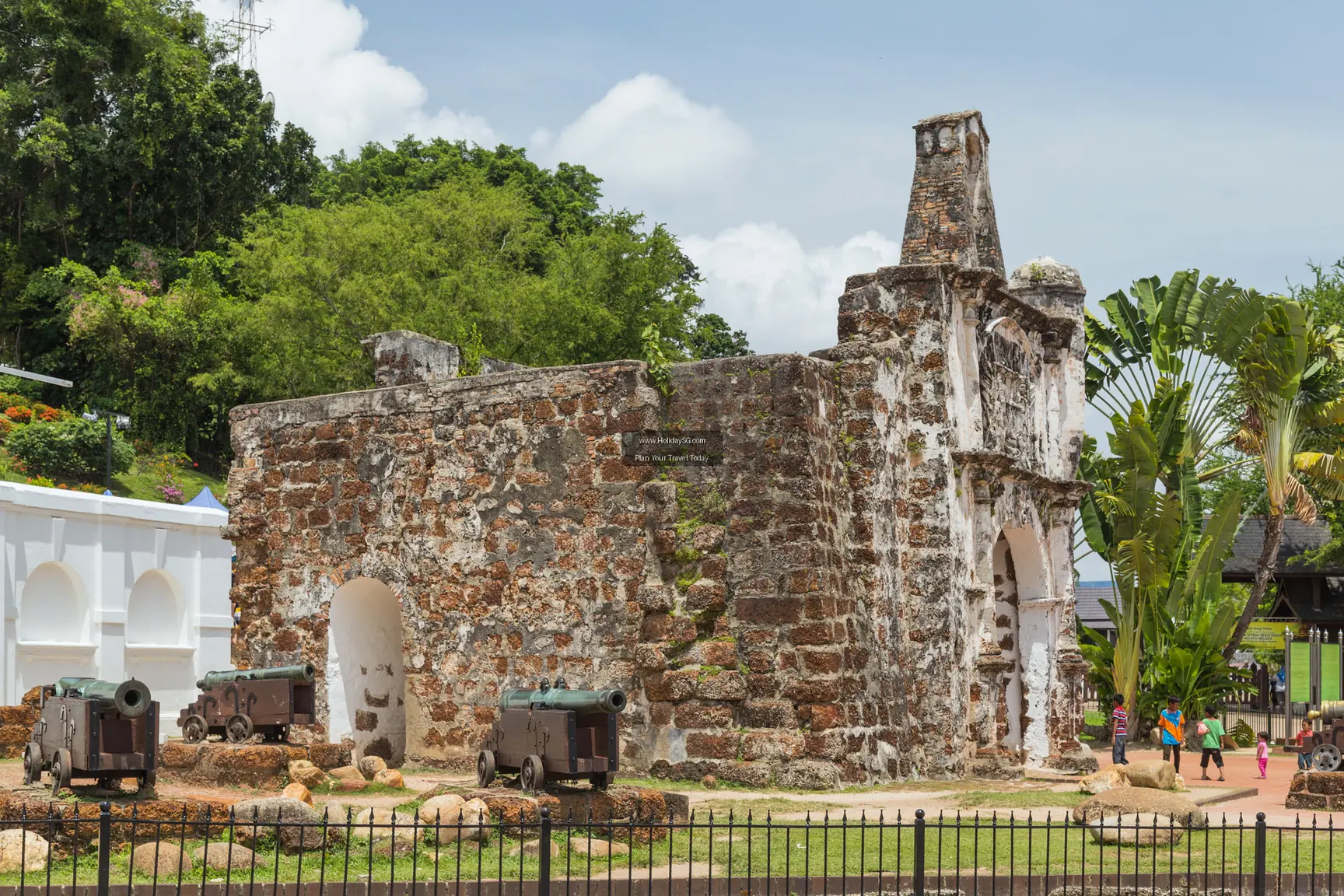
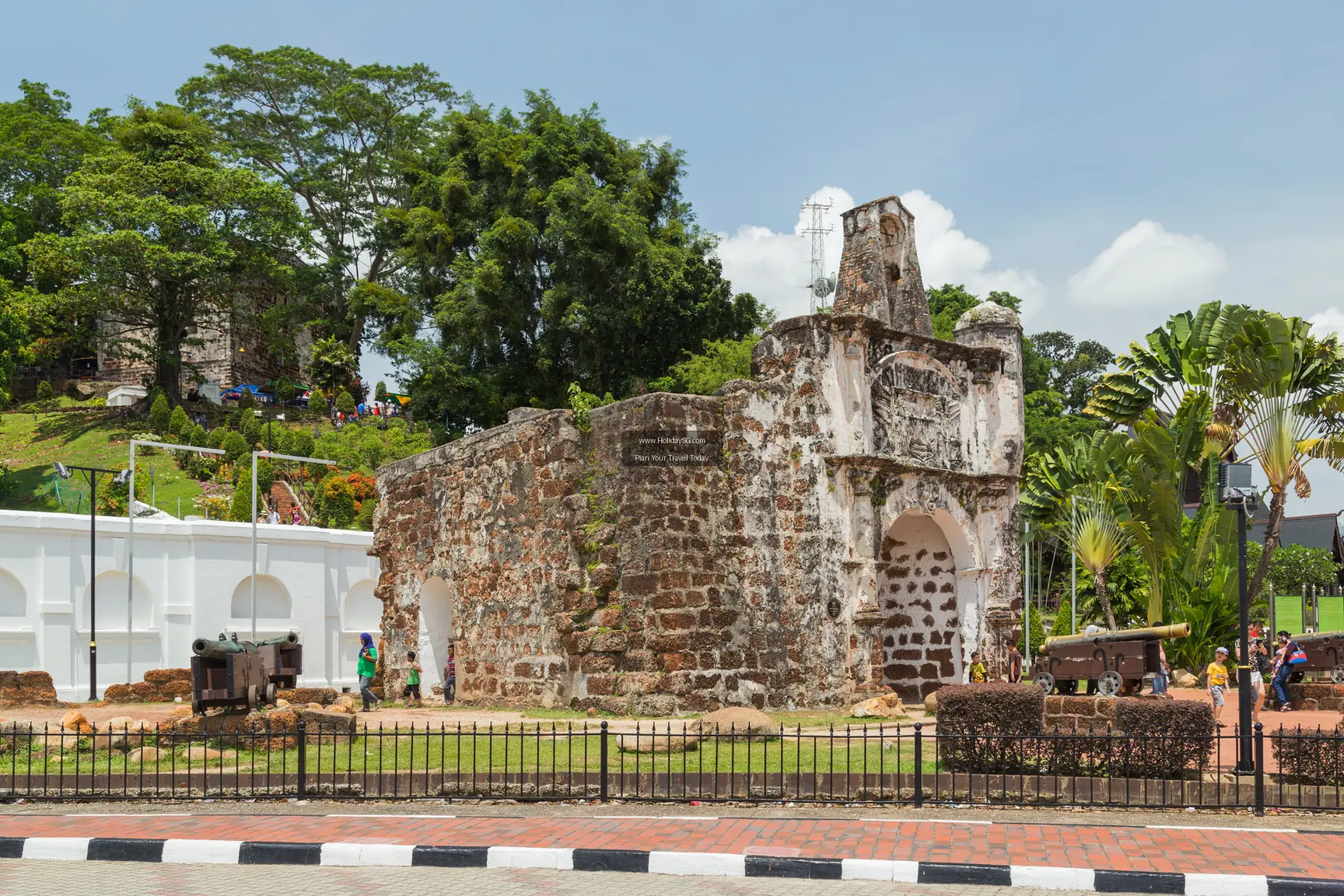
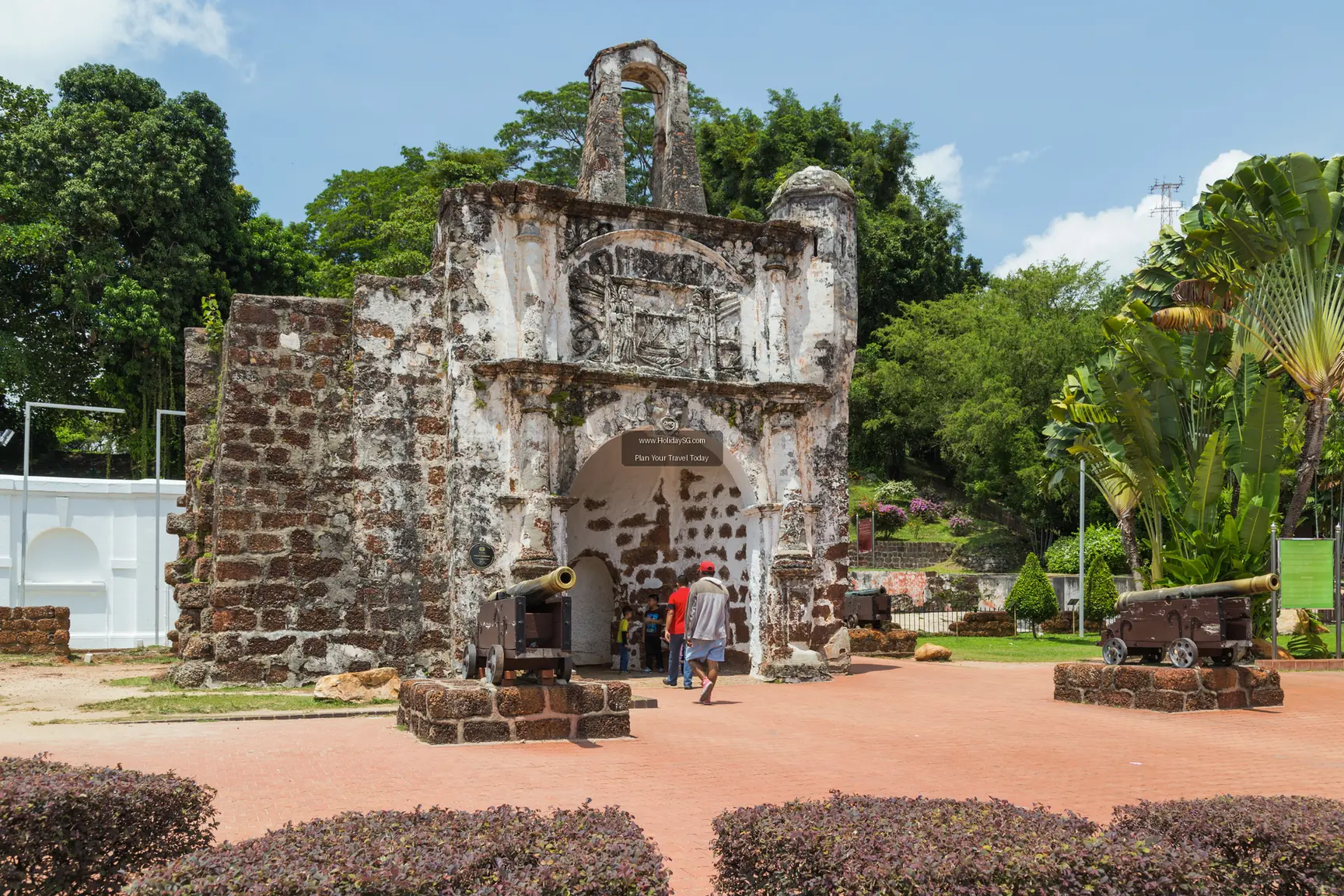
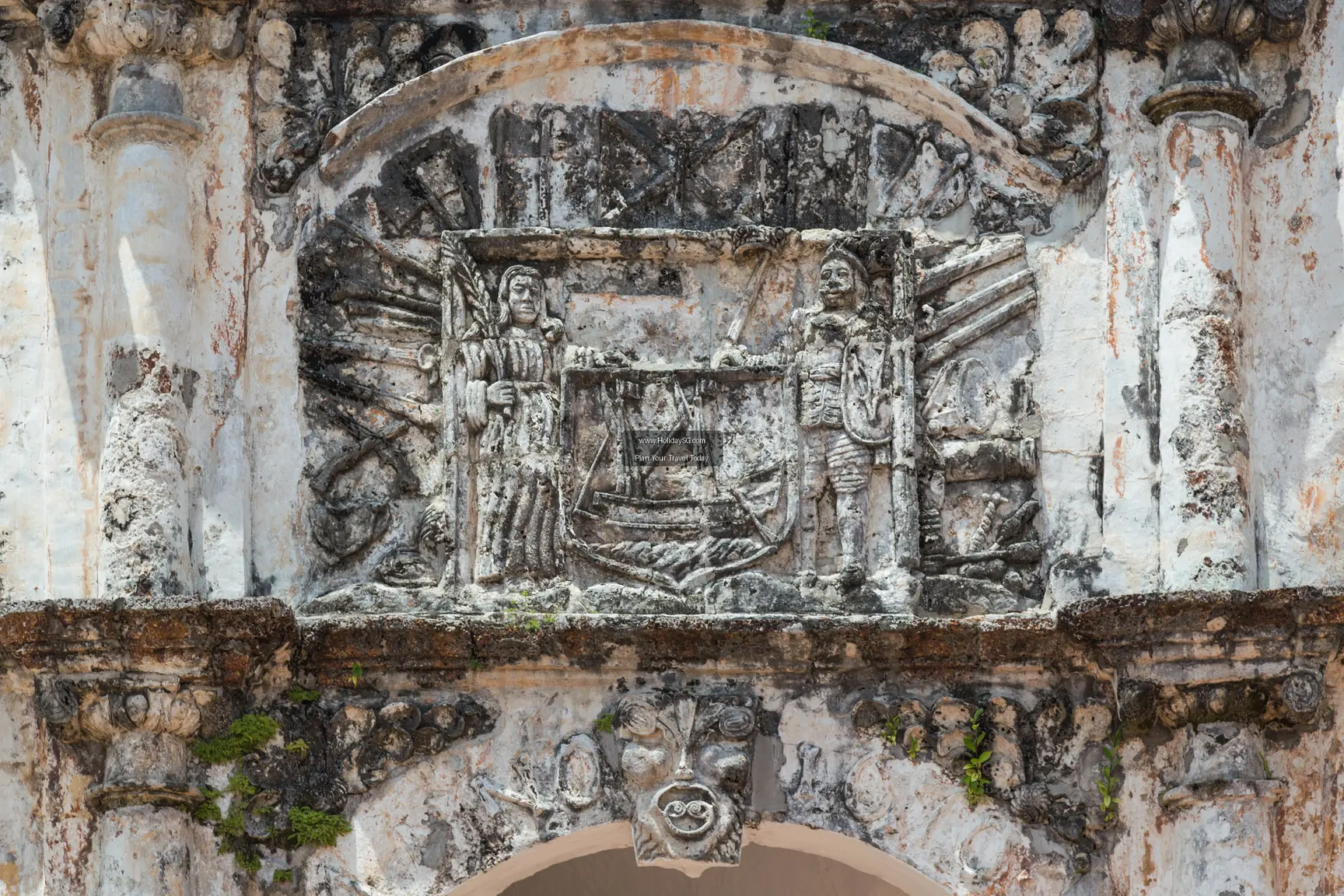
Melaka, on the Straits of Malacca, offers layers of history from Portuguese, Dutch, and British rule. The A Famosa fortress gate, dating to the early 1500s, is one of the most recognisable relics in the country, and the nearby St Paul's Hill provides views over the river and the city. The Jonker Street area comes alive on weekend nights with food stalls and antique shops, although it can be crowded, so arriving before dusk helps. Trishaws decorated with artificial flowers and music are a traditional way to see the old quarter, and a short ride typically costs around RM30 to RM50 depending on duration. The Baba and Nyonya heritage is particularly interesting here, with museums and restaurants that showcase the fusion cuisine and architecture created by Peranakan families over several centuries.
For a quieter alternative, consider Kuala Kubu Bharu, a small town north of Kuala Lumpur that serves as a gateway to the Hulu Yam and Templer Park areas. Templer Park, once a rubber estate, now has forest trails, small waterfalls, and picnic spots that feel far removed from the capital despite being only about an hour away by car. Local hawker stalls in town sell simple but excellent curries and noodles. Travellers who enjoy slow exploration will appreciate how these places reveal everyday Malaysian life. Pack comfortable walking shoes, carry insect repellent, and check road conditions before heading out, since some rural roads can become slippery after heavy rain.
Etiquette, Health, and Staying Safe on the Road
Malaysia is a multicultural society where Malay, Chinese, Indian, and Indigenous traditions coexist, and a little etiquette goes a long way in building goodwill. Islam is the official religion, so modest dress is appreciated in mosques and rural areas. Women should cover shoulders and knees, and both men and women should remove their shoes before entering a mosque or many temples. Some mosques provide loaner robes and headscarves at the entrance, usually free of charge, though a small donation is a kind gesture. Public displays of affection are generally frowned upon, and it is polite to ask before photographing people, especially during religious ceremonies. During Ramadan, avoid eating, drinking, or smoking openly in public during daylight hours, as this is considered disrespectful to those fasting.
Everyday manners also matter. Use your right hand when giving or receiving items, money, or food, as the left hand is traditionally associated with cleanliness issues in Malay and Indian customs. Pointing with your index finger is considered rude, so gesture with your whole hand or nod toward the object instead. When dining with locals, wait to be invited to start eating, and do not finish every dish on your plate, since an empty plate may suggest the host has not served enough. Tipping is not customary in most local restaurants, although a service charge of around 10 percent is often added at upscale establishments. Haggling is acceptable in night markets and handicraft shops but should be done with a smile and good humour.
Health preparation is straightforward but important. Tap water is generally treated in cities, yet many travellers prefer bottled or filtered water, particularly in rural areas and on islands. Mosquitoes can carry dengue fever, which is common in urban and semi-urban regions, so use repellent during the day as well as at night, and seek medical advice quickly if you develop a high fever with headache or body aches. Pharmacies such as Guardian and Watsons are widespread in shopping centres and sell common medicines, sunscreen, and rehydration salts. Private hospitals in Kuala Lumpur, Penang, and Kota Kinabalu offer high standards of care, although consultation fees are typically higher than at government clinics. Travel insurance that covers medical treatment and evacuation is a sensible investment for any trip.
Personal safety in Malaysia is generally good, but a few precautions make a real difference. Keep bags zipped in crowded markets and on public transport, and avoid displaying expensive phones or jewellery in busy areas. Use licensed taxis or verified ride-hailing services rather than accepting offers from unknown drivers at airports or bus terminals. When hiking in national parks or jungle areas, always register at the park office, carry a headlamp and enough water, and never venture out alone without informing someone of your route. Emergency services can be reached by dialling 999 for police, ambulance, or fire, and 112 works from mobile phones. Saving the address of your accommodation in both English and Bahasa Malaysia will help if you need to explain your location to a driver or responder.
Frequently Asked Questions
Where can I book tours for activities like ATV adventures or cultural explorations in Malaysia?
You can book several featured activities directly through our trusted partner, HolidaySG. For example: the Langkawi ATV Adventure Tour, Langkawi Adventure Xtreme Park, Skytrex Adventure Melaka, Skytrex Adventure Langkawi, or a Private Half Day Kuala Lumpur Culture and Communities Exploration Tour.
Do foreigners need a different ticket, price, or visa for Malaysia?
Generally, attractions in Malaysia charge the same entry fees for all visitors, domestic or international. However, for entry into the country itself, visa requirements vary greatly by your nationality. Citizens of many countries (including Singapore, the UK, the US, and EU nations) enjoy visa-free entry for short stays (typically 30-90 days). You should always verify the current visa requirements for your specific passport with the official Malaysian immigration website or embassy before booking travel.
What is the best time (season, or time of day) to visit Malaysia?
The best time to visit is during the dry season on the west coast, from December to April. The east coast (including the Perhentian Islands) is best from March to October. For activities like hiking in the Cameron Highlands or jungle trekking, cooler morning hours are ideal. Urban exploration in cities like Kuala Lumpur is fine year-round, though afternoons can be hot and humid. Always check specific regional weather patterns.
How many days do I need to explore Malaysia properly?
For a well-rounded trip covering major highlights, a minimum of 7 to 10 days is recommended. This allows time for 2-3 days in Kuala Lumpur, a few days in the Cameron Highlands or Malacca, and a beach stay in Langkawi or the Perhentian Islands. A shorter 4-5 day trip could focus on just KL and one other destination.
What is a typical daily budget for a traveler in Malaysia?
Malaysia is known for being budget-friendly. A backpacker can get by on SGD 50-70 per day, a mid-range traveler might spend SGD 100-200, and a luxury experience can cost SGD 300+. This includes accommodation, food, local transport, and basic activities. Street food is extremely affordable, while restaurant meals and entrance to premium attractions will cost more.
Is Malaysia safe for tourists, especially solo female travelers?
Yes, Malaysia is generally considered very safe for tourists, including solo female travelers. Standard precautions apply: be aware of your surroundings, avoid poorly lit areas late at night, and keep your belongings secure. Petty theft or scams can occur, but violent crime against tourists is rare. It’s advisable to use reputable taxis or ride-hailing apps like Grab.
What is the best way to get around between cities in Malaysia?
Airasia and other low-cost carriers offer cheap flights between major cities. The national rail service, KTM, provides a comfortable and scenic journey (e.g., KL to Ipoh or Kuala Lumpur to Kota Bharu). For flexibility, renting a car is easy and affordable. Within cities, the Grab app is the go-to for taxis, and KL has an excellent MRT/LRT train system.
What kind of food is a must-try in Malaysia?
Malaysia is a food paradise. Must-tries include Nasi Lemak (coconut rice), Char Kway Teow (stir-fried noodles), Satay (grilled skewers), Roti Canai (flatbread with curry), Cendol (a sweet iced dessert), and fresh seafood, especially in coastal towns. Don’t miss the chance to eat at a local “hawker centre” or “kopitiam” for an authentic and cheap feast.
Are the adventure activities like Skytrex suitable for children?
Many of Malaysia’s adventure parks have courses designed for different age and height groups. Skytrex Adventure, for instance, often has “Kids Course” or “Mini Course” for younger participants (e.g., 100cm+ tall). Always check the specific activity’s age, height, and weight restrictions before booking. Skytrex Adventure Langkawi lists these requirements on their page.
What should I pack for a trip to Malaysia?
Pack lightweight, breathable clothing for the tropical climate. Essentials include: a strong sunscreen, insect repellent, a reusable water bottle, a light rain jacket or umbrella, comfortable walking shoes, and a universal power adapter. If visiting religious sites like mosques, bring clothing that covers shoulders and knees (a sarong can be useful). Modest swimwear is recommended for public beaches.
Do I need to speak Malay to get by?
Not at all. English is widely spoken, especially in tourist areas, cities, and among younger generations. You will easily get by with English for hotels, restaurants, tours, and shops. Learning a few simple Malay phrases like “Terima kasih” (thank you) and “Selamat pagi” (good morning) is appreciated but not necessary.
Is Malaysia a good destination for families with kids?
Absolutely. Malaysia offers a wealth of family-friendly activities: theme parks like Legoland and Sunway Lagoon, aquariums (KLCC Aquaria), interactive museums, kid-friendly nature reserves (Sepilok Orangutan Rehabilitation Centre), and beautiful beaches with calm waters. The locals are generally very friendly towards children, and halal food is widely available.
How accessible are attractions for travelers with mobility issues?
Accessibility varies. Major international hotels and modern malls in KL are generally wheelchair-friendly. Newer attractions and malls often have ramps and accessible toilets. However, many historical sites (like old town Melaka), beaches, and nature-based adventures may have limited or no accessibility. It’s best to research specific venues in advance.
What is the etiquette for visiting temples or mosques in Malaysia?
Respect is key. For mosques, men and women should cover their arms and legs. Many mosques provide robes and headscarves for tourists to borrow. Remove your shoes before entering. For Hindu and Buddhist temples, remove shoes, and be mindful that the inner sanctum may be off-limits to non-worshippers. Always ask before taking photographs.
Can I use my credit cards easily in Malaysia?
Yes, credit and debit cards (Visa, Mastercard) are widely accepted in hotels, shopping malls, and larger restaurants. However, for street food, small local shops, markets, and rural areas, you will need cash (Malaysian Ringgit – MYR). ATMs are readily available in cities and towns to withdraw MYR (Malaysian Ringgit).
What’s the typical time difference between Malaysia and Singapore/UK/USA?
Malaysia operates on Malaysia Standard Time (MST), which is GMT+8. This is the same time as Singapore, Hong Kong, and Beijing. It is 5 hours ahead of the UK (GMT) and 13 hours ahead of the US Eastern Time (ET).
Is it safe to drink tap water in Malaysia?
It is generally recommended not to drink tap water directly from the faucet. Stick to sealed bottled water, which is inexpensive and readily available everywhere. Hotels and restaurants use purified water for ice and drinking purposes, so it’s safe to have ice in your drinks and drink water served at reputable establishments.
What are the major shopping souvenirs to bring back from Malaysia?
Popular souvenirs include batik textiles, pewterware (a Malaysian specialty), pearl jewelry, locally roasted coffee and tea, spicy chili pastes like “sambal,” traditional wooden crafts, and edible treats like pineapple tarts or “kuih.” Shopping malls in KL offer modern brands, while artisanal crafts can be found in cultural villages or markets.
Are there any important cultural “do’s and don’ts” I should know?
Key points: Use your right hand to give and receive items, as the left is considered unclean. Do not point with your index finger; use your thumb or a whole hand. Public displays of affection should be kept to a minimum. It’s polite to accept offers of food or drink if offered in someone’s home. Always respect local customs and be mindful during religious festivals like Ramadan.
How do I get a local SIM card or mobile data in Malaysia?
You can easily purchase a prepaid tourist SIM card at the airport (KLIA or KLIA2) or at convenience stores like 7-Eleven. Major providers are Celcom, Digi, and Maxis. These SIMs offer generous amounts of data for calls, texts, and internet use. You’ll need your passport for registration.
What things cost in Malaysia
Live HolidaySG prices for the experiences in this guide, so you can sanity-check a budget before you commit.
| Experience | Where | From price |
|---|---|---|
| Cameron Highlands Day Tour from Kuala Lumpur with Lunch (Guide... | Cameron Highlands | From S$76.85 |
| Cameron Highlands and Mossy Forest Half Day Tour | Cameron Highlands | From S$16.53 |
| The Bentong Farm | Bentong | From S$12.00 |
| Awana SkyWay (Formerly known as Genting Highlands Premium Outl... | Genting Highlands | From S$4.00 |
| Blue Ice Skating Rink @ Sunway 163 Mall | Kuala Lumpur | From S$14.00 |
| Breakout Escape Game Avenue K | Kuala Lumpur | From S$13.17 |
| Breakout Escape Game NU Sentral | Kuala Lumpur | From S$13.00 |
Things to book on this trip
Plan the rest of your trip
- HolidaySG eSIM plans for Malaysia - Buy a data plan before you fly and install it on your phone.
- Malaysia visa requirements - Check who needs a visa, the documents and the processing time.
- Hotels in Malaysia - Compare hotels and check room rates for your dates.
