

Planning a holiday around the best family attractions in Gold Coast, Australia means balancing high-octane thrills with relaxing beach days and interactive wildlife encounters. While the glittering skyline of Surfers Paradise often grabs the headlines, the real magic for families lies in the diverse spread of world-class theme parks, stroller-friendly national parks, and safe, patrolled beaches.
Updated August 2026
- Thrills, Spills, and Cinematic Chills: The Major Theme Parks
- Getting Up Close with Aussie Wildlife and Nature
- Sun, Sand, and Crucial Beach Safety
- Balancing the Budget: Top Free Family Activities
- Essential Planning Tips for a Smooth Family Trip
- Recommended HolidaySG Tours
- Next Steps for Your Gold Coast Adventure
Whether you are traveling with toddlers in tow or teenagers seeking adrenaline, navigating the Gold Coast requires a bit of strategic planning. From scoring the best multi-park passes to understanding crucial beach safety rules, here is your comprehensive guide to building the ultimate family itinerary on Australia’s most famous coastline.

Thrills, Spills, and Cinematic Chills: The Major Theme Parks
The Gold Coast is globally recognized for its theme park precinct, anchored by three massive resorts: Warner Bros. Movie World, Sea World, and Dreamworld. Rather than buying single-day tickets at the gate, the most cost-effective strategy for families is to purchase a multi-park pass, such as the Theme Park Super Pass. Typically costing around AUD 250 to AUD 300 per person for a 3-day pass, these tickets offer immense value and the flexibility to hop between parks at your own pace without feeling rushed.
Splashing Around at Wet’n’Wild and WhiteWater World
When the Queensland sun is at its peak, the premier family water parks—Wet’n’Wild and WhiteWater World—are essential additions to your itinerary. Both parks feature dedicated toddler zones, like Wet’n’Wild Junior, which offer gentle, shaded splash areas perfect for little ones.
However, parents should be aware that the major thrill slides enforce strict height checks, usually requiring riders to be at least 122cm tall. Always measure your children before you commit to a two-hour queue, as park staff will not make exceptions for safety reasons.
Getting Up Close with Aussie Wildlife and Nature
Ready to go? Book Australia Gold Coast Surfing Paradise Double Motor Powered Boat Experience Optional 30 Minutes60 Minutes with HolidaySG.
No trip to Australia is complete without meeting the locals. Currumbin Wildlife Sanctuary and David Fleay Wildlife Park offer highly interactive, educational experiences. At Currumbin, families can snap professional photos holding a koala and hand-feed wild rainbow lorikeets and roaming kangaroos.
Currumbin is exceptionally stroller-accessible, but the grounds are expansive. To save little legs (and your own energy), utilize the family-friendly mini-train that loops around the sanctuary, making it easy to navigate between exhibits without the midday fatigue.
Stroller-Friendly Hikes at Springbrook and Tamborine Mountain
If you want to escape the coastal hustle, head inland to the hinterland. Springbrook National Park and Tamborine Mountain offer accessible nature experiences that don’t require heavy hiking gear.
- Springbrook National Park: The Natural Bridge and Purling Brook Falls circuits feature well-maintained, stroller-friendly boardwalks. The paths are shaded by dense rainforest canopies, keeping the temperature cool even in the afternoon.
- Tamborine Mountain: The Tamborine Rainforest Skywalk provides a safe, elevated view of the canopy, while the nearby Gallery Walk offers a flat, paved stretch perfect for strolling, grabbing artisan ice cream, and browsing local craft shops.
Sun, Sand, and Crucial Beach Safety
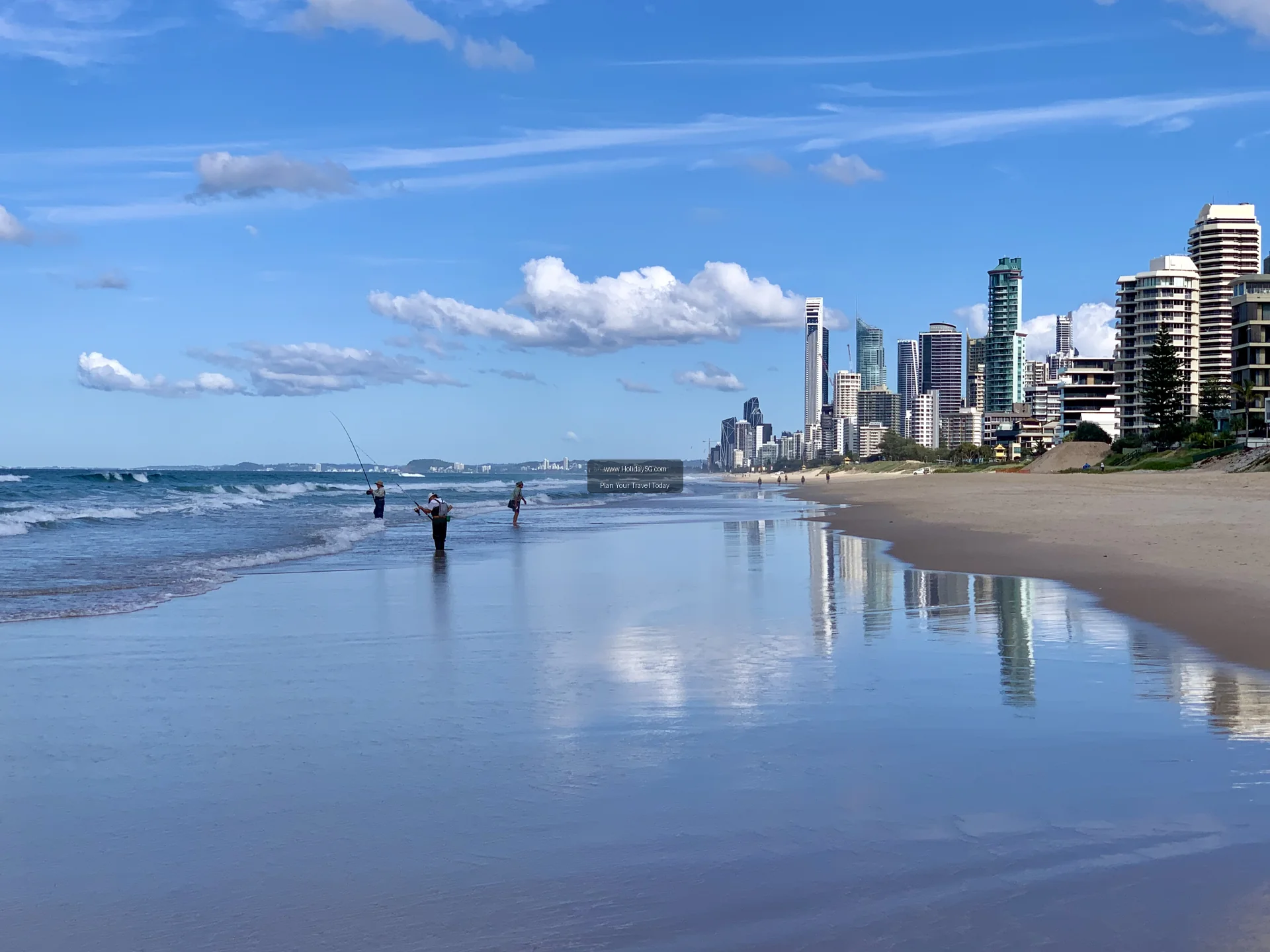
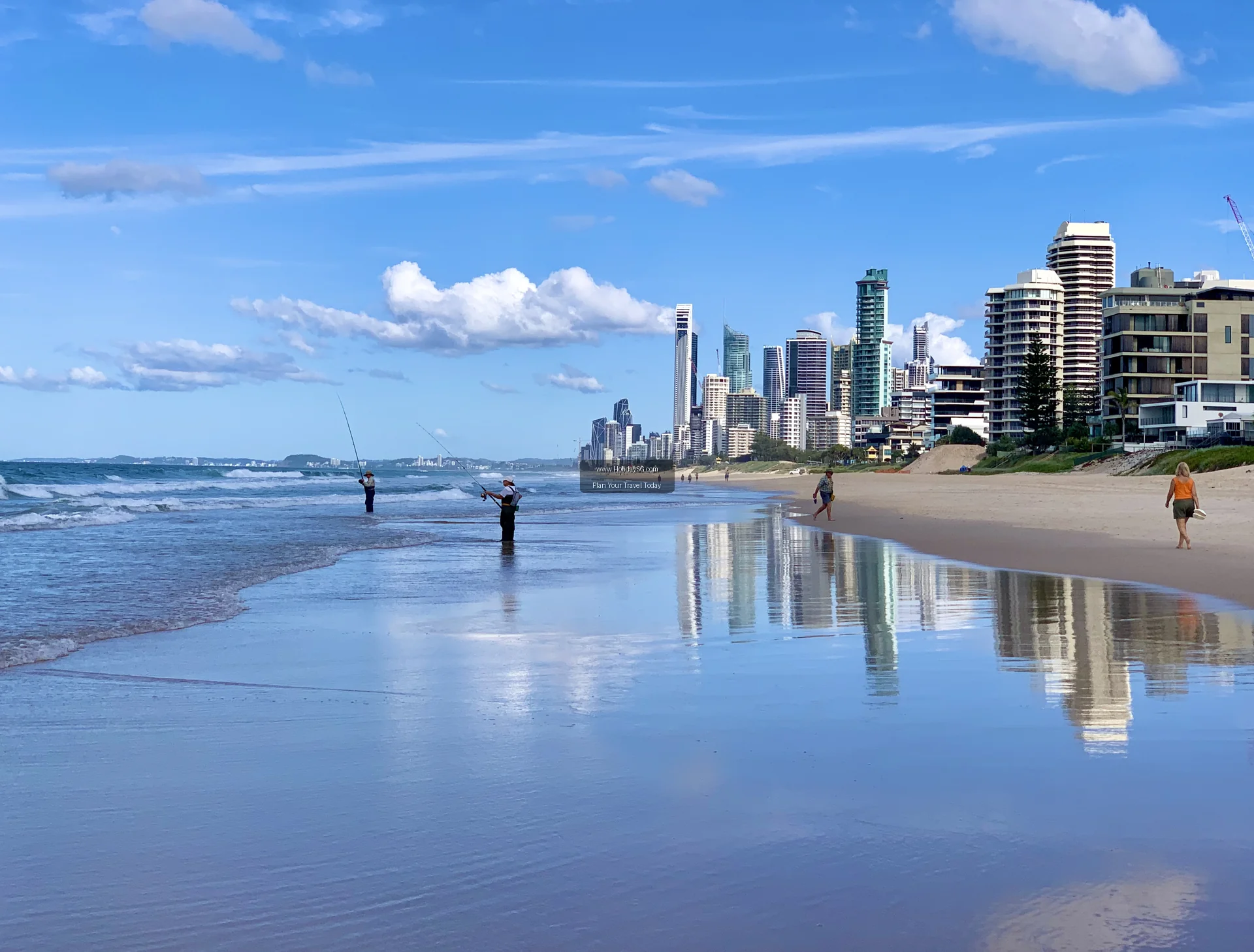
The Gold Coast boasts 57 kilometers of coastline, but not all beaches are created equal when traveling with children. Surfers Paradise offers the most iconic views and convenient amenities, while Burleigh Heads provides a slightly more relaxed, picnic-friendly atmosphere with calm waters near the creek.
The Golden Rule: Always Swim Between the Flags
The most critical mistake international families make is underestimating Australian ocean conditions. Unpredictable rip currents are a common and serious hazard along the Gold Coast. You must strictly enforce a rule that everyone swims only between the red and yellow flags, which are actively patrolled by trained Surf Life Savers.
If your older kids are eager to catch their first wave safely, booking 2-hour surfing lessons at Surfers Paradise with certified instructors is a fantastic way to introduce them to the sport in a controlled, supervised environment.
Balancing the Budget: Top Free Family Activities
Theme park tickets and family dining can quickly drain your holiday budget. To balance the expensive days, take advantage of the Gold Coast’s high-quality, zero-cost attractions.
- Broadbeach Oceanway: This paved, scenic pathway is ideal for cycling, rollerblading, and scooting. Rent some bikes and cruise along the coast without worrying about vehicle traffic.
- HOTA (Home of the Arts): Beyond its galleries, the HOTA precinct features a massive, modern, and completely free outdoor playground that rivals many paid amusement parks.
- Broadwater Ferry: The public hop-on-hop-off ferry across the Broadwater is free and offers great views of the marina.
While the public ferry is a great budget option, upgrading to a 2-hour Gold Coast sightseeing cruise gives your family a guided, comprehensive tour of the luxurious waterfront homes and canals, complete with engaging commentary that kids and adults alike will enjoy.
Essential Planning Tips for a Smooth Family Trip
Timing Your Visit: The Shoulder Season Sweet Spot
The optimal time for families to visit is during the shoulder seasons: September to November, and March to May. During these months, the weather is pleasantly warm (averaging 20°C to 26°C), making outdoor activities comfortable. More importantly, school holiday crowds are significantly thinner, and accommodation rates drop considerably compared to the peak December-January summer rush.
Choosing the Right Base: Broadbeach and Main Beach
While Surfers Paradise is famous, Broadbeach and Main Beach are generally preferred for family accommodation. They offer a quieter, more relaxed atmosphere and are much closer to major attractions like Sea World. Look for family-sized serviced apartments in these areas; having a kitchenette is a game-changer for preparing quick breakfasts and managing food budgets.
Navigating the Coast with the G:link Tram
Skip the hassle of renting a car and paying for expensive theme park parking. The G:link light rail tram is the most convenient, stroller-friendly way to navigate the coastal strip from Helensvale station down to Broadbeach. Purchase a TransLink go card for the family to take advantage of daily fare caps, ensuring your transport costs remain predictable and low.
Theme Park Height Checks: Measure Before You Queue
Nothing ruins a child’s day faster than waiting in line for an hour only to be told they are too short to ride. Most major parks measure children with shoes off. Use the table below as a quick reference guide before you plan your park days.
| Ride Category | Minimum Height Requirement | Common Examples |
|---|---|---|
| Junior / Family Rides | 90cm – 100cm | Kids’ WB! Fun Zone rides, Sea World gentle boat rides |
| Intermediate Thrill Rides & Water Slides | 110cm – 122cm | Most major water slides, moderate family coasters |
| Major Rollercoasters | 120cm – 130cm+ | DC Rivals HyperCoaster, Steel Taipan, Superman Escape |
Recommended HolidaySG Tours
- 2 Hour Surfing Lessons at Surfers Paradise Beach in Gold Coast
- 2 Hour Gold Coast Sightseeing Cruise Hopo Transport Passes
- Ultimate Jet Boat Ride Speedboating Experience in Gold Coast Queensland Australia
- Artvo Gold Coast Tickets
Next Steps for Your Gold Coast Adventure
Families visiting the Gold Coast can enjoy a rare combination of thrilling theme parks, unspoiled natural surroundings and world-class beaches, which makes it a dream spot for family trips. By timing your visit during the shoulder seasons, choosing a strategic base in Broadbeach, and leveraging multi-park passes and free local attractions, you can create a memorable holiday without breaking the bank. Your next step is to lock in your travel dates and secure your theme park passes and accommodation early, as the best family-friendly serviced apartments sell out months in advance during the school holiday windows.
Ready to take your family adventure to the next level on the water? Check out our Australia Gold Coast Surfing Paradise Double Motor Powered Boat Experience Optional 30 Minutes60 Minutes for an unforgettable ride.
Book with HolidaySG online for Australia Gold Coast Surfing Paradise Double Motor Powered Boat Experience Optional 30 Minutes60 Minutes, Ultimate Jet Boat Ride Speedboating Experience In Gold Coast Queensland, 2 Hour Gold Coast Sightseeing Cruise Hopo Transport Passes.
Frequently Asked Questions
Where can I book these family-friendly tours and attractions?
You can easily book the best family activities right here on HolidaySG. For thrilling water experiences, check out the Ultimate Jet Boat Ride or the Double Motor Powered Boat Experience. If you prefer a relaxed sightseeing day, grab the 2 Hour Gold Coast Sightseeing Cruise and HOPO Passes. Older kids and teens will love the 2 Hour Surfing Lessons at Surfers Paradise, and for a fun indoor activity, don’t miss the Artvo 3D Immersive Art Gallery.
Do foreign tourists need a different ticket, price, or visa to visit Australia?
Attraction tickets and tour prices on the Gold Coast are generally the same for both locals and international tourists, though some venues may offer specific resident discounts that require an Australian ID. However, all foreign nationals (excluding New Zealand citizens) must obtain a valid visa or an Electronic Travel Authority (ETA) before traveling to Australia. Visa rules can change, so we highly recommend checking the official Australian Department of Home Affairs website for the most current and accurate entry requirements based on your passport.
What is the best time of year and time of day to visit the Gold Coast with a family?
The best season to visit the Gold Coast is during the Australian spring (September to November) or autumn (March to May), when the weather is warm, sunny, and less humid, making it perfect for outdoor activities and beach days. Summer (December to February) is great for water parks but can be hot and prone to afternoon thunderstorms. For daily activities, mornings are generally the best time for beach outings, surfing lessons, and boat rides to avoid the midday heat and larger crowds, while late afternoons are ideal for relaxed sightseeing cruises.
How many days should a family spend on the Gold Coast to experience the main attractions?
To truly enjoy the Gold Coast without rushing, a family should plan to spend at least 4 to 5 days. This gives you enough time to dedicate a day to the major theme parks, a day for beach activities like surfing or jet boating, a day for nature and wildlife encounters in the hinterland, and some downtime to explore local markets, enjoy the sightseeing cruise, and relax at your accommodation. If you are also planning day trips to nearby Brisbane or Byron Bay, consider extending your stay to a full week.
Related reading:
- Sentosa Family Itinerary: 1, 2, or 3-Day Guide
- Top Attractions Near Orchard Road: Beyond Shopping
- Top Family Activities in Sentosa
Planning a family week on the Gold Coast
Long sandy beaches, theme parks, wildlife parks and a relaxed pace of life make the Gold Coast well suited to families. Most attractions are within a short drive of the main resort areas, which makes it easy to plan a mix of active and calm days. Book the theme parks and the wildlife experiences ahead, check the weather for the beach days, and keep one free day each week so that children can rest.
Beach days and water play
The beaches are patrolled by lifeguards in designated areas, and the flags show where it is safe to swim. Families often spend the morning on the sand and the afternoon at a nearby park or pool. Sun protection matters a great deal in Australia, so use sunscreen, hats and shade, and carry plenty of water. Shallow sections of the coast suit younger children, while older children enjoy surfing lessons.
Frequently asked questions about family travel
Is the Gold Coast suitable for toddlers?
Yes. Many resorts have family pools, kids clubs and buggy-friendly paths, and the beaches are gentle in the sheltered areas.
How do I get around?
A car gives the most flexibility, since attractions are spread out. Light rail and buses serve the main corridor, and rideshare apps cover the rest.
Rainy-day ideas and indoor fun
When the weather turns, indoor options keep the day lively. Shopping centres have play areas and cinemas, and indoor climbing and trampoline venues suit energetic children. Museums and aquariums offer shelter and learning, and many have hands-on displays for younger visitors. Keep a list of indoor ideas in your phone so that you can switch plans quickly.
Food and budget tips for families
Self-catering apartments save money and let families eat breakfast and lunch at their own pace. Supermarkets have a wide choice of fresh food, and many resorts have family-friendly restaurants with kids menus. Plan one special meal out during the week, and pack snacks for the parks and beaches to avoid costly queues at kiosks.
Frequently asked questions about the week
Is it safe to swim without lifeguards?
Swimming is safest between the red and yellow flags when lifeguards are on duty. Check the conditions each day and follow the advice on the beach signs.
What should I pack?
Pack sun hats, rash vests for children, reef-safe sunscreen, water bottles, a light rain jacket and comfortable shoes for the parks.
More planning a family week on the Gold Coast
Beaches, theme parks and outdoor play form the foundation of the Gold Coast, making it one of the easiest Australian destinations for families. The city stretches for many kilometres along the coast, with Surfers Paradise at the busy centre and quieter suburbs and headlands to the north and south. Choosing a base close to the attractions you most want to visit saves hours of driving across the week.
Many families like to split their stay: a few nights near the beach for relaxed mornings, then a base closer to the theme parks for days with more planned outings. Apartments with a kitchen help with breakfasts and picnic lunches, and they give children a space to unwind after a busy day.
Write a rough list of must-do activities for each child, then mark which ones suit the younger and the older members of the group. Aim for one big outing a day and leave the rest of the time for swimming, rest and play.
Getting around with children
Hire cars are the most flexible option for families, and they make trips to hinterland towns and national parks easier. Choose a vehicle with enough room for car seats and luggage, and check the booster seat rules for each child's age and size. Public buses and the light rail connect the main coastal areas, and they can be a fun experience for older children who like to watch the view.
Traffic can be heavy during school holidays and weekend mornings, particularly on the highway between the northern and southern beaches. Allow more time than the map suggests, and plan your departure before the morning rush.
Parking near the theme parks
Parking at the big attractions can cost extra, and car parks fill quickly on busy days. Arrive early, follow the signs for overflow parking and keep a note of the row and level so you can find the car after a long day.
Theme parks for every age
Theme parks on the Gold Coast are well known, offering thrill rides, water slides, wildlife encounters and family shows. Younger children often enjoy character meet-and-greets, gentle rides and splash zones, while older children may want the fastest coasters and drop towers. Look up the height limits and the ride maps before you go, so you can plan the day around the rides that suit everyone.
Tickets for multi-day passes can be good value if you plan to visit more than one park. Check whether the pass includes re-entry and whether it is valid for the dates you travel.
Planning a park day
Arrive at opening time, head to the most popular rides first and take a long lunch break in the middle of the day when crowds are thick. Use the afternoon for shows and water features, and leave before the evening rush if the family is tired.
Wildlife and animal encounters
Australian wildlife is a major draw for children. The Gold Coast has wildlife parks where children can see koalas, kangaroos, reptiles and birds up close. Check the times of animal feeding and keeper talks, since these change through the year and make a memorable part of the visit. Choose parks that are accredited and that focus on care and education.
Always follow the rules about touching animals, and wash hands after handling any animals. Children should be supervised at all times around wildlife.
Beaches, surf schools and water play
Surfers Paradise and the northern beaches offer wide sandy stretches with patrolled sections, marked by red and yellow flags. Always swim between the flags, and teach children to recognise the flags and what they mean. Surf schools run lessons for children, often in small groups, and many include a rash vest and a board.
Rock pools, sandbars and calm inlets are good for younger children who want to splash safely. Keep an eye on the tide and check the surf conditions before you go in.
Sun protection on the beach
The Australian sun is intense, so apply broad-spectrum sunscreen, reapply every two hours and after swimming, and dress children in rash vests and hats. Shade umbrellas and tents are useful, and a cooler bag with water and snacks keeps everyone comfortable.
Hinterland adventures and rainforest walks
The hinterland behind the coast is full of rainforest, waterfalls and quiet villages. Families enjoy short walks to lookouts, rope bridges over the canopy and creek swims in rock pools. Choose trails that suit the youngest walker, and carry water and a light snack for the way.
Watch for slippery rocks near waterfalls and keep children close to the edges. Insect repellent is important in the forest, and a bottle of water is essential.
Indoor fun for wet days
Rain can arrive quickly on the coast, so have a list of indoor options ready. Indoor play centres, trampoline parks, ten-pin bowling, aquariums and cinemas are popular with children. Many shopping centres have play zones and family-friendly food courts, which make them practical for a rest.
Check opening hours in advance, since some indoor attractions have shorter weekday timetables or school holiday changes.
Food for families on the coast
Family-friendly restaurants on the Gold Coast serve burgers, pizza, fish and chips and fresh seafood. Many cafes offer child-sized portions and high chairs, and beachside kiosks sell ice cream and simple snacks. Picnics on the foreshore are a popular and affordable option, and many parks have barbecue areas that are free to use.
Pack a cool box for a day out, with fruit, sandwiches, water and a small treat. This avoids queues and keeps younger children from getting hungry between attractions.
- Choose a supermarket for breakfast supplies and a picnic lunch.
- Book a family table early in busy holiday periods.
- Ask for kids' menus, which often include a drink and dessert.
Sleep, routines and rest days
Families who keep a regular bedtime have far happier holidays. Plan a quiet afternoon once or twice in the week, so that children can nap, read or simply play in the pool. Keep a small bag of familiar items for bedtime, such as a favourite toy or a night light.
Rest days are a chance to enjoy the beach without a plan, watch the sunset and let children set the pace.
Safety for young explorers
Crowds at theme parks and beaches can make children wander. Agree a meeting point, dress children in bright clothing and teach them to ask a staff member for help if they get lost. Keep a recent photo of each child on your phone, and write your accommodation details on a card in their pocket.
Carry a basic first-aid kit with plasters, antiseptic and any prescription medicines. Check that your travel insurance covers children and the activities you plan.
Money and budgeting for a family holiday
Theme park tickets, parking and meals can add up quickly. Compare multi-day passes against single-day tickets, check whether family bundles are available and ask whether children's rates apply to the age you are travelling with. Set a daily budget for food and transport, and keep receipts for any insurance claims.
Free activities such as beach walks, playgrounds, lookouts and foreshore picnics can make up a large share of the week without spoiling the fun.
Booking tickets and checking the details
Read the terms of every ticket, including age bands, entry times and any re-entry rules. Keep your confirmation on your phone and a printed copy, and arrive with time for bag checks. If you book through HolidaySG, our team can help with questions about your reservation between 9 AM and 11 PM SGT daily.
Confirm what is included, such as meals or transport, and whether any activity has a minimum age or height requirement that might apply to your children.
Questions parents often ask about the Gold Coast
Is the Gold Coast good for toddlers?
Yes. Shallow beaches, playgrounds, splash parks and gentle wildlife areas suit toddlers well, and many cafes are happy to accommodate pushchairs.
How many days do we need?
Five to seven days gives a family time for the main theme parks, a wildlife visit, the beach and a hinterland day, with room to rest.
What if it rains?
Keep a list of indoor activities and swap your plans for the day. Rain often clears quickly on the coast, and wet days can still be fun with a cinema trip or a play centre.
Closing thoughts on a Gold Coast family trip
Thrills, nature and relaxation are balanced well on the Gold Coast, suiting families of all ages. Plan one big activity each day, keep the rest flexible and make room for the beach, the ice cream and the sunset walks that children often remember most. A little preparation makes the difference between a tiring week and a holiday everyone talks about for years.
Pack sunscreen, pick a good base and enjoy the sunshine together.
Making the most of the morning and the evening
Early mornings on the Gold Coast are often the calmest part of the day. Beaches are quiet, the light is soft and families can enjoy a walk before the heat builds. Evenings bring a different kind of pleasure, with outdoor dining, live music in some venues and a gentle breeze off the water. Build both into your plan so that the days feel relaxed rather than rushed.
A sunset walk along the esplanade, a shared ice cream and a game of cards back at the apartment can be the simplest and most treasured parts of a family holiday.
Keeping a family journal of the trip
Give each child a small notebook and invite them to record one favourite moment each day, whether it is a wave that knocked them over, a koala that yawned or a new word they learned. Writing or drawing helps children remember the details, and it becomes a treasured souvenir long after the sunscreen has worn off. Parents can add their own notes too, creating a shared family story of the holiday.
Keep tickets, shells and postcards in a plastic sleeve inside the journal, and the book will tell the whole story when you get home.
Enjoy the Gold Coast, and let its sunshine and its surf make your family memories last.
Before you fly home, sit down together and choose the best day, the funniest moment and the one thing everyone wants to do again. Those three answers often make the perfect plan for the next visit to this sunny stretch of Australian coastline.
Happy travels to you all.
Family Attractions on Gold Coast: Frequently Asked Questions
What's the ideal length of stay to experience Gold Coast family attractions without rushing?
Most families find five to seven days strikes the right balance, giving you time for at least two theme parks, a hinterland adventure, and several beach days without exhausting young children. Three days is workable if you're focused solely on one major park like Dreamworld or Movie World and a couple of beach sessions. A full week lets you explore Springbrook National Park's rainforest walks at a gentle pace, enjoy Surfers Paradise without feeling rushed, and include a rainy-day indoor activity like the Gold Coast Arts Centre in Surfers Paradise without cutting corners.
Which Gold Coast beaches are safest for young swimmers?
Broadbeach and Main Beach both have patrolled swimming areas marked by lifeguard flags, consistent gentle waves, and nearby facilities including toilet blocks and shaded picnic areas. Tallebudgera Beach, tucked between two headlands south of Surfers Paradise, offers calmer conditions and a more sheltered feel ideal for toddlers learning to splash. Always swim between the designated flags where lifeguards maintain visual watch; avoid the area outside flagged zones, especially during rough swell or low-visibility conditions.
How do theme park height restrictions work, and what happens if my child is just under the limit?
Height restrictions exist for safety reasons on rides with specific seat belts or restraint systems; they're non-negotiable regardless of age or maturity level. Most Gold Coast parks like Movie World and Warner Bros. Movie World have a measurement point near each ride entrance where staff check children before queuing. If your child is just under the limit, no exceptions apply—the restraints simply won't fit safely—so plan alternative attractions; however, many parks offer rider-swap systems allowing one adult to wait with a younger child while another experiences the ride, then swap without re-queuing.
What should families pack for a Gold Coast holiday with young children?
Lightweight, breathable clothing, reef-safe sunscreen (SPF 50+), wide-brimmed hats, and rash vests for water protection are essentials in the subtropical climate. Bring basic medications (paracetamol, antihistamine, blister plasters), a portable phone charger, and a small first-aid kit for minor scrapes common during theme park days. Pack reusable water bottles—Gold Coast beaches and parks have refill stations—and comfortable walking shoes for the hinterland; many visitors underestimate how much walking Tamborine Mountain and Springbrook involve even on "easy" family trails.
How does the G:link tram system work for families navigating the coast?
The G:link is a free light rail service running from Southport through Surfers Paradise to Broadbeach and beyond, eliminating parking stress when visiting central attractions. Prams fold easily on quieter off-peak services, though busy times can be crowded; the tram connects to beachfront hotels, shopping districts, and major walking paths. Day passes offer excellent value if you're making multiple stops, and the Broadbeach station sits directly near Wet'n'Wild entrance, saving families the hassle of finding theme park parking lots.
Quick Answers About Gold Coast Family Travel
Can families visit Gold Coast attractions year-round, or are certain seasons better for children?
The shoulder seasons (April to May and September to October) offer warm weather, fewer school-holiday crowds at theme parks, and lower accommodation rates. Winter months (June to August) see cooler, drier days perfect for hinterland hiking without intense heat, though some families find the water temperature less appealing for young swimmers. Avoid school holidays (late December through early January, mid-April, late June, late September) when theme parks reach peak capacity and prices spike.
What free or low-cost activities can families enjoy on a tight budget?
All Gold Coast beaches are free, and patrolled areas at Surfers Paradise and Broadbeach cost nothing to access. Tallebudgera Head walk offers spectacular coastal views with minimal fitness requirements, and Boomerang Lake at Movie World precinct allows free family picnics. The hinterland towns like Tamborine Mountain have free lookout points and walking trails through rainforest with minimal entry fees compared to major theme parks.
How should families plan a rainy day on the Gold Coast when outdoor attractions aren't viable?
Indoor galleries and performance spaces are found at the Gold Coast Arts Centre in Surfers Paradise, and Australia Fair shopping centre and Pacific Fair offer air-conditioned browsing and eating options. Movie World and Warner Bros. Movie World have covered show areas and indoor attractions that operate rain or shine, making them good rainy-day backup choices despite higher prices than beach outings.
Are there quieter theme park times when families can experience rides with shorter waits?
Weekday mornings immediately after opening at Dreamworld or Movie World typically see minimal queues, particularly outside school holidays. Winter months (June to August) draw smaller crowds than summer school holidays, making mid-week visits during term time your best bet for rapid ride experiences without young children getting fatigued waiting in lines.
Things to book on this trip
Plan the rest of your trip
- HolidaySG eSIM plans for Australia - Buy a data plan before you fly and install it on your phone.
- Australia visa requirements - Check who needs a visa, the documents and the processing time.
- Hotels in Gold Coast, Australia - Compare hotels and check room rates for your dates.
