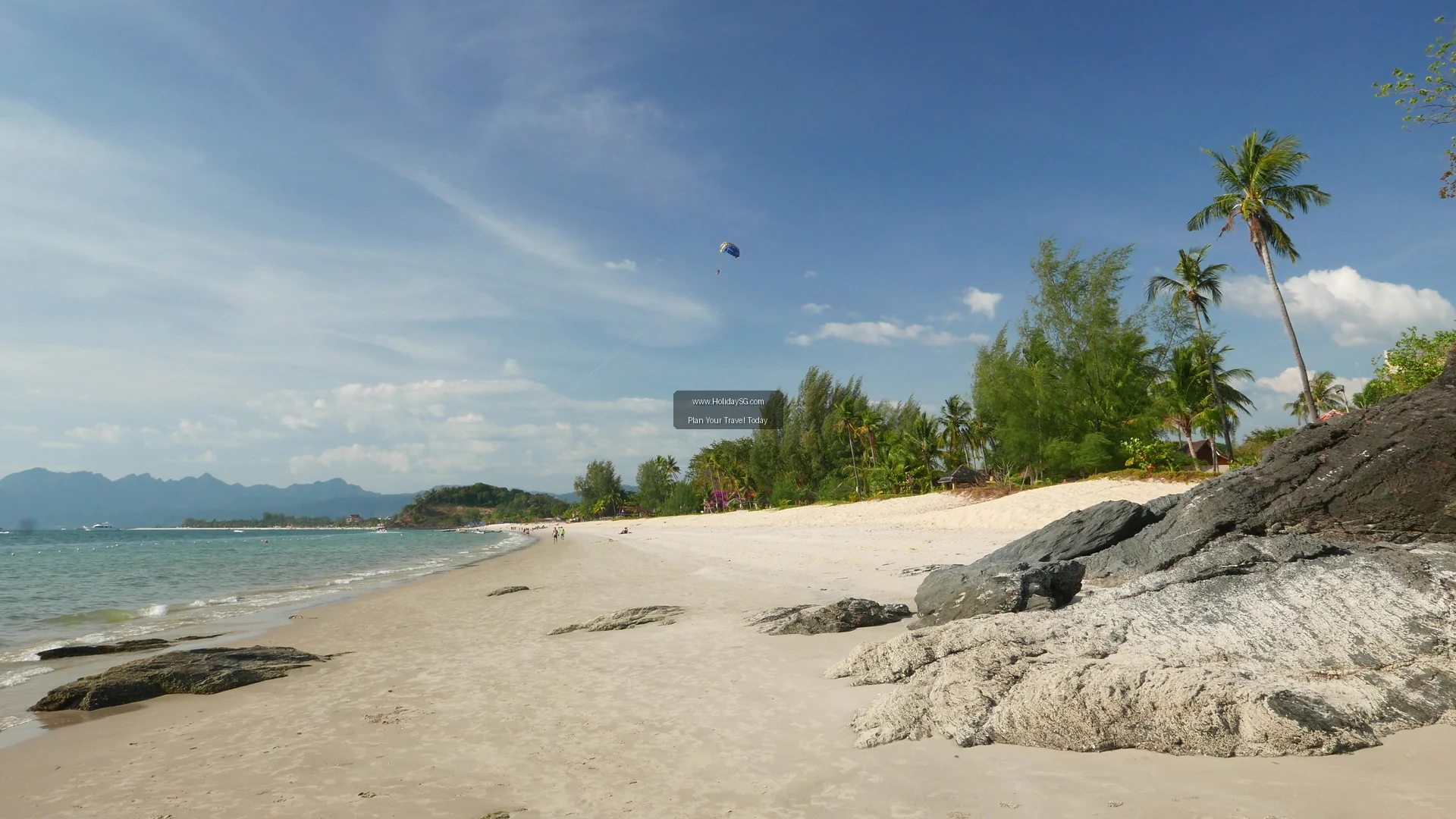
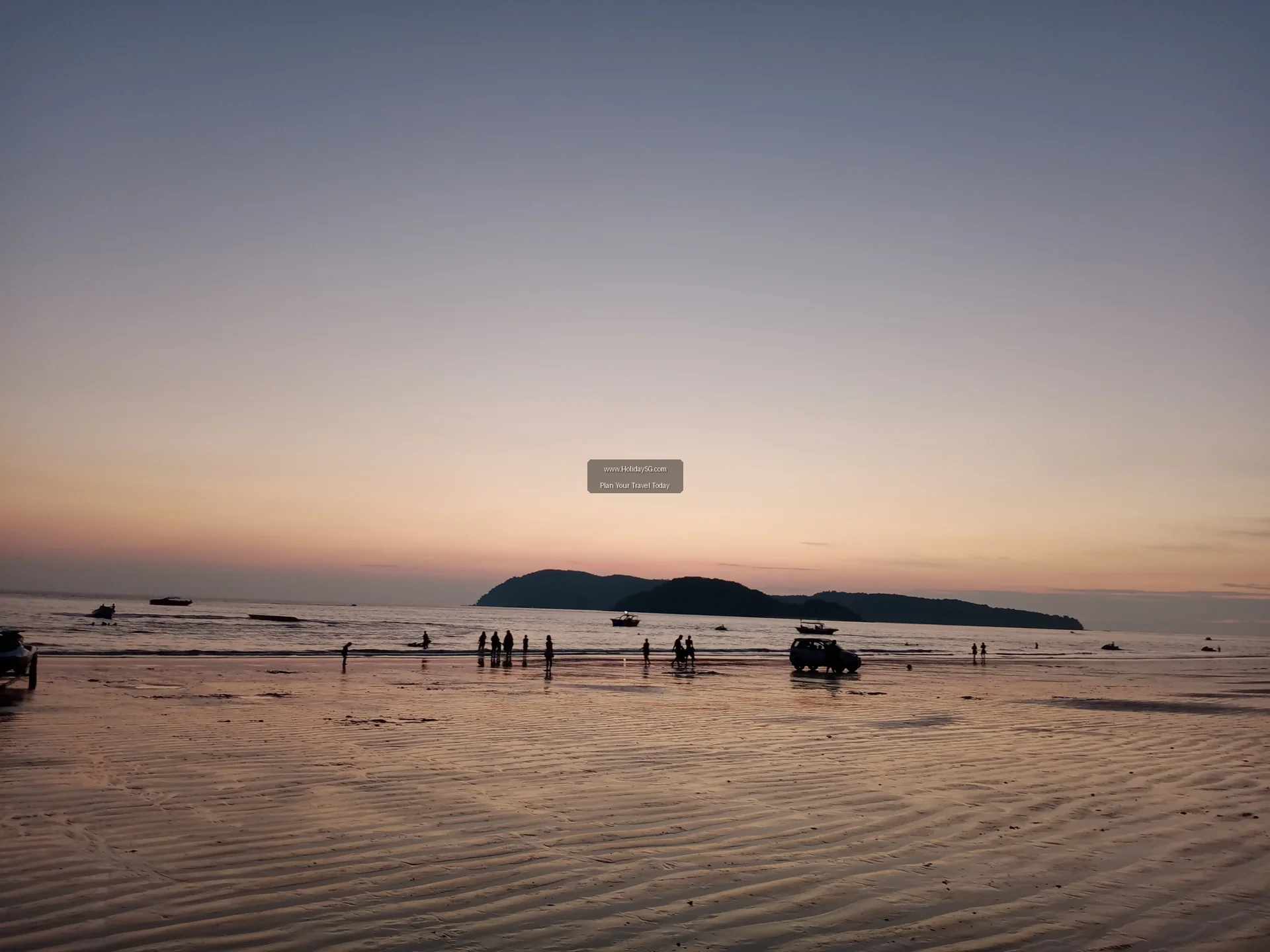
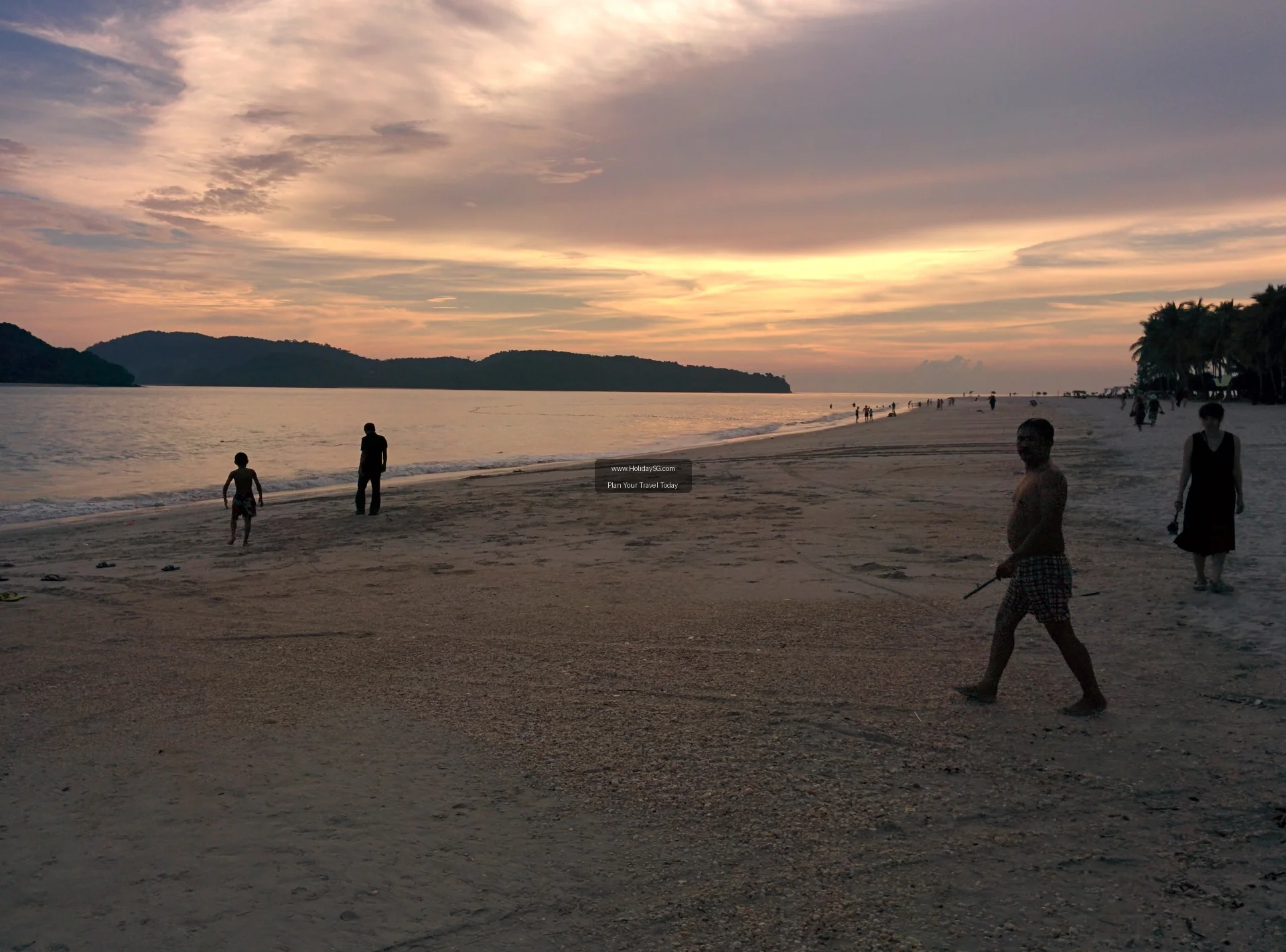
Discover the perfect family vacation spot with crystal-clear waters, vibrant local culture, and exciting activities.
HolidaySG Travel Team
July 12, 2026
30 min read124 views
Discover the perfect family vacation spot with crystal-clear waters, vibrant local culture, and exciting activities.
In this guide.
Flight reservation for your visa application
Need proof of onward or return travel for your visa application? Submit your travel details and our team will arrange a flight reservation where available.
Family resorts in perhentian islands is exactly what this guide covers.
The Perhentian Islands, located off the northeastern coast of Penang in Malaysia, offer a mix of tropical paradise and vibrant local culture that’s ideal for families seeking a memorable holiday destination. Known for their crystal-clear waters and pristine beaches, the islands provide an idyllic setting where parents can relax while children enjoy various activities like snorkeling, kayaking, and exploring local markets. Whether you’re looking for a romantic getaway or a family adventure, the Perhentian Islands have something to offer everyone.
Key Attractions in Perhentian Islands
Tropical Beaches and Crystal-Clear Waters
The Perhentian Islands are renowned for their stunning beaches with crystal-clear waters and white sand. Some of the most popular spots include Gaya Island, which is famous for its underwater caves and clear water that allows you to see coral reefs just a few meters below the surface. The beach at Perhentian Jetty offers a lively atmosphere with various eateries and shops, making it perfect for families wanting to spend some time on land.
Snorkeling and Diving Sites
The islands are also home to excellent snorkeling and diving sites that offer breathtaking underwater views of vibrant coral reefs and colorful marine life. Popular spots include Gaya Island’s underwater caves, Perhentian Jetty’s shallow waters, and the surrounding areas where you can encounter schools of tropical fish and even spot a manta ray or two. For those who want to explore deeper, diving sites like Kapitangan offer a more adventurous experience.
For thrill-seekers, water sports are available at many resorts. Jet skiing, parasailing, and kayaking provide exciting ways for families to engage in adrenaline-pumping activities. Most resorts rent out the necessary equipment and provide basic safety training, making it easy for even inexperienced participants to enjoy these adventures.
Local Markets and Shopping
Exploring local markets is a fun way for families to experience Perhentian life and find unique souvenirs or fresh produce. The beach at Perhentian Jetty has several markets where you can purchase local handicrafts, fruits, and spices. These markets are not only a great place to shop but also an opportunity to interact with the friendly locals.
Eco-Friendly Turtle Conservation Centers
The islands have made significant strides in conservation efforts, particularly with turtle protection. Visiting eco-friendly turtle conservation centers allows families to learn about marine life and contribute to important conservation work. These centers offer guided tours where you can observe turtles being released back into the ocean or participate in hatchling releases.
When choosing a family resort, consider amenities like kid-friendly activities, on-site dining options, and proximity to beaches. Many resorts offer packages that include meals, transfers, and guided tours, making your vacation more convenient and enjoyable.
Top Picks for Family Resorts in Perhentian Islands
Resort A: Known for its beautiful beachfront location and family-friendly activities like water sports and snorkeling excursions.
Resort B: Offers a wide range of dining options, from international cuisine to local specialties, ensuring everyone in the family finds something they enjoy.
Resort C: Features eco-friendly practices and is perfect for families interested in sustainable travel. It includes guided tours of nearby turtle conservation centers.
The Perhentian Islands provide a unique blend of relaxation, adventure, and cultural immersion that caters perfectly to family vacations. With crystal-clear waters, vibrant local culture, and exciting activities, it’s the perfect destination for creating lasting memories with loved ones.
Book with HolidaySG online for Manukan And Sapi Islands, Straits Oriental Museum, Spy Game.
Getting to the Perhentian Islands With Children
The journey to the Perhentian Islands is part of the adventure, and with children it deserves careful planning. Most families start from Kuala Besut, a fishing town on the east coast of Peninsular Malaysia in Terengganu state. The most common route is to fly into Kota Bharu or Kuala Terengganu, then travel overland to the Kuala Besut jetty. From Kota Bharu the drive to Kuala Besut takes roughly one hour and a half, while a taxi from Kuala Terengganu airport can take closer to two hours depending on traffic. Many families also reach Kuala Besut by bus from Kuala Lumpur or Kuantan, though the overnight journey can be tiring for young travellers. Whichever route you choose, aim to arrive at the jetty in the morning. Boats leave when they are full and the sea is calm, and afternoon departures are more likely to be cancelled when the wind picks up, particularly between November and February.
Once you reach the jetty, you will buy tickets for a speedboat or a slower ferry. The speedboat crossing to Perhentian Besar takes around 30 to 45 minutes, and the ride can be bumpy enough to unsettle small children, so I recommend seating families toward the middle of the boat and giving anyone prone to motion sickness a tablet before departure. Fares change regularly, but expect to pay somewhere in the range of RM 60 to RM 100 per adult one way, with children charged less. Bring the exact amount in cash, as card payment is not widely accepted at the jetty counters. Life jackets are provided on most boats, yet it is worth asking for children's sizes before you board. Keep your luggage in a waterproof bag or a dry bag, because spray comes over the bow even on sunny days. Parents often carry a small pack with sunscreen, a hat, a change of clothes and snacks in a sealed container, since the boat ride and the wait at the jetty can both stretch longer than you expect.
Luggage deserves special thought because there are no roads on the islands and every bag is carried by hand or moved by small wheelbarrow carts along the sand. Pack in soft duffel bags rather than rigid hard-shell suitcases, which are awkward on sand and hard to lift onto a boat. Limit yourself to essentials, and remember that you will be far from large supermarkets. Stock up on nappies, baby formula, medicines and any special foods before leaving the mainland, because the small shops on the islands carry a limited range and prices are noticeably higher. Many families find it useful to bring a lightweight stroller or carrier for toddlers, though strollers are rarely practical once you leave the paved area near the resorts. Finally, check the weather forecast and the official notices from the marine authorities the evening before your transfer. A boat cancellation can add an unplanned night in Kuala Besut, and having a flexible plan with a few spare snacks and games will make that situation far more manageable for everyone.
Beaches and Snorkelling Spots Suited to Young Swimmers
The beaches of the Perhentian Islands are the main reason families return year after year, but not every bay suits children equally. On Perhentian Besar, Long Beach, known locally as Pantai Panjang, is the busiest stretch of sand and home to most of the larger resorts. The water here is shallow for a long way out, the seabed is sandy, and lifeguards are not always present, so parents should stay within arm's reach of younger children at all times. Coral Bay on the same island is a better option for families who want calmer conditions. The bay is sheltered from the prevailing swell, the water is usually gentle, and the coral heads sit close to shore, meaning even confident beginners can see fish and small reef life without swimming far. On Perhentian Kecil, Teluk Pauh is a quieter, shallow bay that many families prefer for early mornings when the water is glass-smooth and the sand is uncrowded.
Snorkelling is the highlight for most visitors, and children can start with a mask and snorkel in the shallows before progressing to deeper water. A good starting point is the reef directly off Coral Bay, where the water depth is only a metre or two in many places. Turtle Bay, on the northern side of Perhentian Besar, offers a fine chance to spot green turtles feeding on seagrass, though the bay is a short walk or boat trip away and you should go with a guide who knows the currents. Visibility varies with the season, typically reaching 10 to 15 metres in the drier months from March to October and dropping considerably after heavy rain. Life jackets or buoyancy vests are strongly advisable for children who are not yet confident swimmers, and I have seen parents use inflatable float rings with great success. Teach children never to touch coral or chase marine life, and buy reef-safe sunscreen from the mainland, since mineral-based formulas are kinder to the reef than heavy chemical blockers.
Boat excursions add another dimension for families who want to explore beyond the resort beaches. Many operators run half-day trips around the islands, with stops at snorkelling spots and a visit to a quiet cove for a picnic. Expect to pay roughly RM 40 to RM 70 per person for a shared trip, and ask whether the price includes equipment, lunch and park fees, as these can vary. Glass-bottomed boats are sometimes offered as a gentler alternative for children who are nervous about getting in the water, and they give a surprisingly good view of coral and reef fish. Whatever you choose, agree on a meeting point and a clear signal with your children before you enter the water. Count heads frequently, and keep a waterproof whistle or bright rash vest on each child. Many families also find that the best snorkelling happens in the first two hours after sunrise, when the water is calm, the light is soft and the reef is least disturbed by boat traffic.
Health, Safety and Marine Hazards for Families
Health and safety on a small island differ from those on the mainland, and families benefit from thinking ahead. The nearest well-equipped hospital is on the mainland in Kota Bharu, and reaching it from the islands depends on boat schedules and sea conditions. For this reason, the most practical step is to prevent problems rather than rely on quick treatment. Bring a compact first aid kit with plasters, antiseptic wipes, oral rehydration sachets, antihistamine syrup suitable for children, paracetamol or ibuprofen in age-appropriate doses, and any prescription medicines in their original packaging. Pharmacies on the islands are very limited, and you should not expect to buy specialist remedies there. Travel insurance that covers medical evacuation by boat is worth arranging before departure, and keep a printed copy of your policy number and emergency contact details in each day bag. Many resorts have a basic first aid box and a staff member who can call for help, but response times can be slower than you are used to at home.
The most common marine hazards for children are sea urchins, jellyfish and sharp coral. Long-spined sea urchins sit in rocky or coral areas, especially near the edges of reef flats, and a puncture can be painful and become infected if not cleaned properly. Wear reef shoes or water sandals when walking in shallow areas, and teach children to look before they put a hand down on the seabed. Stings from box jellyfish are rare in the Perhentians but not impossible, particularly during the transitional months. If a sting occurs, rinse the area with seawater rather than fresh water, remove any visible tentacles carefully with gloves or a towel, and seek help from the resort staff. Coral cuts should be washed thoroughly with clean water and covered, as they can become infected more readily than ordinary scratches. Sunburn is probably the most frequent problem I have seen on family trips. Children should wear a rash vest or a UV-protective swimsuit, reapply sunscreen every two hours, and spend the hottest part of the afternoon in shade.
Water safety is the area where I would encourage the most caution. Some beaches have strong currents on the edges of the bay, especially where the tide flows around rock outcrops, and these can carry a small swimmer away from shore faster than parents expect. Check the flags or ask staff about current conditions each morning, and avoid swimming alone at dusk when visibility drops. Children should always swim with an adult in the water, and older siblings should not be left in charge of younger ones who are still learning. Keep phones and cameras in a sealed pouch when near water, and carry a torch if you plan to walk back to your room after dark, as paths between bays can be unlit and uneven. Finally, remember that the islands operate on a relaxed schedule. Staff are friendly and helpful, but they are not medical professionals, so it is wise to discuss allergies, asthma inhalers and any medical conditions with your resort before you arrive, so that everyone knows what to do if something goes wrong.
Seasonal Planning, Budgeting and Daily Rhythm on the Islands
Choosing the right season can make the difference between a relaxed family holiday and a frustrating one. The islands sit on the east coast, which means they are exposed to the northeast monsoon. From roughly November to February the sea can be rough, boats are frequently cancelled and visibility drops, so many resorts close entirely during the peak of the monsoon or reduce their operations. The period from March to October is generally the best time for families. The water is calmer, the sky is clearer and the boats run on a more reliable schedule. July and August are popular with domestic travellers and school holidays, so beaches can feel busy and accommodation fills quickly. If you can travel in April, May or September, you will often find lower prices and fewer crowds while still enjoying excellent conditions. Check local weather forecasts several days before departure, and build a flexible itinerary with a spare day or two in case of delays, especially if your children have fixed school schedules or medical appointments waiting at home.
Budgeting for a family trip requires a realistic view of island costs. Accommodation on Perhentian Besar and Perhentian Kecil ranges widely, from simple chalets with shared bathrooms to larger family rooms with air conditioning and private balconies. Mid-range family rooms often cost between RM 250 and RM 450 per night, with prices rising during public holidays and school breaks. Meals are priced higher than on the mainland because almost every ingredient is shipped by boat. A simple breakfast at a beachside cafe might cost RM 15 to RM 25 for a family of four, while a seafood dinner can easily reach RM 150 or more. Many families save money by buying snacks, water and nappies in Kuala Besut before boarding the ferry. Bring a refillable water bottle and use filtered water stations where available, since bottled water is expensive on the islands. Also budget for park entry fees, boat excursions and any spa or activity sessions, and keep a small reserve for unexpected expenses, because cash is the most reliable method of payment and ATMs are not available on the islands.
A good daily rhythm helps children settle in quickly. Many families find that mornings are best for snorkelling and beach walks, when the water is calm and the air is cool, followed by a long lunch and a rest in the shade during the heat of the early afternoon. Late afternoons are ideal for gentle exploration, a swim as the tide comes in, or a sunset walk along the sand. Evenings tend to be quiet, and the sounds of the sea and occasional generator hum become part of the atmosphere. Plan for early bedtimes if your children are young, since there is little to do after dark beyond dining and quiet conversation. Pack a few screen-free activities such as sketchbooks, cards, a small book or a set of bubbles, because internet connectivity can be slow and patchy on the islands. Above all, allow time to slow down. The Perhentians reward families who move at the pace of the tides, and the simplest moments, like watching hermit crabs or collecting shells at low tide, often become the memories children talk about longest after returning home.
Frequently Asked Questions
Where can I book this / what’s the link?
To book your trip to Perhentian Islands, you can visit our partner site Manukan And Sapi Islands for excursions or explore other packages that suit your needs.
Do foreigners (non-citizens) need a different ticket, price, or visa for Malaysia?
Foreigners visiting Malaysia generally require a passport valid for at least six months from the date of entry. Visa requirements vary depending on the country of origin; some travelers may need a visa to enter Malaysia, while others can enter with just their passport. It’s important to check the official Malaysian High Commission or Embassy website for the most accurate and up-to-date information regarding visa requirements.
What is the best time (season, or time of day for the site/activity) to go?
Thanks to their beautiful beaches and crystal-clear waters, the Perhentian Islands draw visitors all year round. However, the best time to visit is generally from April to September when it’s less crowded and the weather is warmer with fewer showers. Early morning or late afternoon visits to the islands can help avoid the peak tourist crowds.
HolidaySG eSIM plan for Malaysia
Mobile data for your trip to Malaysia: install a HolidaySG eSIM on your phone before you travel, no SIM card swap needed. eSIM plans are bought on the HolidaySG eSIM page, separately from tickets.
How long should I plan to stay at Perhentian Islands?
A minimum of 2-3 days is recommended to fully enjoy the beauty of the Perhentian Islands, including time for snorkeling, beach relaxation, and exploring local attractions. Longer stays can be considered if you want more time to explore other nearby islands or engage in water sports.
What are the typical costs for a trip to Perhentian Islands?
The cost of a trip to Perhentian Islands varies depending on your accommodation, activities, and length of stay. A basic package can start from around RM500 per person for a 2-night stay, including transportation to and from the islands. Additional costs may include meals, water sports activities, and souvenirs.
How do I get to Perhentian Islands?
The most common way to reach Perhentian Islands is by ferry from Kuala Terengganu or Pulau Pinang. There are also private boat transfers available for a more personalized experience. It’s advisable to book your transportation in advance, especially during peak tourist seasons.
Is it family-friendly?
Yes, Perhentian Islands is very family-friendly with plenty of activities suitable for all ages. The islands offer beautiful beaches, crystal-clear waters perfect for snorkeling and swimming, and various water sports options. There are also kid-friendly restaurants and shops on the islands.
What should I pack/bring?
When visiting Perhentian Islands, it’s recommended to bring sunscreen, a hat, sunglasses, swimwear, flip-flops, a waterproof camera, snorkeling gear (mask, fins, snorkel), and lightweight clothing. Additionally, consider bringing insect repellent, a good book, and a reusable water bottle to stay hydrated.
“`
What things cost in Malaysia
Live HolidaySG prices for the experiences in this guide, so you can sanity-check a budget before you commit.
Perhentian Besar, the larger of the two islands in the Perhentian group off Malaysia's east coast, has long been the first choice for families who want a lively beach setting with easy access to everyday comforts. Most visitors reach the island by speedboat from the Kuala Besut jetty in Terengganu, a crossing that usually takes around 45 minutes depending on sea conditions and the boat operator. Fares typically range from RM30 to RM40 per adult one way, with children often charged a reduced rate, and boats run in the morning and early afternoon during the calmer months. Once you step onto the jetty at Besar, the main accommodation clusters are within a short walk of one another, which makes it simple to move between your room, the restaurants, and the shoreline without relying on any form of transport. Families with younger children appreciate that the island has no roads or motorised traffic, so the paths are quiet and the sand is safe for toddlers to explore under supervision. The atmosphere is relaxed yet busy enough that there is always something happening, whether that means a volleyball game on the beach or a group heading out for an afternoon of snorkelling. Planning your arrival around the boat schedule is the single most useful step you can take, because it allows you to settle into your room before the heat of midday and gives the children time to explore before dinner.
The family-oriented resorts on Besar are concentrated along Long Beach, a wide curve of pale sand with shallow, clear water that stays calm for much of the year. Beachfront family chalets are the most popular choice, typically offering two beds, a bathroom, and a small veranda, while larger units with interconnecting doors allow parents and children to sleep in separate rooms without losing sight of one another. Nightly rates for a standard family chalet generally fall between RM280 and RM450 during quieter shoulder periods, while peak school holiday weeks and public holidays can push prices toward RM650 or more for the largest units. Air-conditioned rooms cost noticeably more than fan-cooled chalets, so it is worth comparing the difference against how well your children tolerate heat at night. Many properties include a simple breakfast in the rate, which can save a significant amount when you are feeding four people three times a day. Look for rooms with sturdy mosquito screens, as the evenings near the forest edge can be busy with insects. Ask about cot availability and extra bedding before you travel, since some chalets have limited space for additional beds and the staff can only accommodate requests if they know about them in advance.
Dining on Perhentian Besar is informal, relaxed, and generally family-friendly, with most resort restaurants serving a mix of Malaysian, Western, and seafood dishes on open-air terraces facing the sea. A typical family meal of rice or noodles, grilled fish, vegetables, and a couple of drinks costs roughly RM35 to RM60, while a simple plate of nasi goreng or mee goreng usually sells for RM12 to RM18. Grilled chicken, fish fingers, and plain pasta are standard options that children tend to enjoy, and many kitchens will prepare a dish without chilli if you ask politely. Seafood is fresh and inexpensive compared with mainland prices, so ordering a whole grilled fish to share can be a memorable experience. The walk from the far end of Long Beach to the small village area takes around 10 to 15 minutes along the sand and a wooden path, and this stretch hosts a few cafes and stalls selling fresh juices, ice cream, and snacks. Bottled water is widely available, but the cost rises the further you are from the jetty, so buying larger bottles from a village shop is usually cheaper than purchasing them one at a time at a beachside restaurant. Keep a reusable bottle with you, because staying hydrated in the tropical humidity matters even more when children are running around for hours in the sun.
Activities are the heart of any family holiday on Perhentian Besar, and most of them revolve around the water. Half-day snorkelling trips to nearby reef sites are the most common excursion, typically costing between RM80 and RM120 per boat, which can usually accommodate a family group comfortably. These tours usually stop at two or three spots, allowing time to see colourful coral, reef fish, and occasionally turtles drifting near the surface. Snorkel mask and fin rental from a beach shop costs around RM15 to RM20 per day, and children's life jackets are often included on the tour boats, though it is wise to confirm this before departure. The waters close to the beach are ideal for younger swimmers, as the seabed slopes gently and the current is generally mild outside the monsoon season. For a quieter activity, many families enjoy renting a glass-bottom kayak or paddleboard from the beach stalls, with prices around RM25 to RM40 per hour. Evenings often bring beach games, sand sculpture contests, and in some months, the chance to watch volunteers and staff monitoring turtle nesting areas. These sessions are educational for children and reinforce the importance of leaving wildlife undisturbed, so respect any instructions from the staff about lighting and approaching the sand.
Practical considerations deserve attention before you commit to a family stay on Perhentian Besar. Strollers and wheeled suitcases are impractical because the paths are sandy and uneven, so a soft-sided carrier or a backpack is far more convenient. Pack reef-safe sunscreen, rash guards for the children, a basic first-aid kit, and any prescription medicines in their original packaging, since the island's clinic has limited supplies and serious medical cases require transfer to the mainland. The nearest large hospitals are on the mainland in Terengganu and Kelantan, and the journey from the jetty to those facilities can take several hours once boat and road travel are included. Children's safety on the water should be taken seriously, so keep them within sight at all times and insist that they wear life jackets during boat transfers. Mosquito repellent containing DEET or picaridin is recommended for evenings, and the island's humid air means laundry takes longer to dry, so bring a few spare outfits. Keep small amounts of Malaysian ringgit on hand, because card payments are not accepted everywhere and cash machines are not available on the island.
Timing your visit has a major effect on comfort, cost, and the reliability of boat transfers. The period from roughly March to October typically offers the calmest seas and the clearest water, making it the most popular window for families with school-age children. From November through February, the northeast monsoon brings strong winds and rough seas, and boat services are frequently suspended for days at a time, which can disrupt holiday plans significantly. Peak school holidays in Malaysia and the surrounding region push demand and prices upward, so families travelling during these weeks should secure accommodation well ahead of their intended dates and allow flexibility in their itinerary. Shoulder months often offer the best balance, with lower room rates, fewer crowds on the sand, and reasonably good weather for swimming and snorkelling. Whenever you plan your trip, check the latest boat schedule and weather updates shortly before departure, and build an extra night into your itinerary if possible, so that a delayed crossing does not cost you a planned excursion or an onward connection. A little preparation goes a long way toward ensuring that the island feels like the relaxed, joyful escape that families come here to enjoy.
Calmer Family Stays on Perhentian Kecil
Perhentian Kecil, the smaller island in the group, offers a quieter alternative for families who prefer gentle surroundings and fewer people on the sand. The island is compact and largely undeveloped, with accommodation concentrated around Coral Bay on the eastern side and a longer, more secluded stretch of beach on the opposite shore. Boats from the Kuala Besut jetty usually take around 30 to 45 minutes to reach Kecil, depending on the operator and the sea state, and fares tend to sit in the same general range as the crossing to Besar. Families who prefer a slower pace often choose Kecil because the number of visitors is smaller and the evenings feel noticeably calmer than on the busier island. The forest comes close to the beach in many places, so the setting feels more natural and less commercial, with birdsong replacing the constant chatter found on more crowded shorelines. Because the island is small, distances are manageable for children, and most activities can be reached within half an hour on foot or a short boat hop. Families seeking a restful holiday with clear water, quiet nights, and a gentle introduction to island life will find Kecil a rewarding destination.
Accommodation on Kecil is largely made up of wooden chalets, bungalows, and small beachfront villas set among palm trees, and several properties cater well to families. Typical rates for a family-sized room or bungalow range from around RM200 to RM380 per night during quieter months, with prices rising during public holidays and peak school break periods. Interconnecting rooms are less common than on Besar, so it is worth confirming layout details with the property before you arrive, particularly if you are travelling with infants who need a separate sleeping area. Many owners offer a simple breakfast option, often served on a shaded terrace, which typically costs between RM20 and RM30 per person when purchased separately. Rooms closer to the beach offer the most convenience, but those set slightly back in the trees often enjoy better shade and a cooler environment during the afternoon. Ask whether the property has fans, air-conditioning, or both, and whether the bathroom has a hot water supply, because these details vary considerably from one place to another. Confirming arrangements by message before departure helps avoid misunderstandings about room size, bedding, and transfer times.
Food on Perhentian Kecil leans toward simple, fresh cooking served in beachside restaurants and small cafes, many of which open early for breakfast and stay busy into the evening. A grilled fish dinner with rice, vegetables, and a cold drink typically costs between RM25 and RM40 per person, while children's portions of fried rice, noodles, or chicken are generally priced between RM10 and RM15. Western breakfasts such as eggs, toast, and fruit plates are widely available, making mornings straightforward for families with picky eaters. Fresh fruit shakes and coconut water are inexpensive and refreshing after a day in the sun, and most places will happily adjust spice levels for younger diners. Because supplies must be brought across by boat, some imported goods carry higher prices than on the mainland, so it may be sensible to pack favourite snacks, nappies, and specialised baby foods before leaving the jetty. Evening meals are often social affairs, with families sharing tables and comparing notes about the day's snorkelling trips. Dining on the sand under lanterns is one of the simplest pleasures of a Kecil holiday and makes an easy, unhurried end to a day of exploring.
The activities available on Perhentian Kecil suit families who enjoy gentle exploration more than organised adventure. Coral Bay offers shallow, calm water ideal for snorkelling with children, and a short swim from the beach often reveals small reef fish, sea urchins, and colourful corals just beneath the surface. Kayaks and stand-up paddleboards can be rented from beach operators for roughly RM25 to RM40 per hour, which makes a pleasant morning activity when the wind is light. A jungle trail winds from the village toward a viewpoint that takes around 30 to 40 minutes to climb at a family pace, rewarding walkers with broad views over the islands and the turquoise water beyond. The walk across to the long, quiet beach on the far side typically takes about 20 to 25 minutes on a well-marked path, and the sand there is often nearly empty during the middle of the day. Half-day snorkelling boat trips are also available, typically priced at RM80 to RM120 per boat, and they can be arranged through beach operators on the day or the evening before. Turtle sightings are possible in some seasons, but guides will always remind visitors not to touch the animals, and families should follow these guidelines carefully to protect the wildlife.
Getting around Perhentian Kecil is refreshingly simple because motor vehicles are not permitted on the island, and most journeys are made on foot along sandy paths or short wooden walkways. The walk from Coral Bay to the main village area takes roughly 10 minutes, while reaching the far beach over the hill usually takes 20 to 25 minutes, so families should allow extra time when carrying bags or walking with tired children. For longer hops, small boat taxis operate between bays, with short crossings typically costing around RM10 to RM20 per trip depending on distance and the number of passengers. Carrying a small waterproof bag for phones, cash, and sunscreen is helpful, because the paths can be hot and the sand gets into everything. Some families bring a lightweight beach trolley for younger children's gear, though the wheels can struggle on loose sand, so carrying items in a backpack is usually the more practical choice. Power supply and mobile signal are more limited than on the mainland, so charge devices before you arrive and download any offline maps or confirmations you may need. Checking with your accommodation about transfers, luggage handling, and jetty pickup times will help the journey from the mainland run smoothly.
For many families, a realistic daily budget on Perhentian Kecil for four people, including accommodation, meals, snorkel equipment rental, and one boat excursion, might fall between RM600 and RM900 per day, though this figure will vary with the season, the style of room chosen, and the number of organised activities. Packing reef-safe sunscreen, insect repellent, reusable water bottles, and a basic first-aid kit will reduce unnecessary spending on the island, where supplies carry a premium. Bringing a few rash guards and quick-dry clothing also helps children stay comfortable in the water and reduces laundry needs during a stay of several nights. The quieter months from roughly March to October generally offer the most consistent boat schedules and calmest seas, while the monsoon period from November to February can bring cancellations and rough conditions that limit both transfers and excursions. Families who plan to stay for four or five nights should consider adding a spare day to their itinerary in case weather delays a crossing. Above all, Perhentian Kecil rewards a slower pace, and parents who embrace the simple rhythm of sea, sand, and shade often find that the island becomes the most memorable part of the entire journey.
Things to book on this trip
Fun Island Hopping by Jet Ski - LangkawiTuba Island Discovery: Caving and Culture Tour by Jet Ski - LangkawiDayang Bunting Island Tour by Jet Ski - LangkawiGeorgetown Half-day Penang Island Tour (SIC – SHARED / JOIN IN TOUR) - PenangGeorgetown Heritage Half-day Penang Island Tour (SIC – SHARED / JOIN IN TOUR) - Penang
Hotels in Malaysia - Compare hotels and check room rates for your dates.
Google reviews
5.0 ★★★★★
Based on 129 reviews of HolidaySG on Google
★★★★★
I booked all my tickets on this Singapore website. The process was smooth and efficient I’m very satisfied and would definitely use it again
Vincent Yu · 7 months ago on Google
★★★★★
Tickets are issued very fast. Price is also reasonable. Very satisfied purchase!
David Yap · 3 months ago on Google · Flight reservation customer
★★★★★
Fantastic experience with Holiday SG , i have planned 5 days Singapore for my daughters from India. The whole package includes Hotel Booking,Transport, Sightseeing, VISA...
Santosh Mkar · 7 months ago on Google
★★★★★
Had an amazing 3 Days Malaysia Tour with HolidaySG! Everything was perfectly organized from hotel pickup to sightseeing. Our itinerary included Day 1: Kuala Lumpur City T...
Htun · 4 months ago on Google
More from HolidaySG
More things to do in Malaysia
Browse attractions, tours and experiences across Malaysia.
Mobile data for your trip to Malaysia: install a HolidaySG eSIM on your phone before you travel, no SIM card swap needed. eSIM plans are bought on the HolidaySG eSIM page, separately from tickets.
Important: Some of the links recommended here are paid placements or have sponsored our stay in one way. We have paid for these accommodations ourselves. If you book through any of our links, we make a small commission at no extra cost to you. This helps keep our site running – so thank you in advance for your support!
Written by
HolidaySG Travel Team
Singapore-based travel specialists covering attractions, tours and travel experiences across Asia-Pacific and beyond. Licensed travel agency (TA04014).
Last updated: November 26, 2026
#family resorts in perhentian#key attractions in perhentian#practical tips for family#picks for family resorts#getting to the perhentian#beaches and snorkelling spots#health safety and marine#seasonal planning budgeting#things cost in malaysia
This conversation was resolved. Reply below to continue, or
We use cookies
We use cookies to enhance your browsing experience, serve personalised content, and analyse our traffic. By clicking "Accept All", you consent to our use of cookies.