

Luxury hotels in boracay is exactly what this guide covers.
Boracay, with its iconic white sand beaches, crystal-clear waters, and vibrant nightlife scene, is a dream destination for luxury travelers seeking a tropical escape. The island’s natural beauty combined with its lively energy makes it an ideal spot for those looking to indulge in top-notch accommodations.
The peak travel period for Boracay runs from December to April, when the weather is warm and sunny, making it perfect for beach activities and water sports. This time also coincides with school breaks in many countries, leading to higher occupancy rates and lively nightlife. While this is the ideal time for those seeking maximum fun and excitement, visiting during the off-season offers several advantages. The weather remains pleasant, but the crowds are smaller, making it easier to enjoy peace on the beach or explore without feeling overwhelmed.
Luxury hotel rates in Boracay during high season typically range from SGD 300 to SGD 1,500 per night. Factors affecting luxury hotel pricing include room type, location within the resort, and peak booking periods. It’s important to factor in additional costs such as meals, activities, and transportation when planning your stay.
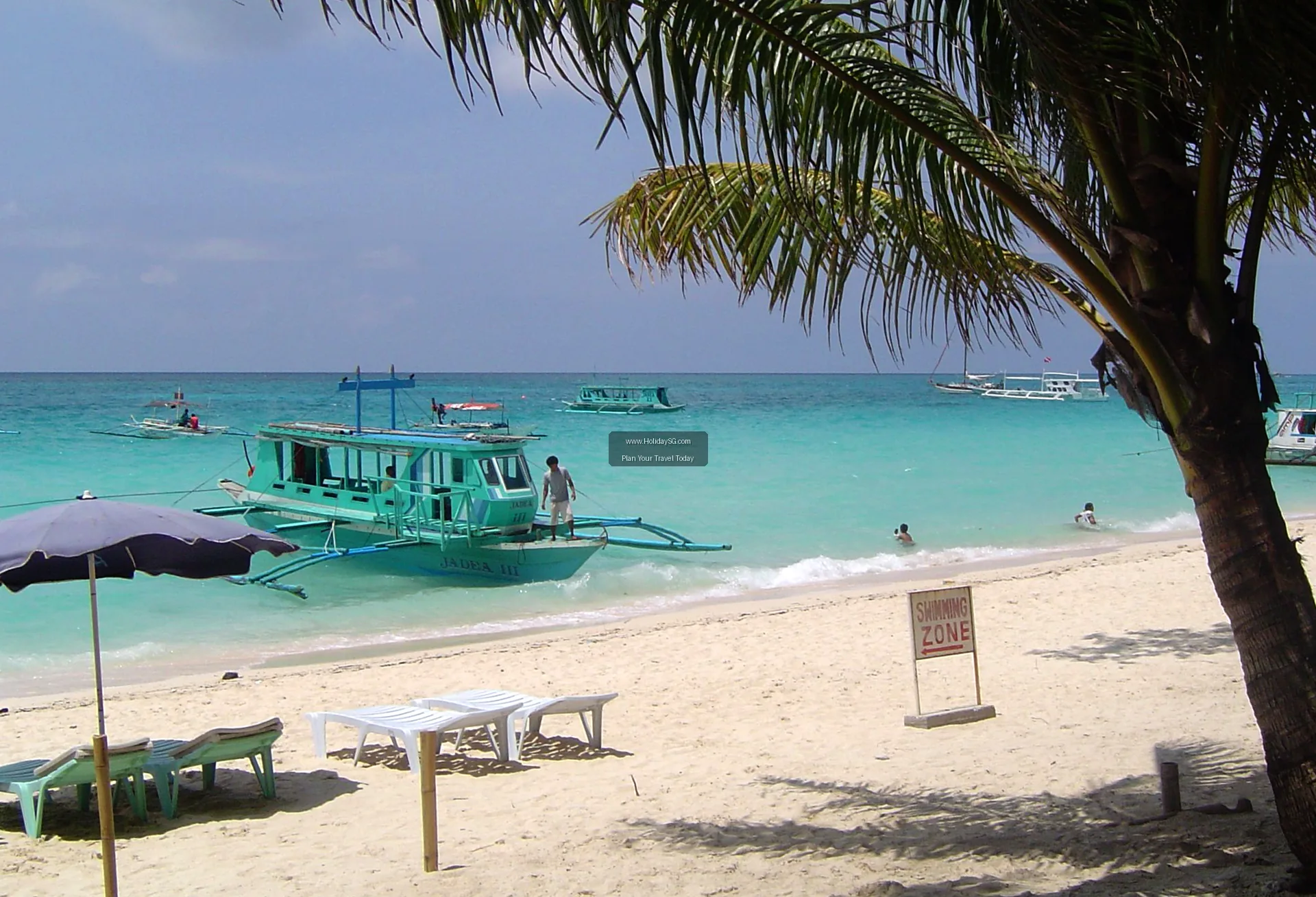
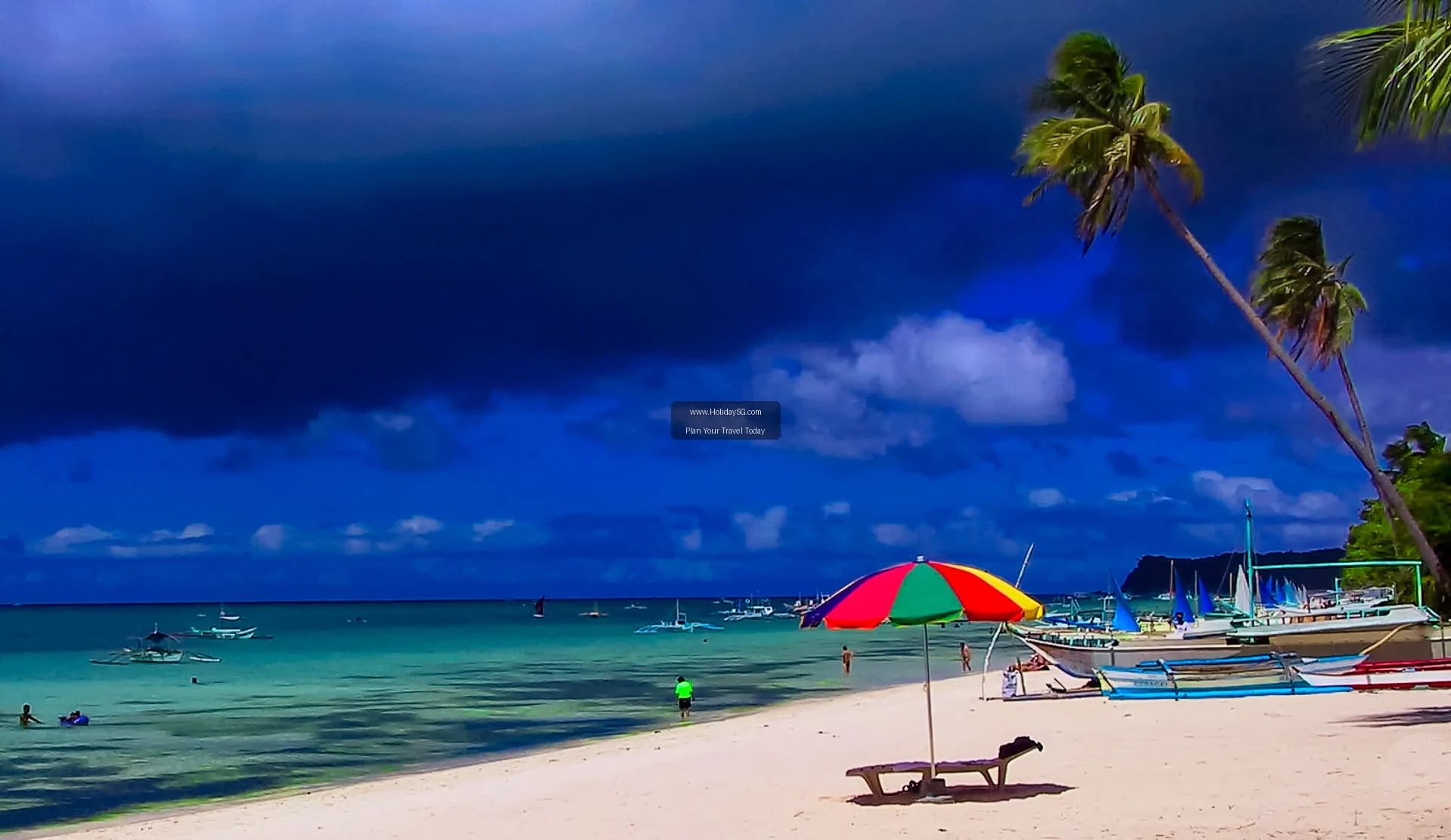
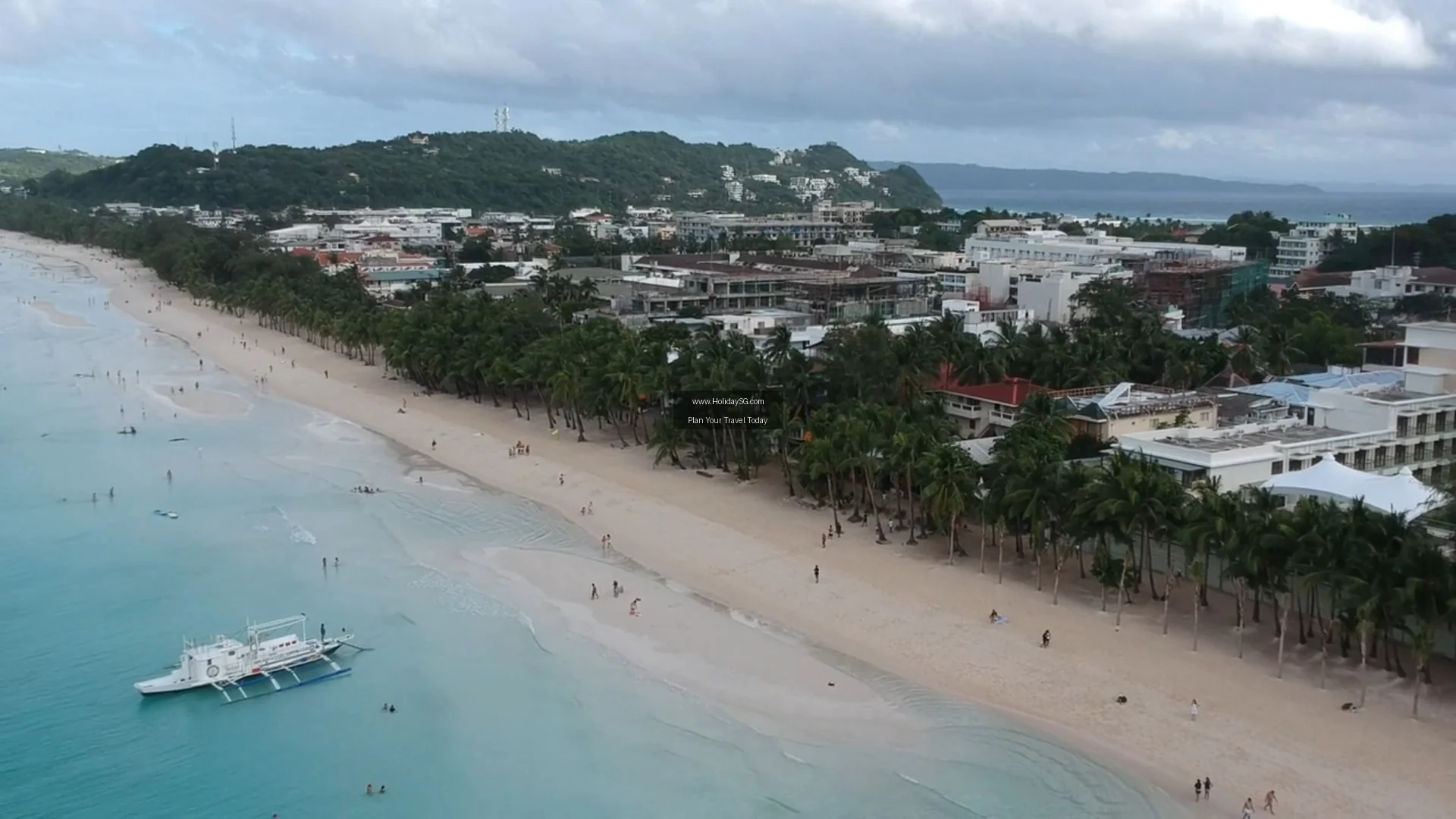
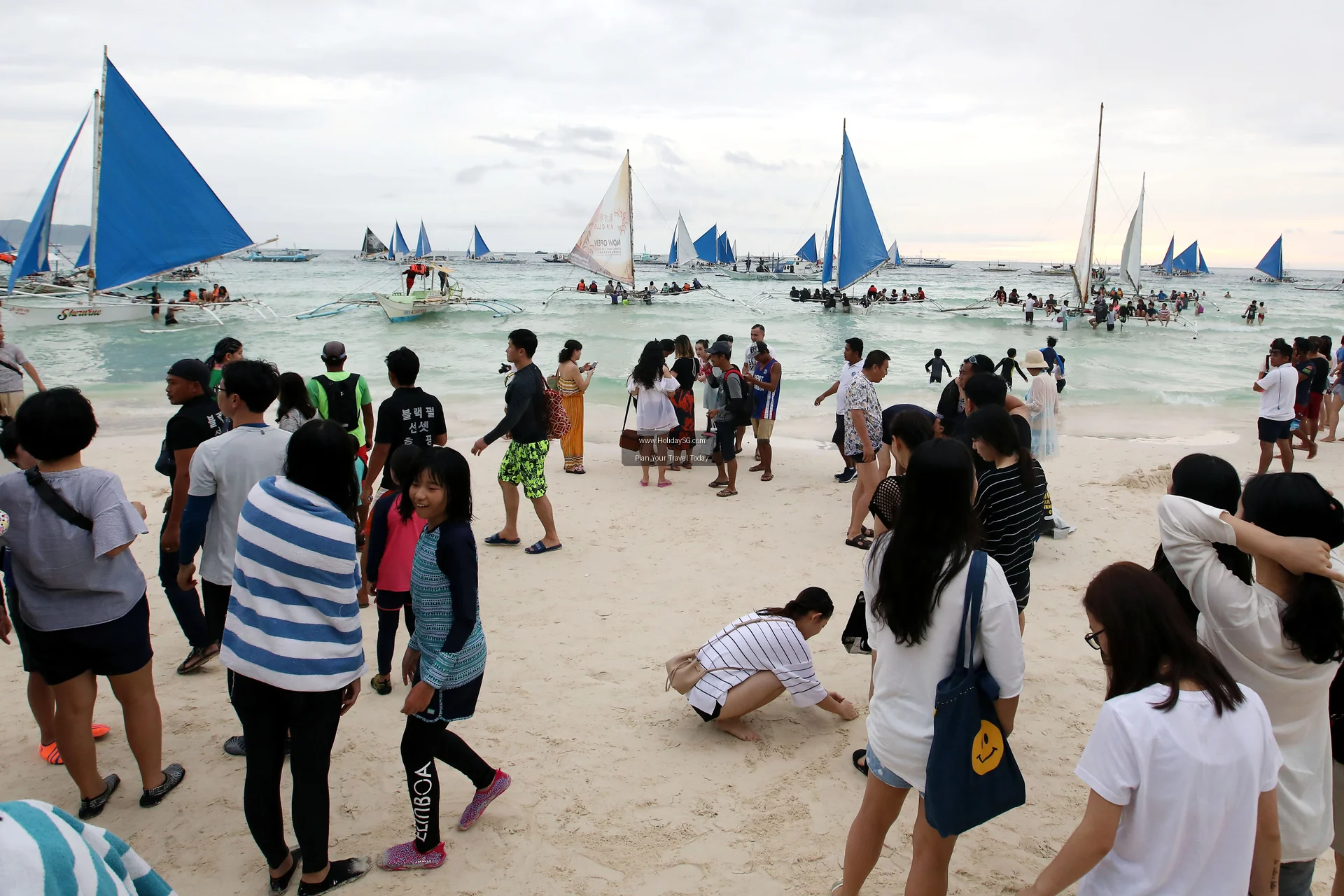
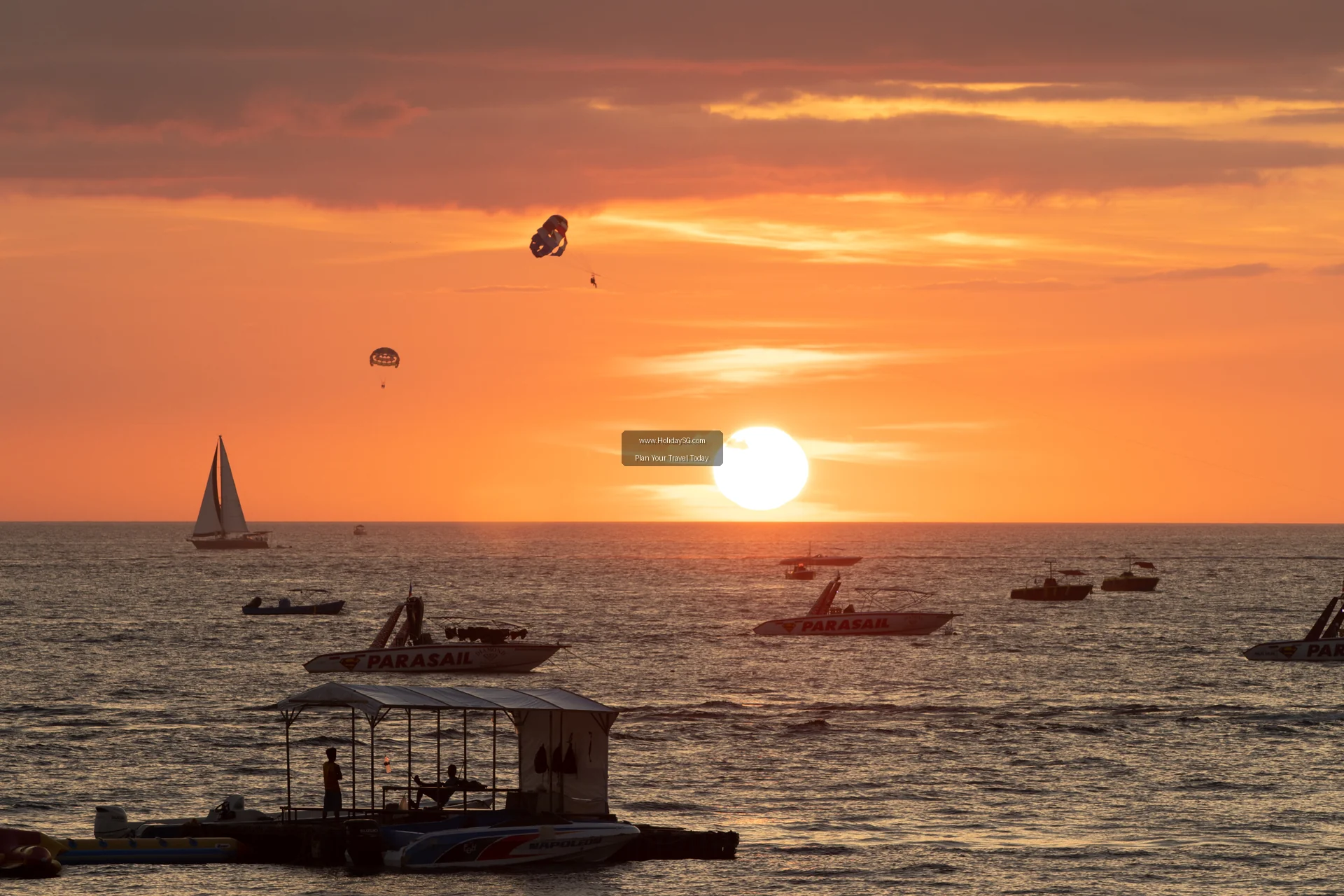
From The Residences at Boracay to The Sanctuary by Banyan Tree, there are numerous options to suit every preference and budget. Each hotel offers unique amenities and services to ensure a memorable stay. Whether you’re looking for a peaceful retreat or a vibrant beach experience, Boracay has plenty of choice.
Ready to explore? Check out our Boracay.
Book these with HolidaySG:
- Trip Moments In Boracay Island Philippinesglobal Philippines Boracay Island Photography Package Bohol Manila Photogr
- Malay Mph Airport Transfer 1 Way To Boracay
- Boracay Helicopter Island Tour Experience The Islands Charm From High Above Day Tours
- Boracay Sunset Sailing Experience Shared Boatprivate Charter Romantic Sailing Boat
Book with HolidaySG online for Boracay, Trip Moments In Boracay Island Philippinesglobal Philippines Boracay Island Photography Package Bohol Manila Photogr, Malay Mph Airport Transfer 1 Way To Boracay.
Frequently Asked Questions
Where can I book this / what’s the link?
Do foreigners (non-citizens) need a different ticket, price, or visa for the Philippines?
Most visitors from visa‑exempt countries can enter the Philippines with a passport valid for at least six months and do not need a visa for stays up to 30 days. Travelers from countries that require a visa should apply for a tourist visa before arrival. Prices for flights and hotels are generally the same for foreigners, though some airlines may have different fare classes. Because entry rules can change, always verify the latest visa requirements on the Philippine Department of Foreign Affairs website or with your nearest embassy.
What is the best time (season, or time of day for the site/activity) to go?
The ideal season to visit Boracay for sunshine and calm seas is the dry season, from November to May, with peak conditions between December and February. For the most tranquil beach experience, aim for early morning (around 7 am) when the island is less crowded, or stay for sunset (around 5‑6 pm) to enjoy spectacular colors over the water.
How do I get to Boracay from Manila or other major gateways?
The most common route is to fly from Manila (or Cebu) to either Caticlan Airport (the closest, about 15 minutes by road) or Kalibo Airport (a longer drive). From Caticlan, a short 10‑minute boat transfer takes you across the water to Boracay’s White Beach. Several airlines operate daily flights, and shuttle services or private transfers are available to take you from the airport to the jetty.
What is the typical price range for a night at a luxury hotel in Boracay?
Luxury accommodations in Boracay generally start around USD 200 per night for a standard room during the low season and can rise to USD 500 or more for premium suites or beachfront villas in the high season (December‑April). Prices fluctuate based on demand, special events, and the specific amenities offered, so it’s wise to compare rates and book early, especially if you’re traveling during peak months.
What things cost in Philippines
Live HolidaySG prices for the experiences in this guide, so you can sanity-check a budget before you commit.
| Experience | Where | From price |
|---|---|---|
| A Lounge (T1) Ninoy Aquino International Airport | Manila | From S$30.88 |
| A Lounge (T3) Ninoy Aquino International Airport | Manila | From S$30.88 |
| Boracay sunset sailing experience | shared boat/private charte... | Manila | From S$28.89 |
| Ocean Adventure, Subic Bay | Manila | From S$14.14 |
| 4-Wheeler (ATV) Adventure in Rizal/Manila | Manila | From S$81.02 |
| Clark Safari and Adventure Park | Manila | From S$11.00 |
| Avilon Zoo | Manila | From S$47.52 |
| Boracay Island travel photography[Global Philippines Boracay I... | Manila | From S$167.00 |
Quick answers
Do luxury hotels in Boracay offer all-inclusive rates? Most high-end properties charge separately for meals and activities, though some offer package deals during shoulder season (May to June). Check directly with your chosen hotel about what's bundled.
Can I upgrade my room after arrival at luxury hotels in Boracay? Yes, upgrades are often available if rooms aren't fully booked, though you may pay a nightly surcharge. Asking politely at check-in, especially during low season, works better than assuming complimentary upgrades.
What's the difference between beachfront and hillside luxury hotels in Boracay? Beachfront properties offer direct sand access and sunsets but face higher noise from water sports and crowds; hillside hotels provide views and quiet but require a walk or shuttle to the beach, usually five to ten minutes.
Do luxury hotels in Boracay have gyms and spas? Nearly all upscale properties include fitness facilities and spa services, though quality and space vary significantly. Properties in the Malay end of the island tend to have larger spa complexes than those in Station One.
Room categories and what you actually get at luxury hotels in Boracay
Most travelers book a "deluxe" or "premium" room thinking they're staying luxury, only to find themselves in a standard beachfront room with basic amenities. At actual luxury hotels in Boracay, the naming gets specific: you're looking at suites with separate living areas, private pools, or direct beach access. A junior suite typically means a bedroom plus sitting area around 50 to 70 square meters; a full suite doubles that space and adds a bedroom separation. Presidential suites—offered at properties like those on Malay's quieter stretches—can run to 200-plus square meters with separate guest areas, private spa facilities, and dedicated butler service.
The actual difference between room tiers at luxury hotels in Boracay comes down to view quality, bathroom setup, and outdoor space. A beachfront suite gives you direct sand access or a private terrace overlooking the water; a garden suite sits among the landscaping with walk-to-beach access. Bathrooms at the top tier include outdoor rain showers, soaking tubs separate from showers, and premium toiletries from international brands. Entry-level suites might skip the outdoor shower or use local products.
Ask your hotel directly about room dimensions, exact amenities, and what "beachfront" actually means—some properties use the term for "beach-view from your balcony" rather than direct access. Practical tip: Request a room away from the beach bar or main pool area if you want quiet; corner suites often sit farther from activity hubs.
Dining experiences at luxury hotels in Boracay—and whether to venture out
High-end properties in Boracay almost always operate multiple restaurants—typically a main dining venue, a beachside grill, and a specialty restaurant focusing on Asian or Mediterranean cuisine. Costs run higher than independent eateries, but quality and consistency matter if you're spending luxury hotel money. The island's geography means your hotel restaurant becomes convenient at dinner time, especially if you've been on the water all day; leaving the property requires navigating Boracay's narrow streets and finding transport back after dark.
Station Two hosts several acclaimed independent restaurants within a 10-minute walk of major resorts—Aria and Naia focus on European techniques with local seafood—while Station One clusters more casual and mid-range options around the main beach path. If you're staying on the quieter Malay end, restaurant choices shrink, making your hotel's dining the practical choice. Many luxury hotels in Boracay now offer "destination dining" experiences: private dinners on the beach, chef's-table experiences in the kitchen, or themed dinners on the property grounds. These typically require ordering in advance and cost 30 to 50 percent more than regular restaurant meals.
Breakfast at luxury hotels in Boracay varies from continental buffets to made-to-order service; properties in Malay tend toward more elaborate spreads with live cooking stations and tropical fruit bars. Practical tip: confirm whether breakfast is included in your room rate—some quoted prices exclude it, making a surprise charge at checkout common.
Activities and water sports included or available through luxury hotels in Boracay
Few luxury hotels in Boracay offer complimentary water sports beyond basic beach access and maybe a paddleboard or two. Parasailing, windsurfing, island hopping, and dive trips are add-ons, usually arranged through your hotel's concierge at markup rates compared to booking independently on the beach. The trade-off: your hotel coordinates transportation, insurance documentation, and guide reliability, which matters if you're not comfortable negotiating directly with vendors.
Luxury properties typically operate or partner with dive shops, offering PADI certification courses and wall dives around nearby reefs like those near Crocodile Island (Lagen), a 20-minute speedboat ride northeast. Snorkeling trips to Coral Gardens or lunch cruises to nearby islands get bundled as "experience packages" costing more through your hotel than if you book directly at the beach, but convenience and safety insurance often justify the premium. Some luxury hotels in Boracay include a welcome activity—a sunset cruise or introductory snorkel—to make guests feel the value justifies the nightly rate.
Land-based activities at luxury hotels in Boracay center on spa, fitness, and yoga. Morning beachfront yoga sessions, meditation classes, and private fitness training are standard; some properties offer wellness packages bundling multiple spa treatments across your stay. Practical tip: book spa services 48 hours ahead during high season to secure your preferred time and therapist, as popular slots fill quickly.
Why location matters: comparing luxury hotels in Boracay by neighborhood
Boracay's layout is counterintuitive to first-timers: "Station One" (the commercial hub near Cagban jetty), "Station Two" (the middle, quieter stretch), and "Station Three" (the northern end) don't indicate quality or luxury but rather geography. Station One offers closest beach access, most restaurants, and highest foot traffic; properties here work well if you want activity and nightlife. Station Two balances proximity to dining and activities with more breathing room; many luxury hotels in Boracay choose this zone. The Malay end (technically Barangay Malay on the administrative map) stretches north and quieter, attracting resorts seeking seclusion, longer beaches, and fewer drunk tourists stumbling past at midnight.
Your commute from the airport or ferry terminal varies by zone. From Caticlan Airport (the main gateway), you're 15 to 20 minutes from Station One by ferry and road transfer, 25 to 30 from Station Two, and 35 to 45 from Malay. If you're arriving exhausted at 11 p.m., a Station One luxury hotel means quicker check-in; if you want to hear only waves at night, Malay's distance becomes an advantage. Water conditions change by zone: Stations One and Two face the main beach corridor where speedboats create chop; Malay's beaches offer calmer waters on protected stretches, better for swimming but less dramatic for wind sports.
A practical consideration: luxury hotels in Boracay increasingly charge for Wi-Fi or offer it in limited areas, and internet speeds vary by location. Station One properties have newer infrastructure; Malay resorts sometimes rely on older connections. If your work requires video calls, confirm internet specs before booking. Practical tip: request a room near the main building at any property if reliable Wi-Fi matters; beach bungalows often get weaker signals.
Amenities that matter: what separates good luxury hotels in Boracay from exceptional ones
Two luxury hotels in Boracay can list nearly identical amenities—spa, gym, multiple restaurants, beachfront—yet deliver vastly different experiences. The gap often comes down to small details: whether the pool has a bar, whether the gym has windows, whether the spa offers treatments in private bungalows or shared rooms, and whether room service operates until midnight or stops at 10 p.m. Higher-tier properties offer personalized concierge (staff who remember your name and preferences), in-room check-in for guests wanting to avoid the lobby, and complimentary minibar or honor-system fridge stocked daily.
Kid-specific amenities vary: some luxury hotels in Boracay market heavily toward families with kids' clubs and shallow pools; others subtly discourage families by imposing quiet hours or charging for cots. If you're traveling with children, confirm whether the kids' club is staffed, what ages it serves, and whether activities like snorkeling trips require parental supervision. Pet policies at luxury hotels in Boracay tend toward strict—most prohibit animals—though a few boutique properties allow dogs with advance notice and surcharges.
Sustainability practices increasingly distinguish luxury properties. Some luxury hotels in Boracay now use reef-safe sunscreen, eliminate single-use plastics, operate solar panels, and support local marine conservation efforts. If these matter to your choice, look for properties with published sustainability reports rather than vague "eco-friendly" marketing. Practical tip: ask whether your room's air conditioning operates continuously or shuts off when you leave; some properties require you to insert your key to power the room, which feels intrusive but saves energy.
Staff service levels and what reasonable hospitality looks like at luxury hotels in Boracay
A common complaint: guests at luxury hotels in Boracay expect white-glove service and receive polite but distant professionalism instead. Filipino hospitality culture differs from Swiss or Japanese luxury models; staff are friendly and accommodating but not intrusive, and they rarely offer unsolicited suggestions unless asked directly. This isn't a service failure—it's the local norm. Tip aggressively if you want noticed attention; tip modestly if you prefer respectful distance. Most employees at luxury hotels in Boracay earn moderate salaries, so your gratitude genuinely matters.
Language occasionally creates friction. English-speaking staff work the front desk and restaurants; housekeeping and maintenance staff often speak limited English. If you need detailed explanations—about laundry options, minibar charges, or room controls—address desk staff or concierge rather than room attendants. During high season, luxury hotels in Boracay hire seasonal workers; training consistency drops, leading to slower room service or forgotten requests. Patience and clear, written instructions help. Late-night concierge availability varies; some luxury properties maintain 24-hour desk service, others close the front desk and switch to a night porter with limited functions.
Problem resolution at luxury hotels in Boracay leans toward compensation via credits rather than direct refunds: if your room isn't cleaned on time, expect a future dinner discount or spa credit rather than a cash adjustment. Practical tip: document any issues—take photos of problems and note times—before approaching management; this shifts conversations from "you didn't like it" to "here's what happened," making resolutions easier.
Understanding resort fees and hidden costs at luxury hotels in Boracay
The quoted nightly rate at luxury hotels in Boracay often excludes resort fees—daily charges for facilities use, environmental contributions, or beach maintenance. Amounts vary widely, typically 500 to 2,000 Philippine pesos per night, and many properties bury these in fine print or mention them only after you've booked. Some luxury hotels in Boracay bundle everything into one price; others break it down, so the "affordable" rate you saw becomes 20 percent higher once you add fees at checkout. Always confirm the total rate including all mandatory charges before committing.
Beyond resort fees, watch for activity markups. A sunset cruise marketed as 1,500 pesos might cost 800 pesos if booked directly with a beach operator; your hotel adds a commission. Spa treatments similarly carry premiums—250-peso markup for a massage is common. Minibar prices run two to three times what you'd pay at nearby convenience stores. Some luxury hotels in Boracay charge for airport transfers despite quoting "inclusive" rates; others include it. Laundry services often charge surprisingly high amounts for a shirt or dress.
Room-service charges merit attention. A sandwich and drink easily costs 500 to 800 pesos, roughly double a restaurant's price. Wi-Fi sometimes carries a daily fee at older luxury hotels in Boracay; newer properties include it. Parking, if you rented a vehicle or brought your own, occasionally costs extra at island properties. Request a full fee schedule before check-in so nothing surprises you at checkout. Practical tip: budget 20 to 30 percent above the quoted nightly rate to account for taxes, resort fees, and incidental charges.
What luxury hotels in Boracay do and don't include: breakfast, parking, and transfers
Breakfast inclusion at luxury hotels in Boracay varies by property and booking type. Some bundle it automatically; others sell it as an add-on. A buffet breakfast costs roughly 400 to 700 pesos ordered separately, making inclusion valuable if you eat a full meal. À la carte breakfast (eggs, toast, coffee without a buffet) sometimes appears free or as a limited menu for suite guests only. Confirm exact terms during booking; last-minute negotiations rarely succeed.
Airport and ferry transfers depend on the hotel. Luxury properties sometimes include them for bookings exceeding a certain length (three nights or more); others charge 800 to 1,500 pesos one way. A few offer them as "complimentary" for elite membership or loyalty programs. Public transfer options exist—taxis and shuttle services—but organizing them yourself takes time and requires Filipino language basics or a translation app. If your hotel transfers seem expensive, ask about partnering with other guests to split costs, or arrange directly with your hotel driver to use him after arrival (often cheaper than the official transfer rate).
Parking at luxury hotels in Boracay rarely costs for guests staying multiple nights; motorcycle or scooter parking is usually free or minimal. However, guests dropping off or parking for day-visit activities sometimes face fees. Ask your accommodation upfront. Practical tip: communicate your exact arrival time to your hotel 48 hours before you arrive; this ensures someone's available for check-in and can arrange transfers or coordinates if you're delayed.
Comparing noise levels and privacy at luxury hotels in Boracay
Boracay's beaches sound idyllic until you realize speedboats pass constantly, beach bars blast reggae until midnight, and neighboring resorts' parties drift across the island. Luxury hotels in Boracay have vastly different noise profiles despite similar beachfront positioning. Station One properties face higher ambient noise from the main beach corridor; even upscale rooms there hear activity from adjacent restaurants and late-night guests. Station Two offers some buffer. The Malay end delivers genuine quiet, especially on the eastern-facing beaches where fewer operators congregate.
Soundproofing varies. Some luxury hotels in Boracay invest in acoustic windows and wall insulation; older properties have standard windows that transmit noise freely. Upper-floor rooms tend quieter than ground-floor suites (counterintuitively, as you'd think you'd hear more), as ground-level rooms face adjacent pathways and pool areas. Corner rooms offer quieter sides, and rooms positioned away from the main beach bar are markedly calmer. During high season (December to February), even quiet zones see late-night noise from nearby resorts' events.
Request a quiet room during booking and specify your reason—work, early mornings, sleep sensitivity. Some properties offer noise-guarantee policies or room changes if sound levels disappoint. Earplugs in your carry-on are reliable backup. Practical tip: if you're sensitive to noise, avoid high season and Friday-Saturday stays; May to June and September to November see fewer partygoers, and midweek stays draw older crowds seeking calm.
More quick Answers
What counts as luxury in Boracay, and how much does it actually cost per night?
Luxury hotels in Boracay typically start around 8,000 to 12,000 Philippine pesos per night for a quality four-star property with ocean views and solid amenities. Five-star resorts with private beach access, multiple pools, and fine dining push into 20,000 to 40,000 pesos and beyond. The jump in price usually reflects not just room size but staff attention, personalized services, and exclusivity rather than basic comfort alone.
Which neighbourhood should I choose for a luxury hotel in Boracay?
Station 1 (north end) suits travellers wanting tranquility and softer sand; Station 2 (middle) balances liveliness with decent beach space; Station 3 (south) draws younger crowds and party-goers. Most luxury hotels in Boracay cluster around Stations 1 and 2, where the sand is finer and the water calmer for swimming. Your choice depends on whether you prefer quiet mornings or evening activity within walking distance.
Do luxury hotels in Boracay include meals and activities?
Most charge room only; breakfast, transfers, and activities are extras. Some upscale properties offer complimentary breakfast or a welcome drink, but confirm this when you book. Water sports like paddleboarding or kayaking are sometimes included or available at a discount through your hotel's arrangements with local operators.
When should I visit luxury hotels in Boracay to avoid crowds and bad weather?
November to May is the dry season and brings the most tourists; December to February is peak season with prices highest and beaches crowded. June to October is rainy, fewer crowds, lower rates, and occasional rough seas. For the truest luxury experience—calm water, manageable crowds, and good value—March and April or September and October are sweet spots.
How to Check Current Luxury Hotel Prices in Boracay
Hotel rates in Boracay fluctuate weekly based on season, local events, and occupancy. Nightly prices published today may shift significantly by next month. Rather than rely on fixed figures from a blog, visit official resort websites directly—most Boracay luxury properties maintain their own booking pages with real-time availability and accurate seasonal pricing. Cross-check multiple sources and call the hotels directly; staff can often explain package differences and suggest rate options you won't see online.
Practical tip: Book mid-week (Tuesday to Thursday) rates are usually lower than weekends. If you're flexible, shifting your dates by just a few days can save thousands of pesos, especially during shoulder seasons like May or November.
Understanding Resort Fees Beyond the Room Rate
What you see quoted is rarely what you pay. Luxury hotels in Boracay often add environmental or beach club fees (500 to 2,000 pesos per stay), taxes, and service charges that can add 15 to 30 percent to your bill. Some properties bundle these into the rate; others list them separately. A hotel advertising 10,000 pesos per night might cost 12,500 by the time taxes and fees appear on checkout.
Ask the hotel directly what's included in their quoted rate and what you'll pay extra for. Request a breakdown in writing before you confirm. Many travellers overlook this step and face surprises at checkout. Parking, airport transfers, gym access, and beach towel replacement all have potential charges; confirm which are complimentary upfront.
Getting to Boracay: Routes and Logistics from Manila
Manila to Boracay takes roughly five to seven hours door-to-door. Fly from Ninoy Aquino International Airport or Clark to Caticlan or Kalibo (both under an hour flight time), then transfer by van to the port and ferry to the island (30 to 45 minutes). Some travellers take the longer bus-and-ferry route via Caticlan, which costs less but eats most of a day. Luxury hotel concierges can arrange private transfers from Caticlan Jetty Port, avoiding the scramble for shared vans.
Kalibo airport is slightly farther but often has better flight options from Manila. Ask your hotel which arrival point suits your flight schedule; they'll coordinate everything. Practical tip: Arrive in Caticlan or Kalibo by mid-afternoon to reach your hotel before dark and settle in comfortably.
Quick answers (part 3)
How much does a luxury hotel night in Boracay cost? Nightly rates typically fall between 250–800 USD depending on location, season, and property tier. Peak season (December–February) commands higher prices; shoulder months offer better value without sacrificing weather.
Which part of Boracay has the best luxury hotels? White Beach offers the most established luxury properties and short walks to restaurants; Bulabog attracts water-sports enthusiasts; Friars Landing provides quieter, more exclusive settings further from crowds.
Are meals and activities included at luxury hotels? Most include breakfast but charge separately for spa, water sports, and dining outside your room. Activities like island hopping and snorkeling typically require advance booking through the concierge or external operators.
When should you visit? Visit November through May for consistent dry weather. December through February attracts the most guests; September and October see fewer tourists but occasional rain and rough seas.
How luxury hotels in Boracay handle water and power during peak demand
Boracay sits on an island with limited freshwater reserves, and top-tier properties invest heavily in desalination plants and rainwater harvesting to guarantee uninterrupted supply. During April and May when the island peaks before monsoon, some smaller hotels ration hot water or limit pool refills—not an issue at established luxury properties, which maintain dedicated systems. Power cuts happen occasionally during storms, but all quality luxury hotels in Boracay run backup generators that kick in within seconds. Still, ask your property directly about their infrastructure when booking, especially if you're traveling during April or May.
Practical tip: Request a room on a lower floor at beachfront properties; upper-floor rooms may lose water pressure during peak check-in hours around 3–5 p.m.
Luxury hotel pricing in Boracay: what affects your actual bill
Why does the same room type cost different amounts on different dates?
Boracay luxury hotels use dynamic pricing that shifts almost daily based on occupancy forecasts, local events, and international school holidays. A room at 350 USD in early November might jump to 600 USD by mid-December, then drop back to 280 USD in mid-January. This isn't a glitch—it's standard practice. Easter week, Chinese New Year, and summer holidays (June–August in Northern Hemisphere schools) trigger price spikes across all properties regardless of weather quality.
What hidden costs appear on your final bill at luxury hotels in Boracay?
Beyond the room rate, expect 12% value-added tax and service charge added automatically. Resort fees (sometimes labeled "facilities fee") range from 30–60 USD daily and typically cover beach access, fitness center, and Wi-Fi, though this varies by property. Minibar, laundry, and spa treatments bill separately. International phone calls and room-to-room delivery fees occasionally surprise guests. Always ask your hotel to itemize what's included in the quoted rate before confirming.
How do shoulder-season rates compare to peak season luxury hotel prices in Boracay?
Booking in April, September, or October typically cuts rates by 30–40% compared to December–February. Trade-offs exist: April brings heat and occasional afternoon showers; September carries typhoon-season risk, though direct hits are rare. Water temperature and visibility remain excellent in these months, making them ideal for divers and swimmers who prefer fewer crowds at luxury hotels in Boracay.
Things to book on this trip
Plan the rest of your trip
- Philippines visa requirements - Check who needs a visa, the documents and the processing time.
- Hotels in Philippines - Compare hotels and check room rates for your dates.
