

Taipei is a world-class destination that effortlessly blends ultra-modern skyscrapers with historic temples and lush mountain trails. While the city is famous for luxury hotels, mastering Taipei on a Budget: Attractions, Passes and Transport is easier than you think. With a highly efficient public transit system, incredibly cheap street food, and dozens of free cultural sites, you can experience the very best of Taiwan’s capital without blowing your holiday fund.
Updated August 2026
If you are planning a trip and want to stretch your travel dollar as far as possible, this guide breaks down exactly how to navigate, sleep, eat, and explore Taipei on a budget.
Getting from Taoyuan Airport to the City on a Budget
Your budget trip starts the moment you land at Taiwan Taoyuan International Airport. While it might be tempting to hail a taxi after a long flight, a cab to Taipei city center will cost upwards of NT$1,500 (approx. SGD 63).
Instead, take the Taoyuan Airport MRT. You have two train options:
- Commuter Train: Costs NT$150 (approx. SGD 6.30) and takes about 50 minutes to reach Taipei Main Station. It stops at all stations along the route.
- Express Train: Costs NT$160 (approx. SGD 6.70) and takes about 35 minutes, skipping smaller stops.
For the budget traveler, the Commuter train is the clear winner. You only save a dollar, but when you are traveling with a group or family, those savings add up. The trains are clean, spacious, and have dedicated luggage racks, making the slightly longer journey completely hassle-free.
Transit Passes and Getting Around Taipei
Ready to go? Book Boat Ticket To Lanyu Taiwan Taitung Fugang Fishing Harbor And Kenting Houbihu Lanyu Transport Passes with HolidaySG.
Taipei’s MRT (Mass Rapid Transit) and bus networks are extensive, punctual, and cheap. To tap and go, you will need a transit card. But which one should you buy?
EasyCard vs. Taipei Pass: Which Should You Buy?
The EasyCard is a stored-value card, while the Taipei Pass offers unlimited travel for a set number of days. Here is how they compare:
| Feature | EasyCard | Taipei Pass (1 to 5 Days) |
|---|---|---|
| Cost | NT$100 for the physical card (plus top-up value) | NT$180 to NT$700 depending on duration |
| Transit | Pay-as-you-go with discounted fares on MRT and buses | Unlimited MRT and bus rides for the pass duration |
| Attractions | Minor discounts at select venues | Free or heavily discounted entry to major sites (e.g., Taipei Zoo, Maokong Gondola) |
| Best For | Light transit users, flexible itineraries, and convenience store purchases | Heavy transit users and those planning to visit multiple paid attractions |
If your itinerary is packed with paid attractions and you plan to bounce between districts all day, the Taipei Pass is highly cost-effective. Alternatively, you can look into bundling your transport and entry fees by booking a Taipei Unlimited Funpass in advance, which often includes extra perks and skips the ticketing queues.
Pro Tip: You can buy and top up a physical EasyCard at any MRT station or convenience store (7-Eleven, FamilyMart). You can also use it to pay for snacks and drinks at these convenience stores, making it a true all-in-one wallet.
Budget Accommodation: Hostels vs. Private Rooms
Taipei has a massive inventory of budget-friendly lodging, particularly around Taipei Main Station, Ximending, and Zhongshan.
- Hostel Dorm Beds: Expect to pay between NT$600 and NT$900 (approx. SGD 25 to SGD 38) per night. Taipei hostels are renowned for their cleanliness, privacy curtains, and excellent communal spaces.
- Private Budget Hotels/Guesthouses: If you prefer your own space, private rooms in budget hotels or guesthouses start around NT$1,200 to NT$1,800 (approx. SGD 50 to SGD 75) per night.
To get the best rates, book well in advance and look for properties located a 10-minute walk away from major MRT hubs. Staying right next to Ximending Station commands a premium, but walking a few blocks further out can slash your nightly rate by 20%.
Top Free and Ultra-Budget Attractions
You do not need to spend money to see Taipei’s most iconic sights. Some of the best experiences in the city are completely free.
Hike Elephant Mountain for Free Skyline Views
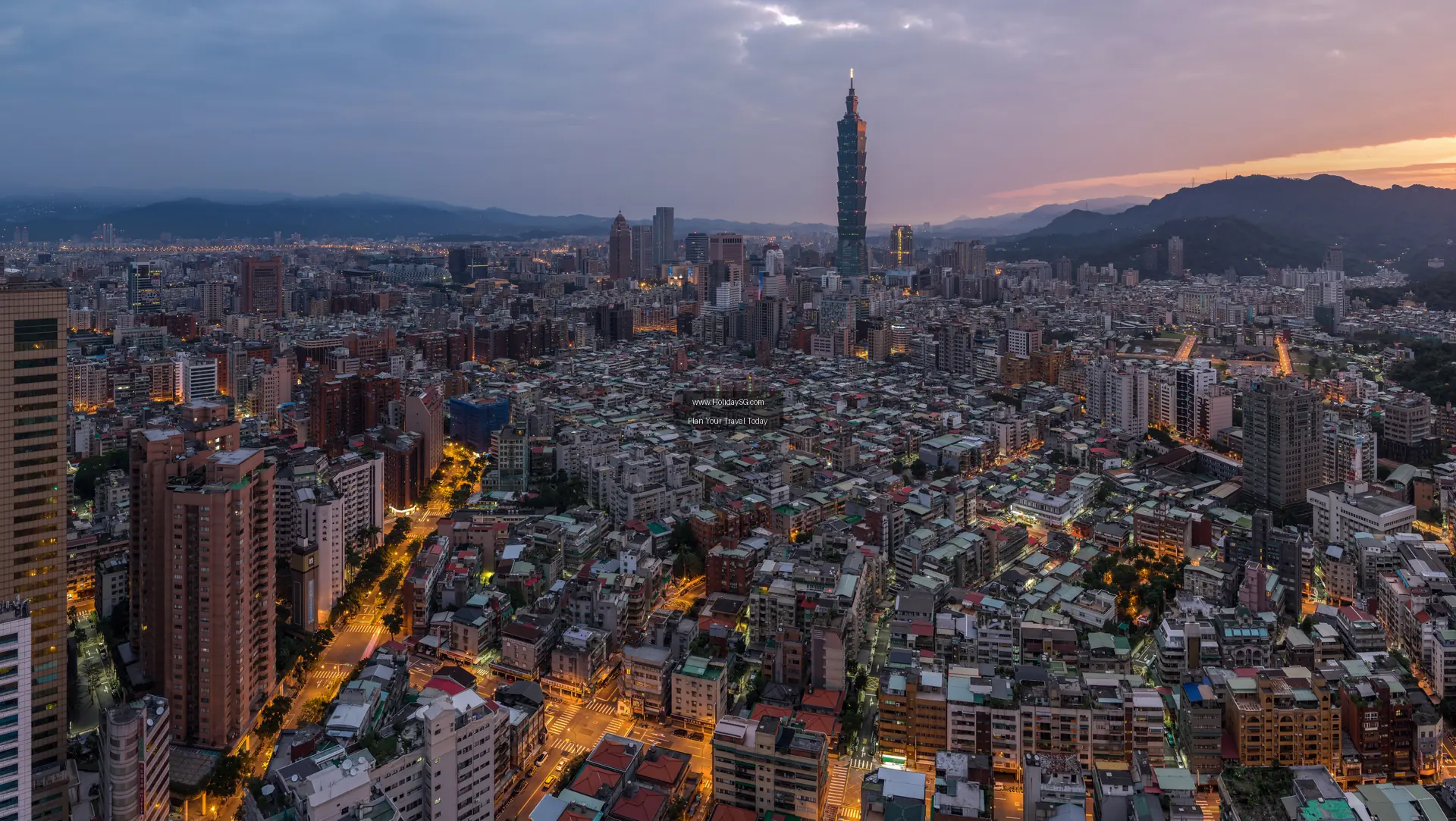
Skip the expensive observation decks and hike up Xiangshan (Elephant Mountain) instead. The trail consists of about 600 steep stone steps and takes roughly 30 to 45 minutes to climb. The reward at the top is an unobstructed, panoramic view of the Taipei skyline, with Taipei 101 front and center. Go just before sunset to watch the city lights flicker on.
Explore Cultural Hubs and Historical Landmarks
Wander through the Songshan Cultural and Creative Park, a beautifully preserved former tobacco factory that now hosts free art installations, indie design shops, and lush gardens. Later, head to the Chiang Kai-shek Memorial Hall. The sprawling plaza and grand architecture are free to explore, and you can watch the impressive Changing of the Guard ceremony, which happens exactly on the hour every hour.
The Taipei 101 Hack: Skip the Observatory Ticket
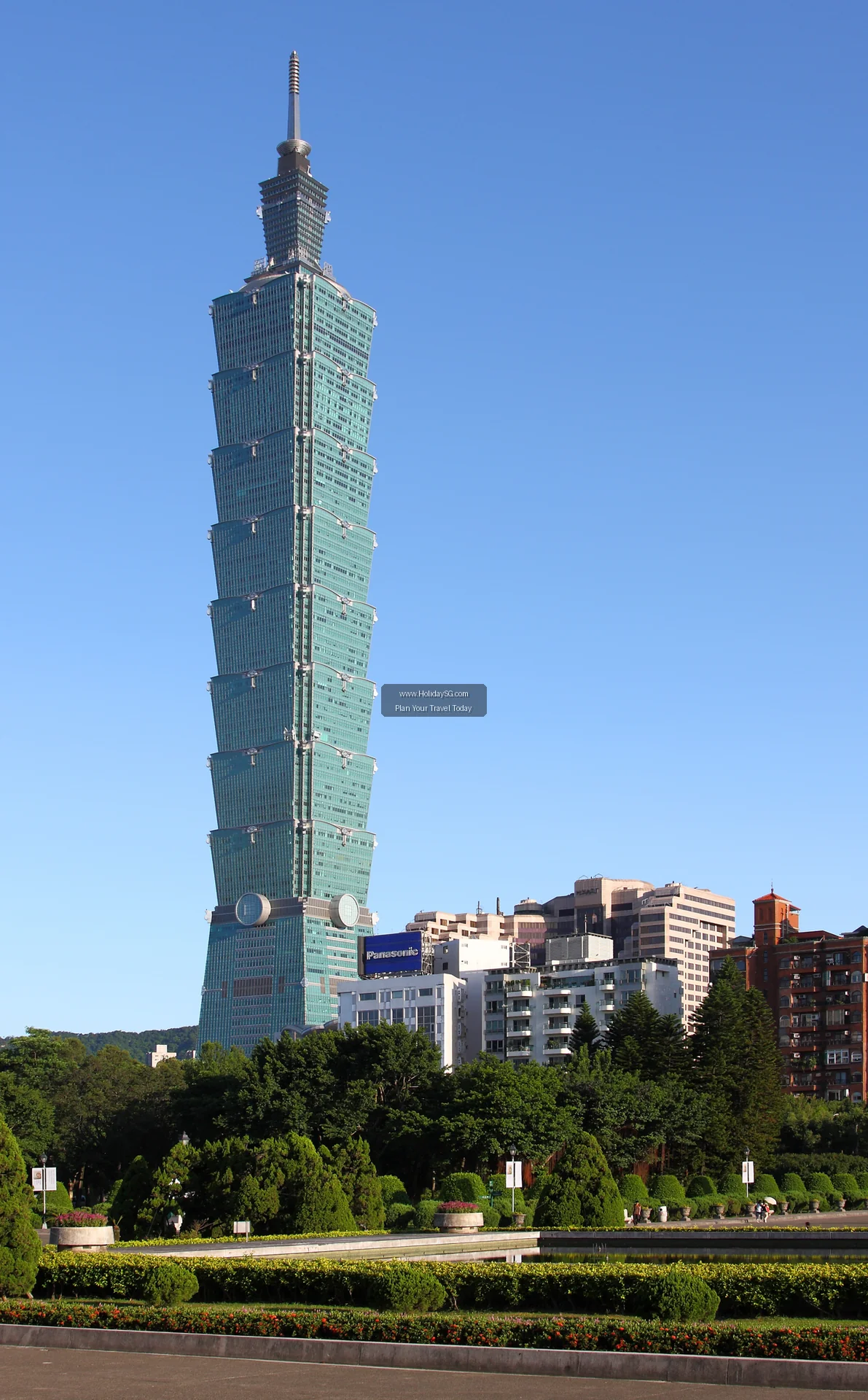
Tickets to the Taipei 101 Observatory cost NT$600 (approx. SGD 25). If you are on a strict budget, skip it. Instead, make a reservation to dine at the food court on the 35th floor. You only pay for your meal (around NT$300), and you get to experience the high-speed elevator and enjoy incredible views. Alternatively, visit the rooftop bar at the nearby Humble House Hotel; you can enjoy the same spectacular vantage point for the price of a single drink.
If you want to venture out of the city center without renting a car, joining a Shifen Old Street half-day tour is a highly affordable way to see the famous sky lanterns and waterfalls with transport fully sorted.
Eating on a Budget: Night Markets and Street Food
Taipei’s night markets are the undisputed kings of budget dining. You can easily eat like royalty for a fraction of what you would pay in a sit-down restaurant.
Popular Night Markets
- Raohe Night Market: A single, straight street that is easy to navigate. Famous for its pepper buns baked in clay ovens at the entrance.
- Ningxia Night Market: Smaller and highly favored by locals. It is the best place to find traditional Michelin-recommended street food stalls.
- Shilin Night Market: The largest and most famous. While it can be touristy, the underground food court and surrounding alleys offer endless cheap eats.
What to Eat and How Much to Spend
A filling meal of local street food typically costs between NT$100 and NT$250 (approx. SGD 4.20 to SGD 10.50). Must-try dishes include:
- Stinky Tofu: Deep-fried and served with pickled cabbage (approx. NT$60).
- Oyster Omelets: A savory, starchy, and delicious local staple (approx. NT$80).
- Bubble Tea: Skip the expensive mall chains and buy from night market vendors (approx. NT$50 to NT$70).
Essential Budget Travel Tips for Taipei
When to Go: Best Time to Visit for Cheap Rates
The optimal time to visit on a budget is during the shoulder seasons of spring (March to May) and autumn (October to November). During these months, the weather is mild and pleasant. More importantly, you avoid the peak summer heat, high humidity, and the typhoon season (July to September), while still securing reasonable flight and hotel rates before the December holiday spike.
Stay Connected: TPE-Free Wi-Fi vs. Tourist SIM Cards
A tourist SIM card with unlimited data typically costs NT$300 to NT$500. If you want to save that cash, use the TPE-Free public Wi-Fi network. It is widely available across the city, in MRT stations, and at tourist centers. You can register for an account using your passport at any MRT station information desk or tourist center, significantly reducing your need to buy a local SIM.
Cash is King: Managing Money and Finding ATMs
While credit cards and mobile payments are accepted in malls, department stores, and chain restaurants, cash (New Taiwan Dollar) is strictly required for night markets, small street vendors, and topping up your EasyCard.
Do not exchange too much money at the airport where rates are poorer. These convenience stores are on almost every corner, and their ATMs offer excellent exchange rates with low withdrawal fees.
Recommended HolidaySG Tours
Looking to add a little more structure to your budget itinerary? Check out these affordable passes and tours to maximize your time in and around Taipei:
- Taipei Funpass Unlimited 1 Day 2 Day 3 Day Pass Give Away Taiwan Dragon and Tiger Nightmarket Glass Set Transport
- Taipei Unlimited Funpass Transports Attractions Pass Day Tours
- Taipei Quantity Shifen Old Street One Day Tour Popular Tourist Attractions Half Day Tour Day Tours
Ready to finalize your Taipei itinerary? Your next step is to download the official Taipei Metro app to map out your daily routes, and then head over to our flight and hotel search tools to lock in those shoulder-season deals before prices creep up.
Ready to explore beyond the city? Check out our Boat Ticket to Lanyu Taiwan Taitung Fugang Fishing Harbor and Kenting Houbihu Lanyu Transport Passes to smoothly plan your island-hopping adventure.
Book these with HolidaySG:
Book with HolidaySG online for Boat Ticket To Lanyu Taiwan Taitung Fugang Fishing Harbor And Kenting Houbihu Lanyu Transport Passes, Penghu Jibei Island Round Trip Boat Ticket Water Activities E Scooter Adventure Transport Passes, Taipei Funpass Unlimited 1 Day 2 Day 3 Day Pass Give Away Taiwan Dragon And Tiger Nightmarket Glass.
Frequently Asked Questions
Where can I book Taipei transport passes, attraction tickets, and day tours?
You can easily book all your Taipei travel essentials directly through HolidaySG. For unlimited city travel and attraction entry, grab the Taipei Funpass Unlimited 1 Day 2 Day 3 Day Pass or the comprehensive Taipei Unlimited Funpass Transports Attractions Pass. If you want to explore the beautiful lantern-lit streets outside the city center, book the Taipei Quantity Shifen Old Street One Day Tour. For those extending their trip to Taiwan’s stunning outlying islands, we also offer the Boat Ticket to Lanyu and the Penghu Jibei Island Round Trip Boat Ticket.
Do foreigners need a different ticket, price, or visa for Taiwan?
For public transport and tourist attractions in Taipei, foreigners pay the exact same standard prices as locals, and travel passes like the Taipei Fun Pass are available to all visitors without a local ID. However, visa requirements depend entirely on your passport. Citizens of Singapore and many other countries enjoy visa-free entry to Taiwan for short-term tourism, but immigration rules and permitted lengths of stay can change. We highly recommend checking the official Bureau of Consular Affairs (BOCA) website or contacting your nearest Taipei Economic and Cultural Representative Office (TECRO) to verify the most current visa and entry requirements before you fly.
What is the best time of year to visit Taipei on a budget?
The best time to visit Taipei for pleasant weather and budget-friendly travel is during the shoulder seasons: spring (March to May) and autumn (October to November). During these months, you avoid the sweltering heat, high humidity, and heavy typhoon rains of the summer, as well as the peak tourist crowds. If you do visit in the summer, plan your outdoor activities like the Shifen Old Street tour for the early morning or late afternoon, and use the midday to explore indoor, air-conditioned attractions included in your Fun Pass.
How do I get around Taipei using public transport and the Fun Pass?
Taipei boasts an incredibly efficient, clean, and affordable public transport system. The Taipei MRT (subway) and city buses will get you almost anywhere in the city and its immediate suburbs. When you purchase a Taipei Fun Pass, it acts as an all-in-one smart card that grants you unlimited rides on the MRT and buses within the city for the duration of your pass, alongside free or discounted entry to major attractions. Simply tap your physical or digital pass at the MRT gates and bus card readers. For destinations further out, like Jiufen or Shifen, you can easily use your MRT pass to reach the main railway stations and transfer to the TRA (Taiwan Railways) local trains.
Related reading:
- How to Visit Singapore on a Budget: A Guide
- Is Singapore Expensive for Tourists? Budget Travel Guide
- United Arab Emirates Travel Guide 2026: Complete UAE Trip
A three-day budget plan for Taipei
Three days is enough to get a real feel for Taipei without rushing, and it is the length of stay that suits a budget trip best. The trick is to group attractions by district so that you spend less time on the metro and more time exploring. Day one can focus on the old town and the west side of the city, where the Longshan Temple, Bopiliao Historic Block and the Dihua Street area sit within an easy walk of each other. Start early at the temple, when the incense smoke is thick and locals are making their morning offerings, then wander the lanes for breakfast.
Day two suits the modern centre. Walk through the Ximending area in the afternoon, when the shopping streets are lively but not yet crowded with evening crowds, and then head to the Presidential Office area and the Chiang Kai-shek Memorial Hall for the changing of the guard. Many of these sites are free or cost very little to enter, so the day costs mostly your transport and food. End the day at a night market near your hotel.
Day three is best kept flexible. If the weather is clear, take a half-day trip out of the city, or spend the morning on a hike and the afternoon in a riverside park. If it rains, which it often does in the wetter months, visit one of the indoor museums and then look for a long lunch at a local restaurant. Planning one main activity per half day keeps the budget steady and stops you wasting money on last-minute taxis.
Day trips from Taipei without spending much
Taipei sits at the centre of a rail and bus network that reaches many of Taiwan's most rewarding places within a couple of hours. Jiufen, the hillside town of narrow stairways and tea houses, is one of the most popular day trips. Buses from the city run regularly, and the ride is scenic, with views over the coast on the way. Plan to arrive in the morning, because the lanes fill up in the afternoon, and bring a little cash for the snacks sold at the small stalls.
Yehliu Geopark, on the northern coast, is another affordable option. Its wind-sculpted rock formations are striking, and the area is easy to visit by bus. Combine it with a stop at a fishing village for seafood, but check the bus timetable for the return journey so you are not stranded.
For a slower pace, the Shifen and Pingxi area offers old railway tracks, lantern-making workshops and waterfalls. Trains are a relaxing way to travel, and a single day is enough. Keep your return ticket with you and allow extra time, since services can be less frequent on weekends and public holidays. Our team recommends checking the latest timetables on the official transport site before you set off, because schedules change with the seasons.
Temple etiquette and cultural habits to respect
Taipei's temples are active places of worship, and a little respect goes a long way. Dress modestly, with shoulders and knees covered, and keep your voice low. Remove your hat and sunglasses when entering the main hall. If you want to take photographs, look for signs that say whether it is allowed, and never photograph people who are praying without asking first.
When offering incense or joss paper, follow what local worshippers do rather than inventing your own routine. Many people simply bow with the incense sticks and place them in the urns. Do not step on the threshold of the main hall, and walk around the outer courtyards rather than through the central path reserved for deities.
Etiquette matters in restaurants and on public transport too. Queue quietly at the metro, give up priority seats to elderly passengers and avoid eating on the train. At small family-run eateries, it is polite to say thank you when you leave, and some places expect you to pay at the counter rather than at the table.
Budget shopping and handling prices
Shopping is part of the Taipei experience, from the clothing stalls of the night markets to the department stores with their basement food halls. Most shops display fixed prices, so bargaining is less common than in some other Asian cities. At night markets, however, you may find some room to negotiate on bags, accessories and souvenirs, particularly if you buy more than one item. Be polite and friendly, and accept a fair answer without pushing.
Check the tax refund rules if you plan to buy larger items from participating stores. The rules and minimum spending limits change, so confirm the details on the official tourism site before you pay. Keep your receipts and do not assume a refund will be given at every counter.
Convenience stores are a good place to pick up snacks, drinks and basic toiletries at fixed prices, and they often have clean restrooms. They also sell ready meals that make a light dinner if you want to save money on a busy day.
Tea houses and when a splurge is worth it
Taiwan is famous for its tea, and a traditional tea house is one of the best ways to slow down in the middle of a busy itinerary. Many venues charge a set fee for a pot of oolong, and some include a snack. Expect to spend more than you would at a street stall, but the experience of tasting several teas and watching the server brew them is usually worth the cost once or twice during your stay.
Choose one or two splurges rather than many. A sunset view from a hillside café, a tea ceremony or a long dinner at a well-regarded local restaurant can be the highlight of a budget trip. Balance them with simple meals and free attractions on the other days, and you will feel that the money was spent with care.
Safety, scams and common mistakes
Taipei is one of the safest large cities in Asia, and petty crime is uncommon. Still, keep your phone and wallet secure in busy night markets and on crowded metro trains. Be wary of anyone who approaches you offering a bargain tour, a fake ticket or a closed shop that they say is open. Buy tickets only at official counters or through trusted channels.
One common mistake is leaving the metro system without checking the exit signs. Several stations have multiple exits, and the one nearest your destination may not be the one you pick first. Take a moment to look at the map before you climb the stairs, which saves time and a few unnecessary blocks of walking.
Another frequent error is underestimating the heat and humidity in summer. Carry water, wear light clothing and plan indoor stops for the hottest part of the afternoon. A small umbrella is useful all year round because sudden showers are common.
Questions travellers often ask about a budget Taipei trip
How much should I plan to spend each day?
Costs depend on your accommodation, how often you eat out and how many paid attractions you visit. Many travellers find that a simple daily budget covers local meals, metro rides and a few free sights comfortably. Add a separate amount for any tours or splurges, and keep a little reserve in case of rain or a change of plans.
Is it better to walk or take the metro?
Walking is free and lets you discover small shops and temples, but the metro is quicker over longer distances and easy to use with clear English signs. A mix of both works well. Walk within a district and use the metro to move between areas.
Can I book tours and tickets before I arrive?
Yes. Booking attraction tickets and day tours online lets you plan your days and avoid queues. Our team reviews each booking before it is confirmed, and the e-ticket is emailed after confirmation, so leave enough time before your visit date. Support is available from 9 AM to 11 PM SGT daily if you have questions about a booking.
Weather, seasons and packing for Taipei
Taipei's climate is subtropical, which means warm, humid summers and cooler, damp winters. The typhoon season usually runs through the late summer and early autumn, and it can disrupt flights, ferries and some mountain trips for a day or two. Check the forecast each morning, and keep one flexible day in your plan so that a storm does not wreck your schedule. Indoor options such as museums, covered markets and tea houses become more valuable when the weather turns.
For packing, choose light, breathable clothes that dry quickly, a lightweight rain jacket or a compact umbrella, and comfortable shoes with good grip. Taipei involves a lot of walking on pavements, stairs and uneven hillside paths, so shoes matter more than fashion. A reusable water bottle saves money, since drinking fountains and convenience stores make refilling easy. Sunscreen and a hat are useful in the warmer months, and a light layer helps when you move from the heat outside to the air-conditioned metro.
Spring and autumn are often the most comfortable seasons for walking and hiking. The air is milder, the mountains are clearer on good days, and the city feels relaxed. Winter is quieter, with cooler temperatures that suit a long bowl of noodle soup at a local shop. Whatever the season, a small daypack keeps your essentials together and makes it easy to carry a snack for a long day out.
Getting the most from the riverside and parks
Taipei's riverside parks are among the best free places to spend an afternoon. Bike paths run along the Tamsui and Keelung rivers, and public bicycles can be rented for short periods at a modest fee. Riding at a relaxed pace lets you see joggers, families and fishermen, and it gives you a sense of daily life that a museum cannot match. Bring a snack and a bottle of water, and plan a stop at a riverside kiosk for a cold drink.
The park areas near the city centre are also good for picnics. Many locals bring simple food and sit on the grass in the evening, especially on weekends. Be sure to take your rubbish away with you, since public bins can be limited in some spots. A sunset walk along the river is a free highlight that works well as a closing activity on any day of your trip.
Simple phrases and how to communicate
English is widely spoken in tourist areas, on the metro signs and in many hotels, but a few words of Mandarin go a long way with older shopkeepers and taxi drivers. Learn to say hello, thank you and how much, and carry your hotel address written in Chinese characters so you can show it to a driver. Many travellers find that a translation app with an offline language pack is the easiest support, and it works well at food stalls where menus have pictures but few English labels.
Be patient if a vendor seems unsure of your request. A smile, a pointing gesture and a clear number usually solve the problem. Polite attempts at the local language are appreciated, and they often lead to friendly recommendations for dishes or sights that a guidebook may not mention.
If you have a question about your itinerary or a booking you made through HolidaySG, you can reach our support team from 9 AM to 11 PM SGT daily. Have your booking reference ready so the team can find your details quickly, and let them know your travel date and the attraction or tour you are asking about.
Taipei Budget Travel FAQ and Common Questions
How much daily spending money do I actually need for Taipei?
Budget travellers typically spend between 1,000 and 1,500 TWD per day once accommodation is covered, though this varies by personal habits. A meal at a neighbourhood restaurant runs 60–120 TWD, while night market snacks cost 30–80 TWD each, so eating is genuinely affordable. Add 50–150 TWD for transport depending on how much you travel, and you can comfortably explore without cutting corners on experiences.
Should I buy an EasyCard or Taipei Pass before arriving?
Neither pass needs advance purchase—both are available at convenience stores like 7-Eleven and MRT stations the moment you land. The EasyCard works for all transport and some shops, while the Taipei Pass bundles 1, 2, or 3 days of unlimited MRT and bus rides with discounts at attractions, so pick based on your itinerary length. If you're staying three days or more and plan multiple attractions, the Taipei Pass often pays for itself.
Head to Elephant Mountain (Xiangshan) instead—the 20-minute hike is free and rewards you with an iconic close-up view of Taipei 101 at sunset, something many paid observation decks don't offer. Alternatively, view it from the Taipei 101 shopping mall lobby or enjoy the skyline from the riverside parks around Daan District, which cost nothing and let you photograph the tower surrounded by the city.
Which night market is the most budget-friendly and authentic?
Shilin Night Market is famous but crowded and touristy; Raohe Street Night Market in Songshan district is smaller, less hectic, and loved by locals who actually shop there for dinner. Stall food is nearly identical in price across markets (30–60 TWD per item), so choose Raohe for a genuine atmosphere or Shilin if you want the full spectacle—both are worth experiencing once.
Is walking or taking the metro faster and cheaper in Taipei?
Walking is free and Taipei's MRT is so efficient that most single journeys cost only 20–30 TWD, so it's rarely a money choice. Neighbourhoods like Dadaocheng and Xinyi are sprawling enough that the metro saves time and tired feet, while compact areas like Jiufen Old Street are best explored on foot. For a day of heavy sightseeing, the Taipei Pass removes the per-trip cost entirely and lets you hop on and off without thinking.
Quick answers
Can I use my home country credit card at ATMs in Taipei?
Most international cards work at Taipei's 7-Eleven ATMs, but check with your bank beforehand about foreign withdrawal fees. Carry your passport when withdrawing cash, and expect a small flat fee per transaction rather than a percentage—compare what your bank charges before deciding how much to withdraw at once. Major banks like Cathay United Bank have ATMs throughout the MRT system and central Taipei.
What's the safest way to haggle or negotiate prices at markets?
Night market stall prices are fixed—haggling isn't expected and will likely embarrass both of you. Haggling works only in proper shops or at daytime markets like Taipei Flora Expo Park's weekend market, and even then it's subtle—ask for a discount politely rather than making a counteroffer. Vendors respect confident but friendly customers, so a smile and "Is this your final price?" goes much further than aggressive negotiation.
How do I behave respectfully at temples and cultural sites?
Remove shoes or wear slip-ons for easier access, and avoid pointing at statues or altars—observe quietly rather than taking flash photos inside prayer halls. Dress modestly (cover shoulders and knees), and never step on doorway thresholds as locals believe they trap spirits. Temples like Longshan Temple welcome visitors warmly; just be aware you're entering a living space of worship, not a museum.
What should I know about scams targeting budget tourists in Taipei?
Taipei is remarkably safe, but overpriced tea-house schemes exist near Red House Creative Park and Jiufen—if invited by strangers for tea, the bill can balloon to thousands of TWD. Stick to reputable restaurants, use your EasyCard rather than negotiating taxis, and ignore unsolicited tour offers on the street. Your biggest risk is overspending on tourist traps, not theft or violence, so always ask prices upfront and eat where locals queue.
Things to book on this trip
Plan the rest of your trip
- HolidaySG eSIM plans for Taiwan - Buy a data plan before you fly and install it on your phone.
- Taiwan visa requirements - Check who needs a visa, the documents and the processing time.
