

The 30 best things to do in malaysia (2026) is exactly what this guide covers.
Malaysia is a Southeast Asian mosaic of ancient rainforests, futuristic cities, and a food scene that will redefine your understanding of flavour. From the neon glow of Kuala Lumpur to the serene beaches of its islands and the wild heart of Borneo, it offers a staggering diversity of experiences within a single, accessible country. In this guide, we’ve compiled the 30 best things to do in Malaysia in 2026, showcasing world-class infrastructure and countless opportunities for discovery.
Malaysia is an incredibly diverse and accessible destination offering world-class urban exploration, pristine island getaways, and unique wildlife adventures. Key planning involves timing your visit with regional dry seasons, budgeting affordably, and leveraging easy transport like flights and the Grab app. The country’s blend of Malay, Chinese, and Indian cultures creates an unparalleled culinary and cultural tapestry ready to be explored.
Planning Your Trip: Essential Tips
Before diving into the exciting activities, a bit of planning ensures a smooth journey. For many visitors, including those from Singapore, Australia, the UK, and the US, entry is straightforward with a free 90-day Social Visit Pass on arrival. Always double-check the latest requirements with the official Malaysian Immigration Department website before you book.
Malaysia is generally safe for tourists, but it’s wise to practice common-sense precautions, especially in crowded markets or city centres. A key health tip: stick to bottled or filtered water for drinking. Your budget will go far here. A budget traveller can enjoy a full day—including simple meals, local transport, and entrance fees—for around RM150-200 (approx. S$45-60). Mid-range travellers, opting for nicer hotels and sit-down restaurant meals, should budget RM400-600 (approx. S$120-180) per day.
The ideal travel time varies by region. For the idyllic west coast islands like Langkawi, aim for the dry season from March to October. The stunning east coast islands (Perhentian, Tioman) are best from April to September, as they close during the monsoon months. Borneo is accessible year-round, but July and August offer the driest conditions for climbing Mount Kinabalu.
Navigating Malaysia
Ready to go? Book Malaysia Heritage Studios In Melaka with HolidaySG.
Getting around is part of the adventure. For long distances, such as flying from Kuala Lumpur to Langkawi or Borneo, domestic airlines like AirAsia and Firefly are essential and often very affordable if booked in advance. To stay connected for maps, ride-hailing, and translations, consider picking up a local data eSIM like a Malaysia Unlimited 4G/5G Data eSIM before you land.
In cities, the Grab app is your best friend, functioning like Uber for reliable car rides and even food delivery. For a comfortable west coast journey, the Electric Train Service (ETS) connecting KL, Ipoh, and Penang is a scenic and relaxing option. Remember, island travel often involves ferries, which can be weather-dependent; always confirm schedules with operators a day or two before your trip, especially during the rainy season.
The Heart of Malaysia: Iconic Cities & Culture
Kuala Lumpur
Malaysia’s capital is a thrilling mix of old and new. Start with the undeniable icon: ascending the Petronas Twin Towers for breathtaking views from the sky bridge. Just a short drive away, the colourful, 272-step climb to the Batu Caves Hindu temple complex is both a spiritual and visual feast, especially if you visit during the Thaipusam festival. Immerse yourself in the city’s culinary soul at the bustling street food stalls of Bukit Bintang, or seek cultural depth at the stunning Islamic Arts Museum. A quick day trip to the cool highlands of Genting offers a change of pace with entertainment and theme parks.
Penang
George Town, the capital of Penang, is a UNESCO World Heritage site famous for its living museum of colonial architecture and whimsical street art. The real draw, however, is the food. A Penang hawker centre, like Gurney Drive, is a mandatory pilgrimage for dishes like legendary Char Kway Teow and fiery Assam Laksa. For panoramic views, take the funicular up Penang Hill, and visit the magnificent Kek Lok Si Temple, the largest Buddhist temple in Southeast Asia. End your days with a relaxed sunset at Batu Ferringhi beach.
Malacca (Melaka)
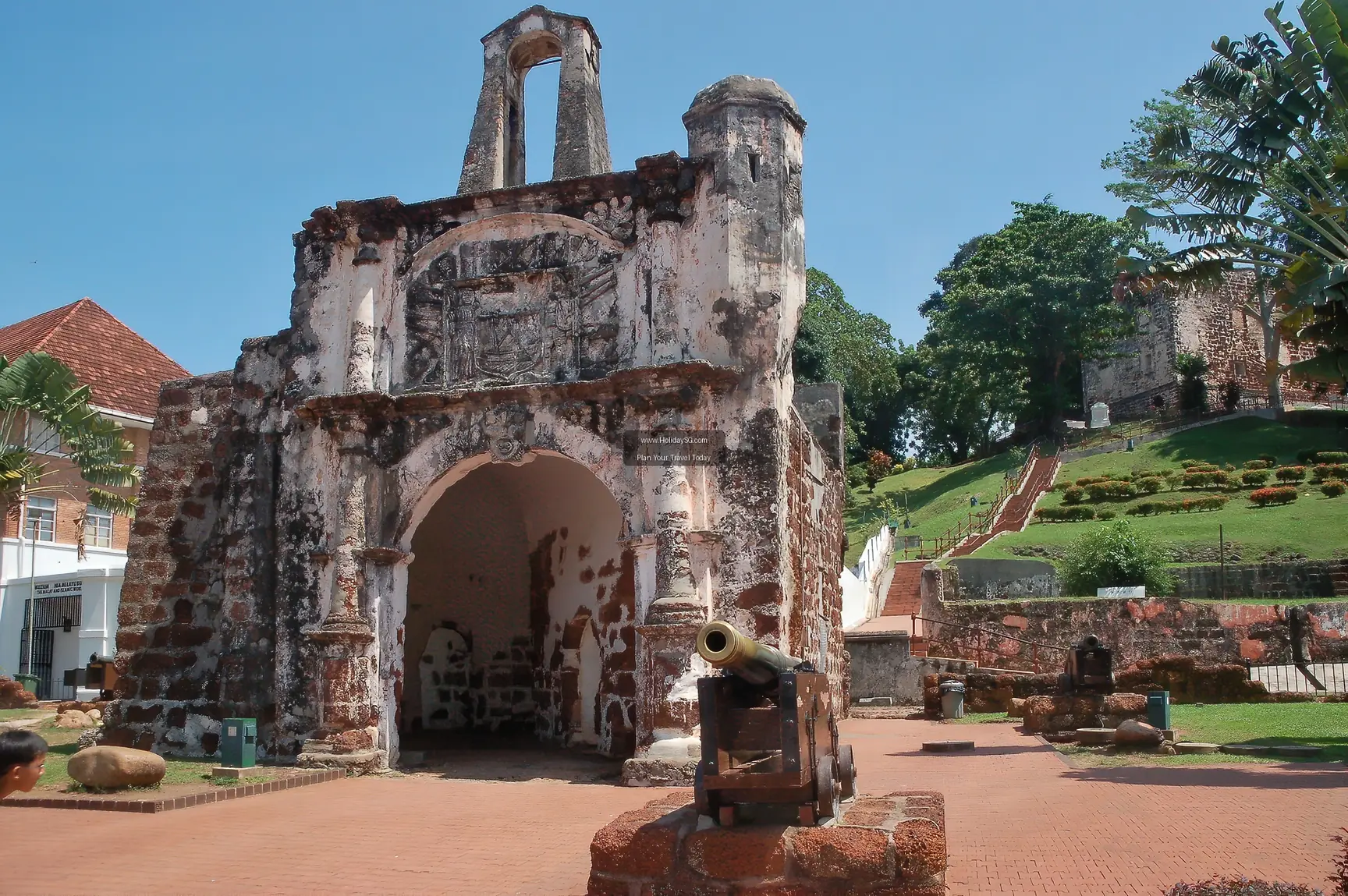
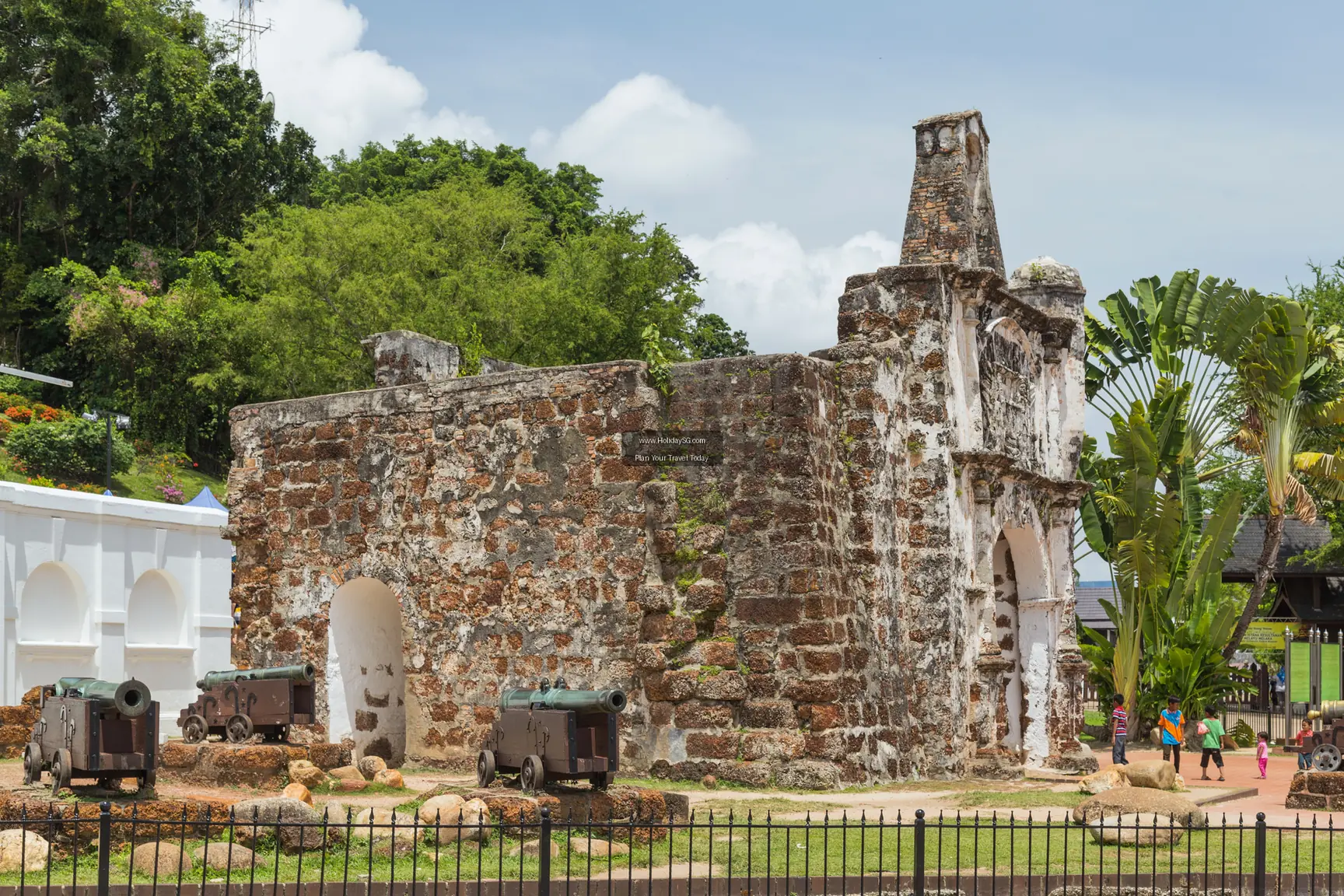
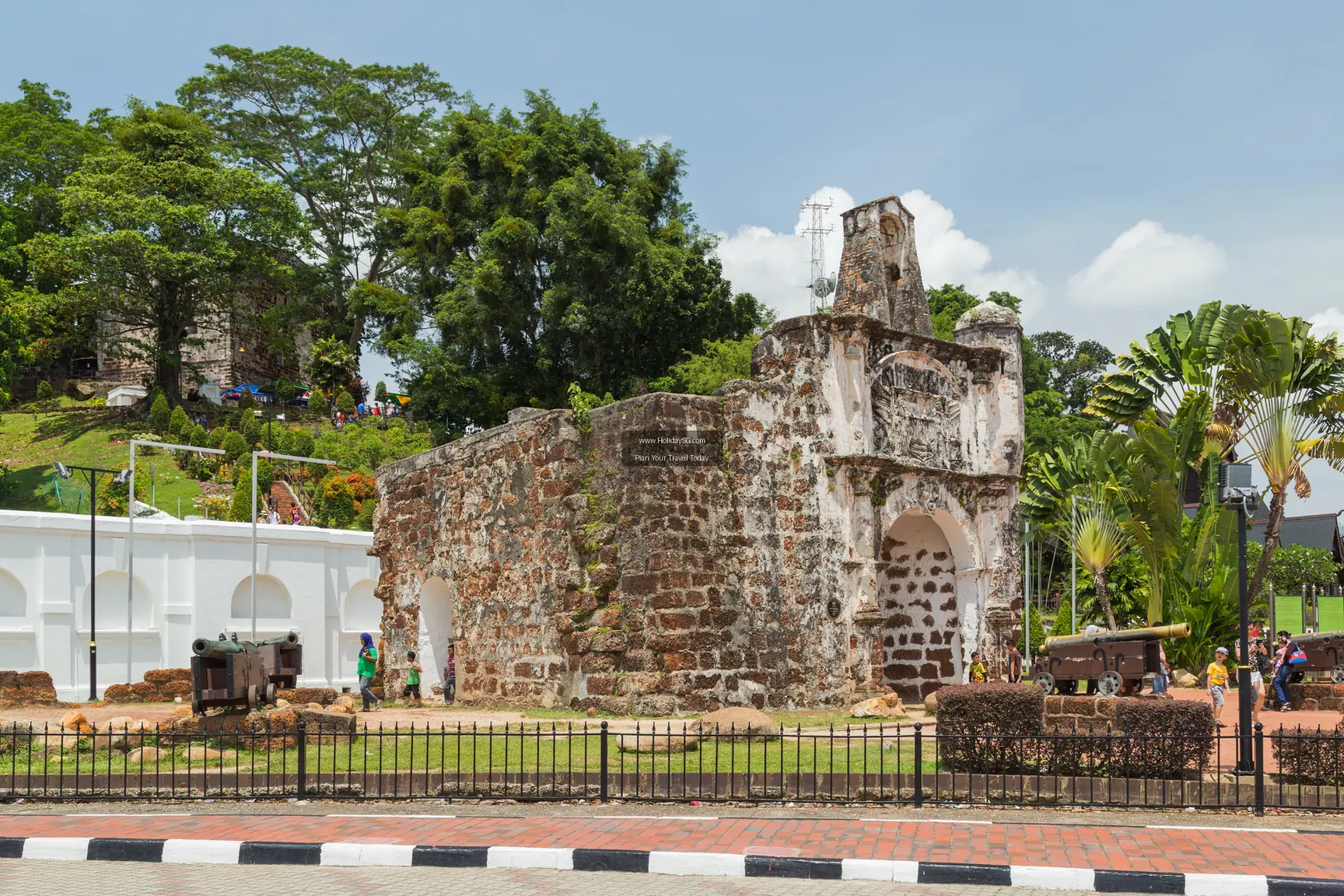
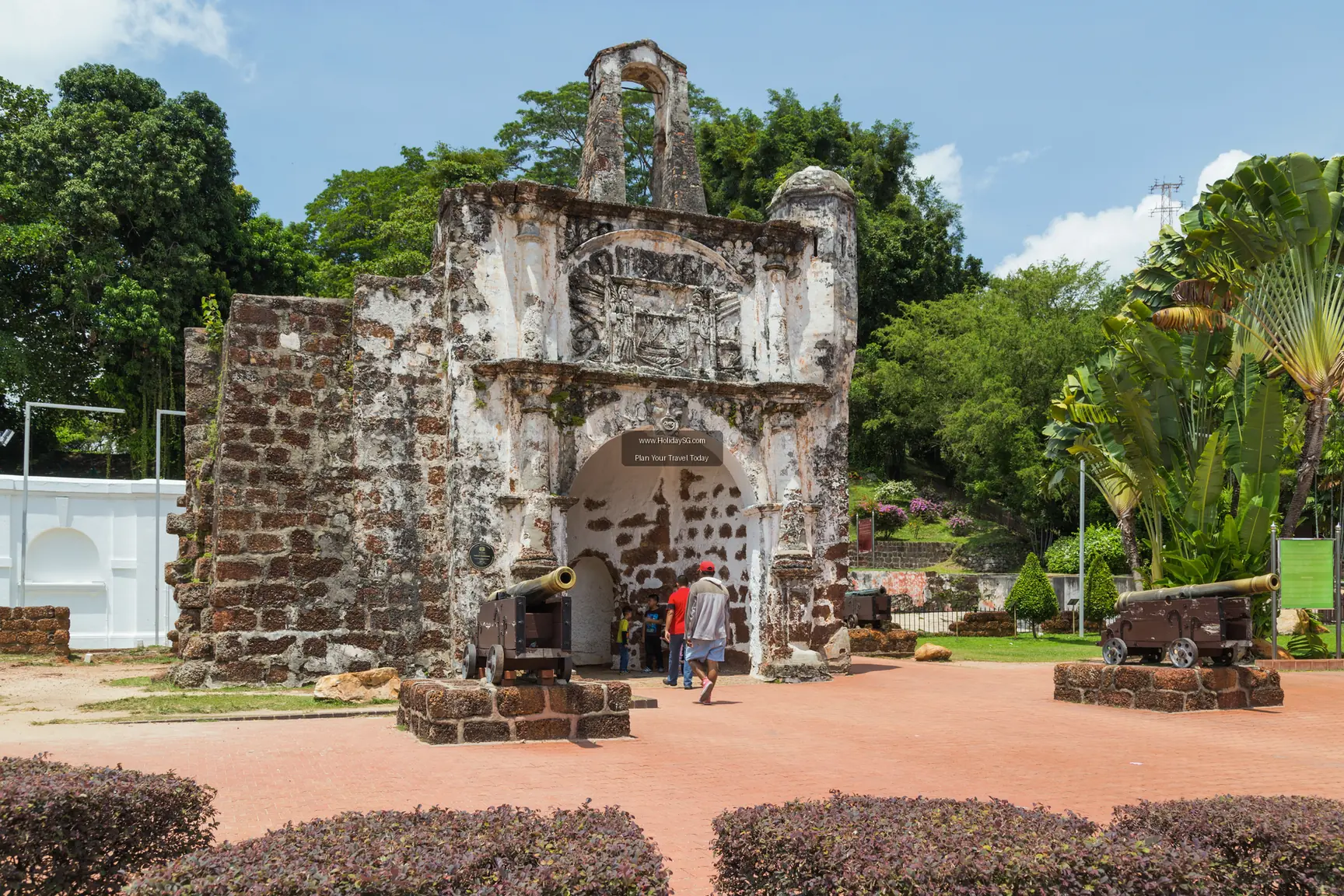
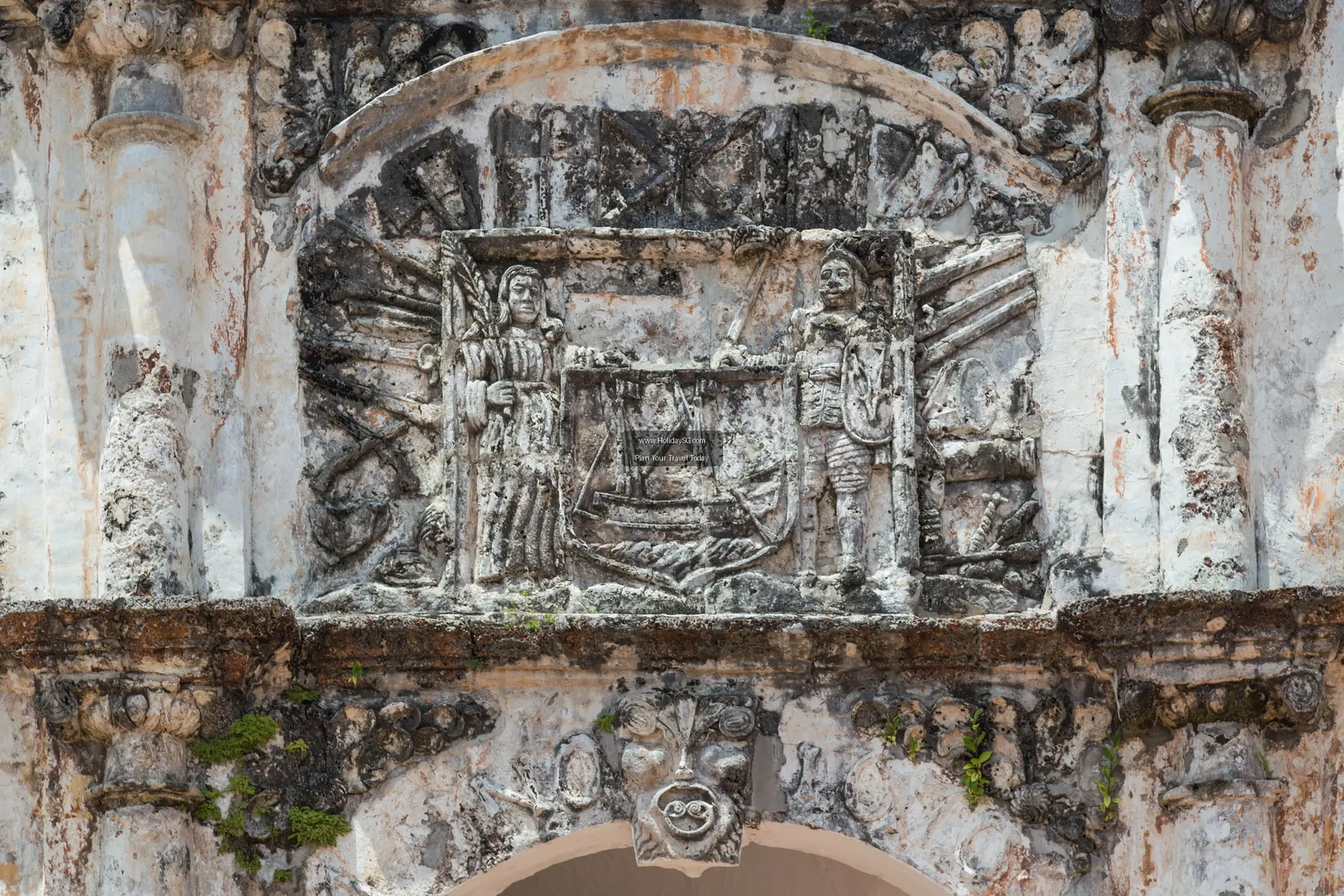
A historic crossroads of Portuguese, Dutch, and British influences, Malacca is perfect for a short getaway. Explore the distinctive red buildings of Dutch Square (Stadthuys) and the remnants of the Portuguese fortress, A Famosa. The best way to soak in the atmosphere is a cruise along the Malacca River, flanked by colourful murals and historic shophouses. Time your visit for a weekend to experience the vibrant Jonker Street Night Market, a feast for the senses.
Island Paradise & Coastal Wonders
Ready to go? Book Malaysia Heritage Studios In Melaka with HolidaySG.
Langkawi
This duty-free archipelago is a staple of Malaysian travel. The Langkawi SkyCab cable car whisks you up to the dramatic Sky Bridge for stunning rainforest and ocean vistas. Relax on the postcard-perfect sands of Pantai Cenang, or explore the unique ecosystem of the Kilim Karst Geoforest Park by kayak, weaving through mangroves and hidden caves.
The East Coast Islands
For a more tranquil, castaway experience, the east coast delivers. The Perhentian Islands offer crystal-clear waters teeming with marine life, making them a snorkelling and diving paradise within a protected marine park. Tioman Island combines lush jungle backdrops with serene beaches. This region also allows you to experience the unique local Malay culture of states like Terengganu.
Wild Borneo
A trip to Malaysian Borneo (Sabah and Sarawak) feels like entering another world. The ultimate challenge is climbing Mount Kinabalu, Southeast Asia’s highest peak. This requires significant pre-booking of limited permits and guides months in advance through the official park vendor. For a different wildlife encounter, visit the Sepilok Orangutan Rehabilitation Centre to witness semi-wild orangutans in their forest home (entry fee ~RM30). Explore the otherworldly limestone pinnacles and caves of Kinabalu National Park, or delve into Sarawak’s indigenous culture with a visit to the vast Niah Caves or a stay in a traditional longhouse.
A Taste of Malaysia: Culinary Deep Dive
Ready to go? Book Malaysia Heritage Studios In Melaka with HolidaySG.
Malaysia’s multicultural fabric is best tasted through its food. Make it your mission to try the nation’s iconic dishes: fragrant Nasi Lemak (coconut milk rice) with all its condiments, savory Char Kway Teow (flat noodle stir-fry), and tender Satay skewers with peanut sauce. For a sweet finale, seek out legendary dessert spots like Penang Road Famous Teochew Chendul for its refreshing shaved ice with green pandan jelly and coconut milk.
Understanding local etiquette enhances your experience. Always dress modestly when visiting religious sites by covering shoulders and knees. Using your right hand to give, receive, or eat is a sign of respect. Major festivals like Thaipusam at Batu Caves offer a spectacular, if crowded, cultural immersion, while Hari Raya Aidilfitri and Chinese New Year see the whole country celebrating.
Recommended HolidaySG Tours
- Malaysia Heritage Studios In Melaka
- Malaysia Unlimited 4g5g Data Esim
- Whizcomms 14 Day 15gb Unlimited Malaysia Esim Instant Activation Nationwide
From the steel and glass of KL to the ancient jungles of Borneo and the sizzling woks of Penang, Malaysia is a destination that rewards every type of traveller. This list is a starting point—the real magic is in mixing these experiences to create your own unique Malaysian story. For more inspiration on specific regions, check out our detailed guide to exploring Borneo’s wildlife. Pack your sense of adventure, an empty stomach, and get ready for a truly unforgettable Southeast Asia travel experience.
Ready to start your journey? For a hands-on cultural experience in Malacca, explore our Malaysia Heritage Studios In Melaka.
Book these with HolidaySG:
- Just Farm By Just Pets Megastore Ticket Malaysia Largest Indoor Petting Zoo
- Instant Esim Singapore Malaysia Kuota Besar Esim Singapura Global
Book with HolidaySG online for Malaysia Heritage Studios In Melaka, Malaysia Unlimited 4g5g Data Esim, Just Farm By Just Pets Megastore Ticket Malaysia Largest Indoor Petting Zoo.
Frequently Asked Questions
Where can I book tickets or products for these activities?
For direct bookings and tickets, you can use these links:
– Malaysia Heritage Studios in Melaka
– Just Farm by Just Pets Megastore Ticket (Malaysia’s Largest Indoor Petting Zoo)
For travel eSIMs to stay connected:
– Malaysia Unlimited 4G/5G Data eSIM
– Instant eSIM Singapore Malaysia Kuota Besar
– Whizcomms 14 Day 15GB Unlimited Malaysia eSIM
Do foreigners (non-citizens) need a different ticket, price, or visa for Malaysia?
Ticket prices for attractions like theme parks or heritage sites often have different rates for Malaysians and foreigners, so expect to pay the international price. For visas, requirements vary significantly by your country of passport and the length/purpose of your stay. Many nationalities receive visa-free entry for short tourist visits (e.g., 30-90 days), but this is not universal. You must check the official immigration website of Malaysia or your nearest Malaysian embassy for the most current and accurate visa requirements specific to your citizenship.
What is the best time (season, or time of day for the site/activity) to go?
The best time for Malaysia is during the drier seasons on each coast. The west coast (including Kuala Lumpur, Penang, and Langkawi) is best from December to April. The east coast (Kota Bharu, Perhentian Islands) is best from March to October. For specific activities: visit outdoor markets and temples early in the morning to avoid crowds and heat. Beach trips are ideal mid-morning to late afternoon. Hiking (e.g., Kinabalu, Cameron Highlands) is best starting very early to avoid afternoon rains and heat. Always check the specific weather forecast for your region during your travel dates.
How long should I spend in Malaysia?
A comprehensive trip covering key highlights like Kuala Lumpur, the Cameron Highlands, Penang, and Langkawi would require at least 10-14 days. For a shorter trip focusing on one or two regions, such as KL and a nearby island, 5-7 days is sufficient. Malaysia is large, so trying to see too much in a short time will be rushed.
What is a typical budget for a trip to Malaysia?
Malaysia caters to all budgets. On a backpacker budget, you might spend around 100-150 MYR ($20-$35 USD) per day. Mid-range travelers can expect 200-400 MYR ($45-$90 USD) for comfortable hotels, meals, and activities. Luxury travelers can easily spend upwards of 800 MYR ($180 USD) per day. Food from hawker stalls is very affordable (5-15 MYR per dish), while restaurant meals cost more.
Is Malaysia safe for tourists?
Generally, Malaysia is considered safe for tourists with a low violent crime rate. However, like any destination, petty crime like pickpocketing and bag-snatching can occur in crowded areas and tourist hubs. Be vigilant, avoid displaying expensive jewelry or electronics, and use reputable transportation. It’s wise to check travel advisories from your home country before departure.
Is Malaysia family-friendly?
Yes, Malaysia is extremely family-friendly. There are numerous theme parks (Legoland, Sunway Lagoon), interactive attractions like Just Farm’s indoor petting zoo, beautiful beaches, and nature reserves. The food is mild and flavorful, and locals are generally welcoming to families with children.
Do I need travel insurance for Malaysia?
While not legally mandatory for all visitors, comprehensive travel insurance is highly recommended for any trip abroad. It should cover medical emergencies, trip cancellations, lost luggage, and personal liability. Ensure your policy includes coverage for any adventurous activities you plan to do, like scuba diving or hiking.
What is the weather like and what should I pack?
Malaysia has a tropical climate—hot, humid, and rainy year-round. Pack lightweight, breathable clothing (cottons, linens). Essential items include: a light rain jacket or umbrella, sunscreen, sunglasses, insect repellent, comfortable walking shoes, and a hat. If visiting highlands like Cameron Highlands or Genting, pack a sweater or light jacket for cooler evenings. A modest outfit (shoulders and knees covered) is necessary for visiting religious sites.
How do I get around Malaysia?
Major cities have efficient public transport, including LRT, MRT, monorail (in KL), and buses. For intercity travel, the train network (KTM) and long-distance buses are affordable and comfortable. For island hopping or rural areas, renting a car gives great flexibility. Ride-hailing apps like Grab are widely used and affordable for shorter distances. Domestic flights are cheap and frequent between major cities like KL, Penang, and Kota Kinabalu.
What should I know about Malaysian etiquette?
Respect is key. Use your right hand for giving and receiving. Remove your shoes before entering homes and some shops. When visiting mosques or temples, dress modestly (cover arms and legs). Public displays of affection should be kept discreet. Learn a few basic Malay phrases like “Selamat pagi” (Good morning) and “Terima kasih” (Thank you)—they are greatly appreciated.
What are the must-try foods in Malaysia?
Malaysia is a food paradise. Do not miss: Nasi Lemak (coconut rice with sambal and sides), Char Kway Teow (stir-fried flat noodles), Laksa (spicy noodle soup), Satay (grilled meat skewers), Roti Canai (flaky flatbread with curry), and Cendol or Ais Kacang for a sweet, icy dessert. Explore hawker centers and street food stalls for the most authentic and affordable experiences.
Is it easy to find vegetarian or vegan food?
It’s becoming easier, especially in major cities and tourist areas. Look for Indian restaurants, which often have numerous vegetarian options like dhal, vegetable curries, and paneer dishes. Chinese vegetarian restaurants (often marked with “vegetarian” signs) are also common. For vegans, communicating that you don’t consume egg or dairy is important, as many dishes contain these ingredients.
Do I need a specific power adapter for my electronics?
Yes, Malaysia uses the Type G plug (British three-pin). Voltage is 230V/50Hz. If your devices are from a country with a different plug type, you will need an adapter. It’s a good idea to bring a universal adapter or purchase one upon arrival.
Can I use my mobile phone data in Malaysia?
You can use international roaming from your home provider, but it’s often expensive. A much cheaper and convenient option is to get a local SIM card or purchase an eSIM before your trip. For example, you can get Malaysia Unlimited 4G/5G Data eSIM for reliable data throughout your stay.
Are there any cultural or religious holidays I should be aware of?
Malaysia observes major Islamic holidays like Hari Raya Aidilfitri and Chinese New Year, as well as Hindu festival Deepavali and Buddhist holiday Wesak Day. During these times, certain shops and attractions may have reduced hours, and public transport can be busy. However, these festivals also offer wonderful cultural experiences and celebrations. Check the calendar during your trip dates.
Is tap water safe to drink in Malaysia?
While the tap water in Malaysia is treated and safe for brushing teeth, most locals and tourists prefer to drink bottled or filtered water. Bottled water is inexpensive and widely available. Many accommodations also provide water dispensers or jugs in rooms.
What are the best souvenirs to buy from Malaysia?
Popular souvenirs include batik textiles, pewterware (Royal Selangor is famous), local coffee and tea (like Ipoh white coffee), traditional snacks (kueh), pewter crafts, and handicrafts from indigenous groups (like beadwork from Sabah). For food souvenirs, bottled sambal sauces, dried shrimp paste, and local cookies are great choices.
How should I handle currency and payments?
The currency is the Malaysian Ringgit (MYR). While credit and debit cards are widely accepted in hotels, malls, and larger restaurants, cash is essential for hawker stalls, small shops, and taxis. ATMs are plentiful in cities and towns to withdraw cash. Inform your bank of your travel plans to avoid card blocks.
What are the most common scams to watch out for?
Be wary of unlicensed taxis at airports (use official airport counters or ride-hailing apps), overcharging at some night markets (agree on price first), and gem or art investment scams. If a deal seems too good to be true, it likely is. Stick to reputable vendors and always confirm prices beforehand.
What is the connectivity like for staying in touch?
Malaysia has excellent 4G and 5G coverage in urban and suburban areas, with reliable Wi-Fi in most hotels, cafes, and shopping malls. For constant connectivity, consider getting a local eSIM like the Whizcomms 14 Day Unlimited Malaysia eSIM. Coverage can be patchy in very remote jungle or island areas.
What things cost in Malaysia
Live HolidaySG prices for the experiences in this guide, so you can sanity-check a budget before you commit.
| Experience | Where | From price |
|---|---|---|
| 23 Seater Bus Charter Tour with Guide | Guangzhou | From S$572.45 |
| Cameron Highlands Day Tour from Kuala Lumpur with Lunch (Guide... | Cameron Highlands | From S$76.85 |
| Cameron Highlands and Mossy Forest Half Day Tour | Cameron Highlands | From S$16.53 |
| The Bentong Farm | Bentong | From S$12.00 |
| Awana SkyWay (Formerly known as Genting Highlands Premium Outl... | Genting Highlands | From S$4.00 |
| Blue Ice Skating Rink @ Sunway 163 Mall | Kuala Lumpur | From S$14.00 |
| Breakout Escape Game Avenue K | Kuala Lumpur | From S$13.17 |
| Breakout Escape Game NU Sentral | Kuala Lumpur | From S$13.00 |