

The ultimate australia travel guide (2026): itineraries, best places … is exactly what this guide covers.
Australia is a land of contrasts—where golden beaches meet ancient rainforests, vibrant cities hum with culture, and the vast Outback whispers stories of Indigenous heritage. Whether you’re dreaming of snorkeling the Great Barrier Reef, road-tripping the Great Ocean Road, or witnessing the sunrise over Uluru, The Ultimate Australia Travel Guide (2026) will help you craft the perfect Australian adventure. From practical tips on visas and budgets to hidden gems and sustainable travel, we’ve got everything you need to explore the Land Down Under with confidence.
TL;DR: Australia offers diverse experiences year-round, from summer beach trips to winter Outback adventures. Plan 2–4 weeks to explore highlights like Sydney, the Great Barrier Reef, and Uluru, with costs averaging $150–$400 AUD per day. Secure your visa early, pack for the sun, and embrace eco-friendly travel to protect this stunning destination.
When to Visit Australia: Seasons, Crowds, and Costs
Australia’s sheer size means its climate varies dramatically—what’s summer in Sydney is winter in Cairns. Timing your trip can make or break your experience, so let’s break it down by season.
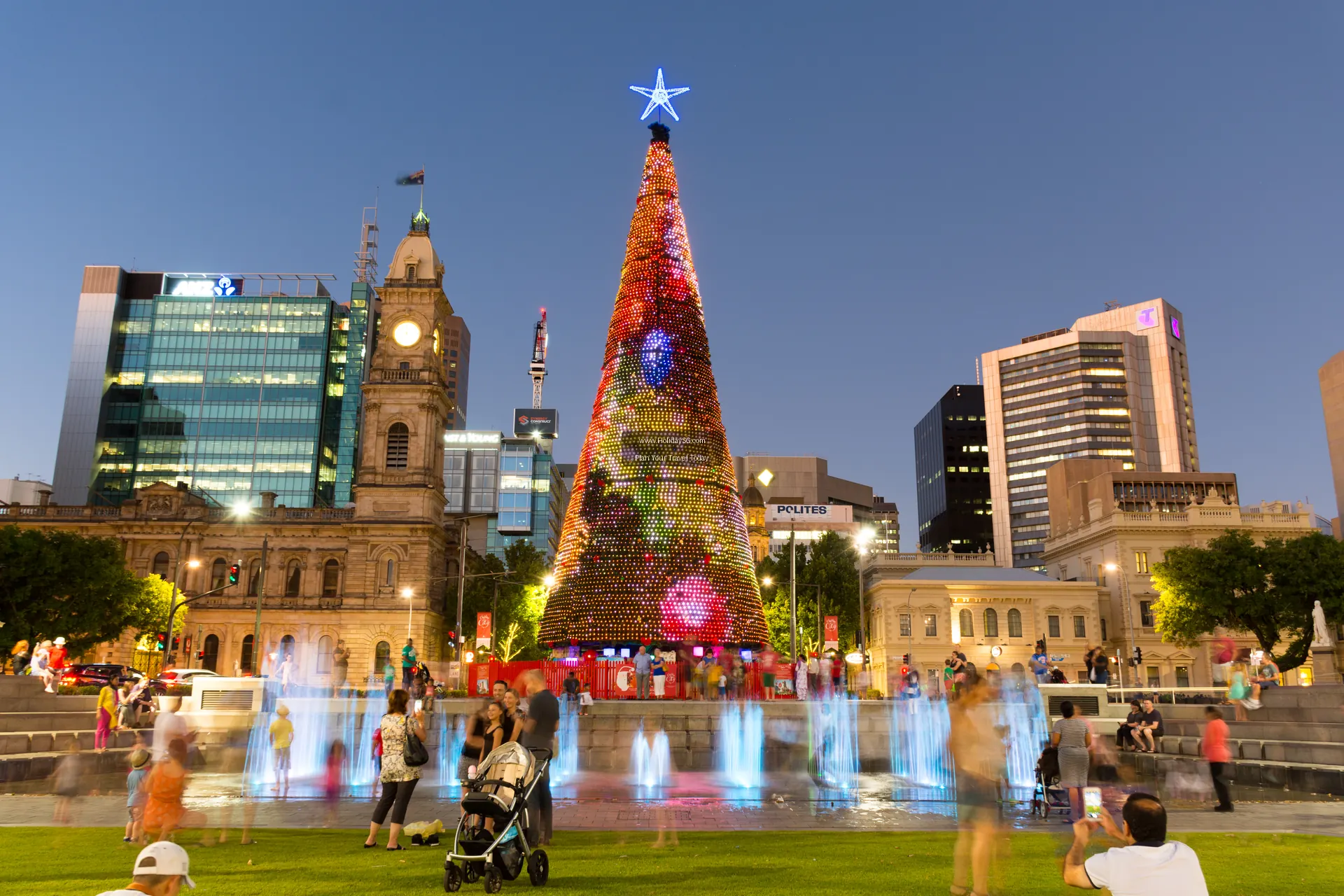

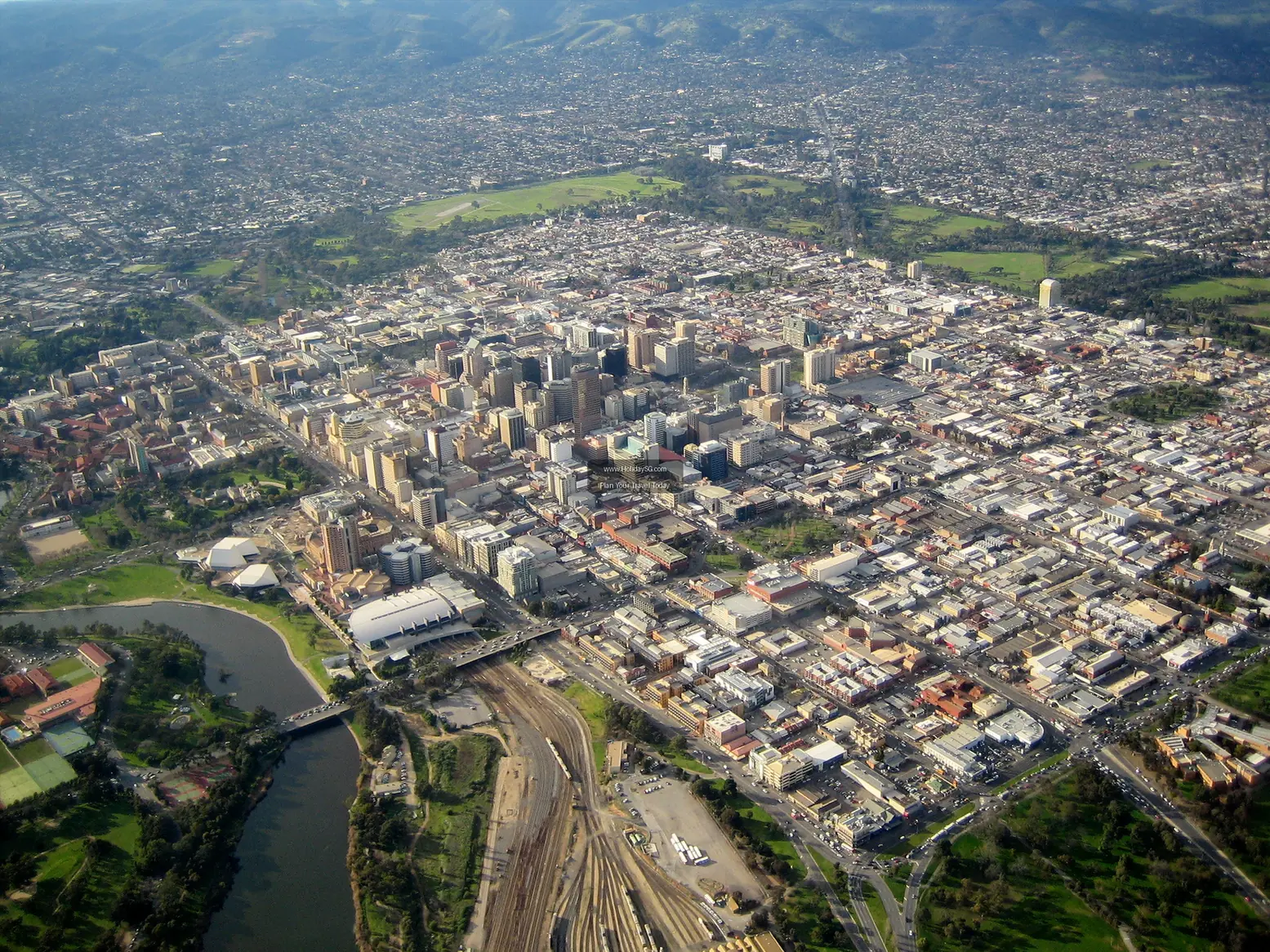

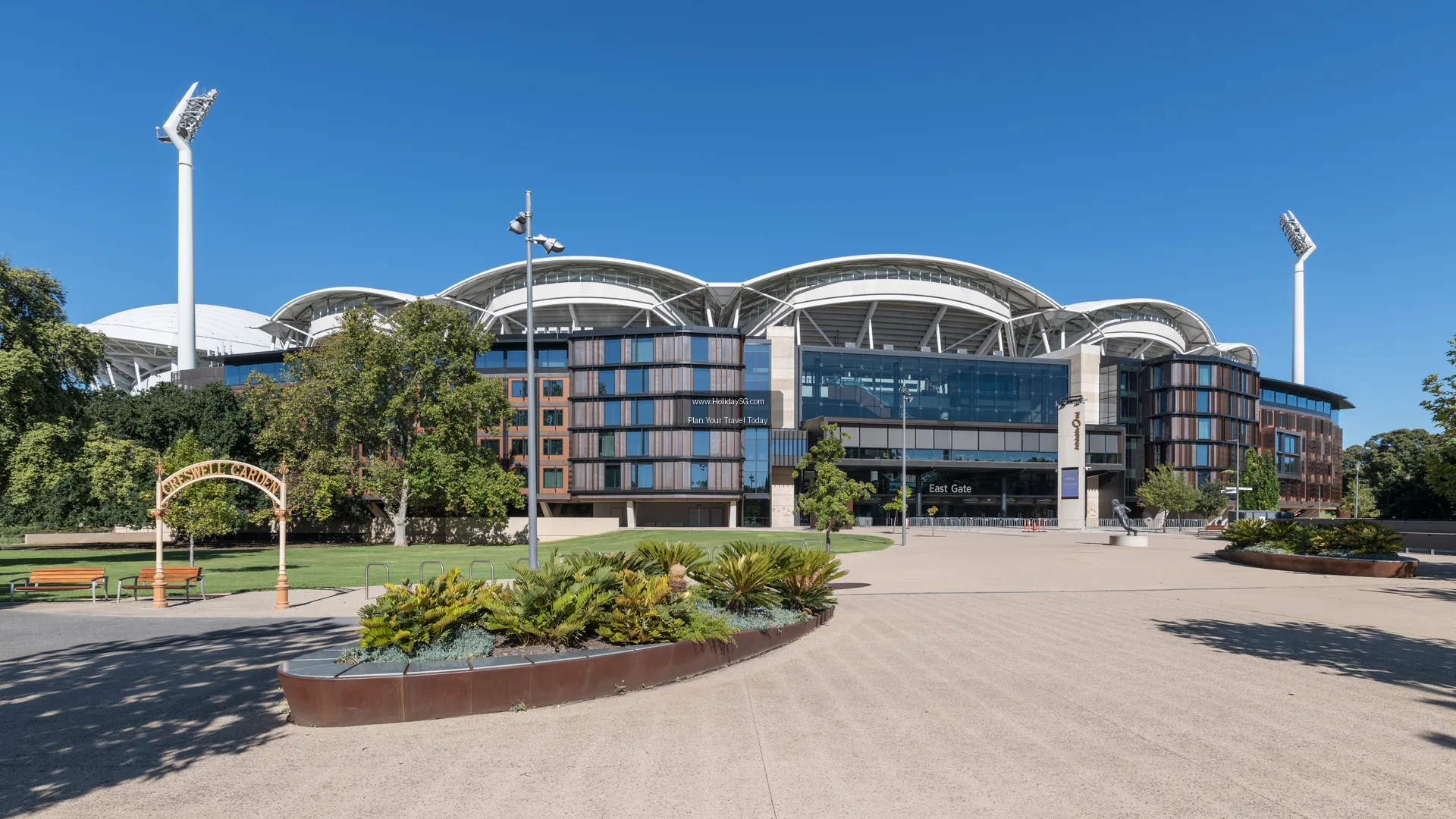
Summer (December–February): Sun, Surf, and Festivals
Australia’s peak season coincides with summer, drawing crowds to coastal hotspots like Bondi Beach and the Whitsundays. Temperatures soar (often above 30°C/86°F), making it ideal for beach hopping, outdoor festivals, and water activities. However, this is also the wet season in northern Queensland and the Northern Territory, bringing humidity, rain, and the risk of cyclones. If you’re heading to the Great Barrier Reef or Daintree Rainforest, expect lush landscapes but also stinger season (November–May), when jellyfish make swimming hazardous without protective gear.
Pros: Long daylight hours, vibrant atmosphere, perfect for road trips.
Cons: High prices, crowded attractions, extreme heat in the Outback.
Autumn (March–May) and Spring (September–November): The Sweet Spot
Shoulder seasons offer the best balance of pleasant weather, fewer crowds, and lower prices. Autumn brings mild temperatures (15–25°C/59–77°F) to southern cities like Melbourne and Adelaide, while spring paints the countryside in wildflowers (especially in Western Australia). This is prime time for wildlife spotting—whale watching in Hervey Bay (August–October) or kangaroo encounters in Kangaroo Island.
Pros: Comfortable weather, cheaper flights/accommodation, ideal for hiking and road trips.
Cons: Some remote areas (e.g., Uluru) may still be hot in early autumn.
Winter (June–August): Outback Adventures and Cosy Cities
Winter is low season in most of Australia, but it’s the best time to explore the Red Centre. Uluru and the Outback enjoy cool, dry days (20–25°C/68–77°F), perfect for hiking and stargazing. Meanwhile, southern cities like Sydney and Melbourne experience crisp mornings (8–16°C/46–61°F) and fewer tourists. Ski enthusiasts can hit the slopes in the Snowy Mountains, while northern Queensland offers dry, sunny weather for reef trips.
Pros: Budget-friendly, ideal for Outback and wildlife tours.
Cons: Some beach destinations (e.g., Byron Bay) may feel chilly.
Top Attractions: Must-Visit Destinations in Australia
Sydney: Where Icons Meet the Ocean
No trip to Australia is complete without Sydney. Start with the Sydney Opera House—book a tour or catch a show to appreciate its architectural genius. Walk across the Harbour Bridge (or climb it for panoramic views) before heading to Bondi Beach for a surf lesson or coastal walk to Coogee. For nature lovers, Taronga Zoo offers stunning harbour views, while the Royal Botanic Garden is a peaceful escape in the city centre.
Pro Tip: Save on entry fees with the Ultimate Sydney Attractions Pass, which bundles top sights like the Opera House and BridgeClimb.
Melbourne: Culture, Coffee, and Coastal Drives
Melbourne is Australia’s artsy, foodie capital. Explore Federation Square, then wander the city’s famous laneways (like Hosier Lane for street art) for a caffeine fix at a hidden café. Don’t miss the Great Ocean Road, a scenic drive featuring the Twelve Apostles and Loch Ard Gorge. For wildlife, Phillip Island’s penguin parade at sunset is a must.
Local Insight: Join the Ultimate Melbourne Walking Tour to dive into the city’s history and hidden gems with a local guide.
The Great Barrier Reef: A Marine Wonderland
The world’s largest coral reef system is a bucket-list experience. Cairns and Port Douglas are the main gateways, offering snorkeling and diving trips to vibrant coral gardens teeming with marine life. For a more secluded escape, the Whitsunday Islands boast Whitehaven Beach’s silica sand and luxury resorts. Opt for a multi-day liveaboard tour to explore outer reefs, or take a scenic helicopter flight for a bird’s-eye view.
Eco-Tip: Choose reef operators with EcoTourism Australia certification to minimise your impact.
Uluru and the Red Centre: Sacred Landscapes
Uluru (Ayers Rock) is more than just a rock—it’s a deeply spiritual site for the Anangu people. Watch the monolith glow red at sunrise or sunset, then join a cultural tour to learn about Indigenous traditions and Dreamtime stories. Nearby Kata Tjuta (The Olgas) offers equally breathtaking hikes, like the Valley of the Winds.
Respectful Travel: Climbing Uluru has been banned since 2019 to honour its cultural significance.
Tasmania: Wilderness and Wildlife
Tasmania is Australia’s wild island, where rugged mountains meet pristine beaches. Hike to Wineglass Bay in Freycinet National Park, spot wombats and Tasmanian devils on Maria Island, or explore the surreal landscapes of Cradle Mountain. Art lovers shouldn’t miss MONA (Museum of Old and New Art), a provocative contemporary gallery in Hobart.
Western Australia: Remote Beauty
Western Australia feels like another country—vast, untouched, and full of surprises. Meet the smiling quokkas on Rottnest Island, snorkel with whale sharks at Ningaloo Reef, or marvel at the lunar-like Pinnacles Desert. The Kimberley region offers epic adventures, from cruising the Horizontal Falls to swimming in Mitchell Falls.
Queensland’s Rainforests and Beaches
Beyond the reef, Queensland boasts the Daintree Rainforest, the world’s oldest tropical rainforest. Walk among ancient trees in Mossman Gorge, then head to Cape Tribulation, where the rainforest meets the reef. For beach lovers, the Gold Coast and Byron Bay offer surfing, nightlife, and laid-back vibes.
Kangaroo Island: Wildlife Haven
Often called “Australia’s Galápagos,” Kangaroo Island is a wildlife paradise. See sea lions at Seal Bay, koalas in Flinders Chase National Park, and kangaroos grazing at dusk. Don’t miss the Remarkable Rocks, wind-sculpted granite formations perched on cliffs.
Budgeting for Australia: Costs and Money-Saving Tips
Australia isn’t cheap, but smart planning can stretch your budget. Here’s what to expect:
Accommodation: From Hostels to Luxury
- Hostels: $30–$80 AUD/night (dorms or budget private rooms).
- Mid-range hotels: $150–$250 AUD/night (e.g., boutique hotels or serviced apartments).
- Luxury: $400+ AUD/night (5-star hotels, resorts, or glamping in the Outback).
Save Money:
Food: Eating on a Budget
- Street food/cafés: $10–$20 AUD (e.g., meat pies, fish and chips, or a café breakfast).
- Mid-range restaurants: $25–$50 AUD per meal (e.g., pub meals or Asian fusion).
- Fine dining: $80+ AUD (e.g., degustation menus or waterfront dining).
Local Tip: Visit farmers’ markets (like Queen Victoria Market in Melbourne) for fresh, affordable produce.
Transportation: Getting Around
- Public transport: $3–$10 AUD per trip (use an Opal Card in Sydney or Myki in Melbourne).
- Domestic flights: $100–$300 AUD (book early with Jetstar or Virgin Australia).
- Car rental: $50–$150 AUD/day (4WD recommended for the Outback).
- Fuel: ~$1.80–$2.20 AUD per litre (fill up in towns before remote drives).
Pro Tip: For seamless connectivity, grab an eSIM with unlimited data before you arrive—no need to hunt for a local SIM.
Attractions and Activities
- Entry fees: $20–$50 AUD (e.g., museums, national parks).
- Tours: $100–$250 AUD (e.g., Great Barrier Reef snorkeling, Uluru sunset tour).
- Adventure activities: $150–$400 AUD (e.g., skydive in Byron Bay, hot air balloon ride in the Hunter Valley).
Total Daily Budget (Excluding Flights):
- Budget traveler: $100–$150 AUD (hostels, public transport, cooking meals).
- Mid-range traveler: $200–$350 AUD (hotels, some tours, dining out).
- Luxury traveler: $400+ AUD (resorts, fine dining, private tours).
Visa Requirements: What You Need to Enter Australia
Australia’s visa system is straightforward, but requirements vary by nationality. Here’s what you need to know:
Electronic Travel Authority (ETA)
- Eligibility: Citizens of the US, UK, Canada, Singapore, and other eligible countries.
- Cost: $20 AUD.
- Validity: Up to 1 year, with stays of up to 3 months per visit.
- Processing Time: Instant (apply online via the Australian ETA app).
eVisitor Visa (Subclass 651)
- Eligibility: EU citizens.
- Cost: Free.
- Validity: Up to 1 year, with stays of up to 3 months per visit.
- Processing Time: Instant (apply online).
Visitor Visa (Subclass 600)
- Eligibility: Travelers from non-ETA/eVisitor countries.
- Cost: $150 AUD.
- Validity: Up to 3, 6, or 12 months (single or multiple entries).
- Processing Time: 2–4 weeks (apply online).
Working Holiday Visa (Subclass 417/462)
- Eligibility: Travelers aged 18–30 (or 35 for some countries).
- Cost: $635 AUD.
- Validity: 1 year (extendable to 2 or 3 years with specified work).
- Work Rights: Allows part-time or casual work to fund your travels.
Pro Tip: Apply for your visa at least 2–4 weeks before departure to avoid delays.
Getting Around Australia: Transportation Tips
Australia’s vastness means you’ll likely use a mix of transport modes. Here’s how to navigate efficiently:
Domestic Flights
- Best for: Long distances (e.g., Sydney to Perth, Melbourne to Cairns).
- Airlines: Qantas, Virgin Australia, Jetstar (budget option).
- Tips: Book 2–3 months in advance for a great selection of. Major hubs include Sydney, Melbourne, Brisbane, and Perth.
Train Travel
- Best for: Scenic journeys and avoiding long drives.
- Iconic Routes:
- The Ghan: Adelaide to Darwin (3 days, Outback landscapes).
- Indian Pacific: Sydney to Perth (4 days, crossing the Nullarbor Plain).
- Tips: Book early for discounts, and opt for a sleeper cabin for comfort.
Car Rentals and Road Trips
- Best for: Exploring remote areas (e.g., Outback, Tasmania, Great Ocean Road).
- Tips:
- Rent a 4WD for the Outback or Tasmania’s wilderness.
- Compare prices on platforms like Rentalcars.com or DriveNow.
- Watch for wildlife on roads, especially at dawn/dusk.
- Fill up fuel in towns—remote areas have limited stations (e.g., Nullarbor Plain).
Public Transport in Cities
- Sydney: Opal Card (tap on/off for trains, buses, ferries).
- Melbourne: Myki Card (trams, trains, buses).
- Brisbane: Go Card (trains, buses, ferries).
- Perth: SmartRider Card (trains, buses).
Pro Tip: Use apps like Google Maps or Citymapper for real-time transit updates.
Driving in Australia: Rules and Safety
- License: Valid foreign license (in English) or International Driving Permit (IDP).
- Road Rules:
- Drive on the left side of the road.
- Speed limits are strictly enforced (50–60 km/h in cities, 100–110 km/h on highways).
- Zero tolerance for alcohol (0.05% BAC limit).
- Outback Driving:
- Carry extra water, food, and a spare tyre.
- Let someone know your route and expected arrival time.
- Avoid driving at night (wildlife hazards).
Safety and Health: Staying Protected in Australia
Australia is generally safe, but its unique environment requires some precautions.
Sun Protection: Australia’s Harsh UV
- Why it matters: Australia has one of the highest UV indexes in the world due to its proximity to the ozone hole.
- Tips:
- Wear SPF 50+ sunscreen and reapply every 2 hours.
- Use a wide-brimmed hat and UV-protective sunglasses.
- Seek shade between 10 AM–4 PM.
Wildlife Safety: Respect the Locals
- Snakes and spiders: Most are shy and non-aggressive. Wear closed-toe shoes in bushland and avoid sticking hands in crevices.
- Jellyfish: Swim in stinger nets (November–May in northern Queensland) or wear a stinger suit.
- Marine hazards: Check for rip currents at beaches and avoid touching coral or marine life.
Emergency Services and Travel Insurance
- Emergency number: 000 (police, fire, ambulance).
- Travel insurance: Highly recommended—covers medical emergencies (Australia’s healthcare is expensive for non-residents), trip cancellations, and adventure activities (e.g., diving, hiking).
Water and Food Safety
- Tap water: Safe to drink in cities.
- Remote areas: Carry at least 2 litres of water per person per day (e.g., Outback hikes).
- Food: Stick to reputable restaurants and avoid raw seafood in tropical areas.
Cultural Etiquette: Respecting Local Customs
Australians are laid-back, but a little cultural awareness goes a long way.
Indigenous Culture: Sacred Sites and Traditions
- Uluru and Kata Tjuta: These sites are sacred to the Anangu people. Do not climb Uluru (banned since 2019), and avoid taking photos of certain areas.
- Rock art: Never touch or disturb Aboriginal rock art (e.g., in Kakadu or the Kimberley).
- Cultural tours: Join a guided tour led by Indigenous rangers for authentic insights.
Tipping and Dining
- Tipping: Not mandatory, but appreciated (10% in restaurants if service is good).
- BYO (Bring Your Own): Some restaurants allow you to bring your own alcohol (check for corkage fees).
Greetings and Social Norms
- Casual greetings: “G’day” or “How ya going?” are common. Handshakes are standard for first meetings.
- Beach etiquette: Swim between the red and yellow flags at patrolled beaches. Avoid alcohol on public beaches in some areas (e.g., Sydney).
Environmental Responsibility
- Leave No Trace: Pack out all trash, especially in national parks.
- Reef-safe sunscreen: Use mineral-based sunscreen (zinc oxide or titanium dioxide) to protect coral reefs.
- Wildlife: Never feed animals (even the cute quokkas on Rottnest Island!).
Sample Itineraries: Tailoring Your Australia Trip
1-Week Highlights: Sydney, Reef, and Melbourne
- Day 1–3: Sydney – Opera House, Bondi Beach, Harbour Bridge climb.
- Day 4–5: Cairns/Great Barrier Reef – Snorkeling day trip or Whitsunday Islands cruise.
- Day 6–7: Melbourne – Great Ocean Road, laneway cafés, and Phillip Island penguins.
2-Week Classic Route: East Coast and Outback
- Day 1–3: Sydney – Icons and coastal walks.
- Day 4: Blue Mountains – Hiking and scenic views.
- Day 5–6: Brisbane/Gold Coast – Surfing and theme parks.
- Day 7–9: Cairns/Great Barrier Reef – Reef snorkeling and Daintree Rainforest.
- Day 10–11: Uluru – Sunset viewing and cultural tour.
- Day 12–14: Melbourne – City culture and coastal drives.
3-Week Comprehensive Trip: East Coast, Outback, and Tasmania
- Day 1–3: Sydney – Start with the classics.
- Day 4–5: Byron Bay – Surfing and hinterland waterfalls.
- Day 6: Brisbane – Lone Pine Koala Sanctuary.
- Day 7–8: Fraser Island – 4WD adventure and Lake McKenzie.
- Day 9–10: Whitsunday Islands – Whitehaven Beach and sailing.
- Day 11–13: Cairns/Daintree – Reef and rainforest.
- Day 14–15: Uluru – Outback landscapes.
- Day 16: Adelaide – Wine region day trip.
- Day 17–18: Great Ocean Road – Twelve Apostles and coastal drives.
- Day 19–21: Melbourne – Finish with culture and coffee.
Adventure-Focused: Western Australia and the Outback
- Day 1–2: Perth – Rottnest Island and Kings Park.
- Day 3–4: Ningaloo Reef – Snorkel with whale sharks.
- Day 5–6: Broome – Cable Beach and camel rides.
- Day 7–10: Kimberley – Bungle Bungles, Mitchell Falls, and Indigenous culture.
- Day 11–12: Darwin – Mindil Beach markets.
- Day 13–15: Kakadu National Park – Waterfalls and rock art.
Unique Experiences and Hidden Gems
Lord Howe Island: A Secluded Paradise
A UNESCO-listed island 600 km off the NSW coast, Lord Howe boasts pristine beaches, world-class diving, and a limit of 400 visitors at a time. Hike Mount Gower for panoramic views or kayak to the Admiralty Islands.
Flinders Ranges: Outback Stargazing
South Australia’s Flinders Ranges offer ancient landscapes, Aboriginal rock art, and some of the world’s clearest night skies. Join a guided tour to learn about the Adnyamathanha people’s Dreamtime stories.
Maria Island: Tasmania’s Wildlife Sanctuary
This car-free island is a haven for wombats, Tasmanian devils, and birdlife. Explore convict ruins, hike to the Painted Cliffs, or cycle the scenic trails.
The Kimberley: Remote Gorges and Waterfalls
Western Australia’s Kimberley is one of the last true wildernesses. Cruise the Horizontal Falls, swim under Mitchell Falls, or marvel at Windy Creek Gorge’s red cliffs.
Wine Regions: Sip and Savor
- Barossa Valley (SA): Shiraz capital of the world.
- Hunter Valley (NSW): Semillon and gourmet food.
- Margaret River (WA): Cabernet Sauvignon and coastal vineyards.
Festivals and Events
- Vivid Sydney (May–June): Light, music, and ideas festival.
- Melbourne Cup (November): “The race that stops a nation.”
- Dark Mofo (Tasmania, June): Winter solstice festival with art and fire.
- Byron Bay Bluesfest (April): Legendary music festival.
Packing Essentials: What to Bring
Clothing
- Summer: Lightweight, breathable fabrics (linen, cotton), swimwear, sandals, and a wide-brimmed hat.
- Winter (south): Layers (jumpers, jacket), scarf, and closed-toe shoes.
- Outback: Long sleeves/pants (sun and insect protection), sturdy hiking boots.
- Rainforest: Quick-dry clothing, rain jacket, and waterproof shoes.
Gear
- Reusable water bottle (stay hydrated in the Outback).
- Power adapter (Australia uses Type I plugs, 230V).
- Portable charger (for long road trips).
- Waterproof phone case (for reef snorkeling).
- Daypack (for hikes and beach trips).
Health and Safety
- Prescription medications (with a doctor’s note).
- Motion sickness tablets (for boat/road trips).
- Insect repellent (DEET or picaridin for tropical areas).
- First-aid kit (bandages, antiseptic, blister plasters).
Documents
- Passport (6+ months validity).
- Printed visa confirmation.
- Travel insurance policy.
- Driver’s license/IDP (if renting a car).
- Credit/debit cards (notify your bank of travel plans).
Sustainable Travel: Protecting Australia’s Beauty
Australia’s ecosystems are fragile, so travel responsibly to minimise your impact.
Eco-Friendly Tours and Accommodations
- Look for EcoTourism Australia-certified operators (e.g., reef tours that follow sustainable practices).
- Stay in eco-lodges or carbon-neutral hotels.
Reef-Safe Practices
- Use mineral-based sunscreen (avoid oxybenzone and octinoxate).
- Choose low-impact reef tours (e.g., those that anchor away from coral).
Supporting Indigenous Communities
- Buy authentic Indigenous art from certified galleries (e.g., Aboriginal-owned cooperatives).
- Join cultural tours led by Indigenous guides.
Reducing Plastic Waste
- Carry a reusable bag, water bottle, and utensils.
- Avoid single-use plastics (e.g., straws, takeaway containers).
Wildlife Encounters
- Visit ethical wildlife sanctuaries (e.g., avoid places that offer koala cuddles or tiger selfies).
- Observe animals from a safe distance and never feed them.
FAQs: Common Traveler Questions
Is Australia expensive?
Yes, but you can travel on a budget. Hostels, public transport, and free attractions (like beaches and hikes) help cut costs. Book flights and tours in advance for the best deals.
How much time do I need to explore Australia?
- 1 week: Focus on one region (e.g., Sydney + Blue Mountains or Melbourne + Great Ocean Road).
- 2 weeks: Cover highlights (e.g., Sydney, Great Barrier Reef, Uluru, Melbourne).
- 3–4 weeks: Explore deeper (e.g., Tasmania, Western Australia, or the Outback).
Can I drive in Australia with a foreign license?
Yes, for up to 3–6 months (varies by state). If your license isn’t in English, carry an International Driving Permit (IDP).
What’s the best way to see the Great Barrier Reef?
- Day trips: From Cairns or Port Douglas (snorkeling/diving).
- Multi-day tours: Liveaboard boats for remote reefs.
- Island hopping: Whitsunday Islands (Whitehaven Beach, Hamilton Island).
Are there dangerous animals in Australia?
Most are harmless if left alone. Be cautious of:
- Jellyfish (stinger season in northern Queensland).
- Snakes and spiders (wear closed-toe shoes in bushland).
- Marine hazards (rip currents, sharks—swim between the flags).
Do I need vaccinations for Australia?
No mandatory vaccines, but ensure routine vaccinations (e.g., tetanus, hepatitis A/B) are up to date. Check with a travel clinic for personal health needs.
What’s the deal with “drop bears”?
A humorous Aussie myth! There are no “drop bears” (koalas are harmless and don’t attack).
Recommended HolidaySG Tours
Planning your Australia trip? These curated experiences will help you make the most of your visit:
- Esim Australia New Zealand Esim Aussie Big Data
- Ultimate Sydney Attractions Pass
- Ultimate Melbourne Walking Tour History Laneways Culture
- Ultimate Wildlife Experience Cruise
Final Tips for an Unforgettable Australia Trip
- Book early: Flights, accommodations, and popular tours (e.g., Uluru, Great Barrier Reef) fill up fast, especially in peak season.
- Embrace the outdoors: Australia’s natural beauty is its biggest draw—hike, snorkel, and road trip as much as possible.
- Connect with locals: Aussies are friendly and love sharing tips. Strike up a conversation at a pub or café.
- Stay flexible: Some of the best experiences are unplanned—leave room for spontaneous detours.
- Travel sustainably: Protect Australia’s ecosystems for future generations by following eco-friendly practices.
Conclusion: Why Australia Should Be on Your Bucket List
Australia is more than just a destination—it’s a journey through diverse landscapes, rich cultures, and unforgettable adventures. Whether you’re sipping coffee in Melbourne’s laneways, snorkeling with turtles on the Great Barrier Reef, or watching the sunrise over Uluru, this country will leave you awe-struck. With The Ultimate Australia Travel Guide (2026), you’re ready to plan a trip that’s as unique as you are. Start dreaming, start planning, and get ready to explore the Land Down Under!
Ready to stay connected on your adventure? Grab your Esim Australia New Zealand Esim Aussie Big Data before you go!
Book with HolidaySG online for Esim Australia New Zealand Esim Aussie Big Data, Esim Aussie Unlimited Australia New Zealand Travel Sim, Ultimate Wildlife Experience Cruise.
More Photos from HolidaySG
“`html
Frequently Asked Questions
Where can I book the Ultimate Wildlife Experience Cruise?
You can book the Ultimate Wildlife Experience Cruise directly through HolidaySG. This tour offers an immersive wildlife encounter in Cairns, perfect for nature lovers.
Where can I purchase the Ultimate Sydney Attractions Pass?
The Ultimate Sydney Attractions Pass is available for booking on HolidaySG. It provides access to multiple top attractions in Sydney, making it a great value for travelers.
Where can I get the Esim Aussie Unlimited Australia New Zealand Travel Sim?
You can purchase the Esim Aussie Unlimited Australia New Zealand Travel Sim or the Esim Australia New Zealand Esim Aussie Big Data through HolidaySG. These eSIMs ensure you stay connected during your trip with reliable data coverage.
Do foreigners (non-citizens) need a different ticket, price, or visa for Australia?
Foreigners visiting Australia generally require a visa, unless they are from a visa-exempt country. Prices for attractions and tours are typically the same for all visitors, but some experiences may offer discounts for children, seniors, or locals. Visa requirements can change, so it’s best to check the official Australian Government immigration website for the most up-to-date information before traveling.
What is the best time to visit Australia?
The best time to visit Australia depends on the regions you plan to explore. Generally, September to November (spring) and March to May (autumn) offer pleasant weather across most of the country. For the Great Barrier Reef, visit between June and October for ideal diving conditions, while Sydney and Melbourne are best enjoyed in spring or autumn to avoid extreme heat or cold.
What is the best time of day for the Ultimate Melbourne Walking Tour?
The Ultimate Melbourne Walking Tour is best enjoyed in the morning or late afternoon. Morning tours (around 9 AM) offer cooler temperatures and fewer crowds, while late afternoon tours (around 3 PM) provide a charming atmosphere as the city lights begin to glow. Avoid midday tours in summer, as Melbourne can get quite hot.
How long should I spend in Australia?
The ideal duration for an Australia trip depends on your interests and the regions you want to explore. A well-rounded itinerary covering Sydney, Melbourne, the Great Barrier Reef, and the Outback typically requires 3 to 4 weeks. If you have limited time, focus on one or two regions, such as 7-10 days for Sydney and the Blue Mountains or 10-14 days for a Queensland adventure (Cairns, the Reef, and the Daintree).
Is Australia family-friendly?
Absolutely! Australia is a fantastic destination for families, with plenty of kid-friendly attractions like Sydney’s Taronga Zoo, Melbourne’s Luna Park, and the Gold Coast’s theme parks (Dreamworld, Warner Bros. Movie World). Many tours, such as wildlife cruises and guided walks, are designed to be engaging for children. Just ensure you plan activities that suit your family’s pace and interests.
What is the typical cost of a trip to Australia?
Australia is a mid-to-high-range travel destination. Budget travelers can expect to spend around AUD $100-150 per day, covering hostels, public transport, and inexpensive meals. Mid-range travelers (staying in 3-4 star hotels, dining at restaurants, and taking tours) should budget AUD $200-300 per day. Luxury travelers can spend AUD $400+ per day. Flights, tours, and attractions like the Ultimate Sydney Attractions Pass can add to the cost, so plan accordingly.
How do I get around Australia?
Australia is vast, so the best way to get around depends on your itinerary. Domestic flights are efficient for long distances (e.g., Sydney to Cairns). Trains, such as the Indian Pacific or The Ghan, offer scenic journeys but can be expensive. For shorter distances, buses (Greyhound Australia) and rental cars are popular. In cities, public transport (trains, trams, buses) is reliable and affordable. Consider purchasing an eSIM like the Esim Aussie Unlimited to navigate with ease.
What should I pack for a trip to Australia?
Packing for Australia depends on the season and regions you’re visiting. Essentials include:
- Lightweight, breathable clothing for summer (December-February) and warmer layers for winter (June-August).
- Comfortable walking shoes for city tours and hiking.
- Sunscreen, a hat, and sunglasses (Australia’s UV levels are high).
- A reusable water bottle to stay hydrated.
- Swimwear and a quick-dry towel for beach or reef trips.
- A power adapter (Australia uses Type I plugs, 230V).
- Insect repellent for outdoor activities, especially in tropical areas.
Is Australia safe for travelers?
Australia is generally very safe for travelers, with low crime rates and a well-developed tourism infrastructure. However, take standard precautions like safeguarding your belongings, avoiding isolated areas at night, and being cautious of wildlife (e.g., snakes, spiders) in rural or bushland areas. Natural hazards like rip currents at beaches or extreme weather (e.g., bushfires, cyclones) can pose risks, so always follow local advice and warnings.
What is the weather like in Australia?
Australia’s weather varies significantly by region and season. The northern areas (e.g., Cairns, Darwin) have a tropical climate with wet (November-April) and dry (May-October) seasons. Southern cities like Sydney and Melbourne experience four seasons: warm summers (December-February), mild autumns (March-May), cool winters (June-August), and spring (September-November). The Outback is hot and dry year-round, with cooler nights. Always check the forecast before your trip.
Are there any cultural etiquette tips I should know?
Australians are generally laid-back and friendly, but it’s good to be mindful of local customs:
- Tipping is not mandatory but appreciated for good service (10% in restaurants is common).
- Australians value punctuality, so arrive on time for tours and reservations.
- Respect Indigenous culture by following guidelines at sacred sites (e.g., Uluru).
- Use “please” and “thank you” in interactions—Australians appreciate politeness.
- Swimwear is for the beach or pool; cover up when leaving these areas.
What are some must-try foods in Australia?
Australia’s food scene is diverse, with influences from around the world. Must-try dishes include:
- Vegemite on toast – A salty yeast spread (an acquired taste!).
- Meat pies – A classic Aussie snack, best enjoyed with tomato sauce.
- Barramundi – A delicious native fish, often grilled or pan-fried.
- Lamingtons – Sponge cake coated in chocolate and coconut.
- Pavlova – A meringue-based dessert topped with fruit and cream.
- Flat white – Australia’s famous coffee (similar to a latte but stronger).
For a unique experience, visit local markets like Sydney’s The Rocks or Melbourne’s Queen Victoria Market.
Is Australia accessible for travelers with disabilities?
Australia is relatively accessible, with many attractions, public transport options, and accommodations designed to accommodate travelers with disabilities. Major cities like Sydney and Melbourne have wheelchair-friendly infrastructure, including ramps, accessible public transport, and adapted hotel rooms. However, some natural attractions (e.g., the Great Barrier Reef, Outback trails) may have limited accessibility. Always check with tour operators in advance, such as the Ultimate Melbourne Walking Tour, to confirm accessibility options.
Can I use my mobile phone in Australia?
Yes, but check with your provider about international roaming charges, which can be expensive. A cost-effective alternative is to purchase a local SIM card or eSIM, such as the Esim Australia New Zealand Esim Aussie Big Data or the Esim Aussie Unlimited, which offer reliable coverage and data plans tailored for travelers.
What are some nearby attractions to combine with a Sydney visit?
Sydney is surrounded by incredible day-trip destinations. Some top picks include:
- Blue Mountains – Scenic hikes, waterfalls, and the famous Three Sisters rock formation (2-hour drive or train ride).
- Hunter Valley – Australia’s oldest wine region, perfect for wine tasting and gourmet food (2.5-hour drive).
- Royal National Park – Stunning coastal walks and beaches (1-hour drive or train ride).
- Jervis Bay – Pristine white-sand beaches and dolphin-watching (3-hour drive).
- Featherdale Wildlife Park – Get up close with kangaroos, koalas, and other native animals (45-minute drive).
Consider the Ultimate Sydney Attractions Pass to bundle your Sydney experiences efficiently.
How do I avoid tourist traps in Australia?
To avoid overpriced or underwhelming experiences:
- Research reviews and ratings before booking tours or restaurants.
- Skip the overcrowded Darling Harbour in Sydney and explore lesser-known gems like Barangaroo or Watsons Bay.
- In Melbourne, avoid overpriced laneway cafes—opt for local favorites in suburbs like Fitzroy or St Kilda.
- For the Great Barrier Reef, choose smaller, eco-certified tour operators over large, impersonal boats.
- Book reputable tours like the Ultimate Wildlife Experience Cruise to ensure quality.
What are the best free attractions in Australia?
Australia offers plenty of free attractions that are just as memorable as paid ones:
- Sydney: Bondi to Coogee Coastal Walk, Royal Botanic Garden, and the Art Gallery of NSW.
- Melbourne: Queen Victoria Market (free entry), St Kilda Beach, and the National Gallery of Victoria.
- Brisbane: South Bank Parklands, Mount Coot-tha Lookout, and the Gallery of Modern Art.
- Perth: Kings Park and Botanic Garden, Cottesloe Beach, and the Art Gallery of Western Australia.
- Adelaide: Glenelg Beach, Adelaide Botanic Garden, and the Central Market (free entry).
What are some unique experiences in Australia?
Australia is full of unforgettable experiences beyond the usual tourist trail:
- Swim with whale sharks in Western Australia’s Ningaloo Reef.
- Camp under the stars in the Outback (e.g., Uluru or the Kimberley).
- Take a scenic flight over the Great Barrier Reef or the Twelve Apostles.
- Explore the underground town of Coober Pedy in South Australia.
- Attend a local AFL (Australian Rules Football) game in Melbourne for a true Aussie sporting experience.
- Go on a wildlife cruise, like the Ultimate Wildlife Experience Cruise, to see crocodiles, dolphins, and birdlife up close.
What should I know about driving in Australia?
Driving in Australia is on the left side of the road. Key tips:
- Rent a car from reputable companies and ensure you have a valid license (an International Driving Permit may be required).
- Watch for wildlife, especially at dawn and dusk in rural areas.
- Speed limits are strictly enforced, and random breath tests for alcohol are common.
- Long distances between towns mean you should plan fuel stops and rest breaks.
- In cities, be mindful of toll roads (e.g., Sydney’s M7 or Melbourne’s CityLink)—check if your rental car has an electronic tag or pay online within 24 hours.
“`
What things cost in Australia
Live HolidaySG prices for the experiences in this guide, so you can sanity-check a budget before you commit.
| Experience | Where | From price |
|---|---|---|
| Ballarat Wildlife Park Tickets | Adelaide | From S$18.00 |
| 60 Minute Scenic Hot Air Balloon Flight including Sparkling Wi... | Adelaide | From S$272.92 |
| Adelaide City Kayak Tour | Adelaide | From S$60.95 |
| Darwin Royal Flying Doctor Service | Darwin | From S$14.45 |
| Deep Blue Hot Springs Sanctuary Pass in Warrnambool | Sydney | From S$27.92 |
| Flyboard - Gold Coast Watersports | Gold Coast | From S$148.75 |
| Gold Coast Day Tour | Brisbane | From S$63.75 |
| Gold Coast Escape Room Experience & Bar | Gold Coast | From S$41.65 |