

Things to do in penang when it rains is exactly what this guide covers.
Embracing Rainy Days in Penang
Raindrops on leaves, the gentle patter of water on roofs—rain can transform your travel experience into something truly serene and memorable. When visiting beautiful Penang, you might think that rainy days are nothing but a downer. However, these days offer a unique opportunity to explore some of the island’s most charming and interesting spots in a more relaxed atmosphere. From lush rainforest hikes to tranquil temple retreats, there’s plenty to do when it rains in Penang.
Exploring Penang Rainforest Park
Penang Rainforest Park is one of the best places to soak up nature on a rainy day. The park is home to several well-maintained trails that wind through the lush rainforest, offering you the chance to discover hidden paths and wildlife without getting too wet. While walking along these trails, keep an eye out for towering trees, chirping birds, and perhaps even some playful monkeys. The highlight of your visit should be a visit to the nearby waterfalls. The sound of rushing water and the mist surrounding the falls create a magical atmosphere that is particularly enchanting when it’s raining.

Langkawi Sky Bridge Adventure
Ready to go? Book Tropical Fruit Farm Penang with HolidaySG.
If you’re looking for a thrilling adventure without getting too wet, the Langkawi Sky Bridge offers an exhilarating experience. This suspended bridge stretches across the lush greenery of Penang and provides panoramic views of the entire island. Even on rainy days, the sky bridge remains dry and accessible, allowing you to enjoy stunning island vistas from above. It’s a great place to take some memorable photos and perhaps even challenge yourself with a little zip-lining, if that tickles your fancy.
Kek Lok Si Temple Retreat
For those seeking a peaceful retreat, the iconic Kek Lok Si Temple is an ideal destination. This Buddhist temple is known for its golden spires and tranquil ambiance, making it a perfect spot to spend some quiet time. The temple remains open regardless of weather conditions, allowing you to explore its serene gardens and impressive architecture. Don’t miss out on the chance to indulge in local delicacies at the temple’s food court; it’s an excellent way to sample Penang’s culinary delights.
Penang Hill Scenic Railway Ride
Ready to go? Book Tropical Fruit Farm Penang with HolidaySG.
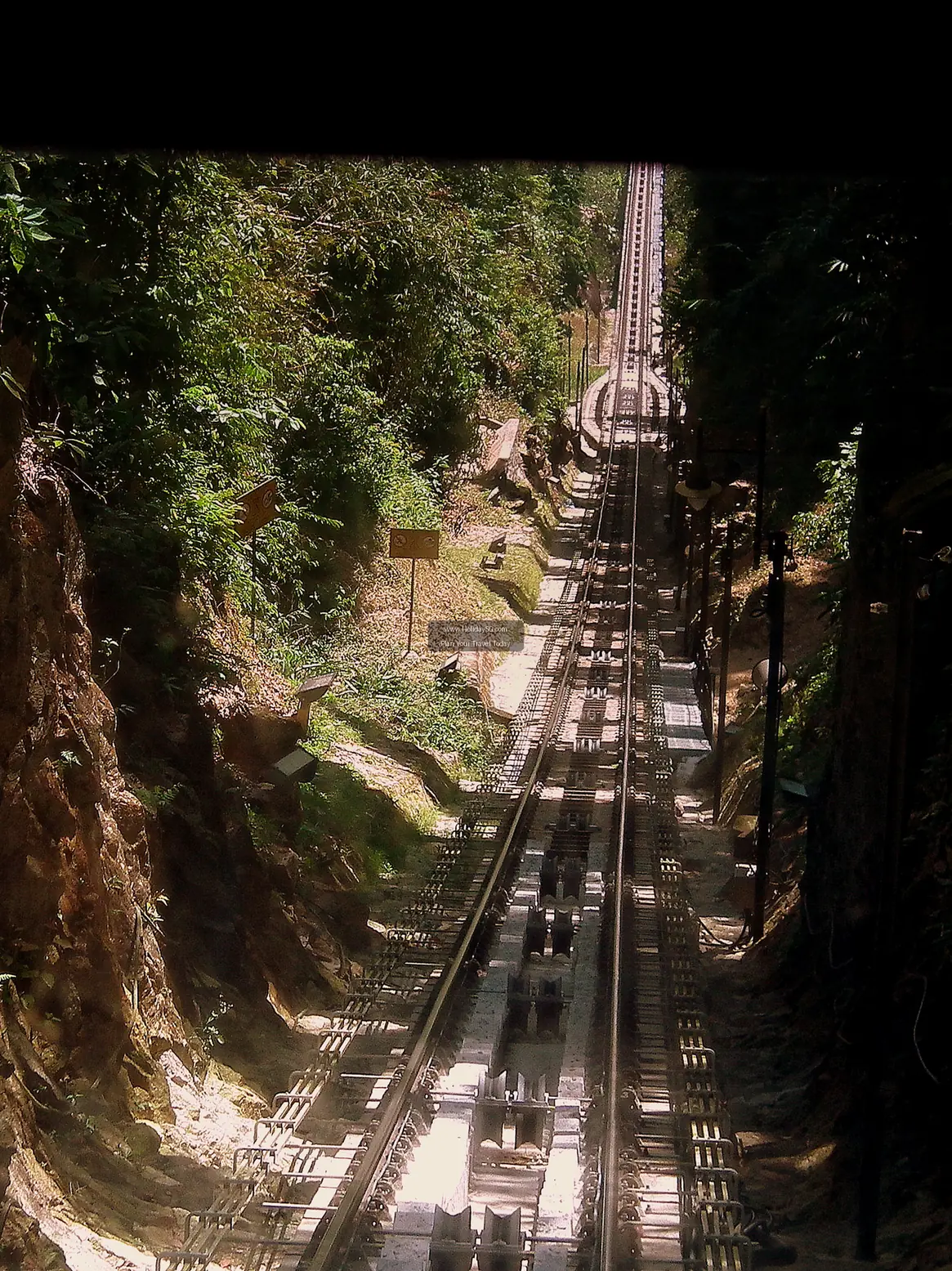
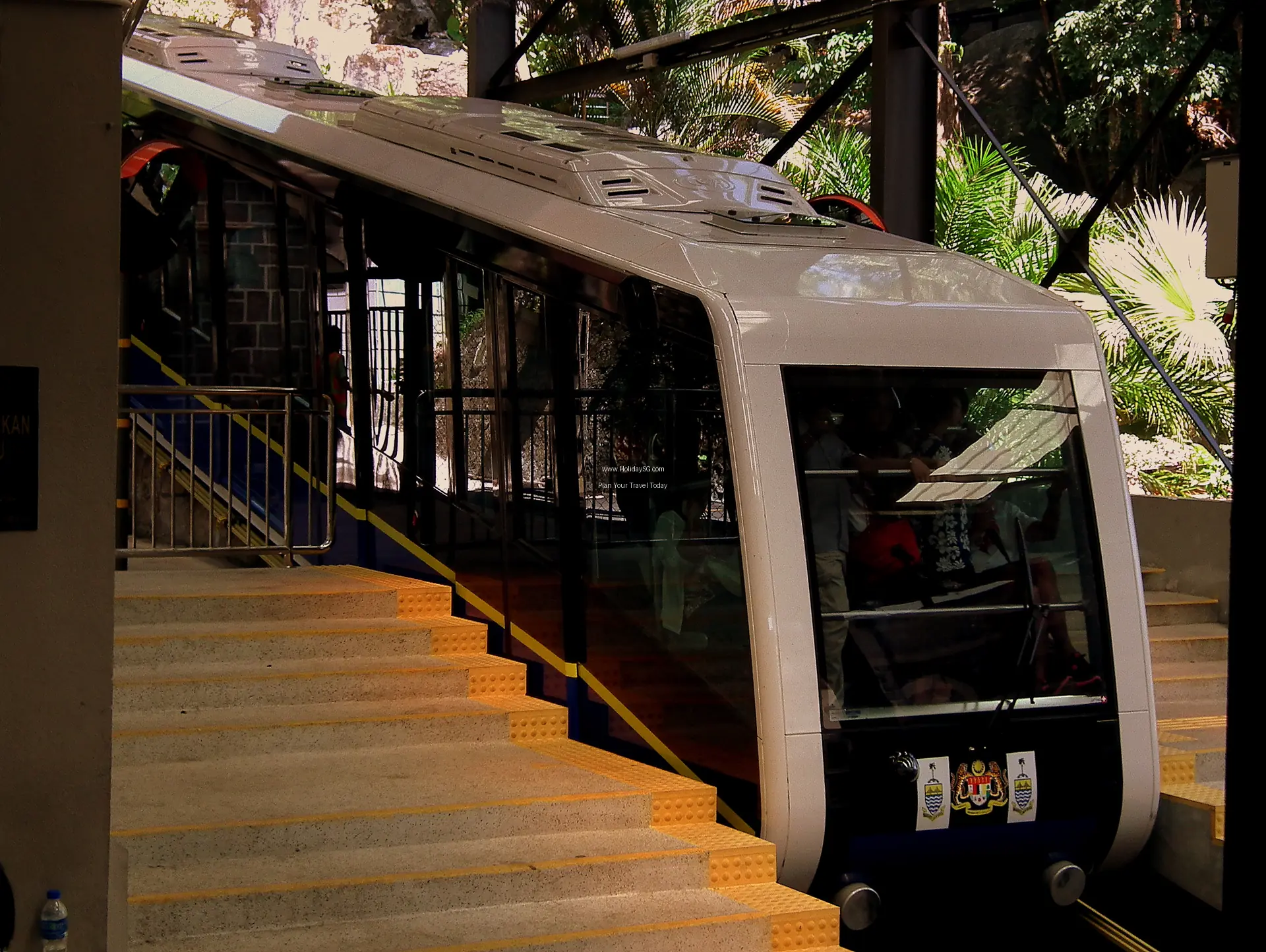
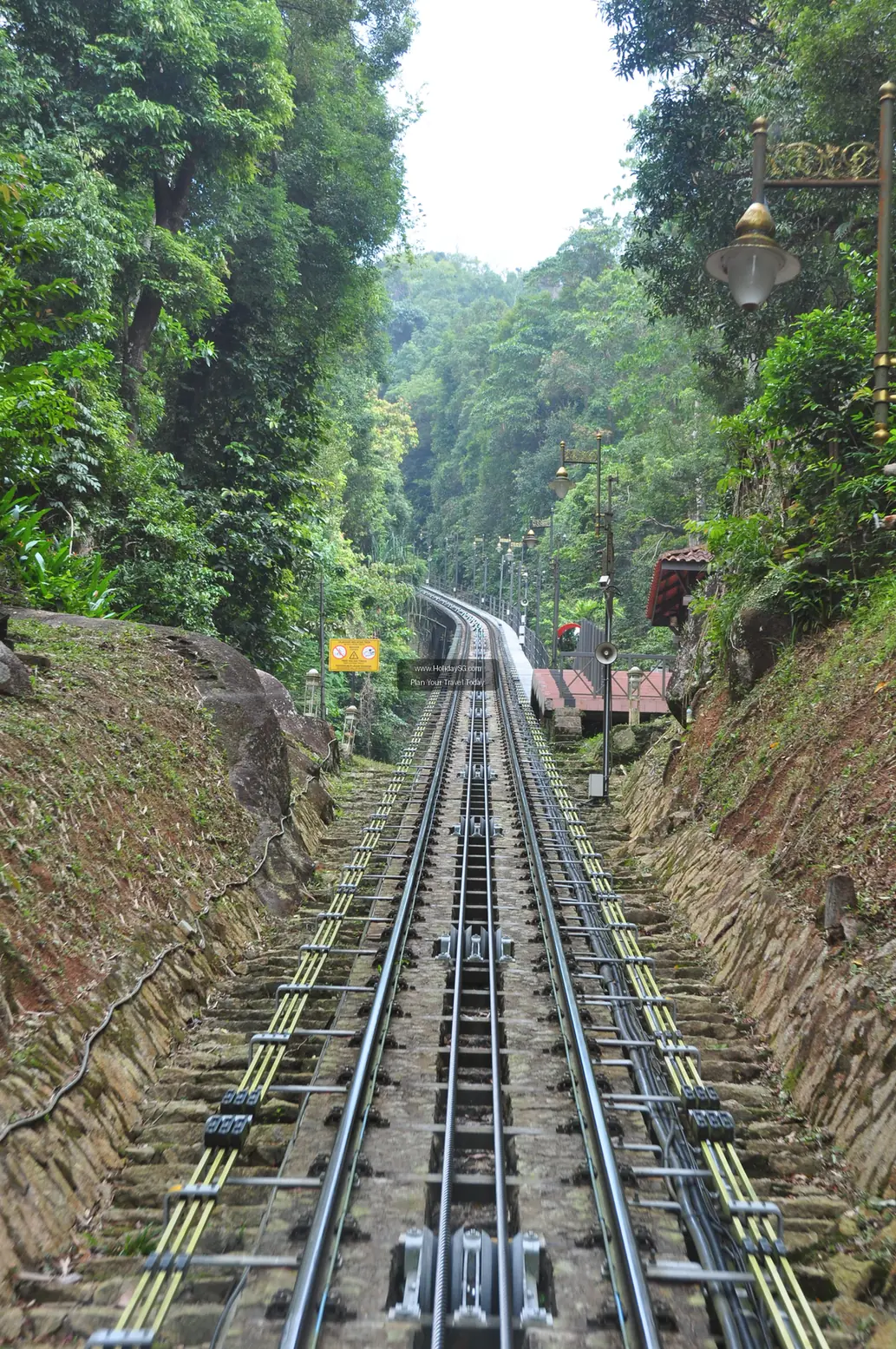
Ascending to the top of Penang Hill via the funicular railway is a must-do activity, regardless of the weather. The ride offers breathtaking views of the island’s lush rainforest canopy and provides a perfect opportunity to experience the changing landscape as you move higher up. On rainy days, you’ll get to enjoy the vibrant greenery up close while staying dry and comfortable in the railway carriage. It’s an ideal way to escape the rain and take in the stunning scenery.
Alley Cat Sanctuary
For a unique experience, visit the Alley Cat Sanctuary where you can interact with rescued alley cats. The sanctuary is located in George Town and offers a safe haven for these feline friends. On rainy days, it’s a peaceful place to relax and learn about their care and rehabilitation.
Tropical Fruit Farm Penang
Ready to go? Book Tropical Fruit Farm Penang with HolidaySG.
Ready to explore? Check out our Tropical Fruit Farm Penang →
Book these with HolidaySG:
- Tropical Fruit Farm Penang
- Penang 3d Trick Art Museum
- Penang Airport To Penang Beach Hotels
- Legoland Theme Park Ticket And Transfer Sic Shared
- Langkawi Airport To Bohor
Book with HolidaySG online for Tropical Fruit Farm Penang, Penang 3d Trick Art Museum, Penang Airport To Penang Beach Hotels.
Frequently Asked Questions
Where can I book this / what’s the link?
For booking Tropical Fruit Farm Penang, you can visit this link. For the Penang 3D Trick Art Museum, use this booking page.
Do foreigners (non-citizens) need a different ticket, price, or visa for Malaysia?
Foreigners typically require a visa to enter Malaysia. The type and cost of the visa depend on your nationality. It’s recommended to check the official Malaysian High Commission or Embassy website for the most accurate and up-to-date information.
What is the best time (season, or time of day for the site/activity) to go?
The best time to visit Penang is generally during the dry season from March to May. This avoids the heavy rains that can occur during the monsoon seasons in November and December.
How long should I spend in Penang?
A minimum of 2-3 days is recommended to fully explore Penang, including its beaches, colonial architecture, and local markets.
What are the typical costs for activities in Penang?
Tropical Fruit Farm Penang tickets typically cost around RM10-20 per person. The Penang 3D Trick Art Museum entry fee is usually around RM5-10. Transportation within Penang can range from RM1-5 depending on the mode and distance.
How do I get to Penang?
Penang can be reached by plane via Kuala Lumpur International Airport or George Town Airport. There are also ferry services from mainland Malaysia, such as from Butterworth. For hotel transfers from Penang Airport, consider booking this service.
Is it family-friendly?
Penang is generally family-friendly, with many attractions suitable for children. Popular spots like the Batu Ferringhi Beach and the Penang Butterfly Farm are great for families looking to enjoy outdoor activities.
What should I pack/bring?
It’s advisable to bring lightweight clothing as Malaysia can be hot and humid, especially during the rainy season. Don’t forget a raincoat or umbrella, sunscreen, insect repellent, and flip-flops for the beach. Additionally, a camera is handy for capturing the island’s beauty.
“`
What things cost in Malaysia
Live HolidaySG prices for the experiences in this guide, so you can sanity-check a budget before you commit.
| Experience | Where | From price |
|---|---|---|
| Cameron Highlands Day Tour from Kuala Lumpur with Lunch (Guide... | Cameron Highlands | From S$76.85 |
| Cameron Highlands and Mossy Forest Half Day Tour | Cameron Highlands | From S$16.53 |
| The Bentong Farm | Bentong | From S$12.00 |
| Awana SkyWay (Formerly known as Genting Highlands Premium Outl... | Genting Highlands | From S$4.00 |
| Blue Ice Skating Rink @ Sunway 163 Mall | Kuala Lumpur | From S$14.00 |
| Breakout Escape Game Avenue K | Kuala Lumpur | From S$13.17 |
| Breakout Escape Game NU Sentral | Kuala Lumpur | From S$13.00 |
Quick answers
- Can you actually do outdoor activities in Penang when it rains? Yes. Rainy season (May to September) brings shorter, intense downpours rather than all-day rain. Most attractions stay open, though hilltop sites like Penang Hill close during heavy storms for safety.
- How much does a typical rainy day activity cost? Entry fees range from 15 to 40 Malaysian ringgit for most indoor and covered attractions. Check official attraction websites for current pricing rather than relying on outdated sources.
- What's the difference between visiting during dry and rainy season? Dry months (November to April) mean fewer crowds at popular spots, but rainy season offers lower accommodation rates and lush scenery. Rain usually falls in afternoon bursts, leaving mornings clear.
- Do I need special gear beyond an umbrella? Waterproof bags for phones and cameras matter more than rain jackets. Penang's humidity means clothing dries quickly indoors, so lightweight layers work better than heavy waterproofs.
Navigating Penang's rainy season weather patterns and timing
Most visitors assume "rainy day" means staying indoors all day, but Penang's tropical downpours follow a rhythm you can work with. The monsoon rains that dominate from May through September typically arrive in the late afternoon, usually between 2 p.m. and 5 p.m., meaning your mornings remain dry and perfect for outdoor exploration.
The northeast monsoon (November to March) brings drier conditions overall, though occasional showers still occur. The southwest monsoon season peaks in August and September when rainfall is heaviest. If you're visiting during these months, plan hilltop activities like Penang Hill Scenic Railway for early morning when visibility is best and rain is least likely. The ground-level attractions such as the Alley Cat Sanctuary or covered markets remain accessible throughout any rainfall.
Here's what many guides don't tell you: humidity spikes immediately after rain, making those post-downpour hours feel uncomfortable if you're walking outdoors. But temperatures drop noticeably, and the island looks freshest right after storms clear. Locals time their errands this way, moving between sheltered spots rather than waiting for rain to stop completely.
Should you avoid visiting Penang during monsoon months?
Not at all. Monsoon season means fewer cruise ship tourists clogging Georgetown's Clan Jetties, accommodation prices drop by 20 to 40 percent, and restaurants aren't packed. You lose some hiking visibility and certain water activities like island tours get cancelled, but temple visits, cave exploration, and cultural spots work fine.
What's the real difference between a "light rain" and actual storms in Penang?
A passing drizzle dries pavement in minutes and barely affects movement. A tropical downpour hammers visibility and turns small streets into temporary streams, but clears within an hour. True storms that close attractions (rare) produce flooding or lightning risk and are announced on local news beforehand. Most rain you'll experience falls into the first two categories.
Indoor and covered rainy day attractions beyond the usual recommendations
Every travel blog mentions temples and the same five indoor spots. But Penang has deeper options that locals actually use when weather turns. The Penang Museum in Georgetown sits in a colonial building where you can spend two hours learning about the island's spice trade, tin mining, and cultural history without feeling rushed. The museum's air-conditioned galleries beat wandering wet streets, and the collection focuses on things people actually care about rather than just artifacts under glass.
Food courts and wet markets offer genuine cultural experiences that most tourists skip. Komtar shopping mall in central Georgetown connects to Georgetown via covered walkways, letting you move between levels without stepping into rain. More interestingly, the Penang Spice Garden (not to be confused with the Tropical Fruit Farm) operates in a covered greenhouse setting where you walk through actual pepper, clove, and nutmeg plants while learning why these spices shaped Penang's history. The humidity inside actually matches the outdoor climate, so you won't feel the shock of sudden air conditioning.
If you're visiting with children or have limited time, the Penang Interactive Museum in George Town offers hands-on exhibits about the island's maritime past. It's smaller and less crowded than major temples, making it practical for rainy mornings. Street art tours also work in rain—local guides know all the covered passages and back alleys where Penang's famous murals hide.
Practical tip: Visit Georgetown's Clan Jetties in late afternoon when tour groups leave. The wooden houses stay dry under overhangs, the light softens beautifully after rain, and you can photograph heritage architecture without crowds.
When rain actually enhances outdoor activities in Penang
Rain transforms some activities rather than ruining them. The Penang Rainforest Park becomes genuinely dramatic after downpours—streams swell, canopy dripping intensifies the sensory experience, and the forest smells richer. If you visit within an hour of rain, most crowds have cleared but trails remain passable. The canopy walk stays safe as long as no active lightning occurs, and the boardwalk sections actually provide better footing when slightly wet than dusty dry conditions.
Waterfall hikes near Penang Hill are objectively better during or just after rain—water volume increases dramatically, making the falls photographable and sounds more impressive. Paths may be slippery, but local guides know exactly where to step and adjust pace accordingly. The air feels fresher and you'll likely see more bird activity as animals move about post-rain.
Even visits to Kek Lok Si Temple gain atmosphere during light rain—the incense smoke hangs lower, creating layered photos, and the temple grounds become meditative rather than hectic. The covered prayer halls mean you can spend time inside without planning around weather.
Which rainy day adventures in Penang actually improve in wet conditions?
Rainforest experiences, waterfall viewings, botanical gardens, and temple photography all gain atmosphere and visual interest. Cave temples like the Thaipusam Cave offer better sound quality when rain echoes through chambers and fewer tourists blocking views. Avoid water sports, boat tours, and hill-station driving during heavy downpours, but these improve or stabilize once rain passes.
Understanding Penang activity ticket prices and current rate options
Prices for Penang attractions vary significantly depending on whether you're foreign-born, a Malaysian citizen, or holding a local ID card. Most major attractions charge tiered pricing—locals pay less than foreign visitors, which is standard practice across Southeast Asia. Rather than listing specific ringgit amounts that change annually, you should check each attraction's official website or gate pricing before visiting. Many now accept digital payments through Malaysian apps (GCash, Touch n Go), which sometimes offers small discounts versus cash payments.
Combination packages exist for some attractions—Penang Hill and the railway often bundle together cheaper than buying separately. Rainy day activities like museum visits typically cost 12 to 35 ringgit per person, while nature-based attractions run 15 to 50 ringgit. Free options include walking Georgetown's heritage streets, visiting some clan temples, and exploring public beaches. Guides at attractions often expect tips rather than included gratuities, so budget an additional 5 to 10 ringgit per guide if you hire one.
Senior discounts (typically 50 percent) apply at most major attractions if you bring proof of age. Children under 6 enter free at most places, while ages 6 to 12 usually receive moderate discounts. Student discounts require valid ID—check what the attraction accepts before visiting.
How do you find current, accurate pricing for Penang's rainy day attractions?
Visit each attraction's official website directly rather than relying on third-party travel sites that rarely update. Call ahead or check social media pages (most Penang attractions maintain Facebook pages with current information). Gate pricing and online pricing sometimes differ, so ask if discounts apply for advance bookings.
Preparing the right gear for rainy day activities in Penang
Most packing advice for tropical rain is generic. Penang-specific needs differ because humidity is your actual problem, not just moisture. A compact umbrella matters more than a full-sized one—Georgetown's narrow shophouse passages, crowded temples, and tight market aisles make large umbrellas frustrating. Lightweight, quick-dry synthetic pants beat jeans; they dry within hours of air-conditioned indoor time. Cotton absorbs sweat and rain, staying damp all day in Penang's humidity.
Waterproof bags for electronics are essential if you're visiting the Penang Rainforest Park or taking boat tours—not for rain protection but for constant dripping from wet trees and splashes. Phone cases that seal matter more than waterproof jackets. Bring a small towel or chamois cloth to wipe down phones and cameras between shots; condensation builds inside cases faster than water gets in.
Footwear deserves real thought. Closed-toe sneakers with good grip handle wet trails at the Rainforest Park and muddy areas around Penang Hill. Open sandals or flip-flops work fine for indoor activities and shopping—you'll change into dry ones from your bag anyway. Avoid canvas shoes that stay soggy for hours. Waterproof hiking boots are overkill for Penang and uncomfortable in humidity.
Pack twice as many socks as you think you need. Moisture builds even indoors, and changing into dry socks improves comfort disproportionately. A lightweight rain poncho (not a jacket) works better than raincoats for moving between temples and attractions—it covers your bag too and packs into nothing.
What specific items should you pack differently for Penang rain versus other tropical destinations?
Penang's humidity means breathability matters more than waterproofing. Bring moisture-wicking layers rather than water-resistant ones. Pack more frequent-change clothing (extra shirts, undergarments) because things stay damp. Include a small spray bottle of water—yes, water—to refresh yourself during temple visits since fans don't combat humid-heat effectively. Most destinations need umbrellas; Penang needs ones small enough to carry constantly.
Getting around Penang during rainy weather: transport and logistics
Transportation works differently when rain falls. Penang's buses run reliably through downpours, but routes become crowded as locals avoid motorcycles and taxis. If you're planning rainy day activities in Penang that require getting between neighborhoods, morning hours mean faster transit before afternoon storms hit. The Penang Sentosa Shuttle connects key tourism points (Georgetown, Penang Hill, temples) and operates weather-permitting schedules available on its website.
Taxis are more reliable than ride-sharing apps during heavy rain because apps sometimes surge prices significantly when demand spikes. Negotiate fares beforehand or use the meter; most drivers accept this in central Georgetown but negotiate in quieter areas. Motorcyclist taxis (ojek-style) still operate but aren't recommended during active downpours for safety reasons. Walking Georgetown's compact heritage district makes sense most days except during thunderstorms when lightning risk increases.
Plan rainy day activities in Penang by geographic clusters to minimize transit. Group Georgetown attractions (Kek Lok Si Temple, Clan Jetties, Fort Cornwallis) in one day, Penang Hill and Rainforest Park in another, and Bukit Mertajam-area activities together. This reduces time exposed to rain and lets you work around the afternoon downpour pattern. The Penang Hill Scenic Railway becomes difficult to book during peak rainy season—arrive early or check weather forecasts before attempting that journey.
Does transportation shut down during Penang's heavy rainstorms?
Regular downpours don't stop buses or taxis. However, flooding in specific low-lying areas (parts of Georgetown, Butterworth) does occur during extreme monsoon events, occasionally closing roads temporarily. This happens rarely and gets announced on local news. Check weather reports if visiting during September (peak monsoon) before planning activities across the strait to Butterworth.
Planning multi-day rainy weather itineraries for Penang
A realistic three-day rainy season visit to Penang splits between guaranteed-open indoor attractions and weather-dependent outdoor activities. Day one works well for Georgetown exploration—the Penang Museum, Clan Jetties, Fort Cornwallis, and street art tours all continue through rain. These areas have covered walkways and require maybe 4 to 5 hours of your time, leaving afternoon flexibility if storms arrive early.
Day two focuses on temple visits and cave exploration. Kek Lok Si, the Thaipusam Cave Temple, and the Thean Hou Temple all stay open year-round. Temples offer covered areas to wait out any rain, and the spiritual atmosphere actually feels more authentic when crowds thin due to weather. Plan this as a day where rain won't derail your schedule.
Day three commits to the Penang Rainforest Park or Penang Hill activities if the forecast shows dry morning conditions. These work best early (starting by 8 a.m.) before afternoon rain arrives. If mornings look questionable, pivot to the Tropical Fruit Farm or Penang Spice Garden, both largely covered and weather-independent. The Alley Cat Sanctuary operates indoors, making it a perfect backup activity when outdoor plans get rained out.
Practical tip: Flexibility matters more than planning. Check weather forecasts the night before and shift heavy outdoor plans to whatever day shows the clearest morning. Most accommodation in Georgetown can arrange same-day activity bookings.
More quick answers
Does rain shut down rainy day adventures in Penang? Light rain rarely closes attractions like Kek Lok Si Temple or Tropical Fruit Farm—they operate normally. Only during severe flooding or tropical storm warnings do you see temporary closures, which are uncommon.
What months see the heaviest rain in Penang? September through November is the northeast monsoon season when rainfall peaks. May to September also brings significant rain. Check the official Malaysian meteorological department before booking to confirm conditions for your specific dates.
How much should you budget for rainy day activities? Prices vary widely—temple entries cost 5-15 ringgit, while the Penang Hill Railway runs 6-30 ringgit depending on direction. Check individual attraction websites or call ahead since pricing updates seasonally.
What gear actually makes a difference in Penang's humidity? Quick-dry clothing matters more than waterproof jackets because rain here is warm. Waterproof bags for electronics and a compact umbrella for sudden downpours are essentials that other tropical destinations don't require as urgently.
Why rainy day adventures in Penang attract experienced travellers more than fair-weather ones
Most guidebooks warn you away from Penang during the monsoon months, which means the island empties of cruise passengers and budget tourists. This creates an unexpected advantage: you'll experience Penang Rainforest Park with minimal crowds, local guides who have time to chat, and shorter queues at Kek Lok Si Temple. The rain itself softens the equatorial heat that makes daytime walks exhausting during dry season.
Rainy conditions also reveal aspects of Penang that sunshine obscures. The Penang Hill Scenic Railway becomes atmospheric rather than scorching—you'll see mist clinging to the forested slopes below Georgetown, and locals actually use the train for commuting rather than posing for photos. Fruit vendors in Tanjung Bungah shift operations to covered sections of the market, meaning you get access to riper, fresher stock since traders aren't rushing to clear inventory before afternoon heat.
The practical tip: arrive in Penang during light rain periods (May to August) rather than peak monsoon (September to November). You'll encounter occasional showers without the full-day downpours that test patience, and activity prices often drop because operators lower expectations.
How rainy day attractions in Penang differ from indoor alternatives elsewhere
Penang's rainy day activity options aren't typical mall-and-cinema retreats. The Alley Cat Sanctuary operates partly outdoors under roof structures, so you're still connected to tropical weather while interacting with rescued felines. The Tropical Fruit Farm includes a covered tasting pavilion where you sample dragonfruit and rambutan directly from farmers—an experience that only makes sense during Penang's fruit season, which overlaps with rainy months.
Georgetown's heritage temples and shophouses aren't designed as climate-controlled retreats; they're functional spiritual spaces and residences. Visiting Kek Lok Si Temple during rain means experiencing it as locals do—sheltering briefly under eaves, navigating the slick stone pathways carefully, feeling the incense smoke mix with petrichor. This is radically different from air-conditioned museums in other tropical cities.
The Penang Rainforest Park becomes genuinely educational during rainfall. The forest canopy absorbs moisture, creating layered mist effects that help you understand why this ecosystem evolved. Your guide will point out moisture-dependent plants and explain why certain bird species (like the emerald dove) are more active during drizzle.
Practical note: indoor attractions like the Penang Museum in Georgetown offer air-conditioned alternatives for when downpours intensify, but they're backup options rather than primary rainy day adventures. Plan them for peak monsoon afternoons, not your main itinerary.
When does rain actually enhance Penang's outdoor activities instead of limiting them?
Light rain during early morning visits to Penang Hill makes visibility clearer because moisture settles at lower elevations, leaving the hilltop exposed. You'll see across the strait toward Kedah on days when sunny conditions trap haze over the island. The railway ride becomes cooler and less crowded between 7-9 a.m. during drizzle.
Photography actually improves in specific conditions. The Langkawi Sky Bridge (a short ferry from Penang) photographs with dramatic cloud cover and misty valleys that create depth impossible in clear daylight. If you're visiting when rain is forecast, schedule this for late afternoon as storms clear, catching that golden-hour light breaking through departing clouds.
The Tropical Fruit Farm yields its best experience during or just after rain because fruit flavors intensify and freshness is guaranteed. Farmers harvest selectively during wet periods to maximize ripeness. You'll taste the difference between fruit picked during a dry spell versus post-rainfall fruit.
Quick answers (part 3)
Does rain actually ruin rainy day adventures in Penang? No. Rain here is predictable and often brief—usually 20 to 40 minutes of heavy downpour followed by clearing. Most activities continue regardless, and some (like visiting Kek Lok Si Temple or Penang Rainforest Park) feel more atmospheric in wet conditions.
When is monsoon season in Penang? The southwest monsoon runs May to September, and the northeast monsoon runs November to March. The northeastern months tend to be wetter on Penang's east coast, while the southwestern side handles rain better—George Town and most tourist attractions sit on the southwest side.
What's different about rainy day adventures here compared to other tropical cities? Penang's rain is heavy but doesn't trap you indoors. The humidity drops noticeably during rainfall, temple grounds drain quickly, and locals carry on—so tourists who embrace the wetness unlock experiences that fair-weather visitors miss.
How do I check current prices for rainy day attractions? Contact the Penang Global Tourism office or visit individual venue websites directly. Prices for cable car rides, sanctuary entry, and temple donations shift seasonally, and rates listed online are often outdated by 3–6 months.
Why monsoon timing matters more than weather forecasts for rainy day adventures in Penang
Most travellers check a seven-day forecast and assume that settles things. It doesn't. Penang's monsoon patterns are far more reliable than daily predictions—and far more important for planning. Between May and September, the southwest monsoon pushes moisture inland from the Strait of Malacca, creating consistent afternoon downpours. Between November and March, the northeast monsoon dominates, hammering Penang's eastern side. But here's the advantage: you can predict roughly which days will have rain and plan indoor or covered activities accordingly.
George Town and most tourist zones sit on Penang's southwestern coast, which sheds rain faster than the northeastern beaches. This means rainy day adventures in Penang work differently depending on where you are. A deluge at Tanjung Tokong clears within 45 minutes; the same storm can linger in Batu Ferringhi. The Alley Cat Sanctuary near Lebuh Chulia is covered and benefits from afternoon moisture that keeps the cats indoors (where you can actually observe them). Penang Rainforest Park's canopy-walking trails stay wet for hours but become slippery in a specific way—the wooden platforms grip better when damp than when dry, provided rain hasn't been falling for more than an hour.
The practical tip: book temple visits and sanctuary days during early monsoon weeks (May-June or November-December) when rainfall is heaviest. Schedule outdoor cable car rides and hill treks for late monsoon periods (August-September or February-March) when rain becomes intermittent. Locals plan around this cycle; tourists who ignore it waste time sitting in hotels waiting for rain that won't stop.
Which rainy day adventures in Penang actually improve in wet conditions
Does heavy rain cancel trips to Kek Lok Si Temple or Penang Hill?
Things to book on this trip
Plan the rest of your trip
- Malaysia visa requirements - Check who needs a visa, the documents and the processing time.
- Hotels in Malaysia - Compare hotels and check room rates for your dates.
