

A 7-day malacca itinerary for couples is exactly what this guide covers.
Malacca, with its rich history and cultural diversity, is a popular destination for couples looking for an authentic Southeast Asian experience. This vibrant city in Malaysia smoothly blends colonial charm with local traditions, offering a tapestry of attractions that cater to every interest. From the towering St. Paul’s Hill to the lively Jonker Street, Malacca promises unforgettable moments and memories for you and your partner.
Introduction to Malacca: A Brief Overview
Malacca, officially known as Melaka, is one of Malaysia’s oldest cities with a rich history dating back to the 15th century. It was once the seat of the powerful Sultanate of Malacca and later an important trading hub during the Portuguese, Dutch, and British colonial periods. Today, Malacca remains a melting pot of cultures, religions, and languages, making it a unique and fascinating destination for couples seeking a blend of historical exploration and cultural immersion.
Practical Tips for Your Trip
Ready to go? Book Sosodikon Hill Hiking Desa Cattle Dairly Farm Sky Mirror Photography 1 Day Tour with HolidaySG.
Packing Essentials
Pack comfortable walking shoes, sunscreen, and light clothing as you explore Malacca’s historic sites and vibrant markets. Don’t forget your camera to capture the stunning architecture and local culture.
Accommodation
Popular neighborhoods include Jonker Street, Kampong Glam, and Teluk Belanga.
Transportation
Taxis are readily available in Malacca, but consider renting a scooter for a more authentic experience as you navigate the city’s narrow streets. Alternatively, use the local buses or tuk-tuks to explore at your own pace.
A 7-Day Itinerary for Couples
Day 1: Arrival and St. Paul’s Hill
Welcome to Malacca! Start your trip with a visit to St. Paul’s Hill, one of the city’s most iconic landmarks. Enjoy panoramic views of the surrounding area from the hilltop.
Day 2: Jonker Street and Kampung Glam
Explore the charming streets of Jonker Street, known for its colonial-era shophouses and street art. Then, visit nearby Kampung Glam, a vibrant neighborhood with traditional Malay houses and lively markets.
Day 3: Melaka River Cruise and Batu Berlubang
Take a leisurely cruise along the Melaka River to see the city from a different perspective. Stop at Batu Berlubang, an ancient cave temple with stunning rock formations.
Day 4: Acheh Mosque and Cheng Hoon Teng Temple
Discover Malacca’s diverse religious heritage by visiting the Acheh Mosque, a beautiful Islamic place of worship. Then, explore the historic Cheng Hoon Teng Temple, one of the oldest Chinese temples in Malaysia.
Day 5: Teluk Belanga and Batu Ferringhi
Escape the city’s hustle and bustle by spending a day at Teluk Belanga Beach, known for its crystal-clear waters and white sand. In the evening, enjoy dinner in the trendy neighborhood of Batu Ferringhi.
Day 6: Malacca Museum and Night Markets
Learn more about Malacca’s history at the Malacca Museum, which features exhibits on the city’s long cultural history. In the evening, explore the lively night markets to try local delicacies and souvenirs.
Day 7: Departure
Reflect on your unforgettable trip to Malacca before heading home with memories of its colonial charm, vibrant culture, and warm hospitality.
Closing Thoughts
Ready to explore? Check out our Sosodikon Hill Hiking Desa Cattle Dairly Farm Sky Mirror Photography 1 Day Tour for a unique adventure in Malaysia.
Book these with HolidaySG:
- Sky Mirror Sekinchan Field Day Tour Sic Join In Tour
- Rafting And Caving Day Tour Sic Join In Tour
- Private Tour 3 In 1 Day Trip To Batu Caves Bukit Melawati
- Private Kuala Lumpur And Putrajaya Highlights In One Day
Book with HolidaySG online for Sosodikon Hill Hiking Desa Cattle Dairly Farm Sky Mirror Photography 1 Day Tour, Sky Mirror Sekinchan Field Day Tour Sic Join In Tour, Rafting And Caving Day Tour Sic Join In Tour.
Frequently Asked Questions
Where can I book this / what’s the link?
You can book your Malacca itinerary through HolidaySG by visiting their website and selecting the appropriate tours. For specific activities like hiking or rafting, you can use these links:
– Sosodikon Hill Hiking Desa Cattle Dairly Farm Sky Mirror Photography 1 Day Tour
– Sky Mirror Sekinchan Field Day Tour Sic Join In Tour
– Rafting And Caving Day Tour Sic Join In Tour
Do foreigners (non-citizens) need a different ticket, price, or visa for Malaysia?
The requirements for visas and tickets may vary depending on your nationality. Generally, most foreign travelers will need to obtain a visa before entering Malaysia. It is recommended that you check the official website of the Malaysian High Commission or Embassy in your country for the latest visa requirements. Prices for tours and activities are typically similar for foreigners and citizens but can vary based on individual tour operators.
What is the best time (season, or time of day for the site/activity) to go?
The best time to visit Malacca depends on your interests and preferences. The climate in Malacca is tropical with hot and humid weather throughout the year. However, the dry season from May to September is generally more comfortable. For activities like hiking or caving, early morning is usually the best time to avoid crowds and extreme heat.
How long should I spend in Malacca?
A 7-day itinerary is perfect for exploring Malacca’s rich history, culture, and attractions without feeling rushed. This allows you enough time to visit major sites like the Stadthuys, Jonker Street, and Christ Church, as well as enjoy local cuisine and shopping.
What are the typical costs for a 7-day trip in Malacca?
The cost of a 7-day trip in Malacca can vary based on accommodation choices, dining preferences, and additional activities. A rough estimate would be around SGD 100-200 per person per day for basic accommodations and meals. This does not include the cost of tours or activities, which can add an additional SGD 50-100 per day.
How do I get to Malacca?
You can reach Malacca by air from Kuala Lumpur International Airport (KLIA) or Butterworth International Airport. There are also regular bus and train services connecting Malacca to other parts of Malaysia, including Kuala Lumpur and Singapore.
Is Malacca family-friendly?
Malacca is generally considered a family-friendly destination with many attractions suitable for children. However, some historical sites may not be as child-friendly, so it’s best to plan accordingly. There are also several parks and recreational areas where families can enjoy time together.
What should I pack/bring?
When visiting Malacca, it’s advisable to bring:
– Comfortable walking shoes
– Sunscreen and insect repellent
– A hat and light clothing for the tropical weather
– A camera to capture the scenic views and cultural landmarks
– An umbrella or raincoat as it can get rainy at times
– Some MYR (Malaysian Ringgit) (Malaysian Ringgit) as well as your credit cards
“`
What things cost in Malaysia
Live HolidaySG prices for the experiences in this guide, so you can sanity-check a budget before you commit.
| Experience | Where | From price |
|---|---|---|
| Cameron Highlands Day Tour from Kuala Lumpur with Lunch (Guide... | Cameron Highlands | From S$76.85 |
| Cameron Highlands and Mossy Forest Half Day Tour | Cameron Highlands | From S$16.53 |
| The Bentong Farm | Bentong | From S$12.00 |
| Awana SkyWay (Formerly known as Genting Highlands Premium Outl... | Genting Highlands | From S$4.00 |
| Blue Ice Skating Rink @ Sunway 163 Mall | Kuala Lumpur | From S$14.00 |
| Breakout Escape Game Avenue K | Kuala Lumpur | From S$13.17 |
| Breakout Escape Game NU Sentral | Kuala Lumpur | From S$13.00 |
Understanding Malacca's UNESCO World Heritage Status and What It Means for Your Visit
Most couples arriving in Malacca assume the entire city is a museum, but actually only the Historic Centre holds UNESCO status—and knowing the difference shapes how you spend your time and money. Malacca earned its World Heritage designation in 2008 for the physical evidence of centuries of cultural, political, and commercial interchange between East and West, visible in its architecture, street layouts, and religious buildings. This recognition means certain zones have stricter preservation rules, fewer modern developments, and intentional restoration efforts that make wandering those areas feel genuinely historical rather than theme-park artificial.
The UNESCO-listed Historic Centre runs roughly from the Melaka River north to Jalan Merdeka and from the waterfront east to Jalan Tun Tan Cheng Lock. Within this zone, you'll find St. Paul's Church (built 1521, one of the oldest European structures in Southeast Asia), the Stadthuys (Dutch colonial administrative building, 1641), and Cheng Hoon Teng Temple (1646, the oldest Chinese temple in Malaysia). Outside this core—toward the suburbs or newer shopping districts—you encounter contemporary Malaysia: air-conditioned malls, chain restaurants, and residential neighbourhoods with no heritage restrictions.
For couples, this matters because you can experience authentic heritage density by staying or spending most daylight hours in the Historic Centre (Jonker Street, Heeren Street, Jalan Tun Tan Cheng Lock), then venture outward for modern conveniences, local hawker food courts, or specific attractions like A'Famosa Fort or Malacca Sultanate Palace Museum. The UNESCO boundaries also mean certain streets prohibit heavy vehicles during peak hours, creating pockets of relative quiet—useful knowledge if you want to photograph colonial facades without scooters zooming past.
Practical tip: Pick up a UNESCO Historic Centre map from your hotel or the Malacca Info Centre (opposite the Stadthuys) to identify red-line heritage zones. Many attractions within these zones offer combination tickets or free admission on certain days for Malaysian citizens (not foreigners, but worth asking if you qualify).
Seasonal Patterns and Weather: When to Experience Malacca's Climate at Its Friendliest
Malacca sits just north of the equator, which means year-round heat and humidity—no genuine "dry season" exists—but rainfall patterns shift dramatically between monsoon periods, and this directly affects street conditions, temple festivals, and outdoor activities that couples typically enjoy.
The Southwest Monsoon (May through September) brings heavier rainfall, particularly in the afternoons, often starting around 2 PM and clearing by evening. Streets in the Historic Centre, especially Jonker Street, become slick and crowded with locals sheltering under shop overhangs. However, rainfall clears tourists away, reducing crowds at popular sites like A'Famosa Fort, and hotels often drop rates significantly during these months. The Northeast Monsoon (November through March) is drier overall, with occasional light rain in the early mornings; temperatures sit around 28–32°C (82–90°F), manageable for walking tours if you start early and return for afternoon rest.
Chinese New Year (late January or February, dates shift annually) transforms Malacca into a festival city with temple visits, lion dances, and special meals at Peranakan-style restaurants along Heeren Street and Jalan Tun Tan Cheng Lock. Accommodation prices triple during this 15-day period, and booking months ahead is necessary. Conversely, June through August sees fewer tourists, lower prices, afternoon downpours that clear quickly, and an authentic rhythm to Jonker Street as locals reclaim the market.
Practical tip: If visiting during November–February, you'll experience comfortable walking weather and the best visibility for photographing colonial architecture at golden hour (7–8 AM or 5–6 PM). If you visit during Southwest Monsoon season, pack a compact umbrella or rain jacket and schedule major outdoor activities (Melaka River Cruise, A'Famosa exploration) for mornings before afternoon storms.
Daily Costs Breakdown for a Couple in Malacca: What You'll Realistically Spend
Couples planning a 7-day Malacca itinerary often underestimate daily spending because prices vary wildly depending on where you eat, which attractions you enter, and whether you hire private transport or use public buses. Rather than quoting fixed figures that may have shifted, understanding the structure of costs in Malacca lets you build an accurate personal budget.
How do accommodation prices vary across Malacca's neighbourhoods?
Jonker Street and the Historic Centre command premium rates—expect mid-range double rooms to cost roughly 2–3 times more than equivalent rooms in suburban areas like Bukit Beruang or near the main road (Jalan Merdeka). Heritage hotels, converted from colonial shophouses, add character but charge accordingly. Budget hotels and hostels cluster around the Melaka Sentral transport hub, offering cheaper rates but longer walks to attractions. For couples, booking a room in the Historic Centre during low season often costs less than a budget-chain double in Kuala Lumpur, so comparing total trip budgets (not just nightly rates) makes sense.
What's the actual price range for eating in Malacca—street food versus restaurants?
Street-food meals from hawker stalls (satay, cendol, laksa at places like Jonker Walk night market) cost roughly one-third to one-half of a casual sit-down restaurant meal. Many couples eat breakfast and lunch cheaply at hawker courts near Melaka Sentral or Jalan Merdeka, then budget for one nicer dinner in a heritage restaurant or seafood house along the river. Alcohol significantly increases dining costs; a beer at a tourist-facing café runs double a local kopitiam (coffee shop) drink.
Which attractions in the Malacca itinerary have entrance fees, and which are free?
Major paid attractions include A'Famosa Fort, Malacca Museum, Malacca Sultanate Palace Museum, and the Melaka River Cruise. Temples (Cheng Hoon Teng, Acheh Mosque) are typically free or donation-based. St. Paul's Church sits on a public hill with no formal entrance fee. Jonker Street itself is free to walk; gift shops, cafés, and restaurants along it generate revenue. Combining tickets (such as "A'Famosa plus museum" packages) sometimes reduces per-attraction costs; check with your hotel concierge about available combo deals that don't require advance booking.
Practical tip: Create a daily budget spreadsheet with columns for accommodation, food (breakfast/lunch/dinner), attractions, and transport. Research current entrance fees on official Malacca tourism websites or contact the Malacca Info Centre before arriving, as fees change seasonally or for maintenance reasons. This prevents day-of surprises and lets you adjust your itinerary if costs exceed expectations.
Transportation Within Malacca: Moving Between Attractions Without Renting a Car
Many guidebooks suggest renting a car for Malacca, but couples who've tried it often regret the expense, parking hassles in the Historic Centre, and traffic stress—especially since most major attractions sit within walking distance or a short scooter ride apart.
The Historic Centre's core (St. Paul's Hill, Jonker Street, Cheng Hoon Teng Temple, the Stadthuys, Heeren Street) is entirely walkable in 90 minutes if you move steadily, though couples typically spend 4–6 hours exploring, stopping for coffee, browsing shops, and reading plaques. Walking also reveals details a passing car would miss: intricate door carvings, local residents preparing lunch, the particular light hitting red-painted Colonial buildings in late afternoon.
For attractions outside the walking zone—A'Famosa Fort (south of the centre), Malacca Sultanate Palace Museum (east along Jalan Parameswara), Melaka River Cruise departure points (Melaka Riverside, north end of the historic centre)—several transport options exist. Local buses (Melaka Sentral serves as the main hub) run frequent routes to outlying attractions but operate on schedules that require planning and patience. Many couples opt for Grab (ride-sharing app, similar to Uber), which offers per-ride costs significantly lower than car rental and avoids parking drama; wait times typically run 5–10 minutes in the Historic Centre and longer in suburb areas. Scooter rentals from street vendors near Jonker Street cost roughly 30–50 Malaysian Ringgit per day; this works for confident riders familiar with scooter handling but introduces accident risk and requires wearing a helmet (legally mandatory, though enforcement is sporadic).
Trishaw rides (pedal-powered, three-wheeled vehicles iconic to Malacca) operate as tourist transport, not practical daily commuting, but hiring one for a 30–45-minute heritage tour (driver narrates as you ride Jonker Street, around the Stadthuys, past temples) provides atmosphere and photos. Negotiate fares beforehand—typical rides cost 60–100 Ringgit for couples, depending on route length and trishaw operator location.
Practical tip: On your first day, walk the Historic Centre entirely to build mental maps of streets and landmarks. This familiarity makes subsequent navigating intuitive and saves you from hiring transport for short hops. Use Grab for attractions 3+ kilometers away or when carrying shopping bags or tired feet make walking impractical.
Malacca's Food Culture and Where Couples Actually Eat Well
Malacca's cuisine blends Malay, Chinese, Portuguese, and Indian influences built over five centuries of trade and settlement, but many tourists eat at the same three tourist-targeted restaurants and miss the regional specialities that locals line up for. Understanding where to eat transforms a 7-day Malacca itinerary from pleasant to genuinely memorable.
Jonker Street, while atmospheric for evening walks and gift shopping, hosts mostly mediocre sit-down restaurants with inflated prices targeting groups taking selfies. The real eating happens at Jonker Walk Night Market (Thursday–Sunday, approximately 7 PM–11 PM along Jalan Hang Jebat), where food stalls offer satay, grilled fish, cendol (coconut dessert with palm sugar), and fried carrot cakes at fraction-of-restaurant prices. Arrive around 7:30 PM to secure seating and sample multiple vendors without lines becoming overwhelming.
Peranakan cuisine (fusion of Chinese and Malay cooking traditions, linked to Malacca's historical mixed-heritage communities) deserves dedicated eating. Restaurants along Heeren Street and Jalan Tun Tan Cheng Lock serve dishes like rendang (spiced meat curry), nyonya kueh (layered cake), and laksa lemak (creamy noodle soup) that taste nothing like tourist-strip versions. Nancy's Kitchen and Baba and Nyonya Heritage Museum's attached café represent legitimate Peranakan cooking, though prices reflect heritage status. For cheaper Peranakan meals, eat at open-air kopitiam (coffee shops) in suburban neighbourhoods like Bukit Beruang or near Melaka Sentral—the same dishes, minimal ambience, one-third the cost.
Portuguese Settlement (Kampung Morten area, west of the historic centre) serves grilled fish, spiced devil curry, and Portuguese-influenced seafood in casual outdoor settings. The neighbourhood itself is small and historic, with narrow lanes, traditional houses, and a church, making it worth visiting even if you choose not to eat there. Prices here sit between hawker-stall cheapness and Jonker Street tourism premiums.
For breakfast, skip hotel buffets and visit a local roti canai shop (flatbread fried and served with curry dip) or Melaka Sentral's hawker court around 7–8 AM. This is when locals eat, queues are efficient, and you'll see the actual rhythm of Malaysian food culture rather than a staged version.
Practical tip: Use your phone camera to photograph any Malay or Chinese menu text you don't recognize, then use translation apps to decode dishes. Pointing at other diners' plates and saying "same" bypasses language barriers entirely. Couples who eat where locals eat—smaller shops, hawker stalls, non-English menus—consistently report better meals and lower costs than those sticking to tourist-marked restaurants.
Religious Sites and Cultural Sensitivity: Visiting Temples, Mosques, and Shrines Respectfully
Malacca's religious architecture represents the core of its heritage—temples, mosques, churches, and shrines stand not as museum exhibits but as active places of worship—and visiting respectfully requires understanding basic etiquette that many tourists overlook.
What are the dress codes for entering temples and mosques in Malacca?
Chinese temples (Cheng Hoon Teng, Kampung Morten Temple) and Hindu shrines have no strict dress codes, but removing shoes before entering inner prayer halls is standard. Wear covering clothes (no sleeveless shirts or very short shorts) out of respect, not formal requirement. Mosques including Acheh Mosque enforce more rules: women must wear headscarves (typically provided at the entrance), men should wear long pants, and both genders remove shoes before entering prayer areas. Entry to mosques outside prayer times is generally permitted, but verify with staff before photographing inside—some prayer areas restrict images entirely.
Can couples visit during active prayers or religious ceremonies?
Most temples welcome visitors during prayer times, though staying silent and observing from designated viewing areas shows respect. Mosques close entirely to non-Muslims during the five daily prayer times; staff will tell you the prayer schedule when you enter. Friday midday (Jummah) prayers in mosques attract large crowds and are not ideal times for casual visits. Chinese New Year celebrations at temples welcome visitors—the atmosphere is festive and family-oriented rather than solemn.
Cheng Hoon Teng Temple, the oldest Chinese temple in Malaysia, sits in the Historic Centre and remains active with daily worship, incense-burning rituals, and ancestor veneration practices. Visiting early morning (7–8 AM) or late afternoon (5–6 PM) gives you quieter, less crowded viewing. St. Paul's Church on the hill is inactive as a worship space (it's historical ruin now), allowing photography and exploration freely. Kampung Glam Mosque (also known as Masjid Kampung Glam), smaller and less visited than Acheh Mosque, offers an intimate sense of neighborhood worship without overwhelming crowds.
Practical tip: Visit religious sites early in your trip when energy levels are highest and crowds thinnest. Taking time to sit quietly inside a temple or mosque for 10 minutes—observing light through windows, listening to ambient sounds, watching rituals if comfortable—creates genuine connection impossible if you're rushing through with a camera. Many locals appreciate when visitors show unhurried respect rather than snap-and-leave behaviour.
Night Activities Beyond Jonker Street: Evening Entertainment for Couples in Malacca
Evening entertainment in Malacca extends far beyond the crowded Jonker Street night market, offering quieter alternatives that often provide better views, fewer selfie-stick collisions, and more genuine interaction with the city's rhythm.
Melaka River Cruise operates both daytime and evening versions; the night cruise (typically departing 7:30 PM and 8:30 PM, lasting 45 minutes) passes illuminated colonial buildings, temples, and mosques along the water. The visual effect transforms familiar daytime landmarks into something theatrical, and cruise commentary provides historical context you might miss walking. Couples who've taken this report it as simultaneously touristy and worthwhile, especially from mid-November through January when cooler evening air makes sitting on deck comfortable rather than sticky.
Menara Taming Sari (a rotating observation tower in the Historic Centre) stays open until 10 PM and offers panoramic city views at night when the waterfront, street lights, and temple illuminations create silhouettes and patterns invisible during daylight. Ascending at 8 PM, staying 30 minutes, then descending avoids peak-hours crowds. The cafe on the lower level serves drinks at tourist-restaurant pricing, so bring purchased beverages if budget-conscious.
For quieter evenings, couples explore night-time Jonker Street (7–10 PM) without eating or shopping at stalls—simply walking and observing the social scene. Locals, tourists, families with children, and street musicians mix in ways that reveal Malacca as a living city rather than heritage museum. The architecture, restored and lit after dark, photographs differently than daytime shots. Street musicians often gather near Cheng Hoon Teng Temple entrance or along the river walk; sitting on a bench listening to live performance (and contributing a few ringgit if enjoying it) costs nothing but brings genuine atmosphere.
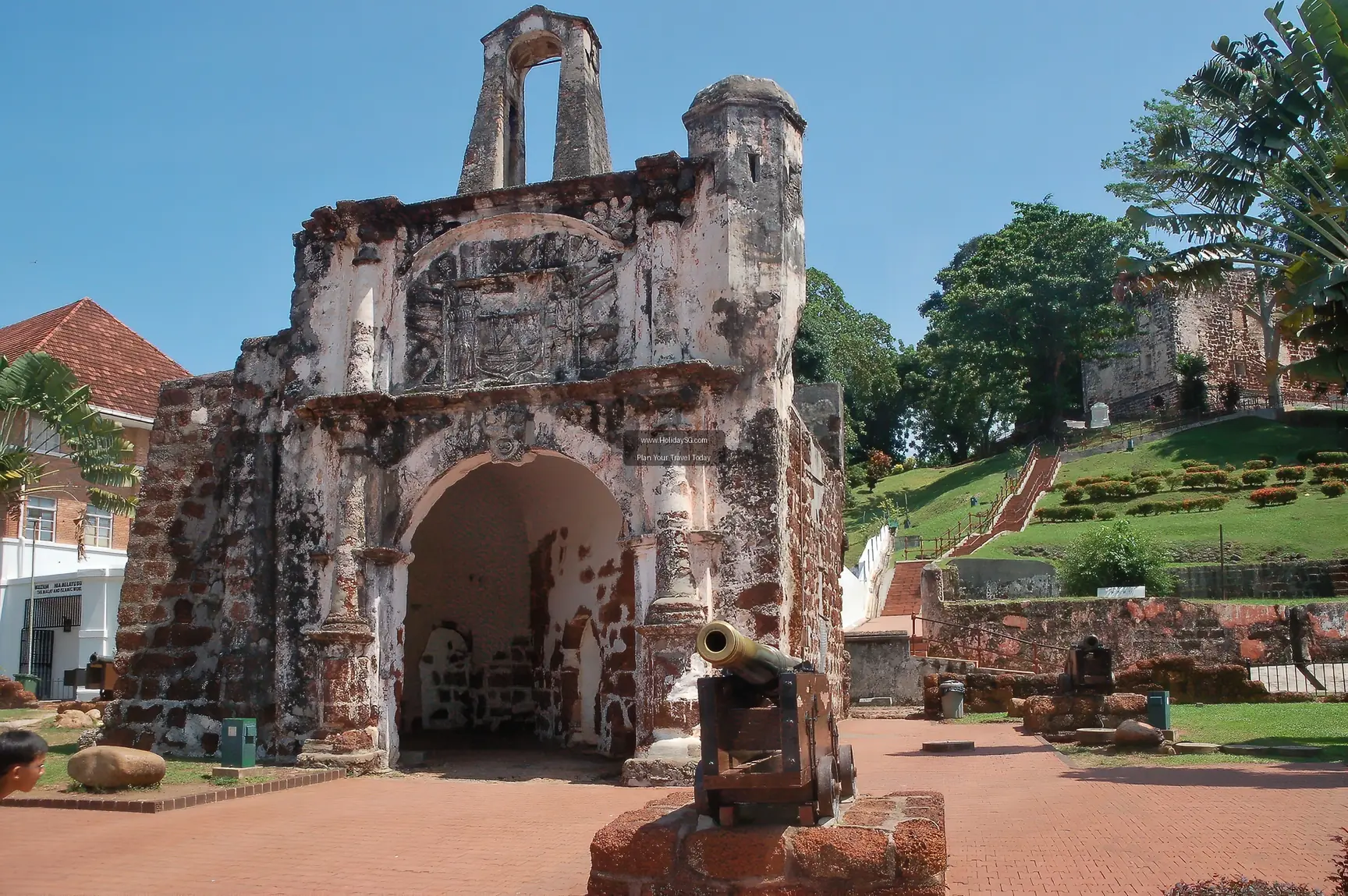
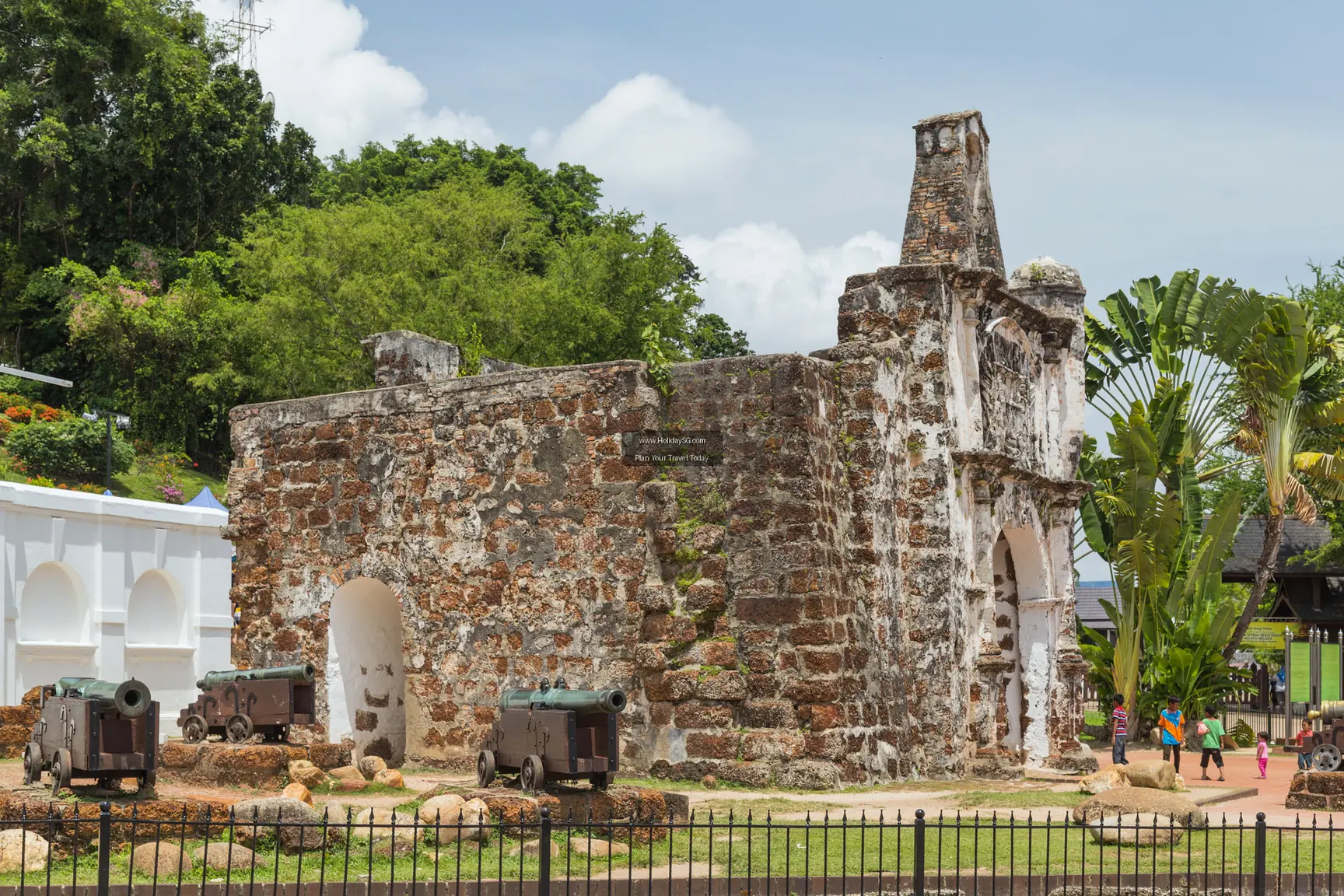
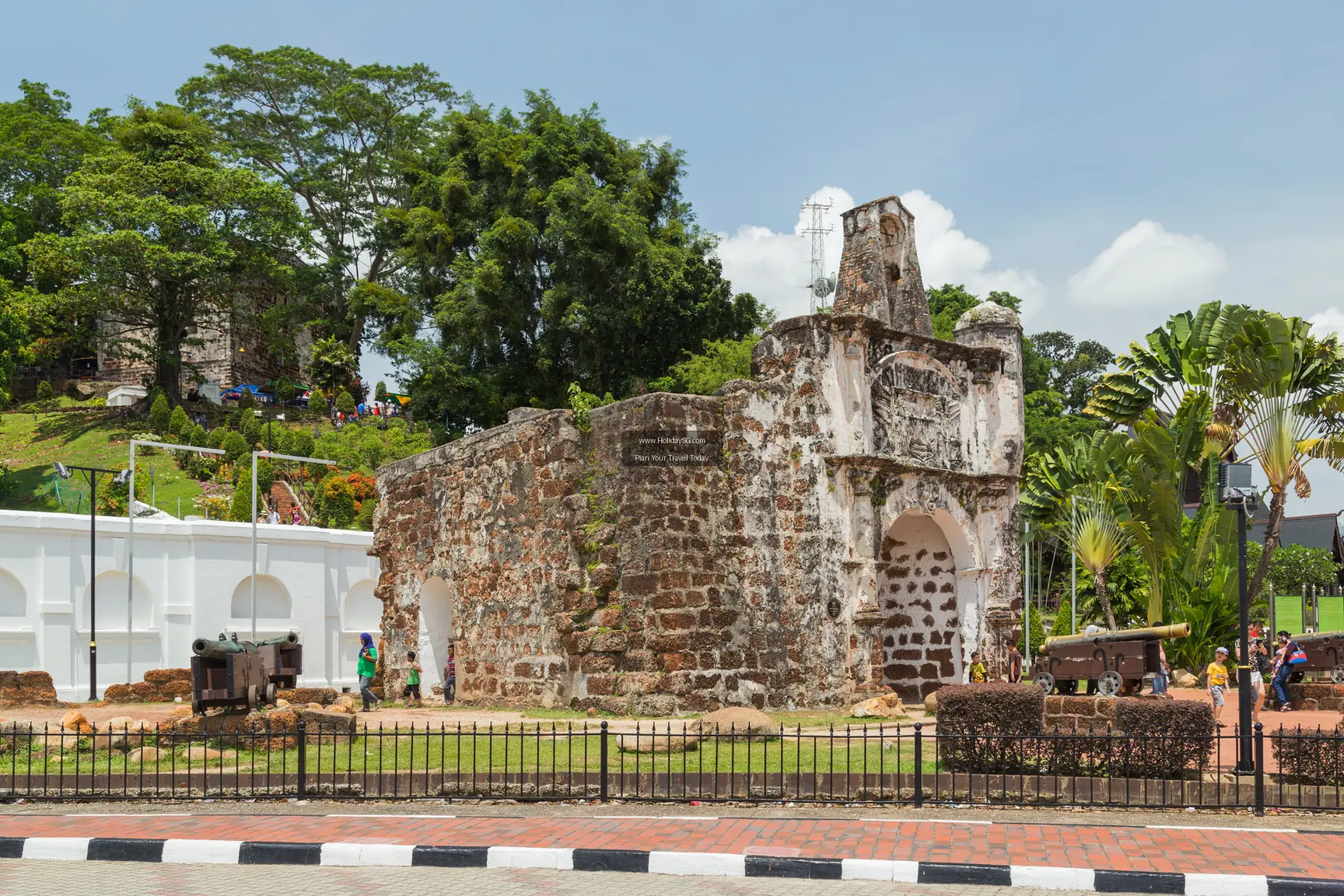
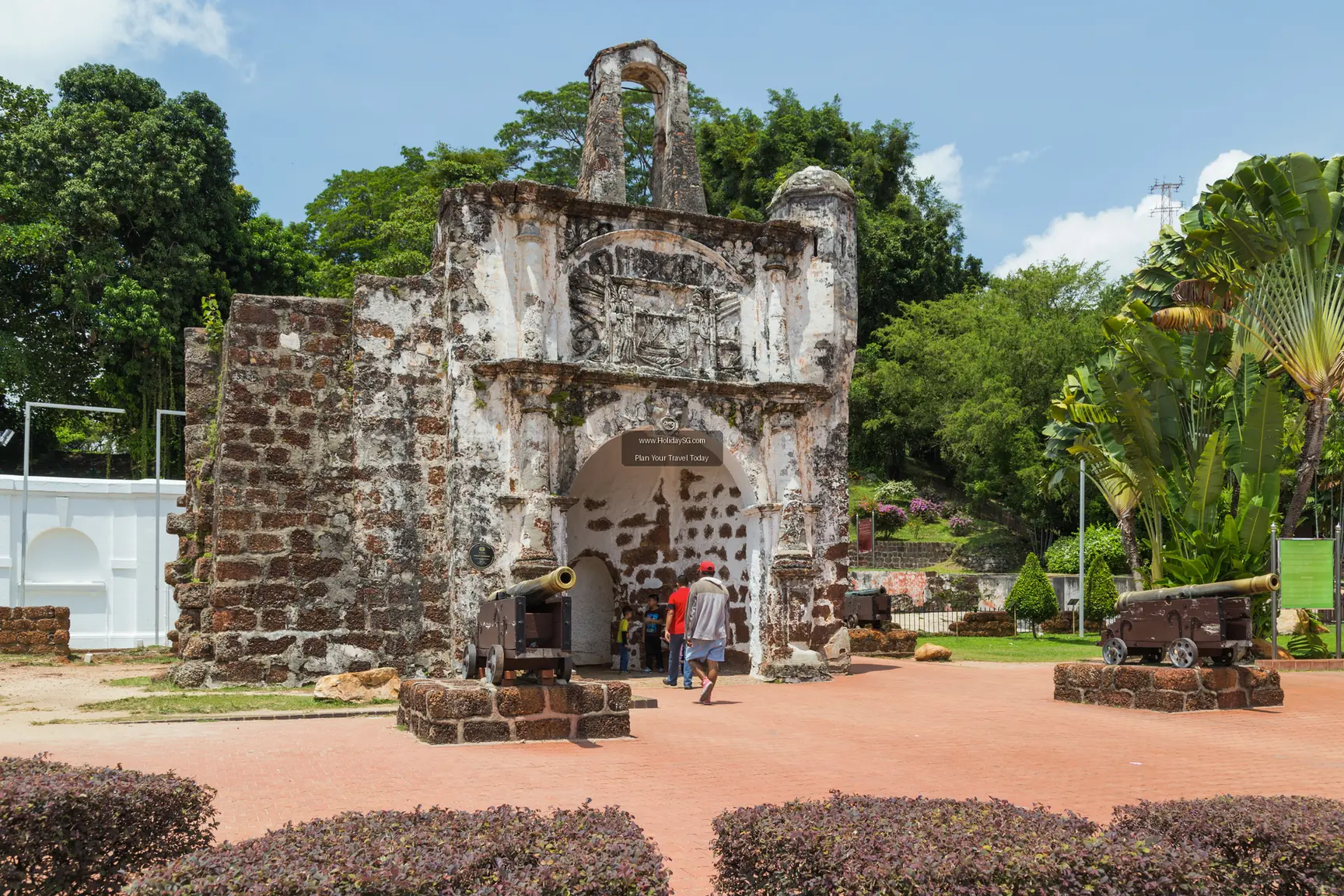
A'Famosa Fort, the oldest European fortress in Southeast Asia, can be visited at sunset (approximately 6–7 PM depending on season). Climbing the stone walls at golden hour, watching shadows lengthen across the grounds, and photographing the fortress silhouetted against darkening sky creates romantic imagery. The site remains open after sunset until approximately 8 PM with minimal lighting, allowing a contemplative, nearly private experience if you time it right.
Practical tip: Rather than joining the Jonker Street night-market crowds all three nights, allocate one evening to the market (7–8:30 PM is most productive timing), one to river cruise or Menara Taming Sari, and one to sunset exploration of A'Famosa or quiet walking through dimly-lit heritage streets. This variety prevents repetition and lets you experience Malacca's nighttime character across different contexts.
Malacca for Art, Craft, and Souvenir Hunting: Beyond Typical Gift-Shop Kitsch
Jonker Street's numerous shop stalls and tourist-targeted boutiques sell the same painted wooden boats, caricature portraits, and mass-produced figurines you'd find in any Southeast Asian tourist zone. Couples seeking genuinely local crafts or art find better options by understanding Malacca's actual artisan community and where they sell outside tourist-heavy zones.
Kampung Morten (Portuguese Settlement area) contains workshops where artisans create wooden fishing boats, intricate wooden carvings, and traditional Portuguese-influenced crafts. Some workshops invite visitors to observe working craftspeople and purchase directly—prices are lower than retail shops because there's no middleman. The neighbourhood's narrow lanes, traditional architecture, and quiet atmosphere create an experience impossible on crowded Jonker Street. Walk to the waterfront at Kampung Morten around 5 PM and you'll encounter fishermen returning with daily catch, locals preparing evening meals, and genuine neighbourhood life rather than a staged heritage tourism zone.
Batik-weaving is a traditional Malaysian art, and several small studios (some unlabeled, word-of-mouth referrals from hotel staff) in the Historic Centre teach batik-dyeing workshops lasting 2–3 hours. Couples create their own scarves, wall hangings, or postcards using wax-resist and dye techniques, resulting in personalized souvenirs far more meaningful than purchased items. Studios are scattered (not in one obvious location), so ask your hotel concierge for current workshop contact information rather than expecting to stumble upon them.
Peranakan tiles and ceramics represent Malacca's multicultural heritage—hand-painted tiles with Islamic geometric patterns, Chinese motifs, and Portuguese influence appear on historic building facades. Artisans still produce these tiles traditionally; boutiques in heritage shophouses (particularly along Heeren Street) sell them as wall hangings, coasters, or tile-framed mirror pieces. Prices reflect the handmade nature and heritage weight but remain reasonable compared to Western craft markets.
The Baba and Nyonya Heritage Museum (a restored mansion-museum hybrid) sells reproduction items from the shop: vintage-style prints, sarongs, jewellery boxes, and books on Peranakan culture. Unlike tourist-shop items, everything relates specifically to the museum's collection and history, making them contextually meaningful. The museum itself (requiring paid admission) pairs naturally with gift shopping, turning both into cohesive cultural learning rather than separate activities.
Practical tip: When you find a small artisan or craft shop you genuinely like, ask the owner to write their name and location on your phone's map. Return before departure to purchase gifts—the owners remember you, prices don't include tourist markups, and you're supporting actual local craftspeople rather than middleman shop owners. Small gestures like greeting in Malay or asking about their work create authentic connections that transform souvenir shopping from transaction to exchange.
Health, Safety, and Practical Logistics: What Couples Should Know Before Arriving
Malacca ranks among Malaysia's safer cities for tourists, but specific practical considerations prevent complications during your 7-day itinerary.
What health precautions apply specifically to Malacca?
Tap water in Malacca is technically safe, but many travellers' stomachs react to unfamiliar microbial populations; buying bottled water (widely available at convenience stores and hotels) costs minimal and prevents digestive disruption. Mosquito-borne dengue fever and Zika occur sporadically; wearing insect repellent (especially during dawn and dusk) and long sleeves near riverside areas (Melaka River, swampy edges of Kampung Morten) reduces risk. Travel health insurance covering medical evacuation is prudent for couples from countries without Malaysian health reciprocity agreements; check your home country's requirements before arrival.
Are there areas in Malacca where couples should exercise caution?
The Historic Centre and tourist zones are safe day and night; street crime targeting tourists is minimal compared to major Asian cities. Petty theft (bag snatching, phone theft from unattended tables) occurs occasionally, so avoid leaving valuables visibly on café tables and keep phone secured while on crowded Jonker Street. Abandoned-looking buildings on the outskirts (industrial areas near the port) are generally safe but uninteresting and warrant no reason to visit. Use standard urban awareness: avoid walking alone very late at night in unfamiliar areas, and trust instincts if a situation feels off.
ATMs are abundant throughout the Historic Centre and Melaka Sentral; withdrawing small amounts frequently (rather than carrying large cash sums) reduces loss impact if theft occurs. Most restaurants and shops accept card payments, though small hawker stalls and some heritage shophouses operate cash-only. Notify your bank of travel dates to prevent card blocks when charges appear from Malaysia.
Practical tip: Purchase a local SIM card at Kuala Lumpur airport or Melaka Sentral immediately upon arrival. Data-enabled mobile access (Google Maps, translation apps, Grab ride-hailing, messaging) prevents numerous stress moments. Phone networks cover Malacca comprehensively; signal is rarely an issue, and plans cost far less than international roaming charges.
Photography Locations and Timing for Instagram-Worthy Malacca Itinerary Moments
Photographers and couples seeking memorable images gravitate to obvious spots (Jonker Street storefronts, the Stadthuys red building, St. Paul's Church at sunset), often arriving when hundreds of others do—resulting in crowded frames and compromised shots. Timing and location knowledge create dramatically better photography.
St. Paul's Church ruins photograph best at 6–7 AM (golden light, few visitors, clear shadows) or 4–5 PM (cooler temperature, lengthening shadows creating dimension). Sunset from the top attracts crowds by 5:45 PM; arriving by 4:30 PM gives you the site nearly empty during early golden hour, then you can decide whether to stay for the more crowded sunset period. The church walls themselves, weathered stone, and overgrown vegetation create texture that photographs better in soft morning or afternoon light than harsh midday sun.
Jonker Street photographs better around 8 AM (morning light, fewer people, shop shutters opening) or 8 PM (evening light, festive crowds without peak-hours mayhem). Midday (11 AM–3 PM) produces harsh shadows, blown-out highlights, and overwhelming crowds making positioning for shots nearly impossible. Rainy mornings (common May–September) create reflections in wet street surfaces and moodier light that render colonial shophouses atmospheric rather than merely red.
Heeren Street, slightly less touristy than Jonker, features ornate Peranakan storefronts and street architecture that photographs beautifully during morning light (7–9 AM) when storefronts are opening and shadows define architectural details. Cheng Hoon Teng Temple's incense and lanterns photograph dramatically at dusk (5:30–6:30 PM) or during morning prayers (6–7 AM); this is one of the few locations where early-morning or evening light actually surpasses golden-hour shooting.
Kampung Morten's narrow lanes, fishing boats, and traditional architecture photograph well at 7–8 AM (soft light, no crowds, authentic neighborhood activity) or 4–5 PM (warm light, fishermen returning). The Stadthuys red building, iconic but often crowded, photographs better from across the Melaka River near the riverside promenade—backing up and including river or landscape context reduces the "generic postcard" feeling of head-on shots.
Practical tip: Couples often feel pressure to photograph everything; instead, identify three locations that resonate personally (temple interiors, a specific shophouse, the river sunset) and revisit them multiple times under different lighting and weather conditions. These repeated visits create progressively better images than rushing through dozens of "must-see" spots once. Photos with genuine emotional connection to places you've spent time in always surpass technically perfect but generic shots of famous locations.
Extending Your Malacca Itinerary: Day Trips and Nearby Destinations for Couples
Seven days allows couples to thoroughly experience Malacca's core attractions, but extending via nearby day trips creates different experiences without the commitment of moving accommodation or substantially altering logistics.
Kuala Lumpur sits approximately 140 kilometers north (roughly 2 hours by direct coach from Melaka Sentral or Malacca-based hotels). Day trips typically involve departing early morning, spending 6–8 hours in the city (Petronas Twin Towers, Batu Caves temple, Merdeka Square, local shopping), then returning by evening—efficient but exhausting. Most couples report Kuala Lumpur day trips feel rushed; if you want to experience Malaysia's capital properly, a separate 2–3-day visit works better than cramming it into one day alongside an established Malacca itinerary.
Klebang Beach, northeast of Malacca (approximately 20 kilometers, reachable by Grab in 30–40 minutes), offers sand, shallow water for swimming, and seafood restaurants overlooking the Straits of Malacca—a valid beach break from heritage tourism. However, Klebang is neither scenic nor pristine; several Malaysian coastal areas offer superior beaches. If your 7-day itinerary includes rest-and-relaxation time, Klebang functions adequately; if you're maximizing cultural exploration, beach time in Malacca isn't essential.
Alor Gajah (approximately 30 kilometers inland, 45 minutes by bus or Grab) contains rice paddies, traditional villages, and the Tanjung Emas Warehouse (heritage colonial building with cafés and crafts). This area represents rural Malaysia distinct from Malacca's urban heritage tourism, offering authentic countryside experience without the infrastructure complexity of major day-trip destinations. Couples with interest in agricultural landscapes and slower pace find day visits here worthwhile; those prioritizing heritage density should stay in Malacca proper.
Ayer Keroh (southern outskirts of Malacca, approximately 12 kilometers, 20 minutes by Grab) hosts the Malacca Zoo, Reptile Farm, and Butterfly Farm—attractions geared toward families with children more than couples. Unless you have specific interest in wildlife, Ayer Keroh offers limited appeal beyond Malacca's own attractions.
Practical tip: If your 7-day trip feels complete by day 5 or 6 after thoroughly exploring Malacca, consider staying those final days rather than rushed day trips elsewhere. Couples who rest, revisit favourite sites, deepened relationships with local shop owners, and reflected on experiences often report higher satisfaction than those frantically ticking off additional destinations. Malacca rewards lingering; rushing diminishes both the destination and the trip's value.
Checking Current Ticket Prices, Operating Hours, and Entry Requirements for Malacca Attractions
Attraction pricing, operating hours, and entry rules for museums, temples, and outdoor sites shift seasonally, during maintenance periods, or due to local holidays—relying on outdated information creates frustration when you arrive at a closed attraction or find entrance fees have doubled.
The Malacca Info Centre (located opposite the Stadthuys on Jalan Merdeka) stocks printed materials with current hours and fees for major attractions. Staff answer questions in English and can provide updated information not available online. Visiting within your first day (especially a morning or early afternoon visit) establishes a reliable information source for days ahead. Many hotels maintain printed guides with attraction details; ask your accommodation for current information upon check-in rather than assuming guide book data remains accurate.
Official websites for specific attractions (Malacca Museum, A'Famosa Fort, Melaka River Cruise operators) sometimes list hours and fees, though not all sites maintain updated English-language websites. Searching attraction names combined with "2024 ticket price" or "opening hours" on Google yields results from recent visitor posts or tourism aggregator sites—not always precise but typically more current than guidebooks.
Mobile apps dedicated to Malaysian tourism (such as the official Malaysia Tourism Board app) occasionally include Malacca attraction information with last-updated dates visible, letting you assess information currency. Phone calling ahead (asking hotel staff to call attractions in Malay if you're uncomfortable doing so directly) confirms hours and admission requirements without guesswork.
Practical tip: Create a simple spreadsheet during your first day with attraction names, current hours, current prices (in Malaysian Ringgit), and required entry documents (ID for foreigners, group booking requirements). Update it as you visit or receive current information. This becomes a reference preventing wasted trips to closed attractions or budgeting surprises when pricing exceeds expectations.
Quick answers
Can couples visit Malacca without speaking Malay or Mandarin? Yes, absolutely. English is widely spoken in tourism contexts (hotels, restaurants, attraction staff), and menus at tourist-oriented restaurants include English translations. Hawker stalls and smaller shops may operate with Malay-only menus, but pointing and translation apps bypass language barriers. Learning basic Malay greetings ("Terima kasih" for thank you, "Berapa harga?" for how much) enriches interactions and is appreciated by locals, though not necessary for navigating the city.
Do couples need vaccinations before visiting Malacca? Specific vaccination requirements depend on your home country and departure points. Consult your national health authority or travel clinic for current recommendations rather than relying on general guidance. Hepatitis A, typhoid, and routine immunizations are commonly recommended for Malaysia, but this varies by individual health history and travel plans.
What's the most efficient way to arrange a 7-day Malacca itinerary—pre-booking everything or deciding day-by-day? Pre-booking accommodation secures desired locations and rates, while attractions benefit from flexibility. Weather, physical energy levels, and unexpected discoveries shift itineraries; couples who pre-book every attraction sometimes feel pressured to visit closed-off locations regardless of mood or conditions. Booking accommodation and possibly one premium experience (river cruise, heritage museum entry), then arranging daily activities based on actual conditions, balances certainty with flexibility.
How do couples with mobility restrictions navigate Malacca's heritage sites? The Historic Centre's narrow lanes and older buildings present accessibility challenges; some sites involve steep stairs (St. Paul's Hill, Menara Taming Sari) or uneven cobblestone surfaces. The Malacca Info Centre can provide specific accessibility information for attractions. Grab rides cost minimal amounts and eliminate long walking requirements; many couples with limited mobility budget transport costs while focusing on sites genuinely accessible and personally meaningful.
Things to book on this trip
Plan the rest of your trip
- HolidaySG eSIM plans for Malaysia - Buy a data plan before you fly and install it on your phone.
- Malaysia visa requirements - Check who needs a visa, the documents and the processing time.
- Hotels in Malacca, Malaysia - Compare hotels and check room rates for your dates.
