

Floating markets near hokkaido is exactly what this guide covers.
Top Floating Markets Near Hokkaido: A Guide to Freshness and Culture
Hokkaido, Japan’s northernmost island, is renowned for its natural beauty, pristine landscapes, and unique culture. One of the most delightful ways to experience this region is by visiting its floating markets. These markets offer a glimpse into Hokkaido’s agricultural bounty and seafood industry, providing visitors with a fresh, local taste of the area.
Floating markets in Hokkaido are not only visually stunning but also historically significant, dating back centuries. Unlike many other regions in Japan where traditional floating markets have declined or disappeared, Hokkaido still maintains several vibrant examples that attract tourists from all over the world. These markets showcase the best of Hokkaido’s produce and seafood, offering an authentic taste of local culture.
Key Floating Markets in Hokkaido
Sapporo’s Odori Park Floating Market
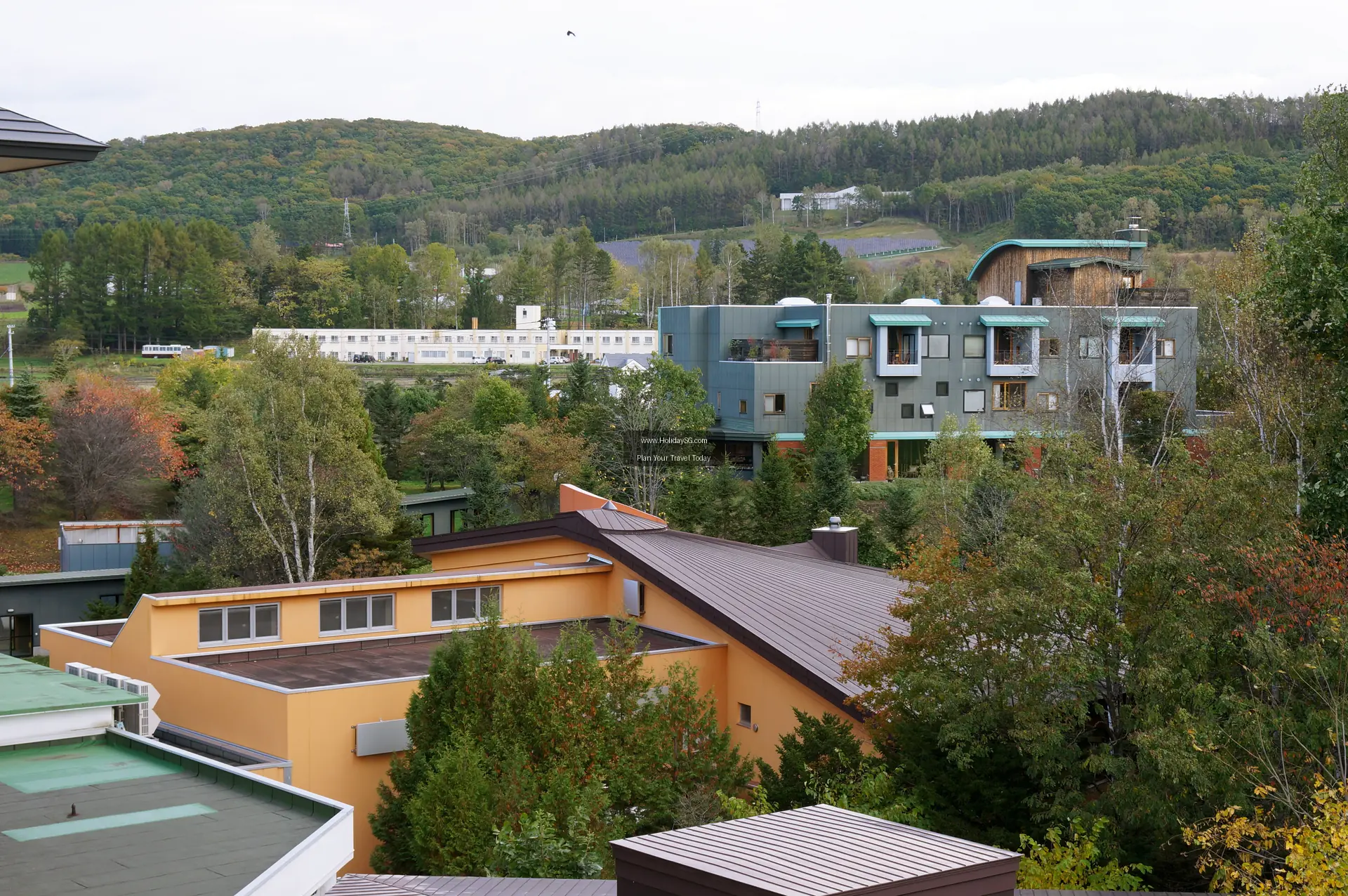
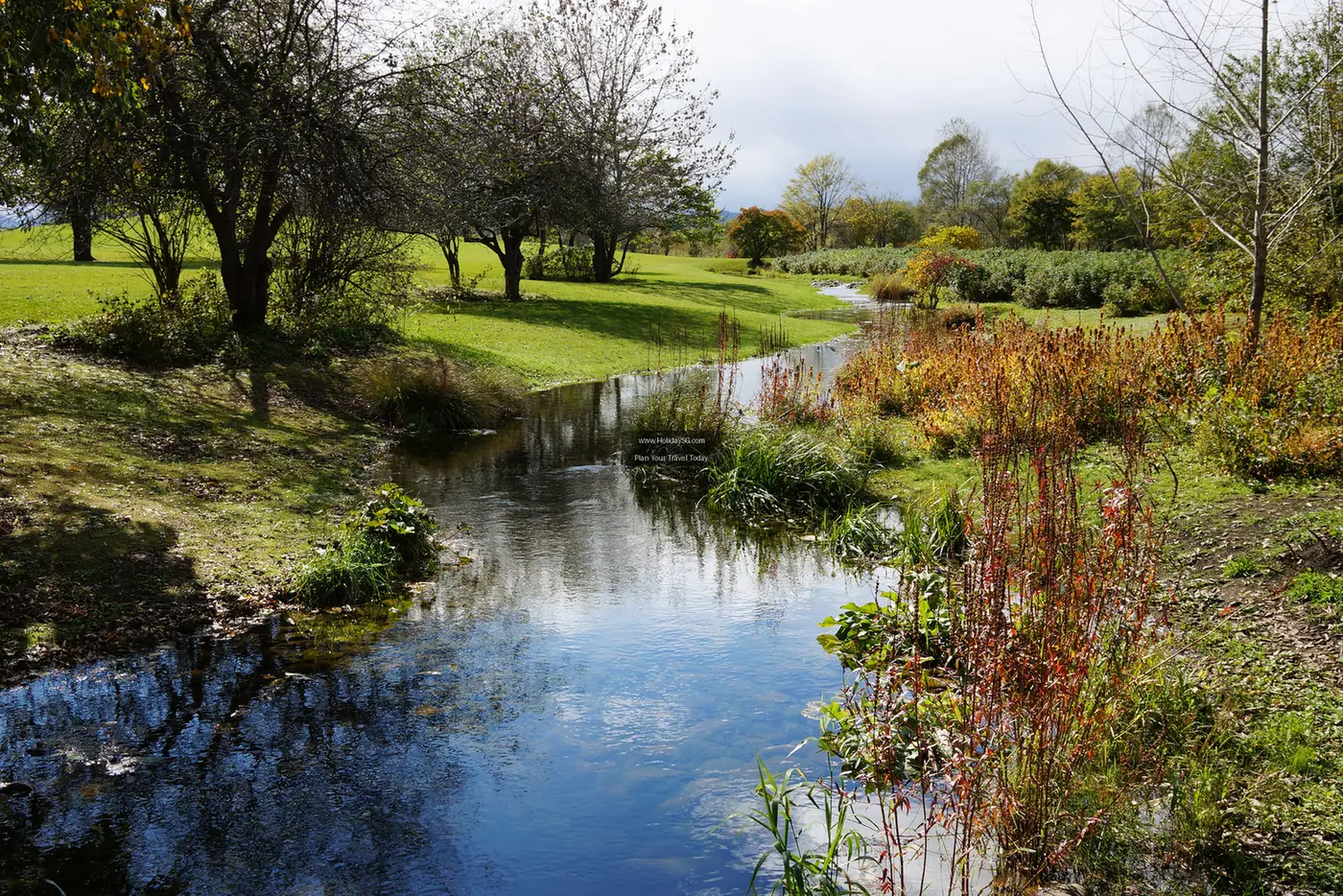
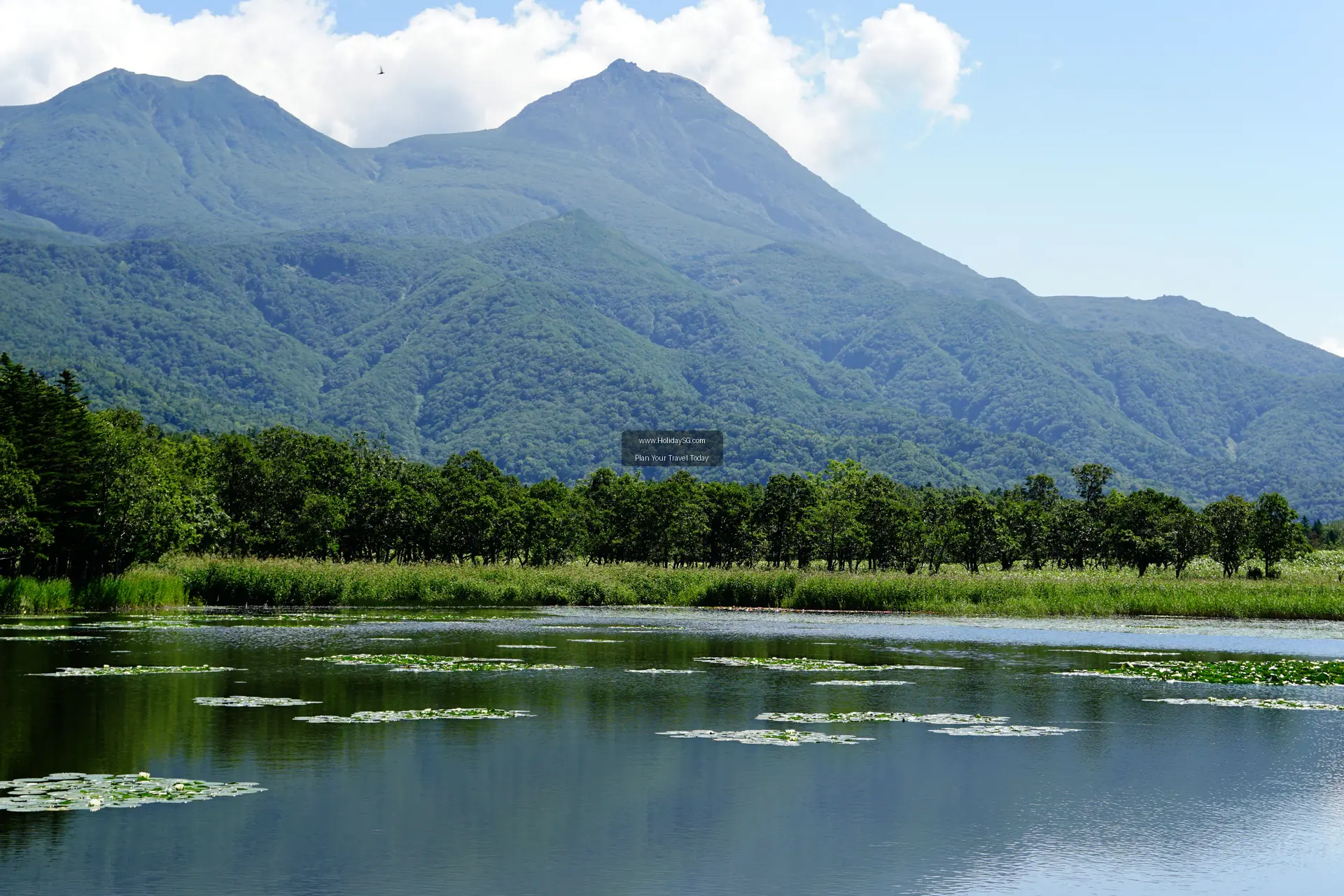
Sapporo is one of the most visited cities in Japan, and its floating market at Odori Park is a must-see. Located on the shores of Lake Chureito, this market offers a charming atmosphere with traditional wooden boats filled with fresh fruits, vegetables, seafood, and local specialties. Visitors can sample Hokkaido’s famous dairy products and enjoy a scenic view of the lake.
Sapporo’s Nishiki Market
Nishiki Market is one of Japan’s oldest and most famous markets, offering a wide variety of fresh produce, seafood, and local specialties. While not technically a floating market, it provides an excellent introduction to Hokkaido’s culinary delights.
Sapporo’s Tsukiji Fish Market
Tsukiji Fish Market is renowned worldwide for its fresh seafood. Located in the heart of Sapporo, this bustling market offers a unique glimpse into Japanese fishing culture and cuisine.
Exploring Hokkaido’s Floating Markets
Floating markets in Hokkaido are not only visually stunning but also historically significant, dating back centuries. Unlike many other regions in Japan where traditional floating markets have declined or disappeared, Hokkaido still maintains several vibrant examples that attract tourists from all over the world.
Ready to Explore?
By following these tips and exploring the recommended tours, you can create a memorable experience in Hokkaido’s floating markets and beyond. Whether you are a food lover or an adventure seeker, there is something for everyone in this beautiful region. Ready to explore? Check out our Official Ticket Jr Pass Hokkaido Rail Pass Electronic Exchange Voucher Transport Passes →.
Book these with HolidaySG:
- Hokkaido Sapporo Departure Lake Toya Shared Tour Jigokudani And Bear Farm One Day Tour Private Charter Day Tours
- Maruoka Castle
- Marine World
- Maple Leaf Viewing Season 1 Day Tour To Miyama Thatched Roof Village Katsuo Ji Arashiyama Bamboo Forest Path Nono
Book with HolidaySG online for Official Ticket Jr Pass Hokkaido Rail Pass Electronic Exchange Voucher Transport Passes, Hokkaido Sapporo Departure Lake Toya Shared Tour Jigokudani And Bear Farm One Day Tour Private Charter Day Tours, Maruoka Castle.
Frequently Asked Questions
Where can I book this / what’s the link?
Do foreigners (non‑citizens) need a different ticket, price, or visa for Japan?
Visa requirements and ticket pricing depend on your nationality and the type of travel you’re doing. Most short‑term tourists can enter Japan visa‑free for up to 90 days, but some countries do require a visa. Ticket prices for market tours are generally the same for locals and visitors. Because regulations can change, always verify the latest visa information on the official Japanese Ministry of Foreign Affairs website or with your nearest Japanese embassy.
What is the best time (season, or time of day for the site/activity) to go?
The floating markets are most vibrant in late spring (May‑June) and early autumn (September‑October) when the weather is mild and the seafood is at its freshest. Visiting in the morning, around 8 am–10 am, lets you see the stalls at their busiest and try the day’s catch before the crowds arrive.
How much time should I allocate to explore the floating markets?
A half‑day (3–4 hours) is enough to wander the main market lanes, sample local specialties, and watch the fishermen unload their catch. If you want to combine the market visit with nearby attractions such as the historic Otaru Canal or a sushi‑making workshop, plan a full day.
What should I pack or bring for a comfortable visit?
Bring comfortable walking shoes, a reusable water bottle, and a light rain jacket or umbrella in case of sudden showers. Since many stalls serve fresh seafood, it’s wise to carry a small snack if you have dietary restrictions, and a portable hand sanitizer for hygiene. Cash (Japanese yen) is still king at many market stalls, so have some on hand.
What things cost in Japan
Live HolidaySG prices for the experiences in this guide, so you can sanity-check a budget before you commit.
| Experience | Where | From price |
|---|---|---|
| Museum of Aeronautical Sciences | Chiba | From S$4.00 |
| Fuji-Q Highland | Fujiyoshida | From S$17.21 |
| Kamogawa Seaworld | Chiba | From S$12.00 |
| Trip Moments in Kushiro, Japan[Photography Services: Follow Sh... | Hokkaido | From S$22.68 |
| Mount Fuji Day Trip | Tokyo | From S$41.92 |
| Private Kamakura plus Yokohama Tour - English Speaking Driver | Tokyo | From S$808.24 |
| Tokyo: Mount Takao Guided Hiking Tour Day Tours | Tokyo | From S$141.44 |
| Kinkaku-ji + Arashiyama + Nijō Castle + Fushimi Inari Taisha K... | Kyoto | From S$64.90 |