Discover the unique geological wonders of Pulau Payar Cave, adorned with stunning stalactites and stalagmites. Guided tours are available to explore its inner reaches.
A short boat ride from Kulim Beach takes you to this small neighboring island. Kulim Island is known for its crystal-clear waters and pristine beaches, perfect for snorkeling and swimming.
Redang Island offers a wealth of free attractions that allow visitors to experience its natural beauty and local culture without breaking the bank. From the vibrant coral reefs of Redang Marine Park to the serene waters of Sungai Dusun Waterfall, there’s plenty of choice on this beautiful island. Whether you’re looking for adventure or simply want to relax and unwind, Redang Island is a popular destination in Malaysia.
We hope this guide has inspired you to plan your next trip to Redang Island and explore all that it has to offer!
Visa requirements and ticket pricing for foreigners depend on your nationality and length of stay. Most tourists can enter Malaysia visa‑free for up to 30 days, but some countries require a visa in advance. Ticket prices for ferries or flights are generally the same for locals and foreigners, though some attractions may have separate rates for non‑residents. Because regulations can change, always verify the latest entry requirements on the official Malaysian Immigration website or with your nearest Malaysian embassy.
The ideal season for Redang Island is the dry period from November to March, when seas are calm and visibility for snorkeling and diving is excellent. For specific activities, aim to arrive early in the morning (around 8 am) to enjoy the best light for underwater viewing and to avoid the midday crowds. Sunset spots such as the western beach are perfect in the late afternoon, roughly 5 pm to 6 pm.
Most travelers find that 2–3 full days are enough to enjoy the island’s free highlights, such as the public beach, snorkeling at the reef, hiking the coastal trail, and watching the sunset. This timeframe allows for a relaxed pace, time for a day trip to nearby islands, and flexibility for weather changes.
Bring lightweight, quick‑dry clothing, a swimsuit, reef‑safe sunscreen, a hat, and sunglasses. Pack a reusable water bottle, a small towel, and waterproof sandals or reef‑friendly shoes. If you plan to snorkel, consider bringing your own mask and snorkel for better fit, as well as a dry bag to protect electronics and valuables from splashes. Don’t forget a light rain jacket during the occasional short showers in the wet season.
Getting to Redang Island: Transportation Options and Costs
Most visitors assume they can just show up at the ferry terminal and hop on a boat, but Redang Island operates on a seasonal schedule that catches many tourists off guard. The island closes to visitors during monsoon season (November to March), when seas become too rough for safe passage. If you arrive outside the operating window, you'll have no way onto the island at all.
Getting to Redang Island from mainland Malaysia requires a combination of ground transport and ferry travel. Most visitors fly into Kuala Lumpur International Airport, then travel north to Terengganu state. The journey takes roughly 6 to 8 hours depending on where you start. From Kuala Lumpur, you can take a domestic flight to Sultan Mahmud Airport in Kuala Terengganu, which cuts travel time significantly. Alternatively, express coaches run daily between Kuala Lumpur and various towns in Terengganu, though these journeys consume most of a day.
Once in Terengganu, you'll head to Merang Jetty or Shahbandar Jetty, both departure points for Redang Island ferries. Merang Jetty sits about 50 kilometres northeast of Kuala Terengganu and is the more commonly used departure point. The ferry journey itself takes between 45 minutes and 1.5 hours depending on sea conditions and which part of the island you're headed to. Ferry schedules vary by season and weather, so you should confirm departure times with your accommodation or a local travel agent before committing to travel dates.
What does the ferry ride to Redang Island actually cost?
Ferry prices fluctuate seasonally and depend on whether you're booking through a resort, agent, or directly at the jetty. Direct jetty bookings are typically cheaper but require you to navigate the process in person or through local operators. Resort packages often bundle ferry costs with accommodation, which can either represent better value or lock you into inflated pricing depending on the property. Expect ferry costs to increase during school holidays and peak tourist seasons.
Is renting a boat privately worth the expense?
Private boat rental makes sense only if you're traveling in a group of six or more people, as the per-person cost doesn't improve significantly for smaller groups. The advantage lies in flexible scheduling and the ability to explore multiple beaches and snorkeling spots without waiting for ferry schedules. However, you'll pay substantially more than public ferry fares, and the boat operator's insurance and safety certifications matter significantly for your protection.
Which jetty should I use to reach Redang Island?
Merang Jetty handles the majority of passenger traffic and offers more frequent departures throughout the day. Shahbandar Jetty operates closer to Kuala Terengganu city but sees fewer ferry services. For most travelers, Merang is the practical choice despite the additional drive from the city, simply because of schedule reliability and operator availability.
Understanding Free Attractions in Redang Island and What They Actually Offer
The term "free attractions" on Redang Island needs clarification because most of what makes the island special—the beaches and underwater environment—technically costs nothing to access, but reaching them and enjoying them safely often requires spending money on transport, equipment, or guided services. A common misunderstanding is thinking you can simply walk onto any beach; many stretches are either private resort property or accessible only by boat.
True free attractions in Redang Island center on natural features rather than developed tourist infrastructure. The island has no museums, theme parks, or ticketed cultural sites. Instead, visitors come for the marine environment, tropical landscape, and quiet beaches. If you're staying at a resort, access to nearby beaches is typically included with your room. If you're day-tripping, you'll need to pay ferry costs and possibly a small landing fee depending on where you disembark.
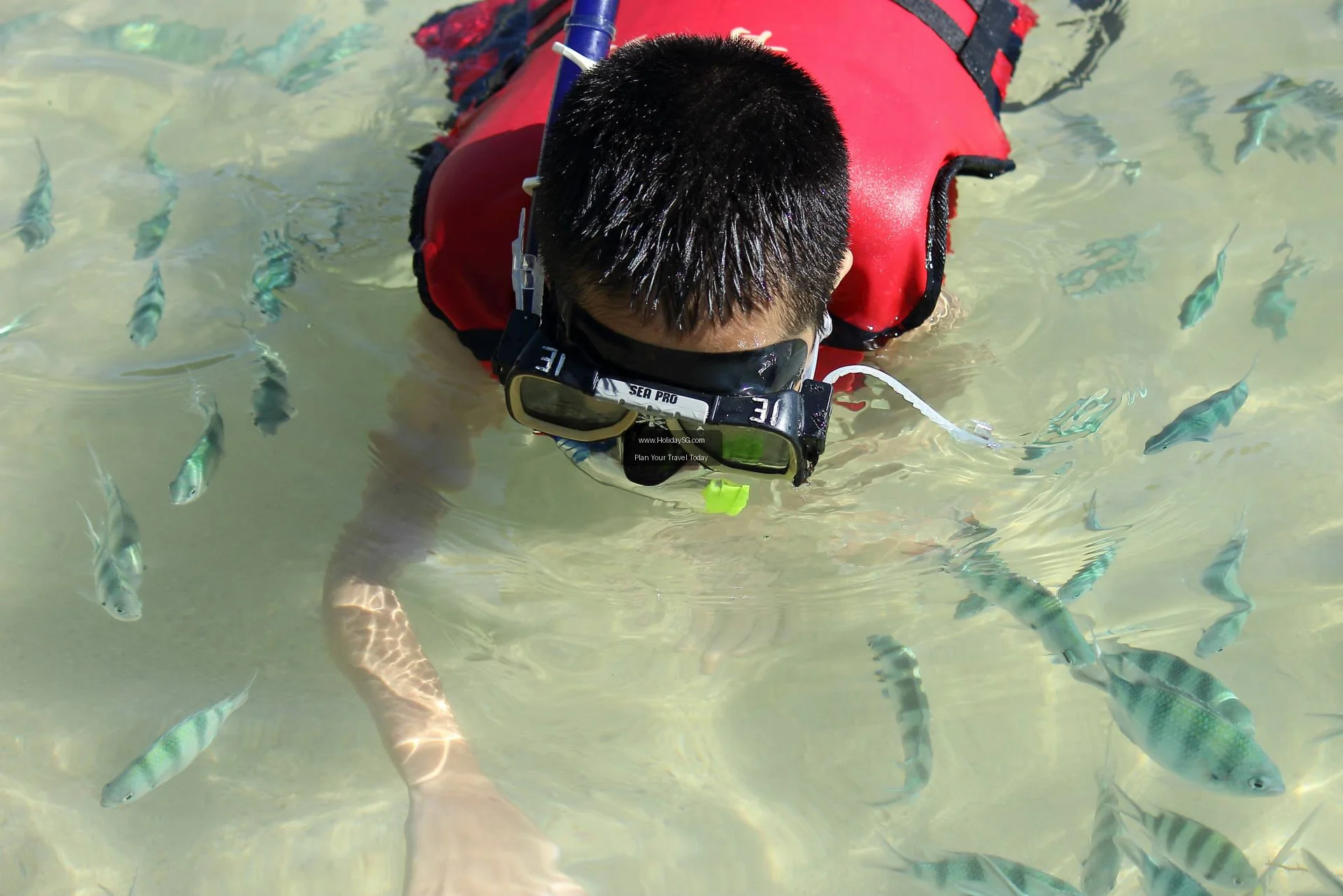
Snorkeling represents one of the primary draws, and it's technically free once you're on the island if you bring your own equipment. However, most visitors either rent snorkeling gear (fins, mask, snorkel tube) or join organized snorkeling tours. The coral reefs and fish populations remain excellent even without a guide, though a guided tour provides context and helps you navigate safely. Snorkeling directly from shore is possible at several beaches, while other spots require boat access to deeper water with better marine life visibility.
Hiking and forest walks exist on the island, though trails aren't formally maintained or marked with signs. Basic hiking from one beach to another or to viewpoints doesn't require a permit or guide, but dense jungle areas demand caution and ideally local knowledge. The island's interior remains relatively undeveloped and wild, which adds to its appeal but also means solo exploration carries risks like getting lost or encountering wildlife.
Photography enthusiasts find endless free subjects: sunrise and sunset views, tropical wildlife, rock formations, and clear water. The best photo spots change depending on light and weather, and exploring to find them is a legitimate free activity. Sunrise shots typically require waking between 5 and 6 AM and positioning yourself on an eastern-facing beach before dawn breaks.
Do I need to pay an entrance fee just to be on Redang Island?
No formal island entrance fee exists for Redang Island itself. However, some beaches are controlled by resorts that may charge day-use fees for non-guests to access their facilities and use their facilities like toilets, showers, and beach loungers. Check with your accommodation about beach access policies; many resorts allow public beach use but charge for amenities.
Can you bring your own snorkeling equipment?
Yes, bringing your own mask, fins, and snorkel from home or purchasing them in Malaysia is entirely permitted. This saves rental costs, though airlines may have restrictions on checked luggage with fins depending on your carrier. Many experienced snorkelers travel with their own equipment specifically to avoid rental hassles and expense.
Practical tip: Buy basic snorkeling gear in Kuala Lumpur before traveling to Redang, as prices there are typically lower than resort rental rates and you'll own the equipment for future trips.
Best Snorkeling Spots and Marine Life on Redang Island
Redang Island's snorkeling opportunities draw visitors from across Southeast Asia, yet many tourists end up at overcrowded spots near resort areas and miss the exceptional snorkeling found at quieter locations just 15 minutes by boat away. The marine environment here includes healthy coral gardens, reef fish in remarkable variety, and occasional sea turtles, though spotting the turtles requires both luck and knowing where they typically appear.
The reefs surrounding Redang Island support several types of coral including hard corals and soft corals. Fish species range from small colorful reef fish (parrotfish, damselfish, angelfish) to larger species like grouper and trevally. Visibility typically reaches 15 to 25 metres during calm conditions, making underwater observation clear and enjoyable. Water temperature stays warm year-round (around 27-29 degrees Celsius), so a wetsuit isn't necessary for most visitors, though some people prefer minimal coverage for sun protection.
Terengganu Bay, the broader area surrounding the island, has been protected to some degree through marine park designation, which helps maintain fish populations and coral health. Dynamite fishing and destructive practices are prohibited, though enforcement varies. The restriction has created a relatively stable marine environment compared to other heavily touristed locations in Southeast Asia.
Shore snorkeling works well at several beaches, meaning you can snorkel without paying for a boat tour. Pasir Panjang beach, the main tourist beach, offers reasonable snorkeling directly from shore, especially along the northern reef edge. Water depth increases gradually, making it accessible for beginners. However, the beach sees constant foot traffic from resort guests and tour groups, which disturbs marine life and crowds the experience.
For superior marine life encounters, boat-accessed snorkeling spots deliver noticeably better results. The reefs around the island's eastern and northern shores see fewer daily visitors and harbor more marine life as a result. These locations typically have steeper walls dropping into deeper water, which attracts larger fish species and creates more dramatic underwater scenery. Accessing these spots requires joining a tour or hiring a boat, but the difference in experience justifies the cost difference.
Sea turtles appear occasionally around Redang, though encounters aren't guaranteed. They typically feed in shallow water near seagrass beds during early morning hours. If you spot one, observe from distance and move slowly; turtles are easily stressed by aggressive approaching. Green turtles and hawksbill turtles both inhabit local waters, with green turtles appearing more frequently in this region.
Nocturnal marine life emerges at night, creating a different snorkeling experience. Night snorkeling reveals creatures invisible during daylight: certain fish species, octopuses, and invertebrates. Guided night snorkeling tours operate occasionally during tourism season, requiring lights and experienced guides for safety. The experience feels more adventurous than standard daytime snorkeling and appeals to visitors wanting something beyond typical beach activities.
Seasons affect marine conditions significantly. During the calm season (April to October), visibility and sea conditions remain optimal for snorkeling throughout the period. Toward the end of summer and into early autumn, occasional storms can reduce visibility temporarily, but generally conditions stay favorable. The monsoon closure period (November to March) closes the island specifically because seas become too rough for ferry operation and water conditions become unsafe for snorkeling.
What marine life will you actually see while snorkeling?
Expect to see parrotfish, fusiliers, damselfish, angelfish, butterflyfish, wrasse, and grouper regularly. Sea urchins, starfish, and anemones populate the reef structure. Sea turtles appear less frequently but remain possible. Sharks occasionally appear in deeper water but pose no threat; local reef sharks actively avoid humans.
Which beaches on Redang Island have the best snorkeling from shore?
Pasir Panjang offers accessible shore snorkeling with gradual depth increase and coral beginning 10-15 metres from shore. Pantai Teluk Dalam and several smaller beaches on the island's eastern side also work for shore snorkeling, though they're less developed for tourists.
Is snorkeling safe for children on Redang Island?
Snorkeling is generally safe for children aged 6 and up in calm water near shore, provided they're comfortable in water and wearing proper-fitting equipment. Many resorts rent junior-sized masks and snorkels. Supervise children closely and consider starting in very shallow water to build confidence.
Practical tip: Rent snorkeling gear from your resort before heading out rather than buying cheap equipment; properly fitted masks prevent water leakage that ruins the experience for beginners.
Beaches Worth Exploring on Free Attractions in Redang Island
Redang Island contains more than a dozen distinct beaches, yet most day-trippers and even some resort guests never venture beyond the main tourist beaches. The quieter, less-developed shores offer different experiences: some feature dramatic rock formations, others provide excellent sunrise or sunset views, and several remain nearly empty even during peak season because access requires either hiking or boat transport.
Pasir Panjang (Long Beach) ranks as the primary tourist beach, stretching roughly two kilometres along the island's western shore. Multiple resorts line the beach, and the sand is clean, fine, and wide. The beach fills with tourists during the day but empties noticeably by late afternoon as day-trippers depart on the final ferries. Swimming is safe, the gradient is gentle, and facilities including restaurants and shops cluster nearby. If you're seeking solitude and pristine emptiness, this isn't the spot; if you want convenient amenities and reasonable facilities, it's ideal.
Teluk Dalam offers a smaller, quieter alternative with fewer resort developments and a more intimate feel. The beach faces the strait between Redang and nearby Pinang Island. Fewer daily visitors mean calmer water and less disturbance of marine life. A small resort operates here, but the beach doesn't feel overrun. It's accessible by short walk from Pasir Panjang or by short boat transfer.
Tanjung Mak Cantik (Beautiful Cape) sits on the island's southern tip and features distinctive rock formations and clearer water. The beach is smaller and rockier than Pasir Panjang, but the underwater scenery improves due to deeper water immediately offshore and more dramatic reef structure. Boat access is essential; the journey takes about 20 minutes from the main beaches. Fewer visitors reach this spot, making it feel more exclusive despite being perfectly accessible.
Pantai Besar (Big Beach) occupies the southern section of Pasir Panjang and continues the long sandy stretch. Some locals and residents use this area more than tourists do, giving it a different atmosphere from the heavily touristed northern portion. The snorkeling remains comparable to Pasir Panjang, but the crowd pressure is lower.
Cherating Beach lies on the eastern shore and features more dramatic scenery with rocky areas interspersed with sand. The beach appeals to adventurous visitors willing to hike or boat to reach it. Water clarity here typically exceeds the western beaches due to reduced water circulation and local current patterns. The location works well for sunset photography since it faces west-northwest despite being on the eastern shore.
Smaller, unnamed coves and beaches dot the island, mostly accessible only by boat or rough jungle path. Some feature rock pools during low tide, others provide quiet hideaways for those escaping crowds. Exploring these requires either hiring a boat or joining a tour that includes multiple beach stops.
Which Redang Island beach is best for avoiding crowds?
Teluk Dalam and beaches on the eastern shore see far fewer visitors than Pasir Panjang. Accessing them requires boat transport or hiking, which naturally limits foot traffic. Early morning visits to any beach (before 8 AM) provide crowd-free conditions.
Are there dangerous currents or undertow at Redang Island beaches?
Currents vary by location and season. Pasir Panjang generally offers calm swimming conditions. Outer reef areas experience stronger currents, particularly during tide changes. Ask your resort or boat operator about current conditions before heading to any beach; they monitor water conditions daily.
What's the water temperature like for swimming and snorkeling?
Water temperature stays between 27 and 30 degrees Celsius year-round during the operating season, making it pleasant for extended time in the water. Wetsuit isn't necessary, though sun protection gear or a rash guard helps prevent sunburn on your back and shoulders during hours of exposure.
Hiking and Nature Exploration on Redang Island
The interior of Redang Island remains largely undeveloped jungle, creating unexpected hiking opportunities amid what many visitors perceive as purely a beach destination. No formal hiking infrastructure exists—no marked trails, signs, or maintenance—which means exploration requires self-reliance and ideally local knowledge. This lack of development preserves the natural environment but requires caution and realistic expectations about what you can accomplish safely.
Basic beach-to-beach walking requires minimal preparation. A path connects Pasir Panjang to Teluk Dalam and continues to smaller beaches, though sections involve climbing over rocky areas and occasional muddy stretches. The walk takes 45 minutes to an hour depending on fitness level and how much time you spend exploring along the way. This is free to do and provides a different perspective on the island than staying put on one beach.
Viewpoint hikes lead to elevated vantage points overlooking the island and surrounding waters. A trail from Pasir Panjang climbs to a ridge with panoramic views reaching the mainland on clear days. The hike takes roughly one hour each direction and involves elevation gain through jungle terrain. The path isn't maintained and can be muddy after rain, but the views reward the effort. Starting early in the morning (around 7 AM) allows you to complete the hike before afternoon heat becomes oppressive.
Jungle exploration deeper into the island's interior appeals to adventurous visitors but demands caution. The terrain becomes progressively less navigable, vegetation thickens, and getting lost becomes increasingly possible. Wildlife including snakes, scorpions, and insects inhabits the deep jungle, though encounters with dangerous animals remain rare. Hiking boots, long pants, and long sleeves provide essential protection. A guide is practically necessary for serious jungle exploration; hiring one through your resort costs money but dramatically improves both safety and what you'll observe and learn.
The island's unique geology creates interesting features beyond beaches. Rocky outcrops, small caves, and unusual formations dot various locations. Some outcrops offer scrambling opportunities for the moderately adventurous; sections require careful footing but aren't technically difficult climbing.
Flora observation provides a quiet, contemplative activity. The island supports various tropical plant species, including fruit trees and flowering plants. Some areas feature old-growth trees, creating shaded forest sections that feel refreshingly cool compared to open beach areas. Bird watching appeals to those with an interest in tropical wildlife; various species inhabit the island including eagles, herons, and smaller songbirds.
Tide pools form at several rocky locations during low tide, creating temporary ecosystems of small fish, echinoderms, and crustaceans. Exploring tide pools during low tide periods provides insight into the island's marine biodiversity without requiring snorkeling skills or equipment. Timing your beach exploration around tide tables maximizes these opportunities.
One serious consideration: the island's jungle terrain can be disorienting, particularly in dense sections where directional sense fails easily. Several tourists have gotten lost despite thinking they were on established paths. Never venture far from beaches or marked areas alone without GPS, compass, or local knowledge. Inform someone of your hiking plans and expected return time.
How difficult is hiking between beaches on Redang Island?
Beach-to-beach hiking is moderate difficulty with sections of steep scrambling over rocks, muddy stretches, and exposed tree roots. Wear proper footwear (not flip-flops), bring water, and allow double the time you think it will take. Most people of reasonable fitness manage the walks without difficulty.
What wildlife will you encounter while hiking on Redang Island?
Monitor lizards, various snake species, large spiders, and insects are present but rarely encountered by day hikers. Birds including eagles and herons appear regularly. Dangerous animal encounters are uncommon; most creatures avoid humans. Wearing long pants and boots reduces insect bites and provides snake protection.
Practical tip: Bring a lightweight waterproof bag for your valuables and a phone for GPS and emergency contact; cellular coverage exists at most beach areas but becomes spotty in dense jungle.
Sunrise and Sunset Photography Opportunities
Redang Island's position off the east coast of Peninsular Malaysia creates distinctive lighting patterns: eastern beaches experience dramatic sunrises as the sun emerges over the mainland, while western-facing beaches deliver classic tropical sunset scenes. Many visitors plan entire trips around capturing these light conditions, and the island rewards this focus with genuinely stunning photographic opportunities.
Sunrise photography requires early commitment. The sun rises around 6:30 AM to 7:00 AM depending on season, but optimal light for photography appears 20-30 minutes before and after sunrise. This means positioning yourself on an eastern-facing beach by 6:00 AM to catch the best conditions. The main western beaches don't work for sunrise; you need either to hike to the eastern side or boat there early. Teluk Dalam provides a compromise location where easterly light reaches across the water before the sun fully emerges.
Sunset photography works from almost any western-facing location, with Pasir Panjang offering the most accessible and dramatic views. The sun sets between 6:30 PM and 7:30 PM depending on season. Golden hour—the period of warm, diffused light shortly before sunset—typically lasts 30-45 minutes. Getting to a beach 30 minutes before sunset provides adequate time to scout positions and compose shots. The cloudier the sky, the more dramatic the colors; perfectly clear evenings sometimes produce less visually interesting sunsets than partially cloudy conditions.
Composition considerations: foreground interest improves photographs significantly. Rocks, driftwood, other people in silhouette, or dramatic clouds add visual depth compared to flat beach-and-water images. The water itself reflects sky colors, creating natural leading lines toward the horizon. Experiment with different positions—some rocks provide elevated viewpoints, while beach-level shooting produces different perspectives.
Equipment needs aren't expensive. Basic smartphone cameras capture acceptable sunrise and sunset images. The smartphone's HDR mode or standard exposure settings both work; experimenting with both helps you understand what produces results you prefer. Actual cameras with manual controls offer more flexibility for creative exposure adjustments, but they're not necessary for good results.
Seasonal variation affects both timing and sky appearance. During the periods closer to equinox (March and September), the sun's path creates more dramatic angles. During other times, the sun's position shifts but light quality remains excellent. Monsoon season (when the island closes) would theoretically produce moody, dramatic sky conditions, but tourists cannot access the island during this period.
Wildlife and natural elements enhance photographs. Birds in flight, fish jumping, or waves creating spray add dynamic elements. The island's occasional monitor lizards sunbathing on rocks or birds wading in shallow water provide unexpected compositional subjects. Dawn and dusk are periods of increased animal activity, so these times offer more opportunity for wildlife photography than mid-day.
What's the best time of year for sunrise and sunset photography on Redang Island?
April through October offers the best combination of cloud formations and sea conditions. During May through August, clearer skies sometimes produce less dramatic colors than partially cloudy days in shoulder seasons, but light quality remains excellent throughout the operating period.
Accommodation Options and Where to Stay While Exploring Free Attractions on Redang Island
Accommodation on Redang Island ranges from budget island chalets to mid-range resorts with international standards, but luxury five-star properties haven't developed here. The simpler, more affordable places offer acceptable quality and better access to local culture and fellow travelers. More expensive resorts provide better facilities and privacy but sometimes isolate you from other guests and limit interaction with the local Malay community.
Budget chalets cluster along Pasir Panjang beach. These simple wooden or concrete structures have fans (sometimes air conditioning in pricier units), basic bathrooms, and little else. Noise from neighboring rooms carries easily, and amenities are minimal. The advantage is cost and location; you're literally on the beach steps from your door. Many budget places don't have reliable hot water, which doesn't matter much given the tropical climate but matters to those who prefer hot showers.
Mid-range resorts offer air conditioning, better soundproofing, restaurant facilities, and sometimes activities or equipment rental. These places serve both tourists seeking comfort and returning visitors who want nicer accommodations. Room quality varies significantly within this category; booking through direct resort websites often yields better prices than accommodation booking sites.
Guesthouses away from the main beach areas exist but require local knowledge to find; they're rarely advertised widely online. These appeal to budget travelers seeking authentic local accommodation and willing to be less directly on the beach or walking slightly further.
Beach-side accommodation provides convenience but subjects you to consistent noise from waves, occasional parties at nearby resorts, and crowds during peak hours. Some visitors actually prefer staying slightly back from the beach in quieter locations, though this creates transportation needs and reduces spontaneous beach access.
Many resorts include meals or offer meal packages. All-inclusive options simplify planning but lock you into resort dining prices and limited menu options. Booking room-only and eating at the various beach restaurants provides more flexibility and exposes you to better local food choices. Several independent restaurants operate along Pasir Panjang, offering Malaysian food at reasonable prices.
Booking direct with resorts often yields better rates than using accommodation sites, particularly for longer stays or during shoulder seasons. Resorts operate year-round on different schedules, but the island officially closes November through March. Despite the formal closure, some resorts stay open with reduced services; confirm operational status before booking during this period.
Which areas of Redang Island have the most accommodation options?
Pasir Panjang beach concentrates the vast majority of resorts and chalets. Teluk Dalam has several options but far fewer than the main beach. Other areas have minimal accommodation, making these beaches accessible mainly through day trips.
Food and Dining While Visiting Free Attractions on Redang Island
Food on Redang Island is more expensive than on mainland Malaysia because virtually everything except fish is imported via ferry. This means basic goods like bread, canned items, and produce cost significantly more than in towns on the mainland. However, fresh seafood represents genuinely good value because it's caught locally and landed directly at the beaches.
Resort restaurants dominate the food landscape, particularly on Pasir Panjang. These establishments charge premium prices (roughly 1.5 to 3 times mainland Malaysia prices for similar meals) but offer convenience, cleanliness, and consistency. Menu options typically include Malaysian dishes, Chinese food, Western options, and seafood specialties. Quality varies by resort; some resorts maintain genuinely good restaurants while others serve mediocre food at inflated prices.
Beach restaurants and warung (small local eateries) operate independently along the main beach areas. These places offer more authentic Malaysian food, smaller portions, and significantly lower prices than resort restaurants—typically 40-60 percent less expensive for comparable dishes. The food quality can be excellent, though cleanliness standards are inconsistent. Eating where local workers eat usually indicates food is fresh and safe, though hygiene practices differ from what some international visitors expect.
Seafood dishes feature fresh catches: grilled fish, steamed prawns, chili crab, and squid prepared various ways. Ordering seafood by weight (rather than set portion sizes) ensures you know costs upfront. Local favorites include fish curry, fish in salt crust, and prawn sambal. These dishes taste noticeably better than versions on the mainland because fish and seafood arrive fresher with less handling and transport.
Vegetarian and vegan options exist but require seeking them out. Most restaurants focus on meat and seafood; explicitly asking for vegetarian preparations ensures you receive appropriate meals. Rice and noodle dishes can easily be made without meat; curries (if not fish-based) work, and some places offer vegetable stir-fries.
Alcohol availability is limited. Beer (Carlsberg and Tiger are common) and basic spirits appear at resorts and some independent establishments. Wine is rare and expensive; if alcohol matters to your trip, rely on beer or bring a bottle from the mainland if permitted. Islamic law technically restricts alcohol sales, though resorts operate under different regulations and serve alcohol to guests.
Water quality from taps is generally safe in resorts but questionable in some simpler establishments. Bottled water is available everywhere at premium prices; buying larger bottles (1.5 or 2 litres) rather than small single-serving bottles saves money. Resorts often provide complimentary water to guests; taking advantage of this rather than buying bottled water reduces plastic waste and saves expense.
Are there genuinely good budget meals available on Redang Island?
Yes, small restaurants away from the main tourist beach serve excellent local food at reasonable prices. Nasi kuning (yellow rice), grilled fish, noodle dishes, and curries are available for roughly 15-25 Malaysian ringgit per meal. Quality can match or exceed more expensive resort offerings.
Practical tip: Eat your main meal at lunch when many restaurants offer daily specials at reduced prices; dinner service targets tourists and carries standard (higher) pricing.
Safety, Health, and Practical Considerations
Redang Island is generally safe for tourists, with crime against visitors being exceptionally rare. Petty theft from unattended beach belongings does happen occasionally, but serious incidents are uncommon. The primary concerns center on natural hazards: sun exposure, water-related risks, and tropical health considerations.
Sun protection represents the most significant health risk. Equatorial latitude and reflection from water and sand intensify UV exposure substantially. People regularly underestimate sun intensity and end up with severe burns within hours. Apply high-SPF sunscreen (SPF 50 or higher), reapply every 1-2 hours or after swimming, wear sun-protective clothing or rash guards, and avoid prolonged exposure between 10 AM and 3 PM when the sun is most intense. Sunburns acquired here can be genuinely severe and cause complications for the rest of your trip.
Water safety requires attention to tides, currents, and your swimming ability. Drowning represents a real risk; many beaches lack lifeguards. Always know tide conditions before entering water; some beaches become dangerous during certain tidal states. Ocean currents can be stronger than they appear; if caught in a rip current, swim parallel to shore rather than fighting the current directly. Snorkeling overexertion (swimming too far or too hard in warm water) leads to fatigue; maintain conservative pace and don't venture far from shore unless with a guide or experienced snorkeler.
Marine stings from jellyfish or sea urchins occur occasionally. Jellyfish appear in warm months and can cause painful stings; wearing a rash guard or wetsuit provides protection. Sea urchins hide in rocks and crevices; watching foot placement in rocky areas reduces injury risk. If stung, vinegar (sometimes available at resorts) may help; seek first aid at a resort clinic if stinging is serious.
Dehydration develops quickly in heat and intense sun. Drink water regularly and consistently throughout the day, not just when thirsty; thirst is a late indicator of dehydration. Many resorts provide free water; taking advantage rather than relying on purchased drinks keeps you both hydrated and budget-conscious.
Insect bites, particularly mosquitoes, can be problematic. Dengue fever and malaria transmission occurs in this region, though risk is relatively low for travelers staying in developed resort areas. Use insect repellent (DEET or picaridin brands are most effective), wear long sleeves during dawn and dusk when mosquitoes are active, and consider antimalarial medication if you're concerned; consult your doctor about necessity given your particular risk factors and duration of stay.
Respiratory illness can result from intense physical activity in heat. Snorkeling and swimming for hours exhausts people surprisingly quickly in tropical conditions. Know your fitness limits and stop activity before reaching exhaustion; it's far better to snorkel for one hour comfortably than two hours uncomfortably.
Medical facilities on the island are basic. Resorts have first aid supplies and contact with doctors, but serious injuries or illnesses require ferry transport to mainland hospitals. Travel insurance covering medical evacuation is wise, particularly if you're engaging in potentially risky activities like hiking remote areas or engaging in water sports. Medications you take regularly should be brought in sufficient supply; availability of prescription medications on the island is unreliable.
Ferry access closes during monsoon season not because weather is merely uncomfortable, but because conditions become genuinely dangerous. Seas roughen to levels unsafe for boat operation; people can be injured. This closure protects both visitors and ferry operators. Respecting this closure rather than seeking alternative ways to reach the island during closure periods is essential.
Do you need travel insurance for a Redang Island trip?
Travel insurance with medical coverage is recommended given limited on-island medical facilities and potential need for emergency evacuation. Coverage for medical evacuation specifically matters given the island's remote location and dependence on ferry transport for serious emergencies.
Is malaria a serious concern on Redang Island?
Malaria risk exists but is relatively low, particularly for travelers staying in developed resort areas. Insect repellent and covering up during dawn/dusk hours provide primary protection. Consult your doctor or travel health clinic for current recommendations about antimalarial medication based on current conditions and your specific risk factors.
Local Culture and Respectful Tourism Practices
Redang Island is inhabited by Malay Muslim communities whose culture and values deserve respect from visiting tourists. The island remains relatively commercialized compared to many Malaysian islands, but local customs matter regardless of tourism infrastructure development. Disrespectful tourism practices damage both the local community and broader tourism opportunities in Malaysia.
Clothing norms on beaches differ from many Western countries. While swimwear is acceptable, extremely revealing attire (thong bikinis, shirtless except in immediate water) should be avoided in public areas away from beaches. It's not technically illegal, but locals may be offended. This matters less at tourist resorts than in quieter areas or when interacting with locals.
Photography protocols deserve thought. Photographing local residents without consent, particularly women, is disrespectful and can cause offense. Asking permission before photographing locals is basic courtesy. Photography of military or government installations is prohibited; maintain distance from any official buildings or installations.
Alcohol should be consumed discreetly. While resorts serve alcohol to international guests, public drunkenness or loud behavior associated with drinking causes offense in Muslim communities. The island isn't a party destination; if that's your primary goal, other Malaysian locations cater better to that style of tourism.
Environmental respect is crucial. Don't touch or stand on coral while snorkeling; avoid sunscreen brands that harm reefs (use reef-safe sunscreen instead). Don't collect shells, starfish, or other marine creatures; take only photographs. Avoid littering; bring trash with you from beaches if waste bins aren't available. These practices protect the environment and the island's long-term viability as a tourism destination.
Haggling and negotiation are normal in Malaysia, but interactions should remain friendly and good-natured. Boat operators, restaurant prices, and some services are negotiable, but attempting to beat down prices excessively or doing so disrespectfully crosses into being a difficult customer rather than a savvy traveler. Local people working in tourism appreciate customers who are pleasant and reasonable.
Ramadan (Islamic holy month) occurs yearly and dates vary. During Ramadan, Muslims fast during daylight hours and eating or drinking publicly out of respect for fasting community members is considerate. Tourism continues, but the atmosphere and dining patterns change. Checking Ramadan dates relative to your travel dates helps you understand what to expect during your visit.
Extended Island Exploration: Day Trips and Multi-Day Adventures
Free Attractions in Redang Island: Frequently Asked Questions
Can I visit Redang Island without paying any entrance fee at all?
Redang Island itself doesn't charge an island entrance fee, though you'll need to pay for ferry transport from the mainland jetties like Kuala Terengganu or Merang. Once on the island, walking to public beaches like Pasir Panjang and Teluk Dalam costs nothing. However, some beach areas managed by resorts may restrict access to guests only, so stick to the main public beaches to ensure you're not accidentally entering private property.
What's included in the ferry fare to Redang Island, and do I need separate tickets for different activities?
The ferry fare covers your transport only—typically RM55 to RM75 per person depending on which jetty you depart from and the operator. Activities like snorkeling, hiking, and beach visits require no additional tickets once you're on the island. If you want to join organized snorkeling tours or boat trips led by local guides, those carry separate costs, but self-guided snorkeling from beaches and independent hiking between Pasir Panjang and Teluk Dalam remain completely free.
Is it safe to snorkel on your own from the beaches, or should I hire a guide?
Shore snorkeling from Pasir Panjang and Teluk Dalam is generally safe if you're a confident swimmer and wear a life jacket. The water is usually calm during the dry season (May to September), though currents can pick up during monsoons. If you're inexperienced or want to locate specific marine life spots more efficiently, hiring a local guide costs around RM80–150 per group, but solo snorkeling with basic precautions—checking weather, staying aware of your depth, and snorkeling during daylight—works fine for many visitors.
How do I know which beaches are actually free to access and which ones belong to resorts?
Pasir Panjang (Long Beach) and Teluk Dalam are the main public beaches with open access. Pasir Panjang, on the western side, is the most developed and easiest to navigate with food stalls and basic facilities. Teluk Dalam to the north is quieter and less crowded, perfect if you prefer a calmer setting. Most other beach coves are either resort-operated or harder to reach on foot; locals at the ferry jetty or your accommodation can point you toward genuinely public areas to avoid walking into resort grounds accidentally.
What weather or sea conditions should stop me from doing free activities on Redang Island?
Avoid visiting during the northeast monsoon (November to March) when ferries stop running and seas are rough. Even during the dry season, check daily weather forecasts before snorkeling—strong winds, heavy rain, and murky water visibility make the activity unpleasant and potentially unsafe. If the ferry is cancelled due to weather, your entire trip is affected, so monitor conditions 2–3 days before traveling and be ready to reschedule rather than arrive to find services suspended.
Quick Answers: Free Attractions on Redang Island
Do I need travel insurance?
Travel insurance covering medical emergencies and evacuation is sensible, especially since Redang's medical facilities are basic and serious cases require transfer to Kuala Terengganu on the mainland. Water-related activities like snorkeling carry inherent risk, so policies that include diving or water sports are worth considering.
What's the water temperature year-round?
Water temperature hovers between 26–28°C most of the year, warm enough for comfortable swimming and snorkeling without a wetsuit. During cooler months (December to February), some visitors wear a thin rash guard, though most find it unnecessary given the tropical warmth.
Can I bring my own snorkeling gear to save money?
Absolutely—bringing your own mask, fins, and snorkel is smart if you own quality gear and want to avoid rental fees (typically RM15–25 per day). Just ensure your equipment fits properly before you travel, since sizing issues can't always be solved on the island and rental stock isn't always extensive.
How many days do I actually need on Redang Island?
Two to three days works well for exploring main free beaches, snorkeling in different spots, and hiking between Pasir Panjang and Teluk Dalam. A single day is possible but feels rushed; four or more days lets you relax, visit quieter coves, and experience sunrise and sunset photography properly.