

Malaysia things to do is exactly what this guide covers.
Just a short flight or drive from Singapore, Malaysia offers a wealth of things to do, from the futuristic skyline of Kuala Lumpur to the misty tea plantations of the Cameron Highlands and the untamed jungles of Borneo. Whether you’re seeking a quick cultural getaway, a food-focused adventure, or an epic wildlife expedition, this Southeast Asian gem delivers exceptional value and diversity. Here’s your ultimate guide to the best things to do in Malaysia.
Malaysia is a versatile and budget-friendly destination offering world-class city attractions, UNESCO heritage towns, stunning islands, and unique wildlife encounters. Key planning points include booking tickets for highlights like the Petronas Towers in advance, using ride-hailing apps for easy transport, and enjoying affordable, delicious food at hawker centers.
A Cultural Melding of Experiences
Malaysia’s magic lies in its harmonious blend of Malay, Chinese, Indian, and indigenous cultures. This fusion is evident in its festivals, architecture, and most deliciously, its cuisine. For Singaporean travellers, the familiar yet distinct environment makes it a convenient favourite, while still offering the thrill of discovery. A well-planned trip here balances lively urban energy with serene natural escapes.
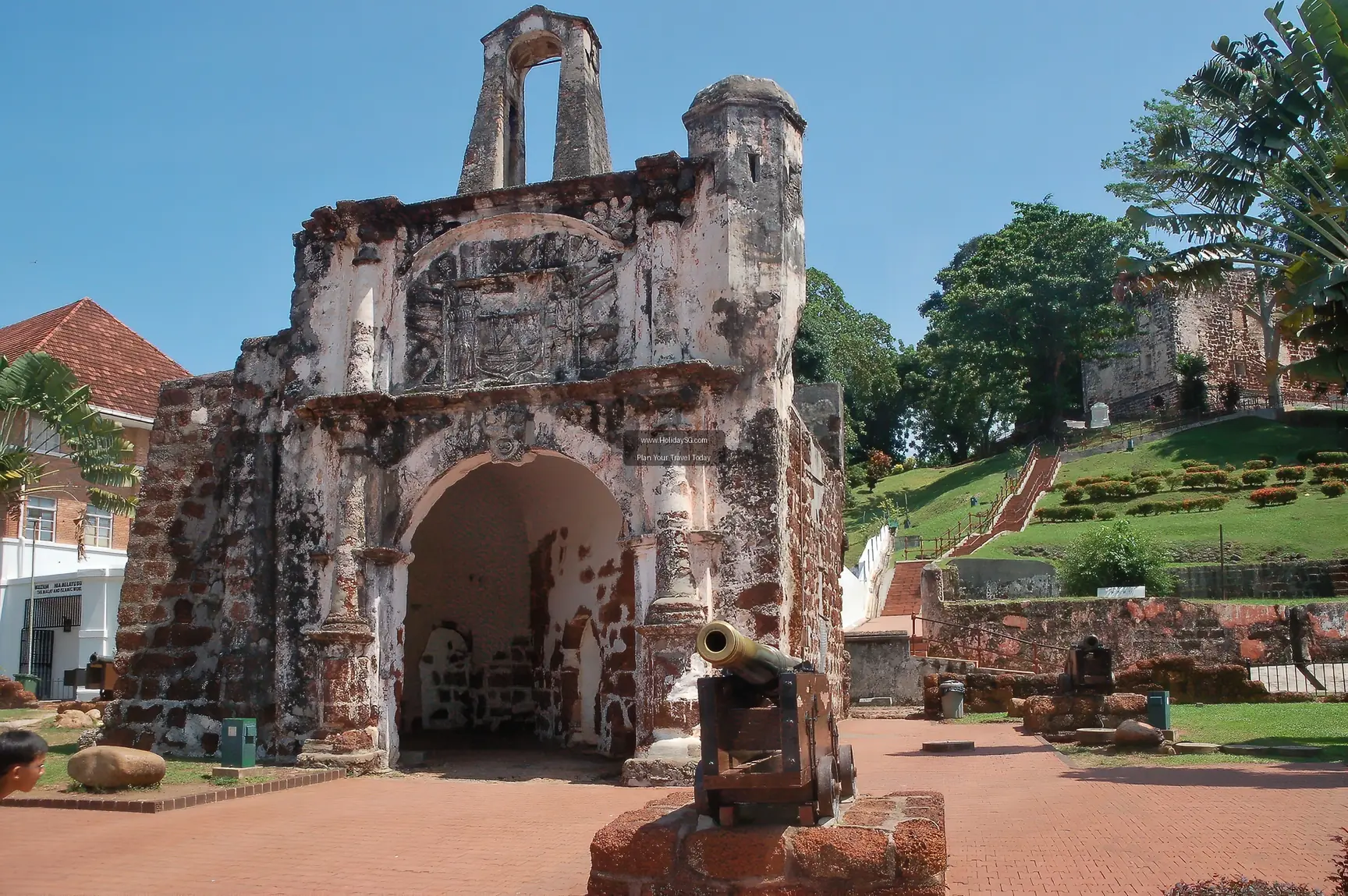
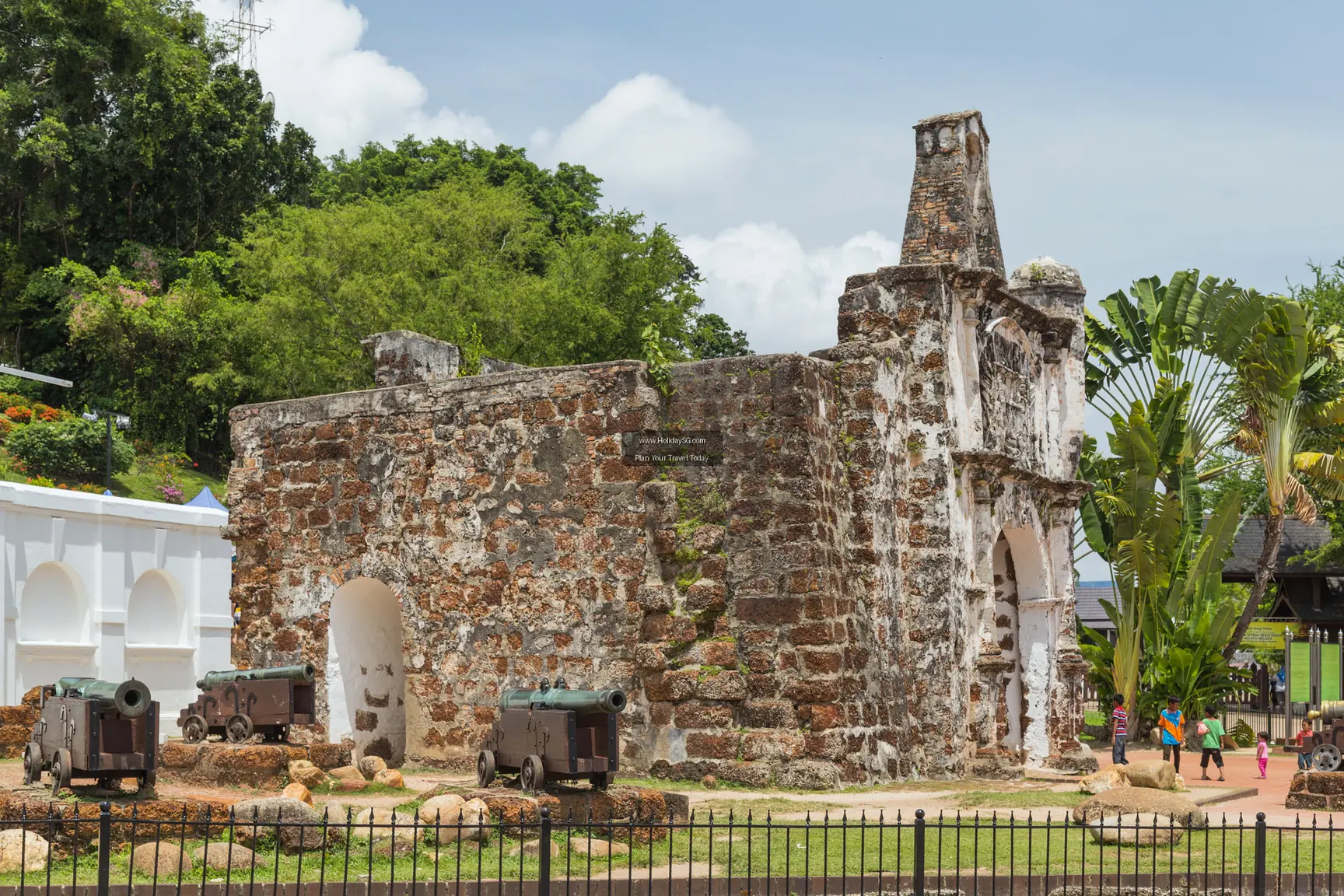
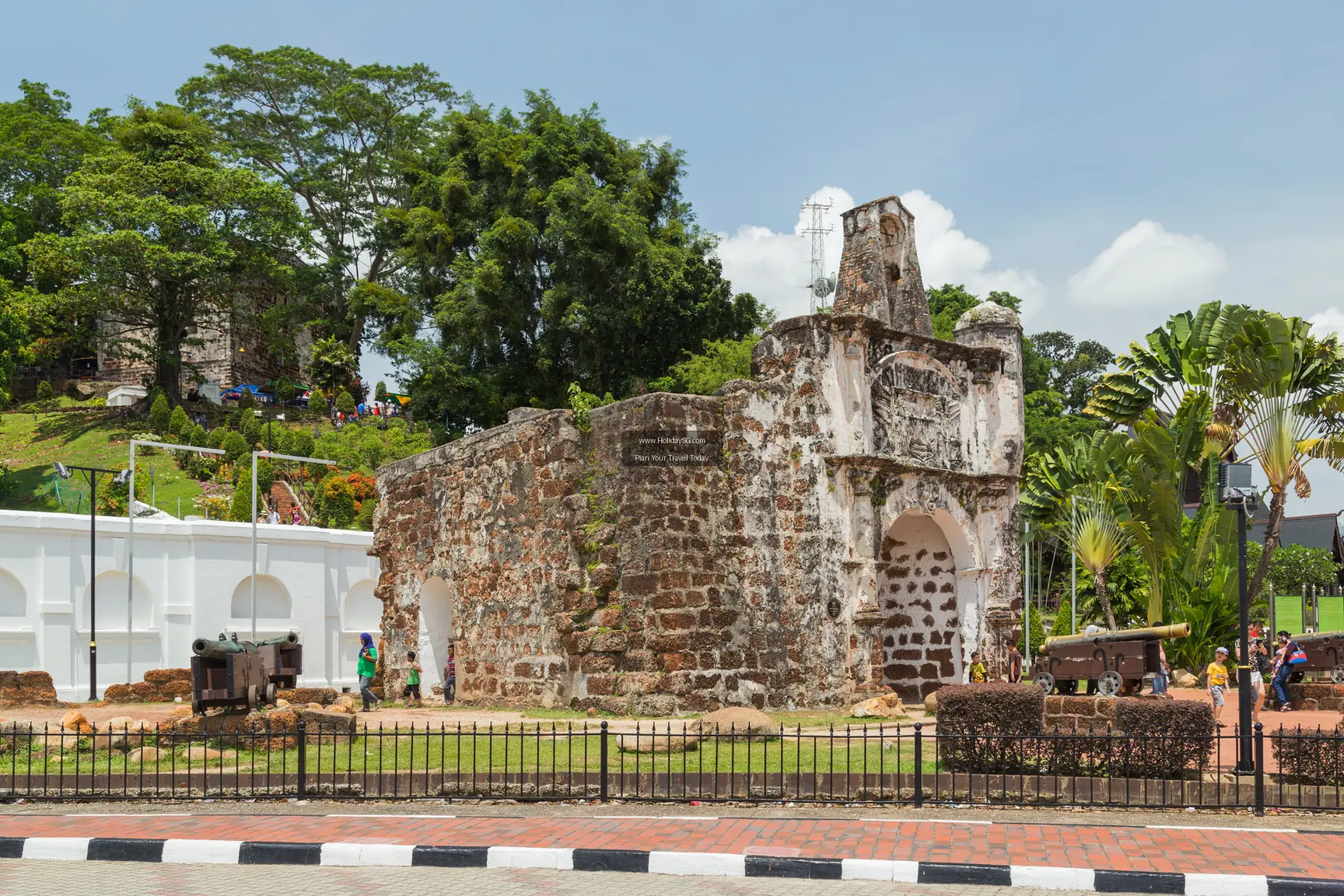
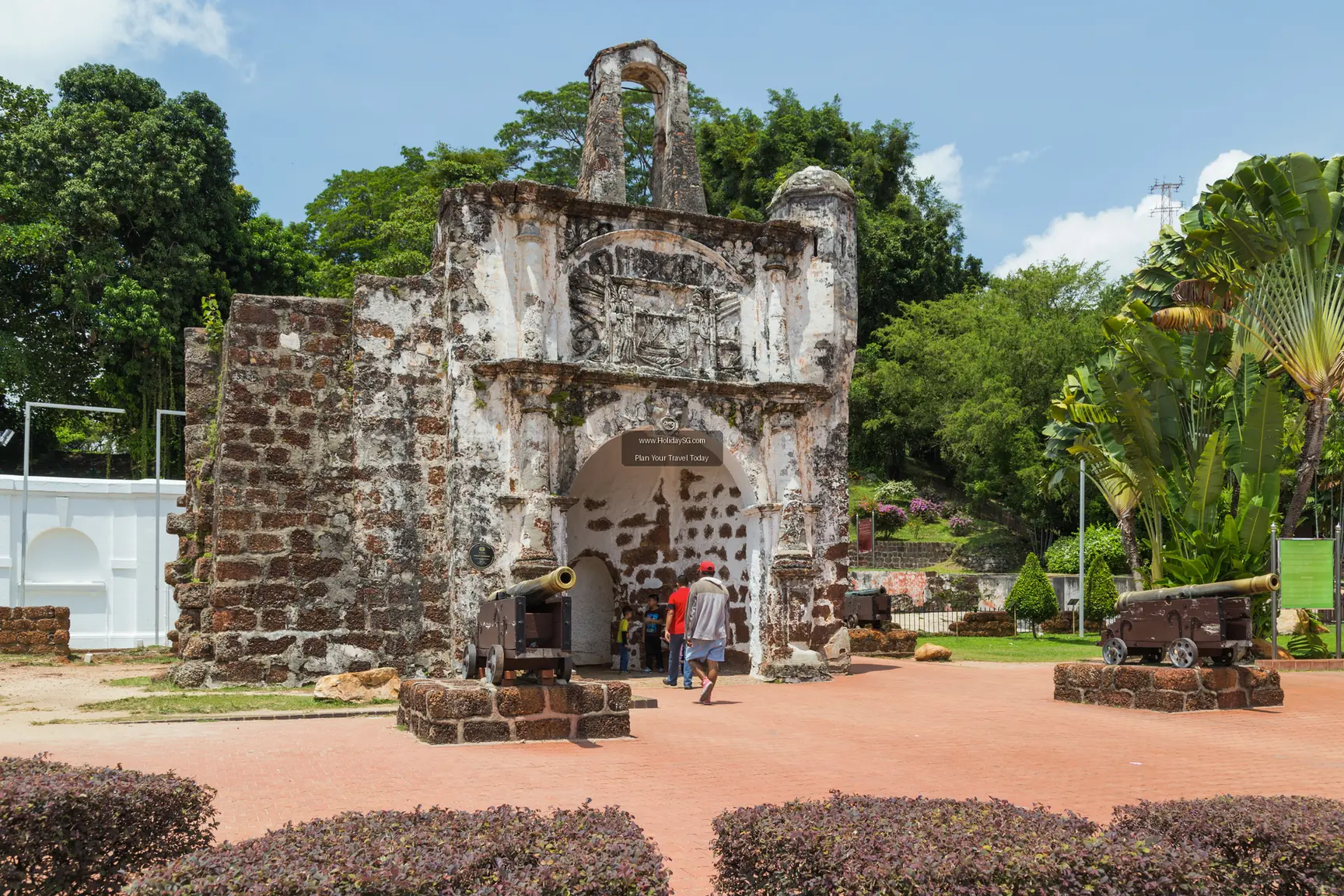
Unmissable Sights in Peninsular Malaysia
Ready to go? HolidaySG eSIM plan for Malaysia.
The Urban Heartbeat of Kuala Lumpur
KL is a city of contrasts, where gleaming towers stand alongside historic mosques and lively markets.
Soaring Above the City at the Petronas Twin Towers
No trip is complete without gazing upon the iconic Petronas Twin Towers. For the best experience, book your observation deck tickets online in advance – they sell out fast. The sky bridge and deck on the 86th floor offer breathtaking panoramic views. As the sun sets, the city lights create a magical spectacle. Ticket prices are around RM80 (approx. SGD25) for adults, a small price for an unforgettable perspective.
Exploring KL’s Cultural Quarters
Wander through the vibrant streets of Little India, with its colourful sari shops and spice aromas. Explore the intricate wooden architecture of Kampung Baru, the city’s traditional Malay enclave. Don’t miss the Batu Caves, a stunning Hindu temple complex housed within limestone caves, reached by a dramatic flight of 272 rainbow-coloured steps.
Penang’s George Town: A Heritage Feast
A designated UNESCO World Heritage site, George Town is an open-air gallery of colonial history, street art, and incredible food. Getting here from KL is straightforward, with a comfortable 4-hour train ride on the KTMB service costing around MYR100 (SGD31). For easy internet access during your explorations, consider grabbing a HolidaySG eSIM plan for Malaysia before you go.
- Street Art Trail: Hunt for whimsical murals and steel caricatures tucked into alleyways, like the famous “Children on a Bicycle.”
- Clan Jetties: Visit these historic waterfront villages, like Chew Jetty, to see how Chinese clans once lived over the water.
- Culinary Pilgrimage: This is the birthplace of legendary char kway teow and many other hawker classics. A food tour is a must.
The Cool Retreat of the Cameron Highlands
Escape the tropical heat in the emerald-green hills of the Cameron Highlands. This region is famed for its rolling tea plantations, strawberry farms, and lush mossy forests. Guided tours often include visits to the BOH Tea Centre, where you can learn about the brewing process and enjoy a cup with a view. Entry to most plantations is free, but a half-day tour costs between MYR100-200 (SGD31-62). It’s an ideal place for gentle hiking and nature walks, as we explore in more detail in our guide to Malaysia’s hill stations.
Langkawi: The Duty-Free Jewel
This archipelago of 99 islands is a paradise for beach lovers and adventure seekers. As a duty-free island, prices for goods and alcohol are lower. The Langkawi Sky Bridge offers dizzying views via a cable car ride, with entry around MYR5 (SGD1.50). For marine enthusiasts, snorkeling tours and island hopping trips range from MYR100 to 300. Simply relaxing on the pristine sands of Pantai Cenang or Teluk Datai is also a perfect activity.
Adventuring in Malaysian Borneo
For a completely different experience, head east to Sabah and Sarawak. Here, the focus shifts to pristine rainforests, unique wildlife, and indigenous cultures.
Sabah: Where Wildlife Roams Free
- Mount Kinabalu: Climb Southeast Asia’s tallest peak (4,095m) on a guided two-day trek. The climb is physically demanding but immensely rewarding, with a cost of approximately MYR1,500 (SGD470) that includes guide and permits. The sunrise from the summit is a life-changing sight.
- Sepilok Orangutan Centre: Witness the rehabilitation of orphaned orangutans in their natural forest habitat. Entry is just MYR30 (SGD9), and seeing these gentle “people of the forest” up close is a profoundly moving experience.
- Diving in Sipadan: Renowned as one of the top dive sites in the world, Sipadan offers dramatic drop-offs and rich marine biodiversity.
Sarawak: The Land of the Hornbills
Sarawak, on Borneo’s northwest coast, offers cultural immersion and jungle adventures. Visit a traditional Iban longhouse to learn about their unique way of life. The colossal Clearwater Cave and Deer Cave in Mulu National Park are geological wonders, often reached via thrilling canopy walks. For animal lovers closer to the city, a trip to Just Farm at Petaling Jaya can be a fun, family-friendly diversion.
A Culinary Adventure: What and Where to Eat
Ready to go? HolidaySG eSIM plan for Malaysia.
Malaysian food is a national treasure. It’s affordable, diverse, and best experienced at lively hawker centers and kopitiams (coffee shops).
- Nasi Lemak: The national dish – fragrant coconut rice served with spicy sambal, fried anchovies, peanuts, egg, and cucumber. A plate costs just MYR5-10 (SGD1.50-3).
- Roti Canai: Flaky, buttery flatbread served with dhal or curry, perfect for breakfast. It’s a steal at MYR2-5 (SGD0.60-1.50).
- Laksa: A spicy noodle soup that varies by region – creamy and coconut-based in the north, sour and fish-based in Penang.
Hawker centers are not only delicious but also hygienic and incredibly budget-friendly, making them ideal for travellers.
Navigating Malaysia: Transport Made Easy
Moving around is hassle-free. Within cities, use ride-hailing apps like Grab for affordable, air-conditioned rides. For intercity travel on Peninsular Malaysia, the KTMB train network is comfortable and scenic, offering a relaxing alternative to buses. Domestic flights are plentiful and often inexpensive, while ferries connect to island destinations like Langkawi and the Perhentian Islands.
Essential Travel Tips and Know-Hows
Ready to go? HolidaySG eSIM plan for Malaysia.
When to Go
The best time to visit Peninsular Malaysia is during the dry season from March to October. For East Malaysia (Sabah and Sarawak), the best months are April to September, offering ideal conditions for climbing and diving.
Budgeting Your Trip
Malaysia is exceptionally good value. Budget travelers can expect to spend around MYR150–250 (SGD47–78) per day, covering a dorm bed, local meals, and basic transport. A mid-range trip with comfortable hotels, occasional restaurant meals, and activities averages MYR400–600 (SGD125–188) daily.
Health and Safety
Water Safety: Do not drink tap water. Bottled water is cheap (about MYR1 per litre) and widely available everywhere.
General Safety: Malaysia is generally safe for tourists. Standard precautions apply: avoid isolated areas late at night and keep your valuables secure. The emergency number is 112.
Visa Requirements for Singaporeans
Singapore passport holders enjoy visa-free entry for up to 90 days. Ensure your passport is valid for at least six months from your date of entry.
Recommended HolidaySG Tours
- HolidaySG eSIM plan for Malaysia
- HolidaySG eSIM plan for Malaysia
- Just Farm By Just Pets Megastore Ticket – Malaysia’s Largest Indoor Petting Zoo
- HolidaySG eSIM plan for Malaysia
Ready to explore? Stay connected on your trip with our HolidaySG eSIM plan for Malaysia and dive into all the amazing things to do in Malaysia!
Book these with HolidaySG:
Book with HolidaySG online for Whizcomms 14 Day 15gb Unlimited Malaysia Esim Instant Activation Nationwide, Malaysia Heritage Studios In Melaka, Malaysia Unlimited 4g5g Data Esim.
Frequently Asked Questions
Where can I book activities and services mentioned in this article?
You can book various Malaysia travel products online for instant access. For eSIM data packages, consider the Whizcomms 14 Day 15GB Unlimited Malaysia eSIM, HolidaySG eSIM plan for Malaysia, or the Instant eSIM Singapore Malaysia for seamless connectivity. To experience cultural heritage, book tickets for Malaysia Heritage Studios in Melaka. For family-friendly fun, get tickets for Just Farm by Just Pets Megastore, Malaysia’s largest indoor petting zoo.
Do foreigners (non-citizens) need a different ticket, price, or visa for Malaysia?
Generally, foreigners may have different ticket prices or requirements at some attractions, but this varies by site—it’s best to check directly with the venue. For visas, Malaysia offers visa-free entry for citizens of many countries for short stays (typically up to 90 days), but rules can change based on nationality and travel purpose. I recommend verifying the latest entry requirements on official sources like the Malaysian Immigration Department website or your local Malaysian embassy before your trip.
What is the best time (season, or time of day for the site/activity) to go?
The best time to visit Malaysia is during the dry season, from March to October, when weather is more favorable for outdoor activities. However, Malaysia’s tropical climate means rain can occur year-round. For specific sites like heritage studios or indoor petting zoos, mornings on weekdays are ideal to avoid crowds. Always check local events or festivals, as they can enhance your experience but may also mean busier attractions.
How long should I spend in Malaysia for a typical trip?
A typical trip to Malaysia lasts 7 to 10 days, allowing time to explore key destinations like Kuala Lumpur, Penang, and Langkawi. If focusing on one region, such as Melaka or the Cameron Highlands, 3 to 4 days can suffice. For a comprehensive experience including cultural sites, nature, and beaches, plan for at least two weeks.
What are the average costs for activities in Malaysia?
Costs vary widely: entrance fees to attractions like heritage studios or petting zoos range from RM 20 to RM 50 (about SGD 6 to 15) per person. ESIM data packages cost between SGD 10 to SGD 30 for multi-day plans. Meals at local eateries are affordable, around RM 10 to RM 20 per dish (SGD 3 to 6), while mid-range dining can be RM 50 to RM 100 per meal (SGD 15 to 30). Budget for transportation, accommodation, and souvenirs accordingly.
How do I get around Malaysia as a tourist?
Malaysia has an efficient public transport system in cities, including buses, trains (like the MRT in Kuala Lumpur), and ride-hailing apps such as Grab. For intercity travel, flights are quick and affordable, or you can use buses and trains. Renting a car is convenient for exploring rural areas, but note that driving is on the left. Ensure you have an eSIM for navigation apps.
Is Malaysia a family-friendly destination?
Yes, Malaysia is highly family-friendly with attractions like indoor petting zoos, theme parks such as Legoland, and cultural sites that engage all ages. Beaches and islands offer safe swimming, and many restaurants provide kid-friendly menus. However, always supervise children in crowded areas and ensure activities are age-appropriate.
What should I pack for a trip to Malaysia?
Pack lightweight, breathable clothing for the tropical heat, along with a rain jacket or umbrella for sudden showers. Sunscreen, insect repellent, and comfortable walking shoes are essential. Bring a universal power adapter for electronics, and consider packing modest attire for visiting religious sites. Don’t forget your eSIM for instant connectivity upon arrival.
Are there accessibility options for disabled travelers in Malaysia?
Accessibility varies; major cities like Kuala Lumpur have improved facilities in malls, hotels, and public transport, but older sites or rural areas may have limitations. Many attractions offer wheelchair access, but it’s advisable to check in advance. Contact venues directly for specific accommodations, and consider travel insurance that covers accessibility needs.
How safe is Malaysia for tourists?
Malaysia is generally safe for tourists, with low violent crime rates. However, petty theft like pickpocketing can occur in crowded areas, so stay vigilant. Avoid isolated spots at night and use reputable transportation. Health-wise, stay hydrated and be cautious with street food if you have a sensitive stomach. Always follow local advice and travel advisories.
What’s the weather like in Malaysia throughout the year?
Malaysia has a tropical climate with high humidity and temperatures averaging 25°C to 35°C (77°F to 95°F) year-round. The rainy season varies by region: the east coast experiences heavy rain from November to March, while the west coast is wetter from May to October. Pack accordingly and check forecasts for your specific travel dates.
What local etiquette should I be aware of in Malaysia?
Malaysia is multicultural, so respect for diverse customs is key. Dress modestly when visiting religious sites (cover shoulders and knees). Use your right hand for giving or receiving items, as the left hand is considered unclean. Avoid public displays of affection and be mindful during prayer times. Learn basic Malay phrases to enhance interactions.
What are some must-try foods in Malaysia?
Malaysia is a food paradise: try nasi lemak (coconut rice dish), char kway teow (stir-fried noodles), roti canai (flatbread with curry), and satay (grilled meat skewers). For dessert, enjoy cendol or ais kacang. Explore local hawker centers for authentic and affordable meals—don’t miss the chance to sample these culinary delights.
Can I combine this with other nearby attractions?
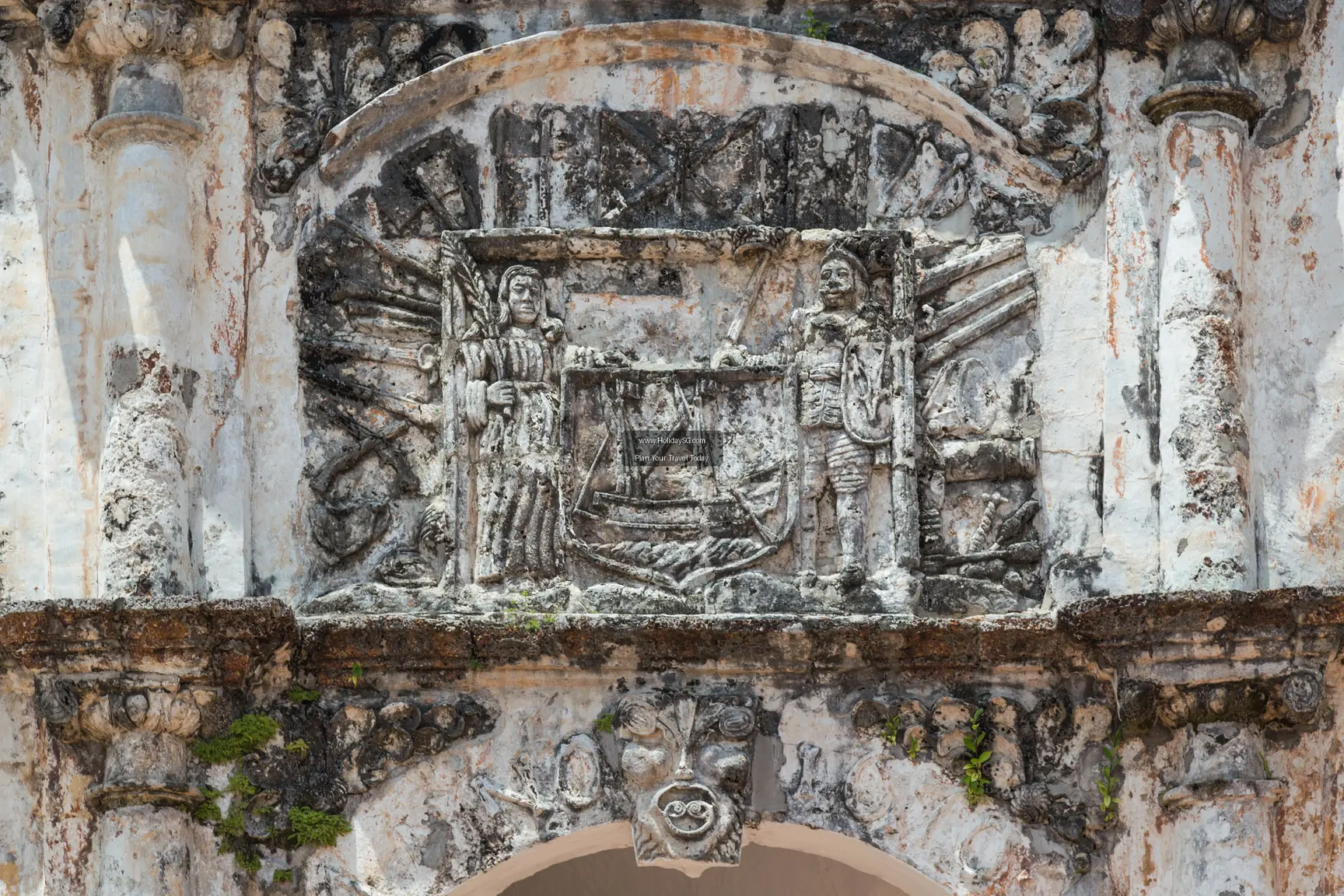
Absolutely. For example, if visiting Melaka for heritage studios, combine it with Jonker Street’s night market and A Famosa fortress. In Kuala Lumpur, pair indoor activities with visits to the Petronas Towers or Batu Caves. Many attractions are clustered, making it easy to create a full-day itinerary.
What are the opening hours for popular sites?
Opening hours vary: most attractions operate from 9 AM to 6 PM, with some extending to evening for night markets or events. For instance, heritage studios might open from 10 AM to 5 PM, while petting zoos could have specific session times. Always check the official website or contact the venue before visiting to confirm current hours.
Do I need to know any Malay phrases?
While English is widely spoken in tourist areas, learning basic Malay phrases like “selamat datang” (welcome), “terima kasih” (thank you), and “sila” (please) can enrich your experience and show respect. Locals appreciate the effort, and it can be helpful in rural areas or when bargaining at markets.
Are there any entry requirements or restrictions post-COVID?
As of now, Malaysia has lifted most COVID-19 related entry restrictions, but health protocols may still apply at some venues. It’s advisable to check the latest guidelines from the Ministry of Health Malaysia or your airline before traveling, as rules can change. Having travel insurance is recommended for any unforeseen circumstances.
What’s the best way to exchange currency in Malaysia?
The Malaysian Ringgit (MYR) is MYR (Malaysian Ringgit). You can exchange money at banks, licensed money changers, or airports—airports often have better rates. ATMs are widely available, but notify your bank of travel plans. Avoid street changers, and use credit cards where accepted for convenience. Carry some cash for small purchases.
How can I stay connected with internet access in Malaysia?
For reliable internet, get an eSIM before your trip with packages like the Whizcomms 14 Day 15GB Unlimited Malaysia eSIM or the HolidaySG eSIM plan for Malaysia. These offer instant activation and nationwide coverage. Public Wi-Fi is available in cafes and malls, but eSIMs ensure continuous access for maps, translation, and sharing.
What are some hidden gems or off-the-beaten-path things to do in Malaysia?
Explore lesser-known spots like the historical town of Taiping for its tranquil lakes and museums, or the Taman Negara National Park for jungle trekking. For unique experiences, visit the Sasaran Art Island (Sky Mirror) near Kuala Selangor or the rural villages of Sarawak for cultural immersion. These destinations offer authentic insights beyond typical tourist trails.
What things cost in Malaysia
Live HolidaySG prices for the experiences in this guide, so you can sanity-check a budget before you commit.
| Experience | Where | From price |
|---|---|---|
| Cameron Highlands Day Tour from Kuala Lumpur with Lunch (Guide... | Cameron Highlands | From S$76.85 |
| Cameron Highlands and Mossy Forest Half Day Tour | Cameron Highlands | From S$16.53 |
| The Bentong Farm | Bentong | From S$12.00 |
| Awana SkyWay (Formerly known as Genting Highlands Premium Outl... | Genting Highlands | From S$4.00 |
| Blue Ice Skating Rink @ Sunway 163 Mall | Kuala Lumpur | From S$14.00 |
| Breakout Escape Game Avenue K | Kuala Lumpur | From S$13.17 |
| Breakout Escape Game NU Sentral | Kuala Lumpur | From S$13.00 |
Melaka and Its Layered History
Melaka is a short drive from Kuala Lumpur and a good day or overnight trip for anyone who enjoys history. The old town centres on a riverside lined with painted shophouses, and the streets around the hill hold Portuguese, Dutch and British traces alongside Chinese temples and Malay mosques. A walk along the river in the late afternoon, when the light turns golden and the boats are lit, is one of the more relaxed experiences in the country. Give yourself time to look inside the small museums, which explain how the port shaped the region.
The Nyonya heritage here is a distinct blend of Chinese and Malay cooking, and the local dishes reward slow eating. Look for a family-run restaurant that serves laksa or savoury rice dishes with tangy sambal. Parking in the old centre can be difficult at weekends, so arrive early or use a public car park and walk in.
Ipoh and the Old Town Cafés
Ipoh is a city of limestone hills and old colonial buildings, and it has become a favourite for visitors who want to eat well and walk slowly. The old town cafés serve white coffee, a smooth local style made with condensed milk, and the bean sprout chicken and soft bean curd dishes are a regional speciality. Cave temples sit in the limestone just outside town, and the climb up to some of them is rewarding for the views. Wear comfortable shoes, carry water and visit in the cooler hours of the day.
Kota Kinabalu Waterfront Evenings
Kota Kinabalu, the capital of Sabah, has a relaxed waterfront where locals gather in the evening. Seafood stalls set up along the promenade, and the sunsets over the islands draw crowds. Most visitors use the city as a base for island trips and mountain excursions, but a slow evening on the water is a pleasure in its own right. Ask the stallholders which fish is fresh that day, and agree on the price before you order.
Sabah is far from Peninsular Malaysia, so plan the flight with care. Check the timetable, allow time between activities and keep the cruise or mountain booking flexible in case of weather changes.
Night Markets Done Well
Night markets are part of daily life in most Malaysian towns, and they are at their busiest after dark. Stalls sell grilled satay, fried noodles, fresh fruit juice and sweet desserts, and the atmosphere is cheerful and noisy. Arrive hungry and walk the full length before you choose, since the best stalls are often tucked into side lanes. Share a few dishes so you can taste more of the menu.
- Carry small notes and coins, since many stalls prefer cash.
- Ask about spice levels, especially for sambal and chilli-based dishes.
- Keep an eye on your bag in crowded lanes and at busy stall counters.
Island Hopping Off the East Coast
The islands off the east coast of the peninsula are known for clear water, coral gardens and quiet beaches. Trips depend heavily on the monsoon season, and boats may not run during rough weather periods. Check the current sailing advice with the operator and with official sources before you book, and allow a spare day in your plan. Snorkelling gear, reef-safe sun cream and a dry bag are useful to bring. Look for operators who brief guests on reef care and keep groups small enough to protect the marine life.
Accommodation on the islands ranges from simple chalets to resorts. Ask whether the price includes meals and transfers, and whether electricity and fresh water are limited. Pack a small torch for evenings and any medicines you need, since pharmacies on small islands may be limited.
Batik and Craft Workshops
Batik is a traditional wax-resist technique that produces rich patterns on cloth, and several towns offer short workshops where you can try the process yourself. The first attempt usually looks rough, but the results make a personal souvenir. Workshops in the northeast coast towns are especially well known for their textile traditions. Ask how long the session takes, what materials are provided and whether you can take the finished piece home the same day.
Other craft visits include wood carving, songket weaving and pewter workshops in several cities. Support local makers by buying directly, and keep receipts for larger purchases.
Mangrove and River Cruises
Boat trips through mangrove channels and river systems offer a quieter way to see wildlife. Keep an eye out for kingfishers, monkeys along the banks and, in some areas, monitor lizards and fish eagles. Early morning and late afternoon are the best times for birdlife. Choose a boat with a shade canopy, wear a hat and bring insect repellent, since mosquitoes can be active near water. Ask the guide about the route and the expected duration before you set off.
Respect wildlife by keeping a distance and avoiding loud noises. Feeding animals is discouraged, and it can change their behaviour in ways that harm them over time.
Jungle Trails for Beginners
Rainforest trails in Malaysia can be humid and steep, even when they are short. Beginners should choose a marked trail with a guide, start early and carry at least two litres of water per person. Good footwear with grip is essential, since roots and wet rocks can be slippery. Leeches are common after rain, so tuck trousers into socks and carry a small pouch of salt or a repellent recommended by your guide.
Tell someone at your accommodation where you are going and when you expect to return. Mobile coverage can be patchy in forest areas, so do not rely on it for navigation.
Useful Malay Phrases for Visitors
Malay is the national language, and English is widely spoken in cities and tourist areas. A few simple phrases are warmly received. Selamat pagi means good morning, terima kasih means thank you, and tolong means please help when you need assistance. Saying apa khabar, meaning how are you, opens a friendly conversation. Many people also speak Mandarin, Tamil or local languages, so it is fine to ask which one a shopkeeper prefers.
Staying Connected and Managing Money
A local SIM or an eSIM can make navigation and ride-hailing much easier. Check the coverage for the regions you plan to visit, since signal can weaken in the highlands and on islands. Download offline maps before you travel, and save key addresses and booking references in a note on your phone.
Malaysia uses the ringgit. Cards are widely accepted in cities, but cash remains important at night markets, small stalls and rural guesthouses. Notify your bank before you travel, and check any foreign transaction charges on your card. Compare exchange rates at official money changers, and keep receipts for larger purchases.
Our team confirms bookings before the ticket is issued, so please allow for that step when you plan arrivals and departures. Keep the confirmation email with your passport and check the dates before you travel.
Choosing Your Pace Across Malaysia
Malaysia rewards travellers who choose a few regions and explore them well. Trying to cover the peninsula and Borneo in one short trip leaves little time for the markets, the coffee shops and the quiet walks that make the country memorable. Pick one or two areas that match your interests, and allow enough nights in each to settle in.
Malaysia Travel Questions and FAQ
The shoulder months of May and September offer fewer crowds and lower accommodation rates compared to peak season, though you'll encounter occasional rain showers. The dry season runs roughly from December to February and June to August, with January and July being peak tourist months when prices spike significantly. If you can travel during late April or October, you'll dodge both the monsoon rains and the holiday rush that floods places like Langkawi and the Cameron Highlands. Budget accommodation in Georgetown, Penang can cost half what you'd pay during Chinese New Year or school holidays.
How many days do I realistically need to experience Malaysia's main regions?
A solid introduction requires ten to fourteen days to cover Kuala Lumpur, Penang's George Town, the Cameron Highlands, and either Langkawi or Malaysian Borneo. If Sabah and Sarawak are priorities for wildlife viewing and jungle trekking, add another five to seven days minimum. Most visitors spend three days in Kuala Lumpur, two to three in Penang, two in the Cameron Highlands, and then distribute remaining time across island hopping off the east coast or Borneo's national parks like Kinabalu. Shorter trips of five to seven days work well if you focus on a single region—say Kuala Lumpur combined with a quick escape to Langkawi.
What should I expect to pay for meals, activities, and transport as a tourist?
Street food and casual hawker stalls in night markets across Malaysia cost between two and five ringgit per dish, while mid-range sit-down restaurants run eight to fifteen ringgit. Entrance fees to major attractions vary—Petronas Twin Towers costs around eighty ringgit, while nature reserves and cave temples typically charge between five and twenty ringgit. Domestic flights between Kuala Lumpur and Kota Kinabalu or Kuching range from sixty to one hundred fifty ringgit depending on booking timing. Local transport is remarkably cheap; a monorail journey across Kuala Lumpur costs two to five ringgit, and long-distance buses between cities cost fifteen to forty ringgit for several hours of travel.
Do I need to speak Malay to get by as a tourist?
English is widely spoken in tourist areas, shopping malls, hotels, and restaurants, particularly in Kuala Lumpur and Georgetown, so you can navigate comfortably without Malay. Learning a few phrases like "terima kasih" (thank you), "selamat pagi" (good morning), and "berapa harga?" (how much?) will earn you smiles and goodwill from locals in smaller towns and at night markets. Signage in major cities and tourist destinations includes English translations, and taxi drivers, tour guides, and shop owners in established tourist spots speak conversational English. Your effort to use basic Malay phrases opens doors to genuine interactions, especially in less-touristy places like the old town cafes of Ipoh or during mangrove river cruises.
What's the fastest way to travel between Malaysia's major cities?
Domestic flights are quickest for long distances—Kuala Lumpur to Kota Kinabalu takes around two and a half hours, while the same journey by bus takes over twenty hours. The air-rail connection in Kuala Lumpur (the KL Sentral hub) links you to express trains heading north toward Penang and Ipoh, with journey times of five to seven hours depending on your destination. Budget airlines operate frequent routes between major hubs, making flights competitive with long-distance buses once you factor in time savings. For shorter regional hops like Kuala Lumpur to the Cameron Highlands or Langkawi, comfortable air-conditioned coaches are reliable and cost-effective, though they require three to four hours of travel.
Quick Answers
What should I pack for Malaysia's tropical climate?
Pack lightweight, breathable clothing, waterproof bags for sudden afternoon rains, and a light rain jacket. Comfortable walking shoes suited for both wet and dry conditions are essential, especially for jungle trails in Sabah and Sarawak, while flip-flops work for casual exploration of Georgetown's heritage streets and island beach days in Langkawi. Sunscreen, hat, and sunglasses protect against intense equatorial sun, and a modest cover-up or light cardigan helps in air-conditioned shopping malls and temples where dress codes apply.
How do I get mobile internet access while traveling through Malaysia?
Local SIM cards from providers like Maxis, Celcom, and Digi are sold at airport counters and convenience stores, offering reasonable data packages that cost between twenty and fifty ringgit for several days of usage. Major cities, shopping centers, and most hotels have reliable WiFi networks, though speeds vary. Tourist areas like the Petronas Twin Towers precinct, Georgetown's Clan temples, and Langkawi's beaches have decent 4G coverage, making navigation straightforward with offline maps downloaded beforehand.
Are there lesser-known attractions worth visiting beyond the typical tourist circuit?
Ipoh's white-walled colonial Old Town and its surrounding cave temples offer authentic heritage without Georgetown's crowds, while the night markets in towns like Kota Kinabalu Waterfront showcase genuine local life. Mangrove river cruises in Sarawak reveal birdwatching and wildlife encounters, and the jungle trails suitable for beginners around Kuching provide rainforest immersion without extreme difficulty. Melaka's quieter Dutch-era architecture and local batik workshops offer cultural depth alongside—but away from—the well-trodden paths.
What local dishes should I try and where can I find them?
Things to book on this trip
Plan the rest of your trip
- Malaysia visa requirements - Check who needs a visa, the documents and the processing time.
- Hotels in Malaysia - Compare hotels and check room rates for your dates.
