

Seoul is an electrifying mix of ancient palaces, neon-lit shopping districts, and world-class culinary scenes. However, for first-time visitors, the sheer scale of the city and its unique digital ecosystem can be overwhelming. From navigating a subway system that rivals Tokyo’s to figuring out which city passes actually save you money, a little pre-trip planning goes a long way. Here is your comprehensive, no-nonsense guide covering Seoul for First-Timers: Tickets, Passes and Day Tours to ensure a seamless adventure.
Updated August 2026
Before You Fly: Essential Seoul Travel Prep
Visa and K-ETA Rules for Singapore Passport Holders
Great news for Singaporean travelers: you enjoy visa-free entry to South Korea for up to 90 days. Furthermore, Singapore passport holders are currently exempt from the K-ETA (Korea Electronic Travel Authorization) requirement until December 2025. This means you can skip the online pre-approval process and head straight to the immigration counters at Incheon Airport. Always double-check the latest advisories on the Singapore MFA or Korean immigration websites a week before your flight, just in case policies shift.
When to Visit: Chasing Cherry Blossoms and Autumn Foliage
Seoul experiences four distinct seasons, but two windows stand out for first-timers:
- Spring (April to May): The weather is mild, and the city turns pink with cherry blossoms. Head to Yeouido Park or Seokchon Lake for the best viewing spots.
- Autumn (September to November): Crisp air and stunning foliage make this the most comfortable time to explore. The ginkgo and maple trees at Gyeongbokgung Palace and Namsan Park are spectacular.
Stay Connected: eSIMs, Physical SIM Cards, and Wi-Fi Eggs
Do not rely on public Wi-Fi. While Seoul has excellent free Wi-Fi in cafes and subway stations, it is notoriously spotty when you are walking between transit hubs or heading out to rural day-tour destinations. Pre-book an eSIM, physical SIM card, or Wi-Fi egg for pickup at Incheon Airport before you fly. An eSIM is the most convenient if your phone supports it, while a Wi-Fi egg is ideal for families or groups sharing a single connection.
Navigating Seoul: Airport Transfers and Getting Around
Ready to go? Book Korea Lego Land Gangchon Railbike One Day Tour From Seoul Admission Tickets Transport Day Tours with HolidaySG.
Incheon Airport to the City: Taking the AREX Train
The AREX (Airport Railroad Express) is the most efficient way to reach Seoul Station from Incheon Airport. You have two options, depending on your budget and luggage:
| Train Type | Travel Time | Cost (Approx.) | Best For |
|---|---|---|---|
| Express Train | 43 minutes | SGD 9 (9,000 KRW) | Travelers with heavy luggage; guaranteed seating. |
| All-Stop Train | ~60 minutes | SGD 4.75 (4,750 KRW) | Budget travelers; those staying outside central Seoul. |
Riding the Subway and Buses with a T-Money Card
A physical T-money card is non-negotiable for seamless travel on Seoul’s subways and buses. You can buy one for 4,000 KRW (approx. SGD 4) at any airport or city convenience store (CU, GS25, 7-Eleven).
Crucial tip: You must top up the transit balance with cash (KRW). Foreign credit cards are almost never accepted for transit top-ups at convenience stores or station machines. Keep a stash of 10,000 KRW notes handy for reloading.
Navigation Apps: Why You Must Download Naver Map or KakaoMap
Leave Google Maps behind. Due to strict local security laws regarding map data, Google Maps is largely non-functional for walking or driving directions in South Korea. Before you leave home, download Naver Map or KakaoMap. Both offer English interfaces, highly accurate transit routing, real-time bus arrivals, and step-by-step walking navigation.
Attraction Tickets and City Passes for First-Timers
Discover Seoul Pass: Pricing, Perks, and Is It Worth It?
The Discover Seoul Pass is a tourist-centric city pass that offers free or discounted entry to top attractions like N Seoul Tower, Lotte World, and various museums. It also functions as a loaded T-money transit card. It is available in 24-hour (approx. SGD 39), 48-hour (approx. SGD 55), and 72-hour (approx. SGD 70) versions.
Is it worth it? Yes, but only if you plan a packed itinerary. To get your money’s worth, you need to visit at least two or three paid attractions per day. Note that while the pass includes a T-money card, you still need to top up the transit balance with cash.
Gyeongbokgung Palace Entry and the Hanbok Rental Hack
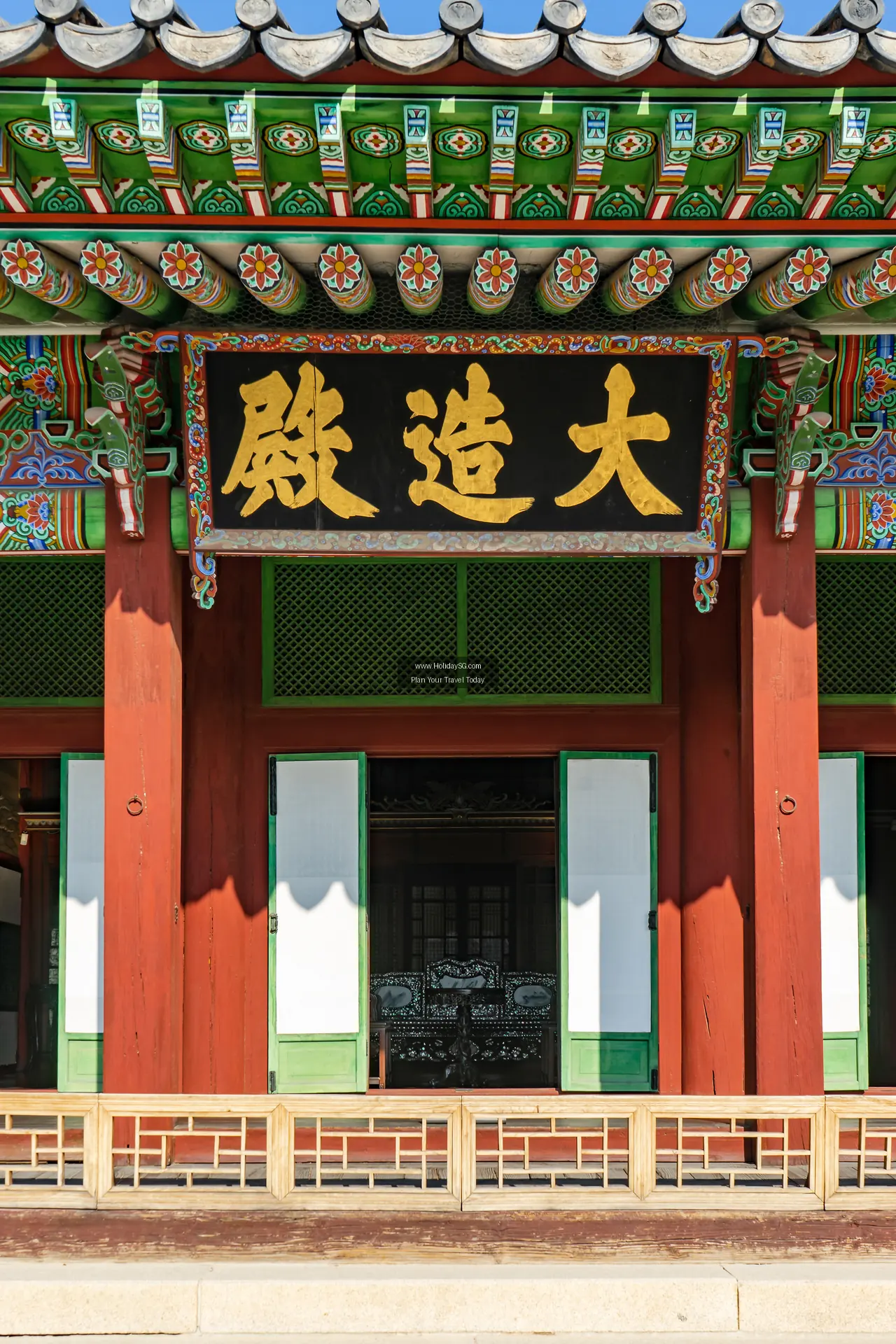
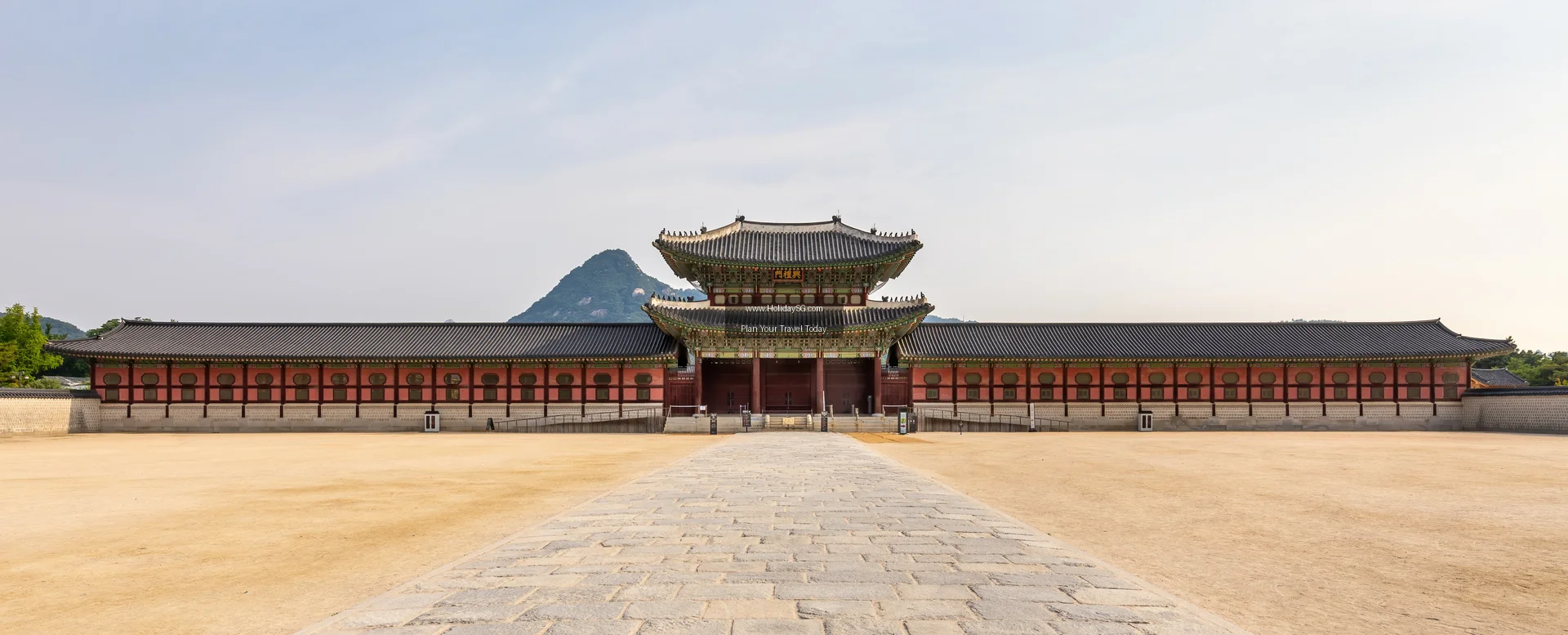
Gyeongbokgung is Seoul’s premier historical attraction. Standard entry is just 3,000 KRW (approx. SGD 3). However, first-timers should take advantage of the Hanbok rental hack.
If you rent a Hanbok (traditional Korean dress) from the dozens of shops located just outside the palace gates, your palace entry is completely free. Rentals typically cost between SGD 15 to SGD 25 for a three-hour block, making it a highly popular, cost-effective, and incredibly photogenic activity.
Must-Book Day Tours from Seoul
The DMZ Tour: Security Clearances and What to Expect
The Demilitarized Zone (DMZ) is the most booked day trip in Korea, offering a sobering look at the heavily fortified border with North Korea. Tours typically cost between SGD 60 and SGD 90.
- Book in advance: You must book several days (or weeks) ahead because the military requires strict security clearances for all visitors.
- Bring your physical passport: This is mandatory. You will be denied entry at the military checkpoints if you only have a digital copy, a photocopy, or a Singapore NRIC.
- Manage expectations: The famous JSA (Joint Security Area) blue huts are sometimes closed to tourists due to geopolitical tensions. Most standard tours will take you to the Dora Observatory and the 3rd Infiltration Tunnel instead.
Nami Island, Petite France, and Garden of Morning Calm
If you want to escape the concrete jungle, the Gangwon-do nature route is the ultimate full-day commitment. This combo usually includes Nami Island (famous for its tree-lined paths), Petite France, and the Garden of Morning Calm. Expect to pay around SGD 70 to SGD 100 for a guided tour.
Because these spots require a 1.5 to 2-hour drive each way from Seoul, doing this via public transit is a massive headache. Booking a guided coach tour saves you hours of navigating rural buses. For a more interactive experience that includes feeding alpacas and riding a scenic railbike, consider booking an Alpaca World, Nami Island, and Gangchon Railbike one-day tour, which perfectly blends nature, culture, and fun activities without the transit stress.
Recommended HolidaySG Tours
- Alpaca World, Nami Island & The Garden of Morning Calm One Day Tour
- Alpaca World, Gangchon Railbike, Nami Island & Garden Light Festival One Day Tour
- Korea Lego Land & Gangchon Railbike One Day Tour from Seoul
- Alpaca World & Nami Island One Day Tour Depart from Seoul
Your Next Steps for a Seamless Seoul Trip
Seoul is a remarkably rewarding city once you get past the initial logistical learning curve. To set yourself up for success, your immediate next steps should be concrete: download Naver Map and KakaoMap to your phone today, order your eSIM or Wi-Fi egg for airport pickup, and secure your DMZ tour tickets at least two weeks before your departure. Once your digital tools and major tours are locked in, all that’s left to do is pack your walking shoes and get ready to explore.
Ready to explore? Check out our Korea Lego Land Gangchon Railbike One Day Tour from Seoul Admission Tickets Transport Day Tours →
Book with HolidaySG online for Korea Lego Land Gangchon Railbike One Day Tour From Seoul Admission Tickets Transport Day Tours, Alpaca World Gangchon Railbike Nami Island Garden Light Festival One Day Tour Depart From Seoul Day Tours, Alpaca World Nami Island Gangchon Railbike One Day Tour From Seoul Day Tours.
Frequently Asked Questions
Where can I book these Seoul day tours and attraction tickets?
You can easily book your tickets and day tours directly through HolidaySG. For a fun-filled family adventure, check out the Korea Lego Land and Gangchon Railbike One Day Tour. If you want to experience the famous tree-lined paths and cute animals, the Alpaca World, Nami Island, and Gangchon Railbike One Day Tour is a fantastic choice. For a magical evening experience, don’t miss the Alpaca World, Gangchon Railbike, Nami Island, and Garden of Morning Calm Light Festival Tour.
Do foreigners need a different ticket, price, or visa to visit South Korea?
For most attractions and day tours, foreigners pay the same standard ticket prices as locals. However, visa requirements depend on your nationality. Many nationalities can enter South Korea visa-free for short tourist stays, while others must apply for a K-ETA (Electronic Travel Authorization) or a traditional visa before arrival. Because immigration rules can change, we highly recommend checking the official Republic of Korea visa portal or your local South Korean embassy for the most up-to-date entry requirements before your trip.
What is the best time of year to visit Seoul and join these day tours?
The best seasons to visit Seoul are spring (April to May) and autumn (September to November). Spring offers mild weather and beautiful cherry blossoms, making it perfect for outdoor activities like the Gangchon Railbike. Autumn is equally stunning, especially on Nami Island, where the vibrant foliage creates a breathtaking backdrop. If you are visiting in winter, the Alpaca World, Nami Island, and Garden of Morning Calm One Day Tour is highly recommended, as the Garden of Morning Calm hosts a spectacular winter light festival. For the best experience, start your day tours early in the morning to beat the crowds and maximize your daylight hours.
Are these day tours from Seoul suitable for families with young children?
Yes, absolutely! Many of the itineraries departing from Seoul are specifically designed to be family-friendly. Attractions like Alpaca World allow kids to safely interact with and feed gentle animals, while LEGOLAND Korea offers thrilling rides and interactive zones tailored for younger visitors. If you are traveling with little ones, we highly recommend booking the Alpaca World and Nami Island One Day Tour, which includes hassle-free round-trip transport, allowing parents to relax while the kids enjoy the scenic rides and wildlife encounters.
Related reading:
- Tokyo in 5 Days: A Complete First-Timer’s Itinerary
- China Travel Guide 2026: First-Timer Essentials
- Essential Myanmar Travel Tips For First Timers
Getting the most from a first trip
Seoul is a city of contrasts, with palaces and temples beside glass towers, traditional markets beside shopping malls and quiet mountain paths within the city limits. For a first visit, choose two or three neighbourhoods and spend a half day in each. The metro is fast and easy to read in English, and many attractions are close together. Book popular palace tours, the observation decks and any timed experiences in advance.
The historic core
The palaces in the north of the city show the country's royal history, with ceremonies, guard changes and gardens that change with the season. Hanok village, a neighbourhood of traditional wooden houses, is a short walk away and makes a good contrast with the modern streets. Visit the palaces early in the morning, when the crowds are smaller and the light is soft, then spend the afternoon in the nearby lanes for tea and craft shops.
Frequently asked questions about first visits
Is Seoul easy to navigate?
Yes. Station signs and metro maps are in English and Korean, and transit apps give clear directions. Taxis and ride-hailing apps are useful late at night.
How many days should I plan?
Three to four days allows time for the palaces, a market, a day trip and an evening in a lively district.
Food, markets and street life
Seoul's food is one of its strongest attractions. Market stalls serve hot street snacks such as tteokbokki and hotteok, and the night markets are busy until late. Korean barbecue restaurants let you cook meat at the table, and many neighbourhoods have cafés with strong coffee and creative desserts. Try a few dishes at a time, and ask staff for recommendations if you are unsure what to order.
Etiquette and everyday customs
A few habits help when you visit a city as polite as Seoul. Stand on the right side of escalators, keep your voice low on the metro, and remove your shoes when entering some restaurants and homes. Use both hands when giving or receiving cards and small items, and do not tip, since it is not customary. These courtesies are appreciated and make everyday interactions smoother.
Frequently asked questions about daily life
Is Seoul safe for visitors?
Seoul is generally very safe. Keep your belongings secure in crowded places, and carry your passport or a copy when you go out.
Do I need to speak Korean?
No, but learning a few words such as annyeonghaseyo for hello and gamsahamnida for thank you is a friendly gesture that people notice.
Choosing Where to Stay in Seoul
Seoul is large, but it is organised around a network of neighbourhoods that each have their own character. Myeongdong and Euljiro suit first-time visitors who want shopping and easy subway access within a short walk. Insadong and the Jongno area are closer to the palaces and traditional streets, and they are quieter in the evenings. Hongdae and Sinchon feel young and energetic, with live music, cafes and late-night food. Gangnam is polished and busy, with big hotels and office towers, and it is a good base if you plan to explore the south of the city.
For a first trip, staying within walking distance of a subway line matters more than the size of the room. A compact but well-located hotel usually beats a larger room that takes an hour to reach the sights. Check whether the hotel offers a luggage storage service if you have a late check-out or an evening flight.
Hanok Stays and Guesthouses
Traditional hanok houses, with wooden beams, paper doors and heated floors, can be rented as guesthouses in several historic neighbourhoods. Staying in one is a memorable experience, but the rooms are often small, the bathrooms may be shared and the floors are low to the ground. Ask about the bedding, since many hanok rooms use thin mattresses on heated floors, and confirm whether the property is accessible if you have mobility needs.
Modern guesthouses are a practical alternative. They often have communal kitchens, friendly hosts and good local tips, and they suit solo travellers and small groups. Read recent reviews for information about noise, cleanliness and the distance to the nearest station.
Bukchon and the Hanok Village Walk
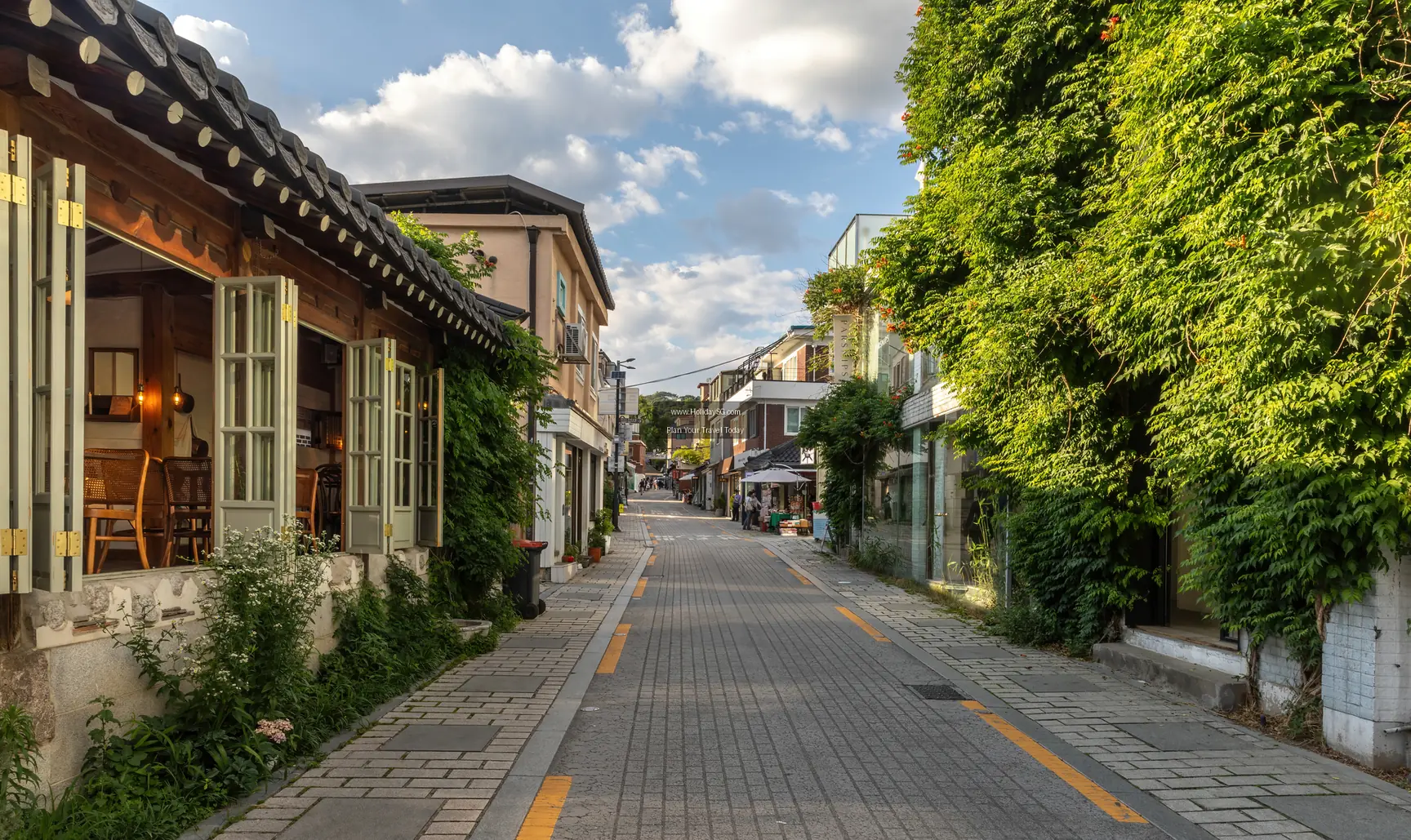
Bukchon Hanok Village sits between two palaces and is one of the most photographed areas of Seoul. Its narrow lanes are lined with traditional homes, many of which are still lived in. The village is a residential area, so keep your voice low, avoid blocking doorways and respect signs asking visitors not to enter private courtyards. Morning is the calmest time to walk, and the views from the upper lanes are especially pretty when the light is soft.
Combine Bukchon with a visit to the nearby Samcheong-dong area, which has galleries, small cafes and craft shops. It makes a relaxed half-day walk, and the streets are less crowded than the main palace areas.
Korean Barbecue and Dining Etiquette
Korean barbecue is a popular first meal for visitors. At most restaurants, you grill thin slices of marinated or plain beef, pork or chicken at your table, then wrap them in lettuce leaves with garlic, chilli paste and kimchi. Staff often help with the first few pieces, and they may cut the meat with scissors. Ask for the grill to be changed if the smoke becomes overwhelming, since many places have ventilation hoods above the table.
Some etiquette tips help you fit in. Wait for the eldest person at the table to start eating, pour drinks for others before your own, and use both hands when receiving a drink. Chopsticks are usually made of metal, and it is polite to keep them on the table rather than standing them upright in a bowl of rice.
- Ask whether the restaurant offers set menus for two or more people.
- Order a bowl of cold noodles or a stew to finish the meal.
- Tell staff about any food allergies in advance, since many dishes contain shellfish, nuts or sesame.
Shopping, Beauty Stores and Tax Refunds
For skincare, cosmetics and fashion, Seoul is a strong place to shop. Drugstores and beauty chains sell sheet masks, sunscreens and cleansers at competitive prices, and many stores run promotions for visitors. Compare the prices of the same product across two or three stores before you buy, and check the expiry date on any cosmetics you purchase.
Some shops offer tax-free shopping for visitors who spend above a set amount in a single receipt. Ask staff whether a refund is available, and keep your passport and receipts ready for the refund counter at the airport. Refund rules and minimum amounts can change, so check the official tourism information before you rely on the refund.
Night markets in Dongdaemun and Namdaemun are lively places to browse clothing and snacks. Bargaining is less common than in some other countries, but many stalls accept cash more readily than cards, so carry a small amount of won.
Cafes, Parks and Riverside Breaks
Seoul's cafe culture is one of its great pleasures. Many cafes are housed in restored old homes, converted factories or minimalist studios, and they serve excellent coffee alongside pastries and desserts. The Han River parks are popular for picnics, bicycle rides and evening walks, particularly in spring and autumn. Pack a light blanket and some snacks, and enjoy the view of the bridges as the city lights come on.
The Seoul Forest and the walking trails on the surrounding hills are good options for a slower day. Bring water and comfortable shoes, and check the weather forecast before a long hike.
Money, Cards and Everyday Payments
The South Korean currency is the won. Cards are accepted almost everywhere, from subway ticket machines to small shops, and contactless payments are widely used. Some street vendors and market stalls still prefer cash, so keep a small amount of won for snacks and fares. Check your card's foreign transaction charges before you travel, and choose to pay in won rather than your home currency when a terminal offers the choice.
Tipping is not customary in Korea, and most restaurants include service in the bill. Keep receipts for larger purchases, since they may be needed for refunds or returns.
Emergencies, Pharmacies and Health Basics
Korean emergency numbers include 112 for the police and 119 for fire and ambulance services. Save the numbers in your phone, and carry the address of your hotel in Korean. Pharmacies are easy to find in most neighbourhoods, and many are open late. Staff may speak limited English, so a translation app or a written description of your symptoms can help.
Bring any prescription medicine in its original packaging, along with a copy of the prescription. Some common medicines are restricted in Korea, so check the rules on the official government website before you travel. Travel insurance that covers hospital treatment is strongly recommended.
Weekend Crowds and Quieter Hours
Weekends bring large crowds to the palaces, the shopping streets and the popular cafes. If you can, schedule the big sights for weekday mornings, when queues are shorter and the light is good for photography. Evenings in Hongdae and Myeongdong are lively at any time, but the busiest hours are usually after nine o'clock on Friday and Saturday.
Subway trains are very crowded during rush hour, usually from seven to nine in the morning and from six to eight in the evening. If you can, travel outside these periods, or leave extra time for your journey.
Packing for Seoul's Seasons
Seoul has four distinct seasons, and the temperature can swing widely. Winters are cold and dry, with icy pavements and strong winds, so pack a warm down jacket, thermal layers, gloves and a hat. Summers are hot and humid, with heavy rain during the monsoon season. Spring and autumn are the most comfortable months for walking, so bring a light jacket and a scarf for cooler evenings.
Comfortable walking shoes are essential, since the city involves a lot of walking between subway stations, palaces and markets. A small umbrella and a portable charger will make the day more pleasant.
Travelling With Children and Older Visitors
Seoul is manageable for families, with lifts at most subway stations, child-friendly parks and indoor play areas. Palaces have wide paths but also steps, so plan rest stops. Restaurants with barbecue grills can be smoky for young children, so look for places with good ventilation or try a noodle or stew restaurant instead.
Older visitors may find the subway stairs tiring. Use taxis for longer distances, and ask staff at stations where the lifts are located before you start your journey.
Booking Support From HolidaySG
HolidaySG offers selected tours and attraction tickets for Seoul where available. Every booking is reviewed by our team before it is confirmed, and e-tickets are emailed once approved. Please check the meeting point, the start time and the inclusions in your confirmation before the day of your tour. Our support team is available 9 AM to 11 PM SGT daily to help with questions about your booking.
A Practical Three-Day First Plan
Three days gives first-time visitors a balanced introduction to Seoul. On the first day, arrive, settle into your neighbourhood and take a slow walk around the area. Enjoy an evening meal of barbecue or stew, and finish with a cafe or a stroll along a lively street. The second day suits the palaces and the traditional quarter. Start early at the main palace, walk through Bukchon in the afternoon and spend the evening in Insadong or Hongdae. The third day can be a day trip or a shopping and riverside morning, followed by an unhurried trip to the airport with time to spare.
If you have only two days, combine the palaces with the traditional quarter on the first day and cafes and shopping on the second. Keep the day trips for a longer stay, since travel time eats into the day quickly.
Reading Signs and Finding Your Way
Most subway stations and major streets have signs in both Korean and English, and station maps show exit numbers that help you find your destination quickly. Learn to read the basic Korean characters for your station and exit, because many of the signs are written only in Hangul. Navigation apps work well in Seoul, and they show walking routes between exits, which is useful in large interchange stations.
Give yourself extra time when changing lines at major stations. Some interchanges involve long walks through underground passages, and you may need to follow several signs before you reach the right platform.
Nightlife and Evening Safety
Seoul's nightlife is one of its most energetic features. Bars, clubs and late-night restaurants in Hongdae, Itaewon and Gangnam stay busy until the early hours. Keep your belongings close in crowded areas, and drink responsibly. Many bars serve group platters, which are a sociable way to share food. Trains stop running around midnight, so plan your return in advance, and use official taxis or a ride-hailing app after the last train.
Save the address of your hotel in Korean on your phone, and show it to the driver if you need to explain your destination. Share your location with a friend if you are out late on your own.
Local Festivals and Seasonal Events
Seoul hosts many festivals across the year, including lantern festivals, music events and food fairs along the river. Some palaces hold ceremonial changes of the guard, and visitors can watch the traditional procession on set days. Check the official calendars before you travel, since event dates and locations can change, and popular events draw large crowds.
Seasonal food stalls and street snacks are a joy to explore during festival periods, and they often offer a wider selection than the regular restaurants.
Final Thoughts for First-Time Visitors
Seoul rewards curiosity. Plan a few anchor sights, leave room for spontaneous detours, and let the neighbourhoods surprise you. A good meal, a quiet palace garden and a late-night walk through a lively street can be just as memorable as the famous landmarks. With a little preparation for transport, payments and etiquette, your first trip will feel comfortable and full of discovery.
Seoul Day Tours and Passes: Traveller Questions Answered
Can I visit the DMZ and return to Seoul the same day?
Yes, DMZ tours operate as full-day excursions departing early morning from central Seoul and returning by evening. Most tours pick up from major hotels or transport hubs like Seoul Station, taking you through the Joint Security Area at Panmunjom or the Third Tunnel of Aggression, then back to the city by 6 or 7 p.m. You'll need your passport and should confirm any required documentation with your tour operator before booking, as regulations can shift. Wear comfortable walking shoes and bring layers, as the area sits higher in elevation and weather changes quickly.
Is a T-Money card worth buying for just a few days in Seoul?
Absolutely—a T-Money card removes the friction of buying individual tickets for the subway and buses every time you travel. You can load it with cash at convenience stores like GS25 or CU, and it covers fares on all subways, most buses, and even some taxis and shops across Seoul. For a three or four-day visit, you'll easily use it enough to justify the card cost, plus you avoid queuing at ticket machines during rush hours. Cards are sold at any convenience store for a small fee, and unused balance can stay on the card or you can ask for a refund.
What's the actual difference between Naver Map and KakaoMap for getting around?
Both apps show subway routes, bus schedules, and walking directions, but Naver Map tends to have slightly more restaurant details and photo reviews from Korean users, while KakaoMap excels at taxi call integration and real-time traffic updates. Download both before you arrive—Naver Map can be easier for restaurant and café searches, and KakaoMap is particularly reliable for timing your subway connections during peak hours. Neither requires you to be online constantly; you can download offline maps beforehand. Most first-timers find Naver Map more intuitive, but having both means you're covered if one app glitches or loads slowly.
Should I buy the Discover Seoul Pass or pay per attraction?
The Discover Seoul Pass makes sense if you're visiting four or more major attractions like Gyeongbokgung Palace, Changdeokgung Palace, the War Memorial, and the Korean Folk Village. Individual tickets to each run 10,000–15,000 KRW, so a multi-day pass recovers its cost quickly if you're an active sightseer. However, if you're spending time in Bukchon Hanok Village, Nami Island, or neighbourhood cafes and street markets, you'll use fewer paid attractions and might spend less paying per entry. Check the official Discover Seoul Pass site to see the current inclusion list, as attractions change seasonally.
How do I know which day tour operator is reliable?
Reputable operators are based in Seoul, show clear pick-up locations (like Myeongdong or Seoul Station), and provide itinerary details and group size estimates upfront. Read recent reviews from other travellers to spot patterns—reliable operators collect feedback and respond to questions openly. Most established tour companies have Korean and English-speaking guides, clearly state what's included (lunch, entrance fees, guide), and confirm your tour date a day or two beforehand via message. Avoid operators with vague pick-up locations or who pressure you into add-on purchases during the tour.
Quick Answers
How much does a Gyeongbokgung Palace ticket cost, and do I need to book ahead?
Entry costs around 3,000–6,000 KRW depending on your age and whether you rent a hanbok (traditional dress); you can walk up and pay at the gate most days. Booking ahead isn't typically required unless you're visiting during major holiday weeks (Lunar New Year or Chuseok in autumn). If you rent a hanbok on-site or from a shop in Bukchon, you'll be allowed extended hours to explore the palace grounds in traditional clothing, which is worth the small rental fee.
What should I pack for a Nami Island day tour?
Bring comfortable walking shoes, sunscreen, and a light jacket or windbreaker—the island sits on a river and weather can be breezy and unpredictable. If you're visiting in spring (cherry blossom season), expect crowds in the afternoon, so tours departing early morning reach Nami Island before midday rush. A water bottle and snacks help, though there are cafes and food stalls throughout the island; many feature trendy Korean-style desserts and coffee that are pricier than Seoul city prices.
Can I use my phone to pay for transport and attractions instead of a T-Money card?
Mobile payment apps like Naver Pay and Kakao Pay work on some Seoul buses and subway turnstiles, but coverage is spotty and not all machines accept them. A physical T-Money card remains the most reliable option for everyday transport, especially on regional buses to Nami Island or the DMZ. That said, digital payment works smoothly at shops, restaurants, and cafes across Seoul, so having a payment app installed is still useful for daily spending.
Is the AREX train from Incheon Airport faster than a shuttle bus to central Seoul?
The AREX train reaches central Seoul (Seoul Station) in about 43 minutes on the express service, while shuttle buses can take 60–90 minutes depending on traffic and how many hotel drop-offs they make. The AREX is more predictable and cheaper, though shuttle buses take you directly to your hotel, saving luggage hassle. If you're staying near a major subway station, the AREX is the smarter choice; if your accommodation is off the main lines, compare the final travel time door-to-door before deciding.
Things to book on this trip
Plan the rest of your trip
- HolidaySG eSIM plans for South Korea - Buy a data plan before you fly and install it on your phone.
- South Korea visa requirements - Check who needs a visa, the documents and the processing time.
