

The 10 best places to visit in malaysia for first timers is exactly what this guide covers.
Planning your first trip to Malaysia? Our guide to the 10 best places to visit for first timers will help you experience the heart of this fascinating country. You’ve chosen one of Southeast Asia’s most rewarding and accessible destinations. It’s a place where ancient rainforests meet glittering skyscrapers, and where a single street can serve up Malay, Chinese, and Indian delicacies. From the lively energy of Kuala Lumpur to the serene beaches of the Perhentian Islands and the wild nature of Borneo, Malaysia offers a world of experiences without breaking the bank. This guide covers the absolute popular spots for a first-time visitor, ensuring you experience the heart and soul of this fascinating country.
Malaysia is an ideal first trip to Southeast Asia, offering immense cultural diversity, incredible affordability, and easy travel logistics. Focus on a mix of urban exploration, culinary adventures, and natural wonders—from the iconic Petronas Towers and UNESCO-listed George Town to the pristine beaches and orangutan sanctuaries of Borneo.
Why Malaysia is a Top Choice for First-Time Travelers
A Melting Pot of Cultures
Malaysia’s magic lies in its harmonious blend of Malay, Chinese, Indian, and indigenous cultures. This fusion is everywhere—in the architecture, the festivals, and most deliciously, the food. You’ll experience distinct traditions within a single city, making every day a lesson in diversity.
Unbeatable Value for Money
Your travel budget goes remarkably far here. For as little as SGD 45-75 a day (RM 150-250), you can comfortably cover a clean budget hotel, a full day of delicious local food, and all your transport. That means more experiences for every dollar spent.
Navigating with Ease and Confidence
Malaysia is exceptionally easy for newcomers. English is widely spoken, especially in tourist areas, public transport is reliable, and ride-hailing apps like Grab are ubiquitous and trustworthy. It’s considered very safe, with just the standard precautions you’d take anywhere.
The 10 Popular Destinations for Your First Trip
Ready to go? HolidaySG eSIM plan for Malaysia.
1. Kuala Lumpur: The Dynamic Capital
No trip is complete without experiencing KL’s iconic skyline. The Petronas Twin Towers are breathtaking by day or night, but the city’s soul is found in its neighbourhoods. Explore the vibrant chaos of Bukit Bintang, find spiritual calm at the colourful Batu Caves, and for the ultimate food experience, dive into the sizzling woks and fragrant curries at Jalan Alor food street. Stay connected to research the next stall with a handy HolidaySG eSIM plan for Malaysia.
2. Penang: The Food & Heritage Capital
Penang is a feast for all senses, especially taste. Its capital, George Town, is a UNESCO World Heritage site where grand colonial buildings sit alongside ornate Chinese clan houses. Spend hours hunting for its famous street art, then embark on a culinary pilgrimage for world-renowned hawker food like char kway teow and asam laksa. It’s a destination we celebrate in our guide to Penang’s food trails.
3. Malacca: A Glimpse into Colonial History
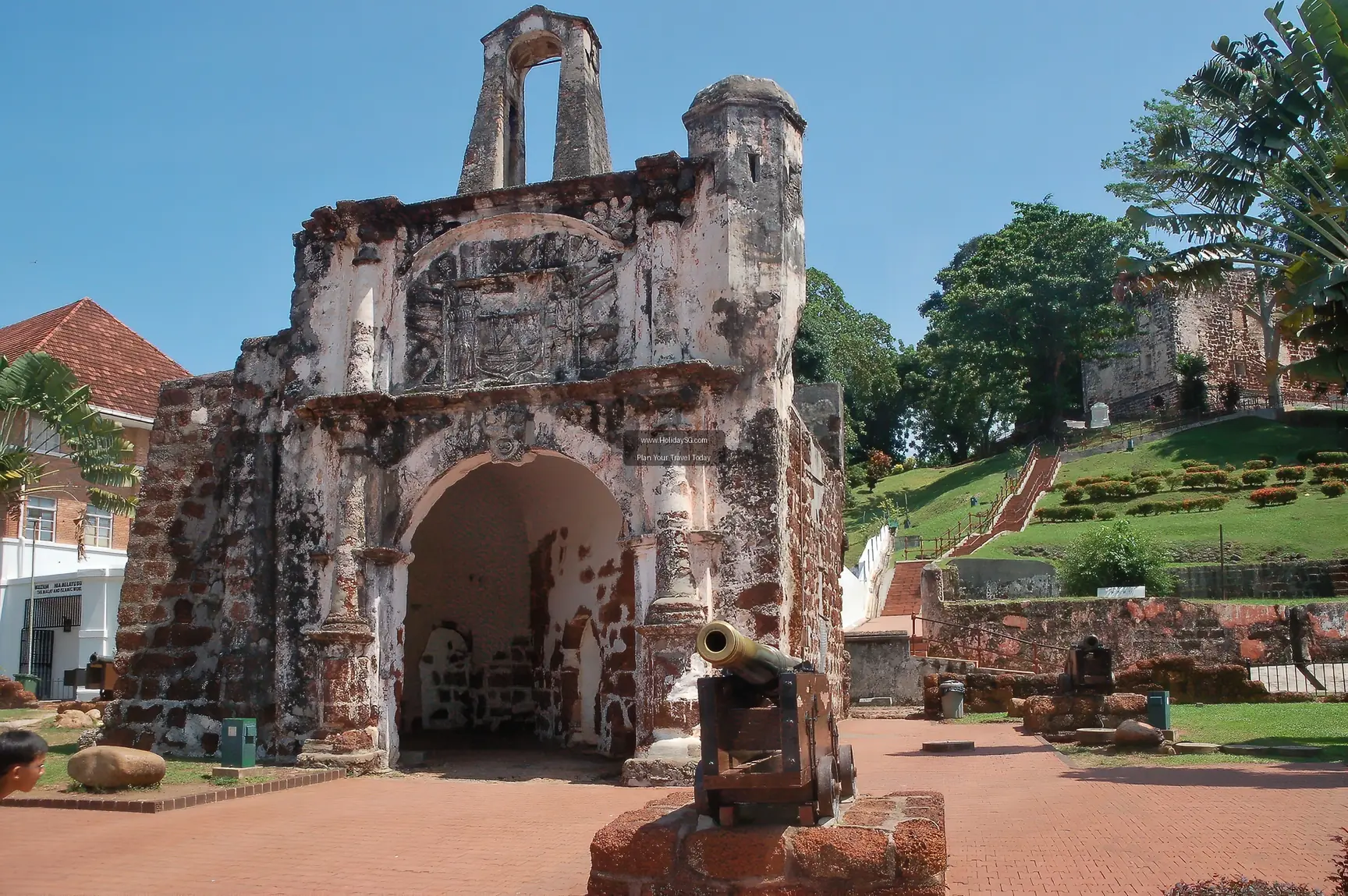
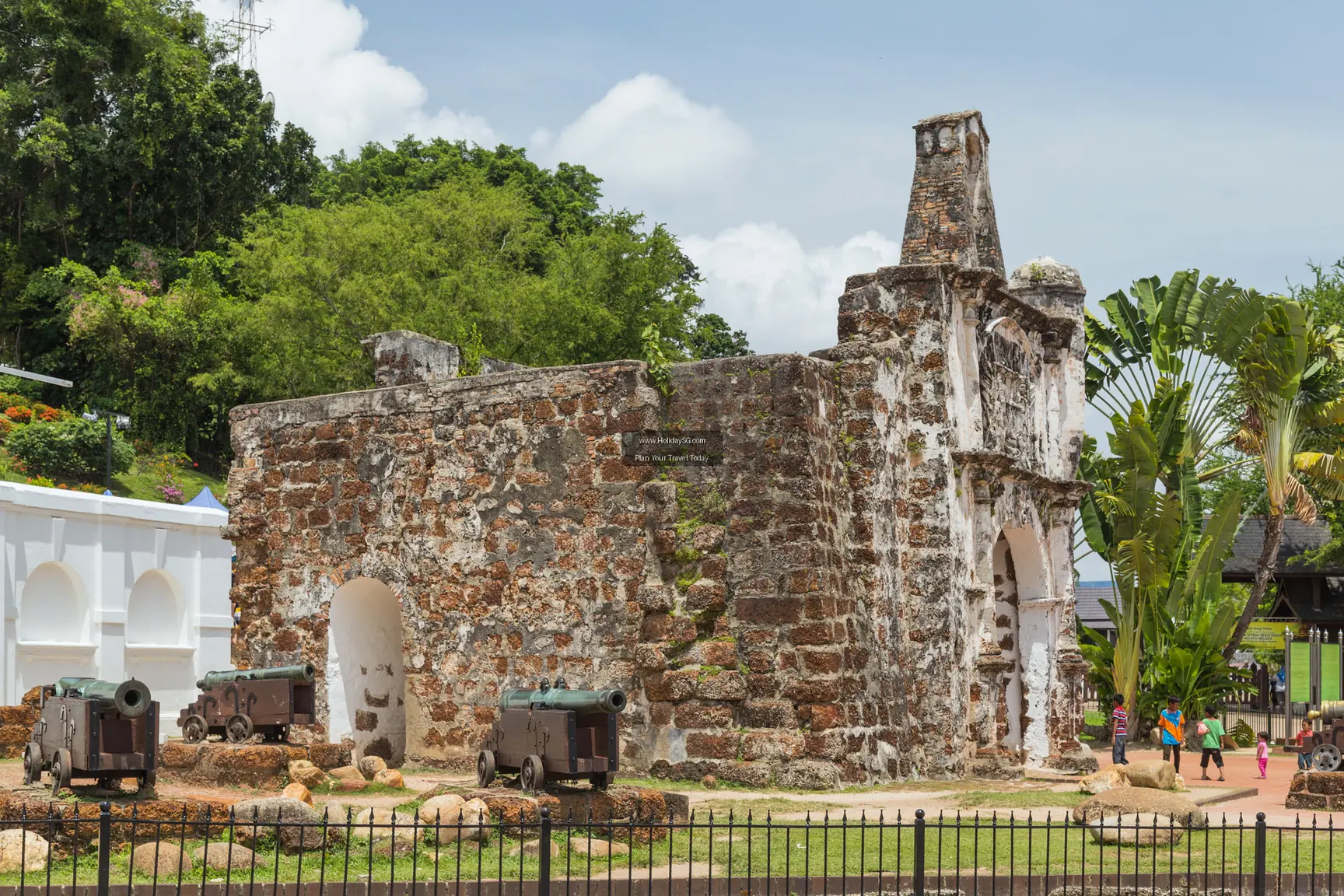
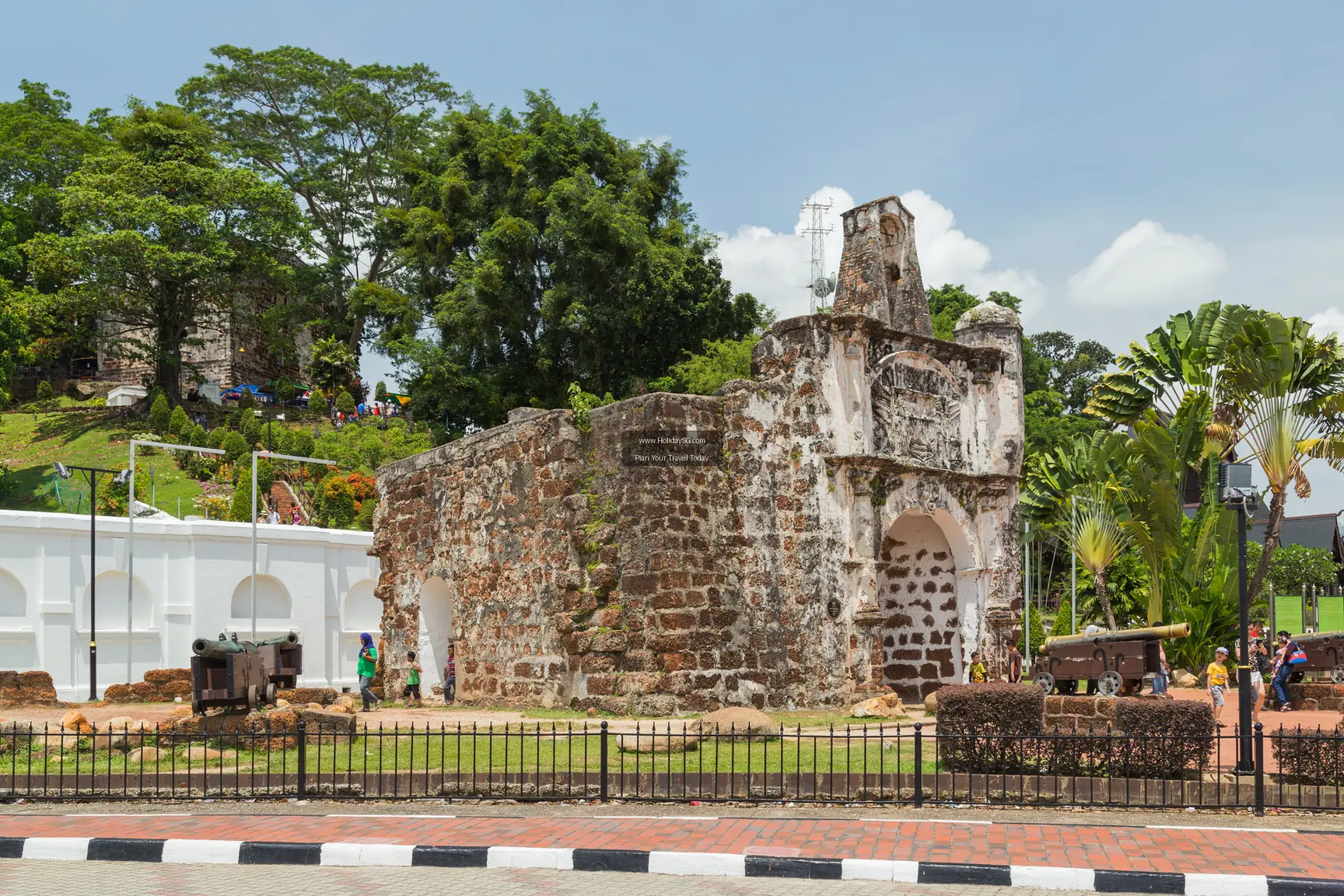
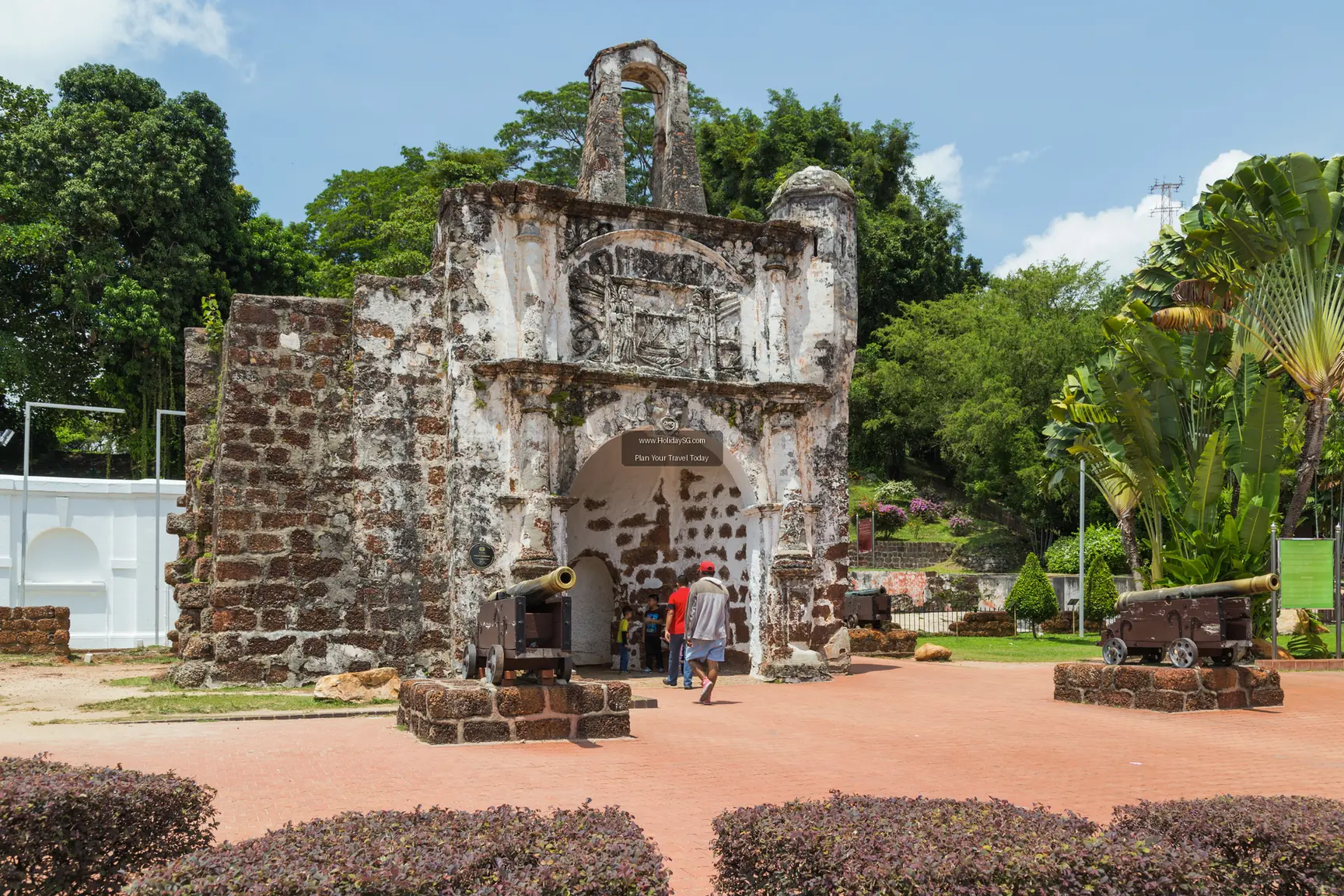
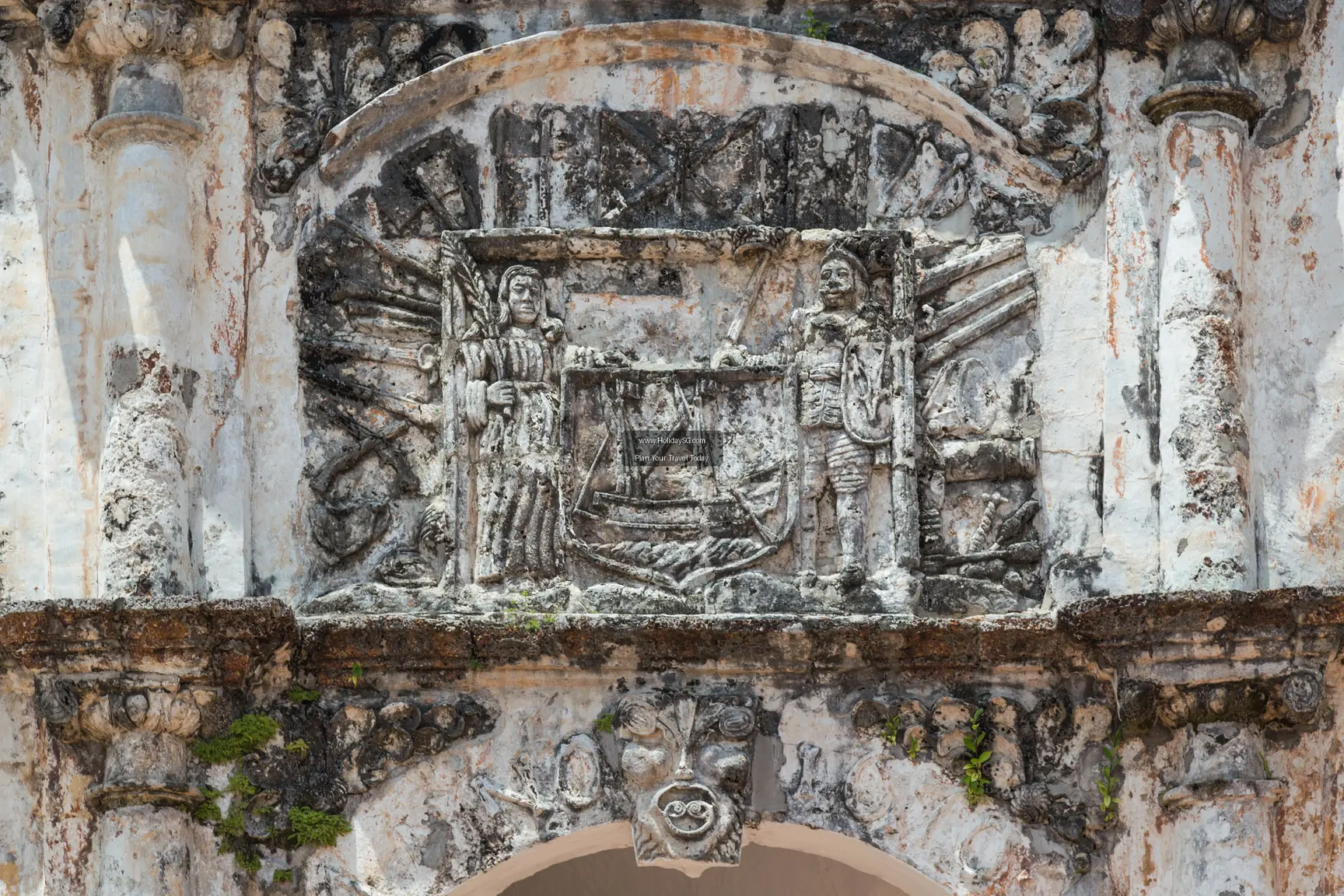
Step back in time in this historic port city. The iconic red Dutch Square (Stadthuys) and Christ Church are perfect for photos, while a stroll down Jonker Street reveals antique shops and, on weekends, a lively night market. Discover the unique Peranakan (Straits Chinese) culture and cuisine. To capture memories of the colourful architecture, a visit to the Malaysia Heritage Studios in Melaka could be a fun activity.
4. Langkawi: Duty-Free Island Paradise
This archipelago is a duty-free haven, making shopping and dining extra affordable. Its main attraction is nature: take a thrilling island hopping tour to swim with eagle rays, walk the breathtaking Sky Bridge for panoramic views, or kayak through mystical mangrove forests teeming with wildlife.
5. The Perhentian Islands: Pristine East Coast Gem
If turquoise water and powdery sand are what you seek, the Perhentians deliver in spaces. This is the place for relaxed snorkelling right off the beach, where you’ll likely swim alongside majestic sea turtles. The vibe is wonderfully laid-back, with beach huts and rustic restaurants the only development.
6. Borneo (Sabah): Wild Nature & Wildlife
The Malaysian part of Borneo is a world unto itself. Climb Mount Kinabalu in Kinabalu Park, a UNESCO site. The essential experience is visiting the Sepilok Orangutan Rehabilitation Centre to see these gentle giants up close. For divers, the island of Sipadan is a legendary underwater realm. Borneo’s drier season (February-October) is ideal for these adventures.
7. Ipoh: Hidden Gem with Colonial Charm
Often overlooked, Ipoh is a delightfully relaxed city known for its limestone caves housing stunning temples, charming street art, and arguably the best white coffee in the country. Its slower pace and excellent food scene make it a perfect off-the-beaten-path stop.
8. Cameron Highlands: Cool Escape from the Heat
Escape the lowland heat in this misty hill station. Cool temperatures are perfect for trekking through lush jungle trails, touring vibrant tea plantations like BOH, and visiting whimsical strawberry farms. It’s a refreshing change of scenery.
9. Kota Kinabalu: Gateway to Borneo Adventures
KK, as it’s known, is the vibrant capital of Sabah and your launchpad to Borneo’s wilds. Enjoy a world-famous sunset from the waterfront, take a boat trip to the islands of Tunku Abdul Rahman Park, and feast on incredibly fresh seafood at the nightly fish market.
10. Johor Bahru: Theme Parks & Proximity to Singapore
Located just across the causeway from Singapore, JB is perfect for a quick getaway. It’s a haven for families with Legoland Malaysia and Hello Kitty Town. For a beach resort vibe, head to Desaru Coast with its waterpark and golf courses.
Planning Your First Malaysian Adventure: Practical Tips
Best Time to Visit: Aligning Weather with Your Itinerary
Malaysia’s weather is tropical year-round, but the best time depends on your destination. For the west coast (Kuala Lumpur, Penang, Langkawi), the drier months are March to October. The east coast (Perhentian Islands) and Borneo have their best weather from April to September/October. Avoid the southwest monsoon season (October-March) for east coast island trips.
Getting Around: Cheap Flights, Trains, and Grab
Moving between regions is easy and affordable. Budget airlines like AirAsia have frequent, cheap flights. For slower travel, scenic trains connect major peninsular towns. Within cities, Grab (like Uber) is your best friend. For comprehensive data coverage, consider an HolidaySG eSIM plan for Malaysia to navigate without hassle.
What to Eat: Your Guide to Malaysian Hawker Food
Don’t leave without eating at a hawker centre or open-air food court. These are safe, delicious, and incredibly cheap. Look for popular stalls with long queues. Must-tries include Nasi Lemak (coconut rice with sambal), Hainanese Chicken Rice, Satay, and Roti Canai. Halal food is widely available.
Budget Breakdown: How Much You’ll Actually Spend
- Accommodation:
- Food: RM 40-70/day (SGD 12-21) eating 3 delicious meals at hawker stalls and local restaurants.
- Transport: RM 30-60/day (SGD 9-18) for local buses, trains, and regular Grab rides.
Visa Essentials and Safety Advice
Citizens of most countries, including Singapore, receive visa-free entry for 30-90 days. Always check official sources before travel. Malaysia is generally safe, but use common sense: keep valuables secure in crowded areas like markets and public transport, and be cautious of petty scams.
Recommended HolidaySG Tours
Ready to go? HolidaySG eSIM plan for Malaysia.
Enhance your Malaysian adventure with these curated experiences from HolidaySG:
- HolidaySG eSIM plan for Malaysia
- HolidaySG eSIM plan for Malaysia
- Malaysia Heritage Studios In Melaka
- Just Farm by Just Pets Megastore Ticket
- HolidaySG eSIM plan for Malaysia
Conclusion: Your Malaysian Adventure Awaits
From the urban pulse of Kuala Lumpur to the natural wonders of Borneo, Malaysia packs an astonishing diversity into one accessible country. It’s a place where your wallet stays happy while your senses are constantly delighted. With its friendly people, incredible food, and easy logistics, it’s the perfect canvas for your first great Southeast Asian adventure. All that’s left is to start planning!
Ready to explore Malaysia? Stay connected smoothly with our HolidaySG eSIM plan for Malaysia for easy navigation and communication.
Book with HolidaySG online for Malaysia Esim Free Roaming Mobile Data, Malaysia Heritage Studios In Melaka, Malaysia Unlimited 4g5g Data Esim.
Frequently Asked Questions
Where can I book this / what’s the link?
For booking various services and attractions in Malaysia, you can use these direct links: For mobile data connectivity, check out HolidaySG eSIM plan for Malaysia, HolidaySG eSIM plan for Malaysia, or HolidaySG eSIM plan for Malaysia. For attraction tickets, visit Malaysia Heritage Studios In Melaka or Just Farm By Just Pets Megastore Ticket. Always book through official or trusted platforms for security.
Do foreigners (non-citizens) need a different ticket, price, or visa for Malaysia?
Foreigners (non-citizens) entering Malaysia generally require a valid passport, and visa requirements depend on nationality—some countries offer visa-free entry for short stays, while others need a visa. For attractions, prices may vary for locals and foreigners, but it’s best to check specific venues. Always verify the latest entry requirements on the official Malaysian Immigration Department website or consult your local Malaysian embassy before traveling, as rules can change.
What is the best time (season, or time of day for the site/activity) to go?
The best time to visit Malaysia is during the dry season, from March to October, when rainfall is lower, ideal for outdoor activities. For specific sites like beaches or rainforests, early mornings or late afternoons are optimal to avoid midday heat and crowds. Monsoon seasons (November to March) bring heavier rains, especially on the east coast, so plan accordingly. Always check weather forecasts for current conditions.
How long should I spend in Malaysia for a first-time visit?
For a first-time visit, aim for 7 to 10 days to explore key highlights like Kuala Lumpur, Penang, and Langkawi without rushing. This allows time for cultural experiences, nature trips, and relaxation. Shorter trips of 3-5 days can focus on one region, while longer stays enable deeper dives into diverse areas like Borneo for wildlife.
What are the typical costs for traveling in Malaysia?
Malaysia is budget-friendly, with daily costs ranging from SGD 50-100 for backpackers to SGD 200-400 for mid-range travelers. Accommodation varies from hostels (SGD 10-30/night) to hotels (SGD 50-200/night). Meals cost SGD 5-15 per plate at local spots, and attractions often have entry fees of SGD 5-30. Transport and activities can add up, so budgeting in advance is wise.
How do I get to Malaysia from Singapore or other countries?
From Singapore, you can reach Malaysia by flight (1-2 hours to Kuala Lumpur), bus (several hours to cities like Johor Bahru or Malacca), or train (scenic routes). Direct flights connect from many international airports to Kuala Lumpur International Airport (KLIA) or other major cities like Penang and Kota Kinabalu. Check airlines and overland services for schedules and prices.
Is Malaysia suitable for family vacations with young children?
Yes, Malaysia is family-friendly with attractions like zoos, beaches, and interactive museums. Places like the Just Farm petting zoo in Petaling Jaya offer fun for kids. Many resorts provide child-friendly facilities, and local food has mild options. However, consider the heat and plan indoor activities during peak hours for comfort.
What essential items should I pack for a trip to Malaysia?
Pack lightweight, breathable clothing for the tropical climate, plus a light rain jacket or umbrella for sudden showers. Comfortable walking shoes, sunscreen, insect repellent, and a reusable water bottle are essentials. For cultural visits, bring modest attire covering shoulders and knees. Electronics like a universal adapter and a portable charger are also handy.
Are tourist attractions in Malaysia accessible for people with mobility issues?
Accessibility varies: major cities like Kuala Lumpur have improved infrastructure with ramps and elevators in some attractions, but older sites or rural areas may have challenges. Check individual venues in advance—many museums and malls are accessible, while natural sites like rainforests can be difficult. Traveling with assistance or using accessible tour operators is recommended.
What safety tips should I know before traveling to Malaysia?
Malaysia is generally safe for tourists, but exercise standard precautions: keep valuables secure, avoid isolated areas at night, and use reputable transport. Be aware of scams in tourist zones, and stay hydrated to prevent heatstroke. For health, consider vaccinations and travel insurance. Emergency numbers include 999 for police and 994 for ambulances.
How does the weather vary across different regions of Malaysia?
Malaysia has a tropical climate with consistent heat and humidity. The west coast (e.g., Penang) is driest from December to March, while the east coast (e.g., Terengganu) has monsoons from November to March. Borneo experiences rain year-round but has drier periods. Always check regional forecasts, as weather can be localized.
What are some important cultural etiquettes to follow in Malaysia?
Respect local customs: remove shoes when entering homes or religious sites, use your right hand for giving/receiving items, and dress modestly at mosques. Avoid public displays of affection, and be mindful during festivals like Hari Raya. Learning basic Malay phrases like “Terima kasih” (thank you) is appreciated.
What are the top local dishes to try in Malaysia?
Must-try foods include Nasi Lemak (coconut rice with sambal), Char Kway Teow (stir-fried noodles), Satay (grilled meat skewers), and Roti Canai (flatbread). For desserts, try Cendol or Ice Kacang. Explore hawker centers for authentic, affordable meals, and consider food tours for deeper dives into culinary diversity.
What are some day trip options from Kuala Lumpur?
Popular day trips include visiting the Batu Caves Hindu temple, the Genting Highlands for entertainment, or the historical city of Malacca. Nature lovers can explore Taman Negara National Park or the Cameron Highlands tea plantations. Each offers unique experiences within a few hours’ drive.
Is public transportation reliable in Malaysia, or is it better to rent a car?
Public transportation is reliable in major cities: Kuala Lumpur has efficient trains (LRT, MRT) and buses. For intercity travel, use trains or buses like those from Terminal Bersepadu Selatan (TBS). Renting a car is ideal for exploring rural areas or islands, but be prepared for left-hand driving and occasional traffic.
Will language be a barrier for English-speaking tourists in Malaysia?
English is widely spoken in tourist areas, hotels, and among younger Malaysians. However, in rural regions, Malay is dominant. Basic English phrases are sufficient for most interactions, but learning simple Malay words can enhance your experience. Signage is often multilingual.
What unique souvenirs can I bring back from Malaysia?
Consider local crafts like batik fabrics, pewterware, or traditional kites (wau). Food souvenirs include durian products, kaya (coconut jam), or tea from the Cameron Highlands. Handmade jewelry and miniature replicas of landmarks like the Petronas Towers are also popular.
How can I ensure I have mobile data connectivity during my trip?
For reliable connectivity, purchase an eSIM or local SIM card upon arrival. Options like the HolidaySG eSIM plan for Malaysia or HolidaySG eSIM plan for Malaysia offer easy setup without physical cards. Wi-Fi is available in most hotels, cafes, and malls, but having data ensures navigation and communication on the go.
Are there any dress codes or restrictions when visiting religious sites in Malaysia?
Yes, dress modestly at religious sites: cover shoulders and knees, and remove shoes before entering. For mosques, women may need to cover their heads with a provided shawl. Avoid revealing clothing, and check specific site guidelines, as rules can vary. This shows respect for local customs.
How can I avoid tourist crowds at popular landmarks?
Visit popular sites like the Petronas Towers or George Town early in the morning or on weekdays. During festivals or holidays, crowds swell, so plan off-peak travel. Use apps for real-time crowd info, and consider guided tours for insider access. Exploring lesser-known neighborhoods can also provide authentic, less crowded experiences.
What things cost in Malaysia
Live HolidaySG prices for the experiences in this guide, so you can sanity-check a budget before you commit.
| Experience | Where | From price |
|---|---|---|
| Cameron Highlands Day Tour from Kuala Lumpur with Lunch (Guide... | Cameron Highlands | From S$76.85 |
| Cameron Highlands and Mossy Forest Half Day Tour | Cameron Highlands | From S$16.53 |
| The Bentong Farm | Bentong | From S$12.00 |
| Awana SkyWay (Formerly known as Genting Highlands Premium Outl... | Genting Highlands | From S$4.00 |
| Blue Ice Skating Rink @ Sunway 163 Mall | Kuala Lumpur | From S$14.00 |
| Breakout Escape Game Avenue K | Kuala Lumpur | From S$13.17 |
| Breakout Escape Game NU Sentral | Kuala Lumpur | From S$13.00 |
Planning Your Route Across Peninsular Malaysia
Malaysia is easy to travel through because the main cities are linked by good roads, rail and frequent flights. Many first-time visitors start in Kuala Lumpur and then head north towards Penang and Langkawi, or south towards Malacca and the Johor coast. A sensible first trip covers two or three destinations rather than five or six, since each change of base takes time for check-in, transport and getting your bearings. Build your route around the places you most want to see, and leave a free day for rest or an unplanned detour.
If you are coming from Singapore, the causeway and the second link are well served by coaches, trains and private transfers to Johor Bahru, which makes a short side trip easy. Check the border procedures and opening hours before you travel, and allow extra time at the checkpoint during holiday periods.
Food Trails for New Visitors
Malaysian food is one of the strongest reasons to visit. Malay, Chinese, Indian and indigenous influences mix in hawker stalls, kopitiam coffee shops and night markets. Nasi lemak, the coconut rice dish with sambal and egg, is a breakfast favourite, while char kway teow, the stir-fried noodles, is a late-night staple in Penang and Kuala Lumpur. Roti canai, the flaky flatbread served with dhal or curry, is excellent for a cheap and filling meal. Try the local iced drinks and tropical fruit, which change with the season.
Halal and vegetarian options are widely available, but check the signs on the stalls. Eat where locals queue, and ask the vendor what is in a dish if you have a food allergy or dietary requirement.
Culture, Religion and Respectful Travel
Malaysia is a multi-faith country, and Islam is the official religion, with many Muslims observing dietary and dress customs. Dress modestly in mosques and temples, cover your shoulders and knees, and remove your shoes where asked. Public displays of affection are best kept discreet. Alcohol is available in many places but is restricted in some areas and during religious periods. Respect the fasting month of Ramadan, when many people fast during daylight hours, and avoid eating or drinking in public during those hours out of courtesy.
Ask before photographing people, particularly at religious ceremonies, and follow the guidance of local guides at historic sites.
Money, Cards and Everyday Costs
The local currency is the ringgit. Cards are widely accepted in hotels, malls and larger restaurants, while hawker stalls, markets and taxis often prefer cash. Carry small notes for street food and tips, and check the exchange fees your bank charges before you travel. Prices in tourist areas can be higher than in local neighbourhoods, so it helps to compare a few options before you buy. Costs vary with the destination, and the main expenses are usually accommodation and organised tours, while food and local transport remain modest.
Malaysia does not have a strong tipping culture, but a small amount is appreciated for good service in restaurants and for drivers and guides.
Getting Around by Train, Bus and Ride App
Kuala Lumpur has a metro, monorail and commuter rail network that covers the main districts, and the KLIA Ekspres connects the city with the international airport. Long-distance trains link the west coast cities, and buses cover the rest of the country. Ride-hailing apps are common in cities and are often the most convenient choice for short trips. Use the official ticket counters for coaches, and book popular routes ahead during holiday periods.
Penang and Malacca are compact enough to explore on foot, and the old town streets in both cities reward a slow walk with a bicycle or a trishaw ride for a change of pace.
Weather and Packing Essentials
Malaysia is hot and humid all year, with frequent afternoon showers. The east coast islands can be affected by the monsoon from roughly November to February, so ferry services may be disrupted. Pack light, breathable clothing, a rain jacket or umbrella, comfortable shoes for walking and a swimsuit for beach stops. Sun protection and a refillable bottle are essential, and a light layer helps in air-conditioned buses and restaurants.
If you plan to hike in Borneo or the Cameron Highlands, bring a warm layer for the cooler evenings and sturdy footwear for muddy trails.
Safety and Health Tips
Malaysia is generally safe for visitors. Keep valuables out of sight in crowded markets, use registered taxis or ride apps at night, and take care at busy night markets where bag snatching can happen. Drink bottled or filtered water, and apply mosquito repellent in the evenings, particularly in rural areas, to reduce the risk of dengue. Travel insurance that covers medical treatment is strongly recommended, as private hospitals can be expensive.
Keep copies of your passport and insurance policy in your phone, and let someone know your plans when you go into remote areas.
Tips for Families and Older Travellers
Malaysia is welcoming to families. Theme parks, zoos, aquariums and beach resorts are popular with children, and many hotels offer family rooms. Older travellers will find the city hotels comfortable and the air-conditioned transport a relief from the heat. Plan shorter days, allow for rest in the afternoon and choose hotels near the main attractions to reduce walking.
A Sample Week for a First-Time Visitor
Spend three days in Kuala Lumpur for the Petronas Towers, Batu Caves, the old city and the food markets. Travel to Malacca for a day of historic streets and a river cruise, then continue north to Penang for two days of street food and heritage houses. If time allows, add a short flight to Langkawi for beaches and a cable car ride. Leave one afternoon free each day for rest, and book the most popular activities in advance.
Check transport times the day before, since holiday traffic and weather can change journey times.
Closing Thoughts on Your First Malaysian Trip
Malaysia offers a rare mix of cities, islands, jungle and mountains in one trip. A clear route, a focus on food and a respectful approach to local customs will help you enjoy the country at a relaxed pace. Whether you spend your days in the markets of Penang or on the beaches of Langkawi, the warm welcome and the variety on offer will leave a lasting impression.
Malaysia rewards curiosity. Ask the stall owner about a dish you do not recognise, talk to the driver about the best local fruit stall on the way, and let a little spare time into every day for the unplanned moments that often become the best stories from a first visit to this varied and welcoming country.
Staying Connected and Organised
A local SIM or an eSIM gives you data for maps, ride apps and translation at a modest cost. Download offline maps for each city, save your hotel and tour details in one place and keep a note of emergency numbers. A simple daily check of the next day plan, the weather and your transport times keeps the trip relaxed and lets you spend more time enjoying the food, the old streets and the coastline.
Plan one slow afternoon in every city, and let the rest of the day follow your curiosity.
Malaysia Travel FAQ: Questions First-Timers Ask
Can I travel around Malaysia on a tight budget, and what's realistic for daily spending?
Yes—Malaysia is exceptionally affordable compared to Western destinations and even pricier Southeast Asian countries. A daily budget of 80–120 Malaysian ringgit covers a guesthouse bed, street food meals at hawker stalls (where a plate of laksa in Penang costs around 6–8 ringgit), and local transport like Grab rides. Mid-range travelers spending 150–250 ringgit daily can enjoy air-conditioned hotels, better restaurants, and paid activities like the Langkawi cable car. Your biggest variable is accommodation choice; staying in budget hostels versus mid-range hotels can easily halve or double your daily costs.
How do I move between cities efficiently, and is renting a car necessary?
You don't need a car for your first visit—trains, buses, and Grab are reliable and widely used. The KTM Intercity train connects Kuala Lumpur to Butterworth (Penang) in about 5 hours, and express coaches link most major towns affordably. Grab (ride-hailing app) works throughout cities and is cheaper than taxis. Renting a car makes sense only if you're visiting the Cameron Highlands or exploring Borneo's interior, where public transport is limited. Most first-timers stick to Peninsular Malaysia and manage perfectly without driving.
What's the best season to visit, and will I encounter monsoons or unbearable heat?
Malaysia is warm year-round, so there's no "cold" season—temperatures hover around 28–32°C. The southwest monsoon (May to September) brings rain to Peninsular Malaysia's west coast, including Kuala Lumpur and Penang, but showers are usually short and afternoon-based, not all-day downpours. The northeast monsoon (November to March) affects the east coast islands like the Perhentians, making them rougher for diving but fine for land activities. Many travelers visit during monsoon season and experience normal days; just pack a light rain jacket and avoid the Perhentians from November to March if diving is your priority.
What should I know about respecting religious customs and dress at temples and mosques?
Malaysia is 60% Muslim, so modest dress and cultural awareness matter, especially at religious sites. When entering mosques (like the stunning Masjid Negara in Kuala Lumpur) or Chinese temples, cover your shoulders and knees; remove shoes at entrances; and avoid pointing at religious artwork or statues. Many mosques welcome non-Muslims but request that women wear headscarves, which are often provided at the entrance. During Ramadan (dates vary yearly—check before you go), avoid eating or drinking visibly in public during daylight hours, and expect some restaurants and businesses to close or have reduced hours, particularly in more conservative areas.
Do I need travel insurance, and what health or safety risks should I prepare for?
Travel insurance is advisable for medical emergencies, trip cancellation, and evacuation—Malaysia's private hospitals (like Gleneagles in Kuala Lumpur) offer excellent care but are expensive for uninsured visitors. Tap water in cities is safe to drink, and pharmacies are abundant and inexpensive. Dengue fever exists in urban areas; protect against mosquitoes with repellent, especially at dusk. Petty theft and bag-snatching happen in crowded areas like Bukit Bintang in KL and Penang's Georgetown, so secure your valuables and stay alert in busy markets. Serious violent crime against tourists is rare; Malaysia consistently ranks as safer than many other Southeast Asian destinations for travelers.
Quick Answers
What's a must-try local dish, and where should I eat it?
Nasi lemak (rice cooked in coconut milk) is Malaysia's unofficial national dish—try it at any hawker center, especially at dawn when it's freshest. In Penang, don't miss assam laksa (sour fish curry noodles) at a proper hawker stall, and in Malacca, sample cendol (shaved ice with palm sugar and coconut milk) from street vendors near the river.
How many days should I spend in Malaysia, and what's a realistic itinerary?
Seven to ten days allows you to experience multiple regions comfortably. A typical route: three days in Kuala Lumpur, three in Penang, two in Malacca, and two on Langkawi or the Perhentians. Rushing more than three destinations into a week leaves you exhausted and reduces time to truly absorb each place.
Will my phone work in Malaysia, and should I buy a local SIM?
Yes—local SIM cards from providers like Celcom, Maxis, or Digi are sold at airports and convenience stores for 20–50 ringgit with data packages included. They're far cheaper than roaming and work reliably across cities and islands. You can also find free WiFi in most hotels, cafes, and shopping malls.
What souvenirs should I bring home, and where do I find authentic ones?
Batik fabric and clothing, pewter items (Selangor Pewter is the local standard), and local coffee are popular and genuine. Skip overpriced tourist shops and visit local markets like Petaling Street in Kuala Lumpur or the Central Market in Malacca, where prices are fair and goods are authentic to Malaysia's craftsmanship.
Things to book on this trip
Plan the rest of your trip
- Malaysia visa requirements - Check who needs a visa, the documents and the processing time.
- Tanah Merah to Desaru ferry tickets - See sailing times and book your ferry ticket online.
- Hotels in Malaysia - Compare hotels and check room rates for your dates.
