

Malaysia is a Southeast Asian gem that offers an incredible tapestry of experiences, all within easy reach for Singaporean travelers. From futuristic cityscapes and sacred limestone caves to idyllic island escapes and lush rainforests teeming with wildlife, this vibrant nation has something to satisfy every type of wanderlust. Whether you’re craving a culinary adventure, a cultural deep dive, or simply a few days of sun-soaked relaxation, Malaysia consistently delivers memorable moments at a fantastic value. If you’re seeking the 10 best things to do in Malaysia you should not miss, this guide is for you.
Malaysia is a diverse paradise just a short flight from Singapore, offering a mix of urban exploration, natural wonders, and world-class cuisine. You can explore iconic city landmarks, relax on stunning islands, encounter wildlife, and dive into rich culture—all on a budget. With its easy visa process and familiar yet exciting environment, it’s the ideal destination for both short getaways and longer adventures.
Top 10 Unmissable Experiences in Malaysia
1. Ascend the Iconic Petronas Twin Towers (Kuala Lumpur)
No trip to Malaysia is complete without gazing up at the majestic Petronas Twin Towers. This symbol of Kuala Lumpur’s modern ambition was once the world’s tallest buildings. The real magic, however, is on the 41st-floor skybridge and the 86th-floor observation deck, where panoramic views of the sprawling city will leave you breathless. It’s a powerful first impression of KL’s dynamic energy.
Pro Tip: Book your tickets online in advance, as they often sell out, especially for the prime sunset slots. This is one of the most popular attractions in Malaysia, so securing your time is key.
2. Climb the Steps at Batu Caves (Kuala Lumpur)
A short drive north of KL, the Batu Caves are a stunning Hindu temple complex set within a series of limestone caves. The site is dominated by a colossal, gold-painted statue of Lord Murugan, and the approach involves climbing 272 vibrant, rainbow-coloured steps. Inside the main Cathedral Cave, you’ll find ancient shrines and a soaring cathedral-like space that feels truly otherworldly. It’s a site of both spiritual significance and natural grandeur.
3. Explore George Town’s Street Art & Heritage (Penang)
Penang’s capital is a living museum and an artist’s canvas. The UNESCO-listed George Town core is famous for its interactive street art, where life-sized murals and clever metal caricatures often incorporate real-life objects like bicycles and chairs. Wander through the historic clan jetties, where wooden houses stand on stilts over the water, and admire the beautifully preserved shophouses. It’s a cultural immersion best experienced on foot, allowing you to stumble upon hidden temples, quaint cafes, and local storytellers.
4. Ride the Langkawi Sky Bridge & Cable Car
For a dose of awe-inspiring scenery, head to the island of Langkawi. The Sky Bridge, a curved pedestrian bridge perched on the peak of Gunung Mat Cincang, offers 360-degree views of the Andaman Sea, rainforest-clad mountains, and nearby islands. You’ll reach it via a thrilling cable car ride that soars over the ancient jungle canopy. Langkawi is also a duty-free paradise, making it a great spot for some shopping alongside your adventure.
5. Encounter Orangutans at Sepilok (Borneo)
A trip to Malaysian Borneo is a pilgrimage for nature lovers, and the Sepilok Orangutan Rehabilitation Centre is the heartwarming highlight. Here, you can witness semi-wild orangutans during their daily feeding times as they learn essential skills for life in the rainforest. It’s a profoundly moving and ethical encounter. Extend your visit to the nearby Bornean Sun Bear Conservation Centre and the Rainforest Discovery Centre for a complete wildlife experience.
6. Snorkel or Dive the Perhentian Islands
For pristine waters and vibrant marine life, the Perhentian Islands off the east coast are a snorkeller’s and diver’s paradise. With visibility that often exceeds 30 metres, you can swim alongside graceful sea turtles, vibrant clownfish, and reef sharks. The two main islands, Perhentian Besar and Kecil, offer a range of accommodations from budget chalets to eco-resorts. Remember, this tropical bliss is seasonal—it’s best visited between April and October.
7. Savor a Culinary Adventure at a Hawker Centre
Malaysian food is a national treasure, and the best place to experience it is at a lively hawker centre. These clean, open-air food courts are where locals and tourists gather for affordable, delicious meals. Your taste buds are in for a treat with dishes like creamy nasi lemak, smoky char kway teow, flaky roti canai with curry, and succulent satay skewers. It’s an essential cultural experience that will likely become a daily highlight of your trip.
8. Wander through the Mossy Forest of Cameron Highlands
Escape the lowland heat with a trip to the cool, misty highlands of Cameron Highlands. The star attraction is the Mossy Forest, a surreal ecosystem draped in moss, orchids, and ferns where ancient trees are shrouded in fog. It feels like stepping into a fairy tale. Pair your forest trek with a visit to one of the many sprawling tea plantations, where you can take in rolling green vistas and sample fresh tea straight from the source.
9. Go Island-Hopping in Langkawi
Beyond the Sky Bridge, Langkawi is the perfect base for an island-hopping tour. These popular boat trips zip you around the archipelago, with stops for swimming in secluded coves, exploring the enigmatic mangrove forests of Kilim Geoforest Park, and visiting the mythical Pregnant Maiden Lake (Dayang Bunting) for a refreshing dip. It’s a fantastic way to appreciate the sheer beauty of the Andaman Sea’s island-dotted waters.
10. Experience a Traditional Kampung Stay
For a truly authentic cultural immersion, consider spending a night or two in a traditional kampung (village). Whether in a coastal village in Terengganu or a longhouse community in Sarawak, Borneo, this experience offers a peaceful retreat from tourist trails. You’ll get to experience local hospitality, sample home-cooked meals, and gain insight into a slower, more traditional way of life that exists alongside Malaysia’s modern cities.
Planning Your Perfect Malaysian Adventure
Ready to go? HolidaySG eSIM plan for Malaysia.
When to Visit: Timing Your Trip
Malaysia’s weather varies by region. The west coast (Kuala Lumpur, Penang, Langkawi) enjoys its dry, sunny season from roughly December to April. The east coast (Perhentian Islands, Tioman) and the south are best from April to October. Borneo is generally dry from March to October. Planning according to your intended destinations ensures you get the most out of your outdoor adventures.
Getting Around: Easy & Affordable Transport
Exploring Malaysia is straightforward and budget-friendly. Low-cost carriers like AirAsia offer cheap domestic flights between major hubs. For overland travel, inter-city buses are not only reliable but surprisingly comfortable and economical. Once in cities, the ride-hailing app Grab is your best friend—it’s affordable, convenient, and eliminates the hassle of negotiating fares.
Budget & Logistics: Visa, Costs, and Connectivity
Singaporean passport holders enjoy a hassle-free 90-day visit pass on arrival. Malaysia offers excellent value for money. Budget travelers can comfortably get by on around MYR 100-150 (SGD 30-45) per day, covering meals and basic activities. Staying connected is easy; you can purchase a local SIM card with a tourist plan at the airport or conveniently arrange an eSIM before you depart, like the HolidaySG eSIM plan for Malaysia. English is widely spoken in tourist areas, making communication simple.
Recommended HolidaySG Tours
- HolidaySG eSIM plan for Malaysia
- HolidaySG eSIM plan for Malaysia
- Malaysia Heritage Studios In Melaka
- Just Farm By Just Pets Megastore Ticket
Final Thoughts: Why Malaysia Should Be Next
Ready to go? HolidaySG eSIM plan for Malaysia.
A Mosaic of Experiences
Malaysia’s greatest strength is its diversity. You can sip cocktails atop a sky bar in KL one day, trek through primordial rainforests the next, and then spend your afternoon snorkelling over coral gardens. Its rich cultural mosaic—blending Malay, Chinese, Indian, and indigenous influences—is reflected everywhere, from its festivals and temples to its unparalleled food scene. For a destination that effortlessly combines adventure, relaxation, culture, and cuisine, Malaysia is in a class of its own. With a suggested itinerary length of 10-14 days, you can comfortably explore highlights across both Peninsula and Borneo. Start planning your Malaysian adventure today—you won’t be disappointed.
Ready to explore? Check out our HolidaySG eSIM plan for Malaysia to stay connected on your trip.
Book with HolidaySG online for Whizcomms 14 Day 15gb Unlimited Malaysia Esim Instant Activation Nationwide, Malaysia Esim Free Roaming Mobile Data, Malaysia Heritage Studios In Melaka.
More Photos from HolidaySG
Frequently Asked Questions
Where can I book this / what’s the link?
For booking tickets to attractions and services mentioned in Malaysia, you can use online platforms. Specifically, to visit Malaysia Heritage Studios in Melaka, book here: Malaysia Heritage Studios In Melaka. For tickets to Just Farm, the largest indoor petting zoo in Petaling Jaya, book here: Just Farm By Just Pets Megastore Ticket. For mobile data solutions, consider the Whizcomms 14 Day 15GB Unlimited Malaysia eSIM here, Malaysia eSIM Free Roaming Mobile Data here, or Malaysia Unlimited 4G/5G Data eSIM here.
Do foreigners (non-citizens) need a different ticket, price, or visa for Malaysia?
For most attractions and activities, foreigners typically pay the same ticket prices as locals, but it’s always best to check with specific venues in advance. Regarding visas, Malaysia offers visa-free entry for short stays to citizens of many countries, but requirements can vary based on your nationality. It is highly recommended to verify the current visa rules through official sources like the Malaysian Immigration Department website or your country’s travel advisory before your trip to ensure accuracy.
What is the best time (season, or time of day for the site/activity) to go?
The best time to visit Malaysia generally is during the dry season, from March to October, when rainfall is lower, especially for outdoor activities. However, Malaysia’s tropical climate means it can be visited year-round with occasional rain. For specific sites or activities, mornings are often ideal to avoid crowds and heat; always check the attraction’s operating hours for the most up-to-date information.
How long should I plan to spend in Malaysia to see the best things?
To experience the highlights of Malaysia, including cities like Kuala Lumpur, cultural spots like Melaka, and natural areas, a trip of 7 to 10 days is recommended. This allows time for major attractions without rushing. If you have less time, focus on one or two regions, such as the capital and nearby islands.
What is the average daily budget for a traveler in Malaysia?
A budget traveler might spend around SGD 50-70 per day, covering basic accommodation, local food, and transportation. Mid-range travelers can expect SGD 100-200 per day, including nicer hotels and some activities. Luxury travel can exceed SGD 300 per day. Costs vary by location and personal preferences.
How do I get from the airport to the city center in Kuala Lumpur?
From Kuala Lumpur International Airport (KLIA), you can use the KLIA Express train, which takes about 30 minutes to reach KL Sentral in the city center. Alternatively, taxis or ride-hailing services like Grab are available. The KLIA Transit train also connects to various stops, offering flexibility.
Is Malaysia safe for solo travelers?
Malaysia is generally safe for solo travelers, with low rates of violent crime. However, like any destination, exercise common sense: stay aware of your surroundings, avoid poorly lit areas at night, and keep belongings secure. Petty theft can occur in crowded areas, so be cautious.
What should I wear when visiting temples or mosques in Malaysia?
When visiting religious sites like temples or mosques in Malaysia, dress modestly. Cover your shoulders and knees, and for mosques, women may need to wear a headscarf, which is often provided at the entrance. Comfortable, respectful clothing ensures a smooth visit.
Are there any health precautions I should take before traveling to Malaysia?
Consult a travel health professional for personalized advice. Routine vaccinations should be up-to-date, and additional ones like Hepatitis A and Typhoid may be recommended. Use insect repellent to prevent mosquito bites, and drink bottled or purified water to avoid stomach issues.
What are the must-try local dishes in Malaysia?
Malaysia boasts diverse cuisine; must-tries include Nasi Lemak (coconut milk rice with spicy sambal), Char Kway Teow (stir-fried noodles), Roti Canai (flatbread with curry), and Cendol (a sweet dessert drink). Explore local markets and hawker centers for authentic experiences.
How can I use public transportation in Malaysia?
Public transportation in Malaysia is efficient, especially in urban areas. In Kuala Lumpur, use the LRT, MRT, monorail, or buses for affordable travel. Purchase a Touch ‘n Go card for easy access. For intercity travel, trains or buses are reliable options.
Is Malaysia a good destination for families with young children?
Malaysia is family-friendly, with attractions like theme parks, interactive museums, and nature reserves. Cities like Kuala Lumpur offer playgrounds and kid-friendly spots, while coastal areas have calm beaches. Ensure activities match children’s ages for the best experience.
What are some cultural etiquette tips for tourists in Malaysia?
Respect local customs: remove shoes when entering homes or religious sites, use your right hand for giving or receiving items, and avoid public displays of affection. Learning a few Malay phrases like “Terima kasih” (thank you) can enhance interactions.
Do I need to carry cash, or is card payment widely accepted?
Cards are widely accepted in cities, hotels, and larger shops, but cash is useful for small vendors, markets, and rural areas. Withdraw Malaysian Ringgit (MYR) from ATMs, which are common, and keep some cash for convenience.
What are the opening hours for most attractions in Malaysia?
Attraction hours vary, but many open from 9:00 AM to 5:00 or 6:00 PM daily, with some closed on certain weekdays. Always check the official website or contact the venue ahead of your visit to confirm hours, especially during holidays.
Can I use my foreign driver’s license to rent a car in Malaysia?
Yes, you can drive in Malaysia with a foreign driver’s license for up to 90 days. An International Driving Permit (IDP) is recommended for clarity. Ensure you have valid insurance and follow local traffic laws.
What are some popular day trips from Kuala Lumpur?
Popular day trips from Kuala Lumpur include the Batu Caves, a limestone hill with Hindu temples; the Genting Highlands for cooler weather and entertainment; and Malacca for historical sites. These are easily accessible by train or bus.
How do I stay connected with mobile data while traveling in Malaysia?
To stay connected, consider purchasing an eSIM for mobile data. Options include the Whizcomms 14 Day 15GB Unlimited Malaysia eSIM here, Malaysia eSIM Free Roaming Mobile Data here, or Malaysia Unlimited 4G/5G Data eSIM here, providing instant activation nationwide.
Are there any specific laws or rules tourists should be aware of in Malaysia?
Tourists should respect local laws, such as no littering, no smoking in public areas, and adhering to dress codes at religious sites. Drug offenses carry severe penalties, and it’s illegal to carry certain items like e-cigarettes. Always carry identification.
What are the best months to avoid rain in Malaysia?
To avoid rain, visit Malaysia during the drier months, typically from March to October on the west coast, and from April to September on the east coast. However, rainfall can occur year-round, so be prepared for occasional showers.
What things cost in Malaysia
Live HolidaySG prices for the experiences in this guide, so you can sanity-check a budget before you commit.
| Experience | Where | From price |
|---|---|---|
| Cameron Highlands Day Tour from Kuala Lumpur with Lunch (Guide... | Cameron Highlands | From S$76.85 |
| Cameron Highlands and Mossy Forest Half Day Tour | Cameron Highlands | From S$16.53 |
| The Bentong Farm | Bentong | From S$12.00 |
| Awana SkyWay (Formerly known as Genting Highlands Premium Outl... | Genting Highlands | From S$4.00 |
| Blue Ice Skating Rink @ Sunway 163 Mall | Kuala Lumpur | From S$14.00 |
| Breakout Escape Game Avenue K | Kuala Lumpur | From S$13.17 |
| Breakout Escape Game NU Sentral | Kuala Lumpur | From S$13.00 |
Kuala Lumpur neighbourhoods beyond the towers
The skyline of Kuala Lumpur is what most visitors remember, but the neighbourhoods around the towers hold just as much character. Chinatown is packed with street stalls, herbal shops and older shophouses, while Little India offers spice shops, temple gateways and textile stores. Bangsar and the leafy streets nearby have independent cafés and small galleries. Spending an afternoon wandering between these areas gives a much fuller picture of the city than a single landmark can.
Use the rail network to move between districts, and allow time for traffic when you travel by road. Walks are best in the morning or after sunset, when the heat is less intense.
Melaka's riverside and Portuguese heritage
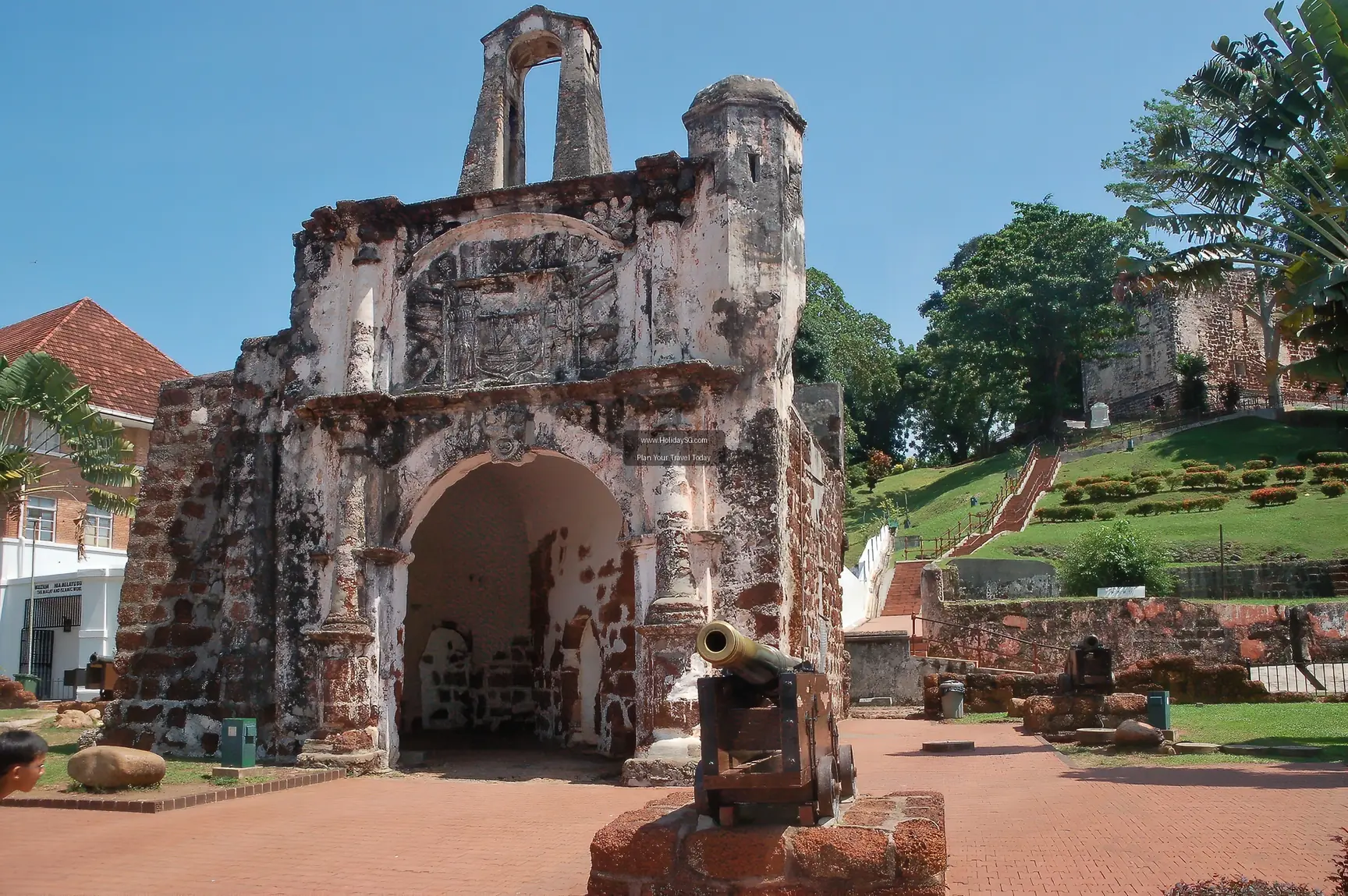
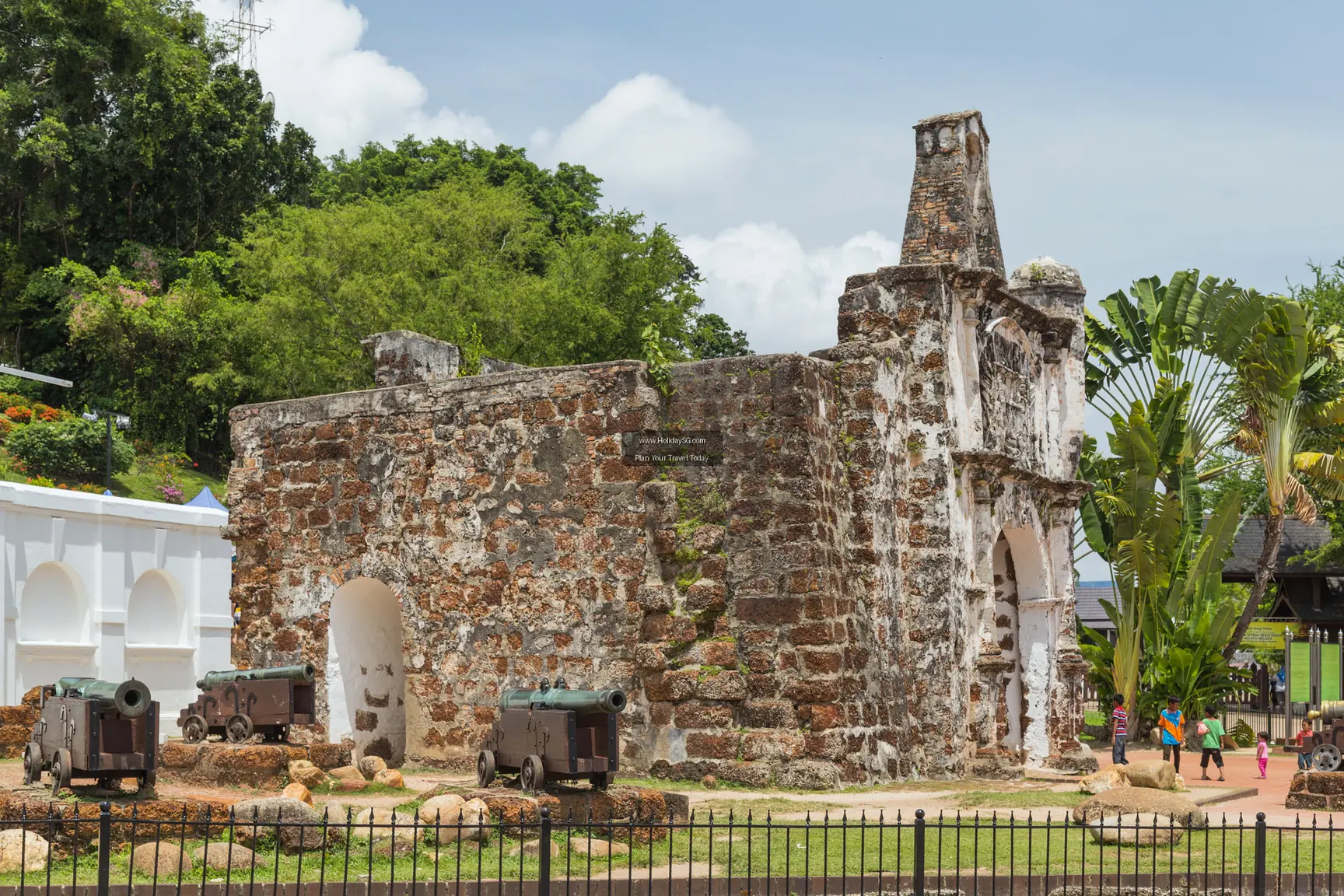
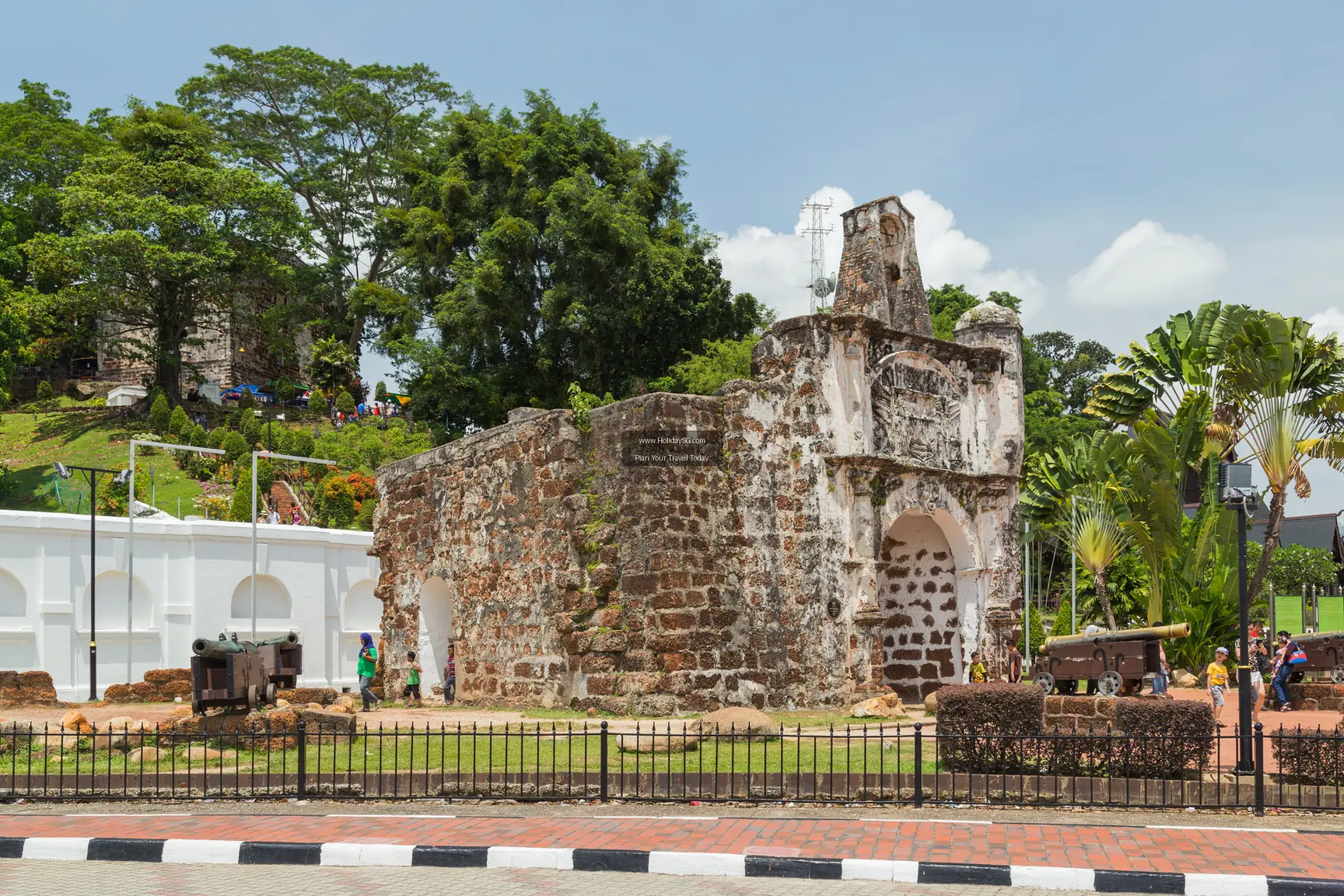
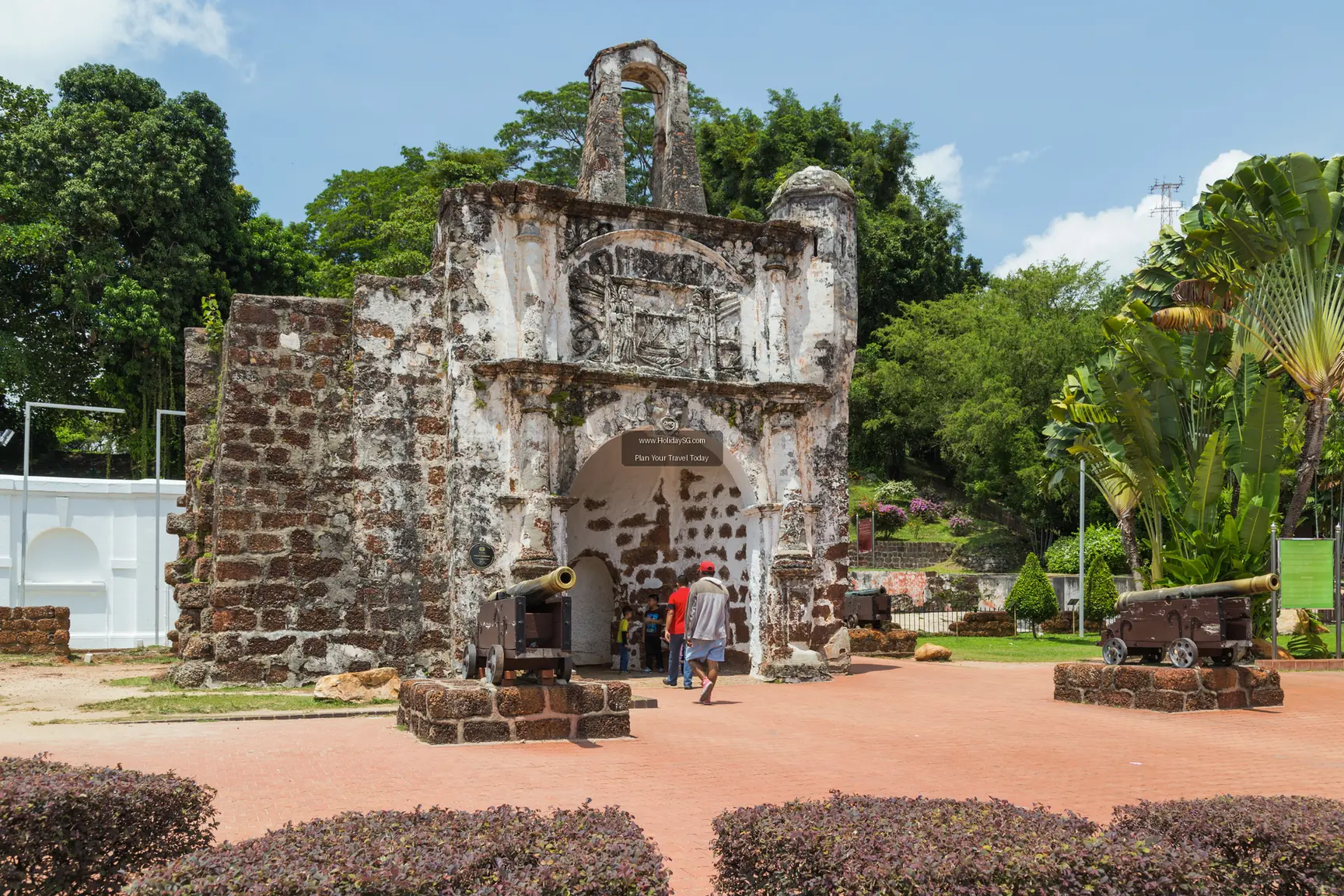
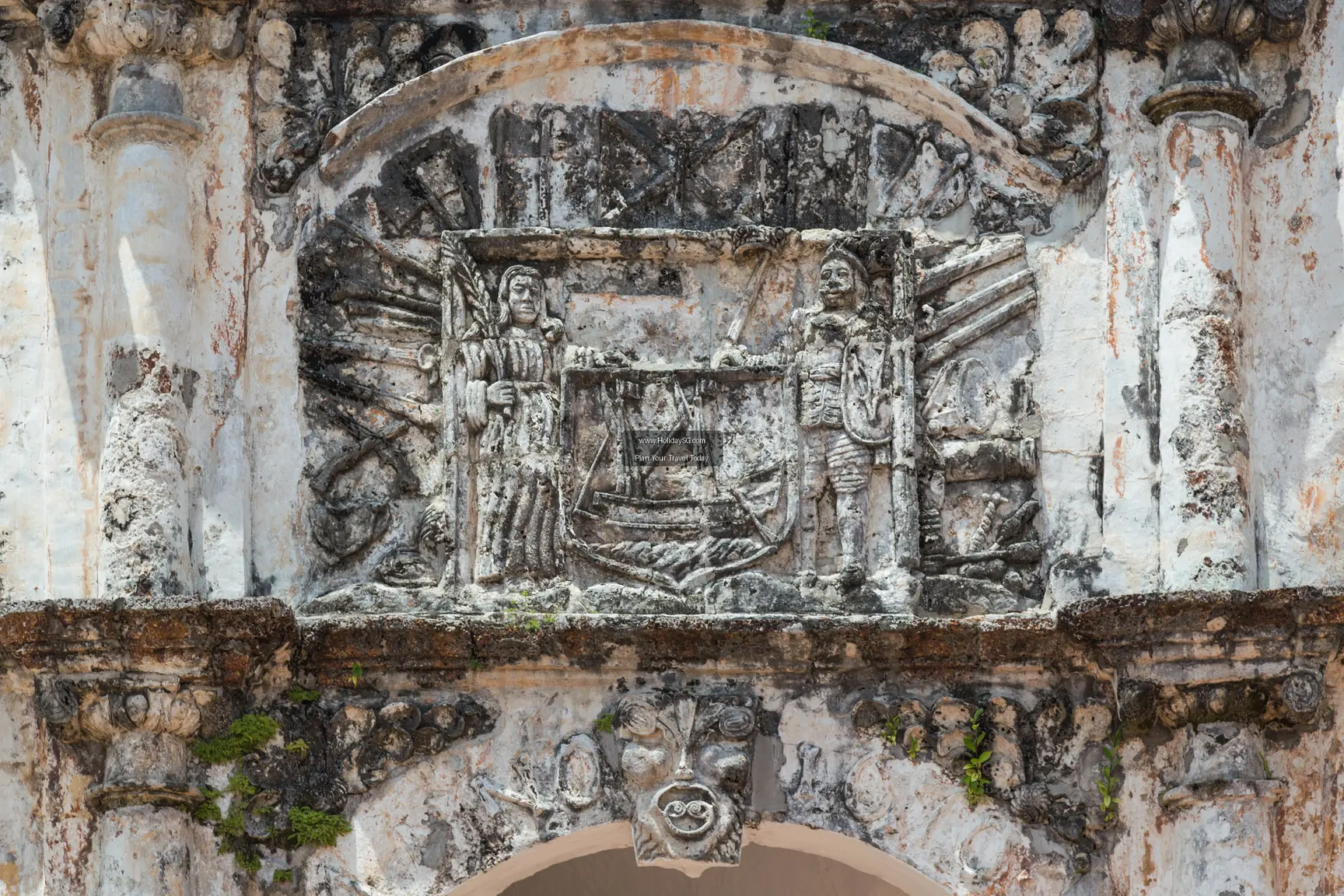
Melaka is one of the most historic towns in the region, with a riverside lined with colourful shophouses and a hill crowned by the ruins of an old fort. The town reflects centuries of trade, from Portuguese and Dutch settlers to Chinese and Malay communities. A slow walk along the river at dusk, followed by a bowl of local noodles, is a good way to appreciate its layers of history. Trishaw rides are a popular way to see the streets, and the price should be agreed before you set off.
Weekend evenings can be crowded in the central streets, so arriving on a weekday gives a calmer experience. Check the official tourism guidance for current opening hours at historic sites.
Sabah's wildlife and island escapes
Sabah, on the northern tip of Borneo, combines rainforest, mountains and islands in one state. Boat trips from Kota Kinabalu reach small islands with clear water and sandy beaches, while inland parks shelter birds, monkeys and unusual plants. Wildlife sightings are never guaranteed, so pick a tour with experienced guides and accept that nature sets the pace. Check the official park information for entry rules and any seasonal restrictions before you plan the trip.
Pack a reef-safe sunscreen, insect repellent and a light waterproof for boat trips. Jungle paths can be wet and slippery, so sturdy footwear is essential.
Is Kota Kinabalu worth a stop on a Malaysia trip?
Yes, for travellers who want a waterfront city with easy access to islands and national parks. It works well as a base for a few days of boat trips, and the markets on the seafront are a good place to try local seafood. Check the current flight and transport options with official sources before you plan the route.
Night markets and street food in Penang
Penang is widely known as a food island, and its night markets are a highlight for many visitors. Stalls serve char kway teow, laksa and fresh fruit juices, and the crowds gather under strings of lights until late. Go hungry, order a few dishes to share and walk between stalls to compare flavours. The atmosphere is informal and lively, and locals are happy to recommend their favourite stalls.
Choose stalls with a steady queue and food cooked to order. Carry small notes and coins, since some vendors prefer cash.
Rural villages and rice field walks
Beyond the cities, Malaysia's countryside is a patchwork of rice fields, rubber plantations and small villages. Walking through a paddy field in the early morning shows how farming shapes daily life, and village shops offer simple snacks and fresh produce. Ask your guide or hotel about local walks that suit your fitness level, and respect private land and farming activity along the way.
Dress modestly in rural areas and ask before photographing people. A friendly greeting goes a long way in small communities.
Planning a ten-day route with sensible pacing
Ten days allow a good sample of Malaysia without constant packing and unpacking. A practical pattern is to spend three or four days in one region, then move on with a full day for travel. Avoid long journeys on the same day as an important activity, and keep at least one flexible day for weather or rest. A written plan with the transport and accommodation listed clearly makes the trip easier to manage.
Check the official sources for entry rules, transport timetables and any health advice before you travel. Keep copies of your key documents on your phone and in a separate place.
Health, heat and everyday safety
Malaysia is hot and humid for most of the year, so drink water regularly and plan strenuous activities for early or late in the day. Sun cream, a hat and light clothing help prevent burns and heat fatigue. Pharmacies are common in cities, but carry any regular medication in its original packaging. Use common sense in crowded places, keep valuables close and check the official travel advice for current guidance.
Keep a list of emergency numbers on your phone and tell your hotel your plans for the day, especially when travelling into remote areas.
Closing thoughts on a varied country
Malaysia rewards travellers who look beyond the headline attractions. City markets, historic riversides, island boat trips and quiet villages each show a different part of the country. Choose the mix that suits your interests, pace the days sensibly and leave room for the unexpected. A little preparation before you leave makes the journey smoother and the memories richer.
Transport choices between cities and islands
Malaysia has a good mix of transport options. Domestic flights save time on long routes, especially to Borneo, while intercity coaches cover many popular corridors at a comfortable pace. Trains link some cities and offer scenic views, and ferries reach the islands. Compare journey times, luggage rules and the time needed to reach each terminal, because a short flight can take longer once transfers are included.
Book transport through official operators where possible, and keep confirmations on your phone. Check the current timetables before you travel, since schedules can change with the season.
Festivals, markets and seasonal events
Festivals in Malaysia bring colour and music to the streets, and visitors who plan around them see a livelier side of the country. Night bazaars, lantern displays and open houses appear through the year, and each community celebrates in its own way. Check the official tourism calendar for current dates, since festival timing shifts and can affect hotel prices and travel times.
During busy celebrations, arrive early at popular sites, dress respectfully at religious venues and allow extra time for transport.
Choosing accommodation that suits your route
Where you stay affects how much you enjoy each day. City hotels near the rail stations make it easy to reach markets and museums, while island resorts offer quiet beaches but require boat transfers. Homestays in rural areas give a closer look at village life, though facilities can be simpler. Read the policies on changes and cancellations, confirm what the rate includes and check the official source for current figures.
Ask whether the hotel can store luggage on the day you check out, since late departures are common when travelling between islands and cities.
Money, payments and daily spending
Cards are widely accepted in cities and malls, but cash is still needed for hawker stalls, market vendors and small village shops. Keep small notes for transport and tips. Compare the rate and any fees before you withdraw cash abroad, and check the official guidance on currency rules when you arrive. Setting a daily spending target helps keep the trip balanced.
Keep a separate record of major purchases and receipts, particularly for larger items you plan to take home.
Respect for local customs in daily life
Across its many faiths and cultures, Malaysia rewards travelers who show small courtesies. Remove your shoes before entering homes and some shrines, use your right hand when giving or receiving items, and dress modestly in mosques and temples. During the fasting month, be mindful about eating and drinking in public places. These habits show respect and make everyday encounters more pleasant.
Ask before taking photographs of people, especially in religious settings or rural villages.
Making the most of your last days
The final days of a Malaysia trip are a good time to revisit a favourite café, buy gifts from a market or take a last walk along a waterfront. Leave the largest travel day lighter, so that the airport transfer feels calm. Check the official sources for departure requirements and luggage rules before you leave the hotel.
Things to book on this trip
Plan the rest of your trip
- Malaysia visa requirements - Check who needs a visa, the documents and the processing time.
- Hotels in Malaysia - Compare hotels and check room rates for your dates.
