

The ultimate malaysia travel guide 2026 — plan smarter, travel better is exactly what this guide covers.
Malaysia Travel Guide 2026: Plan Smarter, Travel Better
Imagine a place where futuristic towers pierce the sky, where centuries-old Portuguese ruins stand in quiet streets, where wild orangutans roam ancient rainforests, and where some of the best food on Earth costs less than a cup of coffee back home. That place is Malaysia, a country of stunning contrasts and incredible value, sitting right on Singapore’s doorstep. It’s the perfect Southeast Asian adventure for every type of traveler, and 2026 is the ideal year to explore it.
Malaysia offers an unbeatable mix of vibrant cities, stunning islands, lush rainforests, and world-class cuisine, all at a fraction of the cost of its neighbours. Plan your trip around the dry seasons (generally March to October) and use budget airlines and Grab for easy travel. Remember to pack a plug adapter and try the nasi lemak!
Planning Your Trip: The Essentials
Picking the Perfect Time to Visit
Malaysia’s weather is a key part of your planning, as it’s split by the monsoon. The west coast, home to Kuala Lumpur, Penang, and Langkawi, enjoys its driest, sunniest weather from March to October. This is the prime window for city exploration and island hopping in Langkawi.
The east coast, where you’ll find the postcard-perfect Perhentian and Redang islands, has its own dry season from April to September. Planning a trip outside these windows, particularly from November to February, means heavy rains and potential disruptions, especially for island ferries. For the most part, you’re aiming for the long, dry middle of the year.
Visas and Your Wallet
For most travellers, entering Malaysia is hassle-free. Holders of passports from Singapore, the UK, the US, the EU, Australia, and most ASEAN nations enjoy visa-free entry for 30 to 90 days. This makes it perfect for everything from a long weekend escape to a multi-week backpacking trip. A crucial tip: Always check the latest announcements from the Malaysian Immigration Department before you book, as policies can change.
In terms of budget, Malaysia is phenomenally good value. A mid-range traveller can comfortably live on SGD 150-250 per day, covering accommodation, food, local transport, and a few attractions. Street food is a steal at SGD 2-5 per meal, while a sit-down local restaurant dinner might cost SGD 8-15. It’s a place where your money goes further without compromising on quality or experience.
Effortless Travel Across the Country
Getting around Malaysia is seamless and affordable. For covering long distances quickly, budget airlines like AirAsia and Firefly are your best friends, with frequent flights between major hubs. If you prefer a more relaxed pace and to enjoy the scenery, the inter-city bus network is extensive, comfortable, and remarkably cheap.
Once you’re in a city or town, Grab is your essential tool. This ride-hailing app is ubiquitous, safe, and inexpensive for all your urban navigation needs. Major cities like Kuala Lumpur also boast efficient public transport systems, such as the KL MRT and LRT, which are great for beating traffic.
Discovering Malaysia: Key Destinations Beyond the Obvious
Ready to go? Book Malaysia Heritage Studios In Melaka with HolidaySG.
Urban Icons: KL and Penang
Kuala Lumpur is the energetic gateway. Beyond the iconic Petronas Twin Towers, explore the colourful streets of Chinatown, the spiritual grandeur of the Batu Caves with its giant golden statue, and the trendy neighbourhoods of Bukit Bintang for shopping and nightlife.
A short flight north takes you to George Town in Penang, the undisputed food capital of Malaysia. Its UNESCO-listed core is a feast for the eyes, famous for its vibrant street art, historic clan jetties, and shophouses. But it’s the food—hawker centres serving legendary Char Kway Teow and Assam Laksa—that will have you planning your return trip before you’ve even left.
Island and Hill Escapes
For a unique island experience, fly to Langkawi, a duty-free archipelago. Ride the cable car up to the thrilling Sky Bridge with its breathtaking views, then unwind on its pristine beaches or explore the mysterious mangrove forests. It’s a mix of relaxation and adventure.
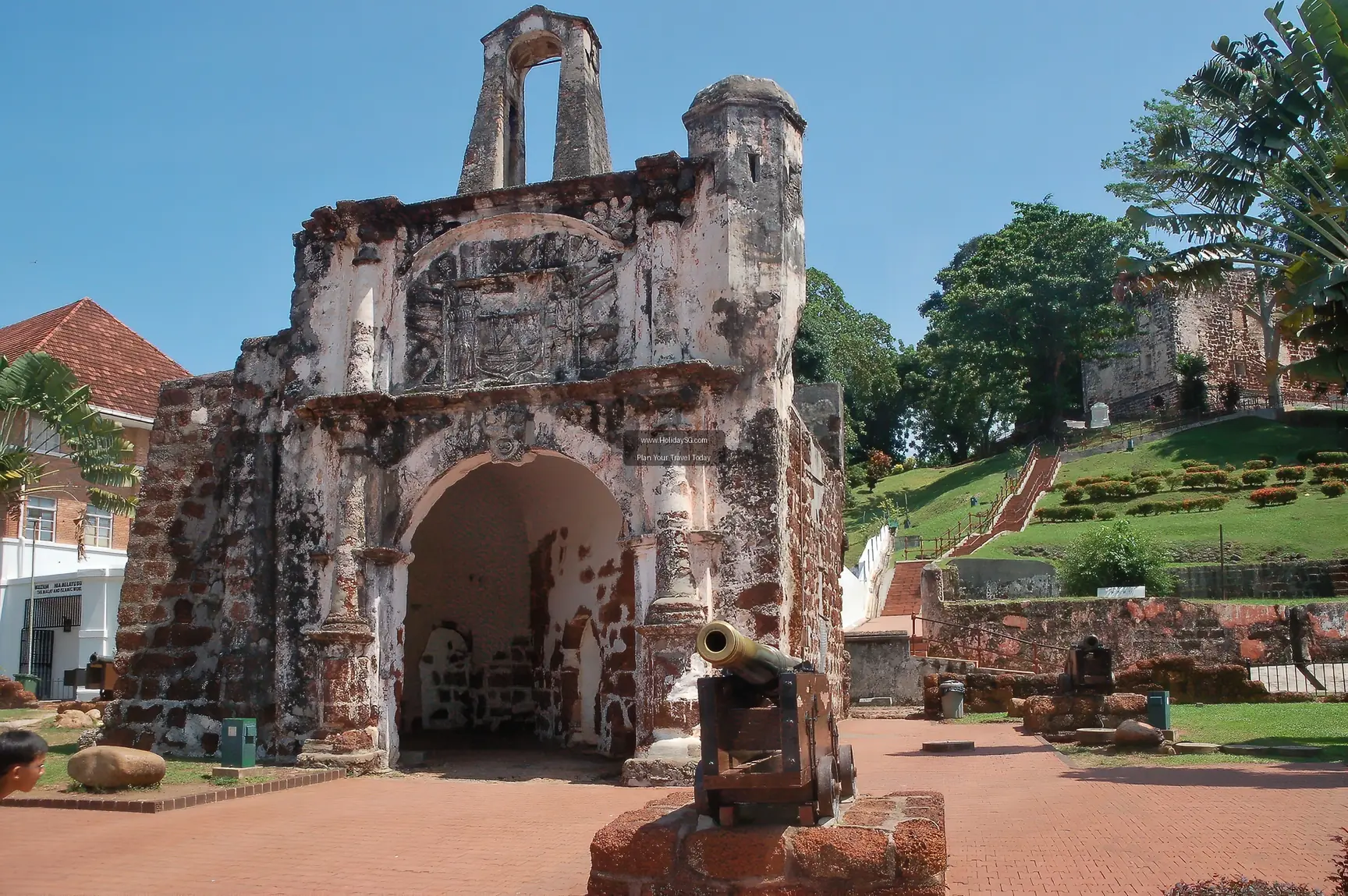
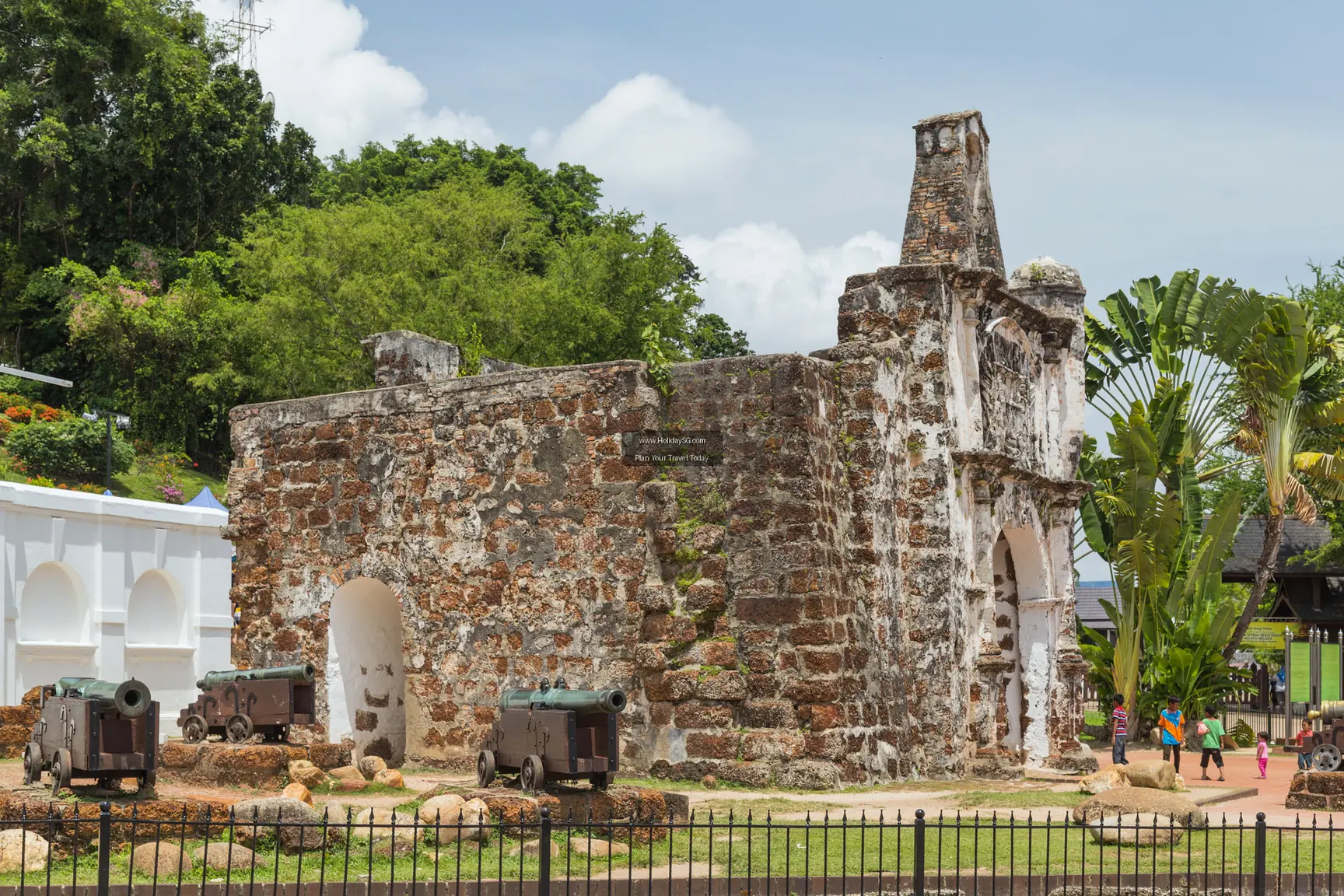
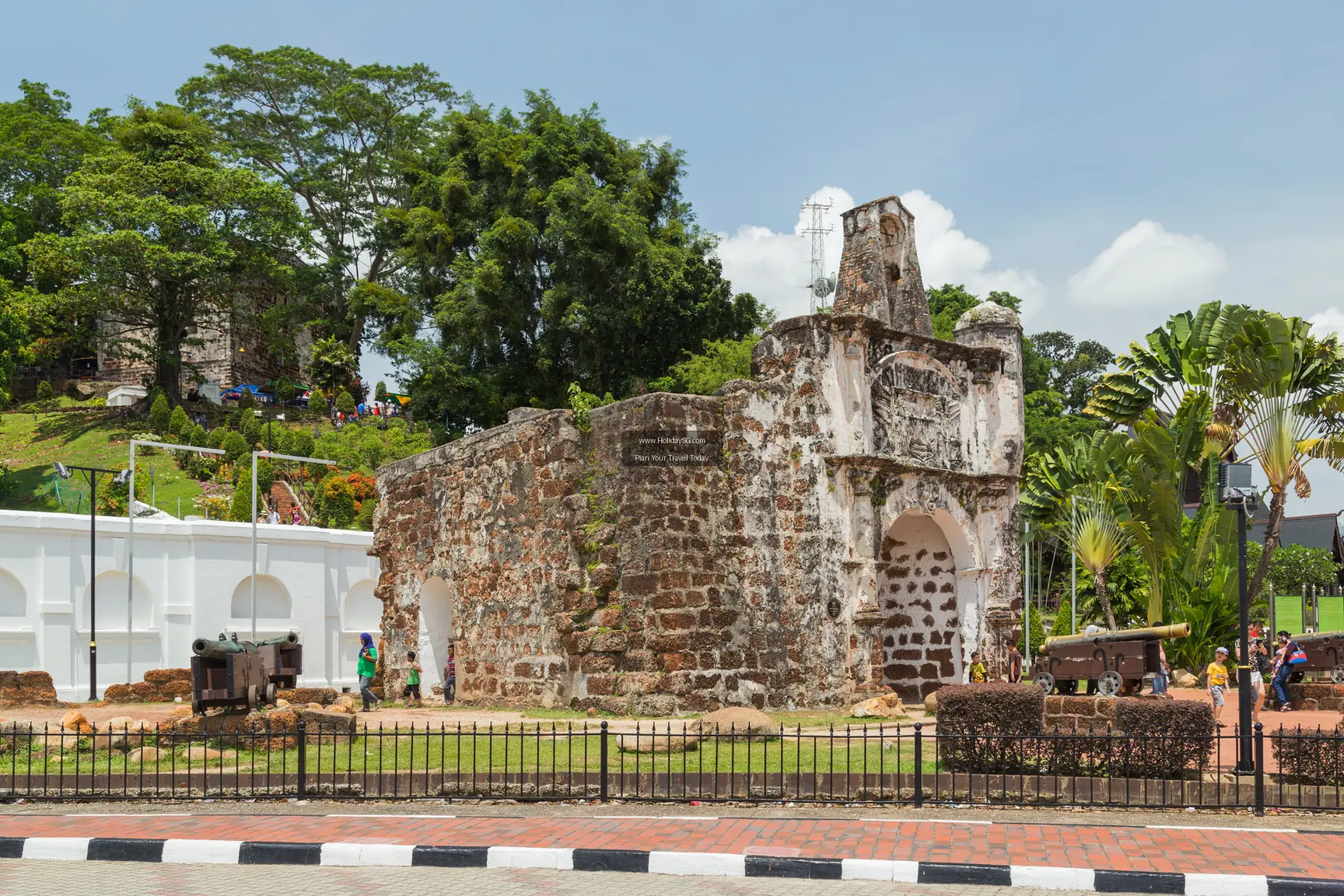
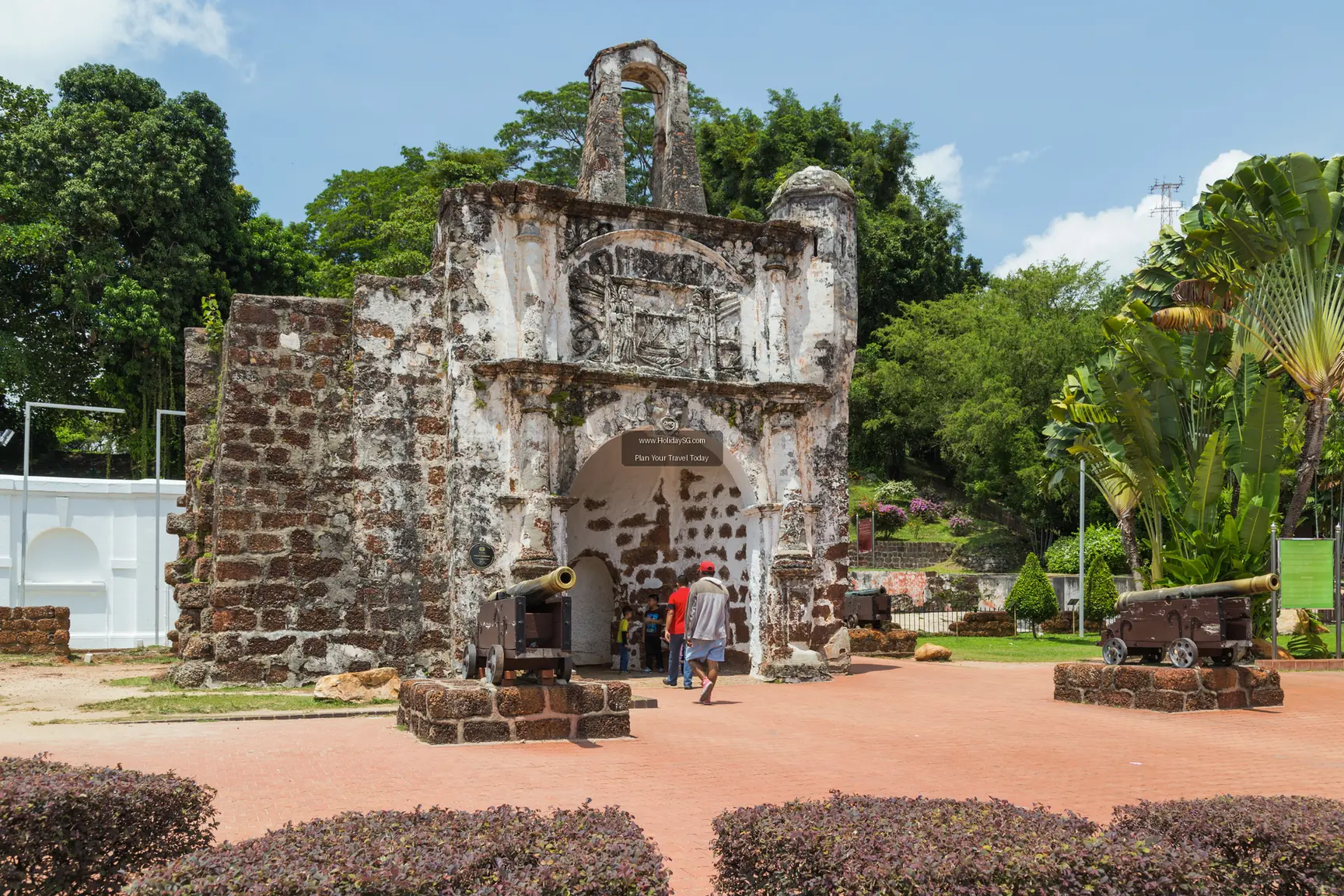
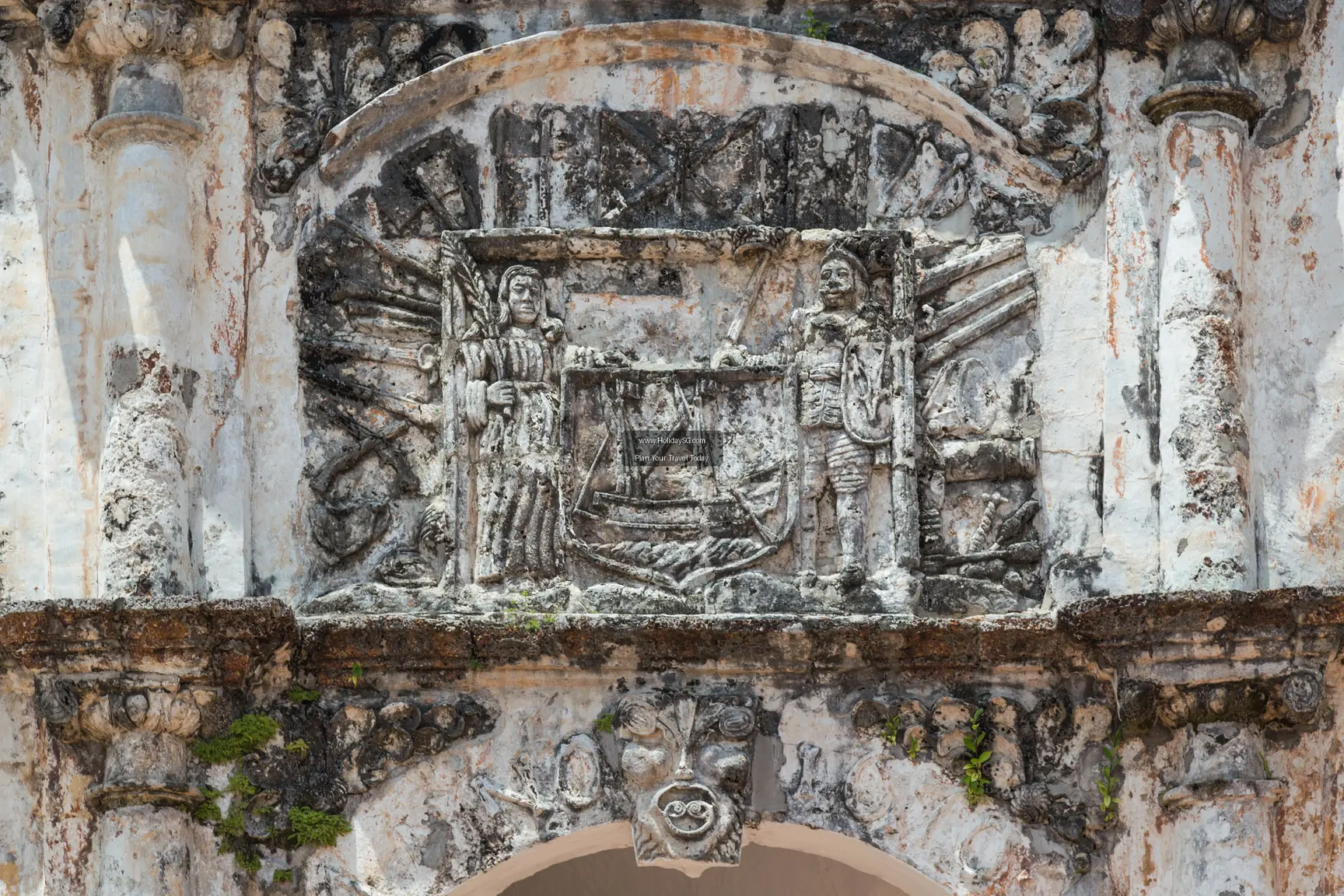
Back on the peninsula, the historic city of Malacca (Melaka) offers a captivating walk through time. Explore colonial remnants like A Famosa and the Stadthuys, and don’t miss the lively Jonker Street night market for food and antiques. For a deep dive into its rich past, consider a visit to the Malaysia Heritage Studios In Melaka for an immersive cultural experience.
For sun-seekers and divers, the Perhentian Islands are a dream. With some of the most pristine snorkelling and diving in Southeast Asia, you can swim alongside turtles and vibrant coral gardens. Remember, the ideal time to visit is during its dry season, from April to September.
The Wild Heart of Borneo
No Malaysia guide is complete without Malaysian Borneo (Sabah & Sarawak), a world apart. This is where you can come face-to-face with wildlife: visit the Sepilok Orangutan Rehabilitation Centre to see these gentle giants, and spot sun bears at the adjacent conservation centre. Adventurers flock to Mount Kinabalu, Southeast Asia’s highest peak, for a challenging and rewarding climb.
Important Borneo Note: Due to its own immigration controls, a trip to Borneo requires separate planning from peninsular Malaysia. Factor in travel time as it’s a significant journey, not a side trip.
A Culinary Pilgrimage: Eating Your Way Through Malaysia
Food isn’t just sustenance in Malaysia; it’s a national obsession. The essential checklist includes Nasi Lemak (fragrant coconut rice with spicy sambal), smoky Char Kway Teow noodles, juicy Satay skewers, and hearty Laksa noodle soup. Don’t leave without trying flaky Roti Canai dipped in curry for breakfast and cooling down with a bowl of Cendol, an iced dessert with palm sugar and coconut milk.
The best places to eat are often the humblest: sprawling hawker centres (like Penang’s Gurney Drive or KL’s Jalan Alor), local night markets, and traditional coffee shops known as kopitiams.
Practical Tips for a Seamless Journey
Ready to go? Book Malaysia Heritage Studios In Melaka with HolidaySG.
Stay Connected and Healthy
Staying online is easy and cheap. You can pick up a tourist SIM card at the airport for SGD 10-15. Providers like Hotlink or Digi offer great data packages. For ultimate convenience, consider pre-ordering a HolidaySG eSIM plan for Malaysia to activate on arrival.
Regarding health, no special vaccinations are mandatory for most travellers, but routine shots should be up-to-date. Do not drink tap water; bottled water is safe, cheap, and available everywhere.
Culture, Safety, and Money
Malaysia is predominantly Muslim, so dress modestly when visiting mosques—cover shoulders and knees. Use your right hand for giving and receiving items as a sign of respect. During Ramadan, be mindful that many locals are fasting, though tourist areas remain open.
For safety, Malaysia is generally very safe for tourists, but standard precautions against petty theft apply. The currency is the Malaysian Ringgit (MYR). Cash is king for markets and small towns, but cards are widely accepted in cities. English is widely spoken in tourist areas, making communication easy.
Don’t forget your plug adapter! Malaysia uses the Type G plug, the same three-pin style as in Singapore and the UK.
Recommended HolidaySG Tours
To make planning even easier, here are some hand-picked experiences from HolidaySG to enhance your Malaysian adventure:
- Malaysia Heritage Studios In Melaka
- Just Farm By Just Pets Megastore Ticket Malaysia Largest Indoor Petting Zoo
- HolidaySG eSIM plan for Malaysia
Your Malaysian Adventure Awaits
Ready to go? Book Malaysia Heritage Studios In Melaka with HolidaySG.
From the neon glow of KL to the emerald waters of the Perhentians, Malaysia is a destination that delivers on every front. It’s a place of warm hospitality, incredible diversity, and astonishing value. With thoughtful planning around the seasons and a spirit of adventure, you’re not just taking a trip—you’re embarking on an unforgettable journey. So start planning, get that passport ready, and discover why this incredible country is Southeast Asia’s best all-rounder. Your ultimate Malaysian adventure in 2026 begins now.
Ready to explore further? Check out our Malaysia Heritage Studios In Melaka for a deep dive into the country’s rich history and culture.
Book these with HolidaySG:
Book with HolidaySG online for Malaysia Heritage Studios In Melaka, Malaysia Unlimited 4g5g Data Esim, Just Farm By Just Pets Megastore Ticket Malaysia Largest Indoor Petting Zoo.
Getting Around Malaysia Without Losing Your Mind
Transport in Malaysia is far better than many first-time visitors expect, but it rewards people who understand how each mode works. In Kuala Lumpur, the rail network is the backbone of daily movement. The LRT, MRT, and Monorail lines connect most neighbourhoods you will want to see, including Bukit Bintang, KLCC, Chinatown, and Brickfields. A single trip on the city rail usually costs between RM2 and RM5, depending on distance, and you can pay with a Touch 'n Go card or a contactless bank card at the gates. If you land at KLIA, the KLIA Ekspres takes roughly 28 minutes to reach KL Sentral and costs around RM55 one way. The KLIA Transit train is cheaper and stops at intermediate stations, which makes it a sensible option if your hotel is near Putrajaya or Bandar Tasik Selatan. Ride-hailing apps are widely used, and Grab is the most dependable choice for cars and motorcycle taxis. Always confirm the pickup point with the driver, because traffic jams around the Golden Triangle and Jalan Ampang can turn a short ride into a long wait during the evening rush.
Once you leave the capital, the picture changes. The ETS intercity train runs from KL Sentral north to Ipoh and Butterworth, and it is comfortable, punctual enough for most timetables, and an easy way to see the Titiwangsa range without renting a car. Expect a fare of roughly RM30 to RM50 for the trip to Ipoh, depending on the class and time of day. From Butterworth, a short ferry crossing over the Penang Strait costs only a few ringgit and offers excellent views of George Town's skyline. Within Penang, Rapid Penang buses cover most attractions, although you should download the official route maps before you go, since some routes change without much warning. For Sabah and Sarawak, domestic flights are the practical choice. Kota Kinabalu and Kuching are both served by frequent low-cost carriers, and the flight from Kuala Lumpur usually takes around two hours. Long-distance buses exist between major towns, but the journeys can be slow and the roads on parts of the east coast are demanding.
Renting a car gives you the most freedom, particularly if you plan to explore the Cameron Highlands, the Malacca coastline, or the quieter villages of Pahang. Malaysians drive on the left, and a valid home driving licence accompanied by an International Driving Permit is recommended. Check whether your rental includes Touch 'n Go toll access, because the North-South Expressway and many highways use electronic tolls that can be paid by card or through a rental company's device. Parking in central Kuala Lumpur and George Town is often fragmented across apps and attendants, so ask your hotel for guidance before you park. Taxis are metered in theory, but many drivers prefer to negotiate in less touristy areas, so ride-hailing is usually the easier option. If you hire a motorbike on islands such as Langkawi, remember that a valid motorcycle licence is required, and helmets are mandatory. Travel times are often longer than the map suggests, especially on mountain roads and during public holidays when highways fill quickly. Building a buffer of at least an hour into any road trip will save you a great deal of stress.
Respecting Faith and Local Customs
Malaysia is a remarkably diverse country, with Malay, Chinese, Indian, and Indigenous communities shaping daily life in visible ways. Islam is the official religion, and while the country is generally relaxed toward visitors, a little awareness goes a long way. When visiting mosques such as the Masjid Negara in Kuala Lumpur or the Kapitan Keling Mosque in George Town, dress conservatively. Long trousers or a long skirt and covered shoulders are expected, and women should carry a headscarf to cover their hair when entering prayer areas. Many mosques provide robes and scarves at the entrance, but bringing your own is more comfortable. Remove your shoes before entering any prayer hall, and avoid visiting during the five daily prayer times if you want a quiet experience. Public displays of affection are best kept minimal, and alcohol is sold in licensed venues rather than openly on the street in most Malay-majority areas.
Religious and cultural festivals can transform the rhythm of a city, and timing your trip around one can be deeply rewarding. Thaipusam, usually held in January or February, brings thousands of Hindu devotees to the Batu Caves outside Kuala Lumpur. The 272 steps leading to the cave temple are lined with worshippers, and it is a powerful, colourful spectacle that requires respect and patience. Chinese New Year fills Chinatown with lanterns, lion dances, and open-air feasts, while Deepavali lights up Little India along Jalan Masjid India. Ramadan is a different experience altogether. During the fasting month, many restaurants in Malay districts close during daylight hours, and eating or drinking in public during the day is considered disrespectful. Instead, join the lively bazaars that open in the late afternoon, where you can sample kuih, satay, and fresh juices. Hari Raya Aidilfitri, which marks the end of Ramadan, is a national holiday with open houses where visitors are often warmly welcomed.
Everyday etiquette matters as much as formal occasions. Use your right hand when giving or receiving money, food, or small items, since the left hand is traditionally considered less polite in Malay and Indian households. Removing your shoes before entering someone's home is common, and you will often see a neat row of footwear by the door of a family restaurant or guesthouse. Pointing with your index finger is generally seen as rude, so use your whole hand or a slight nod instead. When photographing people, particularly in rural villages or among Orang Asli communities, ask permission first and be prepared to accept a polite refusal. Tipping is not expected in most restaurants, since a 10 percent service charge is often added to the bill. Small gestures such as a friendly greeting in Bahasa Malaysia, like "selamat pagi" for good morning, are received with genuine warmth and often open the door to better conversations with locals.
Nature, Permits, and Outdoor Adventures
Malaysia's rainforests are among the oldest on Earth, and the country offers outdoor experiences that rival anything in Southeast Asia. Taman Negara, the national park in Pahang, is often called one of the oldest tropical rainforests in the world. Visitors need to pay a park entry fee, and the most popular gateway is Kuala Tahan, where you can arrange boat transfers, guided night walks, and the canopy walkway. The walkway is best approached early in the morning, when mist still hangs over the treetops and the birdlife is most active. Plan for at least two nights if you want to explore the trails properly, and bring insect repellent, a headlamp, and waterproof footwear. Accommodation inside the park is limited, so booking ahead is essential during school holidays. The park is also home to elusive wildlife, including tapirs and, with considerable luck, Malayan tigers, although sightings are extremely rare and should never be your main expectation.
Sabah and Sarawak hold some of the country's most dramatic landscapes. Mount Kinabalu, at 4,095 metres, is the highest peak in Malaysia and requires advance planning. Climbing permits are limited each day, and the standard two-day trip involves a stay at a mountain lodge near Laban Rata before the pre-dawn summit push. Many climbers book through licensed operators that handle park fees, guide requirements, and accommodation, and the summit attempt is physically demanding, so acclimatisation is important. Further south in Sarawak, the Gunung Mulu National Park is a UNESCO World Heritage Site famous for its enormous cave systems, including the Deer Cave and the Clearwater Cave. Guided tours are mandatory for most caves, and visitors should check the operating schedule because some sections close for maintenance or during heavy rain. For divers, the waters around Sipadan island are celebrated for turtles, barracuda, and reef sharks. Access to Sipadan is strictly controlled through a limited permit system, so reserve well in advance, as daily quotas sell out quickly, especially in peak months.
The coastline offers a different kind of adventure, but seasonality is the single most important factor. The east coast islands, including Perhentian, Tioman, and Redang, are at their best from around March to October, when the seas are calm and visibility underwater is excellent. During the northeast monsoon, typically from November to February, ferry services are frequently cancelled and waves can be rough, so the islands may feel isolated or inaccessible. The west coast, including Langkawi and the Andaman-facing beaches, enjoys calmer conditions from roughly November to April. Snorkelling gear is inexpensive to rent on most islands, and a full-day boat trip to nearby reefs typically costs between RM100 and RM200 per person. Respect the marine environment by avoiding touching corals and using reef-safe sunscreen, and always carry a dry bag for your phone and documents. Lastly, keep an eye on local weather forecasts, since sudden squalls can change plans within an hour, and flexible scheduling is your best ally on any Malaysian island adventure.
Staying Connected, Staying Safe, and Staying Healthy
Staying connected in Malaysia is straightforward and affordable. Mobile networks such as Maxis, Celcom, and Digi offer tourist SIM cards at airport counters, convenience stores, and mobile shops in most shopping malls. A prepaid plan with several gigabytes of data typically costs between RM30 and RM60 and usually includes a validity period of up to a month. Bring your passport when buying a SIM, since registration is required by law. Coverage is excellent in cities and along major highways, but it can become patchy in national parks, mountain areas such as the Cameron Highlands, and remote stretches of the east coast. Download offline maps before leaving town, and save important addresses and phone numbers in your phone. Wi-Fi is common in cafes, shopping centres, and most hotels, although speeds in older guesthouses can be unreliable. Many restaurants and street vendors accept e-wallets such as Touch 'n Go eWallet and Boost, but cash in ringgit remains essential for small stalls, village markets, and some rural transport options.
Malaysia is generally a safe destination, but normal urban precautions apply. Petty theft, particularly bag snatching from motorcycles, is the most common concern in busy areas of Kuala Lumpur and George Town, so carry your bag on the side away from the road and keep your phone secure when walking along pavements. Be cautious when using street-side ATMs late at night, and prefer machines inside shopping malls or bank branches. Scams involving unlicensed taxi drivers at airports or tour touts offering unusually cheap packages do occur, so stick to official taxi counters or reputable booking methods. The emergency number is 999 for police, fire, and ambulance services, while 112 can also be used on mobile phones. Keep copies of your passport, travel insurance details, and any medication prescriptions in both paper and digital formats. Travel insurance that covers medical evacuation is strongly advised, especially if you plan hiking or diving, since remote locations can take hours to reach by road.
Health planning deserves as much attention as packing. The tropical climate means high humidity year-round, so drink plenty of water and carry electrolyte sachets, especially during long bus rides or hikes. Tap water is generally treated in cities, but many travellers prefer bottled or filtered water, which is sold cheaply at every convenience store. Dengue is present in Malaysia, with cases peaking during the rainy season, so use repellent containing DEET or picaridin during the day, wear long sleeves in the early evening, and seek medical attention promptly if you develop high fever, severe headache, or joint pain. Mosquito coils and bed nets are useful in budget accommodation. Pharmacies such as Guardian and Watsons are widespread and stock common medicines, sunscreen, and first-aid supplies at reasonable prices. Private hospitals in Kuala Lumpur, Penang, and Kota Kinabalu offer high standards of care, though consultations and treatment can be expensive without insurance. A small, well-organised first-aid kit with plasters, antihistamines, rehydration salts, and any personal prescriptions will make your trip considerably more comfortable.
Frequently Asked Questions
Where can I book tickets or products for my Malaysia trip?
- To experience history, book the Malaysia Heritage Studios in Melaka.
- For staying connected, get an HolidaySG eSIM plan for Malaysia, an HolidaySG eSIM plan for Malaysia, or a Whizcomms 14-Day 15GB Unlimited Malaysia eSIM.
- For family fun, get tickets to Just Farm by Just Pets Megastore, Malaysia’s largest indoor petting zoo.
Always check the product details on the linked page for the most current information.
Do foreigners (non-citizens) need a different ticket, price, or visa for Malaysia?
Visa requirements for Malaysia vary greatly depending on your nationality, the purpose of your visit, and its duration. Many countries enjoy visa-free entry for short stays (e.g., 30 to 90 days for tourism), while others require a visa obtained in advance. It is essential to verify the most current entry requirements with the official Malaysian Immigration Department (Jabatan Imigresen Malaysia) or your nearest Malaysian embassy/ consulate before traveling. Similarly, while many attractions have the same entry fee for all visitors, some may have different pricing for foreign tourists. Always check the specific attraction’s website or booking page for the latest ticket information.
What is the best time (season, or time of day for the site/activity) to go to Malaysia?
Malaysia is a year-round destination, but the best time generally depends on which region you plan to visit. The west coast (Kuala Lumpur, Penang, Langkawi) is driest from December to April. The east coast (Perhentian Islands, Tioman) is best from April to October. For avoiding rain, plan for the drier seasons, but be prepared for occasional showers anytime. For attractions like theme parks or indoor activities like the Just Farm petting zoo, time of day is less critical. For outdoor temples or hiking, mornings are cooler and less crowded. Always check specific weather forecasts before your trip.
How long should I spend in Malaysia?
A general two-week itinerary allows you to see major highlights like Kuala Lumpur, the Cameron Highlands, Penang, and an island like Langkawi. However, you can have a fulfilling trip in 7-10 days focusing on one or two regions. For a deep dive into cultural heritage and hidden gems, three weeks is ideal. Malaysia’s size and efficient transport make multi-city trips very manageable.
What is the typical daily budget for a traveler in Malaysia?
Budget travelers can get by on SGD 50-80 per day, covering dorm accommodation, local meals, and public transport. Mid-range travelers should budget SGD 100-200 per day for private rooms, occasional nice meals, and taxis. Luxury is variable, but top-end hotels and fine dining can push daily costs to SGD 300+. Food is exceptionally affordable at hawker centres and kopitiams.
How do I get around Malaysia?
Malaysia has excellent and affordable connectivity. The extensive bus network (e.g., Aerobus, KKKL) and trains (ETS for the west coast, Ekspres Timuran for the east) connect major cities. Domestic flights by AirAsia and AirAsia X are cheap and fast. For flexibility, consider ride-hailing apps like Grab. In cities, the LRT, MRT, and monorail are efficient.
Is Malaysia family-friendly?
Absolutely. Malaysia is known for being very family-friendly with a wide range of attractions. Kids love theme parks like Legoland and Sunway Lagoon, interactive exhibits at Petronas Towers, and hands-on experiences at places like the Just Farm petting zoo. The culture is welcoming to children, and food options are plentiful and mild.
What should I pack for a trip to Malaysia?
Pack lightweight, breathable clothing, but include a light jacket for heavily air-conditioned malls and buildings. A compact umbrella or rain poncho is essential for sudden downpours. Comfortable walking shoes, sunscreen, a hat, and insect repellent are key. Remember to pack modest attire (covering shoulders and knees) for visiting religious sites. Don’t forget your travel adapter (UK-style plugs are common).
Is Malaysia safe for tourists?
Generally, yes. Malaysia is considered safe with a low violent crime rate. Exercise normal precautions: be wary of pickpockets in crowded areas, don’t leave belongings unattended, and use reputable taxis or ride-hailing apps at night. Be cautious with scams and only exchange money at authorized dealers. Check travel advisories from your government before departure.
Do I need travel insurance?
While not a legal requirement for most tourists, comprehensive travel insurance is **highly recommended** for any international trip. It should cover medical emergencies, trip cancellations, lost baggage, and personal liability. Ensure your policy includes coverage for COVID-19 related issues and adventure activities if you plan to do them.
What is the best way to get a Malaysian eSIM for data?
For seamless connectivity from the moment you land, we recommend purchasing an eSIM. You can instantly activate a plan online before your trip. Excellent options available through our partner include the HolidaySG eSIM plan for Malaysia, the HolidaySG eSIM plan for Malaysia, and the Whizcomms 14-Day Unlimited eSIM. This avoids hunting for a local SIM card on arrival.
Can I use my credit cards everywhere?
Credit cards are widely accepted at hotels, malls, large restaurants, and chain stores. However, cash is still essential for hawker centres, small shops, street vendors, and many local businesses. Always carry some Malaysian Ringgit (MYR) for convenience.
What’s the etiquette for visiting temples and mosques?
Respect is paramount. Always dress modestly (shoulders and knees covered). For mosques, women are typically required to wear a headscarf (often provided at the entrance). Remove shoes before entering prayer halls. Ask for permission before taking photographs, especially of people praying. Be quiet and avoid pointing the soles of your feet towards religious items or people.
Is the food in Malaysia very spicy?
Malaysian cuisine can be spicy, but not all dishes are fiery. When ordering, you can ask for “tidak pedas” (not spicy) or “kurang pedas” (less spicy). Many dishes, like Hainanese chicken rice, Nasi Lemak (sometimes), and Laksa, have mild to medium spice levels. You can always request the chili sauce on the side to control the heat.
What are some must-try foods in Malaysia?
Some iconic dishes include Nasi Lemak (coconut milk rice with sambal, egg, peanuts), Char Kway Teow (stir-fried rice noodles), Satay (grilled meat skewers), Roti Canai (flatbread with curry), and Cendol (shaved ice dessert with pandan jelly and coconut milk). Be adventurous and eat at hawker centres for the most authentic and affordable experience.
Are there any day trips from Kuala Lumpur?
Yes, many excellent options. The UNESCO city of Melaka is a 2-hour drive away. The Batu Caves temple complex is a 30-minute train ride. The Genting Highlands highland resort is about an hour away. The Cameron Highlands tea plantations are roughly a 4-hour drive, often done as an overnight trip.
What’s the best way to experience Malaysian culture?
Visit historical neighborhoods like Jonker Street in Melaka or Georgetown in Penang for Peranakan and colonial heritage. Explore traditional markets (Pasar). Attend a cultural performance (like a Malay dance or Chinese opera). Stay in a homestay. Participate in a cooking class. And most importantly, engage with the friendly locals.
Do I need any vaccinations?
Check with your doctor or a travel clinic 6-8 weeks before departure. While no specific vaccinations are legally required for entry from most countries, routine vaccines (MMR, Tetanus, etc.) should be up-to-date. Hepatitis A and Typhoid are sometimes recommended. For deeper jungle travel, additional vaccines like for Japanese Encephalitis or Rabies might be advised.
What can I buy as souvenirs?
Great souvenirs include Batik textiles (from Terengganu or Kelantan), pewterware (Royal Selangor is a famous brand), pearls (especially from Langkawi), tea from the Cameron Highlands, instant white coffee, kaya (coconut jam), and local snacks like pineapple tarts or muruku.
How is the mobile signal and Wi-Fi coverage?
Mobile network coverage is excellent in cities, towns, and tourist areas across peninsular Malaysia. 4G/LTE is widespread. In very remote rainforest or island areas, coverage can be patchy. Wi-Fi is available and generally good in hotels, cafes, and shopping malls. Getting a local eSIM or SIM card ensures you’re always connected for maps and Grab rides.
Is Malaysia a good destination for a first-time solo traveler?
Yes, it’s an excellent choice for first-time solo travelers. English is widely spoken in tourist areas, making communication easier. The food is incredible, public transport is efficient and affordable, and the culture is welcoming. The mix of urban energy, nature, and beaches offers something for every traveler’s style.
What things cost in Malaysia
Live HolidaySG prices for the experiences in this guide, so you can sanity-check a budget before you commit.
| Experience | Where | From price |
|---|---|---|
| Cameron Highlands Day Tour from Kuala Lumpur with Lunch (Guide... | Cameron Highlands | From S$76.85 |
| Cameron Highlands and Mossy Forest Half Day Tour | Cameron Highlands | From S$16.53 |
| The Bentong Farm | Bentong | From S$12.00 |
| Awana SkyWay (Formerly known as Genting Highlands Premium Outl... | Genting Highlands | From S$4.00 |
| Blue Ice Skating Rink @ Sunway 163 Mall | Kuala Lumpur | From S$14.00 |
| Breakout Escape Game Avenue K | Kuala Lumpur | From S$13.17 |
| Breakout Escape Game NU Sentral | Kuala Lumpur | From S$13.00 |
Things to book on this trip
Plan the rest of your trip
- Malaysia visa requirements - Check who needs a visa, the documents and the processing time.
- Hotels in Malaysia - Compare hotels and check room rates for your dates.
