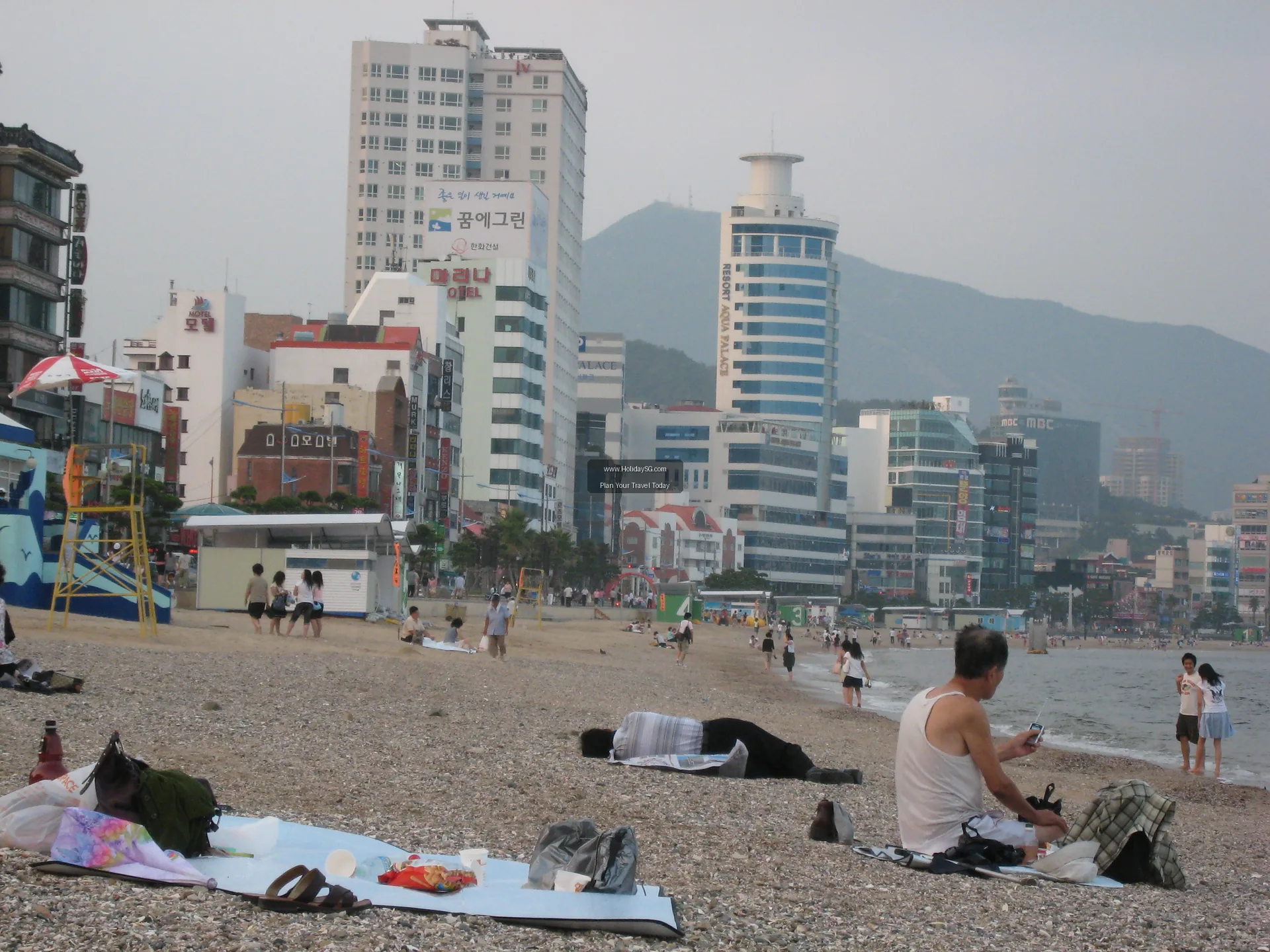
Last autumn my sister flew into Seoul with her two kids, aged seven and eleven, and a suitcase full of snacks she was convinced Korea would not have. By day two she had binned the snacks, by day three the seven-year-old was demanding tteokbokki for breakfast, and by day five nobody wanted to go home. I had spent a good month before their trip helping her sketch the plan below, and then I checked it against what actually worked on the ground. This is that plan, cleaned up, with the stuff that went wrong left in because you will want to avoid it.
Seoul is one of the easiest big Asian cities to do with children. The subway is spotless and runs on a tap-and-go card, almost every sight has a toilet nearby, the food is forgiving for fussy eaters, and there is enough variety that a bored eleven-year-old and a tired seven-year-old can both be happy on the same day if you pace it properly. The trick is not cramming. Five days sounds like a lot until you see how far apart things are.
How to use this five-day plan
I have built each day around one big morning outing and one gentler afternoon, with a proper rest block in the middle. Families who try to do three headline sights a day tend to fall apart around 3 pm. If your kids are teenagers you can compress; if you have a toddler, cut one afternoon item per day and do not feel bad about it.
The plan assumes you are based somewhere central. Hotels near Myeongdong, City Hall, Jongno or Hongdae all work well because several subway lines meet there, and you rarely need a taxi. If you land late, treat day one as a soft start.
| Day | Theme | Morning | Afternoon | Evening |
|---|---|---|---|---|
| 1 | Arrival and Han River | Airport train, check in | Cruise on the river | Cheap dinner near the hotel |
| 2 | Palaces and old Seoul | Gyeongbokgung, guard ceremony | Bukchon and Insadong | Gwangjang Market |
| 3 | Jamsil, the fun day | Lotte World or the aquarium | COEX aquarium or Starfield | Early night |
| 4 | Nami Island day trip | Early departure | Petite France or Alpaca World | Jjimjilbang to recover |
| 5 | Namsan and shopping | N Seoul Tower hill | Myeongdong and Hongdae | Last Korean BBQ |
Before you go: visas, flights and the boring-but-important bits
Start with entry rules, because this is where families get caught out. Singapore passport holders are currently covered by a temporary K-ETA exemption that our records show running until 31 December 2026, with a stay of up to 90 days for tourism. That can change, so check again a few weeks before you fly rather than trusting an article, including this one. Travellers on other passports may need the K-ETA online or a short-term visit visa, and the fee and processing time differ. Our visa requirements page lets you pick your passport and destination and see what applies, and our team can help if you would rather not fill forms yourself.
One more thing I wish someone had told my sister: many visa and entry processes like to see proof of onward or return travel. If you are not ready to pay for tickets yet, our flight reservation service gives you a reservation for visa application purposes. It is a reservation, not an issued ticket, so do not treat it as your actual flight.
Other things to sort before departure:
- Passports valid for at least six months, with a blank page or two for each child.
- Travel insurance that covers medical care. Hospital visits are not cheap for tourists.
- Data. Kids use maps, translation apps and video all day. Either buy an eSIM before landing or collect a SIM at the airport.
- A little cash. Cards are accepted nearly everywhere, but markets and some small restaurants prefer won.
- Child-size luggage tags with your hotel name in Korean script. If you lose a child for ten minutes at a market, this is the thing you will be grateful for.
When to go and what to pack for the weather
Spring (April to early June) and autumn (September to November) are the sweet spots. Cherry blossoms usually arrive in early April and the autumn leaves peak late October into early November. Both are lovely for walking between palaces. Summer is hot and humid, with a rainy stretch in July and August, and winter can drop well below freezing, which is magical for a day and miserable on day four.
Our itinerary data puts the temperature range across the year at roughly minus five to thirty degrees, so pack in layers whatever the season. Comfortable walking shoes matter more than anything else you bring; we clocked around fifteen thousand steps a day on the palace days. A power bank and a small umbrella live in my day bag permanently.
Getting around with kids: the T-money habit
You want a transport card on day one. The standard one is called T-money, and you can top it up at convenience stores and subway machines. Some visitor cards bundle the transit function with a prepaid payment feature, such as the WOWPASS card, which lets you load foreign currency and pay in shops as well as on trains and buses. Check the current fees and the deposit rules before you pick one, since they change.
Practical subway tips for families: the carriages have priority seats, and locals will often offer them to small children without being asked. Rush hour (roughly 7:30 to 9:30 am and 6 to 7:30 pm) is the time to avoid with a pushchair. Station exits are numbered, and the exit you choose can save a long surface walk, so look at the exit map before climbing the stairs. Many large stations have lifts, but they can be hidden around a corner.
Taxis are cheap by Singapore standards and a good option for tired legs, but the app-based ones can need a Korean phone number. Hail a regular taxi and have your destination written in Korean script.
Day 1: Arrival, a river and an early night
Most families land at Incheon in the morning or afternoon. The airport express train is the calm option: it runs straight to Seoul Station and avoids the road traffic that can eat an hour. You can book the airport express train ticket ahead and skip the machines when you are juggling bags and a sleepy child. If you prefer a seat per person and a luggage rack with a straight run to a hotel area, an airport limousine bus is another sensible choice, and a private transfer makes sense if you are four or more with a lot of luggage.
Check in, shower, eat something simple, and resist the urge to nap. Jet lag in this direction is mild (Seoul is one hour ahead of Singapore), so the aim is just to keep everyone awake until a normal bedtime.
For a gentle first outing, go to the Han River. The park along the water is huge and flat, full of families on picnic mats, kids on scooters and the occasional person delivering fried chicken to the grass. A cruise gives you the skyline without any walking. The Han River cruise from Yeouido lasts around seventy minutes, and the operator asks every passenger to show a passport or ID and complete a boarding report first, so keep passports in your day bag. The pier is a short walk from Yeouinaru station.
Dinner tonight should be easy. Order bibimbap, mandu dumplings or a simple kimbap roll, and put everyone to bed early. Tomorrow starts at 8 am.
Day 2: Palaces, hanbok and the old city
This is the day that makes Seoul feel like Seoul. Gyeongbokgung Palace is the grandest of the royal palaces, and the guard-changing ceremony at the main gate is the part kids actually remember. The performance takes place in front of the gate at set times, so check the schedule when you buy your ticket and arrive twenty minutes early to get a spot at the front. The palace is closed one weekday (it has traditionally been Tuesday, but confirm before you go), so build the day around that.
If you would rather have someone explain what you are looking at, the Seoul ancient capital stroll covers Gyeongbokgung Palace and Bukchon Hanok Village with a guide, which helps with children who tune out when a sign has three paragraphs. If you go independently, download an audio guide or use the free guided tours that run in English at certain times each day.
Here is a thing that surprised me. Wearing hanbok, the traditional dress, gets you into the main palaces without paying the entrance fee. Rental shops line the streets near the palace gates, and children love it. It is also a fun photo opportunity. Reserve a slot ahead in busy seasons and ask about shoes: leather shoes with a hanbok look odd, and the kids often prefer their trainers anyway.
After lunch, walk to Bukchon Hanok Village. The residents live there, so keep voices low, do not enter private gates and obey the signs about visiting hours. Then drop down to Insadong for tea, craft stalls and, if the kids can bear it, a traditional paper-making stop. Insadong has a mall shaped like a spiral, which small children treat as a playground.
Late afternoon is rest time. Go back to the hotel for an hour. Everyone is happier at dinner.
For dinner, take the family to Gwangjang Market. It is a covered food market, the kind you smell before you see. Try bindaetteok (mung bean pancakes), mayak kimbap, fried dumplings and tteokbokki. It is mostly cash, so bring won, and it gets crowded at peak times, so hold hands. If your kids are adventurous you could skip the hotel rest entirely and join a guided evening on the Seoul night tour with Gwangjang Market and a river cruise, which pairs the market food with a Han River evening and runs about three to four hours. The operator recommends a light jacket for the river part, and I agree.
Day 3: Jamsil day, aquariums and rides
After two walking days, give the legs a break. Jamsil and Samseong are on the east side of the Han, and they hold the kind of attractions that make children forget they are tired.
Pick one headline outing for the morning. Lotte World is the big one, with an indoor theme park and an outdoor island under the same umbrella, which means it works in any weather. Beside it is the Lotte aquarium, and for a smaller or younger group the aquarium alone is a good choice. You can book a Lotte World Aquarium ticket ahead and walk in rather than queuing at the counter. There is also a discount Lotte Aquarium Jamsil ticket option listed, so compare the two before deciding which suits your plan and dates.
In the afternoon, move over to COEX in Samseong. The COEX Aquarium is billed as Korea's largest, with over forty thousand animals in fourteen themed zones, and the moving walkway through the tunnel is a hit with younger kids. Plan on two to three hours. The aquarium is inside a huge underground mall, and the starfield-style library hall is nearby, which is a good place for tired adults to sit while the kids look at the tallest bookshelves they have ever seen.
You might ask whether two aquariums in one day is too much. Honestly, yes. Pick one aquarium and one other thing: a trampoline park, the mall, an arcade or a walk along the river. If you do both, take a long lunch in between.
Evening: Banpo Bridge has a rainbow fountain show after dark, which is free and takes about twenty minutes. It runs on a schedule and is seasonal, so check the dates. Dinner can be simple. Early night.
Day 4: Day trip to Nami Island and the countryside
Everybody seems to ask whether the Nami Island trip is worth a day. For us, yes, with caveats. It is a long day (ten to twelve hours if you take a tour), the island is mostly walking, and it can be crowded on weekends. But the tree-lined avenues, the squirrels and the bike rentals are the kind of change of pace families need halfway through a Seoul trip.
You have three ways to do it:
| Option | What it suits | What to know |
|---|---|---|
| Round-trip bus only | Independent families who want transport sorted | The bus takes about 1.5 to 2 hours each way; you buy the ferry and entry separately at the dock |
| Multi-stop group day tour | First-timers who want everything arranged | Often combines Nami with Petite France, an Italian village theme park or a rail bike; around ten to twelve hours |
| Private charter | Families with small children or odd schedules | More flexible, more expensive, leaves when you do |
If you want to go on your own, the Nami Island round-trip bus from Seoul gets you to the wharf; remember the ferry and entry fee are bought at the dock. Arrive at your pickup point at least fifteen minutes before the scheduled time, because these buses leave on the dot.
If you want it all taken care of, the Nami Island, Petite France and Italian Village day tour covers three stops with entry included. Petite France is a small French-themed village inspired by The Little Prince, and children enjoy the puppet shows and the pastel houses. The Italian Village is a bit kitsch, but kids like the costume photos.
For families with animal-mad children, there is a wonderful alternative: Alpaca World, where you can feed the alpacas from a bucket. It tends to be bundled with a rail bike ride along old railway tracks, which most children love and which can be done in pairs. Check the minimum age and height rules for the rail bike before you commit.
If you prefer a bigger theme park with rides and a zoo, Everland is the classic family choice outside the city. It is a full day by itself, so do not combine it with anything else, and go on a weekday if you can because the lines are shorter.
When you get back, people are tired. A jjimjilbang (Korean bathhouse) can sort that out. A place like Sparex Dongmyo in Jongno has a modern take on the tradition, and it is a cultural experience in itself. Be aware that the bathing areas are usually separated by gender and are nude, so check the age policy and the family rooms first. If this is not for your family, a foot massage and an early night is just as good.
Day 5: Namsan, shopping and a farewell dinner
Last day, and it should feel like a victory lap. Start with Namsan. You can walk up, take the cable car, or ride a bus partway. The walk is steep for little legs, so go up by cable car and walk down if everyone is in the mood. At the top, N Seoul Tower has the famous love-lock fences and a wide view. Go in the morning when the air is clearer and the crowds are smaller.
For a different perspective, the 63 SkyPicnic offers a picnic-style experience at one of Seoul's best-known towers on the Yeouido side. Whether you do Namsan or this depends on how much time you have and how the weather is looking.
In the afternoon, shop. Myeongdong is the place for skincare, snacks and street food; the stalls start setting up after lunch. Hongdae is better for teenagers, with street performers, quirky cafes and arcades. Ikseon-dong has small cafes inside old alleys if you want to sit. Bring a foldable bag, as you will buy more than you planned, and keep the receipts if you plan to claim a tax refund on larger purchases.
If your hotel has a late checkout or you can leave bags at the front desk, use that. A last evening Korean BBQ is the right way to end the trip. Order a set menu if it is your first time, learn how to wrap lettuce around the meat, and prepare to be taught by the staff. They are happy to help with kids.
Rainy-day backups and when the kids melt down
Every trip has a day where the weather or the mood turns. I keep a short list of indoor fallbacks so the whole plan does not collapse. The aquariums in Jamsil and Samseong are the obvious ones, and both are connected to large malls, so you can walk from one to the other without stepping outside. A trampoline park is a good way to burn off energy that has been building up on the subway. The big covered markets work in drizzle, and a long lunch in a cafe with a board-game shelf can rescue a flat afternoon.
If a child is simply done, stop. Seoul has thousands of small playgrounds tucked between apartment blocks, and they are free. Sit on a bench, buy a drink from a convenience store and let them run for twenty minutes. I would rather lose an attraction than carry a screaming child through a palace.
A few specific patterns I noticed:
- Mornings are for the big, slow-moving things. Children have patience at 9 am that they simply do not have at 4 pm.
- Hunger is the cause of most meltdowns. Carry a banana, a rice ball or a packet of crackers in the day bag at all times.
- Do not schedule anything that needs a fixed arrival time on the morning after a long travel day.
- Build in one low-effort afternoon every two days, even if it only means a hotel pool or a film.
- Let each child pick one thing. A seven-year-old who chose the alpacas will put up with the palace more gracefully.
Making it work for teenagers, toddlers and grandparents
Families rarely travel as a tidy pair of adults and two school-age kids. Here is how I would adjust the same five days for different groups.
For teenagers, trim the palace time and add Hongdae, a K-pop dance class, a photo-booth crawl and a late evening at the river. Give them a budget in won and let them choose where to spend it. Teens often get the most out of the shopping and street food days, so be flexible about swapping day five with day two.
For toddlers and pre-schoolers, keep to one activity per half-day. Aquariums, alpacas, the river park and playgrounds are all good. Skip the long group tour to Nami unless you have a calm child who sleeps on buses, and consider a private car instead so you can stop when you need to. Take a light folding stroller and a carrier for stairs.
For grandparents, the biggest question is stairs and hills. Gyeongbokgung is flat and has benches, the river cruise needs little walking, and a city tour bus lets older travellers see a lot while seated. Skip Namsan on foot, take the cable car, and avoid Bukchon in the middle of the day, when it is steep and busy. Make sure everyone has travel insurance that suits their age.
For a larger group, split up sometimes. One adult takes the older kids to the amusement park while another keeps the little ones at the aquarium, and you meet for dinner. Nobody has to be everywhere together.
Should you buy a pass or individual tickets?
I get this question every week. The answer depends on what you actually plan to do. A city pass can be excellent value if you will visit many paid attractions, but it only works if you actually go. Count what you plan and compare.
The Discover Seoul Pass works as a time-limited tourist card in 24, 48 and 72-hour versions, with a transit function built in and free entry to a list of over fifty attractions. It suits adults and older children who want to cram many sights into two days. For a family with young kids who take it slow and stop for ice cream every hour, individual tickets are often cheaper. A quick comparison:
| Approach | Best for | Watch out for |
|---|---|---|
| City pass | Fast sightseers, teenagers, three or more paid sights per day | Wasted value if you take it slow; check the attraction list and each venue's opening hours |
| Individual tickets | Families with young children, relaxed pacing | You queue at each venue unless you pre-book |
| Day tours | Day trips outside the city | Fixed schedule, long hours on the road |
Two other transport tools for families. A double-decker city tour bus with an open top is a good way to see the sights from a seat on a day when little legs are done. And if you plan to travel beyond Seoul by train, the KR Pass is a rail pass for non-Korean visitors, and it only makes sense if you plan multiple long train trips.
What it costs for a family of four
Budget depends on where you stay and how you eat, but our country data suggests daily spending of roughly eighty thousand to two hundred and fifty thousand won per person for a standard trip. Here is how I would break it down for a family of four on a mid-range plan.
| Item | Typical approach | Notes |
|---|---|---|
| Hotels | Two connecting rooms or one family room | The biggest variable; central areas cost more |
| Food | Mix of markets, casual restaurants and one or two sit-down meals | Convenience stores are good for breakfast |
| Attractions | Three or four paid sights plus one day trip | Book online to avoid counter queues |
| Transport | T-money plus a few taxis | Airport transfer is a separate cost |
| Data | An eSIM or a pocket router | Shared hotspots work for a family |
Ticket prices vary by date and option, so use the live price on each product page rather than any figure I might quote. Where tickets are listed on HolidaySG you will see the price in your own currency before you pay. Our e-tickets are emailed after our team confirms your booking, so do not leave a must-do attraction until the day before.
Staying connected
Teenagers will not survive without data, and parents need maps. You have several choices: a travel eSIM, a physical SIM collected at the airport, or a pocket Wi-Fi. For a family, one device sharing a hotspot with everybody else is often enough. I like the eSIM route because there is nothing to collect and nothing to lose. Look at plans with a generous daily allowance and check that your phone supports eSIM before you buy. A plan like this South Korea eSIM shows what is on offer, and you can compare other plans on the same page type.
Food with kids: what worked and what did not
Korean food is much friendlier than its reputation. Many dishes are not spicy at all. Safe winners for picky eaters:
- Gimbap, rice rolls that look like sushi but are not raw.
- Mandu, dumplings, steamed or fried.
- Bulgogi, thin marinated beef, sweet and mild.
- Japchae, glass noodles with vegetables.
- Corn dogs and hotteok, the sweet filled pancakes you find on the street.
- Fried chicken, which is on a different level in Seoul.
Tell restaurants "no spicy" (they will understand "an maepge"), and be aware that even plain-looking soups may come with chilli on the side. Many restaurants serve a set of side dishes called banchan that arrive free and can be refilled. Some restaurants require a minimum of two portions of a dish. If you are vegetarian or have allergies, write the details on a card in Korean, because broth often contains fish or meat even in vegetable dishes.
Tipping is not expected. Water is free at most restaurants. Etiquette that is nice to teach the kids: use both hands to give and receive things, wait for the oldest person to start eating, and do not stick chopsticks upright in rice.
Safety and small practical tips
Seoul is very safe for families, and children walk alone to school here. Even so, take normal care: keep valuables close in crowded markets, and keep copies of passports separate from the originals. The main emergency numbers are 112 for police and 119 for ambulance and fire. The tourist hotline is 1330, and it has English speakers.
A few habits help:
- Take a photo of your child each morning in what they are wearing. If you lose them, you have a current picture.
- Write your mobile number on a card in their pocket.
- Agree a meeting point at every busy place, such as a particular shop sign.
- Carry a small pack of tissues; some public toilets run out.
- Take sun protection in summer and hand warmers in winter.
- Keep a day bag that lives with whoever is the least distracted adult.
Pharmacies are plentiful, and the staff can often point you to the right children's medicine, but bring any prescription items you need from home, with a doctor's letter.
Frequently asked questions
Is five days enough for Seoul with children?
It is enough for the highlights if you keep a moderate pace. You can see the palaces, one big fun day, a day trip and some shopping. If you want to add Busan, Jeju or a DMZ tour, add days rather than cramming more into the five.
Do Singapore passport holders need a visa for Seoul?
At the time of writing, our records show a temporary K-ETA exemption for Singapore passport holders running until 31 December 2026, with a stay of up to 90 days for tourism. Rules can change, so check the official source or our visa requirements page close to your departure date.
What is the best time of year for a family trip to Seoul?
Late spring and autumn have the best weather for walking. Summer is hot, humid and wet in July and August, and winter is bitterly cold, though it suits families who like snow and are packed for it.
Is Seoul stroller friendly?
Mostly. Pavements are good and many stations have lifts, but palaces have gravel paths and Bukchon is steep and narrow. A lightweight, foldable stroller works much better than a big one. For children over four, you may find a carrier unnecessary.
How do I pay for attractions and transport?
Cards work in most places, and a T-money card handles the subway and buses. Carry some cash for markets and small stalls. Our site lets you pre-book many attractions, and you will see the price before you pay.
How early should I book tickets?
For weekends, public holidays and school holidays, book as early as you can, especially for day tours and popular attractions. During quieter weekdays you have more flexibility, though booking ahead still saves queuing.
Can I get a flight reservation for my visa application?
Yes. Our flight reservation service provides a reservation for visa application purposes. It is not an issued ticket, so you will still need to buy your actual flights before you travel.
What should I pack for kids in Seoul?
Layers, comfortable shoes, a power bank, a light rain jacket, snacks for the airport, hand sanitiser, a small first-aid kit and a few small toys or books for the subway.
Featured experiences in this guide
Ready to plan your family trip to Seoul?
Browse family-friendly attractions, day tours and transport for South Korea on HolidaySG, and sort out your entry requirements and flight reservation in the same place.
See Seoul experiencesFinal thoughts
If I could give you one piece of advice, it would be to leave space. The best moments of my sister's trip were not on the itinerary: a grandmother at Gwangjang who pressed an extra pancake into the seven-year-old's hands, the eleven-year-old teaching a stranger on the subway how to play a clapping game, the whole family lying on the grass by the Han River at dusk with the bridge lights coming on. Seoul is generous with moments like that if you give it time.
Use this plan as a frame, not a contract. Swap a day, drop a stop, take the afternoon off. And when you get home, you will probably start looking at flights again within a month. We did.