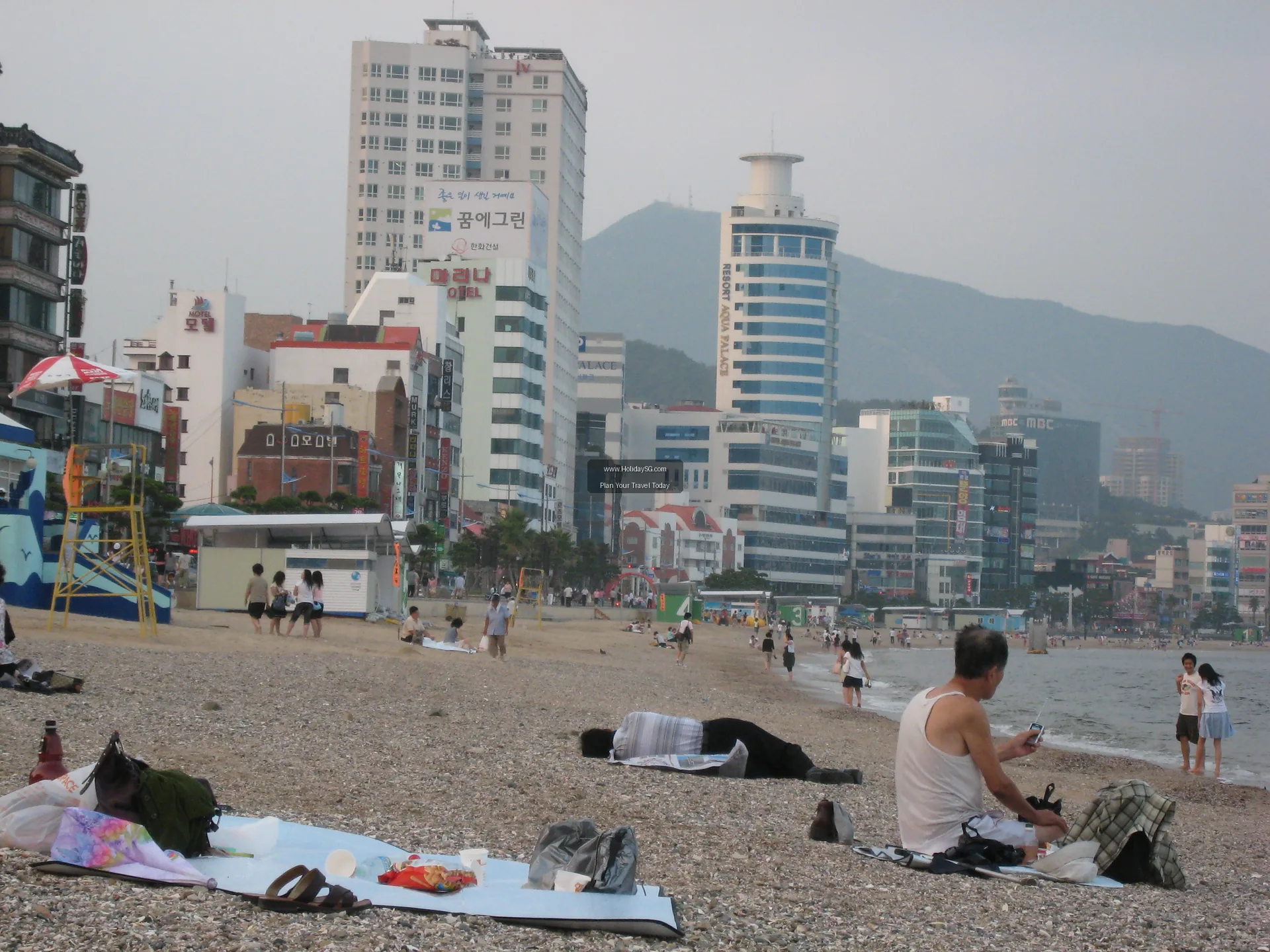
The first time I went to Seoul I did what everyone does. I queued for the palace, took the lift up Namsan, ate a plate of tteokbokki standing in a crowd in Myeong-dong and went home thinking I had seen the city. It took a second trip, and a wrong turn out of Gyeongbokgung station, to understand how much I had missed. The lane I stumbled into was quiet, lined with tiny galleries and a tea house with six seats, and ten minutes earlier I had been shoulder to shoulder with a tour group. That is Seoul in one sentence: the famous bits are a few minutes' walk from the real ones. This guide is about the real ones, written for Singapore travellers who already have the headline sights ticked off or who simply want a trip that feels a bit less like a checklist.
One note on the old version of this article. It listed a few places that are not in Seoul at all, and one or two that are not really hidden. I have rebuilt it from scratch around places I would send a friend to, with honest notes on how long things take, what to skip and where the catches are. Prices on the tickets mentioned below come from our live listings and can change by date, so I have left the figures to the product cards rather than quoting them from memory.
What "hidden" actually means in a city of nine million
Nothing in Seoul is truly secret. Everything is on a Korean map app and most of it has a queue on Saturday. When I say hidden gem I mean one of three things. Either it is overshadowed by something bigger next door, like the shrine that sits across the road from a palace everyone visits. Or it is only good at a particular hour, like a hillside wall that is empty at 7 in the morning and packed at sunset. Or it is the sort of ordinary local place, a market alley or a bathhouse, that visitors walk past because nobody told them to go in.
With that in mind, the best trick I know is to shift your clock. Koreans start slowly in the morning, cafes open late, and the tour buses arrive between 10 and 11. Be at any old-quarter site at 8:30 and you will have it almost to yourself. Do your shopping and café hopping in the afternoon when the rest of the city wakes up, and save the river and the markets for the evening, when Seoul is at its best.
Before you go: entry, visas and a small paperwork tip
If you hold a Singapore passport, our visa records show a temporary exemption from the Korea Electronic Travel Authorization, the K-ETA, for tourism and business stays of up to 90 days. The exemption window we have on file runs until 31 December 2026, last verified in late September, so check the official K-ETA site again before you book if your trip is close to that date or after it. Passport holders from other countries may need either a K-ETA (about KRW 10,000, valid for three years, usually processed within 72 hours) or a short-term C-3 visa (around USD 40 and roughly ten working days). The rules differ a lot by nationality, so the simplest thing is to look up your own passport on our visa requirements page, which pulls from embassy-sourced facts rather than guesswork.
There is one practical thing that catches people who do need a visa. Some applications ask for proof of onward or return travel before you have bought a ticket you can still change. If that is you, our flight reservation service is a paid, manually arranged reservation made for visa paperwork. It is a reservation, not an issued ticket, and it does not guarantee a visa decision. It is still much cheaper than buying a fare you might lose, and that is why I mention it here.
| Entry route | Who it is for | Typical wait | Stay |
|---|---|---|---|
| Temporary K-ETA exemption | Singapore passport holders, tourism or business | None, on arrival | Up to 90 days |
| K-ETA | Visa-waiver nationalities not under an exemption | Usually within 72 hours | Up to 90 days |
| C-3 short-term visa | Nationals who need a visa, for example Indian passport holders | Around 10 working days | Up to 90 days |
Old Seoul without the queues
Seochon. Walk west from Gyeongbokgung instead of east toward Bukchon. Seochon is the grid of low houses, rice-cake shops, small bookshops and workshops that the court servants and artisans once lived in. Nobody is photographing it, and you can eat a very decent lunch at a counter between two printing shops for what a coffee costs in Gangnam. Plan on two hours with no particular destination. I like to go in on a weekday, loop around, then walk back to the palace gate for the late-morning guard ceremony.
Jongmyo. The royal ancestral shrine is on the old article's list, which is the one entry I kept, because it deserves it. The long, plain halls look like nothing in photographs and feel enormous in person. It is a UNESCO World Heritage site, and the ancestral rites held here are a living tradition rather than a performance for tourists. Entry is normally by timed guided visit on most days, so check the schedule on the day you plan to go, and wear shoes you can walk on gravel in. Allow about ninety minutes. Afterwards, go to the park behind it and sit with the old men playing janggi.
Changdeokgung's rear garden. Everyone does Gyeongbokgung. Fewer people book Changdeokgung, and fewer still book the guided walk through its rear garden, Huwon. Entry to the garden is by tour and numbers are limited, which is exactly why it feels calm. In autumn the maple trees around the pond are outrageous. Book ahead in the leaf season, since it sells out on weekends.
Naksan and Ihwa. The Seoul city wall climbs over four hills, and the Naksan section is the friendliest. Walk up at about five in the afternoon and watch the lights come on from the wall. Just below it, Ihwa Mural Village is a hillside of painted stairs. It was a famous Instagram stop a decade ago and has since settled into being a real neighbourhood again, so keep your voice down and stay out of doorways. The best of it is the climb itself and the view back down to Dongdaemun.
Neighbourhoods at a glance
| Area | What you go for | Best hour | Time to allow |
|---|---|---|---|
| Seochon | Quiet lanes, small shops, simple lunches | Late morning | 2 hours |
| Naksan and Ihwa | City wall walk, hillside murals, skyline | Late afternoon to sunset | 2 to 3 hours |
| Ikseon-dong | Hanok alleys turned cafes and tiny restaurants | Weekday morning or early dinner | 2 hours |
| Euljiro | Print shops by day, bars and beer alleys by night | From 6pm | 2 to 3 hours |
| Seongsu | Old factories turned cafes, pop-ups, workshops | Weekday afternoon | Half a day |
| Mangwon | Neighbourhood market, snack stalls, small Han riverside | Late morning to afternoon | 2 hours |
Ikseon-dong, Euljiro and Seongsu: where Seoul reinvents itself
Seoul tears things down and rebuilds them faster than most cities, but a few pockets have been kept and reused instead. Ikseon-dong is the best-known: narrow alleys of the early twentieth century hanoks, now full of cafes, tiny restaurants and craft shops. It gets busy by lunch. Go on a weekday morning, have your coffee in someone's former living room, and be out by eleven.
Euljiro is the opposite of polished. By day it is printers, lighting shops and plumbers' suppliers, and after dark the same lanes fill with plastic stools and cold beer, with no signs in English. If you are in a group of four who are happy to point at what the table next to you is eating, it is a great night. If you are a nervous first-timer, go with someone who has done it before.
Seongsu used to be shoe factories and is now where Seoul tests ideas: a bakery inside a car workshop, a pop-up for one brand lasting three weeks. It changes constantly, so skip the guidebook list and just walk between the two stations with your phone battery full. If you only have one afternoon free, this is the one that will feel most like the Seoul in the dramas.
For something indoors and a bit silly, the Color Pool Museum in Insadong is a short walk from Anguk station. It has nine themed halls, a ball pit and a scent for each room, and it is the best wet-day backup I know for anyone travelling with children or a group that likes photos. Expect one to two hours. Our listing shows it from S$10.49.
The river and the stream: Seoul after dark
The Han River is not a hidden place, but the way most people use it is. They see it from a bridge and move on. A better plan is to give it an evening. Start at a convenience store with a bag of snacks, sit on the grass at Banpo or Yeouido with the locals, then finish with a boat. The cruise operators sell different experiences, so know what you are buying.
The ELand Cruise sails from the Yeouido dock and lasts about 70 minutes, with live performances on board. You need to carry a passport or government ID for the boarding report, which people forget. Arrive thirty minutes early and head straight for the open deck. For something smaller, the Golden Blue Marina yacht is a 60-minute sailing that works well at sunset, and the Banpo Sebitseom Tubester is a six-seater boat for a group that wants the river to itself.
Then there is Cheonggyecheon, the stream that runs through the middle of downtown. It was a covered-over highway until the early 2000s, and walking it at dusk is oddly moving, because you are walking through a decision a city made to undo something. Start near Cheonggye Plaza and walk east. The first stretch is the busy one, and it gets quieter as you go. Bring a light jacket because the stream channel is noticeably cooler than the street above it.
| Water experience | Length | Good for | Heads up |
|---|---|---|---|
| ELand Cruise | About 70 minutes | Families, first-timers, fireworks nights | ID needed to board |
| Golden Blue Marina yacht | About 60 minutes | Couples, sunset | Prices vary by yacht and time |
| Banpo Sebitseom Tubester | Short sailing | Small groups wanting privacy | Six seats per boat |
| Cheonggyecheon walk | As long as you like | Free evening stroll | Cooler than the street, bring a layer |
Eating like a local, not like a menu
The best meals I have had in Seoul were mostly the cheapest. Gwangjang Market is the famous example, and it earns its fame with mung bean pancakes, raw beef and a stall of kimchi that has been fermenting something for longer than I have been alive. It is also mostly cash, so carry won. Go before six if you hate crowds. If you would rather have someone steer you around, the Seoul Night Tour combines Gwangjang Market with a Han River cruise in three to four hours, and it is a good first-night plan, listed from S$73.19. Food bought at the market is extra.
Mangwon Market is the one I go back to. It is a working neighbourhood market, so there are fishmongers and grandmothers shopping for dinner alongside the fried chicken and the sweet hotteok. Skip the lunch rush, walk through slowly and finish at the small river park a few minutes away. Visitors to Seoul often tell me they never ate better than at a counter where the menu had no pictures. Point, smile, and say "juseyo".
Three basics help. First, Korean restaurants often have a minimum of two portions for barbecue, so a solo diner should look for stew or bibimbap places instead. Second, water, side dishes and sometimes soup are free and refilled, so ask rather than order. Third, pouring a drink for the person next to you rather than for yourself is polite, and so is using two hands when you receive a bottle or a card. Our own country notes mention the same customs, and I have found they are not a formality: people really do notice.
When it rains, or when you need to slow down
The monsoon months, July and August, are wet, and humid even when they are not. Seoul is well set up for indoor days. The Lotte World Aquarium has 13 themed zones and takes two to three hours, and weekday mornings are noticeably calmer. For a quieter view of the city, 63 SkyPicnic puts you on the 60th floor of the 63 Building with an indoor picnic and a view of the Han and Namsan. Sunset slots cost more and sell out first, so aim for a weekday afternoon.
And then the jjimjilbang, the Korean bathhouse, which is the single most underrated thing in Seoul for a tired traveller. You pay an entry fee, change into the shorts and T-shirt they give you, and spend two to four hours moving between hot rooms, cold rooms and a sleeping floor. Many are open all night. The Sparex Dongmyo branch sits right by Dongmyo station on the 13th floor, which makes it easy for a first visit. The wet area is single-sex and clothing-free, which is the part Singapore visitors most often get nervous about. It is a normal, non-sexual part of daily life in Korea, nobody stares, and you will feel better for having done it. If you prefer, stay in the mixed area with the saunas and the snack bar and skip the baths.
If you are travelling with a partner who likes theatre, there is also HUNKY SHOW in the Daehak-ro theatre district. Be aware that it is a women-only audience aged 19 and above, and you must show a physical passport or government ID at the door. I mention it because people ask, not because it is for everyone.
Getting out of the city for the day
Seoul works best as a base, and some of the best "hidden" places are an hour or two outside. Suwon's Hwaseong Fortress has a walkable wall about a one-hour train ride away, and it is far quieter than the central palaces. Our Folk Village and Suwon Fortress day tour joins it with the Korean Folk Village and a market stop, but it is a long day, ten to twelve hours from the Seoul pick-up. Nami Island, the K-drama island, is the other staple; if you want it without wrestling with trains, there are several day tours that add Gangchon Railbike or Petite France, such as the Nami Island and Gangchon Railbike day tour.
A word of honesty about those tours. They are very full days and you will be on a coach for a good part of them. If your Seoul trip is only three days, I would give one day to a tour and keep the other two for walking. If you have a week, go independently on the train to Suwon and add a tour for the places that are hard without a car.
Getting around and paying for things
Seoul's subway is clean, signed in English and cheap, and a T-money card works on the subway, buses and most taxis. A few ticket and SIM bundles include one, and the WOWPASS prepaid card doubles as a T-money card and lets you top up in several currencies, which helps because many market stalls still prefer cash or a local card. From Incheon, the AREX express train to Seoul Station takes roughly 43 to 51 minutes depending on your terminal, and Terminal 2 passengers can board without leaving the airport. If you plan to see Busan, Gyeongju or Jeonju as well, a KR Pass covers train travel for consecutive days and works out better than single tickets only if you travel on most of them.
If you intend to pack in the palaces, museums and towers, the Discover Seoul Pass gives free entry to more than 50 attractions over 24, 48 or 72 hours, listed from S$78.31. It pays off only if you are the sort who visits four or five paid places a day. If your plan is the lanes, the markets and the river in this article, most of what you do is free, and you should not buy it.
| Style of trip | Rough daily spend per person | What it looks like |
|---|---|---|
| Lean | Around KRW 80,000 | Market food, subway, free walks, a bathhouse evening |
| Comfortable | Around KRW 150,000 | Sit-down meals, one paid attraction a day, a cruise |
| Generous | Up to KRW 250,000 | Tours, private transfers, a nice dinner out |
Those figures come from our country planning notes, which put a typical day at about KRW 80,000 to 250,000 per person, and they exclude your hotel. Treat them as a guide, not a promise, and check the exchange rate on the day. Hotel areas run about USD 50 to 200 a night in the central districts in the same notes.
When to go, and what to pack
April to June and September to November are the best windows: mild days, cherry blossom in spring, and gold and red leaves in autumn. July and August are the rainy, humid months. Winter is properly cold, with temperatures that can go well below freezing, so pack a warm coat and a pair of shoes with decent grip, because the hills in Naksan and Ihwa get icy. Through the year, bring comfortable walking shoes, a power bank and a small cross-body bag. Seoul is a very safe city by most measures, but keep your usual precautions: copy your passport, buy travel insurance with medical cover and use a local eSIM or SIM so you can always reach a map and the emergency lines. Police are 112 and ambulance or fire are 119, and 1330 is the Korea Travel Hotline.
Three days that put it together
Day one: old Seoul, slowly. Be at Gyeongbokgung early, then turn west into Seochon for lunch. Spend the afternoon at Jongmyo and Ikseon-dong. In the evening, walk the Naksan section of the wall at sunset, drop down into Ihwa, and finish with a late dinner in the lanes behind Dongdaemun.
Day two: out of town or onto the water. If the weather is good, take the Suwon fortress tour or go independently by train. If it is wet, swap in the Lotte aquarium, the Color Pool Museum and a long afternoon at a jjimjilbang. Save the evening for the river: snacks on the grass, then a cruise.
Day three: neighbourhoods and markets. Take a late start in Seongsu, wander the cafes, then cross to Mangwon for market snacks. In the evening head to Gwangjang or an Euljiro alley for dinner, and end by walking Cheonggyecheon back toward your hotel.
Where to sleep so the hidden bits are on your doorstep
Where you stay decides how much of this you will actually do. If the old quarter is the draw, base yourself around Anguk, Jongno or Euljiro. You can walk to the palaces, Insadong and Ikseon-dong, the subway is under your feet, and you can be at a quiet lane before the day trippers arrive. If Seongsu and the river appeal more, look at Seongsu, Konkuk University or Hongdae, which are livelier, younger and a little cheaper. Myeong-dong is convenient and very central, but it is also the loudest and most touristy, so you pay for the location in noise. I would avoid anywhere that needs more than one subway change to reach the places above, because the time adds up faster than the saving in the room rate.
One small thing worth knowing for hanok stays. A traditional house is lovely for one night, with a heated floor and bedding laid out on it, but it is not for light sleepers or anyone with a bad back, and walls are thin. Book one night as a treat and the rest in an ordinary hotel, and you will enjoy both more.
Seoullo, Banpo and the places that look better at night
Seoul has a habit of turning old infrastructure into somewhere to walk. Seoullo 7017 is a former flyover near Seoul Station that is now a raised garden path, and it is a decent half-hour stroll if you have a gap before a train. Banpo Bridge has the rainbow fountain that runs in the evenings in the warmer months, and the timing changes by season, so look it up on the day rather than planning a whole evening around a time I read months ago. Walk the riverside path there at dusk and you will see families, cyclists and couples all sharing the same stretch of grass with a delivery driver bringing fried chicken to a blanket. That is the Seoul I wish I had seen on my first trip.
If you want something more organised, a city bus can be a helpful orientation on your first morning. The Yellow Balloon city tour bus is an open-top double-decker that starts at the Dongdaemun Design Plaza ticket booth and takes one to two hours depending on traffic. I would not call it hidden, but it does give you the shape of the city, and the ticket booth at DDP is worth a look for the architecture alone. Sit on the upper deck when you can, and bring a hat.
Mistakes I see first-timers make
Trying to do three palaces in a day. They look similar after the first. Pick one, then spend your time on the neighbourhoods around it. Gyeongbokgung is the grand one and Changdeokgung is the beautiful one. You do not need both on the same day.
Booking a hotel in the loudest district because it looks central. Look at the subway line and the walking time to the stations you will actually use, not the pin on the map.
Relying on one map app. Google Maps works for subway and walking directions in Seoul, but it is weaker for driving and for some bus information, and Korean apps are better for restaurant reviews. Download offline maps before you go so a weak signal does not strand you in an alley.
Arriving without data. You need a connection from the moment you land, for the train, the map and the translation app. A local SIM or eSIM is the easiest fix. We list several, including a 14-day unlimited eSIM and an LG U+ eSIM bundled with a T-money card, so you can sort data and transit in one go. Read the validity and data terms on the product page before you choose, because they differ.
Forgetting that some places close on Mondays. Many museums and a number of small shops and restaurants shut one weekday, often Monday. Check before you cross town for something you have been looking forward to.
Leaving no slack. The best things in this article come from wandering, and wandering needs spare time. If your schedule has a booked slot every ninety minutes, you will rush past the tea house with six seats.
Who this suits: couples, families, solo travellers
For couples, the evening plan is the winner: Naksan at sunset, a river cruise and a long dinner in Ikseon-dong or Euljiro. For families with children, mix the quiet walks with something they will like, such as the ball pit at Color Pool Museum or the aquarium, and cut the walking days short. Taking a pushchair up Naksan or around Ihwa is hard work, so plan the hills for the days children are in a carrier or with another adult. For solo travellers, Seoul is among the easiest big cities I know. Counter seating, one-person portions at many cafes and an excellent subway make it comfortable, and the jjimjilbang is a good place to spend an evening alone without feeling lonely.
Older relatives often do best with the guided options. A private tour or a hop-on bus takes the stress out of navigation, and a shorter, themed day can be more enjoyable than a long one that tries to cover everything. If you are travelling with parents, I would put the garden tour at Changdeokgung and a river cruise at the top of the list, and leave the hills for another trip.
Photography without being that person
Seoul is photogenic, and residential neighbourhoods like Ihwa and Bukchon have asked visitors more than once to keep noise down and stay out of private property. Treat them as people's homes. Shoot from the lane, not from a doorway, avoid drones, and do not put a tripod in a narrow alley. Ask before photographing a stallholder, and a smile and a nod usually settles it. In the palaces and shrines, check the signs on interior photography, and be quiet around any ceremony. If you want the cleanest shots, the early morning light at the palaces and the blue hour on the river are the two best times, and both happen to be when it is least crowded.
For the cafes, remember that many are small and expect you to buy a drink per person and not stay for hours on a single coffee when it is busy. It is a simple courtesy and it keeps these places open.
A few words of Korean that go a long way
You can get by on English in Seoul, but a handful of words changes how people treat you. "Annyeonghaseyo" is hello. "Kamsahamnida" is thank you. "Juseyo" after a noun asks for something, so "mul juseyo" is water please. "Igeo" means this one, which is all you need when pointing at a menu or a stall. "Eolmayeyo" asks how much. Pair these with a slight bow and two hands when you hand over money or take change, and you will find shopkeepers warm up quickly. It costs nothing and it is the closest thing to a secret I can offer.
Frequently asked questions
Do Singapore passport holders need a visa for Seoul?
Our records show a temporary K-ETA exemption for Singapore passports, for stays of up to 90 days, running until 31 December 2026. Rules change, so confirm with the official site before booking, and look up other passports on our visa requirements page.
What if my visa application asks for a flight?
You can use our flight reservation service for a reservation to attach to the application. It is a reservation rather than a ticket and it does not guarantee approval.
How many days do I need for these hidden spots?
Three full days covers everything in this article at an unhurried pace. Two is possible if you skip the day trip.
Is Seoul safe at night?
Generally yes, and the river parks and markets are busy late. Use normal city sense with your phone and bag, and keep a copy of your passport.
Do I need cash?
Cards are accepted in most places, but traditional markets and some small stalls prefer cash or a local card. A prepaid card such as WOWPASS helps.
Is the jjimjilbang suitable for first-timers?
Yes. Pick a station-side one such as Sparex Dongmyo, remember the baths are single-sex and without clothing, and stay in the mixed area if you prefer.
When is the best time to avoid crowds?
Weekday mornings at the old-quarter sights, and weekday afternoons at the cafe neighbourhoods. Weekends and the hour around sunset are busiest.
How do I get tickets for the cruises and attractions?
You can book them on HolidaySG. We send e-tickets by email after our team confirms the booking, so allow time before your date.
Featured experiences in this guide
Plan your Seoul trip with HolidaySG
Check the entry rules for your passport on our visa requirements page, arrange paperwork with a flight reservation if you need one, then browse the river cruises, tours and passes on our Seoul listings.