

Hotels in tokyo for every budget is exactly what this guide covers.
Best Hotels in Tokyo for Every Budget
Tokyo, Japan’s lively metropolis, offers an array of accommodation options that cater to every budget and preference. From budget-friendly hostels to luxury hotels with five-star amenities, Tokyo provides plenty of choice. This guide will help you navigate the city’s diverse hotel scene and find the perfect place to stay during your trip.
Introduction to Tokyo’s Hotel Scene
Tokyo is divided into several neighborhoods, each offering a unique experience. Shinjuku, known for its nightlife and entertainment, is an excellent starting point for budget-conscious travelers. Roppongi and Ginza are the city’s premium areas, teeming with luxury hotels, high-end shopping, and Michelin-starred restaurants. Asakusa and Shibuya Crossing provide a glimpse into Tokyo’s traditional side and modern energy, respectively.
Budget-Friendly Hotels in Tokyo
If you’re on a tight budget, consider staying at Tokyo Hotel Shimokitazawa, located in the trendy Shimokitazawa neighborhood. This hotel is within walking distance of major attractions like Shibuya Crossing, Harajuku, and Meiji Shrine. To navigate Tokyo’s public transportation system from here, the Tokyo Metro and JR lines are your best bets. You can easily access Shinjuku Station by taking the Yurikamome Line.
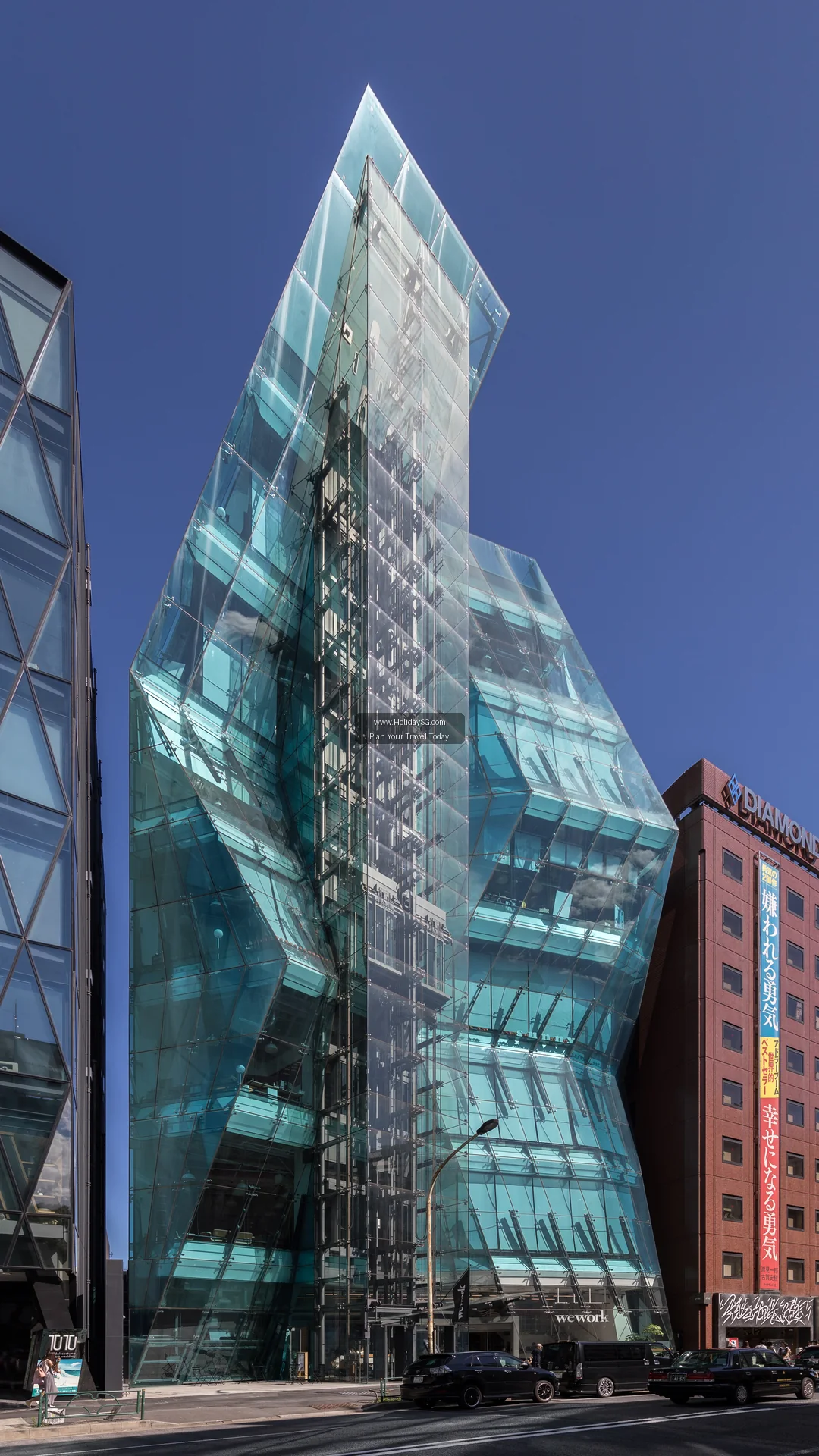
Another budget-friendly option is Hostelworld Tokyo Shinjuku, which offers affordable rooms in a central location. The neighborhood itself is vibrant with street art, cafes, and shops. Hostels are great for travelers looking to meet fellow tourists and explore the city on a shoestring budget.
For those who prefer unique accommodation, Capsule Hotel Tokyo Ebisu is an interesting choice. This hotel offers capsule-style rooms, providing a compact yet comfortable space. It’s conveniently located near Ebisu Station, making it easy to explore the area.
Luxury Hotels in Tokyo
If you’re looking for a luxurious stay, consider Hotel New Otani Tokyo, one of the most iconic hotels in the city. Located in Ginza, this hotel offers stunning views and excellent amenities. Another top choice is The Peninsula Tokyo, known for its elegant rooms and impeccable service.
Middle-Range Hotels in Tokyo
For those seeking a balance between comfort and budget, Tokyo Midtown Hotel is an excellent option. This hotel offers modern rooms and convenient access to major attractions. Another good choice is The Grand Prince Rama IV Tokyo, which combines traditional Japanese design with contemporary amenities.
Navigating Tokyo’s Public Transportation
To make the most of your stay in Tokyo, it’s essential to know how to navigate its public transportation system. The Tokyo Metro and JR Central Line are the most popular options for getting around the city. Additionally, consider purchasing a Suica or Pasmo card to make your journeys more convenient and cost-effective.
Additional Travel Tips
When planning your trip to Tokyo, be sure to check out the city’s official tourism website. This site offers a wealth of information about attractions, events, and accommodations. Additionally, consider downloading the Tokyo Metro app to plan your routes and view real-time train schedules.
Conclusion
By choosing the right hotel and transportation options, you can make your stay in Tokyo comfortable, convenient, and memorable. Whether you’re exploring the city’s modern skyscrapers or visiting its ancient temples, there is a perfect place to stay that suits your budget and preferences.
Ready to explore? Check out our Official Ticket Tokyo Metro 24 Hour Ticket →
Book these with HolidaySG:
- Official Ticket Tokyo Metro 244872 Hour Ticket
- Official Ticket Skyliner Keisei Electric Railway Ticket Tokyo Airport Express Narita International Airport Uenoni
- Limit Aut Tokyo Private Autumn Leaves Photography Tour Day Tours
- Kamakura Railway Yokohama Night View Kamakura High School Station Tsurugaoka Hachimangu Shrine One Day Tour In Tokyo
- Discount Ticket Bundle Tokyo Dome City Spa Laqua Tokyo Subway 24 Hour Ticket Tokyo
Book with HolidaySG online for Official Ticket Tokyo Metro 244872 Hour Ticket, Official Ticket Skyliner Keisei Electric Railway Ticket Tokyo Airport Express Narita International Airport Uenoni, Limit Aut Tokyo Private Autumn Leaves Photography Tour Day Tours.
Frequently Asked Questions
Where can I book this / what’s the link?
Do foreigners (non-citizens) need a different ticket, price, or visa for Japan?
Visa requirements for Japan depend on your nationality, length of stay, and purpose of travel. Most tourists from countries with visa‑exemption agreements can enter Japan visa‑free for short stays (usually up to 90 days), but the exact rules can change. Ticket prices are generally the same for all travelers, though some airlines may offer special promotions for certain regions. We recommend checking the latest information on the Ministry of Foreign Affairs of Japan website or contacting the nearest Japanese embassy or consulate before you travel.
What is the best time (season, or time of day for the site/activity) to go?
The ideal seasons to visit Tokyo are spring (late March to early May) when cherry blossoms are in full bloom, and autumn (late September to November) when the city is painted with vibrant foliage. These periods offer pleasant weather, comfortable temperatures, and a lively atmosphere. If you’re looking to avoid crowds, early December or late February can also be good, though the weather is cooler.
How many days should I allocate to experience Tokyo’s hotel options and main attractions?
For a well‑rounded Tokyo experience, we suggest a minimum of 4–5 nights. This gives you enough time to stay in different neighborhoods (such as Shinjuku, Ginza, and Asakusa), explore major sights, and enjoy a variety of dining and shopping experiences without feeling rushed.
What are the typical price ranges for budget, mid‑range, and luxury hotels in Tokyo?
Budget hotels and hostels usually start around ¥4,000–¥8,000 (≈ US$30–$60) per night. Mid‑range properties, including business hotels and boutique options, typically cost ¥12,000–¥25,000 (≈ US$90–$190) per night. Luxury hotels and high‑end ryokans can range from ¥30,000 to ¥80,000+ (≈ US$230–$610) per night, depending on location, brand, and amenities. Prices fluctuate with season and demand, so booking early or traveling during off‑peak periods can help you secure better rates.
What things cost in Japan
Live HolidaySG prices for the experiences in this guide, so you can sanity-check a budget before you commit.
| Experience | Where | From price |
|---|---|---|
| Museum of Aeronautical Sciences | Chiba | From S$4.00 |
| Fuji-Q Highland | Fujiyoshida | From S$17.21 |
| Kamogawa Seaworld | Chiba | From S$12.00 |
| Mount Fuji Day Trip | Tokyo | From S$41.92 |
| Private Kamakura plus Yokohama Tour - English Speaking Driver | Tokyo | From S$808.24 |
| Tokyo: Mount Takao Guided Hiking Tour Day Tours | Tokyo | From S$141.44 |
| LEGOLAND Discovery Center Tokyo | Tokyo | From S$18.28 |
| Tokyo Hanabiyori | Tokyo | From S$5.20 |
Quick Answers
How much do Tokyo hotels cost per night? Budget hotels range from 3,000–6,000 yen, mid-range from 10,000–25,000 yen, and luxury from 40,000 yen and above. Prices fluctuate with seasons, so check current rates on accommodation platforms specific to your travel dates.
What's the ideal length of stay to explore Tokyo? Most travellers need 4–5 days to cover main neighbourhoods (Shibuya, Shinjuku, Asakusa, Ginza) and experience different hotel types. Shorter trips work, but you'll spend more time travelling between districts than settling into the city's rhythm.
Do I need a visa to stay in a Tokyo hotel? Visa requirements depend on your citizenship. Citizens of many countries receive a visa-free 90-day entry permit upon arrival, but this varies by nationality. Check your country's embassy website or Japan's official immigration portal for current rules before booking accommodation.
Understanding Tokyo Hotels by Neighbourhood and Price
Most first-time visitors pick a Tokyo hotel without understanding how neighbourhood choice affects both price and experience. You might find a bargain listing in Ikebukuro, only to realise you're spending 40 minutes on trains to reach popular areas. Each neighbourhood has its own hotel ecosystem, and your budget stretches differently depending on where you plant yourself.
Shibuya and Shinjuku command premium rates because of their energy and proximity to nightlife, shopping, and transit hubs. A mid-range room here costs 15,000–22,000 yen, whereas the same quality in quieter Ueno or Hatagaya might be 10,000–16,000 yen. Ikebukuro and Shinjuku stations offer the best train connections, making them practical bases even though they're noisier. If you're willing to stay in residential neighbourhoods like Nakano or Shibuya's quieter edges, your money goes further, and you get a more authentic local experience—you'll eat where Tokyoites eat and shop where they shop.
Luxury properties cluster in Ginza (ultra-premium shopping and dining), Roppongi (expat hub with high-end clubs and restaurants), and around Tokyo Station (business travellers and imperial palace proximity). Budget chains and capsule hotels scatter across Asakusa, Taito, and Sumida wards, where traditional Tokyo still thrives alongside modern convenience stores.
A practical tip: book accommodation near a major station you can pronounce and remember. When you're tired after a day of walking, finding your way back matters more than saving 1,000 yen per night.
What to Expect: Tokyo Hotel Amenities and Room Sizes
Tokyo hotel rooms are noticeably smaller than those in Western cities. Even mid-range hotels offer compact single or double rooms (often 18–22 square metres) where you can touch both walls if you spread your arms. This isn't a flaw—it's how Tokyo maximizes space. Budget rooms can be 12–15 square metres, and you'll genuinely wonder how housekeeping fits inside to clean.
Every hotel, regardless of price, provides a yukata (light cotton robe) in the wardrobe and slippers. Bathrooms are separate from toilets in budget properties—you wash outside the bathtub, then soak in fresh water, a custom worth respecting. Luxury hotels offer rainfall showers and deep soaking tubs; budget hotels have coin-operated washers and compact shower stalls. Air conditioning and heating are standard, controlled by wall-mounted units. Wifi is almost universal now, though speed varies.
One genuine surprise: many Tokyo hotels lack lifts (elevators) in older buildings, especially in budget-friendly neighbourhoods. Budget properties often don't provide kettles or in-room tea—you'll find vending machines and convenience stores on every corner instead. Luxury hotels offer turndown service, robes, and minibar selections; budget chains offer a microwave and ice dispenser in hallways. Mid-range properties strike a balance with private bathrooms, flat-screen televisions, and enough counter space for toiletries.
Practical detail: pack a small power adapter. Hotel wall sockets are two flat pins (same as North America), but international guests often forget this until they arrive.
Seasonal Price Fluctuations for Tokyo Hotels
Tokyo hotel prices swing wildly across the year, and understanding these patterns saves hundreds of dollars. Spring (cherry blossom season, late March to early April) and autumn (October to mid-November) are peak travel times. During cherry blossom season, mid-range hotels jump 30–50% above their winter rates, and rooms book out months in advance. Autumn attracts photographers and leaf-peepers, pushing prices similarly upward.
Winter (December to February) and early spring (January to mid-March) offer the most breathing room financially. January is particularly quiet after New Year celebrations end, and you'll find negotiable rates at budget and mid-range properties. Early March sees prices creep up again as cherry blossoms approach. Summer (July and August) is hot, humid, and attracts families on school holidays, so prices rise but not as dramatically as spring and autumn.
Golden Week (late April, around Emperor's birthday), Obon festival period (mid-August), and New Year holidays (late December to early January) create mini price spikes because Japanese domestic travellers book hotels. These dates are worth avoiding unless you want the festive atmosphere. September is typhoon season—hotels offer discounts because fewer visitors plan trips, yet the weather is genuinely risky. November is ideal: autumn colours without crowds, prices moderate, and weather is crisp and clear.
Book 2–3 months ahead for peak seasons to secure preferred neighbourhoods. Off-season bookings can wait until 2–3 weeks before arrival without penalty.
Budget Hotels in Tokyo: What You Actually Get for 3,000–6,000 Yen
Budget accommodation in Tokyo comes in three flavours: capsule hotels, hostels with private rooms, and chain hotels. A 3,500 yen capsule pod in Shinjuku gives you a sleeping pod, locker, and shared bathrooms. You shower, change, and sleep in tight quarters. Hostels like those in Asakusa or Taito offer private rooms for 4,000–5,500 yen—tiny, no frills, but with your own space. Chain hotels (business hotels, three-star properties) charge 5,500–6,500 yen for a proper room with private bathroom and television.
What's missing: breakfast, desk space, and sometimes a window. Many budget hotels have single windows that open onto concrete walls or narrow alleys. Breakfast, if offered, is basic—rice, miso soup, pickled vegetables—or non-existent. You'll eat at convenience stores (Lawson, FamilyMart) or cheap ramen shops instead. Rooms lack kettles, and air conditioning is manual. Staff speak limited English, so patience helps.
What's genuinely useful: location matters more here. A budget hotel near Ueno Station costs 5,000 yen and gives you museum access, temples, and the park. The same money in Ginza buys nothing decent. Budget hotels in Taito ward (home to Asakusa's Senso-ji temple) put you in Tokyo's oldest neighbourhood without premium pricing. Convenience stores stay open 24 hours, so midnight cravings for onigiri or ramen are solved in seconds.
One tip: if you're sleeping solo and planning to explore all day, capsule hotels are genuinely functional and offer an experience many travellers enjoy.
Mid-Range Tokyo Hotels: The Sweet Spot Between Comfort and Cost
Mid-range hotels (10,000–25,000 yen) represent the majority of Tokyo's accommodation market and deliver the best value for most travellers. You get a clean, quiet room with private bathroom, separate toilet, and working air conditioning. Many include breakfast, desk space, and reliable wifi. This tier includes three- and four-star business hotels, boutique properties, and modern chains.
Properties like those in Shibuya's quieter streets or Shinjuku's side avenues (away from the chaos) offer character. A 12,000 yen room in Nakano or Shimokitazawa gives you a neighbourhood feel—you'll pass izakaya bars, vintage shops, and local ramen spots. The Shinjuku area's mid-range hotels often have small restaurant downstairs serving ramen or tonkatsu; some include vending machines selling beer and soft drinks. Rooms typically measure 18–25 square metres, enough to unpack a suitcase and feel settled.
At this price, breakfast matters. Many mid-range hotels offer Japanese-style breakfast (rice, miso soup, grilled fish, nori seaweed, pickles) included or for 1,000 yen extra. Others provide bakery vouchers for nearby convenience stores. Toiletries improve too—shampoo, body wash, and toothbrush are provided rather than sold separately. Housekeeping is reliable, and staff at front desks often speak basic English.
Trade-off: rooms lack views unless you pay top of this range (20,000+ yen). You won't find robes or turndown service. But you'll sleep well, shower comfortably, and have money left for meals and attractions.
Practical advice: mid-range hotels in Ginza or Roppongi are still expensive (18,000–25,000 yen). Spend that budget in Shibuya or move to quieter Hatagaya and save 3,000–5,000 yen per night.
Luxury Hotels in Tokyo: What Premium Pricing Delivers
Luxury Tokyo hotels (40,000 yen and above) occupy prime real estate in Ginza, Roppongi, around Tokyo Station, and Shibuya's upscale areas. A night here includes concierge service, robes, slippers, premium toiletries, and often afternoon tea or evening cocktails. Rooms span 40–60 square metres, with separate living areas, rainfall showers, and views of the city or imperial palace gardens.
Properties in the imperial palace area (near Hibiya or Otemachi stations) position you beside Tokyo's most significant historical site. Ginza luxury hotels put you in Japan's most exclusive shopping district, where Chanel, Hermes, and high-end sushi restaurants line streets. Roppongi's luxury offerings cater to expat executives and celebrities—expect nightclubs, Michelin-starred restaurants, and private bars within walking distance. These neighbourhoods hustle even at midnight.
What differentiates luxury: turndown service, minibar restocking, in-room espresso machines, and housekeeping twice daily. Breakfast is haute couture—sushi, wagyu beef, French pastries, Japanese fish, Western omelettes—rather than standard fare. Many include spa access, gym facilities, and rooftop bars with panoramic views. Concierge staff speak fluent English and arrange restaurant reservations, concert tickets, or private car services. Toiletries are designer brands, not hotel-generic selections.
Reality check: you're paying for location and service, not necessarily better sleep. A 15,000 yen mid-range room offers the same mattress comfort; you're buying convenience and status. If you're visiting Tokyo for business or celebrating a milestone, luxury hotels justify the cost. For sightseeing, the money goes further split between a good mid-range hotel and exceptional meals.
Insider tip: luxury hotels in Shinagawa (south of central Tokyo, near Tokyo Station by train) sometimes offer rates 15,000–20,000 yen lower than Ginza equivalents while maintaining top-tier service.
How Many Days Should You Spend in Tokyo Hotels?
Three days in a Tokyo hotel means one full day exploring, one recovering, and one rushing. Four days lets you spend two solid days sightseeing and one relaxing. Five days is the ideal sweet spot—you sample different neighbourhoods, revisit a favourite area, and don't feel hurried.
Day 1 (arrival): Check in, rest, eat simple dinner near your hotel. Visit a nearby convenience store or shrine to orient yourself. Day 2: explore your neighbourhood deeply—visit Senso-ji temple in Asakusa, walk through markets, eat lunch at a local spot. Day 3: take a day trip or explore a different ward (Ginza for shopping and galleries, Shinjuku for energy and nightlife, Ueno for museums). Day 4: revisit a favourite spot or try something new—teamlab Borderless in Ariake, teamlab Planets in Odaiba, or the Ghibli Museum (requires advance booking). Day 5: slower morning, visit a shrine or park, shop for souvenirs, pack. Day 6: depart.
One week gives you space to experience Tokyo without exhaustion. You can spend three nights in one neighbourhood, three in another, catch a show or concert, attend a sumo tournament if timing allows, and still have downtime. Tokyo reveals itself differently in different seasons—cherry blossom walks take longer than winter explorations. Autumn's leaf-viewing (kouyou) at temples and gardens rewards extra days.
Practical consideration: moving hotels costs energy. Staying in one property for 3–5 nights beats switching hotels every night. You'll unpack properly, learn your surroundings, and build a rhythm with neighbourhood staff and restaurants.
Booking Tokyo Hotels: Timing and Strategy for Every Budget
Most travellers book Tokyo hotels too early or too late. Booking six months ahead locks prices but removes flexibility for itinerary changes. Booking one week before arrival risks picking from leftovers. The strategic window is 6–10 weeks before your trip: prices are set but not at peak premiums, and properties still have variety.
For peak seasons (cherry blossoms, autumn), booking 12 weeks ahead is necessary—properties fill fast and rates climb weekly. For off-seasons (January, September, early March), waiting until 3–4 weeks before sometimes yields discounts as hotels prefer occupied rooms over empty ones. Mid-range and luxury properties are more predictable; budget chains and hostels fluctuate more.
Geography affects booking strategy. Properties near Shinjuku Station book fastest because of central location and nightlife. Asakusa fills early because of Senso-ji temple and tourist appeal. Quieter areas (Nakano, Shimokitazawa, Setagaya) open up later, meaning last-minute deals. Neighbourhoods further from central Tokyo (Ikebukuro, Hatagaya) release inventory longer—book these 4–6 weeks ahead without urgency.
More quick Answers
What neighbourhood should I choose for my Tokyo hotel stay?
Your choice depends on what you want to do. Shinjuku offers endless nightlife and shopping but feels chaotic; Shibuya delivers trendy restaurants and younger crowds; Chiyoda puts you near the Imperial Palace and government buildings; Minato includes upscale dining and waterfront views. Each has different hotel price points, so matching your neighbourhood to your budget and interests matters more than chasing a famous area.
Do I need a visa to stay in a Tokyo hotel as a foreigner?
Entry rules vary by nationality. Check the official Japanese embassy or immigration website for your country before booking your hotel. Most tourists receive a short-term visitor status on arrival, but requirements change and depend on your passport.
What's the actual cost difference between budget and luxury Tokyo hotels?
Budget capsule and business hotels run 3,000–6,000 yen per night (often with a single bed or pod); mid-range hotels cost 8,000–20,000 yen and offer proper rooms with decent amenities; luxury properties start around 30,000 yen and include concierge, premium dining, and spacious suites. Exchange rates fluctuate, so check current prices on hotel booking platforms.
When is the best time to visit Tokyo for hotel availability and pricing?
Late November through early December and January through February (outside holidays) offer lower prices and fewer crowds. Cherry blossom season (late March to early April) and Golden Week (late April to early May) are expensive and fully booked. Typhoon season (August to September) also sees reduced rates but unpredictable weather.
Choosing the Right Tokyo Hotel Neighbourhood for Your Interests
Most visitors pick a hotel based on which neighbourhood sounds familiar, then regret it halfway through their stay. Shinjuku, Shibuya, and Chiyoda dominate travel guides, but they're not always the right fit. The real question is how you want to spend your mornings and evenings.
Shinjuku explodes with neon, pachinko parlours, and izakayas that stay open until 3 a.m. If you want constant energy and don't mind noise from trains and crowds, the hotel prices here reflect the chaos—they're middle-to-high for the space you get. Shibuya feels younger and more fashion-focused; Harajuku is nearby for quirky shopping. However, if you prefer quiet mornings and temples, Chiyoda (near the Imperial Palace grounds) or the quieter eastern neighbourhoods like Asakusa deliver that. Asakusa hotels often cost less than central areas, and you're steps from Senso-ji Temple and traditional streets.
Practical tip: Spend 20 minutes on Google Maps checking the train lines near your chosen hotel. You want to be near a major station (Shinjuku, Shibuya, or Tokyo Station are hubs). A quieter neighbourhood with a local train stop will save you money and give you a real neighbourhood experience rather than tourist-only streets.
Tokyo Hotel Room Sizes: What Foreigners Need to Know
The biggest culture shock for Western guests isn't the price—it's the room size. Budget hotel rooms in Tokyo typically measure 10–15 square metres (roughly 100–160 square feet). That's enough for a single bed, a small desk, and a bathroom, but not much else. If you're travelling as a couple, the room will feel tight.
Capsule hotels take this further. You get a pod (usually 2 metres long, 1 metre wide) with a mattress, pillow, and sometimes a small locker. There's a shared bathroom. It sounds claustrophobic, but many travellers find it oddly comfortable and it's genuinely affordable—sometimes under 4,000 yen. Business hotels (common mid-range option) give you slightly more space, maybe 18–22 square metres, with a small double or twin beds, air conditioning, and an en-suite bathroom.
Luxury hotels in Tokyo do offer Western-sized rooms (30 square metres or more), but you'll pay 40,000–100,000 yen or higher per night. Mid-range hotels sometimes list "deluxe" or "superior" rooms that add 3–5 square metres for an extra 2,000–5,000 yen. Check the room dimensions in the listing (in square metres), not just the photo. Photos in Tokyo hotel listings are notoriously deceptive—they're shot from angles that make tiny rooms look spacious.
How to Check Current Tokyo Hotel Prices Before You Book
Hotel prices in Tokyo fluctuate wildly depending on season, day of the week, and proximity to events. A mid-range hotel might cost 10,000 yen on a Tuesday in February and 25,000 yen during cherry blossom season. There's no single "typical price"—you need to check the dates you're actually travelling.
Use multiple hotel booking websites and compare the same property across platforms. Some sites show taxes and fees upfront; others add them at checkout. Currency conversion matters too—if you're paying in your home currency, exchange rates affect the final cost. Check what's included in the quoted price: does it cover breakfast, WiFi, or taxes? Many Tokyo hotels quote a base rate, then add 10–15% consumption tax and sometimes a city tax on checkout.
Practical tip: Check the Japanese tourism board's official website or major international booking platforms for your specific dates. Note the exact yen price, then convert it yourself using a current exchange rate (avoid using the hotel's quoted price in your currency). This gives you a real sense of whether you're getting a deal or if prices have genuinely spiked due to an event like a festival or holiday.
Quick Answers (part 3)
What's included in a typical Tokyo hotel room, and why are rooms so small?
Tokyo hotel rooms are compact by Western standards—even mid-range hotels often offer 20–25 square metres—because land is extremely expensive and Japanese design prioritises function over space. You'll almost always find air conditioning, a toilet (often with a heated seat), a small desk, and a TV. Budget hotels skip extras like kettles or toiletries, while mid-range and luxury properties include robes, minibar access, and sometimes a small bath or shower combo.
Which Tokyo neighbourhoods have the most hotels, and should I stay near a train station?
Shinjuku, Shibuya, Minato (around Roppongi and Odaiba), and Chiyoda (near Tokyo Station) have the highest concentration of hotels across all budgets. Staying within walking distance of a major JR or Metro station—like Shinjuku Station, Shibuya Station, or Ikebukuro—makes sense because Tokyo's train system is your fastest way to reach attractions, and taxis are expensive.
Do I need to book Tokyo hotels months ahead, or can I find availability last-minute?
Cherry blossom season (late March to early April) and New Year period (late December to early January) require booking 2–3 months ahead. Summer holidays and autumn foliage season book up 4–6 weeks in advance. Outside these peaks, you can often find availability 1–2 weeks out, though selection and pricing improve with earlier booking.
What hidden costs should I budget for beyond the room rate?
Most Tokyo hotels don't include breakfast unless stated; expect 1,500–2,500 yen per person if you add it. City tax (kuMinority) ranges from 100–500 yen per night depending on room rate and is sometimes added at checkout. Parking is optional but pricey (2,000–4,000 yen per night in central areas). Wi-Fi is standard; phone charges and laundry are à la carte.
Why Tokyo Hotels Near Train Stations Command Higher Rates
A hotel two minutes' walk from Shinjuku Station will charge 30–50% more than an identical room fifteen minutes away by train. This isn't just marketing; it's geography. Tokyo spreads across a massive area, and the difference between a five-minute commute and a thirty-minute one shapes your entire stay. You save time, taxi fares, and sanity by staying station-adjacent, especially if you're visiting multiple areas in one day.
The trade-off is real: station hotels face street noise, and rooms can feel cramped. But if you're on a tight itinerary—museums in Ueno, shopping in Shibuya, food in Asakusa—the JR Yamanote loop line (which circles central Tokyo in about an hour) makes planning effortless. Budget hotels clustered around Ikebukuro Station or Harajuku Station offer a middle ground: still connected, slightly quieter, and noticeably cheaper.
Practical tip: Use Google Maps to check your hotel's walking distance to the nearest station and which lines serve it before booking. The Ginza, Marunouchi, and Shinjuku lines are the spine of Tokyo's transit network.
How Tokyo Hotel Pricing Shifts Across Seasons and Weekdays
When do Tokyo hotels raise prices, and by how much?
Cherry blossom season (late March–early April) and autumn foliage (October–November) see 40–60% price increases across all hotel categories. Golden Week (late April) and the New Year holiday (Dec 28–Jan 5) can double room rates. Summer school holidays (August) also spike demand. Weekends cost 20–30% more than weekday rates year-round, even in low seasons.
Things to book on this trip
Plan the rest of your trip
- Japan visa requirements - Check who needs a visa, the documents and the processing time.
- Hotels in Tokyo, Japan - Compare hotels and check room rates for your dates.
