

Things to do in hokkaido with kids is exactly what this guide covers.
### Introduction to Hokkaido: A Kid-Friendly Destination
Hokkaido, Japan’s northernmost island, is a hidden gem brimming with natural wonders and cultural treasures. Whether you’re looking for adventure in the mountains, relaxation in hot springs, or a taste of modern art, Hokkaido offers something special for every family member. The best time to visit Hokkaido for families is from June to September when the weather is mild and the days are long, making it perfect for outdoor activities. However, if you’re a fan of winter sports, February’s Sapporo Snow Festival is an memorable experience.
### Exploring Nature and Wildlife: Shiretoko Peninsula
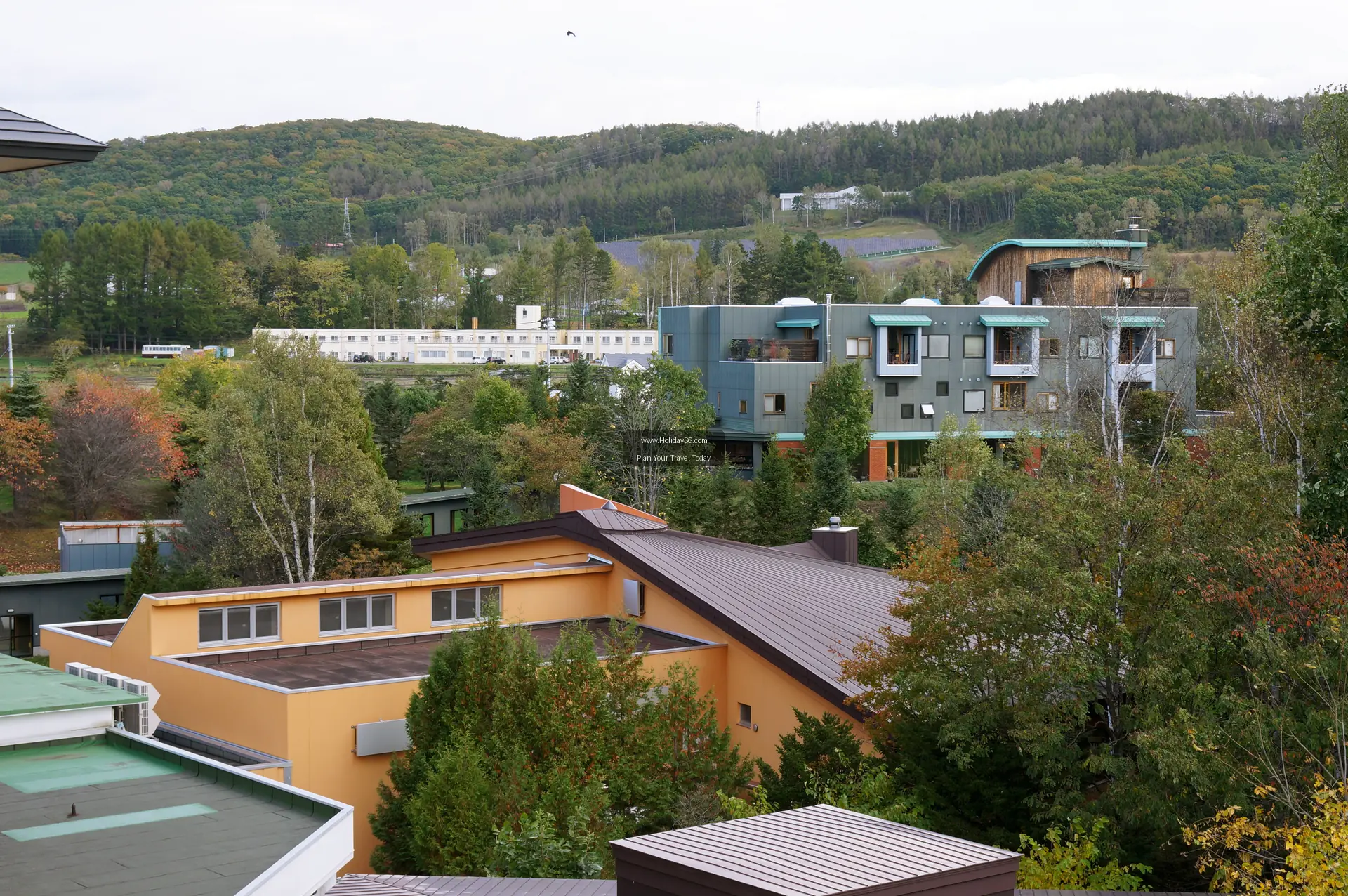
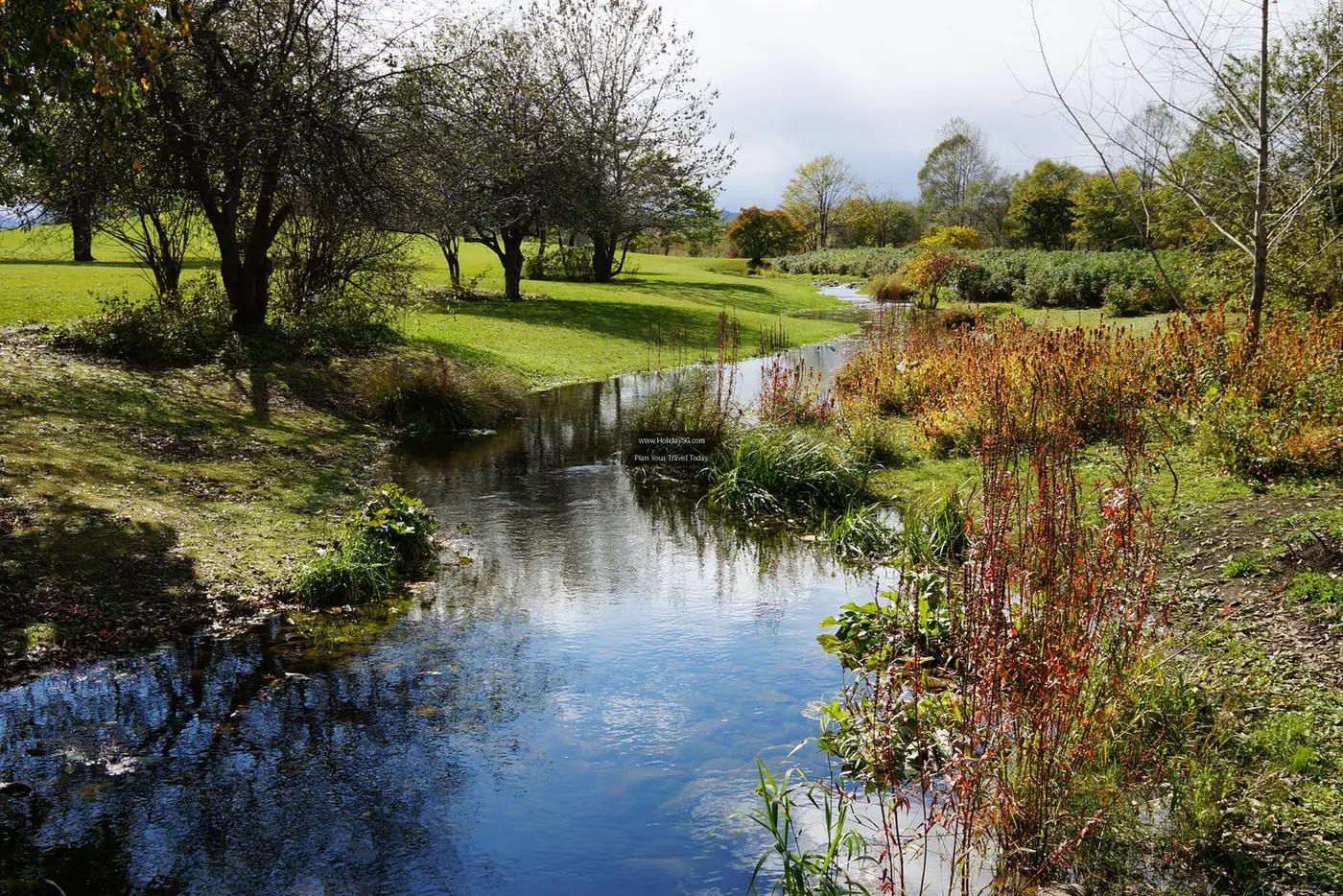
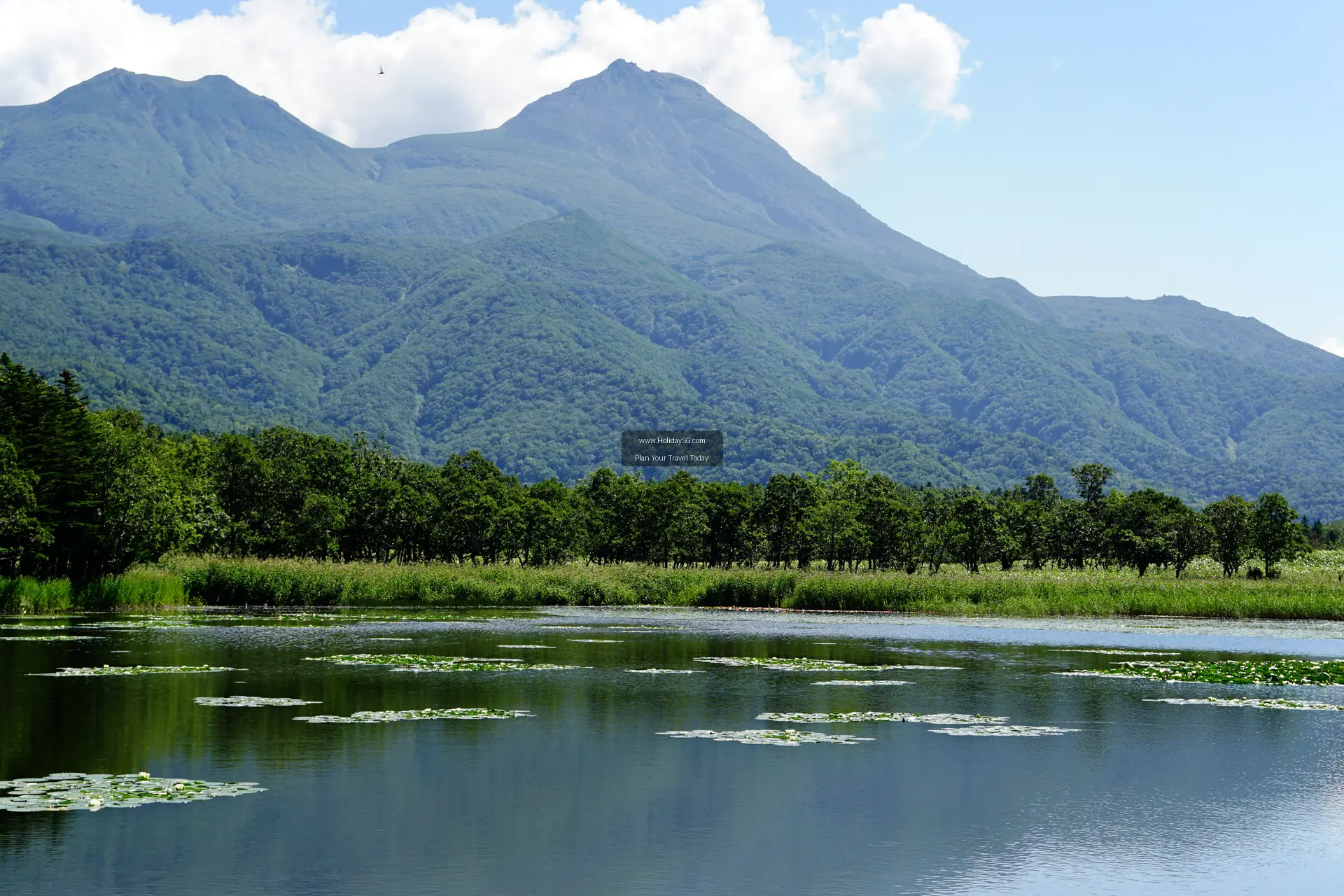
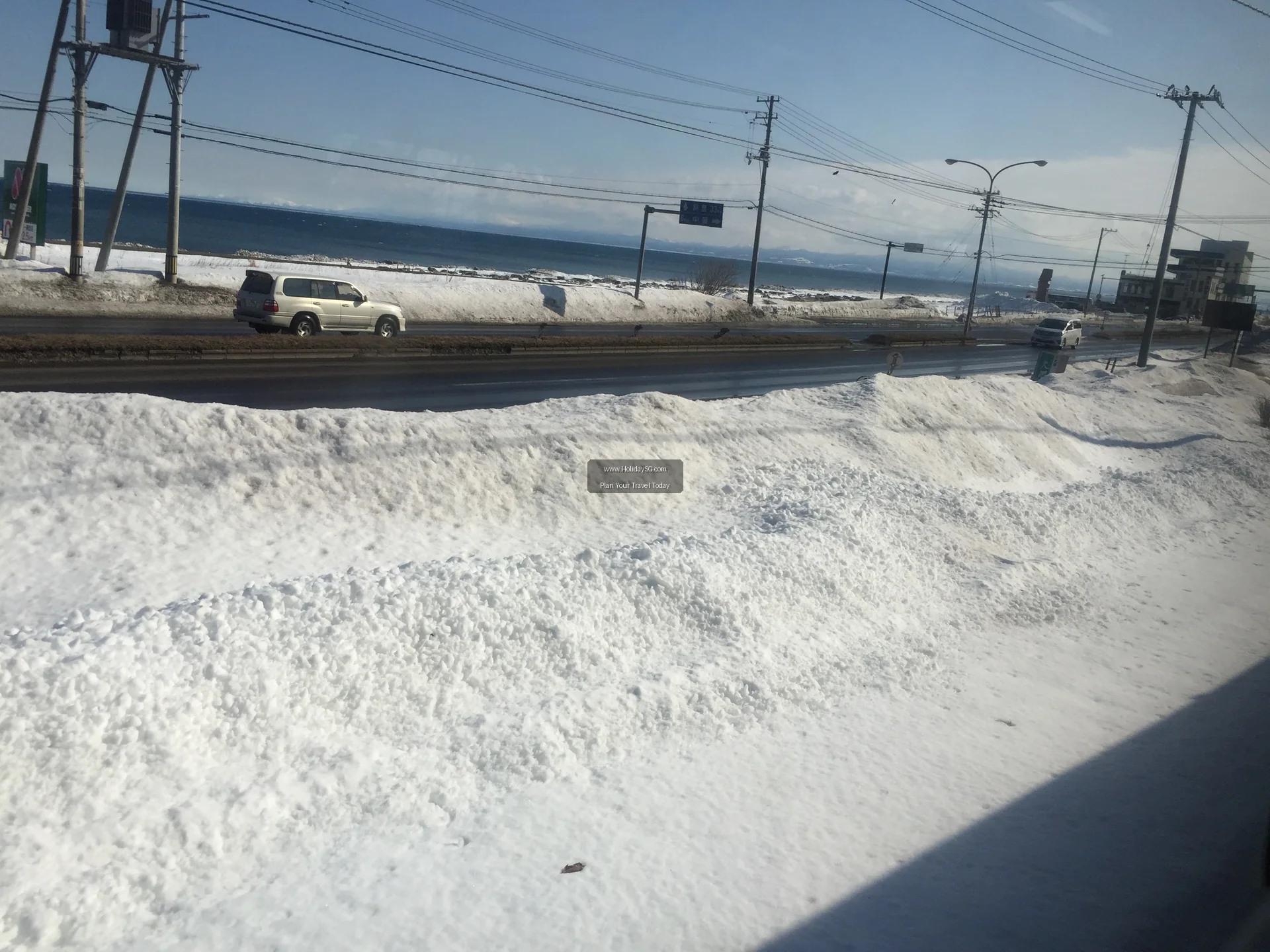
The Shiretoko Peninsula in southeastern Hokkaido is a haven for nature lovers and wildlife enthusiasts alike. This UNESCO World Heritage site features stunning hot springs like Jigokudani Onsen, where you can watch brown bears up close. For kids, the experience of seeing these massive creatures can be both thrilling and educational.
**Safety Tips:**
– Always follow park guidelines when observing wildlife.
– Keep a safe distance from all animals.
– Carry bear spray and know how to use it.
Visit Jigokudani Onsen with HolidaySG for a guided tour that combines the excitement of seeing brown bears with the relaxation of hot springs.
### Winter Wonderland in February: Sapporo Snow Festival
For those who love winter, February’s Sapporo Snow Festival is a magical experience. This festival transforms Sapporo into a white wonderland with towering snow sculptures and mesmerizing ice lanterns. The illuminated sculptures range from whimsical to grandiose, providing endless entertainment for kids of all ages.
**Family-Friendly Activities:**
– Visit the main attractions like Yuki no Tsuzumi (Snow Temple) and the Snow statue at Odori Park.
– Enjoy a hot drink or snack at one of the many food stalls around the festival grounds.
– Take a guided tour to learn about the history and techniques behind snow sculpture.
### Cultural Journey: Hakone Open-Air Museum
Hokkaido is also home to the Hakone Open-Air Museum, which showcases 100 traditional Japanese buildings from all over Japan. This unique museum offers a glimpse into different regional cultures and architectural styles. It’s an excellent place for kids to learn about history and architecture through play and exploration.
### Relaxation in Hot Springs: Niseko Onsen
After a day of adventure, nothing beats relaxing in the warm embrace of Niseko Onsen, Hokkaido’s famous hot springs. These natural hot springs are renowned for their healing properties and provide a peaceful sanctuary to unwind. Many onsens offer family-friendly facilities, so you can enjoy the spa experience together.
### Educational Adventures: Hokkaido Science Museum
For curious minds, the Hokkaido Science Museum in Sapporo offers a range of interactive exhibits that make learning fun and engaging for kids. From space exploration to robotics, there’s something fascinating for every child.
### Modern Art in Nature: Hakone Open-Air Museum
Hokkaido’s landscape is not just about nature; it also houses some stunning modern art installations. The Hakone Open-Air Museum features contemporary artworks that blend smoothly with the natural environment, offering a unique way to experience both nature and culture.
### Recommended HolidaySG Tours
–
–
–
### Conclusion: Best Experiences in Hokkaido with Kids
Hokkaido offers a plethora of experiences that cater to both kids and adults. From the excitement of seeing brown bears to the tranquility of hot springs, there’s something for every member of your family. Whether you’re exploring nature, immersing yourself in culture, or enjoying modern art, Hokkaido promises unforgettable adventures. So pack your bags and head north; the experiences await!
Remember, planning a trip with children requires careful consideration of their needs and interests. Use these suggestions to create an itinerary that ensures everyone has a wonderful time. Happy travels!
Book these with HolidaySG:
Book with HolidaySG online for Official Ticket Jr Pass Hokkaido Rail Pass Electronic Exchange Voucher Transport Passes, Hokkaido Sapporo Departure Lake Toya Shared Tour Jigokudani And Bear Farm One Day Tour Private Charter Day Tours, Manekineko Museum.
Frequently Asked Questions
Where can I book this / what’s the link?
You can start planning your family trip to Hokkaido by visiting HolidaySG’s website, where you’ll find itineraries, accommodation options, and tour packages tailored for kids.
Do foreigners (non‑citizens) need a different ticket, price, or visa for Japan?
Visa requirements depend on your nationality. Many countries enjoy visa‑free short‑stay access, but some travelers will need to apply for a tourist visa in advance. Ticket prices are the same for residents and visitors. Always double‑check the latest entry rules on the official Japan Ministry of Foreign Affairs website or with your nearest Japanese embassy.
What is the best time (season, or time of day for the site/activity) to go?
Hokkaido shines in summer (June‑August) with mild temperatures, flower fields, and outdoor farms that are perfect for kids. Winter (December‑February) offers world‑class snow parks and the famous Sapporo Snow Festival, which delights children with massive ice sculptures. For most family activities, aim for mid‑morning to early afternoon when attractions are fully operate and the weather is comfortable.
How many days should we allocate for a family‑friendly Hokkaido itinerary?
We recommend spending 5‑7 days to cover the main highlights without feeling rushed. This allows time for Sapporo city attractions, a day trip to Otaru, a visit to a farm or zoo, and at least one day in a ski resort or snow park (winter) or a flower field (summer). Adding an extra day gives flexibility for travel between locations and a relaxed pace for kids.
What should we pack for traveling around Hokkaido with children?
Pack layered clothing year‑round: even in summer, evenings can be cool, and in winter you’ll need insulated jackets, thermal wear, waterproof boots, and gloves. Bring a lightweight stroller for city walks, a carrier for hiking trails, and plenty of snacks and water. If you’re visiting snow parks, consider renting gear locally to save luggage space, but bring a small first‑aid kit and any necessary medication for the kids.
What things cost in Japan
Live HolidaySG prices for the experiences in this guide, so you can sanity-check a budget before you commit.
| Experience | Where | From price |
|---|---|---|
| Museum of Aeronautical Sciences | Chiba | From S$4.00 |
| Fuji-Q Highland | Fujiyoshida | From S$17.21 |
| Kamogawa Seaworld | Chiba | From S$12.00 |
| Trip Moments in Kushiro, Japan[Photography Services: Follow Sh... | Hokkaido | From S$22.68 |
| Mount Fuji Day Trip | Tokyo | From S$41.92 |
| Private Kamakura plus Yokohama Tour - English Speaking Driver | Tokyo | From S$808.24 |
| Tokyo: Mount Takao Guided Hiking Tour Day Tours | Tokyo | From S$141.44 |
| Kinkaku-ji + Arashiyama + Nijō Castle + Fushimi Inari Taisha K... | Kyoto | From S$64.90 |
Family-Friendly Accommodation in Hokkaido: Where to Stay with Children
Many families assume hotels are the only option in Hokkaido, but you'll find far more comfort and space in a ryokan with a family room or a vacation rental apartment. This matters enormously when traveling with kids—a two-bedroom apartment in Sapporo's Maruyama neighbourhood lets children have their own space for quiet time while you remain close by, whereas a standard hotel room leaves everyone on top of each other after a long day exploring.
In Sapporo itself, consider areas like Nakajima or Odori, which are walkable to parks and restaurants without requiring constant train transfers. The Nakajima district sits near Maruyama Zoo, Hokkaido Museum, and a decent shopping street with family restaurants. A ryokan in the Jozankei hot-spring valley (about 40 minutes south of Sapporo) often provides multi-room family suites with shared onsen access; children find the communal bathing experience novel and manageable, and the quieter pace suits families with young kids better than central-city hotels.
Niseko, on Hokkaido's west side, has exploded with family-oriented accommodation since becoming a major ski and outdoor destination. Winter brings skiing; summer offers hiking and mountain biking trails suitable for older children. Many lodges here offer kitchenettes—crucial if you have toddlers or specific dietary needs. The village itself is compact enough for families to move around without long commutes.
In Asahikawa, the second-largest city in Hokkaido, family guesthouses and smaller hotels cater specifically to visitors with young children, offering simplified meal options and quieter environments than Sapporo's busier hotels. Asahikawa also sits closer to Asahiyama Zoo, one of Hokkaido's most visited attractions, reducing travel time.
Practical tip: many Japanese accommodations list room capacity by number of guests but not by actual bed configuration; when booking, confirm directly whether a family room has two beds, one large bed, or futons on the floor—futons are fine for older kids but challenging with toddlers who roll or wake at night.
Hokkaido's Top Zoos and Animal Attractions for Kids
Asahiyama Zoo in Asahikawa is genuinely different from most zoos you've visited—animals are placed at eye level or above visitors, rather than behind barriers, so a child sees a polar bear or seal from mere metres away. The zoo is also smaller and less overwhelming than massive metropolitan zoos; a family with young kids can cover it completely in a half day without exhaustion. Hokkaido's geography means this zoo receives real snow in winter, creating a dramatic backdrop that summer visitors miss entirely.
Maruyama Zoo in Sapporo sits on the city's western edge and emphasises Hokkaido's native species—red-crowned cranes, Asian black bears, and Hokkaido deer. It's less trendy than Asahiyama but equally valuable for children to grasp what wildlife actually inhabits the region they're visiting. The zoo has multiple playgrounds and eating areas, so even restless kids won't feel trapped.
Noboribetsu Bear Park, located in the hot-spring town of Noboribetsu (90 minutes south of Sapporo), houses brown bears in a mountain-ridge habitat. The park involves climbing a slope to reach viewing platforms—manageable for most kids over six, but challenging for toddlers. The surrounding area has onsen and a volcanic valley walk (Jigokudani), so families can combine animal-watching with nature exploration and bathing.
Dolphin watching operates out of Kushiro, on Hokkaido's eastern coast, from roughly June through October. Tours run two to three hours, departing from the Kushiro Port; children need decent weather tolerance and some ability to sit still, but seeing wild dolphins alongside seabirds makes the effort worthwhile. Confirm with operators directly on age restrictions and motion-sickness medication suitability.
Practical tip: zoos in Japan typically don't allow strollers in certain sections or during peak hours; bring a soft baby carrier or backpack for younger children, especially at Asahiyama where animal enclosures require walking on slopes.
Winter Sports and Skiing with Kids in Hokkaido
Hokkaido doesn't just have snow—it has the right kind of snow. The region's latitude and proximity to cold ocean currents produce powder that feels almost weightless compared to wetter snow in more southern Japan. Niseko United, a consortium of four linked resorts on Hokkaido's west side, hosts the largest skiing population in the prefecture; Niseko Village is the most family-oriented of the four, with gentler slopes and dedicated children's lessons.
Children typically start formal ski instruction from age three or four in Japan. Niseko Village offers Japanese and English-language lessons; courses run half days or full days, which gives parents uninterrupted time to tackle steeper slopes elsewhere. The village itself contains apartments, rental shops, and restaurants within walking distance, so you're not car-dependent after skiing.
Furano and Tomamu, both in central Hokkaido, attract families seeking less crowded alternatives. Tomamu includes a children's ski park with a magic carpet lift (moving surface lift that prevents falling off), snow bikes, and sledding areas separate from the main ski slopes. If your kids aren't skiing yet or only want short sessions, Tomamu's non-skiing snow activities justify a visit alone.
Snowshoeing with children requires different expectations than skiing. Easy walks near Sapporo or through Maruyama Park allow families to experience snow landscapes without technical skill; renting snowshoes costs considerably less than ski passes, and a two-hour walk feels less physically demanding than a full ski day.
Winter runs from mid-December through March, with peak snow conditions typically January through early February. Late February weather grows warmer and more variable, affecting snow quality.
Practical tip: ski schools in Japan often require advance bookings, especially for English-language instruction; arrange lessons at least one week ahead, and confirm exact group sizes and instructor ratios—popular resorts sometimes pair kids with instructors who speak minimal English if you don't book early enough.
Summer Hiking and Outdoor Adventures for Families in Hokkaido
Summer transforms Hokkaido into a hiker's landscape. Daisetsuzan National Park, sprawling across central Hokkaido, contains over 20 peaks and countless trail options—from gentle valley walks suitable for young children to full-day ridge hikes for experienced families. The Asahidake trail, starting near Asahikawa, ascends 2,291 metres but offers a chair lift that cuts climbing time in half; families can take the lift up and walk down, or walk up and ride down, depending on kids' stamina.
Maruyama in Sapporo provides a compromise hike—just 531 metres elevation gain, a one-hour round trip on a well-maintained path, summit views over the city, and a park with playgrounds at the base for post-hike energy release. It's gentle enough for children from age four upwards and avoids the remoteness of backcountry hiking.
Shiretoko National Park, on Hokkaido's northeastern coast, is a UNESCO World Heritage site known for pristine coastlines, waterfalls, and wildlife. Shiretoko Five Lakes loop walk (about 3 kilometres) winds through forest and reflects volcanic peaks; the walk is nearly flat and family-appropriate, though insects are heavy in July and August.
Mountain huts exist throughout Hokkaido's major ranges, offering overnight stays and meals for families who want multi-day adventures without tent camping. The Pirika hut in Daisetsuzan, for example, welcomes families and serves traditional mountain food. Kids often sleep better in huts than tents due to wind and animal sounds, making overnight mountain stays more realistic with younger children.
Niseko's summer hiking is less dramatic than Daisetsuzan's but more accessible for younger kids. The Niseko Annupuri loop, starting from Niseko Village, is a gentle trail through beech forest; mountain biking also operates in summer, accessible for families with kids ages eight and up.
Practical tip: bring rain gear even on sunny days—Hokkaido's weather shifts rapidly in summer, and trails become dangerously slippery within minutes of rain. Pack several small snacks rather than one large lunch; children motivated by frequent treats cover distance better than those hiking towards distant meal breaks.
Food and Eating with Kids in Hokkaido
Hokkaido's food culture is less confrontational for picky eaters than Tokyo's or Kyoto's haute cuisine scenes. The region specializes in seafood, dairy, corn, and potatoes—ingredients most children recognize. Sapporo's tonkotsu ramen (pork-bone broth noodles) suits kids better than darker miso-based versions, and bowls arrive quickly, avoiding the plate-spinning problem on long waits.
Hokkaido Baked Cheese Tarts, a Hokkaido-born chain found throughout Sapporo and Asahikawa, offers simple desserts kids enjoy. Soft-serve ice cream stands appear everywhere, particularly around Maruyama Zoo and Odori Park in Sapporo; Hokkaido's dairy industry means ice cream quality is notably higher than most regions of Japan.
Restaurant etiquette in Hokkaido is less formal than central Japan. Many family-oriented ramen shops and curry shops (Asahikawa curry is a regional specialty featuring slightly sweet, thick sauce) don't mind if kids eat loudly or move around. Chain restaurants like Matsuya and Yoshinoya serve quick, predictable donburi (rice bowls) that children recognize from visit to visit.
Genghis Khan (jingisukan), a Hokkaido specialty, is grilled mutton and vegetables around a tabletop burner. Kids enjoy the interactive cooking aspect, though the meat's distinctive smell isn't for every palate. Lamb is less commonly eaten globally than beef, so prepare kids for a different taste beforehand; most enjoy it once they taste it.
Convenience stores (Lawson, FamilyMart, 7-Eleven) are ubiquitous and stock sandwiches, onigiri (rice balls), and salads—useful for quick lunches without restaurant delays, particularly when hiking or moving between cities.
Practical tip: ryokans and mountain lodges require dinner reservations and often serve fixed multi-course meals. Alert staff when booking if your child has strong food preferences or dislikes; they'll prepare simpler alternatives rather than forcing kids to eat unfamiliar dishes.
Transportation Between Hokkaido Cities and with Young Children
Hokkaido's size—roughly equivalent to Austria—means distances between major cities require planning. Sapporo to Asahikawa takes 90 minutes by express train; Sapporo to Niseko takes two hours. Many families mistakenly assume they can visit four cities in five days, then face constant packing and exhausted kids. Plan to stay in each location two to three nights minimum.
Trains are far superior to cars for families with young children. The JR Hokkaido network connects major cities, and reserved seats mean your family sits together. Express trains include cafe cars selling snacks and drinks, eliminating the problem of rationing a single water bottle across two hours. Children sleep more easily on trains than in cars, making afternoon departures practical for reaching a new city by evening.
Car rentals make sense only if you're staying in one location (Niseko or a hot-spring area) and making day trips. Hokkaido's roads are straight and well-maintained, but distances are long, parking at attractions costs money, and driving with jet-lagged kids on the left side of the road adds stress. If renting, base yourself near Sapporo or Niseko and drive to nearby destinations, rather than attempting a multi-city road-trip itinerary.
Within Sapporo, the subway system is manageable but cramped during rush hours (7-9 a.m., 5-7 p.m.). Strollers fit through gates and onto trains, though you'll fold them during peak times. Buses serve areas the subway doesn't reach; buses are less predictable for families unfamiliar with the system, so prioritize subway routes when possible.
Station facilities in larger cities include coin-operated lockers for luggage, bathrooms, and small food areas. Smaller towns (Furano, Tomamu) have more limited amenities; confirm facilities exist before depending on them with kids in tow.
Practical tip: book train seats in advance through station ticket offices or via reserved seat systems; unreserved cars exist but fill quickly, and standing with young children for two hours is neither safe nor pleasant. Children under six typically travel free on trains if they sit on parents' laps; kids six and older require a ticket.
Bathhouse (Onsen and Sento) Culture for Families with Kids
First-time visitors often worry about onsen (natural hot springs) and sento (public bathhouses) etiquette with children, but Hokkaido's bathing culture actively welcomes families. Nude communal bathing is standard and non-sexual; children of all ages bathe with mothers in women's areas, and fathers bathe with sons until roughly age seven or eight, when boys transition to men's areas.
Jozankei, a hot-spring valley 40 minutes south of Sapporo, contains dozens of ryokans and day-use onsen facilities. Day-use access (three to four hours, including bathing and a meal) costs roughly one-third the price of overnight stays, making it accessible for families who don't want to overnight. The valley's onsen water is naturally warm and mildly mineral-rich; children find the experience novel and usually enjoy it once initial shyness passes.
The bathing process itself involves washing thoroughly on small stools before entering the communal pool; this rinse is non-negotiable and taught to children early. Pools are hot (around 40 degrees Celsius), so brief soaks are normal. Many sento have cooler secondary pools for kids or those who find the main temperature uncomfortable.
Noboribetsu, another hot-spring town 90 minutes south of Sapporo, has more tourist-focused onsen than Jozankei; prices are accordingly higher, but the Jigokudani (Hell Valley) walk through volcanic terrain offers a nature experience alongside bathing. The water here is sulfurous and medicinal-tasting, and the landscape feels otherworldly—worth enduring the smell for the adventure aspect.
Practical tip: bring a small towel from your accommodation (hotels provide them) to dry children after bathing; onsen towels are typically rented separately and can be damp by the time you need them. Some facilities prohibit tattoos; if anyone in your party has visible tattoos, call ahead to confirm access.
Museums and Indoor Activities for Rainy Days in Hokkaido
Hokkaido Museum in Sapporo houses Ainu artifacts, natural history exhibits, and historical displays specific to the region. It's genuinely interesting rather than soporific, and kids grasp that Hokkaido's indigenous Ainu people have a distinct culture separate from mainland Japan. The museum's outdoor area includes traditional buildings and reconstructed settlements, reducing screen-time dependency.
Sapporo Beer Museum and Factory Tour exist primarily for adults, but the attached beer garden (non-alcoholic drinks available) and gift shop hold some interest for kids; the real value lies in a quick visit plus the adjacent Sapporo Beer Garden complex, which operates restaurants serving Hokkaido specialties in a semi-outdoor beer-hall atmosphere.
Asahikawa Science Museum combines planetarium shows, hands-on physics exhibits, and a rotating roster of temporary displays. It's less flashy than Tokyo's science museums but perfectly adequate for a rainy afternoon, particularly with children aged five to twelve.
Otani Murakami Museum in Asahikawa houses a private art collection in a small, quiet setting; it's not a major draw for kids, but older children interested in Japanese art benefit from its manageable size—no more than 45 minutes to see everything, preventing the museum fatigue that massive institutions create.
Ramen Yokocho in Asahikawa is a narrow alley containing eight tiny ramen shops, each seating roughly ten people. It's less a museum and more an experience; kids find the cramped, atmospheric setting novelty compared to standard restaurants, and each shop's slightly different broth and toppings style teaches that regional variation exists even within single dishes.
Practical tip: avoid museums mid-morning (9-11 a.m.) and just after school ends (3-4 p.m.) unless you enjoy crowds of school groups. Mid-afternoon (1-3 p.m.) is quietest, allowing your family to move through exhibits without jostling.
Parks, Playgrounds, and Unstructured Outdoor Time with Kids
Hokkaido residents often overlook parks in favor of pursuing "attractions," but families with young children need frequent stops where kids run freely without entering paid venues. Odori Park, stretching 1.5 kilometres through central Sapporo, contains open green space, sculptures, fountains, and small food vendors; a morning at Odori costs nothing and provides genuine relief from constant museum or zoo visits.
Maruyama Park sits near Maruyama Zoo; the park itself is separate from the zoo and contains playgrounds, open fields, and a small shrine. Combining a zoo visit with park time gives kids variety—a few hours of structured zoo-walking, then unstructured play in the park before returning to accommodation.
Nakajima Park in Sapporo's Nakajima ward includes a pond, duck-feeding areas, multiple playgrounds organized by age group, and a small amusement park (Nakajima Koen Yuen) with vintage rides. The park is sprawling enough that families can spend an entire day here without boredom; entry to the park is free, though the amusement park charges for individual rides.
Sunpiazza Furano, near Furano city, operates as a ski resort in winter but becomes a flower park in summer (June through September), with fields of lavender, corn, and other Hokkaido crops. Families can walk freely, pick some flowers, eat corn on the cob from roadside stands, and enjoy a genuinely low-key afternoon without structured activities.
Practical tip: Japanese parks close at dusk (around 5 p.m. in winter, 7 p.m. in summer), and some sections restrict access after hours. Arrive at least two hours before closing to ensure kids have adequate time to tire themselves out; an hour isn't enough, and frustrated energy will carry into the evening.
Seasonal Considerations and Best Times to Visit Hokkaido with Kids
Most families envision Hokkaido as a winter destination, but this assumption misses summer's advantages. December through March offers skiing and snow activities, but accommodation costs peak, resorts fill with international tourists, and travel feels pressured. July through September brings warm (20-25 degrees Celsius) days, accessible hiking, and fewer crowds outside school holidays.
Spring (late April through May) brings cherry blossoms and warming temperatures, but the season is brief; most blossoms peak within a one-to-two week window. Spring weather is unpredictable, mixing warm afternoons with cold mornings. The real draw is fewer tourists and lower prices than summer or winter.
Autumn (September through October) offers cool but comfortable temperatures, excellent hiking conditions, and foliage that creates dramatic scenery in Daisetsuzan and Shiretoko. Hokkaido's autumn is shorter than Honshu's due to latitude; colors peak late September to early October before leaves fall. October brings unpredictable rain.
Summer insects (particularly mosquitoes around water areas) can be intense in July and early August. Long daylight hours (sunrise around 4 a.m., sunset around 8 p.m.) mean kids struggle with sleep schedules; blackout curtains in accommodation become essential. Mid-August coincides with Obon holiday period when Japanese families travel extensively; trains and attractions crowd accordingly.
Winter snow conditions vary yearly; check regional snowfall records for the previous five years rather than assuming consistent powder. Late February occasionally experiences inadequate snow at lower elevations. Late December sees Christmas crowds and high prices; January and early February offer better conditions and slightly fewer tourists.
Practical tip: avoid school holiday periods if possible (late December through early January, late March through early April, mid-August). Families with school-age children must visit during these windows, but independent travelers benefit enormously from visiting late September or early October, when weather is pleasant, prices are moderate, and crowds are minimal.
Activities for Toddlers and Very Young Children in Hokkaido
Families with toddlers often assume outdoor destinations are incompatible with young children, but Hokkaido's flat terrain and short, well-maintained walking paths accommodate strollers far better than mountainous regions. Short walks around Sapporo's parks (Nakajima, Odori, Maruyama Park) introduce toddlers to new environments without exhausting them.
Hokkaido Zoo's flat layout suits toddlers in strollers; watching animals from ground level is engaging without requiring active participation. Asahiyama Zoo's steep paths are less appropriate for young toddlers, though stroller-friendly routes exist around the perimeter.
Aquariums in Sapporo (small and less well-known than major city aquariums) and Asahikawa provide indoor, climate-controlled environments ideal for toddlers on rainy days. Facilities are compact, bathrooms include diaper-changing stations, and the quiet, gentle pacing suits young children better than busy attractions.
Onsen bathing with toddlers is manageable; warm water often soothes fussy babies, and the experience exposes them to cultural elements early. Start with short soak durations and watch closely—toddlers can slip on wet surfaces more easily than older kids.
Simple, quiet ryokan experiences (non-ski, non-hiking visits focused on bathing and eating) work well for very young children. Jozankei hot-spring town caters specifically to families with toddlers, offering day-use facilities with quieter atmospheres than busier resort areas.
Practical tip: carry a soft carrier or backpack for toddlers; many parks and attractions include terrain unsuitable for strollers, and exhausted toddlers walking distances require carrying solutions. Stroller rental exists at major attractions but adds cost; bringing or renting one from your accommodation is typically cheaper.
Quick Answers: Common Questions About Hokkaido with Kids
How many days should a family spend in Hokkaido?
Five to seven days allows visiting two to three cities comfortably without excessive travel. A week enables Sapporo (two nights), Niseko or a hot-spring area (two nights), and Asahikawa or coastal Hokkaido (two nights) with one day for arrival and departure. Shorter trips compress experiences and increase travel stress; longer trips are valuable if your family enjoys slower pacing and repeated activities in familiar locations.
Can young children handle Hokkaido's climate and physical activities?
Yes, with planning. Winter cold requires proper clothing and realistic expectations (toddlers can't sustain long outdoor exposure). Summer hiking is accessible with short, flat trails. Multiple rest days prevent burnout. The real limiting factors are individual child temperament and family preferences rather than Hokkaido's characteristics.
Are there language barriers when traveling Hokkaido with kids?
Sapporo and major resorts like Niseko have English speakers in hotels and restaurants; smaller cities require some Japanese knowledge or translation app use. Tourist information centers in train stations provide English speakers and information. Most families manage through a combination of translation apps, pointing at menus, and patience.
What happens if children get sick during a Hokkaido trip?
Hokkaido has modern hospitals and clinics; English-speaking staff exist in Sapporo and major cities. Travel insurance covering medical costs is advisable. Pharmacies (drugstores) stock common children's medications; ask accommodation staff for directions to nearby facilities if illness occurs.
Plan the rest of your trip
- Japan visa requirements - Check who needs a visa, the documents and the processing time.
- Hotels in Japan - Compare hotels and check room rates for your dates.
