

Travel & activities guides malaysia (2026): 27 guides | malaysia4u is exactly what this guide covers.
Malaysia in 2026, as detailed in our travel and activities guides, promises a captivating blend of lively cities, ancient rainforests, pristine islands, and a vibrant cultural tapestry. Whether you’re seeking the adrenaline of climbing Mount Kinabalu, the tranquility of a tea plantation in the Cameron Highlands, or the culinary adventure of hawker stalls in Penang, this Southeast Asian gem delivers on all fronts. With welcoming visa policies for many nationalities and excellent connectivity from Singapore, planning your next getaway has never been easier.
Malaysia offers incredible diversity for every traveler in 2026, from iconic cityscapes in Kuala Lumpur to wild jungles in Borneo. Most visitors enjoy 90-day visa-free entry, and a mid-range daily budget is around SGD 90-150. Use domestic flights and the Grab app for efficient travel, and remember that eSIMs are a hassle-free way to stay connected upon arrival.
Essential Planning for Your 2026 Malaysian Getaway
Before diving into the destinations, getting the basics right ensures a smooth trip. As of current information, most nationalities including those from Singapore, Australia, the UK, and the US receive a 90-day visa-free entry stamp for tourism. However, it’s always prudent to verify the latest on the official Malaysian Immigration Department website as your 2026 travel date approaches.
Navigating the Seasons and Your Spending
Timing your trip is key. Peninsular Malaysia’s west coast (home to KL, Penang, and Langkawi) is driest from November to March, while the idyllic east coast islands like Perhentian and Tioman are best from March to October. Borneo enjoys a generally good climate year-round, with drier spells from June to September ideal for trekking. For budgeting, a mid-range traveler can expect to spend around RM 300-500 (approximately SGD 90-150) per day. This comfortably covers a mix of accommodation, local transport, meals, and entry fees. Domestic flights on carriers like AirAsia are cheapest when booked early, while the Grab app is indispensable for affordable, reliable taxis in cities. For longer journeys, comfortable intercity buses from companies like KKKL are a great option.
Connectivity and Currency
MYR (Malaysian Ringgit) is the Malaysian Ringgit (MYR). While credit cards are widely accepted in urban hotels, malls, and larger restaurants, you will need cash for markets, smaller eateries, islands, and rural areas. ATMs are plentiful. Staying connected is straightforward; upon landing at KLIA or KLIA2, you can purchase a tourist SIM card from providers like Celcom, Digi, or Hotlink for around RM 30-50. Alternatively, for ultimate convenience, consider activating an eSIM before you travel. Options like the HolidaySG eSIM plan for Malaysia ensure you have ample data for navigation and sharing your adventures from the moment you land.
Exploring Peninsular Malaysia: Icons, Heritage, and Islands
Ready to go? HolidaySG eSIM plan for Malaysia.
The peninsula is a treasure trove of experiences. Start in Kuala Lumpur, where the futuristic Petronas Twin Towers and KL Tower define the skyline, but don’t miss the lush KL Forest Eco Park or the historic Batu Caves with its massive golden statue.
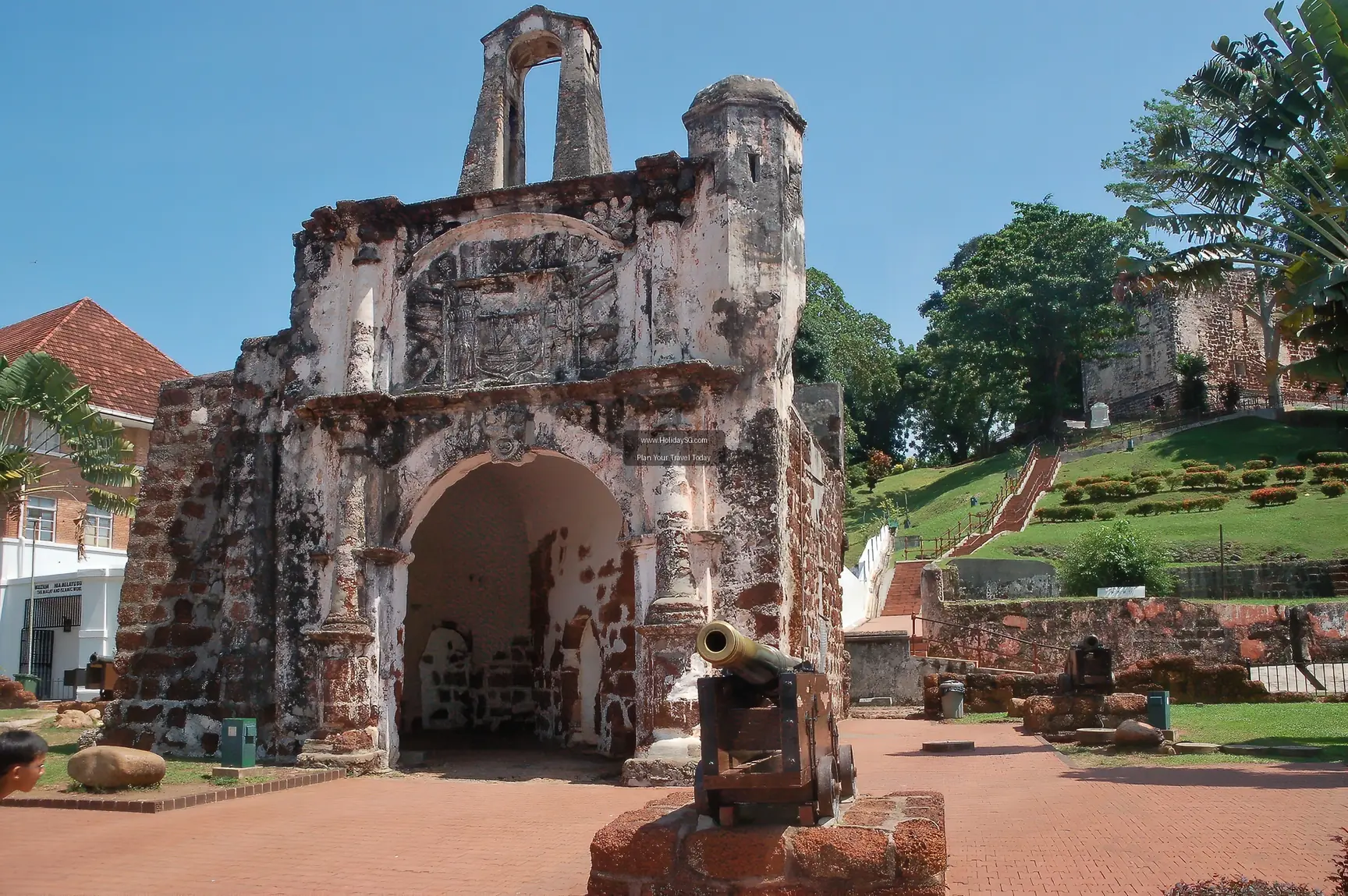
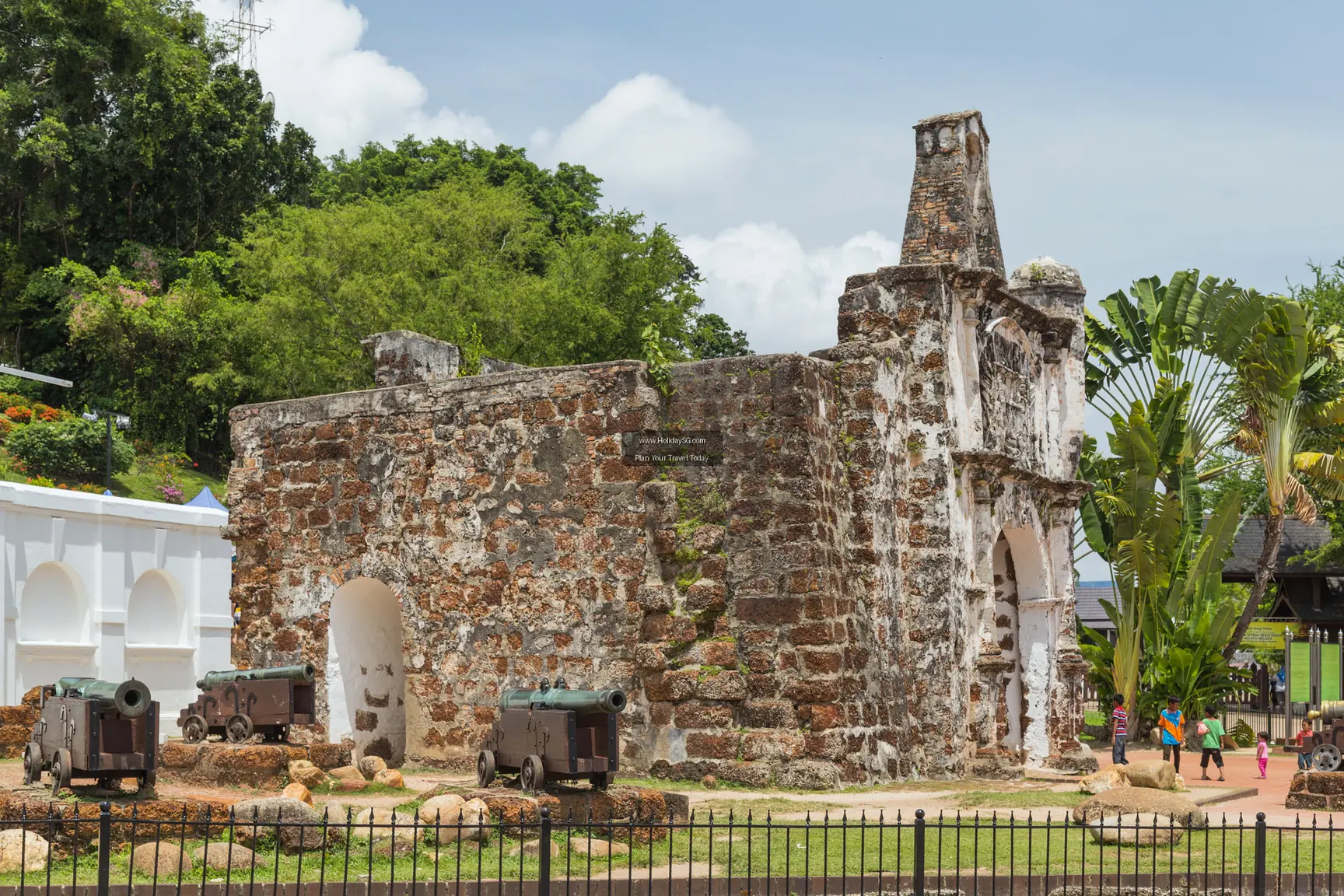
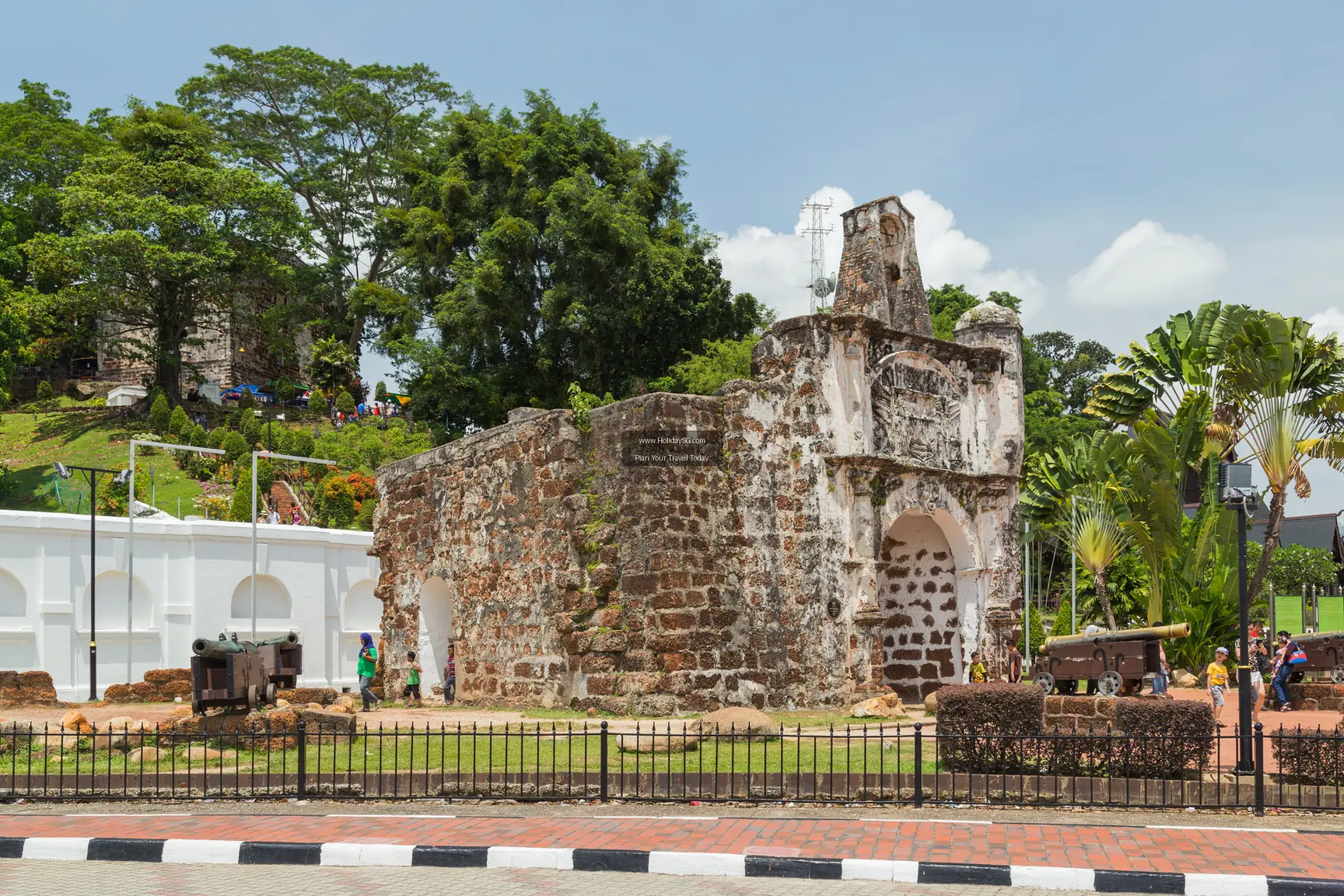
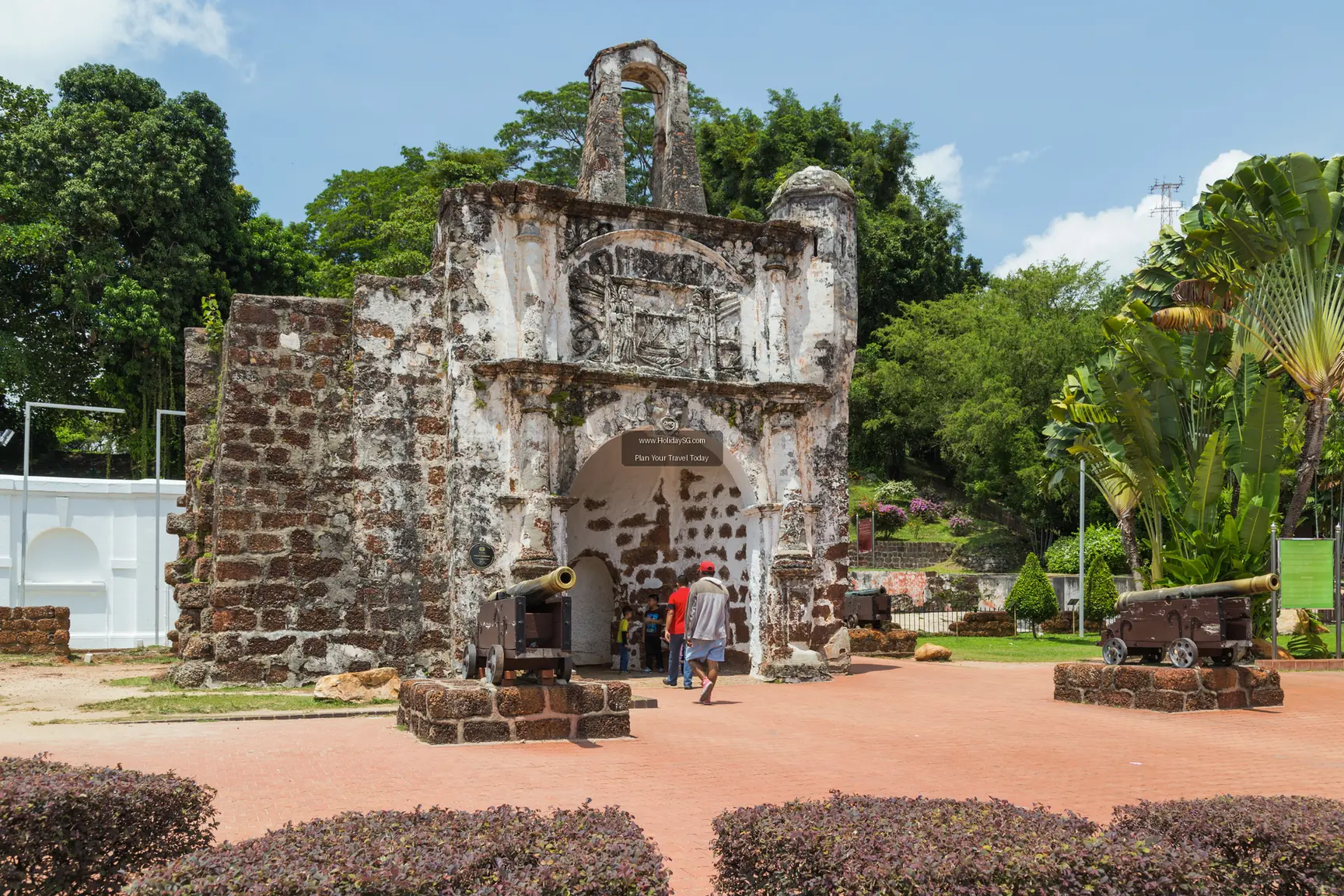
A short flight or scenic drive north takes you to Penang. Its capital, George Town, is a living UNESCO World Heritage site where colonial architecture meets stunning street art and some of the best street food on the planet. For a change of pace and altitude, the Cameron Highlands offer cool weather, rolling tea plantations, and strawberry farms. Down south, Malacca’s Jonker Street comes alive on weekends with night markets, showcasing the city’s rich Portuguese, Dutch, and Peranakan history.
No trip is complete without island bliss. The Perhentian and Tioman Islands offer powdery white sand and world-class snorkeling. If you’re looking for a unique family-friendly activity near KL, the Just Farm By Just Pets Megastore provides a fantastic indoor petting zoo experience. For jungle immersion, Taman Negara National Park, one of the world’s oldest tropical rainforests, offers canopy walks, river cruises, and challenging trekking.
Wild Frontiers in Malaysian Borneo
For untamed adventure, Borneo is unparalleled. In Sabah, the majestic Mount Kinabalu stands as Southeast Asia’s highest peak, offering a challenging yet rewarding climb. Nearby, the Sepilok Orangutan Rehabilitation Centre provides heartwarming encounters with rescued orangutans, while the Kinabatangan River is a hotspot for wildlife safaris looking for pygmy elephants and proboscis monkeys.
In Sarawak, the Mulu Caves National Park, another UNESCO site, astonishes with immense cave chambers and stunning rock formations. Off Sabah’s east coast lies the legendary Sipadan Island, consistently ranked among the top dive sites in the world, famous for its swirling tornadoes of barracuda and sea turtles.
Tailored Guides for Every Travel Style
Ready to go? HolidaySG eSIM plan for Malaysia.
Whether you’re planning a family vacation, a food-focused tour, or an adrenaline-fueled expedition, we have you covered. Our guides delve into creating the perfect family-friendly itinerary, highlighting gentle adventures and kid-approved attractions. For foodies, we provide a deep dive into Malaysia’s incredible culinary landscape, from the best nasi lemak to navigating spice levels.
Adventurers will find detailed itineraries for jungle trekking and off-the-beaten-path activities. Those interested in culture can explore our guides to temples, traditional festivals, and crafts. And for those with limited time, we’ve curated excellent weekend getaway itineraries from both KL and Singapore.
Practical Tips for a Seamless Journey
A little knowledge goes a long way. When eating, you’ll find many Malay dishes are halal, while Chinese and Indian stalls may not be. Don’t hesitate to ask about spiciness levels; requesting “tidak pedas” (not spicy) can save your palate. Malaysia is generally safe, but standard city precautions apply. Always dress modestly when visiting religious sites and remember to remove your shoes before entering homes, mosques, or many shops.
For staying connected, as mentioned, a local eSIM is the simplest solution. We recommend exploring options like the HolidaySG eSIM plan for Malaysia if you plan to cross the border, offering seamless data across both countries. Finally, practice sustainable tourism by choosing reef-safe sunscreen, reducing plastic use, and respecting wildlife and natural habitats.
What’s New and On the Horizon for 2026
Ready to go? HolidaySG eSIM plan for Malaysia.
Malaysia is always evolving. While major infrastructure projects like the proposed KL-Singapore High-Speed Rail have been subject to ongoing developments, it’s worth monitoring the news for any 2026 announcements that could transform travel between the two hubs. Keep an eye out for new hotel openings, emerging foodie districts, and additional eco-tourism initiatives that reflect the country’s commitment to preserving its natural wonders.
Recommended HolidaySG Tours
- HolidaySG eSIM plan for Malaysia
- HolidaySG eSIM plan for Malaysia
- HolidaySG eSIM plan for Malaysia
- HolidaySG eSIM plan for Malaysia
- Just Farm By Just Pets Megastore Ticket Malaysia Largest Indoor Petting Zoo
Start Planning Your Malaysian Adventure
Ready to go? HolidaySG eSIM plan for Malaysia.
With its remarkable diversity, Malaysia offers something for every traveler in 2026. Use these guides as your roadmap to build an itinerary that matches your interests, whether that’s a deep cultural immersion, a wildlife-focused expedition, or a simple, relaxing beach holiday. The key to an unforgettable trip lies in embracing the variety—let the vibrant street life, lush landscapes, and warm hospitality captivate you. Your perfect Malaysian experience awaits.
Ready to explore Malaysia further? Check out our HolidaySG eSIM plan for Malaysia for hassle-free connectivity on your adventures.
Book with HolidaySG online for Malaysia Unlimited 4g5g Data Esim, Just Farm By Just Pets Megastore Ticket Malaysia Largest Indoor Petting Zoo, Instant Esim Singapore Malaysia Kuota Besar Esim Singapura Global.
Frequently Asked Questions
Where can I book eSIMs or tickets for activities in Malaysia?
You can book eSIMs and attraction tickets through several providers. For eSIMs, consider options like HolidaySG eSIM plan for Malaysia, HolidaySG eSIM plan for Malaysia, HolidaySG eSIM plan for Malaysia, and HolidaySG eSIM plan for Malaysia. For attraction tickets, such as for the largest indoor petting zoo, book at Just Farm by Just Pets Megastore Ticket.
Do foreigners (non-citizens) need a different ticket, price, or visa for Malaysia?
In general, attraction ticket prices in Malaysia are often the same for all visitors, though some sites may have separate pricing for locals and foreigners. Regarding visas, many nationalities, including Singaporeans, can enter Malaysia without a visa for short stays of up to 30 or 90 days, depending on the agreement. However, visa requirements can vary, so it’s crucial to verify with official sources like the Malaysian Department of Immigration or your country’s foreign affairs website before your trip.
What is the best time (season, or time of day for the site/activity) to go to Malaysia?
The best time to visit Malaysia varies by region. For peninsular Malaysia’s east coast, the dry season from March to October is ideal for beach activities, while the west coast is best from December to February. In Kuala Lumpur and other cities, any time is suitable, but mornings or evenings are cooler for sightseeing. Always consider specific activities and check local weather patterns.
How long should I spend in Malaysia to see the highlights?
A typical trip to Malaysia can range from 7 to 14 days to cover major highlights like Kuala Lumpur, Penang, Langkawi, and the Cameron Highlands. For a shorter visit, focus on one or two regions. Allocate at least 3 days for Kuala Lumpur, 2-3 days for Penang, and 2 days for Langkawi.
What are the typical costs for meals, attractions, and transportation in Malaysia?
Malaysia is relatively affordable. Street food meals can cost around RM5-10 (SGD1.50-3), while restaurant meals range from RM20-50 (SGD6-15). Attractions like theme parks may cost RM100-200 (SGD30-60) for entry. Local transportation, such as buses or trains in cities, is cheap, with fares from RM1-5 (SGD0.30-1.50).
How do I get to Malaysia from Singapore or other countries?
From Singapore, you can reach Malaysia by air, train, bus, or car. The most common is by bus or car via the causeways. Direct flights are available to Kuala Lumpur and other cities. For trains, the KTM Komuter service runs from Singapore to Johor Bahru.
Is Malaysia a family-friendly destination with activities for children?
Yes, Malaysia is very family-friendly with numerous attractions for children, such as Legoland Malaysia in Johor, Sunway Lagoon in Kuala Lumpur, and aquariums like Aquaria KLCC. Many beaches and nature parks also offer family-oriented activities.
What should I pack for a trip to Malaysia, considering the climate and activities?
Pack lightweight, breathable clothing for the tropical climate, along with a rain jacket or umbrella for sudden showers. Comfortable walking shoes are essential, and for beach trips, include swimwear and sunscreen. Don’t forget mosquito repellent for outdoor areas.
Are attractions in Malaysia accessible for travelers with disabilities?
Accessibility varies by attraction. Major sites like the Petronas Twin Towers and KLCC Park have wheelchair access, but some historical or natural sites may have limitations. It’s best to check specific venues in advance for accessibility features.
Is Malaysia safe for tourists, especially solo travelers?
Malaysia is generally safe for tourists, including solo travelers. Exercise normal precautions, such as avoiding isolated areas at night and keeping belongings secure. Petty theft can occur in crowded areas, so stay vigilant.
What is the weather like throughout the year in Malaysia?
Malaysia has a tropical climate with high humidity and temperatures averaging 27°C to 32°C year-round. Rainfall is common, with heavier rains during the monsoon seasons: southwest monsoon from May to September and northeast monsoon from November to March.
What local customs and etiquette should I respect when visiting Malaysia?
Malaysia is a multicultural country, so respect local customs. When visiting mosques or temples, dress modestly and remove shoes. Use your right hand for giving and receiving items. Public displays of affection should be minimal, and alcohol consumption is restricted in some areas.
What are some must-try foods or nearby restaurants in popular areas?
Don’t miss local dishes like nasi lemak, char kway teow, and roti canai. In Kuala Lumpur, explore street food at Jalan Alor. In Penang, try Penang Assam Laksa. Nearby restaurants often offer authentic cuisine at affordable prices.
How can I get around within Malaysia, such as from Kuala Lumpur to other cities?
Domestic flights are quick for long distances. For example, from Kuala Lumpur to Penang or Langkawi. Trains like the ETS connect cities in peninsular Malaysia. Buses are economical and extensive, and ride-hailing apps like Grab are popular for local transport.
What are the top attractions or activities I shouldn’t miss in Malaysia?
Key attractions include the Petronas Twin Towers in Kuala Lumpur, George Town in Penang for heritage, Langkawi’s beaches and cable car, and the Cameron Highlands tea plantations. For nature, visit Borneo’s rainforests for wildlife like orangutans.
Do I need travel insurance for my trip to Malaysia?
While not mandatory, travel insurance is highly recommended to cover medical emergencies, trip cancellations, and lost belongings. Ensure your policy includes health coverage for the duration of your stay.
How can I stay connected with internet or data while traveling in Malaysia?
What cultural experiences or festivals are worth attending in Malaysia?
Malaysia hosts vibrant festivals like Chinese New Year, Hari Raya Aidilfitri, Deepavali, and Thaipusam. Attending these offers insights into the country’s diverse cultures. The Penang International Food Festival is also popular.
Is English widely spoken in Malaysia, or should I learn some Malay phrases?
English is widely spoken, especially in tourist areas and cities. However, learning basic Malay phrases like “terima kasih” (thank you) and “selamat datang” (welcome) can enhance your experience and show respect.
What are the visa requirements for entering Malaysia, and how long can I stay?
Visa requirements depend on your nationality. Citizens of many countries, including Singapore, can enter visa-free for stays up to 30 or 90 days. For accurate and up-to-date information, check the official Malaysian immigration website or contact the nearest Malaysian embassy.
What things cost in Malaysia
Live HolidaySG prices for the experiences in this guide, so you can sanity-check a budget before you commit.
| Experience | Where | From price |
|---|---|---|
| Cameron Highlands Day Tour from Kuala Lumpur with Lunch (Guide... | Cameron Highlands | From S$76.85 |
| Cameron Highlands and Mossy Forest Half Day Tour | Cameron Highlands | From S$16.53 |
| The Bentong Farm | Bentong | From S$12.00 |
| Awana SkyWay (Formerly known as Genting Highlands Premium Outl... | Genting Highlands | From S$4.00 |
| Blue Ice Skating Rink @ Sunway 163 Mall | Kuala Lumpur | From S$14.00 |
| Breakout Escape Game Avenue K | Kuala Lumpur | From S$13.17 |
| Breakout Escape Game NU Sentral | Kuala Lumpur | From S$13.00 |
Matching Your Route to Malaysia's Regions
Malaysia is large enough that a single itinerary can feel rushed if it tries to cover the whole country. The peninsula, with its capital and heritage towns, is linked by road, rail and air, while East Malaysia on the island of Borneo is a separate world of rainforest and river life. Decide early which region is your focus, then add one or two complementary stops rather than several long transfers. A slower route usually gives you more time with local people, food and landscapes.
Travel times between regions are longer than the distances on a map suggest, particularly when road conditions or weather slow the journey. Build a rest day into any multi-stop plan, and check the official transport operator's schedule for the dates you intend to travel.
Food as a Reason to Travel
Many visitors plan their trip around food, and Malaysia rewards that interest. Each region has its own dishes, from hawker favourites in the cities to seafood and river fish in the coastal and island towns. Markets, coffee shops and night stalls are the best places to taste local dishes, and locals often queue at the stalls that look most modest. Ask staff for their recommendation, and try one new dish each day to build a personal favourite list.
Halal and vegetarian options are widely available in most areas, but ingredients and preparation can vary. Confirm the dish contents with the staff if you have a dietary requirement, and check the official information for the venue if you need certified halal assurance.
Hill Stations, Tea Estates and Cooler Escapes
Hill stations offer a welcome change from the heat of the lowlands. Tea estates, forest walks and cooler evenings make them a favourite for travellers who want a slower pace. Roads to the highlands can be winding, so allow extra time for the journey, and avoid driving at night if you are unfamiliar with the route. Pack a light jacket for the evenings, since temperatures can drop noticeably at altitude.
Check the official guidance on any hiking trail before you set out, including the required equipment, the guide rules and the current trail conditions.
Beaches and Island Days
The islands off the east and west coasts offer clear water, quiet beaches and simple seafood meals. Ferry schedules change with the season and the weather, so confirm the timetable with the operator before you travel, and keep a flexible return date. Sea conditions can be rough at certain times of the year, and a day that looks calm in the morning can become windy by afternoon.
Protect the marine environment by using reef-safe sunscreen, keeping rubbish off the boat and following the rules of marine parks. Many islands depend on careful visitors to keep their waters clean.
Religious Sites, Dress and Public Behaviour
Malaysia is a multicultural country, and mosques, temples and churches are part of everyday life. When you visit a religious site, dress modestly, remove your shoes where asked and follow the instructions of the staff. Some mosques provide robes or wraps for visitors, and it is polite to use them. Keep your voice down in places of worship and ask before taking photographs of people.
Public displays of affection are better kept private, and alcohol rules differ between states. Check the local rules for the place you plan to visit.
Wildlife, Jungle Treks and Responsible Tours
Rainforests and national parks offer some of the most memorable experiences in the country, from birdwatching to river cruises. Choose licensed operators, follow the guide's instructions and keep a respectful distance from wildlife. Pack insect repellent, a waterproof jacket and sturdy shoes, and carry a headtorch for any night activity. Check the park's official rules on entry, permits and group sizes before you book.
Responsible tours avoid feeding wildlife, stay on marked paths and leave the forest as they found it. A good guide will explain these rules before the walk begins.
Budgeting Across Cities and Countryside
Costs vary widely between big cities, islands and rural areas. Accommodation, transport and tours are usually the largest items, while food from hawker stalls and local markets can be affordable and very good. Set a daily budget for each region, and keep a reserve for park fees, boat transfers and unexpected changes. Card fees and currency conversion charges depend on your bank, so check its terms before you travel.
Prices for the same service can differ between peak and quiet periods, so check the current rate on the provider's official page before you commit.
Festivals and Seasonal Events
Malaysia's calendar includes religious festivals, harvest celebrations and cultural events across the states. Attending a festival can be a rewarding way to see local traditions, but accommodation and transport fill quickly around major dates. Check the official tourism calendar for the year you plan to travel, and book early if an event is central to your trip.
Respect the customs of the celebration, ask before photographing people and follow any local safety guidance during crowded events.
Building a Realistic Two-Week Plan
Two weeks allows a balanced trip with one major city, one heritage town, one nature area and one island or hill station. Spend at least two nights in each base to avoid packing and unpacking every day. Plan the most physical activities for the cooler parts of the day, and keep one afternoon free for rest or an unplanned walk. Review the plan with each new booking, since changes to one leg often affect the next.
Shorter trips work best with a single region, while longer journeys benefit from a clear theme such as food, nature or history.
Do I need a driver's licence to hire a car?
Rental requirements, including licence type and any international permit, are set by the rental company and the authorities. Check the official government guidance and the rental provider's terms before you book, and make sure your insurance covers the vehicle and the route you plan to drive.
Is it better to join a group tour or travel independently?
Group tours suit travellers who want a simple plan and an experienced guide, while independent travel suits those who enjoy flexibility. Many visitors combine both, booking a guided day trip for a remote site and exploring the cities on their own. Choose the format that matches your comfort with planning and transport.
Getting Between Cities by Train and Bus
Trains and long-distance buses link many of the main cities on the peninsula, and they are often the most comfortable way to cover the route between two bases. Book seats in advance for popular services, especially during public holidays, and confirm the departure station or terminal on the operator's official page. Long-distance coaches usually have air conditioning and reclining seats, while local buses are slower but useful for shorter hops. Keep your ticket and identification to hand, since checks are common on some routes.
Allow time at each terminal for ticket counters, luggage checks and transfers. Ask the staff which platform or bay your service uses, because many stations have several exits and boarding areas.
Domestic Flights and Long Journeys
Domestic flights save hours on the longer routes, particularly to East Malaysia and to remote island airports. Baggage allowances and fees differ between airlines, so check the rules before you buy and weigh your bags at home. Arrive at the airport early for security checks, and allow extra time for connections in smaller regional airports where the walk to the gate can be longer than expected.
If you combine flights with ferries or road transfers, keep a generous margin between them. A single delayed leg can affect the rest of the day, so avoid tight schedules on the same day.
Shopping for Crafts, Batik and Local Products
Local crafts make lasting souvenirs. Batik textiles, woven baskets, pewter and handmade ceramics are sold in many towns, and the quality varies widely. Ask the maker how an item was produced, look at the stitching and finish, and buy from shops that display a clear price. Keep receipts for any purchase, and check your home country's customs rules before you bring plant or food items into the country.
Support workshops that openly welcome visitors and explain their methods. A respectful conversation with a craftsperson is often the most memorable part of a shopping stop.
Staying Safe on the Road and on the Water
Road safety deserves attention on rural routes, where traffic can be fast and roads may be narrow. Avoid driving tired, keep to daylight hours where possible and watch for motorcycles, cyclists and animals. On the water, wear a life jacket when a boat crew provides one, check the weather forecast before a crossing and follow the crew's instructions about seating and luggage. If conditions look unsafe, postpone the trip rather than taking the risk.
Keep emergency numbers on your phone, and share your itinerary with someone at home so that they know where you are planning to be each day.
Making the Most of Local Markets
Morning markets are the heart of many towns. Fruit stalls, fresh seafood, spices and snacks are displayed in a way that rewards slow browsing. Go early when produce is freshest and the crowds are small, and carry small notes for buying. Ask before you taste or photograph a vendor's goods, and accept a sample with a smile when it is offered.
Bring a reusable bag for your purchases, and keep fresh food in a cool bag for the rest of the day.
Travel Documents and Health Preparation
Check your passport validity and the entry requirements for your nationality on the official government site before you book flights. Requirements can change, so do not rely on older articles. Carry a copy of your passport data page in digital and paper form, and store emergency contacts in your phone. Review your health insurance for the activities you plan, including jungle walks and water sports, and check the official travel health guidance for any vaccination advice.
Carry a basic first-aid kit, insect repellent and any medicines you take regularly in their original packaging.
Packing Smart for a Tropical Trip
Pack light, breathable clothing and a light layer for air-conditioned buses, malls and hill stations. Bring a rain jacket, a compact umbrella and quick-dry clothes for river and island days. Good closed shoes are essential for jungle walks, and sandals suit beaches and cities. Modest clothing is useful for temples and mosques, so include a long skirt or trousers and a lightweight scarf.
Store valuables in a secure bag, use a dry bag for water activities and keep your phone charged with a power bank for long days out.
Things to book on this trip
Plan the rest of your trip
- Malaysia visa requirements - Check who needs a visa, the documents and the processing time.
- Hotels in Malaysia - Compare hotels and check room rates for your dates.
