

Travel from tokyo airport to the city is exactly what this guide covers.
How to Travel from Tokyo Airport to the City: A Comprehensive Guide
Tokyo, Japan’s lively capital, is a vibrant metropolis that offers a unique blend of modernity and tradition. Whether you’re an adrenaline junkie drawn to its neon lights or a history buff captivated by its ancient temples, efficient transportation is key to exploring this dynamic city. In this guide, we’ll walk you through the best ways to travel from Tokyo Airport to the heart of the city and beyond. We’ll also cover essential tips for navigating public transportation, local customs, and some top attractions to visit.
Key Attractions in Tokyo
Shibuya Crossing
Shibuya Crossing is synonymous with Tokyo and serves as a lively intersection where pedestrians, cyclists, and vehicles converge. The famous scramble crossing features elaborate light displays that change according to the traffic flow. Don’t miss out on the local street food scene here, especially the yakitori (Japanese grilled chicken) stands.
Senso-ji Temple
Located in Asakusa, Senso-ji is Tokyo’s oldest temple and a significant symbol of the city’s long cultural history. The iconic red gate and surrounding area offer stunning views and are perfect for a leisurely stroll. Nearby, you can also explore Nakamise-dori, a shopping street lined with traditional shops selling souvenirs.
Tokyo Skytree
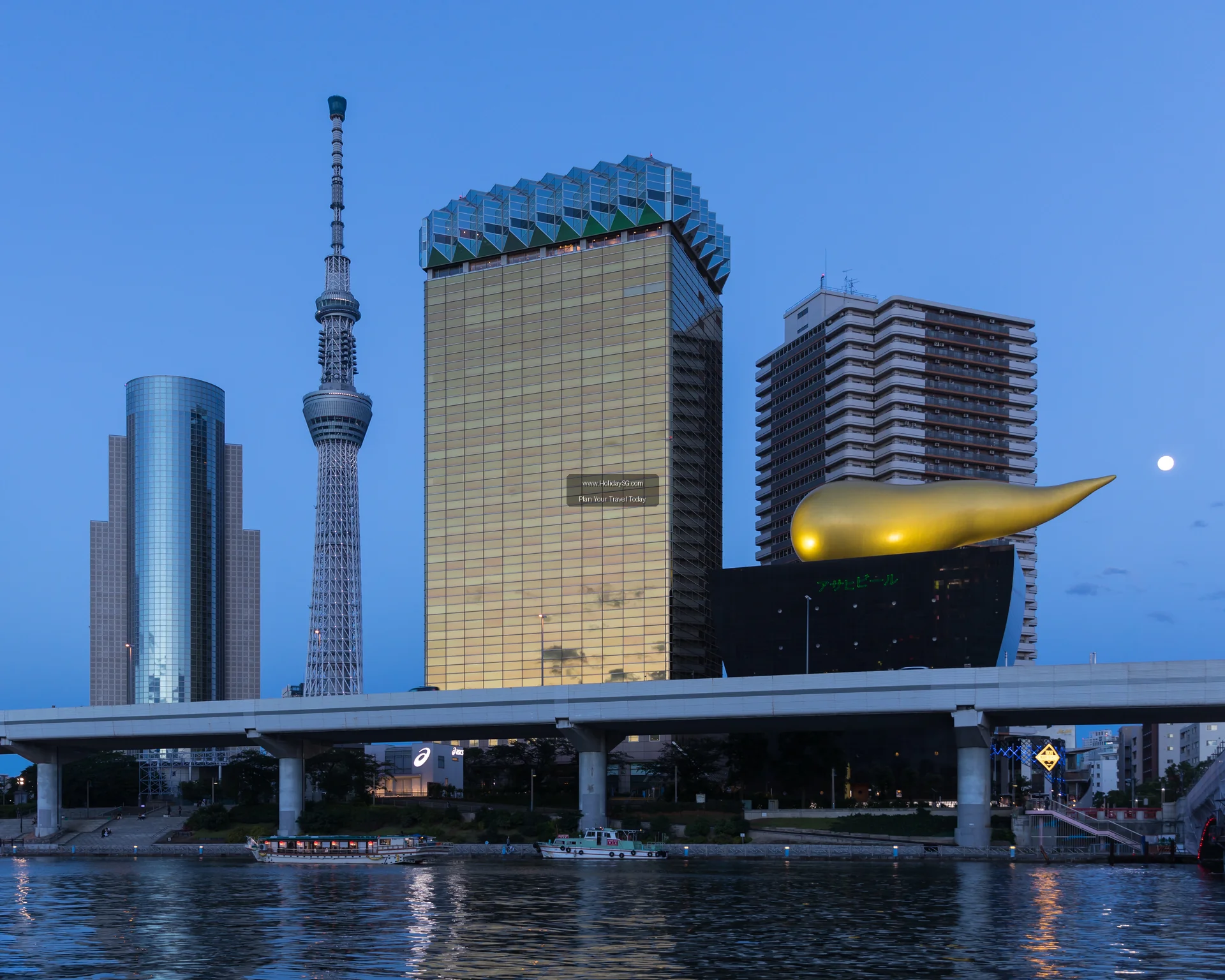
Standing at 634 meters tall, the Tokyo Skytree is one of Japan’s tallest structures. It offers breathtaking panoramic views of the city from its observation decks. The area around the Skytree also features various restaurants and entertainment options, making it a great place to enjoy your evening.
Harajuku
Harajuku is known for its vibrant youth culture, eccentric fashion, and creative subcultures. Explore the district’s colorful streets filled with trendy cafes, boutiques, and unique shops. Don’t miss out on trying some of the local street food or visiting the famous Takeshita Street.
Wakayama City Pass
If you’re looking to explore beyond Tokyo, consider purchasing the Wakayama City Pass. This pass allows you to visit multiple attractions in Wakayama City for a discounted rate. You can enjoy visits to historic temples, beautiful gardens, and even a hot spring resort.
Conclusion
Exploring Tokyo is an memorable experience, and with efficient transportation options like the JR Pass and Suica/Pasmo cards, you can make the most of your trip. Remember to respect local customs and keep your belongings safe. Whether you’re drawn to its historical sites or modern attractions, Tokyo has plenty of choice. Enjoy your journey!
Ready to explore? Check out our Official Ticket Skyliner Keisei Electric Railway Ticket Tokyo Airport Express Narita International Airport Uenoni →
Book these with HolidaySG:
- Discount Ticket Bundle Tokyo Dome City Spa Laqua Tokyo Subway 24 Hour Ticket Tokyo
- Pure Fun Takayama City Miyagawa Morning Market Shirakawa Go Gassho Village Observatory One Day Tour In Nagoya Jap
- Yokohama Portside City Highlights Tour Day Tours
- Wakayama City Pass
Book with HolidaySG online for Official Ticket Skyliner Keisei Electric Railway Ticket Tokyo Airport Express Narita International Airport Uenoni, Discount Ticket Bundle Tokyo Dome City Spa Laqua Tokyo Subway 24 Hour Ticket Tokyo, Pure Fun Takayama City Miyagawa Morning Market Shirakawa Go Gassho Village Observatory One Day Tour In Nagoya Jap.
Frequently Asked Questions
Where can I book this / what’s the link?
Do foreigners (non‑citizens) need a different ticket, price, or visa for Japan?
Ticket prices for airport transportation are the same for both Japanese residents and foreign visitors. However, entry into Japan depends on your nationality. Some travelers need a visa, while others can enter visa‑free for short stays. Always check the latest requirements on the official Japan Ministry of Foreign Affairs or your nearest Japanese embassy before you travel.
What is the best time (season, or time of day for the site/activity) to go?
For a smooth journey from the airport to the city, early morning (around 6 am–8 am) or late evening (after 8 pm) usually means fewer crowds and shorter wait times. Seasonally, spring (late March to early May) offers pleasant weather and cherry‑blossom scenery, while autumn (October to early November) provides comfortable temperatures and beautiful foliage.
How long does it typically take to reach central Tokyo from Narita or Haneda Airport?
Travel time varies by mode of transport. The Narita Express (N’EX) reaches Tokyo Station in about 55 minutes, while the Keisei Skyliner gets you to Ueno in roughly 41 minutes. From Haneda, the Tokyo Monorail to Hamamatsucho takes about 20 minutes, and the Keikyu Line to Shinagawa is around 15 minutes. Bus and taxi journeys can be longer during peak traffic.
What are the typical costs for the most popular airport‑to‑city transfers?
• Narita Express: ¥3,000 – ¥3,500 (one‑way)
• Keisei Skyliner: ¥2,500 – ¥2,800 (one‑way)
• Tokyo Monorail: ¥500 – ¥650 (one‑way)
• Keikyu Line: ¥300 – ¥500 (one‑way)
• Airport limousine bus: ¥1,000 – ¥3,200 depending on destination and service class
• Taxi: ¥20,000 – ¥30,000 from Narita, ¥6,000 – ¥9,000 from Haneda, subject to traffic and time of day.
What things cost in Japan
Live HolidaySG prices for the experiences in this guide, so you can sanity-check a budget before you commit.
| Experience | Where | From price |
|---|---|---|
| Museum of Aeronautical Sciences | Chiba | From S$4.00 |
| Fuji-Q Highland | Fujiyoshida | From S$17.21 |
| Kamogawa Seaworld | Chiba | From S$12.00 |
| Mount Fuji Day Trip | Tokyo | From S$41.92 |
| Private Kamakura plus Yokohama Tour - English Speaking Driver | Tokyo | From S$808.24 |
| Tokyo: Mount Takao Guided Hiking Tour Day Tours | Tokyo | From S$141.44 |
| LEGOLAND Discovery Center Tokyo | Tokyo | From S$18.28 |
| Tokyo Hanabiyori | Tokyo | From S$5.20 |
Quick answers
How far is Tokyo Airport from central Tokyo? Haneda Airport sits 14 kilometers south of central Tokyo and takes 30 minutes by train. Narita International Airport is 60 kilometers east and requires 60 to 90 minutes depending on your transfer method.
Should I take the train, bus, or taxi? The Narita Express (N'EX) train and Keisei Skyliner offer the fastest, most reliable routes. Airport buses work well if you're heading to a hotel outside the central stations. Taxis cost significantly more but provide door-to-door convenience if you have luggage.
Can I get a prepaid IC card at the airport? Yes. Suica and Pasmo cards can be purchased at airport stations and work on trains, buses, and convenience stores across Tokyo and beyond Japan.
What time do airport trains stop running? Most airport express services run until midnight or later. Late-night bus services operate from Haneda until around 5 a.m., making it accessible even for red-eye arrivals.
Which Tokyo airport should you use, and why it matters for your transfer
Most international visitors don't realize that Tokyo has two major airports, and choosing between them shapes your entire arrival experience. Haneda Airport (HND) sits closer to the city center and has become Japan's primary hub for both domestic and international flights. Narita International Airport (NRT) serves some international carriers and charter flights, positioned further east on the Chiba Prefecture coast.
Haneda's advantage goes beyond proximity. The airport offers the Narita Express (N'EX) and Keisei Skyliner from Narita, but Haneda provides the Tokyo Monorail and the Airport Limited Express train directly into central districts like Shinjuku, Shibuya, and Ikebukuro. If you're arriving at Haneda late at night, the Airport Limousine bus network runs services to over 80 hotels across Tokyo, Yokohama, and surrounding areas until early morning.
Narita requires longer travel time, but several airlines still use it. The Keisei Skyliner covers the journey in roughly 60 minutes, reaching Ueno in northeast Tokyo, a major transit hub for the JR Yamanote Loop and metro lines. The older Narita Express takes 90 minutes but stops at more stations including Tokyo Station itself.
A practical tip: Check your airline confirmation to confirm which airport you're using. Many travelers assume they're landing at Haneda and arrive at Narita unprepared.
Understanding ticket types and IC card options for Tokyo airport transfers
One-way tickets and rechargeable IC cards represent two distinct approaches to airport transfers, and choosing correctly saves confusion at ticket machines. Single-journey tickets work perfectly if you're only taking one airport train. You buy them at staffed ticket windows or automated machines before boarding. The machines accept coins and notes, though some accept card payments, and announcements play in English.
Suica and Pasmo IC cards operate differently. You purchase the card itself (a refundable deposit of 2,000 yen typically includes 1,500 yen in usable credit), then load money onto it. The card works across all Tokyo metro lines, JR trains, buses, and even convenience stores like Lawson and FamilyMart. If you plan to explore Tokyo beyond the airport transfer, an IC card becomes invaluable because you avoid queuing at ticket machines for each journey. However, if your trip involves just the airport transfer and a few specific paid tours, a one-way ticket may suffice.
Airport ticket counters clearly display prices in both yen and English. English-speaking staff assist at Haneda and Narita stations during daytime hours. The machines themselves display English-language menus when you touch the screen. A practical detail: if you purchase an IC card at the airport, you can return it at any station before you leave Japan, recovering the 2,000 yen deposit minus any balance you've used.
Navigating Tokyo airport transfer tickets and reservation systems
Many travelers worry about whether they need to reserve a train seat from the airport, but the reality is simpler than expected. The Narita Express (N'EX) and Keisei Skyliner operate on different systems. The Skyliner requires no advance booking—you simply buy a ticket and board the next available train, typically departing every 20 minutes or so during peak hours. Seats are reserved, meaning you get an assigned spot, but you purchase your ticket only when you arrive at the station.
The N'EX also requires no advance booking in the traditional sense. You purchase your ticket at Narita station, and staff assign you a seat on the next available train. During early morning or late evening, trains may depart less frequently, so check the departure board before buying your ticket. The Airport Limousine bus system works similarly—no reservation needed. You buy your ticket at the ground-floor counter, and attendants guide you to the correct bus bay based on your hotel destination.
For Haneda arrivals, the Tokyo Monorail and Airport Limited Express operate on similar walk-up purchasing. The Monorail connects to Shinjuku Station (home to the Shinjuku Gyoen garden and dozens of shopping districts) in roughly 15 minutes, while the Airport Limited Express reaches Tokyo Station in 30 minutes, making it a gateway to the Imperial Palace area and the Marunouchi business district.
Here's a practical point: Download a transit app like Google Maps or Hyperdia before you land. Both work offline to some degree and show real-time train schedules. At the airport, station staff provide printed English maps showing all routes. Signage is bilingual at major stations.
Do I need to reserve Tokyo airport transfer trains in advance?
No advance reservation is necessary for most Tokyo airport trains. Walk up to the ticket counter, purchase your fare, and board within 20 to 30 minutes. Peak hours (8 a.m. to 11 a.m., 4 p.m. to 7 p.m.) see more frequent trains, while late-night and early-morning departures run less often but still operate.
Can I use my foreign credit card at Tokyo airport ticket machines?
Many ticket machines at Haneda accept foreign credit cards, though older machines at smaller stations may not. Cash (yen) works universally. Staffed ticket windows accept both cash and cards, so if a machine rejects your card, walk to the counter rather than assume the system is unavailable.
What's the difference between reserved and unreserved seating on Tokyo airport trains?
Reserved seats are guaranteed—your ticket specifies a seat number. Unreserved cars offer first-come, first-served seating. Tokyo airport express trains feature both. During moderate traffic times, unreserved seating rarely fills up. During peak business hours, reserved seats ensure you have a place to sit with heavy luggage.
How much luggage can I bring on Tokyo airport trains?
No luggage restrictions exist on Tokyo airport trains. Large suitcases fit in overhead racks or the space between seats. During rush hours, space is tighter, but daytime airport express services see fewer commuters, so luggage placement is rarely an issue. Keep valuables with you rather than in luggage racks.
Airport bus versus train transfer from Tokyo: weighing your options
Travelers often overlook the airport bus option, assuming trains are always superior. In reality, buses excel when your hotel is away from major train stations. The Airport Limousine bus network covers over 80 hotels including properties in Akasaka (near the TV Asahi studios), Roppongi (the nightlife and dining district), and Odaiba (the artificial island with shopping malls and the teamLab Borderless museum). Buses run from both Haneda and Narita, making a single-stop transfer possible when trains would require changing lines.
A key trade-off exists: buses move slower than trains due to road traffic and multiple hotel stops. A Narita bus can take 90 to 120 minutes reaching central Tokyo, while the Skyliner train covers the same distance in 60 minutes. However, if your accommodation sits in Shinjuku or another major station area, a train is faster. If you're staying in a smaller hotel in a residential neighborhood, a bus door-to-door service eliminates the need to navigate local transit with heavy luggage.
Haneda's airport bus system is particularly extensive. Night buses (called Keisei Night Bus from Narita and Haneda Night Bus) run from around 10 p.m. to 5 a.m., accommodating red-eye arrivals when trains stop running. These night services add roughly 30 to 45 minutes to travel time because they avoid peak-hour traffic but serve more stops.
A practical tip: Before booking accommodation, check whether your hotel appears on the Airport Limousine list. If it does, the bus may be simpler than calculating multiple train transfers and saving you 20 to 30 minutes of navigation time.
Taxi costs and negotiating Tokyo airport transfers by cab
Taxis offer convenience that trains and buses cannot match—direct service from your arrival gate to your hotel door. However, cost is the primary barrier. Check the official Tokyo airport websites for current metered taxi fares rather than relying on estimates, as prices fluctuate and time-of-day surcharges apply after 10 p.m. and before 5 a.m.
Tokyo taxis operate on meters, and you cannot negotiate fares—the meter determines the price. The meter starts at a base fare and increases every 237 meters or roughly every two minutes of idle time. Traffic congestion, particularly between 4 p.m. and 7 p.m., dramatically increases cab fares because of this time-based charging. A journey from Haneda to Shinjuku might cost double during rush hour versus off-peak times.
Taxis from both Haneda and Narita operate through organized stands outside the arrivals terminals. Join the queue, and an attendant directs you to the next available cab. No pre-booking is required, though you can arrange a private car service through your hotel concierge if you want certainty. All taxis accept cash and increasingly accept card payments, though older drivers may prefer yen.
One detail worth knowing: Tokyo taxi drivers rarely speak English. Writing your destination in Japanese or showing the hotel address on your phone's map function prevents miscommunication. Most hotels provide business cards with their address printed in Japanese—bring one or photograph it at your hotel before heading to a nearby station.
Connecting flights and same-day transfers at Tokyo airports
If you're catching a domestic flight later the same day, the transfer strategy changes entirely. Haneda handles most domestic routes, and the airport's layout allows international arrivals to transfer to domestic flights within 90 to 120 minutes. Follow signs toward "Domestic Flights" after clearing customs and immigration. No need to leave the terminal—everything connects internally.
Narita to a domestic connection requires more planning. No direct internal transfer exists between the terminals, so you must take the Narita Express toward Tokyo Station or the Skyliner to Ueno, then board a domestic flight-bound train back toward Haneda. This involves 90 to 120 minutes of transit time depending on waiting periods. Most travelers in this situation instead spend a few hours exploring a terminal-area hotel or heading into a nearby neighborhood like Funabashi (near Narita Station, known for the Funabashi Andoh Museum and local restaurants).
Baggage handling presents a complication. If your bag is tagged through to your final domestic destination, staff typically transfer it without you touching it. If you have two separate tickets (one international, one domestic), you must collect your bag at Narita or Haneda, clear customs, then recheck it. The second procedure adds 45 to 60 minutes to your transfer time, so ask your booking agent whether through-baggage is available.
A practical note: Build in at least three hours between international arrival and domestic departure. Airport delays are common, and baggage reclaim plus recheck procedures are time-consuming. Rushing risks missing your connection.
Haneda and Narita airport amenities and rest facilities during Tokyo transfers
Long waits at Tokyo airports don't mean you're confined to a plastic chair. Both Haneda and Narita offer substantial rest facilities that many travelers never discover. Haneda features the Narita Express Lounge (which also serves Haneda passengers), offering showers, toilets, and sleeping pods. The facility operates 24 hours. Reserved pods book quickly during layover windows, but shower-only access is usually available on a walk-in basis.
Narita's Terminal 1 and Terminal 2 each contain rest areas with reclining chairs in quiet zones. These are not bookable—availability depends on walk-in availability. Premium lounge access through airline status or day passes provides shower and rest facilities as well. Check your airline's website to see if you qualify for access.
Beyond formal rest facilities, both airports feature extensive dining and shopping. Haneda includes sushi restaurants (Sushi Zanmai serves high-quality nigiri at reasonable prices), ramen shops (Ichiran and Hanamaru Ramen are common), and convenience stores. Narita's terminals have similar options. Eating while sitting gives you a legitimate place to rest while passing time.
If your layover exceeds four hours and you don't have a rest facility booking, consider a micro-hotel or capsule hotel near the airport instead. Haneda's proximity to Tokyo means hotels in nearby Kamata or Omori districts (reached by short train rides) offer hourly rates. Narita's hotels near the airport provide similar services. This approach costs roughly 3,000 to 5,000 yen for a few hours of proper sleep versus lingering in the terminal.
Seasonal travel patterns and airport crowds during Tokyo airport transfers
Airport transfer times vary dramatically with seasons and holidays. Golden Week (late April to early May) and New Year's holidays (late December to early January) flood the airport with domestic travelers, making train platforms and bus queues significantly longer. During these periods, allow an extra 20 to 30 minutes for ticket purchase and boarding. The airports themselves announce this congestion on their websites.
Summer vacation season (mid-July to late August) brings international tourism peaks, but airport infrastructure handles this reasonably well because multiple trains per hour operate. The Skyliner and Monorail run every 15 to 20 minutes during daylight hours even during peak seasons, so queuing rarely extends beyond 15 minutes at the ticket counter.
Quick answers
How long does the train from Haneda to central Tokyo take? The Keihin-Tohoku Line reaches Tokyo Station in about 30 minutes, while the Narita Express (N'EX) takes roughly 60 minutes from Narita. Both depend on your destination and time of day.
Should I buy a Suica or Pasmo card at the airport? An IC card (Suica or Pasmo) works on all trains, buses and convenience stores across Tokyo. Buying one at the airport costs around 2,000 yen and saves you from fumbling with paper tickets throughout your stay.
What if my luggage is too big for the train? Most large suitcases fit in overhead racks or floor space on Tokyo airport trains, but some peak-hour services get crowded. Luggage forwarding services like Sagawa and Yamato deliver your bag to your hotel for around 2,000 to 3,000 yen per piece.
Is advance reservation needed for airport trains? No—Narita Express and Keihin-Tohoku services run without reservations, but arriving 20 minutes early ensures you catch the next train during busy periods like Golden Week or New Year.
Understanding Tokyo airport transfer pricing: what you actually spend
Travellers often arrive expecting one flat fare and discover multiple options with different costs. The reality is that Tokyo airport to city transport ranges widely depending on your route, time, and comfort level.
From Haneda Airport, a train ticket to major hubs like Tokyo Station or Shinjuku runs between 300 to 500 yen on local lines, while the premium Keihin-Tohoku Line is around 490 yen. Narita Express tickets to central Tokyo sit higher, typically around 3,000 yen one way. If you're travelling with a companion, a taxi might seem comparable until you hit traffic in Minato or Chiyoda wards—then costs climb to 10,000 to 18,000 yen depending on destination and time.
Airport buses offer middle ground, usually 2,500 to 3,000 yen with direct service to major hotels and stations. Early morning or late-night departures sometimes include surcharges. The practical tip: check the official airport websites (haneda-airport.jp or nrtjapan.jp) for current fares before you travel, since prices shift seasonally and with fuel costs.
Luggage strategies for Tokyo airport transfers without stress
Your oversized suitcase is your biggest problem on Tokyo airport trains during commute hours—not theft or rules, but sheer physical space and fellow passengers squeezing past you.
Both Haneda and Narita offer luggage forwarding counters in their terminals. You hand over your bag in the morning, pay the fee, and it arrives at your hotel by evening. This approach costs 2,000 to 3,000 yen per bag but saves your shoulders, your stress, and your ability to move freely on the train. Families with multiple suitcases find this especially worthwhile—four bags forwarded is still cheaper than a taxi for four people.
If you prefer to carry everything, know that Tokyo airport trains have dedicated luggage spaces, usually near doors in economy cars. The early morning or mid-afternoon trains (between 10 a.m. and 3 p.m.) are less packed than rush hour (7-9 a.m., 5-7 p.m.). Pack your carry-on with essentials—toiletries, phone chargers, a light jacket for Haneda's strong air conditioning—and store the heavy bag above you rather than at your feet.
Night and early morning Tokyo airport transfers: timing matters
Red-eye flights arrive when Tokyo's rail network runs on reduced schedules, and many travellers don't realize trains actually stop running between midnight and dawn on some lines.
Haneda's domestic and international terminals have 24-hour train service (Keihin-Tohoku Line and Yamanote Line connections), so those arrivals have no downtime. Narita, however, has limited service after midnight. Night buses run on set routes—check Keihin Bus or Narita Express schedules in advance if you're arriving between 1 and 5 a.m., or plan on a taxi (and budget 15,000 to 22,000 yen without surcharges).
Early morning arrivals (5-7 a.m.) mean catching the first trains when they restart service. These runs are relatively empty—you'll have seats and space. The catch: accommodation checkout times approach, so confirm with your hotel whether early check-in is possible, or use a luggage storage locker at Tokyo Station or Shinjuku for a few hours while you explore. Station lockers cost around 400 to 700 yen depending on size.
More quick answers
Can I use my phone's mobile payment at Tokyo airport ticket machines? Most modern machines at both Haneda and Narita accept contactless payments through major smartphone systems, though IC card purchases require cash at some older terminals. Check which machines display mobile payment logos near the ticket booths.
How early should I arrive if I'm taking a train instead of a taxi? Arrive 30 to 45 minutes before your connection time. Train lines run frequently, but finding the correct platform and purchasing tickets takes longer than most travellers expect, especially at Narita's Terminal 1 where the station sits 60 metres below ground.
What happens if I miss my connection at Tokyo airport? Trains run every 15 to 20 minutes on popular routes like the Narita Express to Shinjuku and the Keisei Skyliner to Ueno. You won't wait more than 20 minutes for the next service, though late-night options (after 23:00) become sparse.
Why Tokyo airport transfer timing changes your entire day
Most guides ignore that arriving at 6 a.m. versus 3 p.m. creates completely different transfer experiences. Early morning arrivals catch the tail end of the night shift—trains are nearly empty, staff move slowly through their changeover, and queues at ticket counters barely exist. By contrast, afternoon arrivals collide with domestic transfer passengers, school groups heading home, and luggage congestion at Haneda's Terminal 3.
The Narita Express to Tokyo Station takes 60 minutes regardless of time, but your boarding experience differs dramatically. A 7 a.m. journey means a reserved seat and room for oversized luggage near the doors. A 4 p.m. journey means standing in the aisles between Chiba and the inner wards, watching suitcases block the aisle while salarymen squeeze past.
Night transfers after 22:00 create their own rhythm. Keisei Skyliner service from Narita stops at 23:40, but the cheaper Keisei Main Line continues all night. Night buses operate on skeleton schedules from both airports into central districts like Minato and Chiyoda. Haneda's monorail runs until 23:50, after which hotel shuttle buses and late-night taxis become your only realistic option for reaching accommodation in Shibuya or Shinjuku without waiting until dawn.
How luggage storage at Tokyo airports affects your transfer plan
You arrive with three checked bags and a carry-on, but your hotel won't let you check in until 15:00. This misalignment ruins the transfer experience more than any ticket price. Both Haneda and Narita offer coin lockers and attended baggage storage, though capacity evaporates by mid-morning.
Haneda's Terminal 1 basement level has lockers from 600 to 1,500 yen per day (small to large). Narita Terminal 1 offers similar pricing but spreads machines across two floors, creating confusion when the first-floor lockers are full. The real trap: attendant-staffed storage closes between 20:00 and 8:00 at most terminals, leaving only coin lockers for night arrivals.
A practical workaround exists. Many hotels in Minato ward (near Shimbashi), Chiyoda ward (near Tokyo Station), and Taito ward (near Asakusa) offer free luggage storage for guests arriving before check-in. This service isn't guaranteed—ring your hotel before landing to confirm. If they refuse, tourist information desks at both airports can direct you to independent luggage storage facilities in nearby neighborhoods, though these charge 2,000 to 3,000 yen per bag per day.
Things to book on this trip
Plan the rest of your trip
- Japan visa requirements - Check who needs a visa, the documents and the processing time.
- Hotels in Tokyo, Japan - Compare hotels and check room rates for your dates.
