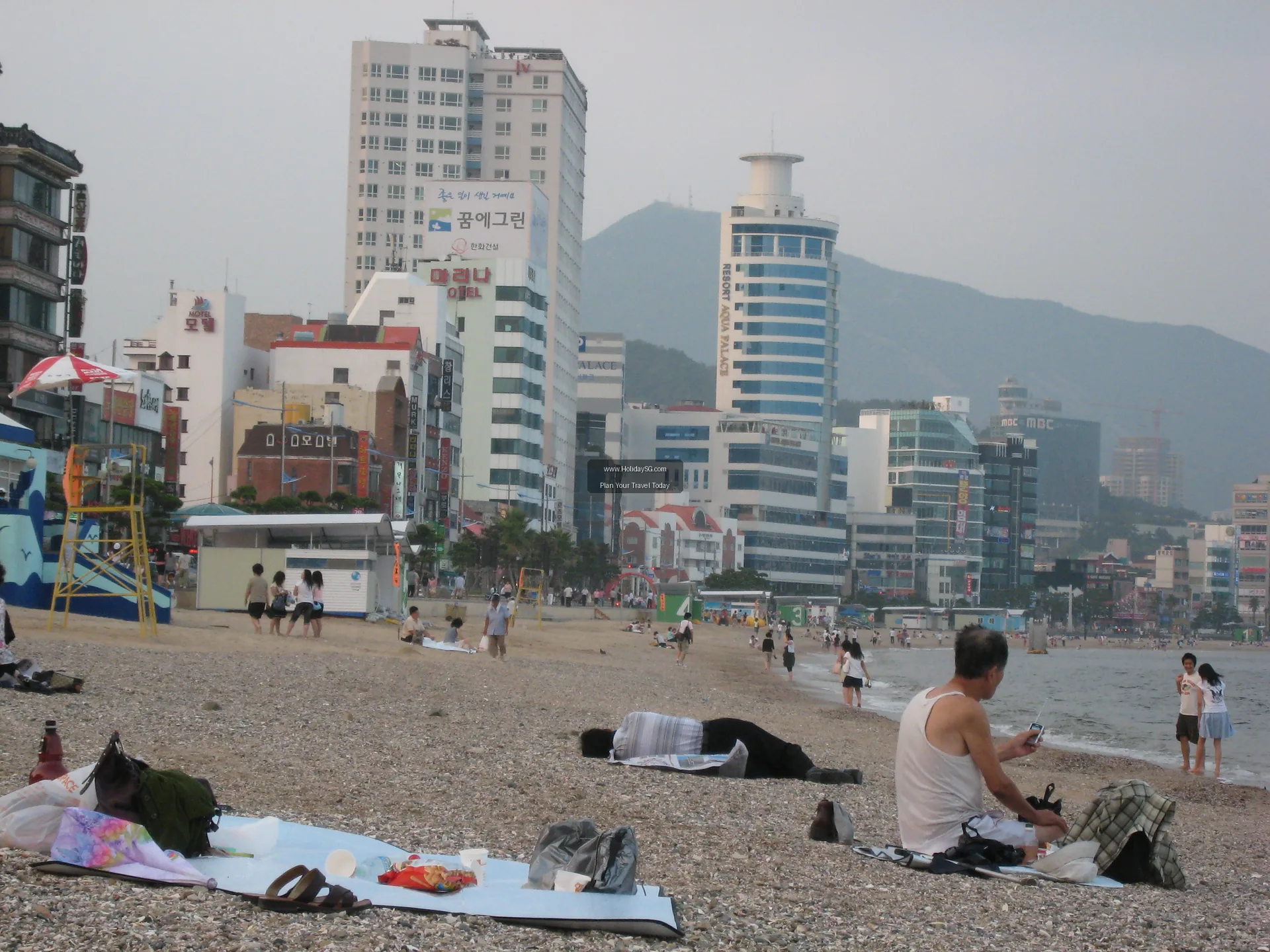
I remember my first proper Seoul shopping day because I got it completely wrong. I took the metro to Myeongdong at two in the afternoon on a Saturday, with a vague plan to "look around", and ended up shoulder to shoulder with half of Asia, buying the first sheet masks I saw at a price I later found out was ordinary, and leaving with sore feet and a bag of things I did not really want. It took two more trips before I understood that Seoul is not one shopping city. It is about a dozen of them, stacked next to each other, each with its own hours, its own crowd and its own idea of what a bargain is.
This guide is the one I wish I had been handed before that first Saturday. It walks through the districts that are actually worth your legs, what to buy in each, when to go, how the tax refund really works, how to pay, how to get around with bags in your hands, and how to build shopping into a trip that also has palaces, islands and late-night food in it. It is written for people flying out of Singapore, so the cost comparisons and the visa notes lean that way, but nothing here stops working if you are coming from anywhere else.
How Seoul shopping actually works
The first thing to accept is that Seoul shops by neighbourhood and by time of day. Cosmetics and street snacks live in one corner of the city and run late into the night. Wholesale fashion lives in another and mostly sleeps while the tourists are eating breakfast. Designer boutiques sit in a third, behind tree-lined streets that feel more like a small European town than a capital of ten million people. If you try to do all of that in a single afternoon you will see everything and enjoy nothing.
The second thing is that prices are less negotiable than people expect. Outside a handful of market stalls, particularly in the older wholesale areas, you are not haggling. Korean retail leans on fixed prices, loud promotions and a steady rhythm of buy-one-get-one offers, and the real saving comes from picking the right moment and the right shop, not from arguing. A face-mask brand might run a three-for-the-price-of-two deal on a Tuesday that nobody advertises in English, and the clerk will quietly point at it if you look puzzled.
The third thing is the sheer physical effort. Seoul is hilly, the metro stations have long staircases, and a shopping day can easily cover twelve kilometres on foot. People who plan the day around two districts, with a proper sit-down meal in the middle, come home happier than people who chase six.
The rhythm of a good shopping day
Most visitors do best with a loose pattern: start late morning in a calm, browse-friendly area, eat a real lunch, spend the afternoon in the district you came for, and keep the busiest street for the evening when the lights are on and the stalls are cooking. Because most large stores open around ten-thirty or eleven and many close by nine or ten at night, you do not lose anything by starting slowly. The exceptions are the wholesale markets, which flip this logic entirely, and I will come to those.
Myeongdong: the beauty street everyone starts with
If Seoul shopping has a front door, it is Myeongdong. The streets around the metro exit are lined, almost without gaps, with skincare and make-up shops, many of them with three or four branches within sight of each other. Staff stand outside calling out offers in several languages, handing out samples, and sometimes pressing a small gift into your hand to get you through the door. It can feel like a lot. It is also the easiest place in the country to compare brands side by side, because you can walk from one counter to the next in under a minute.
What works here is being a little ruthless. Decide before you arrive which three or four products you actually want, check the shelf price in two shops, and then ask whether the shop has a visitor set. Many do, and the gift-with-purchase is often better value than the discount itself. Sheet masks sold in tens, sunscreens, lip tints, cushion compacts and hand creams are the staples I see people carry out by the armful. If you only have one evening, go after six, when the street food carts set up and the whole area turns into an open-air market.
The food is half the reason to come. Egg bread, grilled cheese-topped lobster tails, fried dumplings, hot tteokbokki in a paper cup. Prices at the carts are higher than anywhere else in the city, so treat it as an experience and not as dinner. For a proper meal, walk a block or two off the main drag, where the regular restaurants post their prices in the window and the customers are office workers.
| Myeongdong tip | Why it matters |
|---|---|
| Go before noon on a weekday | The shops are calmer, staff have time to explain ingredients and you can test shades without queuing. |
| Ask about visitor sets | Boxed travel sets often include extra minis that cost more if bought one by one. |
| Compare two shops, not ten | The same brand is usually priced identically across branches. The difference is in the gifts. |
| Keep the evening for food | The carts only start properly after sunset, so splitting the day gives you both sides of the street. |
| Carry a light tote | Bags get heavy fast, and a fold-up shopper saves you from buying a plastic bag at every counter. |
Dongdaemun and the all-night fashion markets
Dongdaemun is where Seoul's clothing trade really lives. The big fashion malls here were built for wholesale buyers and still behave like it: stalls are tiny, stock turns over every week, and the busiest hours are late at night and into the early morning. A lot of what you see on mannequins in the department stores of other districts started life in one of these buildings.
Retail shoppers are welcome, but you need to understand the etiquette. Many stalls sell only in a minimum number of pieces to trade customers and will sell single items to visitors at a slightly higher figure. Try-ons are limited, returns are rare, and some counters will not take cards. Bring cash for the smaller stalls, check the seams and zips before you pay, and treat everything as final sale. The reward is variety and price: basic knitwear, cotton shirts, bags, hats and costume jewellery for a fraction of what the same style costs in a boutique.
Go with a short list and a measuring tape in your head. The sizing runs small, and the fitting-room situation can be a curtain in a corridor. If you are shopping for a particular size, buy slightly up. Plan to be done by midnight if you are not a night owl, because the second shift of buyers arrives after that and the aisles turn into a trade floor.
Namdaemun, the old-school alternative
Namdaemun Market, on the other side of the old city wall, feels more like a traditional bazaar. You will find kitchenware, dried seafood, ginseng products, souvenirs, stationery and a surprising number of stalls selling glasses frames and cameras. The pace is slower, bargaining is more natural, and the alleys of food stalls serving knife-cut noodles and mandu make it one of the better places in town for a cheap lunch in the middle of your hunt.
Gangnam, Garosu-gil and the designer side of town
South of the river the mood changes. Gangnam is the Seoul of glass towers, flagship stores and polished department store food halls, and it is where the city's domestic designers show their best work. The famous avenue is Apgujeong's Rodeo Street, but the area I actually enjoy walking is Garosu-gil in Sinsa, a long tree-lined street of independent boutiques, cafes and concept stores where you can spend an entire afternoon without noticing a single chain.
This is the place to look for Korean labels that have become known abroad: minimalist womenswear, tailored menswear, leather goods, eyewear and fragrance. Prices sit well above Dongdaemun and often match what you would pay at home, so the argument for buying here is design, not saving money. Some boutiques also stock limited collaborations that never reach their online stores.
Plan around cafe breaks. Garosu-gil is built for slow browsing, and the cafes are part of the show: desserts shaped like animals, coffee served in tiny glass bottles, and interiors that photograph well enough that you might find a queue on a Sunday. If you are travelling as a couple or with friends, this is the district to give a full afternoon.
COEX Mall and the underground world
Further east, Starfield COEX Mall is the biggest underground shopping complex I have walked in Seoul. It holds hundreds of stores, a library with towering bookshelves that has become a landmark in its own right, a cinema, and an aquarium on the lower level. If it rains, which it does hard in July and August, this is where the city's shoppers flee. You can combine shopping with a family activity here, such as the COEX Aquarium discount ticket (from S$27.12), without ever stepping outside.
The mall is air-conditioned and flat, which matters if you are travelling with older relatives or small children. It is also the departure point for the airport limousine bus, so it works well as a last-day stop before you head out with your luggage. If you prefer to take the bus, the airport limousine ticket from COEX is listed from S$16.79 per person.
Hongdae and Seongsu: where young Seoul shops
Hongdae, the area around Hongik University, is where art students, buskers and street-fashion followers meet. Small shops sell hand-made accessories, vintage clothing, phone cases, stickers and quirky stationery. The weekend art markets near the university are worth timing your visit around, because the stall holders are the people who made the items and they are happy to talk about them. After dark the streets fill with live music and the clubs open, so by ten the shopping quietly gives way to nightlife.
Seongsu-dong, across the river, is the newer story. Old shoe factories and warehouses have been turned into concept stores, pop-up showrooms for fashion and cosmetic brands, roasteries and design studios. It is sometimes called Seoul's Brooklyn, though that undersells how Korean it feels: the pop-ups change monthly, the queues form for items that did not exist last week, and each brand tries to outdo the next with an experience, not just a product. If you like seeing what is about to become popular, spend a half day here.
| District | Best for | Typical mood | Best time |
|---|---|---|---|
| Myeongdong | Skincare, make-up, street food | Busy, bright, loud | Late afternoon into evening |
| Dongdaemun | Fashion, accessories, bulk buys | Trade floor, cash-friendly | Late evening, until midnight |
| Namdaemun | Souvenirs, kitchenware, ginseng | Old bazaar, bargain-friendly | Morning to early afternoon |
| Garosu-gil / Sinsa | Independent designers, cafes | Relaxed, stylish | Weekday afternoons |
| COEX / Gangnam | Big malls, brands, aquarium | Indoor, family-friendly | Any rainy day |
| Hongdae | Vintage, art, accessories | Young, musical | Weekend afternoons |
| Seongsu | Pop-ups, concept stores | Creative, changing | Weekday mornings |
Insadong, Ikseon-dong and the souvenir question
Every traveller eventually needs something to bring home that is not a face mask. Insadong is the usual answer. The main street and its side alleys sell ceramics, hanji paper goods, calligraphy brushes, hand-made fans, tea sets and small traditional crafts, and several tea houses sit on the upper floors if you need a place to rest. Quality varies sharply. Walk past the first row of shops that sell mass-produced magnets and keychains, and look for the places where the maker sits at the back of the shop.
Ikseon-dong, a short walk away, is a cluster of narrow lanes lined with restored single-storey houses that have become tiny cafes, jewellery studios and boutiques. It is gorgeous and tiny, and it is also one of the first places to fill up on a weekend. Go on a weekday morning, take your time, and ask whether the studio offers a short workshop; many do, and a hand-made ring or ceramic piece is a much better memory than a shopping bag.
Good souvenirs I would happily take again: roasted seaweed snacks (check airline rules for dairy and meat products, seaweed is fine), traditional tea, a small ceramic bowl, hanji notebooks, packs of red ginseng candy and hand creams in Korean-themed packaging. Avoid anything labelled as traditional but made overseas; the tag will usually give it away.
Itaewon, Lotte World Mall and the department stores
Itaewon has long been the district for larger clothing and shoe sizes, imported goods and an international crowd. If you have trouble finding your size in standard Korean stores, this is where to look. Tailors here also make suits and shirts to measure in a few days, though you should check how long your trip allows before ordering.
Across the river, Lotte World Mall in Jamsil stacks a department store, hundreds of shops, an aquarium, an observation tower and a theme park into one block. It works as a rainy-day base for families because everyone can split off and reunite. Seoul's department stores more broadly are worth stepping into even if you buy nothing: the basement food halls are a lesson in Korean packaged snacks, fresh fruit gift boxes and ready-made banchan, and the prices are more stable than at the markets. Department stores also run tourist counters where you can ask about discounts and tax refunds.
One piece of advice on timing: department stores hold their biggest sales at the turn of the season, in late January and again in July, and the end-of-year Christmas period has its own mini surge. If your dates are flexible, aim for those windows and you will see markdowns that the street shops do not match.
The beauty shopping cheat sheet
Most people come for the cosmetics, so here is the practical side. Korean skincare is built around layers: cleanser, toner, essence, serum, cream, sunscreen. Bring a note of the products you use at home and check the ingredient list on anything new, since formulas for the domestic market can differ from the export versions. Patch test anything you plan to use on your face in the first few days of your trip, not on the plane home.
| Product type | What to look for | Rough price in SGD |
|---|---|---|
| Sheet masks | Packs of ten, individual sachets for gifts | Under S$10 for a pack of 5-10 |
| Sunscreen | SPF 50+, lightweight texture, no white cast | S$10 to S$25 |
| Cushion compact | Refill pack included, shade range | S$20 to S$45 |
| Lip tints | Water-based tints, long-wear finishes | S$6 to S$18 |
| Hand and foot care | Tubes, masks, hand creams in gift sets | S$4 to S$15 |
| Hair care | Treatment ampoules and scalp products | S$8 to S$30 |
Those figures are what I have seen on shelf labels converted to Singapore dollars; promotions will push them lower, brand lines and department stores will push them higher. Treat them as a sanity check, not a price list.
Tax refunds, receipts and what you can carry home
Seoul has a tourist tax refund scheme, and it is worth using if you plan to buy more than a token amount. In broad terms, foreign visitors who are staying short term can reclaim a portion of the value-added tax on goods bought from participating shops, provided each single purchase passes a minimum amount and the goods are taken out of the country within a set time. Participating shops display a tax-free sign. Many offer an immediate refund at the till for smaller totals, while larger purchases are refunded at the airport.
Procedure matters more than percentage. Keep your passport with you when you shop, because the shop will scan it. Keep the refund slip attached to the receipt. Do not open or use the item before you leave the country, since customs staff can ask to see it. At the airport, check the refund counters or kiosks well before check-in closes, since lines in busy periods can run long, and if you are checking in a bag with the goods in it you should do the customs stamp first. Rules and thresholds change, so always confirm the current amounts at the shop or on the official tourism pages.
- Passport on you every time you pay, not in the hotel safe.
- One receipt per shop is easier than splitting, as long as the total passes the minimum.
- Keep liquids, creams and perfumes in your checked bag unless the pack is under the cabin limit.
- Fresh fruit, meat and dairy products have import limits at Singapore customs. Stick to sealed dry snacks.
- Photograph every refund slip before you hand it over, just in case.
Paying: cards, cash and the WOWPASS shortcut
Seoul is one of the most card-friendly cities I have used. International cards work in nearly every shop, and the cheaper stalls in the old markets are the main place you still need cash. Mobile wallets are common among locals, but not every foreign card links to them, so do not rely on that.
A prepaid card for visitors can make small purchases and transport simpler. The WOWPASS prepaid card is listed from S$7.00 and can be topped up with foreign currency at a kiosk, then used in shops, vending machines and on the metro. Leftover balance can be refunded when you leave, subject to the card's terms, so it also works as a way to keep your daily spending in one place. If you are only visiting for a few days, it is probably the easiest way to avoid fumbling with coins.
Whatever you use, check the exchange or foreign-transaction costs on your own card before leaving. A card that adds a couple of percent on every swipe becomes expensive when you buy a lot of small items.
Getting around with shopping bags
The metro is the backbone of a shopping day, and a rechargeable transport card makes it straightforward. Line 2, the circular green line, passes through or near most of the shopping districts: Hongdae, Dongdaemun, Euljiro, Sinsa-adjacent stops and the stations for Gangnam and COEX. Stations are clean and signed in English. The only catch is the stairs, so travel light and use the lifts if you are carrying a big bag.
From Incheon Airport, the cheapest and simplest way into the city for most travellers is the airport express train. The AREX Incheon Airport to Seoul express train ticket is listed from S$9.09 and takes you into the city in well under an hour. If you land late with heavy luggage or are travelling in a group, a pre-booked transfer such as the Incheon Airport to Seoul city centre transfer (from S$100.52) can be easier to split between passengers.
| Route | Good for | Notes |
|---|---|---|
| AREX express train | Solo travellers and couples | Fast, predictable, runs to central Seoul |
| Airport limousine bus | Hotels near COEX and big avenues | Comfortable luggage racks, slower in traffic |
| Private transfer | Families, groups with big bags | Costs more per trip, easier per person |
| Metro line 2 | Between shopping districts | Cheap and frequent, avoid 8-9 am and 6-7 pm |
| Taxi | Late-night returns from markets | Meters are standard; use the app or ask the hotel to call one |
If you want a looser plan for sightseeing in between shopping, the Yellow Balloon city tour bus (from S$22.81) makes a loop of the main areas and lets you hop on and off. It is a way to see the city when your feet are done.
Shopping meets sightseeing: ready-made day plans
A shopping trip rarely lasts more than two or three days before everyone wants to see something that is not a store. Seoul gives you easy ways to mix the two. Here are three combinations I have actually used.
Plan one: palaces by day, markets by night
Start with the old palace district in the morning, when the guards change and the courtyards are quiet. A guided ancient capital stroll through Gyeongbokgung and Bukchon (from S$54.45) fills a good three or four hours. Finish at Insadong for tea and souvenirs, rest at the hotel, then take the Seoul night tour of Gwangjang Market and the Han River (from S$73.19), which is the easiest way to taste the market food properly with someone who knows which stalls to try.
Plan two: Nami Island and a loose evening
Day trips out of the city are a natural break from retail. Nami Island, a short ferry ride from the mainland, is full of tree-lined paths and is spectacular in autumn. The simplest way is the Nami Island round-trip bus (from S$36.54), and if you want a fuller day, combined routes such as the Nami Island, Petite France and Italian Village day tour (from S$65.65) cover several stops in one go. Plan something light for the evening, since you will be tired, and save the shops for the next day.
Plan three: family day with a rainy-day backup
If you have children, a theme park day at Everland (from S$15.00) can anchor the plan. For a rainy morning, the Lotte World Aquarium (from S$23.60) or the COEX Aquarium keeps everyone dry, and both sit inside malls where the adults can shop while children are in the water. A long soak at a Korean bathhouse is the traditional way to end it: the Sparex Dongmyo jjimjilbang admission is listed from S$13.38.
What things cost, and how to budget
Seoul is not as cheap as it was a decade ago, but it is still good value compared with Singapore for many items, especially food, cosmetics and casual clothing. Electronics and luxury goods rarely beat home prices. The table below is a rough guide for a shopper spending a few days in the city; your own number will depend on how much you buy and where you stay.
| Item | Typical price in SGD | Notes |
|---|---|---|
| Street food snack | S$2 to S$6 | Higher around Myeongdong |
| Sit-down lunch at a local restaurant | S$9 to S$15 | Set menus are good value |
| Coffee at a cafe | S$5 to S$8 | Dessert cafes cost more |
| Metro ride | S$1.20 to S$2 | Distance-based fare |
| Basic T-shirt at a market | S$6 to S$14 | Higher in boutiques |
| Mid-range skincare product | S$12 to S$30 | Often discounted in sets |
| Day tour from Seoul | S$38 to S$130 | Depends on route and group size |
| Airport train to the city | About S$9 | Direct, runs frequently |
The official figure for general daily spending, according to our travel data, is in the range of KRW 80,000 to 250,000 per person per day, which is a wide span because it includes everything from hostel budgets to boutique hotels. A realistic mid-range day with meals, transport and a few small purchases usually falls near the lower-middle of that scale.
Staying connected while you shop
You will use your phone more than you expect: for maps, for translation apps when a shop assistant speaks only Korean, for navigation to that one cafe, for scanning menus. A local data connection is not optional in practice. Options include an eSIM you install before you fly, a physical SIM collected at the airport, or a plan bundled with a transport card. Prices vary widely, from a few dollars for a small eSIM data pack to around S$20 for an unlimited 4G option with a transport card included.
If you want something quick and no-fuss, a South Korea eSIM with free basic data starts at S$4.00, while an LG U+ eSIM with a T-money card (from S$13.44) combines data and transport in one. Install the eSIM before you land so you have a connection the moment you step off the plane. For heavy users or groups who want to share a hotspot, look for plans that mention hotspot support, and check the data cap before choosing.
Do you need a visa? A quick note for Singapore travellers
Most Singapore passport holders can visit South Korea for tourism without a visa. According to our visa notes, Singapore passport holders are currently covered by a temporary exemption from the K-ETA until 31 December 2026, with a stay of up to 90 days, so you can arrive and clear immigration without applying beforehand. The rules do change, and the exemption has an end date, so check the latest position before you book. You can see the current requirements for your passport on our visa requirements page.
Travellers from other countries may need the K-ETA, which is an online travel authorisation with a fee of about KRW 10,000, valid for several years and usually processed within about three days. Indian nationals and others who are not on the waiver list apply for a short-term visa instead, with a typical processing time of around ten working days. If any of that is confusing, our team can guide you through the visa side so you do not discover a problem at the check-in desk.
Many visa applications also ask for proof of onward travel or an itinerary. If you are applying for a visa that requires it and have not bought your flights yet, our flight reservation service provides a dated reservation for the application. It is a reservation for visa paperwork, not an issued ticket, so do not treat it as a confirmed seat.
When to go: seasons, sales and crowds
Spring, from April to June, and autumn, from September to November, are the most comfortable times for walking between shops. Temperatures are mild, the trees are in colour, and the markets are lively. Summer is hot and humid with a monsoon period in July and August, so plan indoor shopping at that time. Winter can fall well below freezing, which is brutal for outdoor markets but great for hot street food and for the winter sales.
Public holidays matter. During Seollal, the Lunar New Year, and Chuseok in the autumn, many local shops close for a few days, while department stores and tourist areas stay open. Weekends in Myeongdong, Hongdae and Seongsu are busy all year. If you can choose, a Tuesday or Wednesday is the best day to browse in comfort.
| Season | Weather | Shopping notes |
|---|---|---|
| Spring (Apr-Jun) | Mild, occasional dust | Great walking weather; new-season collections arrive |
| Summer (Jul-Aug) | Hot, rainy | Head to indoor malls; mid-year sales start |
| Autumn (Sep-Nov) | Cool, clear | Best light, busy markets, comfortable outdoors |
| Winter (Dec-Mar) | Cold, dry | Winter sales, hot street food, heavy coats needed |
Mistakes I would help you avoid
- Buying cosmetics at the first stall you see. Walk one street further and compare.
- Arriving at Dongdaemun at ten in the morning and finding the best floors closed.
- Carrying only one card. Bring a backup and some cash for the old markets.
- Skipping the receipt. Without it, the tax refund and any return are both off the table.
- Overpacking your outbound bag. Leave room for what you will buy, or plan to buy a cheap extra bag.
- Over-scheduling. Two districts a day is plenty; three is a marathon.
- Assuming everyone speaks English. A translation app on your phone saves a lot of pointing.
A sample three-day shopping itinerary
| Day | Morning | Afternoon | Evening |
|---|---|---|---|
| Day 1 | Arrive, drop bags, short walk around the hotel area | Palace district and Insadong souvenirs | Dinner and the night market tour |
| Day 2 | Garosu-gil boutiques and cafes | COEX Mall and aquarium | Early night, or a long soak in a bathhouse |
| Day 3 | Myeongdong before noon, with lunch nearby | Dongdaemun or Namdaemun for fashion and gifts | Hongdae for dinner and street performers |
Add a day trip if you have a fourth day, and swap in a Seongsu morning if you prefer the newer side of town. Leave your last evening completely open: that is when you realise you forgot something and need a final run to a nearby shop.
If you plan to see several paid attractions, a pass such as the Discover Seoul Pass (from S$78.31) can reduce the hassle of buying individual tickets, though check which sites are included before you commit. Whether it saves money depends on how many places on the list you actually want to visit.
A few more evenings to fill
Not every evening has to end in a market. If you want to sit down after a long day of walking, Seoul has plenty to offer. A river cruise on the Han is a gentle way to see the city lights; the Golden Blue Marina yacht experience is listed from S$28.58 and works well for couples or small groups. For something livelier, the Musical HUNKY SHOW (from S$47.68) is an interactive stage show built around K-pop and musical theatre hits. Both pair well with a dinner nearby.
For a gentler option, a visit to a Korean bathhouse is one of the most local things you can do. Bring a small towel, leave your inhibitions at the door, and enjoy the heated rooms. It is also a surprisingly good cure for shopping-day legs.
Frequently asked questions
Is Seoul cheaper than Singapore for shopping?
For cosmetics, casual clothing, stationery and street food, usually yes. For electronics, designer goods and luxury brands, the saving is smaller and sometimes absent. The best approach is to buy what is made in Korea, not what is imported.
What is the best time of day to shop in Myeongdong?
Late morning if you want calm and space to test products, and early evening if you want the energy of the street food carts. Midday weekends are the most crowded.
Can I use my Singapore credit card in Seoul?
International cards are widely accepted in shops, restaurants and department stores. Smaller market stalls often prefer cash, so carry some won. Check with your bank about foreign transaction fees before you go.
How does the tourist tax refund work?
Foreign visitors can reclaim part of the VAT on purchases from participating shops when each purchase passes a minimum amount and goods leave the country within the time limit. Keep your passport, receipts and refund slips, do not use the goods before departure, and arrive at the airport early to process refunds. Thresholds and procedures change, so check the current details at the shop.
Do I need a visa to visit South Korea from Singapore?
At the time of writing, Singapore passport holders are covered by a temporary K-ETA exemption until 31 December 2026 for stays up to 90 days. Rules can change, so confirm on our visa requirements page before you travel.
Is it better to shop on my own or take a guided tour?
For shopping itself, independent is better because you set your own pace. For markets where you want to taste local food without guessing, a guided night tour is worth it. Day trips outside the city are easier with a pre-arranged route or bus.
How much luggage space should I leave?
A common rule is to leave a third of your suitcase empty, or pack a foldable bag. Airlines vary in their baggage allowances, so check yours, especially if you are shopping for fashion or heavy items like ceramics.
What should I avoid buying?
Fresh food, meat and dairy products cannot easily come home. Also be careful with knock-off branded goods, which can be seized at customs, and with large liquids in your cabin bag.
Featured experiences in this guide
Plan your Seoul trip with HolidaySG
Browse Seoul attractions, day trips, airport transfers and connectivity options, all in one place. Choose your dates, add your tickets to the cart and our team confirms your booking before your e-tickets are emailed. Not sure about the visa side? Check our visa requirements or ask us about a flight reservation for your application.
Explore South KoreaClosing thoughts
Seoul rewards shoppers who plan a little and wander a lot. Choose your districts, respect the rhythm of the city, keep your receipts, and leave a gap in the day for the thing you did not know you needed. The best purchase from my own trips was not a cosmetic or a coat. It was a tiny ceramic cup from a workshop in Ikseon-dong, bought because I had time to stop and talk to the person who made it.
Whatever you take home, go with room in your suitcase, comfortable shoes and an open evening. The city does the rest.