

Luxury hotels in tokyo is exactly what this guide covers.
Traveling to Tokyo as a luxury-seeking traveler means immersing yourself in one of the world’s most vibrant and exciting cities, where cutting-edge technology meets ancient traditions. With a rich history that spans centuries and a dynamic culture that embraces modernity, Tokyo offers an unparalleled experience for visitors who want more than just a fleeting glimpse.
Luxury hotels play a crucial role in enhancing your stay in Tokyo. These establishments not only provide top-notch comfort and service but also offer strategic locations close to key attractions and amenities. From the iconic Tokyo Tower to the lively Harajuku district, there are plenty of highlights to explore during your visit.
Key Attractions in Tokyo
Tokyo is a city that never sleeps, with countless attractions that cater to every interest. Here’s a brief overview of some popular places:
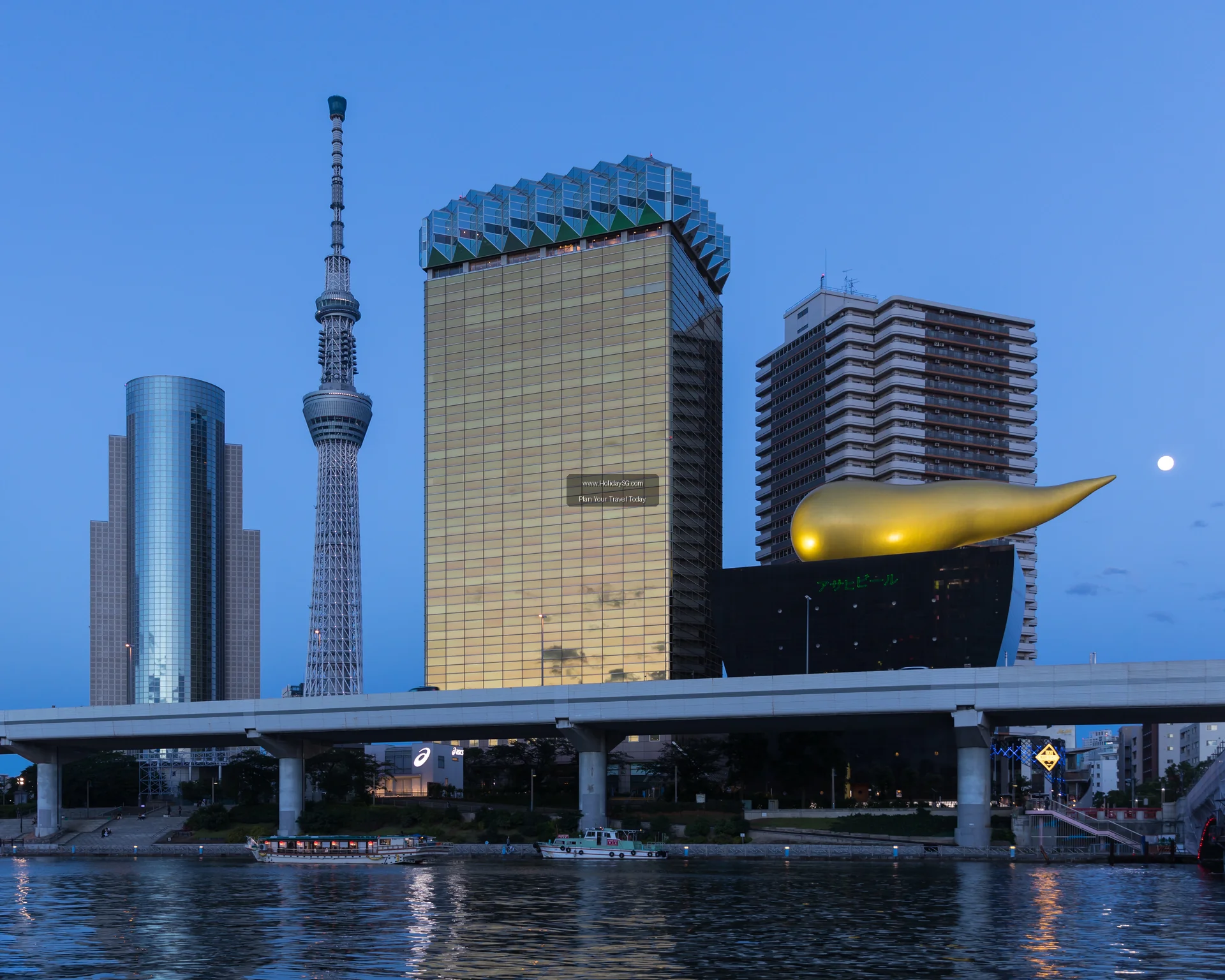
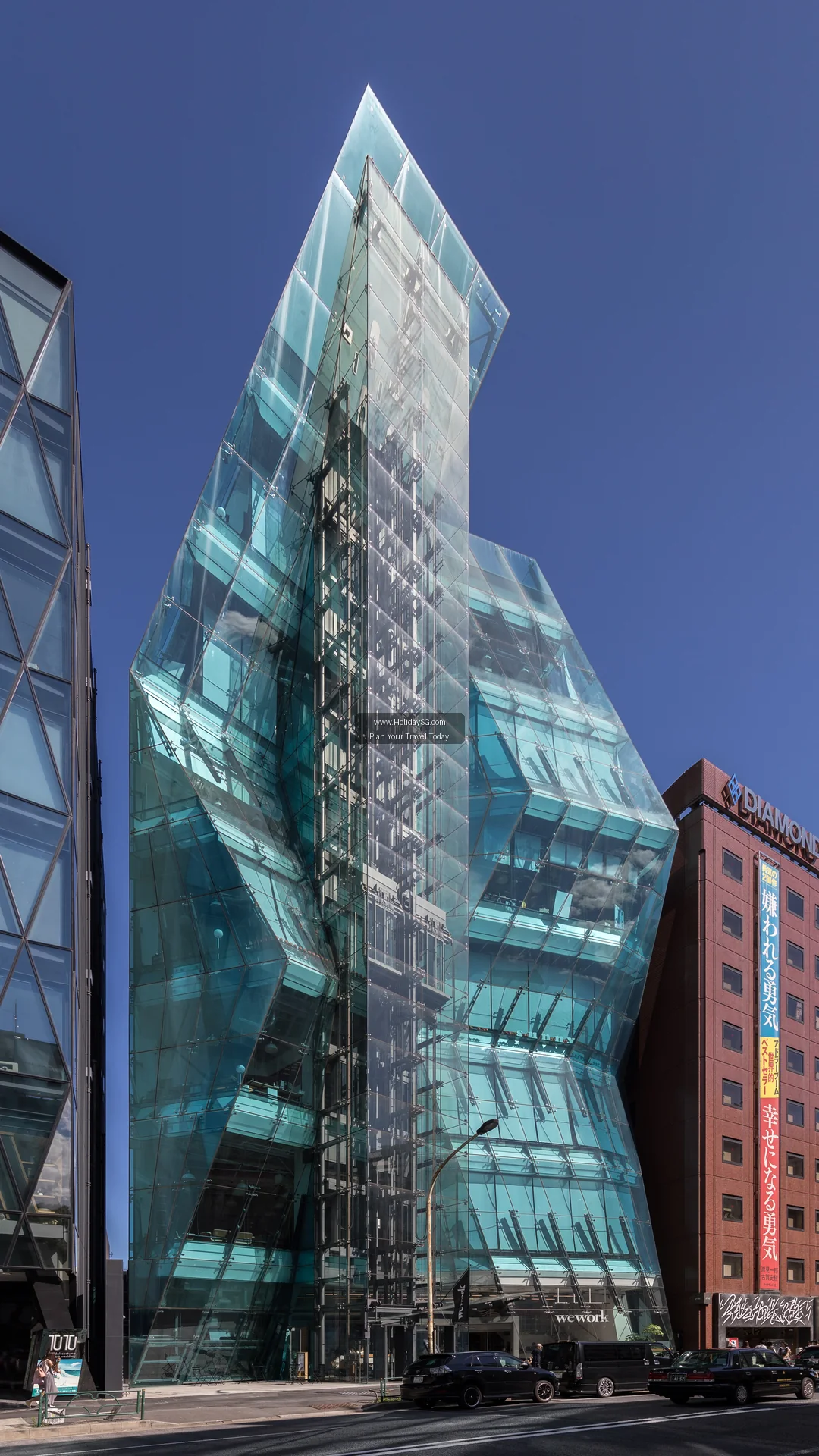
- Tokyo Tower: A quintessential symbol of the city and an excellent viewpoint for panoramic views.
- Shibuya Crossing: One of the world’s busiest pedestrian crossings, offering a glimpse into Tokyo’s vibrant street life.
- Senso-ji Temple: The oldest temple in Tokyo, steeped in history and tradition.
- Meiji Shrine: A beautiful Shinto shrine dedicated to Emperor Meiji and his wife Empress Shoken.
- Harajuku: Known for its unique fashion scene, colorful streets, and the famous Harajuku Station.
- Asakusa: Famous for Senso-ji Temple and Nakamise-dori, a lively shopping street lined with traditional shops.
- Akihabara: The heart of Japan’s electronics district, also popular among anime and manga fans.
- Ginza: A high-end shopping district offering luxury boutiques and department stores.
- Roppongi Hills: A premium business and residential area known for its upscale hotels and dining options.
- Tsukiji Outer Market: The largest fish market in the world, where you can watch fresh seafood being unloaded.
Practical Tips for Traveling in Tokyo
Navigating Tokyo efficiently is key to maximizing your experience. Here are some practical tips:
JR Yamanote Line
The JR Yamanote Line is a circular railway line that encircles central Tokyo and is essential for connecting major tourist attractions. It’s efficient, reliable, and runs frequently, making it the backbone of your journey through the city.
Using Public Transportation
Tokyo’s public transportation system is one of the best in the world. Utilize trains, subways, and buses to explore efficiently and avoid traffic jams.
Luxury Hotels in Tokyo
When it comes to luxury accommodations, Tokyo offers a range of top-notch hotels that cater to every taste and budget. From traditional ryokans to modern skyscrapers, here are some of the best options:
- The Imperial Hotel: Located in the heart of Ginza, this iconic hotel is a symbol of Tokyo’s rich history and luxury.
- Shangri-La Hotel, Tokyo: Set in Roppongi Hills, this hotel offers stunning views and luxurious amenities.
- Lotte New York Palace: Combining Japanese tradition with American elegance, this hotel is a unique experience.
Ready to Explore?
Ready to explore Tokyo’s luxury hotels and attractions? Check out our Luxury Group Trip To Famous Car Meet Up Spot Daikoku Day Tours for an memorable experience.
Book these with HolidaySG:
- Optional Universal Studios Japanjr Pass Luxury Have Fun In Kansai Pass 1 Week Free Pass Limited Time Half Price Pack
- Official Ticket Tokyo Metro 244872 Hour Ticket
- Warner Bros Studio Tour Tokyo The Making Of Harry Potter Admission Ticket
- Madame Tussauds Tokyo
Book with HolidaySG online for Luxury Group Trip To Famous Car Meet Up Spot Daikoku Day Tours, Optional Universal Studios Japanjr Pass Luxury Have Fun In Kansai Pass 1 Week Free Pass Limited Time Half Price Pack, Official Ticket Tokyo Metro 244872 Hour Ticket.
Frequently Asked Questions
Where can I book this / what’s the link?
Do foreigners (non-citizens) need a different ticket, price, or visa for Japan?
Visa requirements for Japan depend on your nationality. Many countries, including Singapore, have visa-free access for short-term stays (typically up to 90 days), but it’s essential to check the latest rules. We advise verifying with official sources such as the Japanese embassy or consulate in your country, as policies can change.
What is the best time to go?
The best time for a luxury hotel stay in Tokyo is during spring (March to May) for cherry blossoms or autumn (September to November) for mild weather and fall foliage. For fewer crowds and better rates, consider shoulder seasons like late April or early November. Avoid peak summer heat and winter cold unless you prefer those seasons.
How long should I spend in Tokyo for a luxury hotel experience?
We recommend staying for at least 4 to 5 nights to fully enjoy luxury hotel amenities and explore Tokyo’s highlights. This duration allows for relaxation, cultural experiences, and day trips without feeling rushed.
What is the typical cost for staying at a luxury hotel in Tokyo?
Luxury hotel costs in Tokyo vary widely, but expect around SGD 500 to SGD 1,500 per night for high-end options. Prices depend on factors like location, brand, and season; booking in advance or during off-peak times can help secure better deals.
What things cost in Japan
Live HolidaySG prices for the experiences in this guide, so you can sanity-check a budget before you commit.
| Experience | Where | From price |
|---|---|---|
| Museum of Aeronautical Sciences | Chiba | From S$4.00 |
| Fuji-Q Highland | Fujiyoshida | From S$17.21 |
| Kamogawa Seaworld | Chiba | From S$12.00 |
| Mount Fuji Day Trip | Tokyo | From S$41.92 |
| Private Kamakura plus Yokohama Tour - English Speaking Driver | Tokyo | From S$808.24 |
| Tokyo: Mount Takao Guided Hiking Tour Day Tours | Tokyo | From S$141.44 |
| LEGOLAND Discovery Center Tokyo | Tokyo | From S$18.28 |
| Tokyo Hanabiyori | Tokyo | From S$5.20 |
Choosing the right neighbourhood for a luxury stay
Tokyo is a collection of neighbourhoods rather than one single centre, and the area you pick shapes the whole trip. A luxury stay in Ginza puts you within walking distance of department stores, galleries and fine restaurants, with quiet streets in the evening. Marunouchi, next to Tokyo Station, suits business travellers and anyone who wants fast rail links to Kyoto, Nagoya and the airports. Shinjuku is lively and well connected, with high-floor hotels that offer skyline views and easy access to the western lines. Roppongi and Azabu give a more residential feel with excellent dining, while Odaiba appeals to families who want a seafront location and direct access to the bay attractions.
Think about how you plan to move around before you decide. If your days are full of sightseeing across the city, a station that connects to several lines will save time. If you prefer slow evenings and long dinners, a quieter district with good taxi access may suit you better. A luxury hotel near a major station is not always the most convenient choice, because the busiest hubs can be crowded at rush hour.
Comparing the main luxury districts
The table below compares the districts most often chosen for a premium stay by the feel of the area, the transport links and the kind of traveller who tends to enjoy each one most.
| District | Feel | Transport | Best for |
|---|---|---|---|
| Ginza | Refined, shopping and galleries | Several subway lines nearby | Shoppers and fine dining |
| Marunouchi | Business and calm | Tokyo Station and shinkansen | Business trips and rail travellers |
| Shinjuku | Lively, with skyline views | Major JR and metro hub | First visits and nightlife |
| Roppongi and Azabu | Residential and upscale | Metro lines, taxis easy to find | Relaxed stays and art lovers |
| Odaiba | Seafront and modern | Monorail and bay routes | Families and waterfront views |
Frequently asked questions about luxury districts
Which district is best for a first visit?
Shinjuku and Ginza are the usual choices for a first trip. Both have excellent transport, plenty to see and a wide range of restaurants, so you can explore on foot and return to a comfortable base each evening.
Is it better to stay near a station?
Staying near a station is convenient, but check which lines serve it. A hotel with access to two or three lines usually beats one with a single busy line, and it lets you reach the day trip starting points quickly.
What a luxury stay in Tokyo really offers
Luxury in Tokyo is often expressed through service rather than spectacle. Staff pay close attention to small details, from folding a parcel neatly to remembering a guest's preferred tea. Many premium properties offer concierge desks that can arrange restaurant reservations, private transfers and tickets for popular attractions, and they tend to know which experiences are worth the time. Rooms are compact by international standards in some districts, so look at the floor plan and the bathroom layout before you book, especially if you travel with luggage.
Breakfast, spa facilities and lounge access vary widely between properties. A traditional Japanese breakfast can be a memorable start to the day, while a Western buffet with fresh pastries suits families and early risers. If quiet matters most to you, ask for a room away from elevators and the main road, and confirm the noise level with the hotel before you arrive.
Planning your days around a premium base
A luxury base works best when your days have a clear rhythm. Start with one main area each morning, such as a temple visit in Asakusa or a walk through the gardens near the Imperial Palace, and keep the afternoon for shopping or a rest at the hotel. Evenings in Tokyo are ideal for long meals, and many restaurants in Ginza and Roppongi take reservations up to a few weeks ahead, so book the special dinners early.
Plan at least one slow morning. Tokyo's trains are efficient, but the city rewards those who linger in a café, browse a bookshop or simply watch the crossings in Shibuya. A premium hotel can be a welcome pause between busy days, and the concierge can suggest quiet options that fit your mood.
Frequently asked questions about planning
How many nights should I book in Tokyo?
Four to six nights gives enough time to see the main districts without rushing. If you plan a day trip to Mount Fuji, Nikko or Kamakura, add one extra night so you are not travelling back late after a long day.
Do luxury hotels include breakfast?
Some do and some do not, and the difference can be significant. Check the rate conditions before you pay, and ask whether breakfast is included for every guest in the room.
Day trips to plan from a Tokyo base
Many visitors combine a luxury stay with a day out. Mount Fuji is a popular choice, and a guided day trip takes the stress out of the journey and includes the best viewpoints when the weather allows. Kamakura and Yokohama are a short ride from the city and suit a relaxed day of temples, seaside walks and harbour views. For families, Fuji-Q Highland and Legoland Discovery Center offer full days of rides and play. Allow extra time for travel and check opening hours before you go, since some attractions close on set days.
Frequently asked questions about day trips
Can I visit Mount Fuji from Tokyo in one day?
Yes. A day trip is a common choice, but the weather can hide the peak, so check the forecast and keep a flexible schedule.
Is a guided tour worth it for Kamakura?
A guided tour helps if you want to see several temples in one day without planning the trains yourself. A private driver can also simplify the trip if you are travelling with a group.
Getting around between hotel and attractions
Tokyo's rail network is among the most reliable in the world. Passes and prepaid cards let you travel across subway, rail and bus lines without buying a new ticket each time, and taxis are available at most major hotels. Ride-hailing apps are less common than in other cities, so ask the concierge to write your destination in Japanese if you plan to use a taxi. For airport transfers, a limousine bus or a private car is often the most comfortable choice with heavy luggage.
Frequently asked questions about getting around
Is a transport card needed?
A prepaid transport card makes travel simpler, especially on the subway. It works across most lines and can be topped up at station machines.
Are taxis easy to find in Tokyo?
Taxis are plentiful in central districts, but they can be harder to find in the evening near busy stations. Ask your hotel to call one for you if you are heading out late.
Dining at the level of your stay
Tokyo has more Michelin-starred restaurants than almost any other city, but luxury dining is not limited to tasting menus. A sushi counter, a kaiseki dinner or a quiet yakitori bar can be just as memorable. Many hotels have their own restaurants with strong reputations, and the concierge can help you choose between a formal dinner and a relaxed meal nearby. Reserve early for well-known restaurants, and bring a copy of your booking details in case the staff ask for them on arrival.
Frequently asked questions about dining
Do I need to book restaurants in advance?
For popular restaurants, yes. Many accept bookings several weeks ahead, and the most sought-after tables can fill quickly.
Can I dine out without speaking Japanese?
Yes, many restaurants have English menus or picture menus, and your hotel concierge can help with reservations.
Shopping and gifts from a luxury base
Ginza and the department stores around Shinjuku and Nihonbashi are ideal for shopping, with beauty counters, stationery shops and specialist food halls. Japanese craftsmanship is a common souvenir, and quality ceramics, textiles and tea are easy to carry home. Tax-free shopping is available at many shops for eligible visitors, so ask for the paperwork at the till and keep your passport handy.
Frequently asked questions about shopping
Can I get tax-free shopping in Tokyo?
Many shops offer tax-free purchases for eligible visitors, subject to minimum amounts and their own rules. Check the signs at the entrance and ask for the forms at checkout.
What is a good souvenir to bring home?
Tea, sweets from a department store food hall and small ceramics are popular, and they travel well in hand luggage.
Etiquette that suits a premium hotel
Japanese hospitality has clear customs. Remove shoes when entering a traditional room or restaurant, keep your voice low on trains, and avoid eating while walking through busy streets. Tipping is not expected at hotels or restaurants, and a small bow when receiving service is a polite gesture. Photography is restricted in some temples and private dining rooms, so look for signs and ask before taking pictures of staff.
Frequently asked questions about etiquette
Should I tip in a Tokyo hotel?
Tipping is not customary in Japan. Good service is included, and a thank-you is the usual way to show appreciation.
Is it rude to talk on the phone on the train?
Speaking on the phone on trains is discouraged. Keep calls short or step onto the platform if you need to talk.
Final thoughts on a luxury Tokyo stay
A luxury hotel in Tokyo is more than a place to sleep. It is a base for exploring a city that rewards curiosity, and the right choice depends on how you want to spend your days. Pick a district that matches your interests, allow time for slow mornings and long dinners, and let the concierge help with the details that take time to arrange. Tokyo's blend of modern design and traditional craft means there is always something new to discover, even on a second or third visit.
Before you travel, check the latest entry rules and the opening hours of the attractions you plan to visit, since schedules can change for holidays and maintenance. Keep a list of the places you enjoyed, and note which neighbourhoods suited your pace, so that a return trip is just as comfortable.
What service in Japan actually looks like
Service standards in Japanese hotels are shaped by a culture of attentiveness, and many guests notice the difference within minutes of arriving. Staff bow when greeting, carry luggage with care and often anticipate a request before it is made. Understanding the reasons behind these habits makes a premium stay more relaxing. Many staff members are trained to avoid saying no outright, so a polite hesitation or a suggestion of an alternative is usually a sign that they are looking for a solution for you.
Be specific when you ask for something. Clear requests about a late check-out, a quiet room, a dietary need or a particular view are more easily met when they are made early, ideally before arrival through the hotel's official channels.
Do staff speak English at upscale hotels?
Most luxury hotels in central Tokyo have front-desk staff who speak good English, and concierge teams often handle complex requests in several languages. Smaller boutique properties may have more limited English, so write down your questions or use a translation app for detail. Confirm in writing any special arrangement you agree with the hotel.
The room, the view and the quiet hours
A high-floor room in a Tokyo hotel offers views across the city lights, while a lower floor may be quieter and closer to the street. Ask about the orientation of the room if you want a particular view, and check whether the windows open, since many modern buildings are sealed. Bathrooms in Japanese hotels are often compact but thoughtfully designed, with heated floors and powerful showers in some properties.
Noise can come from ventilation systems, lift shafts and the busy streets below, so ask for a room away from the lift lobby if you are a light sleeper. Use the in-room controls to set the temperature before bedtime.
Is it worth paying more for a larger room?
Tokyo rooms are often smaller than visitors expect, so a larger room can make a long stay more comfortable, particularly for families or for guests who work in their room. Compare the floor plans on the official hotel site, and confirm the square metres and bed type before you book. Check the official tourism information for current accommodation guidance.
Spa, onsen and wellness rituals
Many premium hotels in Tokyo offer spa facilities, and some include hot-spring baths fed by natural water. Bathing in Japan follows a clear etiquette: wash thoroughly at the washing station before entering a communal bath, keep towels out of the water and avoid swimwear unless the facility specifically allows it. Tattoos can be restricted in some public baths, so check the rules before you plan a visit. Booking a treatment in advance is wise, particularly on weekends.
Hydrate before and after a long soak, and avoid alcohol before a hot bath. Take your time getting out of the bath, since standing up quickly can cause dizziness.
Can I use the hotel spa if I am not staying there?
Some hotels offer day passes or treatment packages to non-residents, but availability and prices vary. Contact the hotel directly to confirm the current policy and any age or health restrictions before you travel.
Making the most of the concierge desk
The concierge is one of the most valuable resources in a luxury hotel. Staff can arrange restaurant reservations, theatre tickets, private guides and transport, and they know which seasonal events are worth attending. Approach them early in your stay, explain your interests and budget, and ask for two or three options to compare. A good concierge will be honest about what suits you and what does not.
Keep a written list of your bookings and the names of the staff who helped you. This makes it easier to resolve any changes during your trip.
Early mornings and the city's quieter hours
Tokyo at dawn is a different city. Shrine grounds are calm, bakeries are opening, and the streets around the station are briefly quiet. Luxury guests can enjoy a leisurely breakfast in the hotel restaurant before the crowds arrive. A short early walk to a nearby park or a neighbourhood shrine gives you a memorable start to the day, and it helps you avoid the busiest trains.
Dress in layers, since mornings can be cool even in warmer months. Carry a light scarf and a bottle of water for the walk.
Accessibility and comfort for every guest
Premium hotels in Tokyo often include accessible rooms with step-free entrances, lowered counters and grab rails. Tell the hotel about any mobility needs before you arrive so that the right room can be assigned. Many stations have lifts and escalators, but some older exits may have steps, so check the route before you travel. Taxis with wheelchair access are available, though they may need to be booked in advance.
Older guests may appreciate a hotel that is close to a station with a short walk and a lift, which reduces the distance on busy days.
Privacy, photography and discreet behaviour
Discretion is part of the premium experience in Japan. Keep your voice low in lobbies and lounges, avoid walking through restaurants with a phone raised, and ask before photographing staff or other guests. Some restaurants and shrines restrict photography inside, so follow the signs. Respecting these norms makes the hotel atmosphere calm for everyone.
Keep your room key and valuables secure, and use the in-room safe for passports and cash. Hotels take guest security seriously, but keeping personal items close is always wise in busy public spaces.
Is the hotel laundry service reliable?
Most luxury hotels offer same-day or next-day laundry and dry cleaning, but timings and fees vary. Ask at check-in, mark items clearly and check the price list before handing them over. Keep your receipt until the garments are returned.
Checking out smoothly and leaving on time
A premium stay should end as smoothly as it began. Confirm your check-out time the evening before, and ask the front desk to hold your luggage if your flight or train is later in the day. Settle any minibar charges, spa bills or restaurant tabs before you leave, and ask for an itemised receipt. Give yourself a buffer for the journey to the airport or station, since Tokyo's trains can be busy at rush hour.
Take a moment to thank the staff who helped you during your stay. A sincere thank you is always appreciated, and it leaves a warm impression of the hospitality you received.
- Request room preferences in writing through the hotel's official channels.
- Learn the bathing etiquette before using any communal bath.
- Use the concierge early for restaurants and tickets.
- Confirm laundry and spa charges before you agree to them.
- Keep valuables in the in-room safe.
For current room rates, policies and accessibility details, check the hotel's official website and the official tourism information before you book. A thoughtful stay in Tokyo combines careful planning with the quiet attentiveness that makes Japanese hospitality memorable.
Choosing a stay for business and leisure
Many visitors to Tokyo combine work with leisure, and a premium hotel can serve both purposes. Look for a desk with good lighting, reliable high-speed internet in the room, and meeting rooms that can be booked through the hotel. Check the business centre hours and the printing facilities before you arrive. A quiet, well-equipped room makes long days of meetings more manageable, and the evenings can be spent exploring the city's restaurants and bars.
Plan your meetings around Tokyo's transport, since rush-hour trains are crowded and taxis can be slow in the central districts. Choose a hotel near the station line that links your meeting venue and your evening plans.
Arriving late and leaving early
Late arrivals and early departures are common for visitors on tight schedules. Tell the hotel your expected arrival time in advance, and ask whether staff can hold a room or leave a key message if you are delayed. For an early departure, arrange your breakfast and luggage collection the night before, so that the morning runs without stress. A calm arrival and departure set the tone for the whole stay.
Evenings after a day of sightseeing
After a full day of exploring, many guests like to return to the hotel for a quiet drink in the lounge or a short rest before dinner. Lounges often have seasonal menus and views over the city, and they make a pleasant place to plan the next day with a concierge. Dress in smart casual clothes for hotel bars, and book a table at the rooftop or the restaurant in advance on busy evenings.
Keep the late evening calm, and give yourself time to sleep well before an early start the next day.
Things to book on this trip
Plan the rest of your trip
- Japan visa requirements - Check who needs a visa, the documents and the processing time.
- Hotels in Tokyo, Japan - Compare hotels and check room rates for your dates.
