

Tokyo in 5 Days: A Complete First-Timer’s Itinerary doesn’t mean racing through every neon-lit block. Tokyo is a city that rewards planning — but punishes over-planning. Five days is the sweet spot for a first visit: enough time to hit the headline districts, add a day trip, and still leave you wanting more. Here’s how to structure it so every day counts.
Updated August 2026
- Why 5 Days Is the Perfect First-Timers' Introduction to Tokyo
- Before You Go: 4 Essential Planning Steps
- Getting Around: Trains, IC Cards & Metro Passes
- Money, Payments & Surviving the Language Gap
- Your 5-Day Tokyo Itinerary, Day by Day
- Eating Well on Every Budget: From ¥300 to ¥5,000
- Packing & Etiquette Checklist for First-Timers
- Your Top First-Timer Questions, Answered
- Recommended HolidaySG Tours
Why 5 Days Is the Perfect First-Timers’ Introduction to Tokyo
Too many first-timers either cram Tokyo into 48 frantic hours or stay two weeks without focus. Five days hits the balance: you can explore West Tokyo, Old Tokyo, and pop-culture Tokyo on separate days, spend one day outside the city, and keep room to double back to a neighbourhood you loved. Each area of Tokyo has a completely different personality, and five days lets you sample all of them without feeling like you’re on a conveyer belt.
Before You Go: 4 Essential Planning Steps
Ready to go? Book Japan Tokyo First Kimono Experience Follow The Shooting Of Sensoji Temple Kimono Reservation Photography Travel Shootin with HolidaySG.
Best Time to Visit: Cherry Blossoms vs. Autumn Foliage
Late March to early April is cherry blossom season — crowds peak, but the city turns pink and locals pack the parks for hanami picnics. Mid-October to late November brings crisp air and autumn colours around the Imperial Palace and Shinjuku Gyoen. Both windows offer mild, comfortable temperatures. Summer, on the other hand, is hot, humid, and typhoon-prone — you’ll survive, but you’ll sweat through every shirt you pack.
How Far Ahead to Book: Hotels, Restaurants & teamLab
If you’re coming for cherry blossoms or Golden Week (April 29–May 5), book your hotel three to six months in advance. Popular restaurants and teamLab Planets time slots sell out too, so lock those down as soon as your dates are set.
A Realistic Budget: What ¥8,000 to ¥25,000 a Day Gets You
Prices below are per person, excluding flights and accommodation.
| Item | Budget Traveler | Mid-Range Traveler |
|---|---|---|
| Nightly stay | ¥3,000–5,000 (capsule hotel) | ¥8,000–15,000 (business hotel) |
| Daily meals | ~¥2,500–3,500 | ~¥5,000–8,000 |
| Daily transport & attractions | ~¥1,500–2,500 | ~¥3,000–5,000 |
| Total daily spend (excl. hotel) | ¥8,000–12,000 ($55–80 USD) | ¥15,000–25,000 ($100–170 USD) |
Concrete anchors: a convenience store breakfast runs ¥300–¥600, a budget ramen lunch ¥800–¥1,200, and a relaxed izakaya dinner ¥2,500–¥5,000 per person.
Staying Connected: Pocket Wi-Fi vs. Prepaid eSIM
Public Wi-Fi in Tokyo is spotty, so budget for a pocket Wi-Fi rental (~$6–$10/day) or a prepaid eSIM. You’ll need maps, transit apps, and live train schedules every single day — don’t rely on hotel Wi-Fi.
Getting Around: Trains, IC Cards & Metro Passes
The JR Yamanote Line: Your Loop Around Central Tokyo
The green JR Yamanote Line is a circular rail line through central Tokyo, connecting Shinjuku, Shibuya, Harajuku, Akihabara, Ueno, and Tokyo Station — all key stops on this itinerary. Learn this loop and getting lost becomes very hard.
Suica & Pasmo: The Prepaid Card You Can’t Skip
Get a Suica or Pasmo IC card on arrival — it works on trains, subways, and buses. Even better: you can add Suica or Pasmo to your iPhone’s Apple Wallet with a credit card and skip the physical card entirely. Tap in, tap out, top up when it runs low.
The Tokyo Metro 24/48/72-Hour Pass: When It Saves You Money
On subway-heavy days, the Tokyo Metro 24/48/72-hour pass (¥800/¥1,200/¥1,500) is a genuine bargain — just remember it doesn’t cover JR lines. Pair it with the Yamanote Line and you’re covered. And if you want unlimited JR travel beyond the city centre, the Tokyo Wide Pass 3 Days is worth a look.
Money, Payments & Surviving the Language Gap
Cash Is Still King — But Cards & QR Codes Work in Big Spots
Small ramen shops, street stalls, and temple markets are cash-only. Convenience stores, major chains, and department stores accept credit cards and QR payments (PayPay, Visa, Mastercard). Rule of thumb: carry ¥5,000–¥10,000 in cash and use cards for bigger purchases.
Basic Japanese Phrases That Unlock Smiles & Better Service
You don’t need fluency. “Arigatou” (thank you), “sumimasen” (excuse me/sorry), and “kore o kudasai” (this one, please) cover most encounters. English works fine in hotels and tourist hubs — a little effort goes a long way everywhere else.
Your 5-Day Tokyo Itinerary, Day by Day
Day 1 – West Tokyo: Shinjuku & Shibuya
Shinjuku Gyoen, Omoide Yokocho & the Golden Gai
Start at Shinjuku Gyoen, a ¥500-entry park that’s the best spot in the city for cherry blossoms or autumn leaves. Around the corner, Omoide Yokocho (“Memory Lane”) is a tangle of smoky grill alley stalls perfect for lunch. Save the Golden Gai for evening: six cramped lanes packed with 200+ micro-bars. Pick one with an open door and go in.
Shibuya Crossing, Hachiko & Evening Neon
Ride the Yamanote Line two stops to Shibuya, watch the famous scramble crossing from a café window above, then dive in yourself — it’s genuinely thrilling the first time. Pay respects to the Hachiko statue, then stay out for the neon-lit night.
Day 2 – Old Tokyo: Asakusa & Ueno
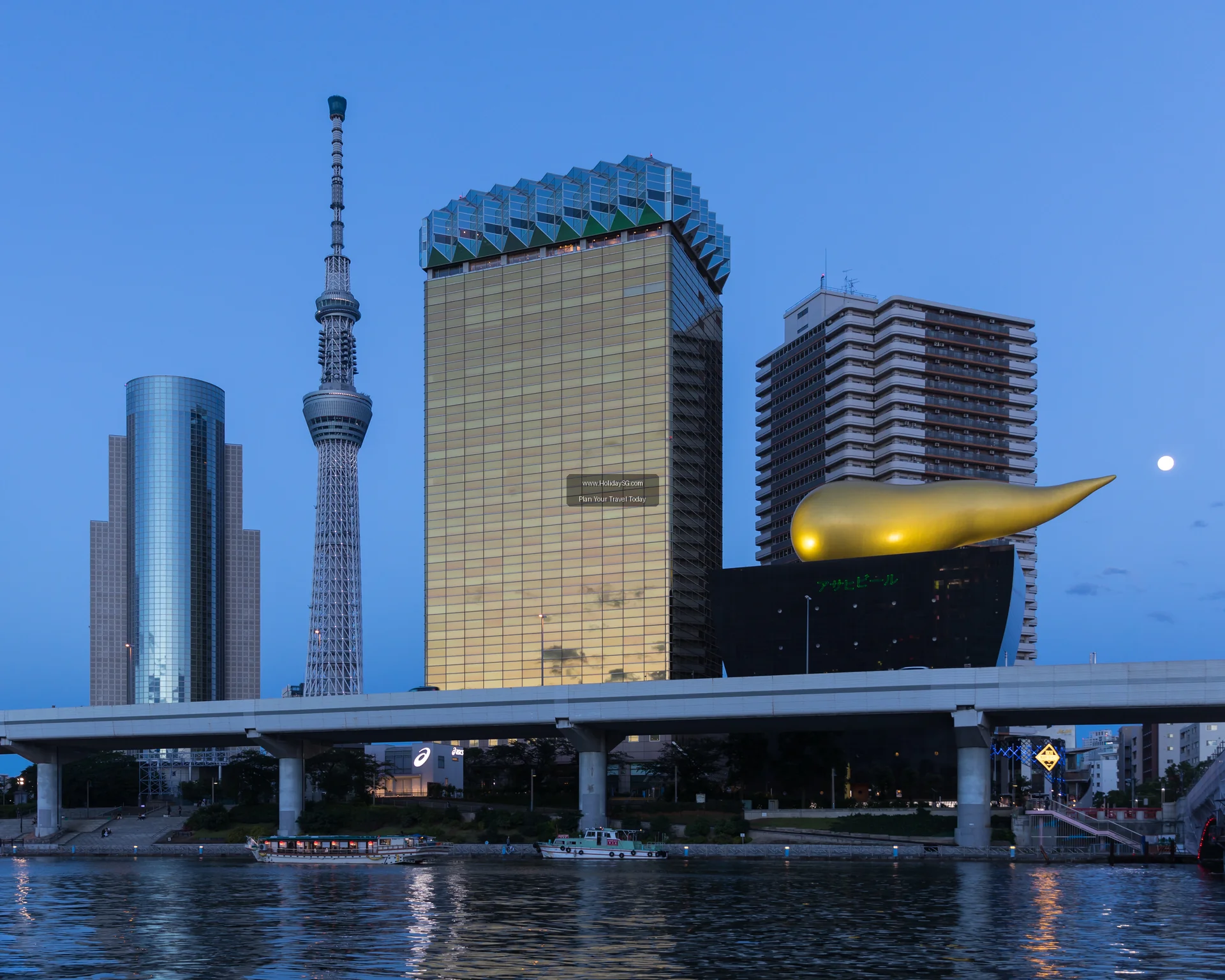
Sensoji Temple, Nakamise Street & Tokyo Skytree
Hit Sensoji, Tokyo’s oldest temple, before 9am to beat the tour buses. Approach through the massive kaminarimon gate and down Nakamise-dori’s souvenir stalls — fresh senbei crackers are the move. The grounds are the city’s most photogenic spot, which is exactly why a kimono experience through Sensoji is such a smart Day 2 add-on: you get dressed, guided through the temple grounds, and leave with photos beyond the usual tourist snap.
From Sensoji, you can walk toward Tokyo Skytree. On hazy days, skip it and save the money — more on that in the FAQ below.
Ueno Park, Museums & Monjayaki Dinner
Spend the afternoon in Ueno Park: the Tokyo National Museum, the zoo, or the willow-lined pond paths. For dinner, head to Monja Street in Asakusa and grill monjayaki — a savoury, runny Tokyo-style pancake — right at your table. It’s messy, fun, and completely authentic.
Day 3 – Akihabara & the Imperial Palace
Akihabara: Electronics, Anime & Maid Cafés
Akihabara is a sensory overload of anime towers, retro game shops, and maid cafés. Set a budget and a time limit before you arrive; Radio Kaikan is a solid first stop.
Imperial Palace East Gardens (Book the Inner Tour)
A short ride to Tokyo Station brings you to the Imperial Palace East Gardens — free, serene, and easily walkable in two hours. The inner grounds require a free guided tour: book online in advance, as spots go fast.
Optional Evening: TeamLab Planets
If you’ve got energy left, book a timed evening slot at teamLab Planets, the barefoot immersive art museum in Toyosu where you wade through water installations surrounded by screen-projected flowers. It’s one of Tokyo’s genuine bucket-list experiences.
Day 4 – Pick Your Day Trip: Nikko, Kamakura or Hakone
All three work the same way: leave early, explore, and be back in Tokyo for dinner. Choose based on what you want most.
Nikko (~2 hr each way). The most ambitious option. Toshogu Shrine, a UNESCO World Heritage site, is Japan’s most lavishly decorated Shinto shrine — look for the famous “see no evil” monkeys carved into its stable. Add Kegon Falls and Lake Chuzenji if you have energy left.
Kamakura (~1 hr each way). The easiest escape. See the 13-metre bronze Great Buddha at Kotokuin, the bamboo grove at Hokokuji, and the coastal trails around the beach. The classic photo stop: the Enoden train crossing the tracks beside the sea.
Hakone (~1.5 hr each way). Mt. Fuji views depend on weather, so check the forecast before committing. On a clear day, the ropeway, lake cruises, and the volcanic Owakudani valley — famous for eggs boiled black in sulphur springs — deliver astonishing panoramas.
Day 5 – Trendy Tokyo: Harajuku & Odaiba
Meiji Shrine & Takeshita Street
Start at Meiji Shrine, a forested sanctuary buried in the middle of the city — the calm is genuinely jarring after the chaos. Then plunge into Takeshita Street, Harajuku’s candy-coloured fashion strip of vintage shops, kawaii accessories, and crêpe stands. Buy the crêpe — it’s tradition.
Odaiba: Gundam, Rainbow Bridge & Seaside Views
Take the Yurikamome driverless train across Rainbow Bridge to Odaiba island. The life-size Gundam statue at DiverCity is the headline attraction, and the seaside deck is perfect for sunset. If you skipped teamLab Planets on Day 3, it’s in Toyosu — conveniently on the way to Odaiba, so bundle them together.
Optional Swap: Tokyo Disneyland or DisneySea
Theme park fans: swap Day 5 for Tokyo Disneyland or DisneySea. Japan’s parks are famous for immaculate service and exclusive merchandise, but also for crowds. Arrive before opening and don’t try to do both parks in one day.
Eating Well on Every Budget: From ¥300 to ¥5,000
Conbini Breakfasts, Ramen Lunches & Izakaya Dinners
Tokyo’s food scene rewards every budget. Convenience stores (7-Eleven, FamilyMart, Lawson) do surprisingly good breakfasts — egg sandwiches, onigiri, hot coffee — for ¥300–¥600. Lunch at a counter ramen or donburi shop runs ¥800–¥1,200. For dinner, an izakaya where you order a spread of skewers, sashimi, and beer lands at ¥2,500–¥5,000 per person.
When You Must Book Ahead: Sushi Counters & Hot Restaurants
Top-tier sushi counters — including three-Michelin-star Sukiyabashi Jiro — require reservations weeks or months in advance. Your hotel concierge can help, but know that no-reservation sushi chains are excellent too. If any restaurant is on your must-eat list, book it at the same time you book your hotel.
Packing & Etiquette Checklist for First-Timers
Shoes, Handkerchiefs & Layers
You’ll easily walk 10–15 miles a day, so break in your walking shoes before you fly. Carry a handkerchief — many restrooms skip paper towels — and pack a light layer for air-conditioned trains.
Train Etiquette: Queue Left, Stand Left, Phones Silent
In Tokyo, stand on the left side of escalators (Osaka uses the right — don’t ask why). Queue neatly for trains and let alighting passengers exit first. Keep your phone on silent on transit — calls are a social faux pas.
Temple & Shrine Etiquette in 60 Seconds
At shrines: bow, toss a coin, bow again, clap twice, bow once more. At temples: just bow. Use the chozuya water pavilion to wash your hands before approaching, and skip photos of inner sanctuaries unless signs say otherwise.
Your Top First-Timer Questions, Answered
Is 5 Days in Tokyo Enough?
For a first visit, yes — it covers every essential district plus a day trip. You won’t see “all” of Tokyo (nobody does), but you’ll leave with a strong sense of the city and, in all likelihood, a plan to return.
Can I Squeeze in a Disney Day Too?
Only by sacrificing a city day or the day trip. If your group has Disney fans, that’s the right call — Tokyo DisneySea, in particular, simply doesn’t exist anywhere else in the world. Pick one park and commit.
Is the Tokyo Skytree Worth It, or Just Overpriced?
The view is superb, but so is the free observation deck at the Tokyo Metropolitan Government Building in Shinjuku on clear days. Go up Skytree for the elevation drama; skip it when the sky is hazy and enjoy the ¥2,000+ saving instead.
Recommended HolidaySG Tours
- Japan Tokyo First Kimono Experience: Sensoji Temple Kimono Reservation & Photography
- Tokyo Wide Pass 3 Days
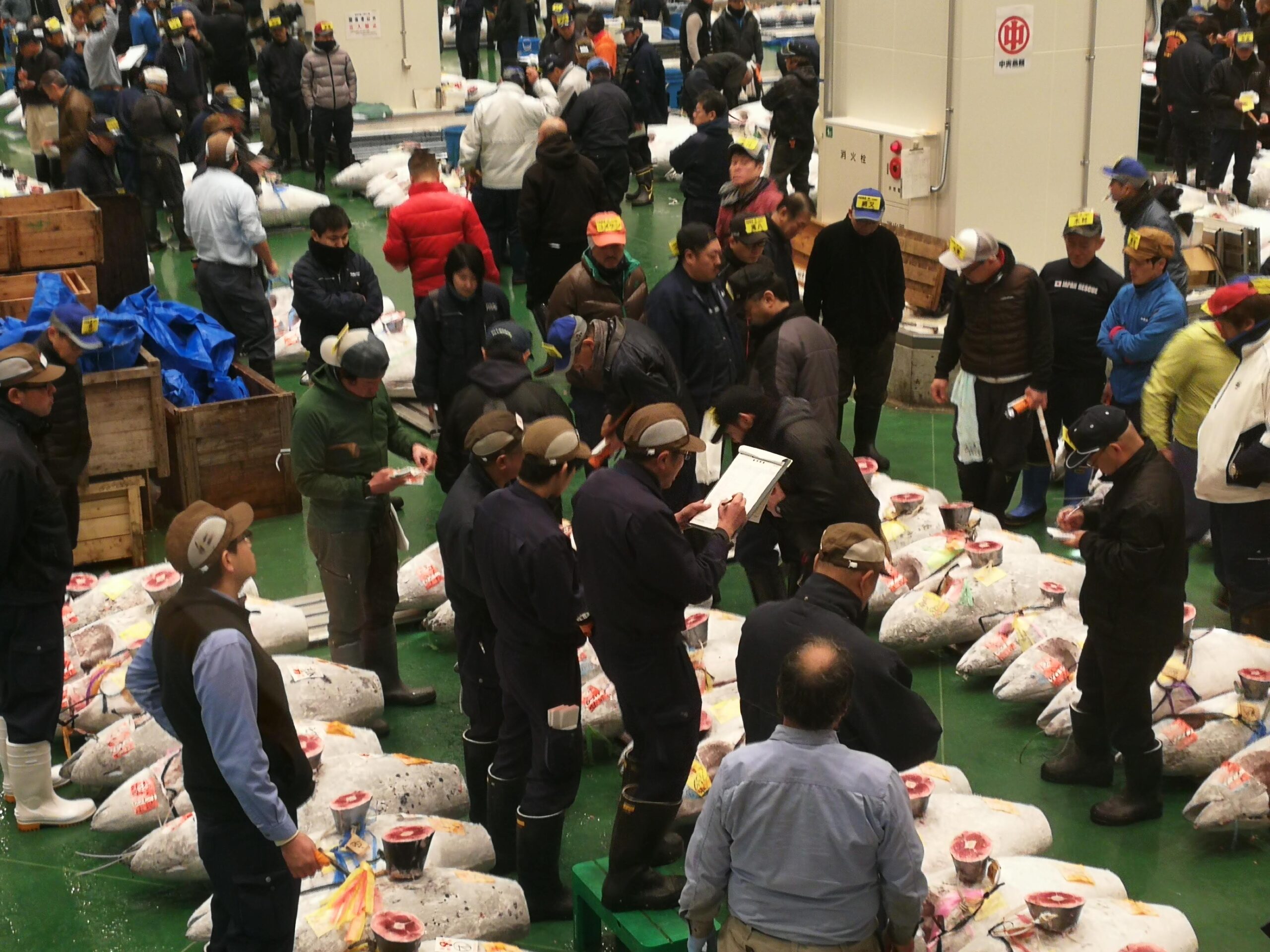
- Tokyo Complete Tuna Auction Toyosu Fish Market Experience (English-Guided)
- Tokyo DisneySea
- Tokyo Disneyland
Start booking what sells out first: your hotel, especially during cherry blossom and Golden Week dates; teamLab Planets tickets; and any tours you know you want, like the kimono photoshoot or a Disney day. Then load a Suica onto your phone, pack the comfortable shoes, and get ready — Tokyo will handle the rest.
Ready to explore? Check out our Japan Tokyo First Kimono Experience Follow the Shooting of Sensoji Temple Kimono Reservation Photography Travel Shootin →
Book with HolidaySG online for Japan Tokyo First Kimono Experience Follow The Shooting Of Sensoji Temple Kimono Reservation Photography Travel Shootin, Tokyo Wide Pass 3 Days, Tokyo Complete Tuna Auction Toyosu Fish Market Experience 45 Hours English.
Frequently Asked Questions
Where can I book the tours and experiences in this Tokyo itinerary?
Do foreigners need a different ticket, price, or visa for Japan?
For most attractions listed here — including Tokyo Disneyland, DisneySea, and the Tokyo Wide Pass — the same ticket price applies to both Japanese residents and foreign visitors, so you don’t need a separate “foreigner” ticket. However, some guided experiences like the Toyosu tuna auction tour are offered specifically in English, which is why the tour link above is the English-language version. On visas: Japan currently offers visa-free entry for tourism to passport holders from many countries, including the US, UK, Canada, Australia, and Singapore, and visa requirements are always subject to change. We can’t guarantee the exact current rules in this article, so please check with the Japanese Ministry of Foreign Affairs or your nearest Japanese embassy or consulate before you fly — that’s the only authoritative source for your specific nationality.
What is the best time to visit Tokyo for this itinerary?
For weather and scenery, late March to early April (cherry blossom season) and late October to November (autumn colours and mild temperatures) are the best times to visit Tokyo. For the specific activities: take the Sensoji kimono experience in the late morning before the temple precinct gets extremely crowded, or catch golden-hour photos in the late afternoon. The Toyosu tuna auction runs in the early morning — you’ll need to be up well before dawn, so book it on a day you don’t mind an early start. For DisneySea and Disneyland, go on a weekday outside of Japanese school holidays to avoid the biggest crowds.
How much should I budget for a 5-day trip to Tokyo?
As a rough guide, first-timers should budget between S$1,500 and S$2,500 per person (excluding international flights) for a comfortable 5-day trip. This covers mid-range hotels (S$150–S$250 per night), meals (S$30–S$60 per day), local transport, and the key activities in this itinerary — including a 3-day Tokyo Wide Pass, the tuna auction tour, the kimono photography experience, and one day at DisneySea or Disneyland (tickets roughly S$70–S$90). Budget travellers can shave costs with capsule hotels and convenience-store meals, while luxury travellers should expect to spend more.
Related reading: